
Most patio furniture can stay outside year-round, but whether yours survives that depends almost entirely on what it's made of and where you live. High-density polyethylene (HDPE) resin furniture like POLYWOOD is genuinely all-weather and needs nothing more than an occasional rinse. Teak and powder-coated aluminum hold up well with minimal care. Natural wicker, cheap steel, and untreated softwood?
Can Patio Furniture Be Left Outside Long-Term?

Theo Tierney
29 May 2026
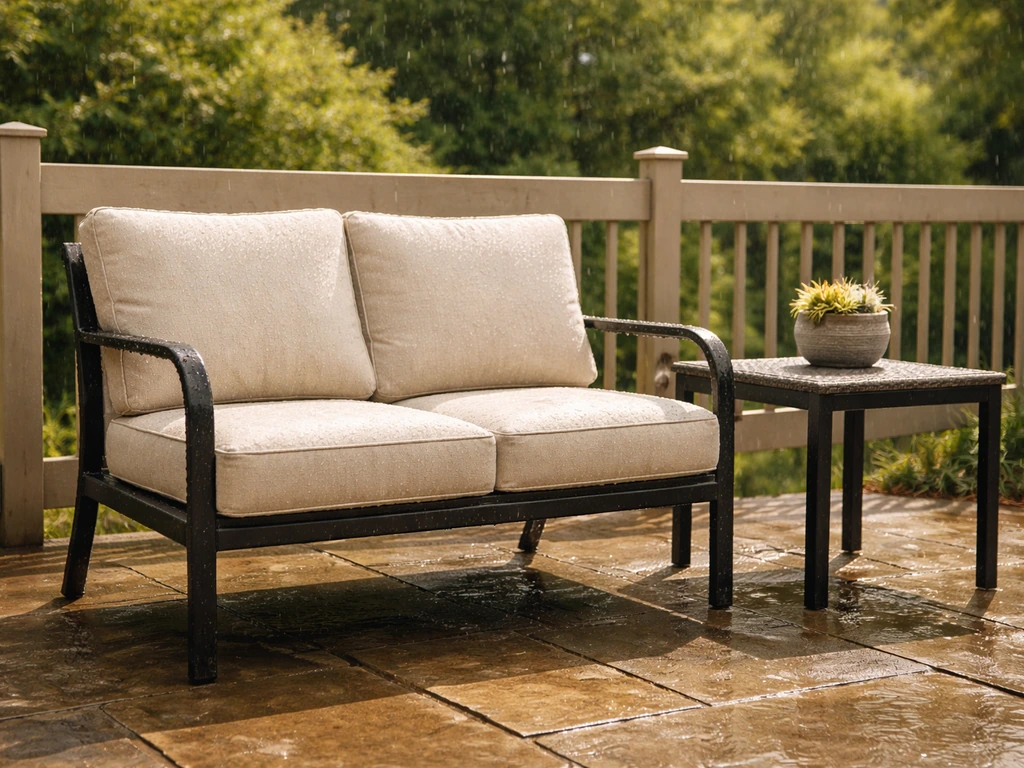
Those materials will fight you every season if you leave them out uncovered and unprotected. So the short version is: yes, you can leave patio furniture outside, but you need to match your expectations to your material. If you want to mix and match patio furniture, just make sure the materials have compatible care needs for your climate.
That also means deciding whether you truly need patio furniture sets to match or whether mixing materials and styles still works for your specific setup match your expectations to your material.
How each material actually holds up outside
Wood
Wood is the most variable category. Teak, eucalyptus, and ipe are dense, naturally oily hardwoods that resist rot and insects better than almost any other wood. Left outside unsealed, they'll turn a silver-gray but won't structurally fail for years. Softer woods like pine or cedar fare worse: they soak up rain, expand and contract with temperature swings, and can crack or rot within a few seasons if left fully exposed.
IKEA's maintenance guidance recommends re-staining wood furniture every year and bringing it under cover in winter, which is solid advice regardless of brand. For wood furniture, IKEA’s maintenance guidance advises re-staining yearly and bringing the pieces under cover for winter to help prevent drying and cracking re-staining wood furniture every year.
If you want wood outside year-round, stick with hardwoods and apply a sealant or oil annually.
Metal
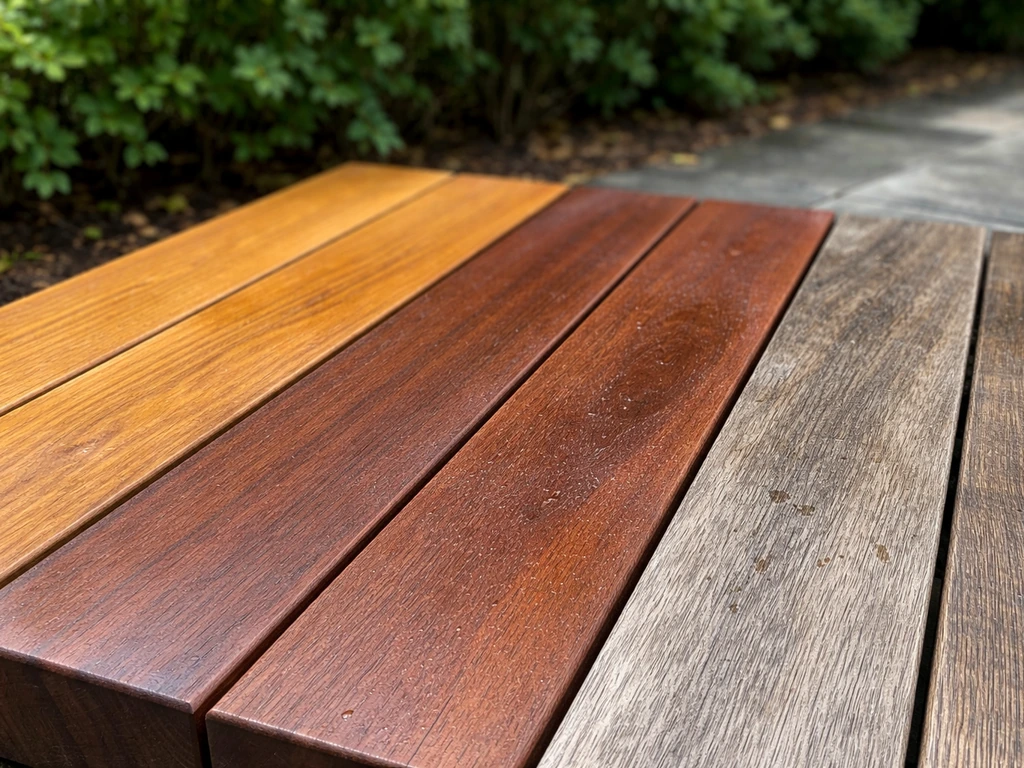
Aluminum is the easy choice here. It doesn't rust, it's lightweight, and a quality powder-coat finish can take UV and rain for a decade without fading badly. Cast iron and wrought iron are heavier and more traditional-looking, but they rust aggressively if the finish chips or scratches. Consumer Reports specifically flags wrought iron as needing either a covered porch or furniture covers to keep rust at bay.
Steel framing on budget furniture is even more vulnerable. If you have iron or steel outdoor furniture, plan on touching up the paint every season and covering or storing it when it won't be used for extended periods. For mixed-material furniture with metal fasteners, TimberTech's maintenance guide recommends checking those fasteners for surface rust every three months in harsh environments.
Wicker and rattan
Natural rattan and wicker are basically indoor-outdoor material sold as outdoor furniture. They absorb moisture, swell, crack, and grow mold. If you have natural wicker, bring it inside or keep it fully covered when rain is expected. Synthetic all-weather wicker is a completely different product: it's woven resin over an aluminum frame, which means it sheds water, resists UV, and holds up through seasons. Consumer Reports recommends all-weather wicker specifically for its waterproof properties. Restoration Hardware's wicker care documentation still recommends using custom-fit covers when synthetic wicker furniture is left outside long-term and not in use, which is a smart hedge against fading and debris buildup even if the material itself is weatherproof.
Resin, composite, and HDPE
HDPE resin furniture (POLYWOOD being the best-known brand) is genuinely designed for permanent outdoor exposure. It's chemical-, water-, and UV-resistant, won't rot, and doesn't require a cover. POLYWOOD explicitly says their furniture does not need to be covered when left outside year-round. Composite furniture like TimberTech's Invite collection and Trex Outdoor Furniture take a similar approach: designed for all seasons, will not rot, low-maintenance. The one caveat even these brands acknowledge is that minimizing direct sunlight and UV exposure slows fading over time, and coastal salt air can be aggressive enough to be a warranty exclusion with some brands. So even the toughest outdoor materials benefit from reasonable care.
| Material | Can Stay Outside Year-Round? | Biggest Risk | Minimum Protection Needed |
|---|---|---|---|
| HDPE Resin (POLYWOOD, Trex) | Yes, no cover required | Gradual UV fading | None required; cover optional to slow fading |
| Composite/TimberTech | Yes | Salt air, UV fading | Rinse regularly; cover in coastal areas |
| Teak / Dense Hardwood | Yes with care | Cracking if unsealed | Annual oiling or sealant; cover in harsh winters |
| Softwood (pine, cedar) | Not recommended | Rot, cracking | Cover or store indoors in wet/cold seasons |
| Powder-coated Aluminum | Yes | Finish chipping leading to oxidation | Touch up chips; light cleaning |
| Wrought/Cast Iron | With covers only | Rust | Furniture cover and annual paint touch-up |
| All-Weather Synthetic Wicker | Yes | UV fading, debris buildup | Cover when not in use for extended periods |
| Natural Rattan/Wicker | No | Mold, cracking, rot | Bring indoors or store fully covered |
Storing furniture outside safely: covered vs. uncovered
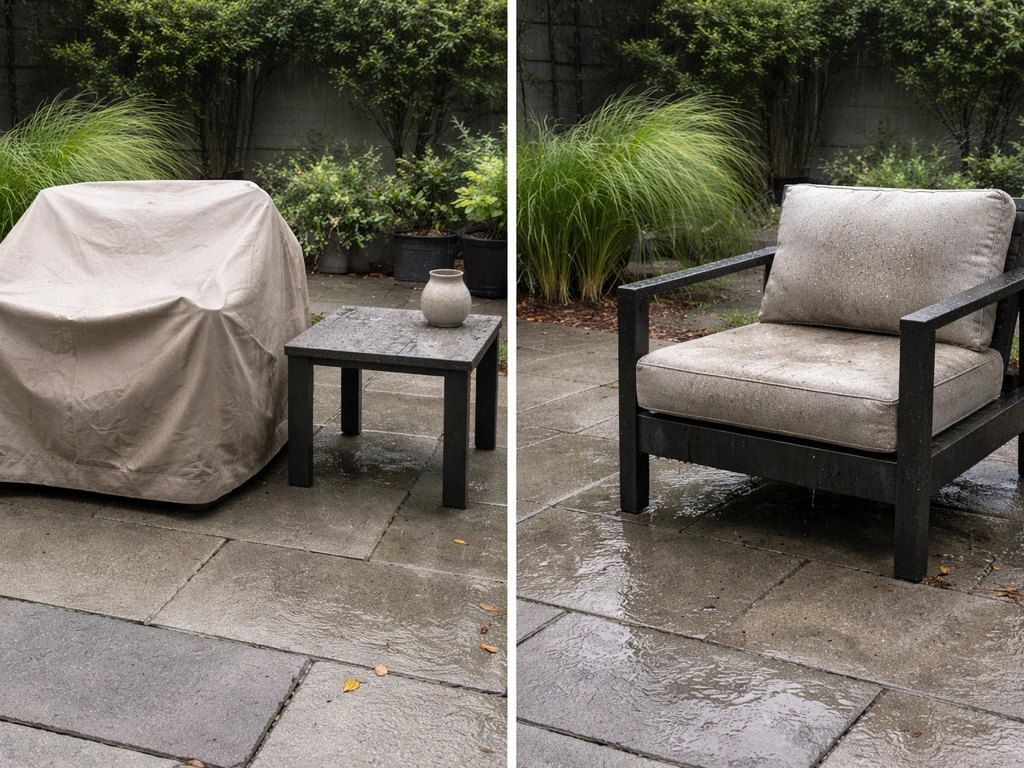
Leaving furniture outside uncovered is fine for weather-resistant materials like HDPE resin, composite, and aluminum, especially if you're using it regularly. But for extended storage outside (think: the furniture sits untouched for weeks or months), covers make sense for almost every material. The real trap people fall into is using the wrong kind of cover.
Plastic-coated, non-breathable covers are the biggest mistake. They trap condensation underneath, and that moisture creates exactly the mold and rust conditions you were trying to avoid. Restoration Hardware's cover guide specifically highlights that their covers use breathable fabric that resists mold and mildew, which is what you want. A cover that locks in humidity does more damage than no cover at all, especially on metal furniture where trapped moisture accelerates rust.
When you do use covers, fit matters. IKEA recommends tucking the lower edges of covers underneath furniture corners on windy days to prevent the wind from lifting the cover and driving rain or debris underneath. A cover that blows half off during a storm doesn't protect anything and can pool water in the fabric itself.
- Use breathable, water-resistant covers, not plastic tarps or sealed vinyl bags
- Make sure covers fit snugly and tuck edges under furniture legs in windy conditions
- Don't cover furniture while it's wet or damp underneath, as this traps moisture
- Position furniture away from downspouts, low-lying areas, and drainage paths where pooling occurs
- Angle chairs and tables slightly or lean chairs forward so water doesn't pool on flat surfaces
- Avoid placing furniture directly against walls where airflow is limited and moisture collects
What to do with cushions
Cushions are where most people lose the battle against outdoor storage. Even Sunbrella fabric, which is one of the best outdoor upholstery options available and genuinely doesn't promote mildew growth on its own, comes with a clear warning: mildew will grow on dirt and debris if you don't clean and dry the fabric before storing. Jensen Outdoor's Sunbrella care guide is blunt about this: stowing cushions while even slightly damp in a storage bag turns that bag into a petri dish for fungal growth.
The practical rule is: cushions should either come inside, go into a ventilated outdoor storage box, or stay on the furniture covered with a breathable cover. If you're keeping cushions outside under covers for extended periods, those covers need airflow. blank" rel="noopener noreferrer">Restoration Hardware recommends breathable custom-fit covers specifically for cushions kept outside year-round. Before any long storage period, blot excess moisture, let cushions air-dry completely in the sun, and never seal them into airtight containers while damp.
Maintenance checklist to keep your furniture in good shape
The difference between furniture that lasts 15 years outside and furniture that looks trashed after three usually comes down to consistent light maintenance rather than any single heroic effort. Here's what to actually do, organized by how often it needs to happen.
Monthly (or after heavy rain/storms)
- Rinse all furniture with a garden hose to remove dirt, pollen, bird droppings, and debris (the organic material mold feeds on)
- Wipe down metal frames and check for scratches or chips in powder coat or paint, touch up immediately with matching paint
- Check fasteners and joints on metal-framed furniture for early surface rust; address with rust-inhibiting spray before it spreads
- Flip or rotate cushions to prevent uneven UV fading and moisture retention on one side
- Shake out and spot-clean cushion covers; allow to air dry completely before replacing
Seasonally (spring and fall)
- Deep clean all frames with mild soap and water; use a soft brush on wicker weaves to clear debris from gaps
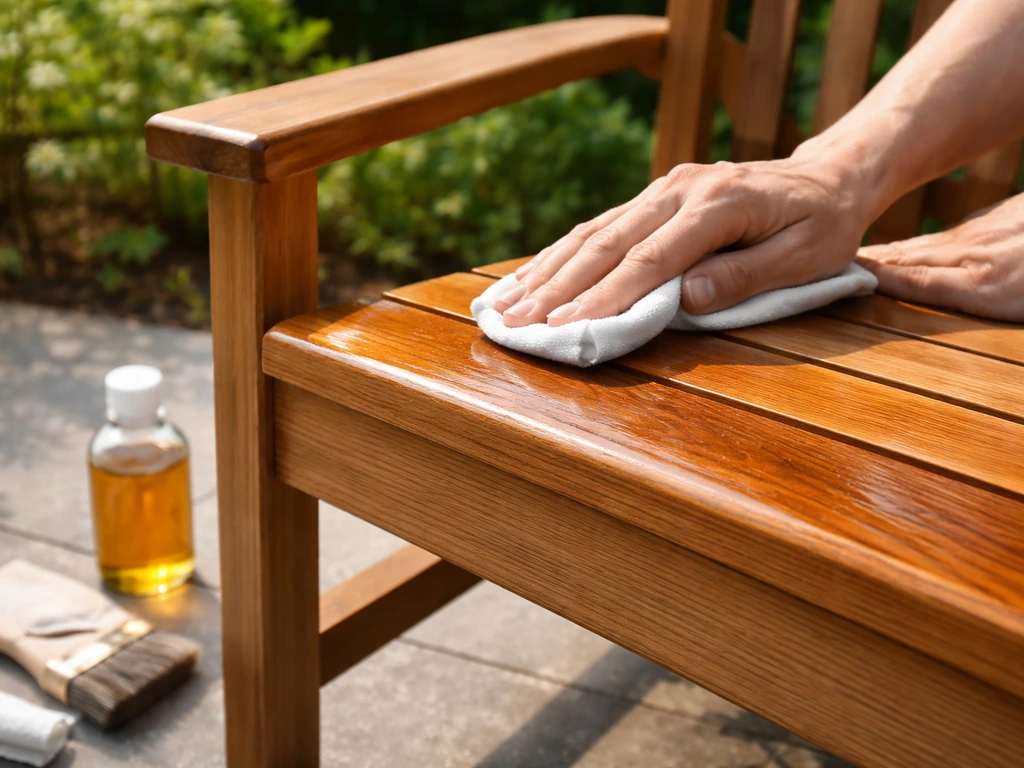
- Apply teak oil, linseed oil, or sealant to wood furniture to prevent drying and cracking
- Apply a fabric protector to cushion fabric in a ventilated area; allow to dry completely before using
- Inspect wicker furniture for broken weaves or exposed core material; repair before moisture gets in
- Clean furniture covers themselves: mold on a cover transfers directly to furniture
- Reposition furniture to adjust for seasonal sun angles if UV fading is a concern
Annually
- Re-stain or re-seal all wood furniture (IKEA recommends this every year regardless of wood quality)
- Touch up or repaint iron and steel furniture frames completely if the finish has dulled or chipped
- Replace worn or cracked cushion covers; don't wait until they fail mid-season
- Inspect all connection points, bolts, and glides; replace any that show significant corrosion
- In coastal or high-humidity environments, do a full inspection of metal fasteners even on composite furniture
What's realistic for your climate
Climate is the single biggest variable in this whole equation. The same furniture that lasts 20 years in Phoenix will look rough after five in coastal Florida if you don't adjust your maintenance approach.
Hot and arid climates (Arizona, Nevada, inland California)
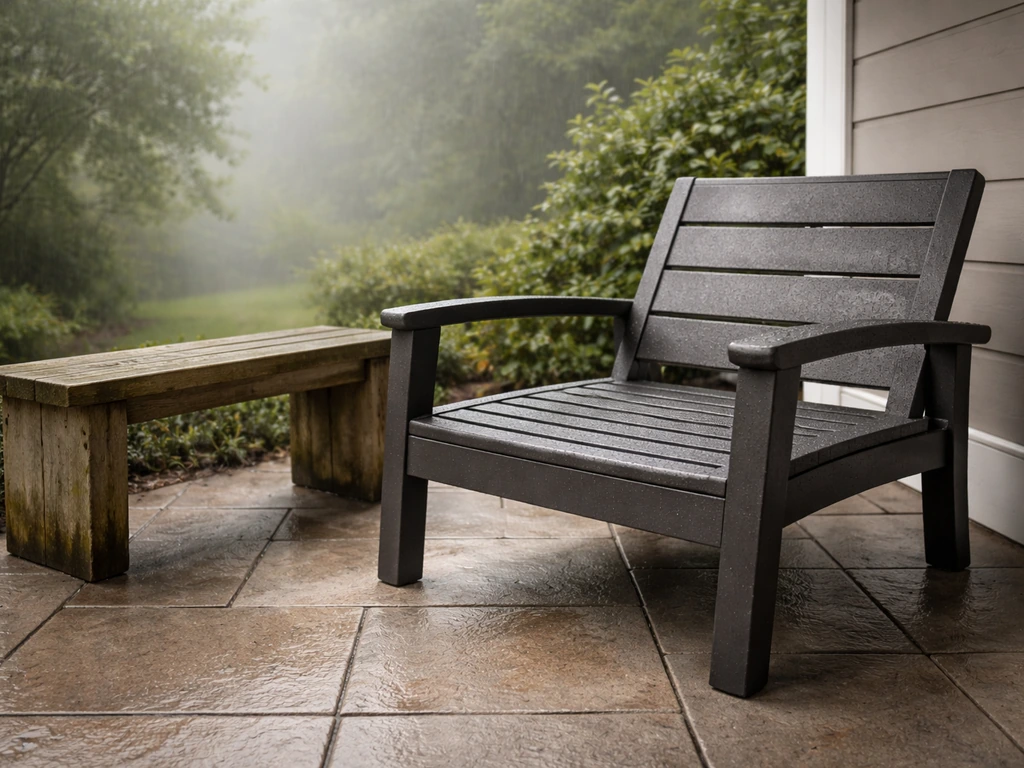
UV exposure is your enemy here, not moisture. HDPE resin, composite, and aluminum hold up well but will fade faster in relentless sun. Lighter-colored cushions and fabrics last longer than deep colors in intense UV. POLYWOOD even notes in its warranty guidance that keeping products covered when not in use and minimizing direct sunlight exposure reduces fading, which is worth taking seriously if you want furniture to look good for a decade.
POLYWOOD’s limited residential warranty covers its outdoor cushion fabric against tearing and against “mildew” and “fade excessively” for 1 year from purchase POLYWOOD even notes in its warranty guidance. Wood furniture dries out fast in arid heat; oil it more frequently, ideally twice a year, and watch for cracking along the grain.
Humid subtropical climates (Florida, Gulf Coast, Southeast)
Mold, mildew, and rust are the primary threats here. Natural materials (wood, natural wicker, cheap steel) deteriorate quickly. All-weather synthetic wicker, aluminum, and HDPE resin perform best. Monthly cleaning to remove the organic debris that mold feeds on is essential. Cushions need to dry fully after every rain event, not just the occasional wash. Consider a ventilated deck box for cushion storage so they're out of rain but not sealed away in a moisture trap. If you're close enough to smell the ocean, check metal fasteners every three months minimum.
Coastal and salt-air environments
Salt air is corrosive in ways that regular humidity is not. Even brands that market furniture as all-weather sometimes exclude salt-air damage from their warranties. TimberTech's Invite collection warranty, for instance, excludes damage from salt spray and salt air. Aluminum still performs well here, but look for marine-grade or anodized aluminum specifically. Rinse furniture with fresh water frequently to remove salt deposits. Iron and steel are a bad choice near the ocean unless you're committed to aggressive annual maintenance.
Cold-winter climates (Midwest, Northeast, Mountain regions)
Freeze-thaw cycles are brutal on porous materials. Water that soaks into wood, natural wicker, or low-quality resin expands when it freezes and causes cracking from the inside out. HDPE resin, composite, and powder-coated aluminum handle freeze-thaw well. Teak handles it reasonably well if sealed.
Everything else should either come inside or be covered with breathable covers through winter. Cushions should always come inside for winter storage in cold climates; they absorb moisture, freeze, and the foam interior breaks down over multiple freeze-thaw cycles. Thinking about when to bring everything in before the first hard freeze is worth planning ahead.
If you need help figuring out timing for year-round setups, learn when to bring in patio furniture based on your local weather when to bring everything in before the first hard freeze. Similarly, knowing when to put furniture back out in spring without rushing it out too early is part of getting the full lifespan from your investment.
If you're wondering is it too early to put out patio furniture, the safest move is to wait until nighttime temperatures are safely above freezing and the cushions are fully dry put furniture back out in spring. If you are wondering when should you put out patio furniture for the season, base the timing on weather and the specific materials you have when to put furniture back out in spring.
The bottom line on leaving furniture outside
If you have HDPE resin, quality composite, or powder-coated aluminum furniture, leaving it outside year-round with basic cleaning is a completely reasonable approach. If you’re wondering whether you can use patio furniture in your living room, you can still choose by material, comfort, and how easy it is to keep clean outside year-round.
You can also use patio furniture indoors, but the best choice depends on the same material and care needs discussed for outdoor use leaving it outside year-round. If you have natural wood, iron, or natural wicker, plan on seasonal protection or you'll be replacing it sooner than you should. Covers help for almost everything, but only if they're breathable and properly fitted.
Cushions are the weakest link in any outdoor setup and need the most attention: always dry completely before storing, never seal them damp, and bring them inside for winter if you're in a cold climate. Follow the material-specific maintenance steps above and most outdoor furniture will outlast the five-to-seven years many people expect from it.
FAQ
Can patio furniture be left outside in winter if it is covered with a tarp or plastic cover?
It depends on breathability. A tarp or plastic cover can trap condensation and speed up mold on natural wicker and mildew on cushions, and rust on any metal where the finish is scratched. If you cover, choose breathable fabric and fit it so wind does not lift the edges and drive rain underneath.
What is the safest rule for leaving patio cushions outside long-term?
Cushions are the weakest link. Either bring them inside for cold seasons, store them in a ventilated outdoor box, or keep them on the furniture under breathable covers. Before any long storage, air-dry until fully dry, then avoid sealing them into airtight bags while any moisture remains.
Is it better to leave furniture uncovered and let it dry naturally, or cover it in humid weather?
For most materials, covering helps with debris and rain, but the cover must allow airflow. In humid weather, non-breathable covers can keep the surface damp and create the same mold and rust conditions you are trying to prevent. If the cover is breathable and fitted, it is usually better than leaving cushions and fabrics exposed.
Can all-weather wicker be left outside year-round without any cover?
Often yes for the wicker itself, but cushions and frames still need attention. Even synthetic wicker benefits from covering when not used for long periods to reduce UV fading and keep dirt from building up in the weave. Also check that rainwater can drain instead of pooling under the furniture.
How often should I rinse or clean patio furniture if it’s left outside all year?
A practical baseline is monthly cleaning to remove pollen, leaf debris, and grime that feed mold. For coastal or salt-air areas, rinse with fresh water more frequently, because salt deposits can accelerate corrosion even on materials marketed as all-weather.
Will freeze-thaw damage patio furniture if it has been left out all winter?
Materials vary. HDPE resin, quality composite, and powder-coated aluminum usually handle freeze-thaw well, but porous materials like wood and natural wicker can crack as trapped moisture expands. In cold climates, cushions should be brought inside before the first hard freeze because they absorb moisture and degrade over repeated cycles.
What type of cover should I avoid to prevent rust or mildew?
Avoid plastic-coated, non-breathable covers that trap humidity against the furniture. If the cover cannot vent moisture, it can create a wet environment under the fabric that leads to rust on iron or steel and mildew on upholstery.
If my patio set has mixed materials, can I use one cover for everything?
Not always. Mixed-material sets need compatible care, and a single cover can create problems if it traps moisture near metal fasteners or around cushion seating. Consider separate breathable covers for cushions, and ensure metal components are not sitting in pooled water under the cover.
Does leaving furniture outside affect warranty coverage?
Sometimes. Even brands that market all-weather durability may exclude damage from aggressive conditions like salt spray or salt air. If you are near the ocean, check the warranty language for exclusions and consider marine-grade or anodized aluminum plus frequent fresh-water rinsing.
How can I tell whether my covered patio furniture is drying properly?
Check the underside and seams after storms. If you see condensation, musty odors, or water pooling under the cover, the cover is probably trapping moisture. In that case, switch to breathable covers and make sure edges are secured so wind does not lift them and drive rain underneath.
Next Articles
Can You Use Patio Furniture Indoors Safely?
Yes with conditions: how patio furniture materials fare indoors, prep steps, and placement tips to prevent rust, mold, r
Common Patio Furniture Wood: Best Choices, Care & Tips
Compare common patio furniture wood types, teak, cedar, redwood, oak, with durability, finishes, and care tips.
Best Wood Patio Stain: Choosing Durable, Low-VOC Finishes
Compare and choose the best wood patio stain: durability, finish, climate tips, prep, and top product picks.