
Yes, you can absolutely mix and match patio furniture, and done right it looks more intentional than a matchy-matchy set. The key is controlling a few specific variables: proportions, a shared color palette, compatible materials, and cushions that actually fit the frames they're sitting on. Get those right and nobody will know your chairs came from a different brand than your table.
Can You Mix and Match Patio Furniture Here’s How

Theo Tierney
19 Jun 2026
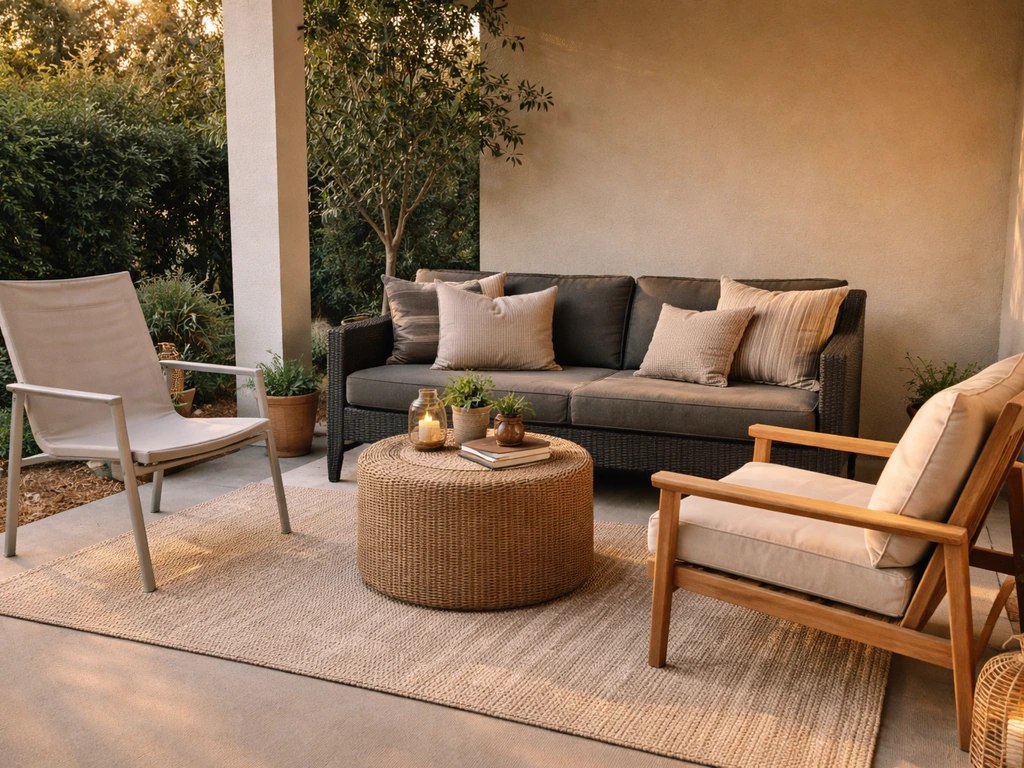
What 'mixing and matching' really means on a patio
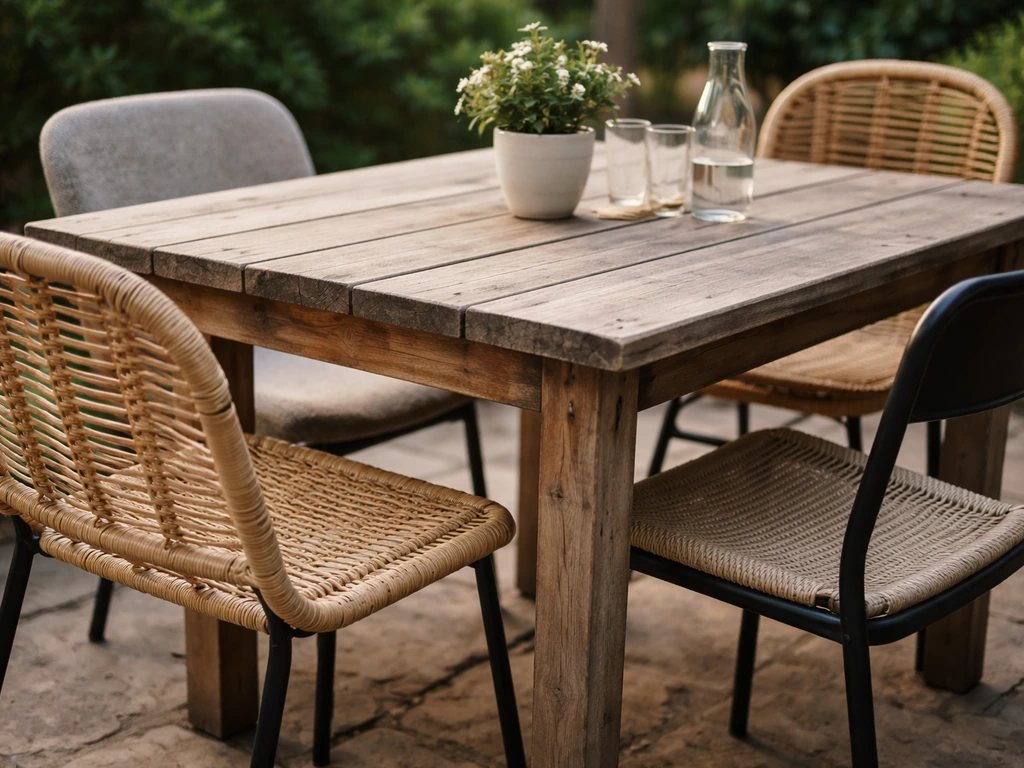
Mixing and matching patio furniture means combining pieces that weren't sold as a set, whether that's pairing a dining table from one brand with chairs from another, blending different materials like a teak table with metal chairs, or pulling together a lounge area from multiple collections. It doesn't mean throwing random pieces together and hoping for the best. The goal is a space that looks curated rather than cobbled together.
Designers have been doing this indoors for decades, and the same logic applies outside. A matched set reads as safe but often flat. A well-mixed space has visual depth and personality. The practical challenge outdoors is that you're also layering in material durability, weather resistance, and maintenance requirements, which matters more on a patio than in a living room.
Realistic things you can mix: styles (modern + rustic, industrial + coastal), materials (wood, metal, wicker, composite), price tiers (a splurge anchor piece with budget supporting chairs), and colors within a controlled palette. Things that get you into trouble: mismatched seat heights at the same dining table, cushion thicknesses that don't fit the frames, and materials with wildly different maintenance needs that you won't realistically keep up with.
Start with layout and proportions
Before you think about color or style, get the numbers right. If you're wondering when to put out patio furniture, it depends mainly on weather conditions like temperature, rain, and frost risk when should you put out patio furniture. A standard outdoor dining table sits at 28 to 30 inches tall. Chair seat height should land between 17 and 19 inches to give you comfortable leg clearance underneath. A mismatch of even two inches creates an awkward posture that every guest at the table will notice by the end of dinner. If you're mixing dining chairs from different sources, measure seat height first and only shortlist chairs that fall in that 17 to 19 inch window.
For lounge areas, the proportion game shifts. A good rule of thumb is to plan your patio furniture purchase around your fall or spring weather window so you can assess comfort and fit before the season peaks For lounge areas. Deep-seat sofas and chairs are typically lower to the ground and wider, which means they visually anchor the space. Lightweight accent chairs or side chairs should complement that scale, not fight it. A delicate bistro chair next to an oversized sofa looks like a mistake. When you're mixing lounge seating, keep pieces within a similar visual weight class.
An outdoor rug is one of the most effective tools for making mixed pieces feel like they belong together. It physically defines the seating zone and creates a visual boundary that tells the eye 'these pieces are a set.' Use it to anchor your lounge area or dining space and suddenly the mix looks deliberate.
Cushion thickness matters more than most people expect
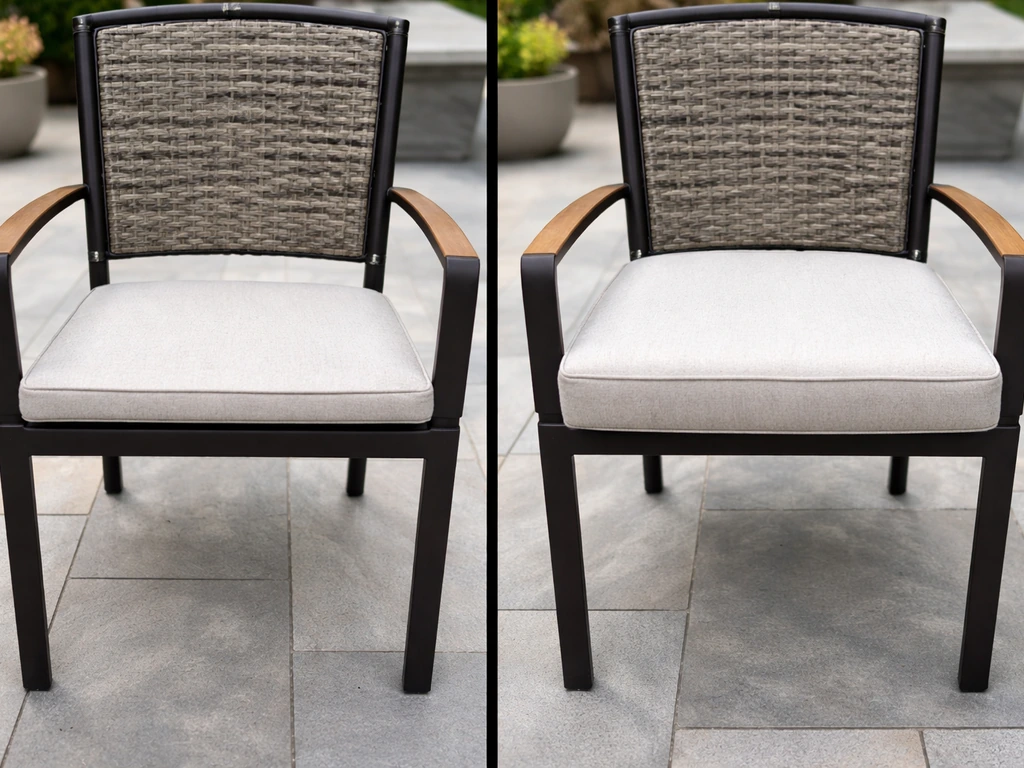
Cushion thickness is a functional issue, not just a comfort preference. Dining chairs typically work best with 2 to 3 inch cushions, which keeps the seated height appropriate for the table. Deep-seat lounge chairs and sofas are built for 4 inch cushions as a baseline, with 6 inch available for a plush feel. The problem comes when you put a thick 4 inch cushion on a frame designed for a 2 inch pad. It looks bloated, and it raises your seated height by 2 inches, which throws off dining table clearance. Check what thickness the frame was designed for before buying replacement or mix-and-match cushions.
Color, style, and texture rules for a unified look
The most reliable framework for a cohesive mixed patio is a three-part palette: one neutral, one secondary color, and one accent. Your neutral is usually the dominant color, showing up in the largest pieces like a sofa frame, dining table top, or the rug. The secondary supports it across mid-size pieces. The accent appears in pillows, cushions, and small decorative items. This keeps the space from looking flat while preventing it from looking chaotic.
Once you commit to an accent color, carry it consistently through the entire space. A common mistake is starting with coral accents in the dining area and switching to blue accents in the lounge corner. Pick your accent and repeat it. That repetition is what creates visual coherence across mismatched pieces.
Texture is where a mixed patio really comes alive. Pairing a smooth powder-coated metal frame with the weave of resin wicker creates contrast that reads as intentional. A chunky teak table next to sleek aluminum chairs does the same thing. You want variety in texture but consistency in tone. Keep your textures within the same warmth family (natural wood tones + warm wicker + bronze hardware) or the same cool family (gray metal + charcoal composite + cool-toned stone).
For patterns, keep them small and swappable. Patterns on large pieces like sofas or chair frames are hard to update and can date quickly. Limit strong patterns to pillows, cushion covers, and rugs, where you can change them seasonally without replacing furniture. Three pattern types is about the maximum before it starts to feel busy: for example, a stripe, a geometric, and a solid is a workable combination. ITA Leisure similarly advises limiting outdoor area patterns because three pattern types are usually enough before the look turns busy three pattern types is about the maximum before it starts to feel busy.
Start with an anchor piece
Every well-mixed patio has an anchor piece: the largest, most substantial item that sets the visual direction for everything else. This might be a teak dining table, an oversized sectional sofa, or a statement lounge chair. Choose this piece first and choose it well, because everything else is built around it. Once you have your anchor, picking complementary pieces becomes much easier because you're working toward a defined center of gravity rather than assembling random pieces and hoping they work together.
How wood, metal, wicker, and composite work together
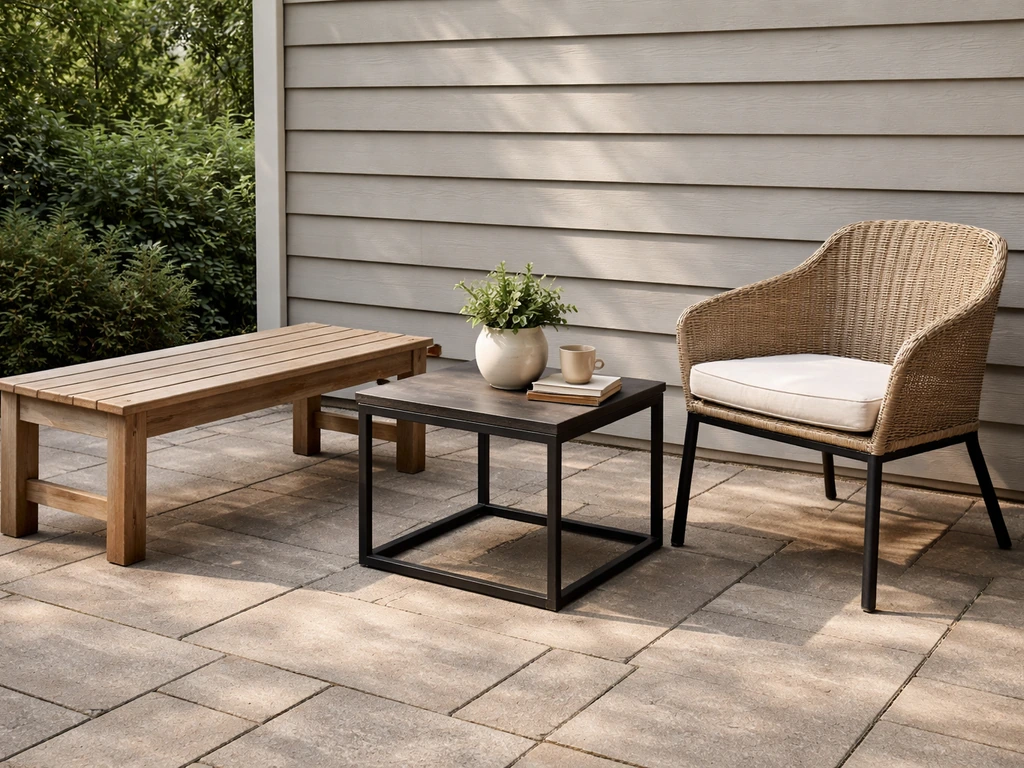
Not all material combinations are equally practical. Some pairings look great and weather well together. Others create a maintenance headache because the materials have very different care schedules. Here's how the main outdoor furniture materials interact.
| Material Pairing | Visual Compatibility | Durability Notes | Maintenance Overlap |
|---|---|---|---|
| Teak + Aluminum | High — warm wood tone with clean metal lines is a classic | Both highly durable; aluminum won't rust, teak weathers to silver-gray naturally | Different schedules: teak needs periodic cleaning/protectant, aluminum is mostly wipe-down |
| Resin Wicker + Aluminum | High — wicker weave on aluminum frames is standard for good reason | HDPE resin wicker on rust-proof aluminum frames is the most weather-resistant wicker combo | Very compatible; both clean with mild soap and water |
| Teak + Resin Wicker | Good — natural textures pair well; keep tones warm | Teak outlasts resin wicker significantly; plan to replace wicker before wood | Moderate mismatch: teak needs protectant, wicker just needs cleaning |
| Composite + Metal | High — composite decking/table tops pair cleanly with powder-coated steel or aluminum | Both resist moisture and UV well; composite won't splinter or warp | Simple and compatible; both wipe-clean with basic cleaners |
| Steel (non-coated) + Any | Problematic in humid/coastal areas — steel rusts without regular maintenance | Low relative to other metals; avoid near salt air or in high-humidity climates | Steel needs rust prevention upkeep that other materials don't require |
| Natural Rattan + Any | Poor outdoors — natural rattan is an indoor material | Degrades quickly with moisture and UV; breaks down much faster than HDPE resin | Not recommended outdoors regardless of pairing |
The practical takeaway: aluminum is the most universally compatible frame material in a mixed setup. It pairs well visually with wood, wicker, and composite, and it requires the least maintenance. HDPE resin wicker on aluminum frames is the most weather-resistant wicker option and works in nearly every climate. Teak is a premium anchor material that outlasts most other wood species, though it needs proper care, and oiling it can actually encourage mildew growth rather than protect it, so stick to a quality commercial outdoor furniture cleaner and protectant instead.
Weather resistance and durability checks by climate
Material compatibility outdoors changes significantly based on where you live. Mixing materials that hold up beautifully in Arizona can be a disaster in coastal Florida. Before you commit to a combination, run it through your local climate conditions. If you are wondering can i use patio furniture in my living room, the same idea applies: choose pieces that match in style and material so the look feels intentional indoors too.
Hot and sunny climates (Southwest, desert regions)
UV exposure is the primary enemy here. Resin wicker degrades faster under prolonged UV exposure, which means a teak-and-wicker combo that looks great in year one can look noticeably mismatched by year three once the wicker starts fading or becoming brittle. In high-UV climates, prioritize UV-stable materials: powder-coated aluminum, high-density polyethylene resin, and solution-dyed acrylic fabrics like Sunbrella that are engineered not to fade. Avoid standard plastic furniture and cheap PVC wicker, which turn chalky and brittle fast in intense sun.
Humid and rainy climates (Southeast, Pacific Northwest)
Moisture and mildew are the main problems. Natural wood that isn't properly sealed can develop mold faster than you'd expect in high-humidity environments. Resin wicker made from HDPE is one of the better choices here because it doesn't absorb water. Aluminum frames won't rust. Avoid mixing in any steel pieces without verified powder coating or galvanizing, and be diligent about your cushion materials. Solution-dyed acrylic fabrics resist mildew far better than polyester, and they're worth the premium in a humid climate.
Freeze-thaw climates (Midwest, Northeast, mountain regions)
Freeze-thaw cycles cause micro-cracking and joint expansion in materials that absorb moisture. Cast iron and porous natural wood are most vulnerable. HDPE, aluminum, and stainless steel are the materials that hold up best through repeated freezing and thawing. HDPE resin wicker specifically maintains its flexibility in low temperatures instead of going brittle and cracking. If you're in a cold climate and mixing materials, make sure at least your frames and structural pieces are aluminum or HDPE-based, and plan for proper storage or furniture covers during winter. If you're wondering whether you should bring in patio furniture in winter, the material matters, but in most freeze-thaw climates, storage or covers help it last longer should you bring in patio furniture in winter.
Coastal and salt air environments
Salt air accelerates corrosion on any metal that isn't specifically rated for it. Standard powder-coated aluminum holds up reasonably well, but for genuine coastal exposure, you want marine-grade stainless steel hardware and HDPE components wherever possible. Avoid mixing in any chrome-finished pieces, standard steel, or low-grade hardware even if the main frame is solid, because the hardware fails first and it's what makes the piece look deteriorated. Teak is actually well-suited to coastal environments because of its natural oil content, which resists moisture.
Step-by-step shopping strategy and example combos
Here's how to actually shop for a mixed patio setup without ending up with pieces that clash or wear unevenly.
- Choose your anchor piece first. This is your largest or most expensive item. Set your overall style direction and material baseline here.
- Define your palette: one neutral (dominant), one secondary, one accent. Write it down and don't deviate while shopping.
- Set your seat height requirement. If you're mixing dining chairs, measure the table height first and only look at chairs with a seat height of 17 to 19 inches.
- Check material compatibility against your climate. Run every piece through your local weather conditions before buying.
- Verify cushion thickness specs against the frame design. Ask the retailer or check the product page for recommended cushion depth.
- Add a rug to define zones and tie pieces together visually. This is often the cheapest and most effective cohesion tool.
- Limit patterns to pillows and cushion covers so they're easy to swap as trends or your taste changes.
Three example combos that actually work
- Teak dining table + powder-coated aluminum chairs with sling or woven seating: Warm wood anchor with clean metal lines. Works in most climates. Teak weathers naturally over time and the aluminum chairs require almost no upkeep. Use a warm-toned rug and neutral cushions with one accent color in the chair fabric.
- HDPE resin wicker sectional sofa + teak side tables + aluminum accent chairs: The sectional is the anchor. The teak side tables add warmth and natural texture. Aluminum accent chairs add visual lightness. This is a high-function mix for humid or coastal climates because all three materials handle moisture well.
- Composite or aluminum dining table + mixed metal and wicker chairs: A sleek table with a mix of two chair styles works if they share a finish tone (say, all matte black frames regardless of whether they're solid metal or metal-framed wicker). The chair variety creates interest without looking chaotic because the shared finish unifies them.
Keeping a mixed set looking great over time
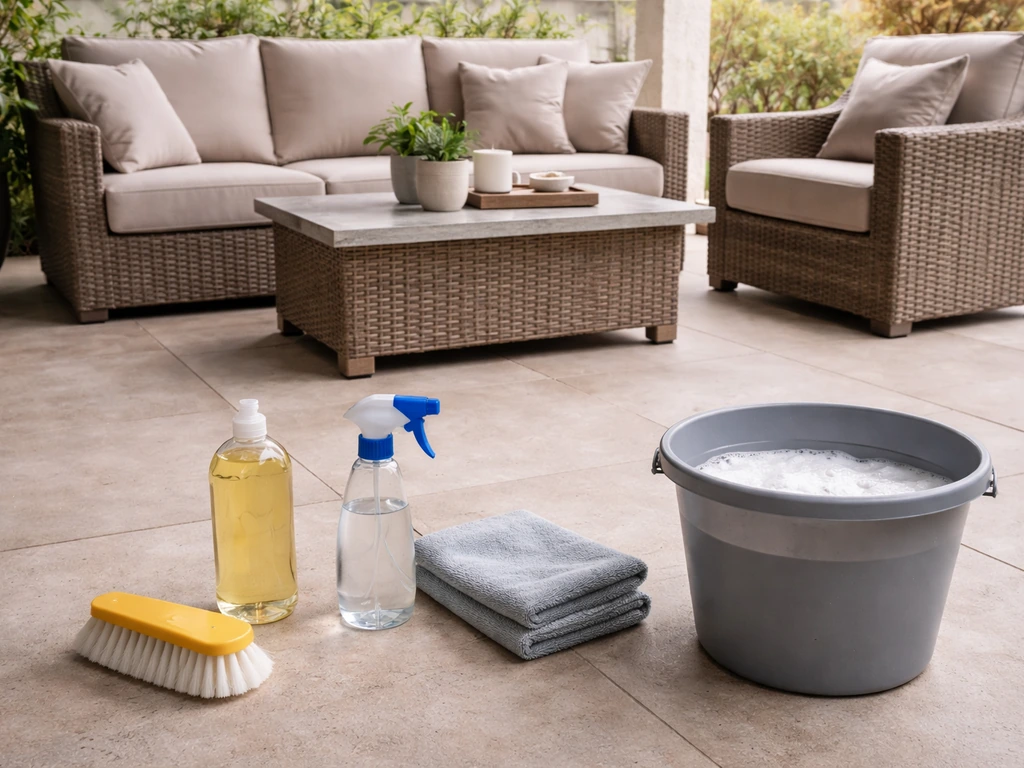
The maintenance challenge with mixed materials is that each one has a different schedule and different care requirements. The practical solution is to build a simple annual routine that covers all your materials in one pass, rather than treating them as completely separate tasks.
For resin wicker, mild soap and water is all you need for regular cleaning. Use a soft brush to get into the weave. For aluminum frames, wipe down with soapy water and rinse well. Avoid abrasive cleaners that scratch the powder coat. For teak, skip the oil and use a quality commercial outdoor wood cleaner and protectant instead since oiling teak can actually promote mildew growth. A teak sealer applied every one to two seasons keeps the surface protected without the mildew risk.
For cushion fabrics, Sunbrella and other solution-dyed acrylics are worth the investment because they clean up easily and resist mildew. For mold or mildew stains that do develop, the recommended approach is a diluted bleach solution with a small amount of dishwashing liquid, applied and rinsed thoroughly. For mold or mildew stains, Sunbrella recommends a diluted bleach solution with a small amount of dishwashing liquid, applied carefully and rinsed thoroughly, and to follow the directions for Sunbrella cleaning products the recommended approach is a diluted bleach solution with a small amount of dishwashing liquid. For general cleaning, a mild soap and water wipe-down is enough. If you use a power washer, keep it at least 30 inches from the fabric to avoid damaging the weave.
At the end of each season (or year-round if you're in a freeze-thaw climate), cover your furniture or bring it in. Covers protect powder coatings from UV degradation, keep cushion fabrics drier, and reduce the seasonal cleaning effort significantly. If you're deciding whether your mixed pieces can stay out year-round, that question really depends on your climate and your specific materials, which is worth thinking through carefully before assuming everything can weather in place.
One more practical note: when you're mixing materials with different lifespans, plan for staged replacement rather than surprise. Resin wicker will wear out before teak or aluminum in most climates. If you're wondering is it too early to put out patio furniture, a quick check of weather and surface readiness can help you decide. Knowing that ahead of time means you can budget for replacing the wicker pieces in five to eight years while your aluminum frames and teak table keep going for fifteen or more.
FAQ
Can you mix patio furniture from different brands and still make it look cohesive?
Yes, but focus on the shared “non-negotiables” first: match cushion seat height, keep one neutral base color consistent across the largest pieces, and repeat the same accent color in both dining and lounge areas (for example, pillows plus a few small accessories). Brand logos and hardware finishes can differ, but proportions and palette should not.
What’s the biggest mistake people make when mixing dining chairs and a table?
Ignoring seat height and clearance. Even a small difference can make legs feel cramped, and guests will notice it quickly. Measure the table height (typically around 28 to 30 inches) and only choose chairs whose seat height lands in the same 17 to 19 inch range, then verify how thick the cushions are.
Can you mix different cushion thicknesses as long as the colors match?
It usually backfires for dining. A cushion that’s thicker than the frame was designed for can raise seated height, throw off table clearance, and make the set feel awkward. For lounge seating, cushion thickness can vary more, but keep sofa and chair cushions in the same “depth family” so the visual anchor stays stable.
Is it okay to mix wood and metal outdoors, or will it look mismatched?
It can look intentional if you unify the finish tone. For example, pair warm wood tones (teak or other natural woods) with bronze or matte hardware rather than shiny chrome. The goal is consistent warmth or coolness in the undertone, even if the materials are different.
How many colors can I mix without it becoming chaotic?
Use a cap of three in practice: one neutral, one secondary, and one accent, then repeat the accent in at least two places (like cushions and an outdoor rug or small decor). If you add a fourth color, restrict it to tiny items like throws or a single decorative planter so it doesn’t compete with the main rhythm.
Can I mix patterns on the patio, and what should I avoid?
Yes, but keep patterns small and easy to swap. Avoid large, bold patterns on fixed large pieces like sofa or chair frames because they are hard to replace and can date the space. A workable rule is three pattern types max across pillows, cushion covers, and the rug, with solids to break them up.
Should the lounge seating scale match the dining seating scale?
They do not need to be identical, but they must relate. If your lounge has an oversized sectional, lightweight bistro chairs next to it will look off because their visual weight is too small. Choose lounge accents that share the same “weight class” as the main deep-seat piece.
Do resin wicker and teak always work well together?
They often look great, but the long-term match depends on your sun exposure. Resin wicker can fade or become brittle faster in high-UV climates. If you are in a bright, hot area, prioritize HDPE resin wicker and plan to replace wicker cushions or woven elements sooner than teak or aluminum components.
Can you mix materials in high-humidity or coastal environments?
Yes, but be strict about moisture and corrosion resistance. Prefer aluminum frames, HDPE components, solution-dyed acrylic fabrics, and stainless steel or marine-grade hardware for coastal air. Avoid standard steel and chrome-finished parts because the hardware typically fails first and makes the whole mix look worn.
What’s the best way to shop for a mixed patio so pieces wear evenly?
Plan for staged replacement. In most setups, resin wicker and certain cushion fabrics have shorter lifespans than aluminum frames or quality teak surfaces. Build your “anchor” around the long-lasting pieces, then expect to refresh cushions or woven elements on a predictable cycle rather than doing everything at once.
How should I clean a mixed-material patio without damaging one component?
Use a material-specific routine, but combine it into one annual pass. Mild soap and water with a soft brush works for resin wicker, soapy water is safe for aluminum (avoid abrasives that scratch coatings), and teak cleaning should rely on a proper outdoor wood cleaner rather than oil-based products. For cushions, stick to gentle soap and rinse well, and keep cleaning tools away from delicate weaves if using power equipment.
Can you leave mixed patio furniture outside year-round?
Sometimes, but it depends on climate and what materials you chose. Freeze-thaw areas often require covers or storage for structural and cushion pieces to prevent micro-cracking and accelerated wear. If you mix porous woods or materials that absorb moisture, be extra cautious, and use covers to reduce UV and moisture exposure even when you keep furniture outdoors.
What’s a simple “starter plan” if I want to mix patio furniture but I’m unsure where to begin?
Start with one anchor piece (the largest item), pick one neutral base color, then choose one secondary color and one accent. After that, confirm the functional fit items that cause most problems: cushion seat height for dining, cushion thickness compatibility with the frame, and the overall visual weight for lounge accents. Add an outdoor rug early so it locks the mixed pieces into a defined zone.
Next Articles
When to Bring in Patio Furniture: Spring and Fall Timing
Rules of thumb for when to bring in patio furniture in spring and fall, by climate, temps, and weather risk.
When Should You Put Out Patio Furniture? Exact Timing
Know exact timing to put out patio furniture using temperature, frost, wet spells rules plus material and cushion care t
Does Outdoor Patio Furniture Have to Match? Rules to Mix
Does outdoor patio furniture have to match? Yes sometimes, learn when mixing works and how to coordinate materials, colo