
Yes, you can use patio furniture indoors, and plenty of people do it successfully. The catch is that not every piece is ready to walk straight through the door. Some materials transition beautifully and actually hold up better inside than out. Others carry real risks: off-gassing finishes, mold hiding in foam cushions, rust staining your floors, or pest eggs tucked into wicker weave. Run through a quick checklist before you move anything in, and most problems are easy to head off.
Can You Use Patio Furniture Indoors Safely?

Theo Tierney
16 May 2026

When bringing patio furniture indoors makes total sense
The most common reasons people do this are seasonal storage, a room refresh on a tight budget, or a sunroom or screened porch that blurs the line between inside and outside anyway. If you are also wondering whether outdoor patio furniture has to match your interior style, the material and finish details matter more than the furniture being identical seasonal storage. All of those are fine.
Outdoor furniture is generally built to tougher specs than indoor furniture, so structurally it usually handles the transition without complaint. The question is less about whether it can come inside and more about whether it's in the right condition to do so safely, and whether the specific material is going to cause headaches once it's in a closed, climate-controlled space.
If you're thinking about this as a long-term living room setup rather than seasonal storage, that's worth a closer look. Comfort coatings designed to shed rain feel noticeably different against skin than indoor upholstery. Weatherproof finishes can smell. And pieces built purely for outdoor aesthetics sometimes look off-scale or out of place inside. None of that is a dealbreaker, but they're honest trade-offs to weigh before you rearrange your living room around a teak chaise.
Four indoor safety checks to run before anything comes inside
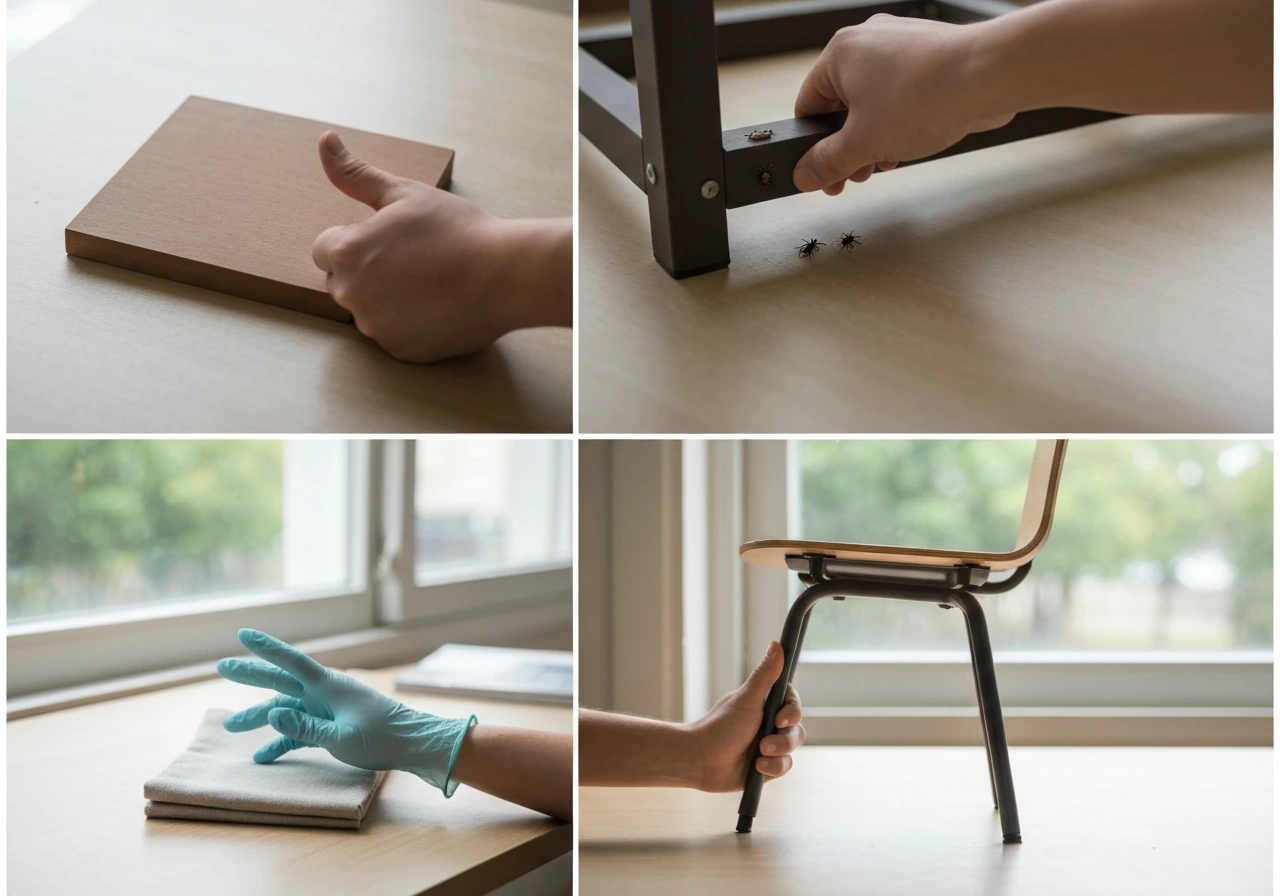
Before you move a piece indoors, go through these checks. They take maybe 20 minutes and can save you from a mold problem or a VOC headache weeks later.
Check the finish for off-gassing
This is the one most people skip, and it's worth paying attention to. Outdoor furniture finishes, especially solvent-based sealers, oil-based stains, and certain powder coatings, can release VOCs (volatile organic compounds) into indoor air. The misconception is that once a finish looks dry or stops smelling strong, it's done off-gassing. That's not always true.
If a piece was freshly refinished, re-oiled, or re-stained within the past few weeks, give it time to cure in a well-ventilated space before bringing it inside. Check the product label or safety data sheet for the specific finish if you have it. If the piece still smells noticeably of chemicals when you stand close, it's not ready to go into a bedroom or a small room with limited airflow.
Inspect for pests
Wicker and natural wood are the biggest offenders here. Spider egg sacs, wasp nest remnants, and wood-boring insect damage can all hide in joints, weave gaps, and hollow sections. Flip the piece over and look closely at the underside, legs, and any recessed areas. Tap solid wood to check for hollow spots that weren't there before. If you find anything suspicious, treat or quarantine the piece before it shares air with your other furniture.
Smell-test for mold and mildew
Get close and smell cushions, foam cores, and fabric seams. A musty smell almost always means moisture got in and didn't fully dry out. Mold inside foam is particularly stubborn because the surface can look fine while the interior is still damp and actively growing. If cushions smell musty, don't bring them inside yet. Air them out for 24 to 48 hours in direct sunlight and fresh air first. If the smell doesn't clear after that, the foam may need to be replaced.
Test structural stability
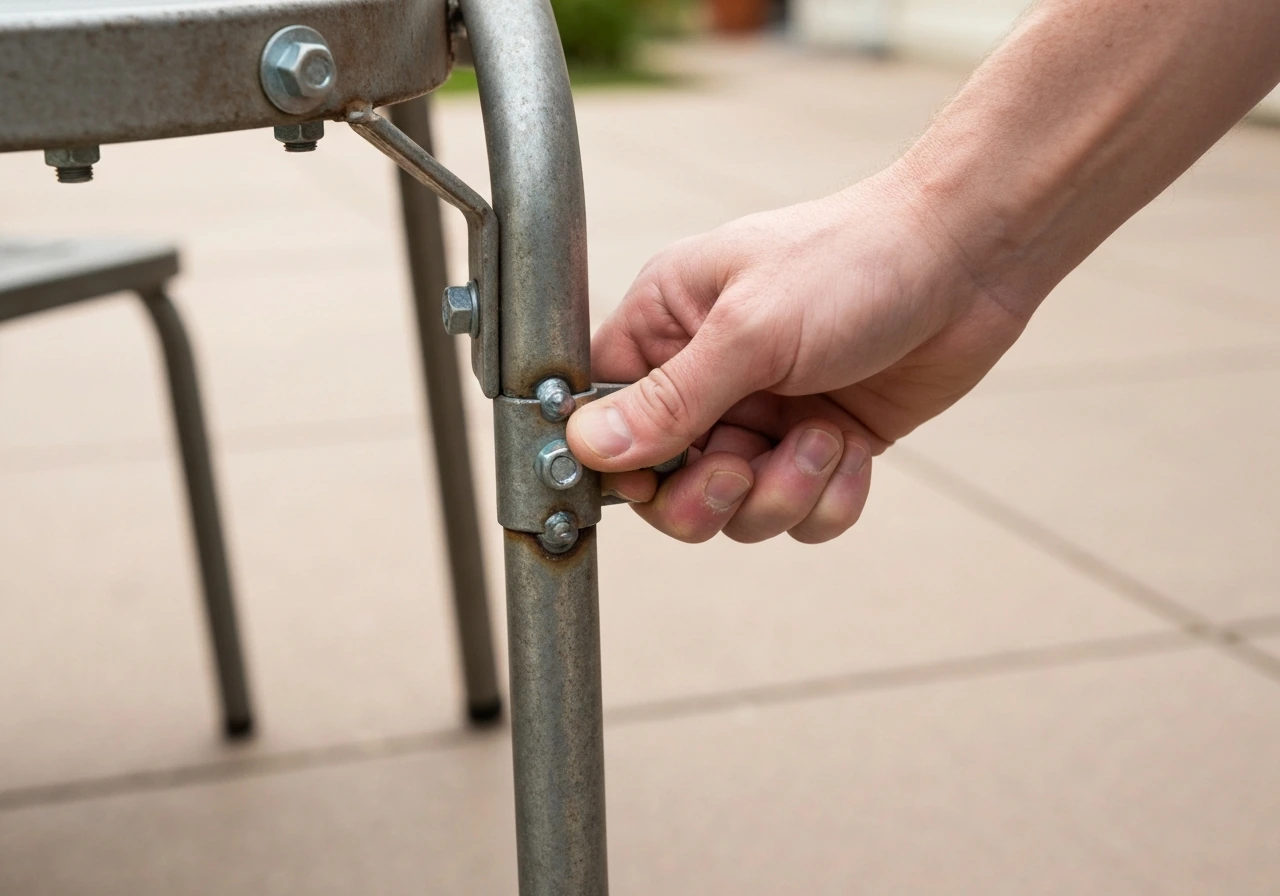
Outdoor furniture takes abuse. Give chairs and tables a real wobble test before trusting them indoors where someone might not expect a leg to give way. Check bolts, welds, and joints. On metal frames, look for corrosion at connection points rather than just surface rust. On wood, probe any discolored or soft spots with a fingernail or a small tool. Soft, fibrous wood means rot has started, and a rotted joint is a fall waiting to happen.
How each material behaves once it's inside
The material your furniture is made from changes everything about how it will perform indoors. Here's the honest breakdown.
Wood
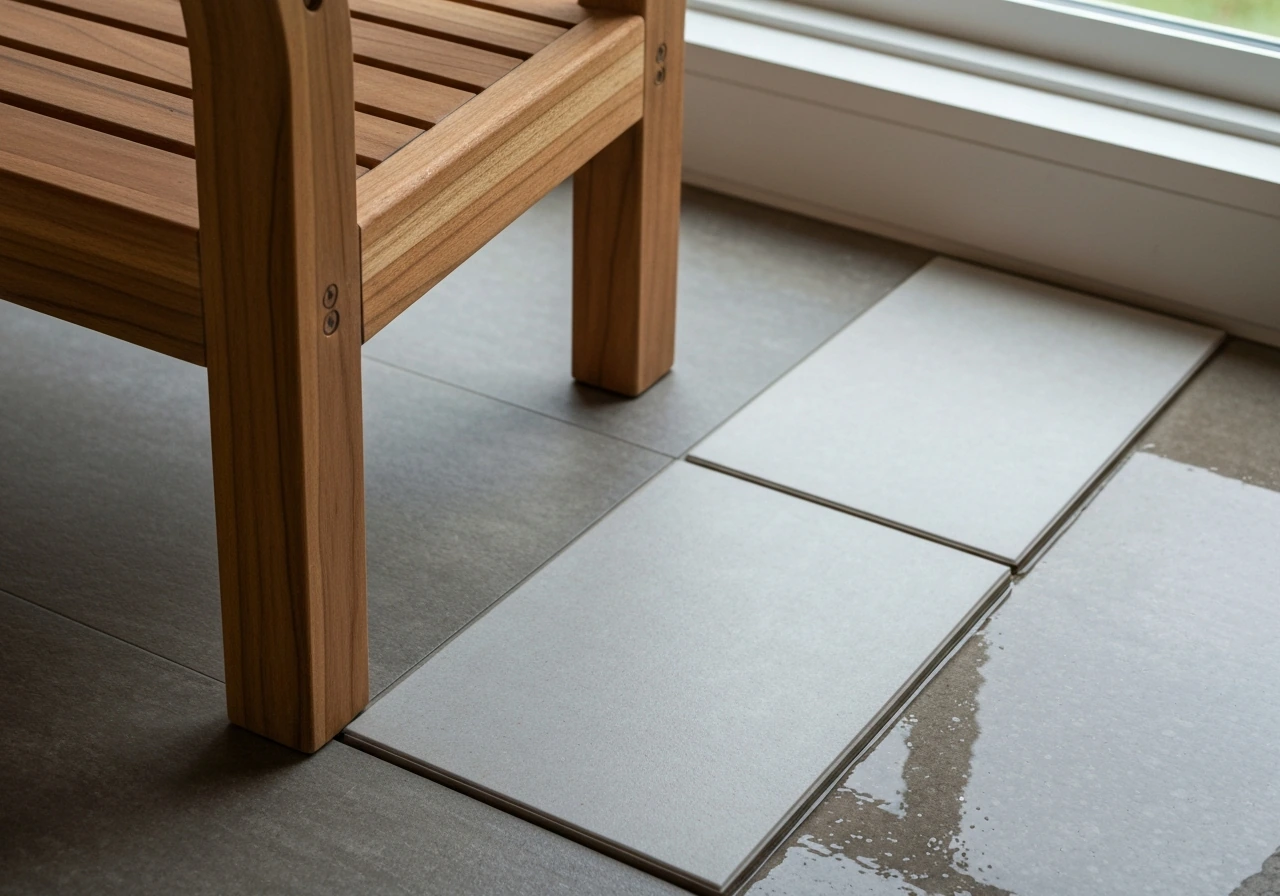
Teak, eucalyptus, acacia, and shorea are common outdoor hardwoods. They all move with humidity changes, meaning they expand and contract as indoor climate shifts. If you're in a dry climate or you run central heat through winter, wood that lived outside in humidity may crack or check as it adjusts to drier indoor air. Apply a fresh coat of appropriate finish or oil before bringing it in, and don't place it near heating vents or radiators.
Pressure-treated or heavily weather-sealed woods are fine indoors structurally, but they may off-gas more aggressively in enclosed spaces. Fast-grown softwoods used in budget outdoor furniture, like pine or fir that hasn't been properly dried, carry more rot risk if any hidden moisture follows them inside.
Metal
Powder-coated aluminum is the easiest metal to bring indoors. It doesn't rust, it's lightweight, and the finish is stable. Wrought iron and steel are a different story. Surface rust is cosmetic, but active rust will transfer to floors and fabrics. If there's any active rust, treat it with a rust converter and reseal before it comes inside. Cast iron can work indoors, but it's heavy enough to damage softer floors, so use felt pads or furniture coasters. The bigger risk with metal furniture indoors is floor damage, not the metal itself.
Wicker and rattan
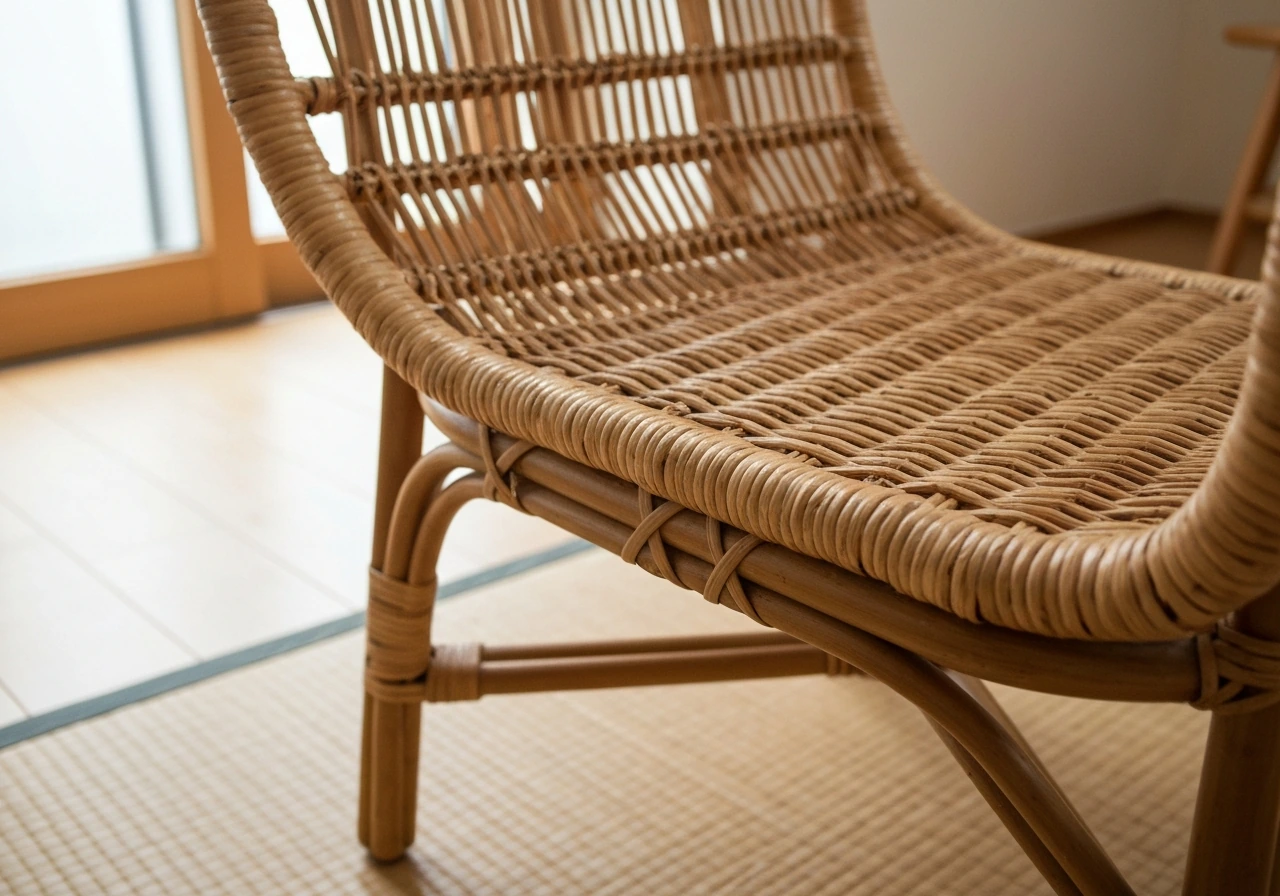
Natural rattan and wicker are actually better suited to indoor use than outdoor. They dry out and become brittle with prolonged sun exposure, so moving natural wicker indoors can actually extend its life significantly. The problem is when it's been outside long enough to accumulate mildew in the weave. Inspect every recess carefully. Synthetic resin wicker (the kind used on most mid-range and higher patio sets today) is fully washable and holds up well indoors, though it doesn't have the texture of natural materials and may look overtly outdoorsy in a traditional interior. Either way, clean thoroughly before bringing inside.
Composite and HDPE
High-density polyethylene (HDPE) composite furniture, the kind used by brands building long-lasting outdoor pieces, is one of the easiest materials to use indoors. It doesn't rot, rust, splinter, or absorb moisture. It's also resistant to mold and mildew by nature. The main indoor limitation is aesthetic: HDPE furniture is often chunky and utilitarian-looking, designed to survive decades of weather rather than to blend into a living room. For a mudroom, sunroom, or utility space, it's nearly perfect. For a formal living area, it may feel out of place.
| Material | Indoor Risk Level | Main Concern | Best Indoor Use Case |
|---|---|---|---|
| Teak / Hardwood | Low to Moderate | Cracking from dry indoor air, off-gassing from fresh finishes | Sunrooms, dens, dining areas with humidity control |
| Powder-coated Aluminum | Low | Floor scratching if unpadded | Any room, lightweight and rust-free |
| Steel / Wrought Iron | Moderate | Active rust staining floors and fabrics | Best after rust treatment and resealing |
| Natural Wicker / Rattan | Moderate | Mildew in weave, pest harborage | Indoor living areas after thorough inspection and cleaning |
| Synthetic Resin Wicker | Low | Aesthetic mismatch in formal spaces | Casual rooms, sunrooms, porches |
| HDPE / Composite | Very Low | Aesthetic fit in traditional interiors | Mudrooms, sunrooms, utility spaces |
Cushions and outdoor fabrics: the real mold and mildew conversation
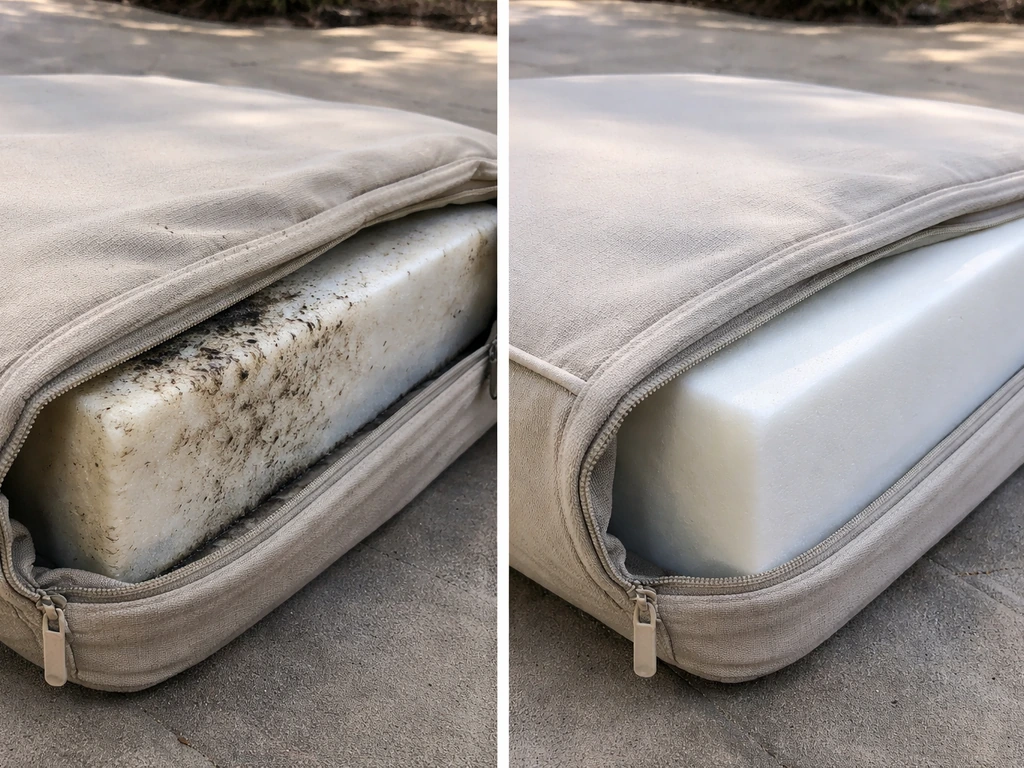
Outdoor cushions deserve their own section because they're where most of the real risk lives. The foam core is the problem, not usually the fabric cover. Even fabrics like Sunbrella, which genuinely resist mildew growth on their own fiber, can still host mildew on dirt or debris trapped in the weave. Sunbrella and similar performance fabrics can be cleaned with a diluted bleach solution for severe mildew, which tells you they're tough, but it also tells you mildew is a real possibility that requires active management.
The foam interior is where things get more complicated. Standard outdoor cushion foam is a quick-dry polyester blend, which helps it shed water faster than memory foam or regular indoor foam. Memory foam is an especially bad candidate for any space where moisture is possible because it holds water and takes far longer to dry, creating ideal conditions for mold growth. If your outdoor cushions use memory foam and they've been rained on even once, inspect the interior carefully before bringing them inside.
Before any cushion comes indoors, let it air and dry completely, ideally for 24 to 48 hours in fresh air and sunlight. Wet storage is the fastest path to mold, odor, and rusted zippers. If you can't dry them outside, move them to a well-ventilated room and give them the same amount of time before putting them anywhere enclosed. Once they're inside, the lower humidity of a climate-controlled space actually works in your favor and slows mildew growth considerably compared to outdoor conditions.
For cleaning, brush off loose dirt first, then use a mild soap-and-water solution with a soft brush. For mildew, a diluted bleach-and-water solution works on most performance outdoor fabrics. Lowe’s outdoor fabric care guidance advises keeping cushions dry and notes that a measured bleach and water approach can help address mildew on outdoor performance fabrics. Don't tumble dry covers at high heat because it can shrink fabric and distort shape, which reduces how well the cover fits and dries in the future. Air drying is always the right call.
How to actually move it inside without creating new problems
The prep routine before anything comes through the door is simple but important. Skipping it is how people end up with mildew smell in a guest room three weeks later.
- Deep clean every surface. Use a soft-bristle brush and mild soap-and-water solution on frames and slats. For wood, a diluted Murphy's Oil Soap solution works well without stripping finish. Rinse thoroughly and let dry fully, not just surface-dry, before moving inside.
- Inspect every joint, weld, and weave opening for pests. Check the underside and any hollow sections. This is especially important for wicker and natural wood.
- Check for active rust on metal pieces. Treat any rust spots with a rust converter, let it cure, and apply a protective coating before the piece comes indoors. Active rust will stain floors within days.
- Let cushions and fabric dry for 24 to 48 hours in fresh air before bringing them inside. If they smell musty after drying, treat with a diluted bleach solution and let dry again before use.
- Pad all contact points with floor protectors. Felt pads under metal and wood legs prevent scratches on hardwood, laminate, and tile. Heavier pieces like cast iron or stone table bases need furniture coasters, not just adhesive felt.
- Place pieces away from walls. Don't push furniture tightly against interior walls, especially exterior walls, because reduced airflow in those gaps creates conditions that support mold growth over time.
- Keep pieces away from heating and cooling vents. Direct forced air accelerates wood cracking and dries out natural wicker quickly.
For placement, think about humidity. Bathrooms and laundry rooms are bad choices for any porous material like wood or natural wicker because high humidity will undo any drying work you did before bringing the piece in. Basements are marginal depending on how well they're sealed and ventilated. Living rooms, sunrooms, and climate-controlled mudrooms are the best options. If you want it to feel right in your living room, choose pieces that match the room’s humidity and ventilation needs. If you live somewhere with humid summers, a dehumidifier near stored pieces during those months is genuinely useful.
Longevity indoors versus outdoors: the honest comparison
Here's a practical truth: most patio furniture lasts longer indoors than outside. UV exposure, rain cycling, freeze-thaw stress, and salt air are the main things that degrade outdoor furniture. Remove those stressors and the same piece can last significantly longer. Teak that might need refinishing every one to two years outdoors may go three or four years between treatments indoors. Powder-coated aluminum that would show UV fading within five years outdoors can look the same indoors for a decade or more. HDPE composite has a 20-year residential warranty from some manufacturers specifically because it's so resistant to environmental damage, and indoors, those environmental stressors essentially disappear.
The trade-off is comfort and aesthetic. Weatherproof finishes feel harder and sometimes sticky in warm indoor temperatures compared to indoor upholstery. Colors chosen to look good in bright outdoor light may look heavy or flat indoors. And oversized outdoor dining tables or deep lounge chairs may overwhelm an average-sized interior room. These are real considerations if you're planning a long-term indoor setup rather than seasonal storage. You can also mix and match patio furniture styles indoors, as long as materials and finishes are compatible with the space can you mix and match patio furniture.
If you're storing the furniture indoors seasonally, the maintenance routine is straightforward: bring it in clean and dry, keep it in a space with stable humidity, and pull it back out in spring. You won't need to do anything special during storage beyond occasional dusting. If you're using it indoors year-round, treat it the way you'd treat indoor furniture: wipe down surfaces regularly to prevent dust buildup, and re-oil or reseal wood once a year to keep it from drying out under climate control. The lower humidity indoors compared to outdoor conditions is the main thing to manage for wood and natural fiber materials.
It's also worth noting that whether to bring furniture inside at all during certain seasons is a question worth thinking through for your specific situation, since some materials do fine staying outside through mild winters while others genuinely benefit from being moved in. If you are trying to decide the timing, a separate guide on when to bring in patio furniture can help you match the season and conditions to each material.
If you're deciding should you bring in patio furniture in winter, the material-specific checks above help you judge what needs to come inside and what can safely stay out patio furniture indoors. If you're wondering when should you put out patio furniture instead of leaving it out, the same material-specific guidance applies, including temperature, sun, and moisture exposure.
The decision to use patio furniture indoors and the decision about when to bring it inside for seasonal protection often overlap, and both come down to the same material-specific logic covered here.
FAQ
Can I put patio furniture indoors on hardwood floors without damaging them?
Yes, but do not place it on unfinished wood floors or unprotected laminate. Use furniture pads or coasters for metal and resin pieces, and consider a washable runner under dining sets to prevent staining from occasional rust specks, dye transfer, or water droplets that come off after drying.
How long should I air out patio furniture before bringing it inside if it was refinished?
If it has any smell of fresh stain, oil, solvent, or “new furniture” odor that is noticeable when you stand close, wait. Even when the surface feels dry, some finishes can keep releasing VOCs for weeks, especially after recent refinishing.
What should I do if my cushions smell musty after they come inside?
If there is a musty odor or you see dark spots in seams, do not treat it as “safe after cleaning.” You may need to open cushions, fully dry the foam, and re-clean so mildew does not reactivate. For memory foam, replacement is often the only reliable option if moisture got inside.
Can I tumble-dry outdoor cushion covers to speed up drying?
Generally, no. Tumble drying high heat can shrink performance fabric, warp cushion covers, and tighten seams so they never dry evenly. Air drying keeps the cover shape correct and helps you confirm the interior is truly dry.
Do I need to clean patio furniture even if it looks clean?
Often you should, especially for pieces stored through damp seasons or that stayed outside through storms. Even if the fabric seems clean, dirt and organic debris in weave can trap moisture and odors, so brushing off loose debris and washing is the safer baseline before indoor use.
What’s the difference in maintenance between using patio furniture indoors seasonally versus all year?
For seasonal storage, clean and dry before moving in, then dust periodically. For year-round indoor use, wipe down surfaces regularly to prevent dust buildup in joints and crevices, and re-oil or reseal outdoor wood at least once a year to manage drying under central heating.
Is it safe to use patio furniture indoors in a bedroom or nursery?
Be careful with bedrooms, nurseries, and small, closed rooms. If you must use it there, choose low-odor materials (for example, powder-coated aluminum or HDPE composite), avoid recently refinished wood, and ensure the space has good airflow for the first days after bringing items in.
Can I use patio furniture indoors on a rug, or will it still scratch or stain?
Yes, but it must be clean and structurally sound first. Check joints and legs carefully for wobble, and confirm there is no active rust. Then place felt pads under feet to reduce floor scratching and to prevent corrosion from trapped moisture.
Is synthetic resin wicker or powder-coated metal always mold resistant indoors?
Do not assume synthetic resin or powder-coated items are “mold-proof.” Mold can grow on surface dirt and residues, so clean thoroughly and let everything dry completely before storage or indoor placement, especially in humid climates.
How should I store outdoor cushions indoors during humid summers to prevent mildew?
A common approach is to treat cushions like indoor items with higher moisture risk: dry them fully before storage, store in a low-humidity area, and avoid stacking wet or slightly damp cushions together. If your home runs humid during summer, a nearby dehumidifier helps prevent re-condensation.
Next Articles
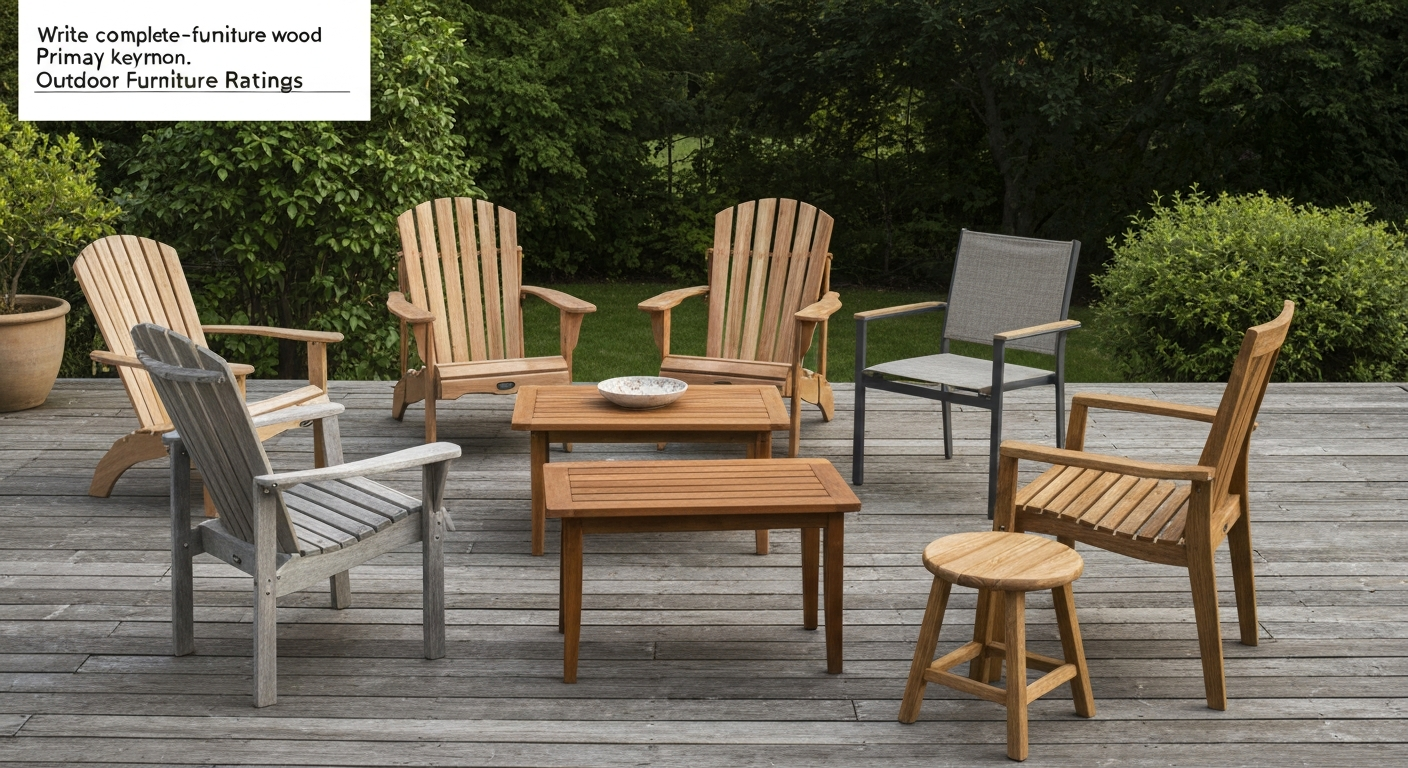
Common Patio Furniture Wood: Best Choices, Care & Tips
Compare common patio furniture wood types, teak, cedar, redwood, oak, with durability, finishes, and care tips.
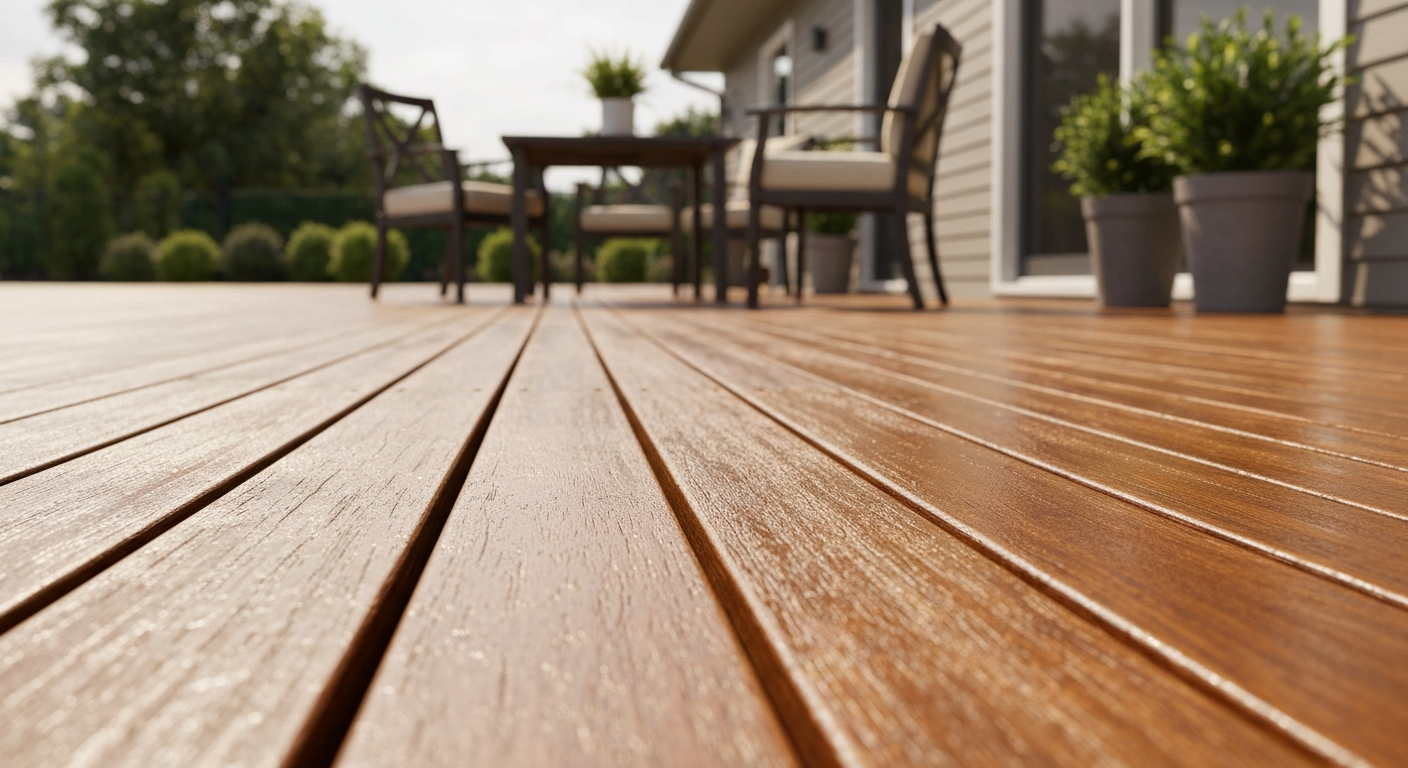
Best Wood Patio Stain: Choosing Durable, Low-VOC Finishes
Compare and choose the best wood patio stain: durability, finish, climate tips, prep, and top product picks.
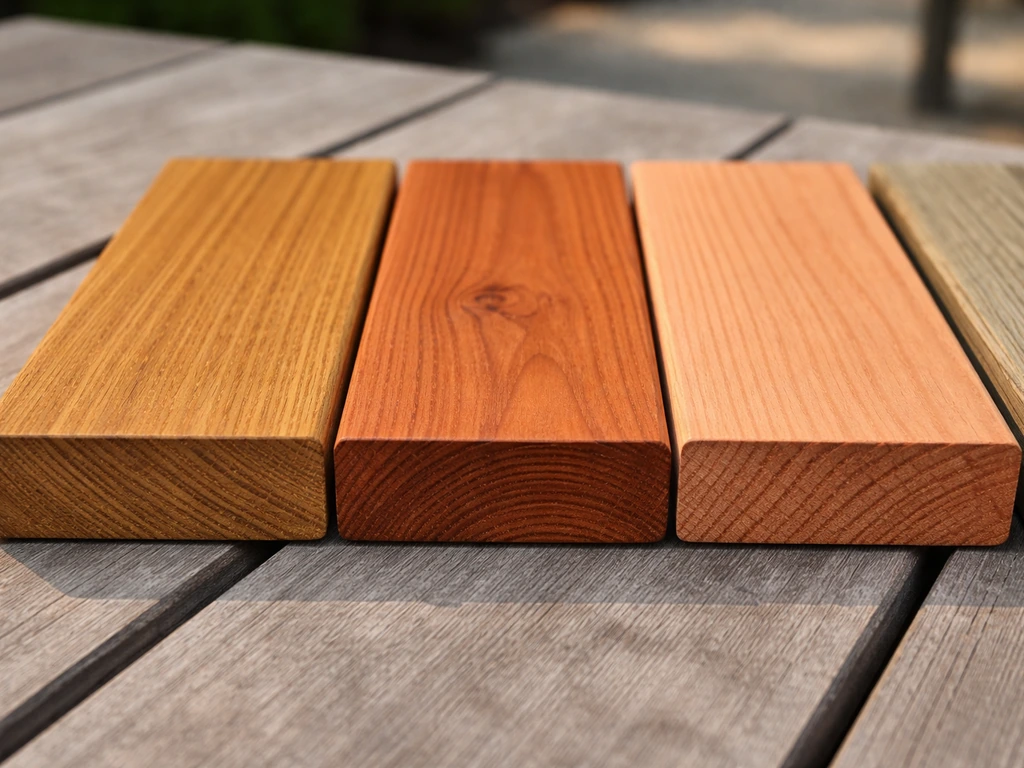
Common Patio Furniture Wood: Teak, Cedar, Redwood and More
Compare common patio woods like teak cedar redwood and pressure-treated: durability, quality checks, and care for long l