
Yes, you can absolutely use patio furniture in your living room. Most outdoor pieces work fine indoors as long as the frame material is stable in controlled humidity, the blank" rel="noopener noreferrer">cushions are dry before they come inside, and you protect your floors from leg damage. The bigger issue is comfort and scale, not durability. Outdoor furniture is built tougher than it needs to be indoors, which is actually an advantage. The conditions that will cause real problems are trapped moisture in cushion foam, corroding metal legs scratching hardwood, and oversized frames that crowd the room.
Can I Use Patio Furniture in My Living Room? Pros and Tips

Theo Tierney
24 Jun 2026
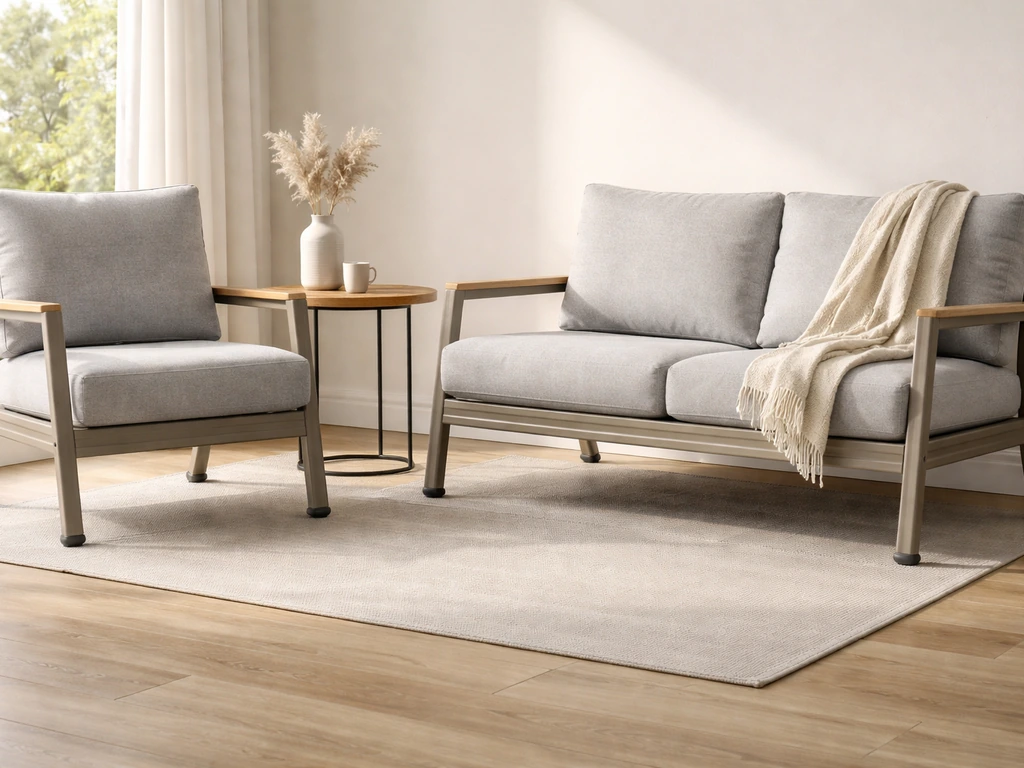
What actually makes patio furniture work (or not) indoors
The frame material is the first thing to evaluate. Outdoor furniture is engineered around moisture, UV, and temperature swings, so indoors it's operating well within its design range. If you're wondering whether you should bring in patio furniture in winter, plan on protecting cushions and checking for dampness before the pieces stay indoors bring patio furniture inside. That said, each material has different behavior in a climate-controlled living room.
Materials check: wood, metal, wicker, and composite indoors
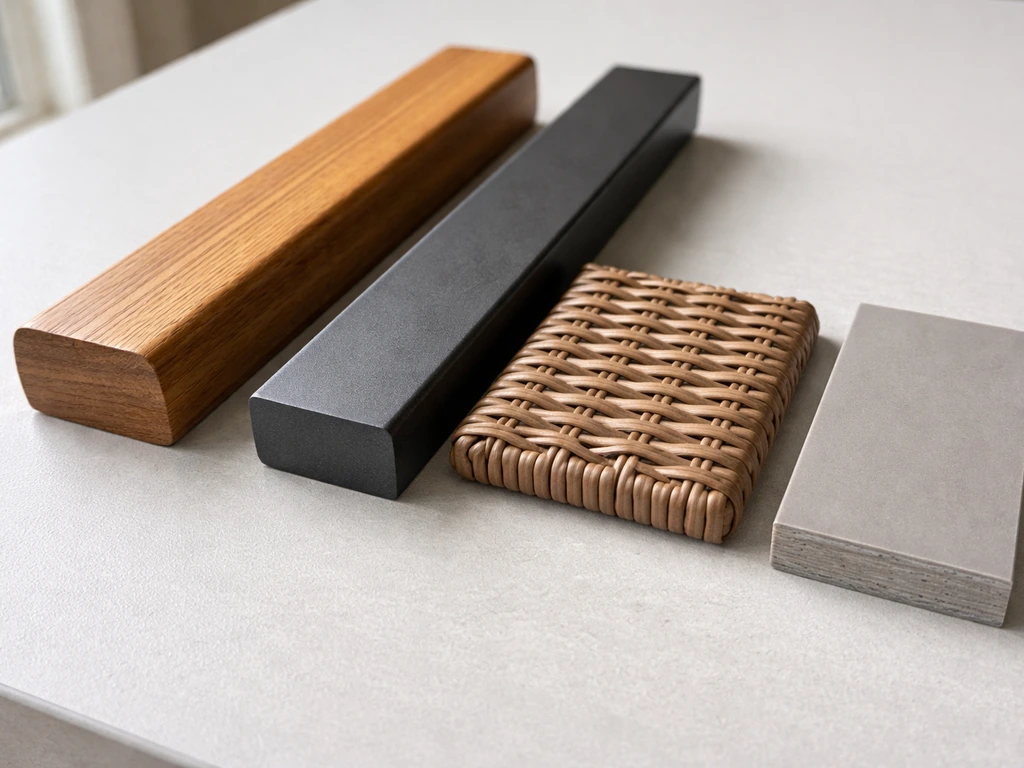
Wood
Teak is the best wood for this transition. It's a dense hardwood loaded with natural oils that resist warping, splintering, and insects. Indoors, teak stays remarkably stable as long as your home sits in the 40 to 60 percent relative humidity range, which is normal for most air-conditioned or heated homes. Go much drier than that (think desert climates in winter with the heat running), and you risk surface cracking over time.
Other outdoor woods like eucalyptus and shorea behave similarly, though they have less natural oil content than teak. Cheaper plantation pine pieces treated with a sealant are the ones to watch. If the sealant was meant for outdoor moisture cycling, it may off-gas slightly when first brought into a warmer, drier environment. Not dangerous, but worth airing out for a day or two before the furniture lives permanently in the room.
Aluminum and metal
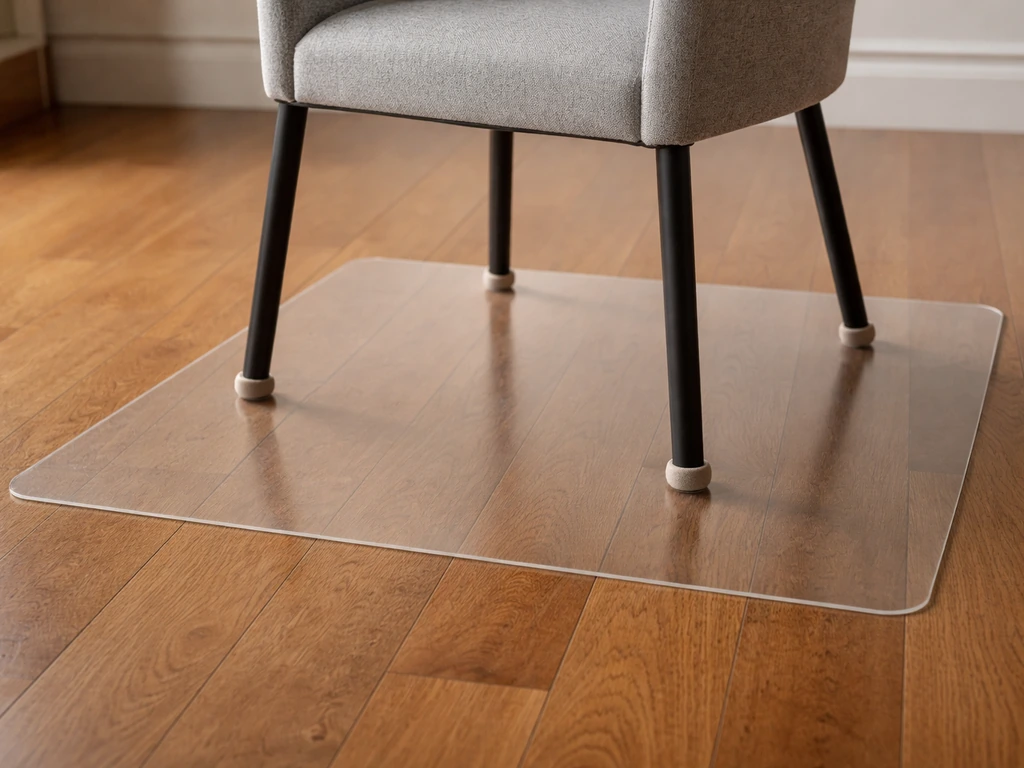
Powder-coated aluminum is honestly the easiest material to move indoors. It's corrosion-resistant, lightweight, and the finish doesn't require any special indoor treatment. The one thing to check before bringing any metal patio furniture inside is the existing finish condition. Look at the legs, joints, and any welded corners for pitting, rust, or flaking paint.
Existing corrosion doesn't stop just because it's indoors. If you've got a mild rust spot on a steel or iron frame, it can still slowly stain your floors or carpet. Aluminum doesn't rust the same way iron does, but the cut edges and fastener points on cheaper aluminum frames can corrode with indoor humidity if the powder coat is already compromised. Clean and touch up any chips before the piece comes inside.
Wrought iron and cast iron frames are heavy and stable, which is great for indoors, but they are genuinely vulnerable to rust if your home runs humid, like it does in coastal Florida or during humid summers without air conditioning.
Wicker and resin wicker
Natural wicker is actually an indoor material that got adapted for outdoor use, so bringing resin wicker back inside is almost a full circle. The synthetic resin wicker used on most modern patio furniture is woven polyethylene over a powder-coated aluminum frame. It does not absorb moisture, it won't crack in dry indoor air, and it cleans up easily.
The main concern is purely aesthetic: resin wicker has a specific look that can read as very casual or tropical, so think about whether that suits your living room before committing. Natural rattan wicker, which you'd more commonly find on older or artisan pieces, can dry out and become brittle in low-humidity indoor environments. A light conditioning with linseed oil once or twice a year handles that.
Composite and HDPE
High-density polyethylene (HDPE) composite furniture, sometimes sold as polywood or recycled plastic lumber, is one of the most stable materials you can bring indoors. It doesn't absorb moisture, doesn't off-gas, and is immune to humidity changes. The tradeoff is aesthetic: it has a somewhat heavy, manufactured look that's easy to spot. For a casual living room or a sunroom transition space, it works well. For a more polished living room, it can look out of place unless paired carefully with textiles and indoor plants.
Comfort and safety: cushions, stability, leg pads, and floor protection
Cushions and fabrics indoors
This is where most people run into trouble. Outdoor cushions are built to resist moisture on the surface, but the foam core inside is a different story. If those cushions came inside damp, or if they were stored in a garage that ran humid, the internal foam may already have mildew growing in it. Mildew doesn't need to be visible to smell.
Before any outdoor cushion comes into your living room, press the center of the foam firmly. If it smells musty when compressed, the interior is compromised and you'll want to replace the foam insert rather than bring that smell into the house. The rule from every manufacturer I've seen, from IKEA to Harbour Lifestyle to Patio Lane, is the same: [store cushions only when completely dry](https://gommaire. com/wp-content/uploads/2024/01/Gommaire-careanduse-fabrics.
pdf). If you are wondering whether it’s too early to bring patio furniture inside, start by checking that the cushions and frame materials are fully dry and in good condition is it too early to put out patio furniture. That same rule applies indoors.
Sunbrella and similar performance fabrics are genuinely mildew-resistant on the surface, but as Sunbrella's own care documentation notes, mildew can still grow on dirt and debris that collects on the fabric. So performance fabric doesn't give you a free pass. It just means the fabric itself won't be the source of the problem. Keep the cushion covers clean and make sure the foam underneath dried fully before the piece came inside.
Outdoor cushion foam is also firmer than most indoor sofa foam. It's designed to drain water and recover its shape after rain. That makes it more supportive but less plush than what most people expect from living room seating. If you're planning to use this as primary seating, it helps to add a softer throw pillow layer and consider whether the seat depth is comfortable for longer sitting. Deep-seat outdoor furniture at around 25 to 30 inches of seat depth is actually very comfortable indoors when paired with good back cushions.
Floor protection: leg pads and glides
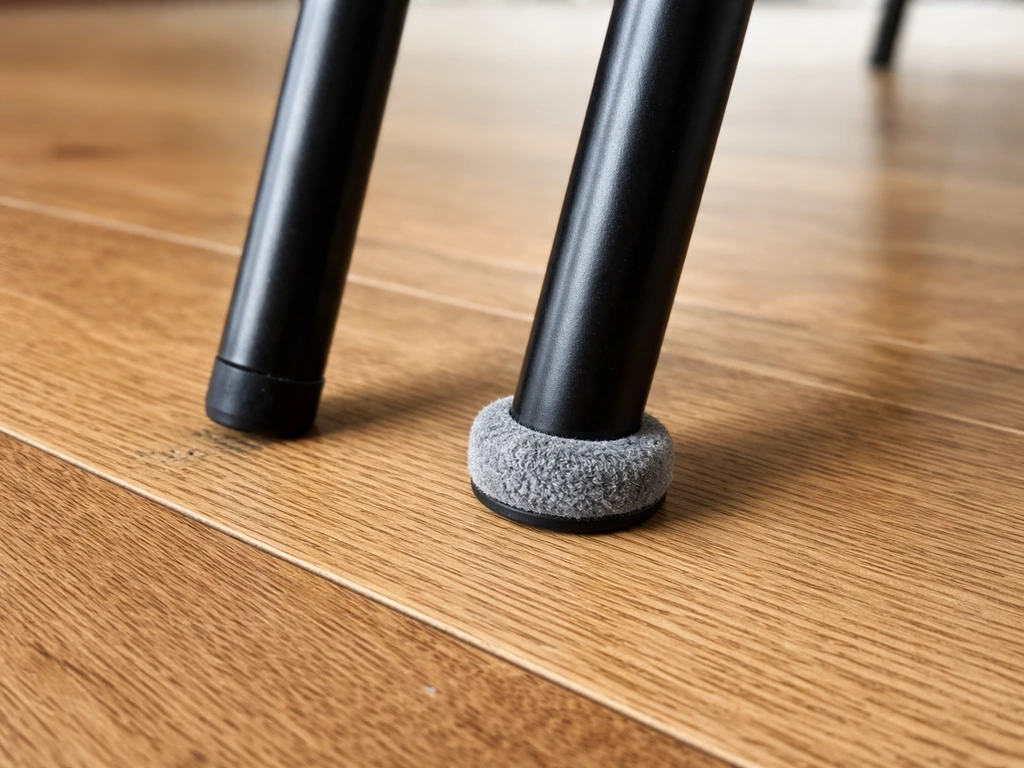
Patio furniture legs are designed for decks, pavers, and concrete, not finished hardwood or luxury vinyl plank. Most outdoor furniture has metal or raw plastic feet with no padding at all. Before anything sits on your floors, fit felt pads to every leg. Felt is the right choice for hardwood, engineered wood, laminate, and LVP surfaces.
Make sure the leg bottom is clean and completely dry before pressing on any adhesive felt pad; dirt or moisture under the pad causes it to peel off within days. For heavier pieces like cast iron or solid teak tables, check the felt thickness, thicker is better under weight. Harmony Flooring and Bona both emphasize matching the pad material to your floor type, and for most hard-surface living rooms, felt is the consistently safe choice.
Measure the base of each leg before buying pads so you get the right size. A pad that's too small bunches and shifts; one that's too large folds under the leg edge and tears.
Stability
Some outdoor chairs have slightly uneven leg heights because they were designed to self-level on uneven patios or use adjustable leveling feet. Check that all four legs contact your floor evenly before you leave the piece in place. A wobble on a level indoor floor can usually be corrected with an adjustable glide or a shim pad under the short leg. Also consider weight. Cast iron and solid teak dining tables can exceed 100 pounds. This is fine structurally but worth knowing before you try to reposition things alone.
Cleaning and maintenance indoors vs outdoors
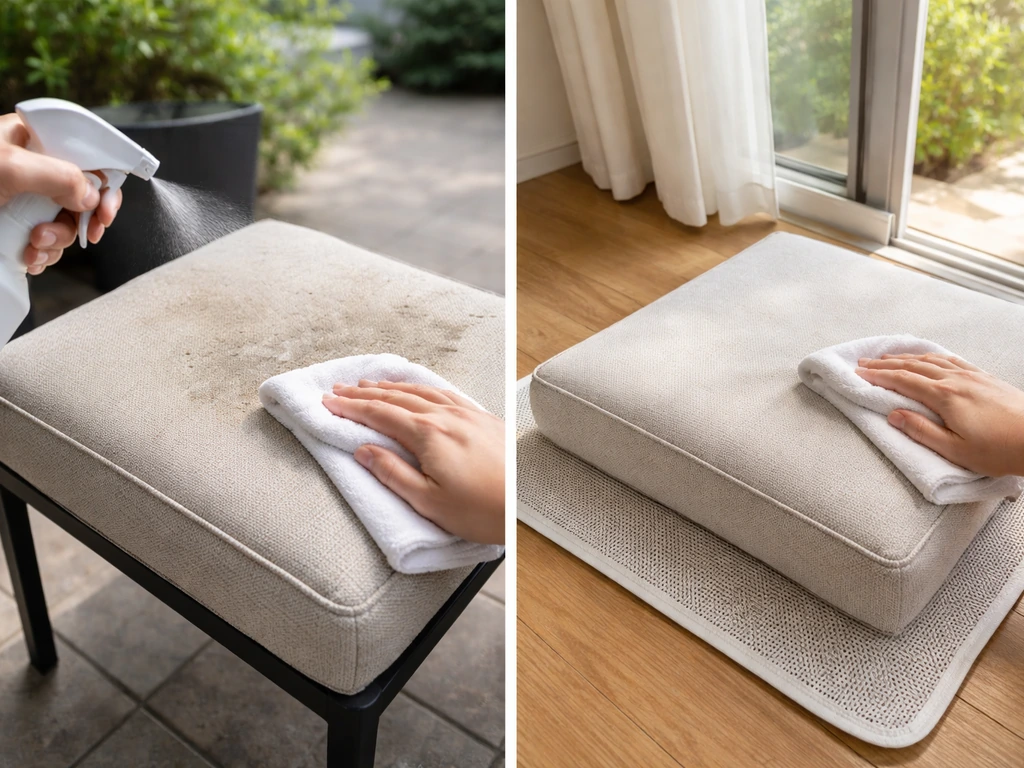
Here's the honest advantage of using outdoor furniture inside: it's genuinely easier to maintain indoors than on a patio. If you are asking whether patio furniture can stay outdoors long-term, the same material and condition checks matter, just in a different way patio furniture left outside. The UV degradation, rain cycling, temperature swings, and freeze-thaw stress that outdoor furniture fights constantly simply don't exist in your living room. A powder-coated aluminum frame that might need a good seasonal scrub outdoors just needs a wipe-down with a damp cloth once a month indoors. Teak that would gray and need oiling every six months outdoors will hold its color longer indoors with far less maintenance.
Cushion care indoors shifts from weather-related to dirt and use-related. Outdoor cushion covers are almost always removable and machine washable, which is a genuine advantage over some indoor upholstered furniture. Follow the cushion's care label, but most outdoor fabric covers (including Sunbrella) can be removed, washed on a gentle cycle in cold water, and air dried flat or hung. Avoid machine drying unless the care label explicitly allows it.
Harbour Lifestyle's guidance is clear that tumble drying risks deformation and shrinkage in outdoor cushion materials. The key indoor-specific rule: don't let covers go back on the foam until they are completely dry. A damp cover over foam in a warm living room is exactly the environment where mildew develops.
A CleaningTips Reddit thread also discusses mildew concerns with practical approaches like identifying mildew versus mold and using diluted bleach solutions when appropriate for the fabric A damp cover over foam in a warm living room is exactly the environment where mildew develops. .
For frames, the indoor care routine is straightforward. Wipe aluminum and metal frames with a damp cloth and dry immediately, especially around joints and fasteners. For teak and hardwood, a light wipe with a wood-safe cleaner followed by occasional conditioning oil keeps the surface healthy. Resin wicker just needs soap and water. The one thing to avoid on any outdoor fabric or frame finish is solvent-based cleaners indoors; they can strip protective coatings and, in an enclosed living room, the fumes are more concentrated than they'd be on a ventilated patio.
Placement and style: sizing, layout, and matching your decor
Scale is the biggest design challenge. Outdoor sectionals and deep-seat sofas are built large because they're designed to fill an expansive patio or deck. In a standard 12 by 15 foot living room, a three-piece outdoor sectional can easily eat the whole space. Before you move anything inside, measure the furniture and sketch the room footprint. A single deep-seat lounge chair and a two-seat bench can work beautifully as a reading corner or secondary seating group. A full six-piece outdoor dining set usually needs a room over 200 square feet to not feel cramped.
Mixing outdoor furniture with indoor decor works best when you lean into the contrast deliberately. If you want the look without the guesswork, you can mix and match patio furniture pieces by keeping the materials and color palette consistent Mixing outdoor furniture with indoor decor. A teak bench or side table reads as warm and organic against a neutral living room background. Powder-coated black aluminum chairs work in a modern or industrial space. The mistake most people make is trying to hide the outdoor origin of the furniture by surrounding it with purely indoor pieces. It tends to look confused. Instead, let the material speak and complement it with textiles and plants that reinforce the indoor-outdoor vibe.
Sun exposure near windows is worth thinking about. Outdoor fabrics are UV-treated to handle direct sun for years, but that treatment isn't unlimited. A cushion sitting in direct afternoon sun through a south-facing window will fade faster than it would on a covered patio because glass can intensify UV radiation. Rotate cushions periodically or add a UV-filtering window film if direct sun is unavoidable.
If you're wondering whether the pieces need to match each other or your existing indoor furniture, the short answer is: not exactly. Outdoor furniture in a living room works best when materials are related even if styles differ slightly. A teak dining chair mixing with a rattan accent chair reads as cohesive. A wicker sofa next to a polished chrome coffee table looks like two different conversations happening in the same room.
Material comparison at a glance
| Material | Indoor Stability | Floor Risk | Maintenance Indoors | Comfort Adjustment Needed |
|---|---|---|---|---|
| Teak / Hardwood | High (keep humidity 40–60%) | Moderate (add felt pads) | Low (occasional oil) | Minimal for quality pieces |
| Powder-coated aluminum | Very high | Low (add felt pads) | Very low (wipe clean) | Often needs cushion upgrade |
| Wrought / cast iron | High but heavy | High if finish damaged (felt pads critical) | Low to moderate (watch rust) | Often needs cushion upgrade |
| Resin wicker (HDPE frame) | Very high | Low (add felt pads) | Very low (soap and water) | Minimal |
| HDPE / composite | Very high | Low (add felt pads) | Very low | Minimal, but firmer seat feel |
| Natural rattan wicker | Moderate (can dry out) | Low (add felt pads) | Low (condition occasionally) | Moderate, cushions help a lot |
How to decide today: inspection checklist and next steps
Run through this before you move the furniture inside. A good rule of thumb for when should you put out patio furniture is to bring it inside or cover it before nights get cool or before rain and heavy dew set in. It takes about ten minutes and will tell you whether the piece is ready to live in your living room or needs some prep work first.
- Inspect the frame. Check every leg, joint, and weld point for rust, pitting, flaking paint, or corrosion. Minor chips on powder-coated aluminum: touch up with matching touch-up paint and let cure before the piece comes inside. Active rust on steel or iron: address with a rust converter, sand, and repaint before indoor use.
- Squeeze the cushion foam in the center. If it smells musty, replace the foam insert. A mildew smell in a cushion does not go away on its own indoors. If it smells clean, check that the cover is completely dry before use.
- Check leg bottoms. Measure the base of each leg and buy appropriately sized felt furniture pads. Apply to clean, dry leg surfaces. For very heavy pieces, use thicker felt rated for the weight.
- Measure the furniture and your room. A patio sofa that's 96 inches wide needs at least 12 feet of wall clearance to sit comfortably without blocking walkways.
- Assess your indoor humidity. If you live in a consistently humid climate without regular air conditioning (think coastal Southeast in summer), a dehumidifier in the room will protect both wood frames and cushion foam over the long term. Target 40 to 60 percent relative humidity.
- Check window placement. If a piece will sit in direct afternoon sun, either plan to rotate cushions every few weeks or treat the window with UV-filtering film.
- Buy replacement or supplemental cushions if needed. Outdoor cushion foam is firmer than most indoor foam. If comfort is a priority, look for deep-seat cushions with a higher-density foam insert, or add a layer of softer throw pillows. Indoor upholstery fabric covers are also available for outdoor chair frames if you want the piece to read more as indoor furniture.
Once the furniture passes inspection and the felt pads are on, move it in and live with it for a week before making any permanent decisions about layout. If you're trying to decide when to bring patio furniture indoors for the best results, focus on humidity levels, drying time, and the material type. The scale, light, and feel of a piece often reads differently in the actual room than it does in a plan sketch. The good news is that outdoor furniture is built to last, so if you're bringing in a well-made teak or aluminum piece, it will serve you just as well inside as it did on the patio, and with noticeably less maintenance work.
FAQ
Can I bring patio furniture inside if it’s been outside all day in humid weather?
Yes, but treat it like an indoor “plant watering” risk (moisture management), not like a durability issue. Move cushions and frames in only after they are completely dry, then keep them away from windows and HVAC vents for the first day. If you use a space heater or run the air very dry, plan to check for cushion surface hardening or wood surface cracking, and condition teak lightly if it dries out.
Is it safe to use patio furniture on newly installed hardwood or luxury vinyl plank?
Avoid placing it on fresh glue or newly laid flooring. If your floor is new, wait until adhesives and underlayment are fully cured and there is no residual off-gassing moisture. Felt pads can trap moisture against a weak or tacky surface, so confirm the surface is dry and clean before installing pads.
Do I need to re-seal or re-coat patio furniture once it’s in the living room?
For most outdoor pieces, you do not need a special sealant after moving indoors. The key step is dry inspection: look for chips in powder coat, rust at joints, and any musty odor from cushions. If you do touch up a finish, use a product intended for the same material and color (for example, matching powder-coat touch-up for metals), and let it cure fully before the piece sits on your floor.
Will outdoor cushions feel comfortable enough for everyday living room seating?
If the furniture will be used as seating, measure two things: seat height relative to your flooring and the seat depth. Outdoor cushions are often firmer and deeper, so aim for seating where your feet are supported and you can sit for 20 to 30 minutes without sliding forward. Adding a thin indoor seat cushion or a lumbar pillow can help without ruining the outdoor piece’s supportive feel.
What’s the best way to prevent scratches and scuffs when moving patio furniture onto hardwood?
Yes, but the safest way to prevent scratches is to use felt pads plus a quick floor test. Put a pad on, gently slide the piece a few inches on a hidden spot, then check for scuffs or gray marks. If you see any transfer, switch to thicker felt (or felt plus a non-slip underlayer designed for your flooring type) before moving the full piece.
Can I use patio furniture indoors if I have cats or dogs?
If you have pets, it’s less about durability and more about hygiene. Outdoor cushion foam can hold odors even after washing covers, so do the compression smell check before bringing anything inside. Also keep removable covers on during high-pet-activity periods, and wash them on a regular schedule since paw dirt and dander can accumulate in outdoor fabrics just as easily as indoor ones.
What should I do if my home is very humid, like a basement or coastal area?
Yes, but manage airflow. Even when cushions are dry, an enclosed room with poor ventilation can slow moisture evaporation from fabric and trapped debris. Use regular vacuuming and spot-clean stains promptly, and if you live in a very humid area, consider a dehumidifier run schedule so cushions do not stay at consistently high humidity.
Can I use the same cleaners I use on patio furniture outdoors?
Not typically. Solvent-based cleaners can strip protective coatings or leave residues that attract grime, and in an enclosed living room any lingering fumes are more noticeable. Stick to damp cloth wiping for frames and mild soap for resin wicker, then dry immediately, especially around welds and wood joints.
Will patio cushions fade faster near a window than on a patio?
You can, but plan to reduce UV exposure on the highest-sun surfaces. Even though outdoor fabrics are UV-treated, glass can accelerate fading from direct afternoon sun. Rotate cushions every 1 to 2 months, and consider UV-filtering film or keeping cushions slightly shaded on the brightest side.
What if my patio chair legs don’t sit flat on my living room floor?
If the furniture wobbles, fix it before it becomes a floor or injury problem. Check for uneven leg height and use adjustable leveling glides or shims under the short leg. Do not rely on thicker felt alone, because it can compress unevenly and make the wobble return.
Next Articles

Can You Mix and Match Patio Furniture Here’s How
Step-by-step rules to mix and match patio furniture, match styles and comfort, and choose weatherproof materials that la
When to Bring in Patio Furniture: Spring and Fall Timing
Rules of thumb for when to bring in patio furniture in spring and fall, by climate, temps, and weather risk.

When Should You Put Out Patio Furniture? Exact Timing
Know exact timing to put out patio furniture using temperature, frost, wet spells rules plus material and cushion care t