
For most homeowners, the honest answer is: bring in your cushions and umbrella no matter what, seriously consider storing wood and wicker frames if you're in Zone 6 or colder, and you can reasonably leave powder-coated aluminum or high-density polyethylene (HDPE) resin furniture outside with good covers if you're in a milder climate. The frame vs. cushion vs. umbrella split is the most important decision here, and most people either bring in everything or leave in everything when they should actually be splitting the difference.
Should You Bring in Patio Furniture in Winter? (Guide)

Theo Tierney
11 Jul 2026
Quick answer based on your climate
Your USDA Hardiness Zone is the fastest shortcut for gauging winter risk. Zones are defined by average annual minimum temperatures in blank" rel="noopener noreferrer">10°F increments, which maps almost perfectly to the damage thresholds for different furniture materials. Here's the practical breakdown:
| Climate / Zone | Frames | Cushions | Umbrella |
|---|---|---|---|
| Zone 9–11 (rarely freezes, e.g., Southern FL, Gulf Coast) | Covers usually fine; bring in wicker | Bring in or bag and seal | Bring in or cover and secure |
| Zone 7–8 (light freezes, occasional snow, e.g., mid-Atlantic, PNW) | Cover metal/resin; bring in wood and wicker | Always bring in | Always bring in |
| Zone 5–6 (hard winters, regular snow/ice, e.g., Midwest, New England) | Bring in wood and wicker; cover or store metal and resin | Always bring in | Always bring in |
| Zone 4 and colder (severe winters, prolonged below-zero temps) | Bring in all wood, wicker, and cushioned frames; cover only cast iron or HDPE if storage is impossible | Always bring in | Always bring in |
The main winter threats are freeze/thaw cycling, snow and ice load, wind-driven rain, and extended humidity. Of those, freeze/thaw is the most destructive because water seeps into tiny surface cracks, expands when it freezes, and widens those cracks every cycle. Over a single winter in Zone 5 or 6, this can split a wood slat or pop a wicker weld that would have lasted years more with basic storage.
How different materials actually handle cold
Not all outdoor furniture is built the same, and the material determines how aggressively you need to protect it. Here's what actually happens to each material type over a cold season.
Wood (teak, eucalyptus, cedar, acacia)
Wood is the most climate-sensitive material you'll find in a patio set. Even naturally oily species like teak absorb moisture when the surface finish degrades, and freeze/thaw cycling is what splits rails and cracks joints. Teak handles cold better than most because its natural silica content repels water, but it still benefits from storage in Zone 6 and colder. Cheaper acacia and pine sets are significantly more vulnerable: expect cracking, warping, and paint peeling after a single harsh winter if left unprotected. If you have a wood set, annual sealing or oiling before winter dramatically extends its lifespan regardless of whether you store it.
Metal (aluminum, steel, wrought iron, cast iron)
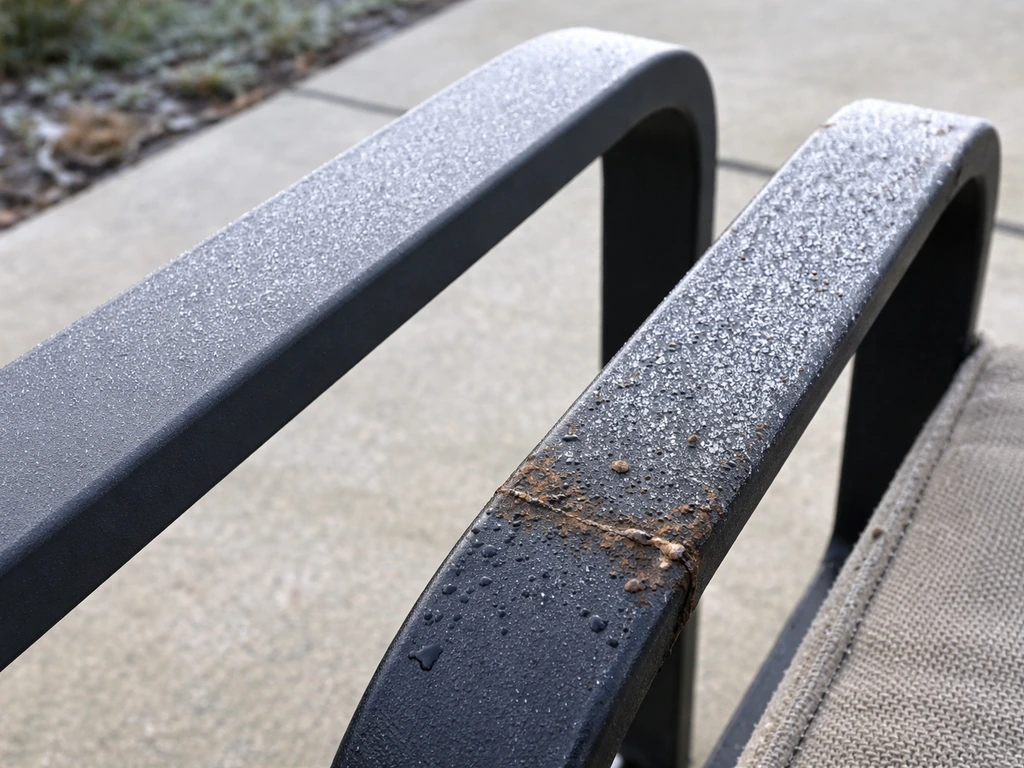
Aluminum is the most winter-tolerant metal for patio furniture because it doesn't rust. Powder-coated aluminum can handle snow and freezing temps reasonably well, though the coating can chip over time and bare spots will pit. Steel and wrought iron are a different story: any scratch or chip in the finish creates a rust entry point, and wet winters accelerate that dramatically. Cast iron is heavy enough that many people leave it out year-round, but it absolutely rusts if the finish is compromised. If you have a steel or wrought iron set, winter is when you'll lose the most ground on rust prevention.
Resin wicker and natural rattan
There's a massive quality difference between all-weather resin wicker and natural rattan, and winter is where that gap becomes obvious. Natural rattan is an organic material that absorbs moisture, swells, shrinks, and eventually unravels when exposed to repeated wet/freeze cycles. It should always come inside for winter. Resin wicker (polyethylene strands over a powder-coated aluminum or steel frame) handles cold better, but the frame underneath is still vulnerable to rust if the weave is damaged. High-quality resin wicker with an aluminum frame can be covered and left out in Zones 7 and warmer; anything in Zone 6 or colder deserves indoor storage.
HDPE and composite/resin furniture
High-density polyethylene (HDPE) is the most winter-tough material you can buy for patio furniture. It doesn't rust, doesn't absorb water, and handles freeze/thaw cycling without cracking. Brands like POLYWOOD build their furniture to live outside year-round, and in most climates that's exactly what you can do. The main winter risk with HDPE and resin is wind: lighter resin chairs can blow around and crack against hard surfaces. Stacking or tipping chairs against a wall, and covering tables, is usually all the protection HDPE needs.
Cushions, fabric, and umbrellas
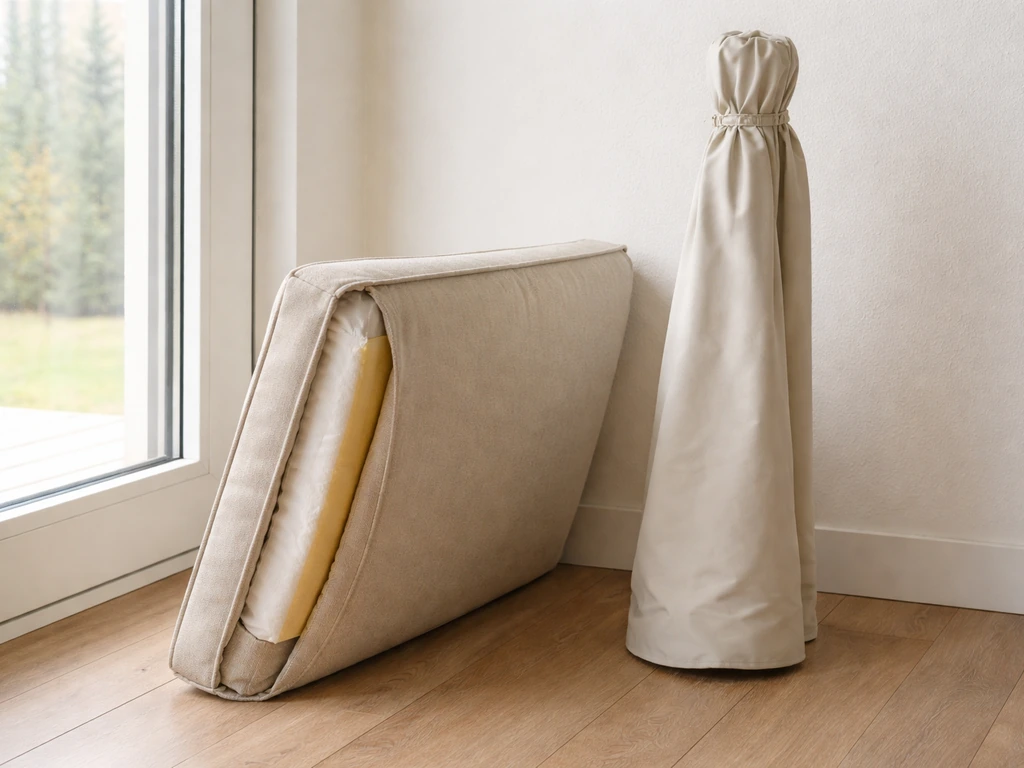
This is the non-negotiable category. Cushion foam absorbs moisture even through high-performance fabric like Sunbrella, and once that foam is wet and sealed under a cover through winter, you get mold growth that's nearly impossible to fully eliminate. Sunbrella and similar solution-dyed acrylics resist staining and dry quickly in active use, but that durability doesn't mean you should trap them under a cover for five months. Sunbrella notes that its solution-dyed fabrics are designed to perform in snowy and icy conditions, but the fabric still needs to be kept dry and not trapped under long-term covers during off-season storage blank" rel="noopener noreferrer">active use, but that durability doesn't mean you should trap them under a cover for five months.. Umbrellas have the additional issue of fabric-to-frame contact points where moisture collects, plus pole mechanisms that corrode in wet/cold storage. Both cushions and umbrellas should be cleaned, dried thoroughly, and stored inside every year without exception. Put patio furniture out at the start of the outdoor season, but bring it back in before sustained cold, wet weather begins when should you put out patio furniture.
How to bring furniture in the right way
Bringing furniture inside without prep is almost as bad as leaving it out. If you are wondering whether it is too early to put patio furniture out, the safest move is to base it on your local overnight lows and the kind of material you have. The goal is to store clean, dry items in a space with airflow so you don't trade winter weather damage for mold and mildew damage in your garage.
- Clean everything before it goes in. Brush off dirt and debris, then wash frames with mild soap and water. For wood, use a soft brush and let the grain dry fully. For metal, wipe down and inspect for rust spots — treat any bare metal with a rust-inhibiting primer before storing.
- Dry completely. This is the most important step and the most skipped. Give frames at least 24 to 48 hours of air-drying after washing before they go into any enclosed space.
- Clean cushions separately. Remove all cushion covers if they're zip-off, wash them per the manufacturer's directions, and air-dry both the covers and the foam inserts. Sunbrella covers can be machine washed on cold/gentle. Do not bag cushions until you are certain the foam core is dry all the way through — press into the center to check.
- Seal cushions in storage bags. Once dry, place cushions in breathable fabric storage bags or heavy-duty zippered bags. Avoid plastic trash bags, which trap any residual moisture.
- Disassemble and fold where possible. Stack chairs, nest tables, and collapse umbrella frames. Tie straps and cords loosely so they don't kink or crack.
- Store in a space with airflow. A garage with wall vents, a basement with a dehumidifier, or a climate-controlled shed are all good options. Avoid fully sealed plastic tubs for large items. For small cushions and covers, sealed bags are fine once they're dry.
- Elevate items off concrete floors. Concrete wicks moisture. Use pallets, carpet remnants, or shelving to keep wood frames and cushion bags off a bare slab.
- Store the umbrella base separately and drain any water reservoirs.
When leaving furniture outside is the right call
If you have HDPE/resin furniture, a powder-coated aluminum set in Zone 7 or warmer, or simply no storage space, leaving furniture outside is workable if you do it correctly. If you’re wondering can patio furniture be left outside, the short answer is it depends mainly on the material and your winter risk. A cover-and-secure approach isn't as good as full storage, but it's far better than nothing.
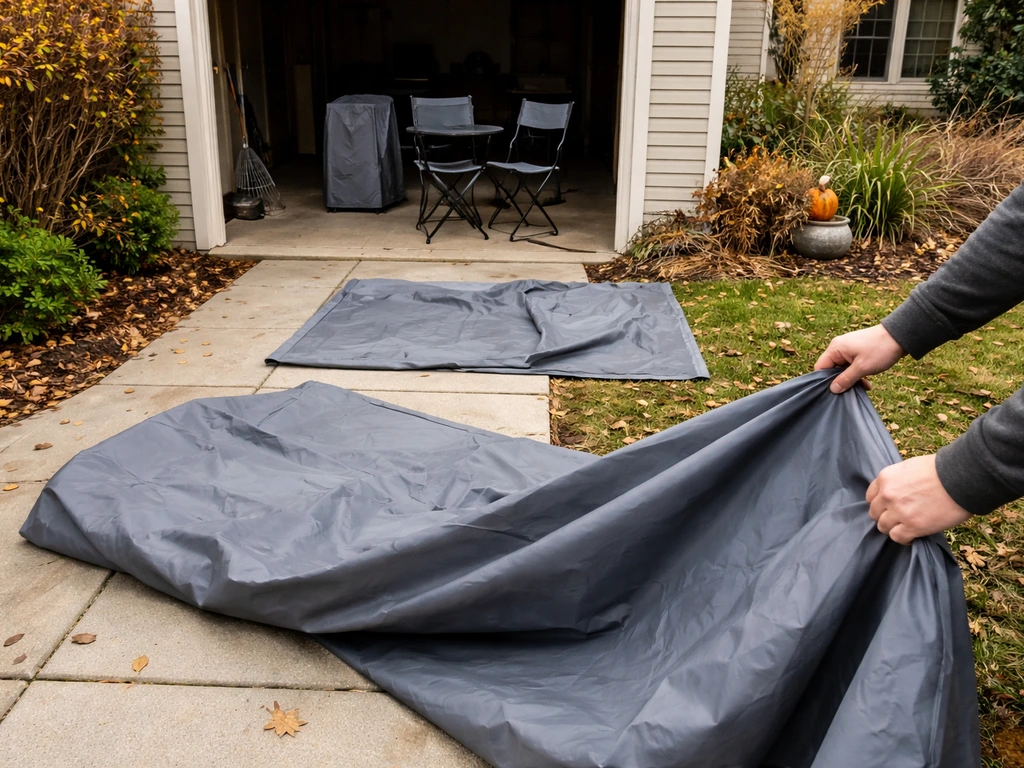
- Buy fitted furniture covers, not tarps. A properly fitted cover has vents to allow air circulation and doesn't pool water. Tarp-style coverings trap moisture underneath and create the exact humid, dark environment mold needs.
- Make sure covers have ventilation grommets or mesh panels. This is what separates a real furniture cover from a plastic sheet. Moisture evaporates through vents; under a sealed tarp it condenses and soaks into whatever is below.
- Anchor covers with ties, clips, or integrated straps. Wind will strip off an unanchored cover in a single storm, leaving your furniture fully exposed for the rest of winter.
- Remove cushions even if you're leaving frames out. This is the rule that matters most. Frames can tolerate being covered; cushions cannot survive a winter under an outdoor cover without developing mold.
- Tip or stack chairs. Reduce wind profile and snow load by stacking or tipping chairs against a wall or fence. This also prevents a chair from blowing over and cracking.
- Check covers after major storms. Ice, snow accumulation, and wind all move covers out of position. A quick 10-minute check after each significant weather event keeps the protection working.
Covers vs. storing: what actually prevents damage
The honest comparison is that indoor storage wins for preventing damage, and covers are a reasonable compromise when storage isn't feasible. Here's how they stack up by material and risk:
| Item | Covers (outdoors) | Indoor storage | Verdict |
|---|---|---|---|
| Wood frames (teak, cedar) | Slows moisture exposure; freeze/thaw risk remains in Zone 6 and colder | Eliminates freeze/thaw risk; best outcome | Store in Zone 6 and colder; cover in Zone 7+ |
| Powder-coated aluminum frames | Works well in most climates with fitted, vented cover | Ideal but often unnecessary in mild climates | Cover is fine in Zone 7+; store in Zone 5 and colder |
| Steel/wrought iron frames | Risky if any finish damage exists; rust accelerates under trapped moisture | Much safer; inspect and treat rust before storing | Store whenever possible |
| Resin wicker (aluminum frame) | Acceptable in Zone 7+ with vented cover | Best for Zone 6 and colder or natural rattan | Natural rattan always inside; resin wicker cover in mild climates |
| HDPE/resin frames | Generally fine; mostly a wind/impact risk | Not usually necessary | Cover or stack; no storage needed in most climates |
| Cushions and fabric | Never leave under outdoor cover for winter | Always store inside, clean and dry | Always store inside, no exceptions |
| Umbrellas | Risky even with cover; pole mechanisms and fabric joints trap moisture | Always store inside after cleaning and drying | Always store inside |
The biggest cover mistake is using a one-size-fits-all approach. People buy a large generic cover, drape it over the entire set including cushions, tie it loosely, and assume everything is protected. What actually happens: rain gets under the edges, humidity builds up underneath, and by March you have mold on cushions and rust spots on steel frames. A fitted, vented cover on a frame-only set is genuinely useful. A loose tarp over a full set with cushions is almost counterproductive.
Your pre-winter and post-thaw maintenance checklist
Before winter (late fall, before first hard freeze)
- Inspect all frames for cracks, chips, rust spots, or loose joints — repair before storing
- Clean all frames with soap and water; scrub stubborn mildew with a diluted white vinegar solution
- Re-oil or re-seal wood frames (teak oil, linseed oil, or a penetrating wood sealer depending on species)
- Touch up any chipped powder coating on metal frames with matching spray paint to seal out moisture
- Treat any visible rust on steel or iron with a rust converter before applying primer and touch-up paint
- Wash all cushions and umbrella fabric; dry completely before bagging or boxing
- Drain and clean the umbrella base; store base weighted or tipped to prevent water pooling
- Apply a light coat of car wax or metal protectant to aluminum and steel frames you're leaving outside
- Install fitted, vented covers on any frames staying outside; anchor securely
After winter (first thaw, before bringing furniture back out)
- Inspect stored frames for any moisture damage, new rust spots, or cracking that happened in storage
- Wipe down all frames before bringing them outside — dust and condensation accumulate even in storage
- Re-oil wood furniture if the surface looks dry or gray; teak especially benefits from spring oiling
- Check all bolts, screws, and frame connections — metal expands and contracts with cold, and fasteners can loosen
- Inspect cushions for any mold or mildew smell before reinstalling; air them outside in sun before use
- Check umbrella fabric and pole mechanism for stiffness or corrosion; lubricate joints if needed
- Wait for overnight lows to stay consistently above freezing before putting cushions back outside
- Confirm covers are clean and dry before folding for off-season storage
Common mistakes and how to handle mixed sets
Most patio sets are mixed: an aluminum frame dining set with fabric cushions, or a resin wicker sectional with a steel fire pit table nearby. If you want everything to look coordinated, you can choose matching colors or finishes, but you usually do not need every frame and cushion material to match exactly mixed: an aluminum frame dining set with fabric cushions. The worst thing you can do is make one blanket decision for the whole thing. Here are the mistakes I see most often and the decision rules to fix them.
The most common mistakes
- Leaving wet or even damp cushions under covers all winter. Moisture doesn't need much: a slightly damp foam core sealed under a cover for four months will grow mold. Always remove and store cushions inside, fully dry.
- Using a tarp instead of a fitted cover. Tarps don't breathe, pool water at low points, and flap in wind which abrades surfaces. Fitted covers with venting are worth the extra cost.
- Bringing in frames but forgetting umbrella bases. Filled umbrella bases left outside in freezing temps can crack as trapped water freezes. Empty them completely before winter.
- Storing wood furniture directly on concrete. Concrete floors pull moisture into wood grain. Elevate wood on pallets or carpet scraps.
- Skipping the pre-winter seal on wood. One season of unsealed wood in a wet climate can cause more damage than five sealed seasons. Oil or seal wood before the first hard freeze, not in spring.
- Covering furniture too early. Covering a set in October when you're still getting warm days traps heat and humidity, encouraging mold. Wait until you're done using the set and temperatures are dropping consistently.
- Assuming 'all-weather' means no maintenance. All-weather HDPE and resin furniture tolerates cold well, but it still needs to be cleaned, connections checked, and cushions removed.
Decision rules for mixed sets
When your set has multiple materials or components, treat each piece by its own material rules rather than applying one policy to everything. If you want to mix and match patio furniture, use each material's cold-weather rules so one weak component does not fail first. Here's how to think through a typical mixed set:
- Cushions and umbrella fabric: always bring in, every year, every climate. Non-negotiable.
- Umbrella frame and pole: bring in. Corrosion in the tilt mechanism is expensive to repair and easy to prevent with simple indoor storage.
- Wood frames (chairs, tables, benches): bring in if you're in Zone 6 or colder. In Zones 7 and warmer, a fitted cover plus annual sealing is acceptable.
- Steel or wrought iron frames: bring in if you have any finish damage. If finish is intact and you can't store them, use a fitted vented cover and inspect for rust every few weeks in wet weather.
- Powder-coated aluminum frames: cover in place in Zone 7 and warmer; consider storage in Zone 5 and colder.
- HDPE/resin frames: stack or tip, cover if you want, but storage is rarely necessary.
- Resin wicker with aluminum frame: cover in Zone 7 and warmer; store in Zone 6 and colder.
- Natural rattan: always bring in, no exceptions, regardless of climate.
If you're thinking about where furniture goes when it comes inside, that's a separate question worth considering. You can use patio furniture indoors if it is clean, dry, and stored or placed where air can circulate. Some pieces transition well to screened porches, garages, or even living spaces during the off-season, which makes the storage logistics easier. And when spring arrives, the question of when to put furniture back out is just as important as getting the timing right in fall. Bringing furniture outside too early, before overnight freezes are done, risks undoing all the care you put into storing it properly.
FAQ
What is the correct order of steps if I must leave patio furniture outside through winter?
If you leave anything out, the safest sequence is (1) rinse off dirt, (2) let it fully dry in open air, (3) add the right cover style for what is underneath, and (4) secure it so wind cannot trap moisture by vibrating fabric. A wet cushion sealed under a cover overnight is the fastest route to mildew, even in mild climates.
Do winter patio furniture covers prevent damage as well as storing items indoors?
Covers work best when they are breathable or vented, and they should never be tight enough to hold fabric directly against the cushions for months. For mixed sets, use cover-and-store priorities, cover tables and frames, but bring cushions and umbrellas inside every time.
How should I position furniture and covers if I’m leaving frames outside?
For frames, “good” means firm and stable, no wobble, and no direct contact with wet ground. If the cover or furniture sits in a puddled spot, you can still get rust or algae growth even with high-quality materials, so raise pieces with blocks or store them on a dry surface.
Can I leave some patio furniture outside if I bring only the cushions in?
Yes, but only for pieces that can handle it. Resin wicker with an aluminum frame and HDPE are usually fine with a cover in Zones 7 and warmer, but wood, natural rattan, steel, and wrought iron should go inside because freeze-thaw amplifies small finish chips into structural failure.
What should I do if my cushions or umbrella get wet while covered in winter?
If your fabric items get wet during winter, do not rely on “they will dry under the cover later.” Remove cushions and umbrellas at the first dry stretch, then dry thoroughly before re-storing. For covers left on all season, plan a mid-winter check after storms to prevent trapped condensation.
Where is the best place to store patio cushions and umbrellas indoors?
An attic and a ventilated porch are often safer than a damp garage, but the key factor is airflow plus dryness. If your storage space has recurring humidity, store cushions in sealed containers or plastic bins, but keep containers dry, and do not store while items are still cool and wet.
Should I clean patio furniture before storing it, and what mistakes should I avoid?
Sweep off grit first. Fine sand and debris act like sandpaper and can also puncture cushion fabric or abrade resin wicker during wind. After winter, rinse and inspect before spring use so you do not drag residue into your home or into the next season’s cushions.
How do I handle chipped paint or small rust before winter storage?
If the frame is powder-coated aluminum, you have more tolerance, but you still should address chips. For steel or wrought iron, treat any rust spot before storage, because winter does not pause rust. A wire brush plus a rust-inhibiting primer and touch-up paint can prevent a small flaw from becoming a winter failure.
Is it okay to stack patio chairs or sections during winter storage?
Stacking can work, but avoid putting weight on cushions in a way that creases and holds them damp against fabric. Also, do not stack metal components where they can trap moisture between contact points, such as two flat steel surfaces.
When should I bring patio furniture in, based on weather timing rather than the calendar?
As a rule of thumb, bring items in when overnight lows are consistently below freezing and wet storms are starting, not just when daytime temperatures dip. For timing, watch your first prolonged period with freezing nights plus precipitation, that combination drives freeze-thaw cycling and humidity buildup under covers.
Next Articles
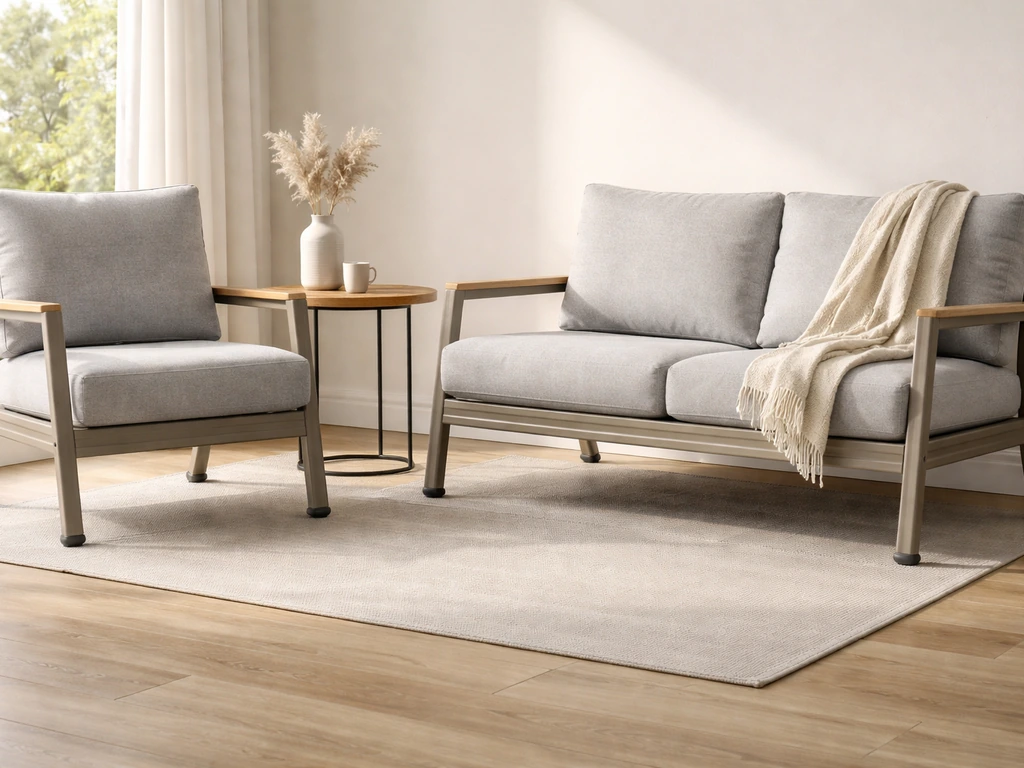
Can I Use Patio Furniture in My Living Room? Pros and Tips
Yes, with the right materials and protection. Get indoor setup, floor care, maintenance tips for patio furniture.
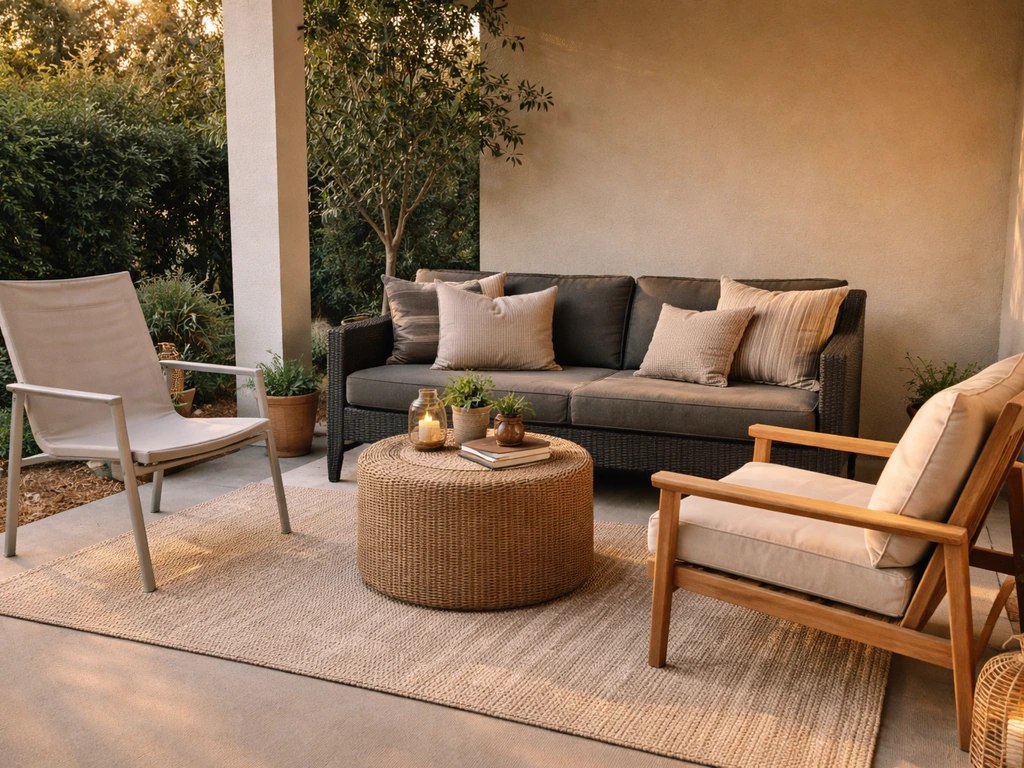
Can You Mix and Match Patio Furniture Here’s How
Step-by-step rules to mix and match patio furniture, match styles and comfort, and choose weatherproof materials that la
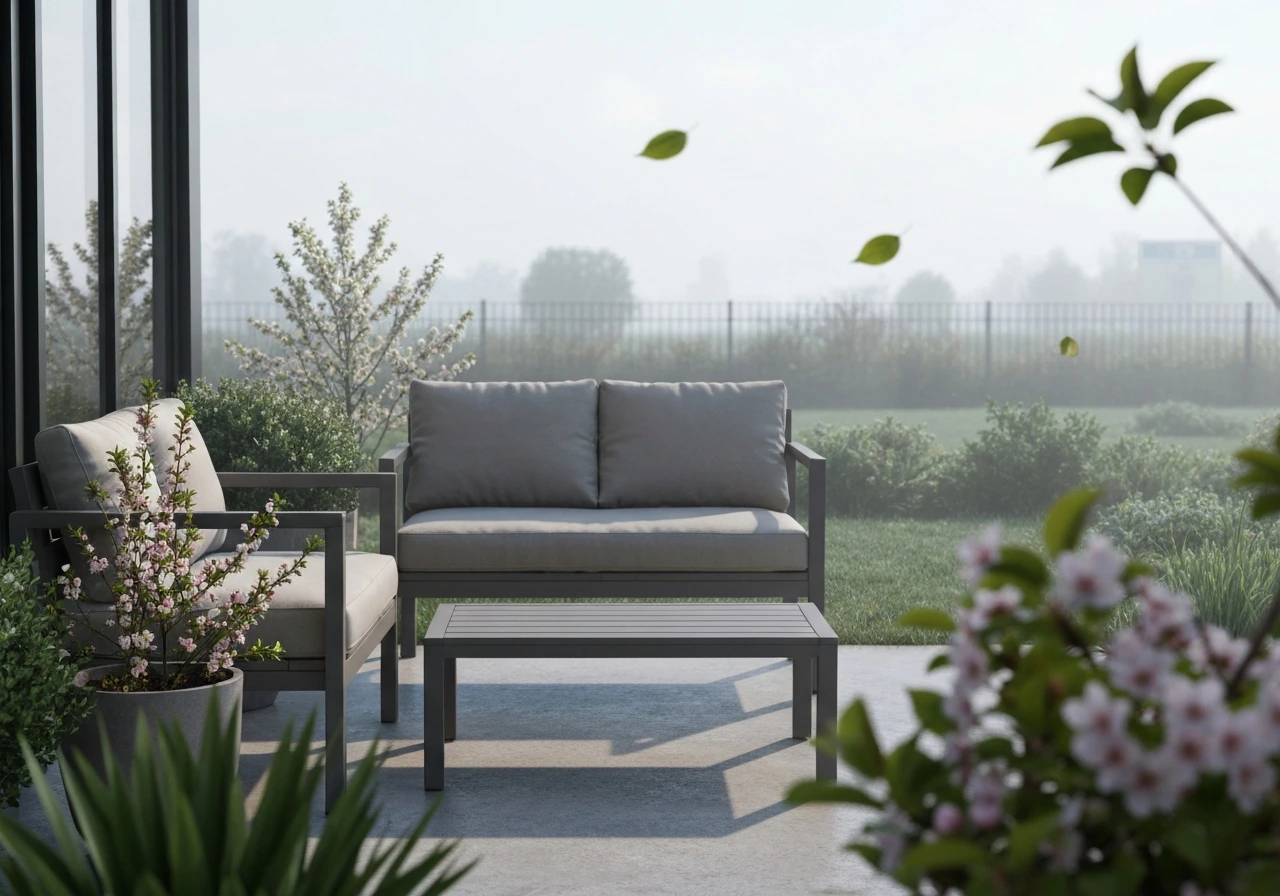
When to Bring in Patio Furniture: Spring and Fall Timing
Rules of thumb for when to bring in patio furniture in spring and fall, by climate, temps, and weather risk.