
For most of the country, the right time to put patio furniture out is after your last expected frost date in spring, and the right time to bring it back in is before your first expected frost in fall. If you do decide to bring patio furniture in winter, focus on keeping cushions dry and protecting frames from freeze-thaw bring it back in. That usually means sometime between late March and early May to set it out, and mid-September through late October to put it away. But the calendar is just a starting point. The real triggers are temperature, moisture, and what your furniture is made of.
When Should You Put Out Patio Furniture? Exact Timing

Theo Tierney
14 Jun 2026
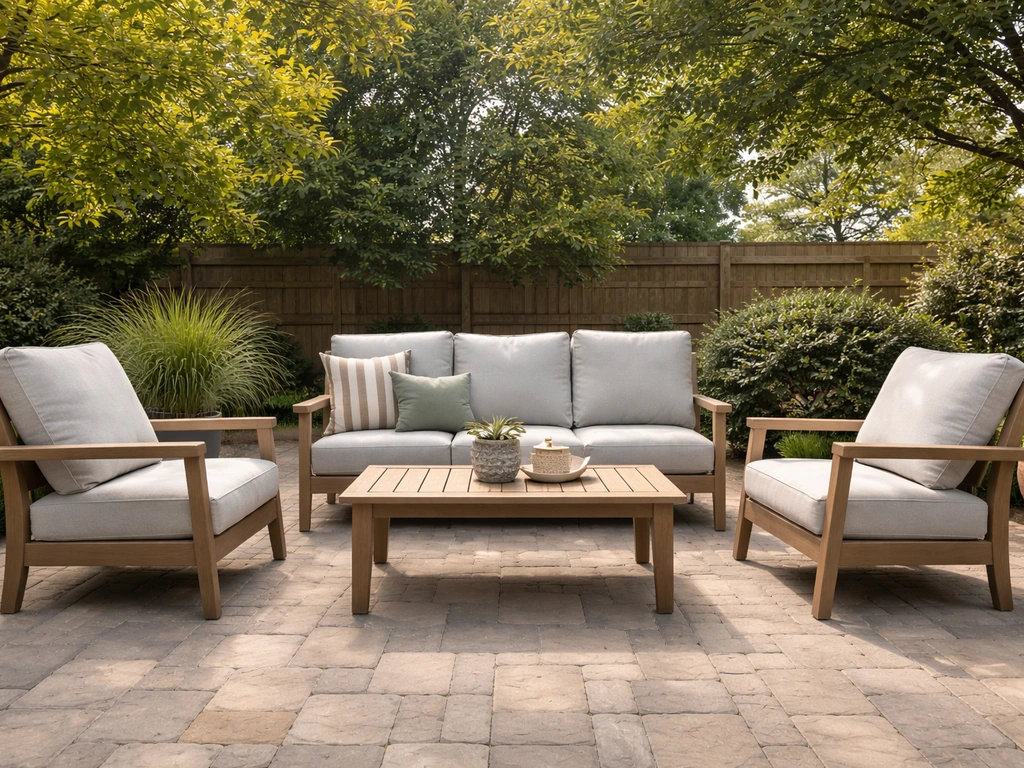
Seasonal Timing: Spring Through Fall
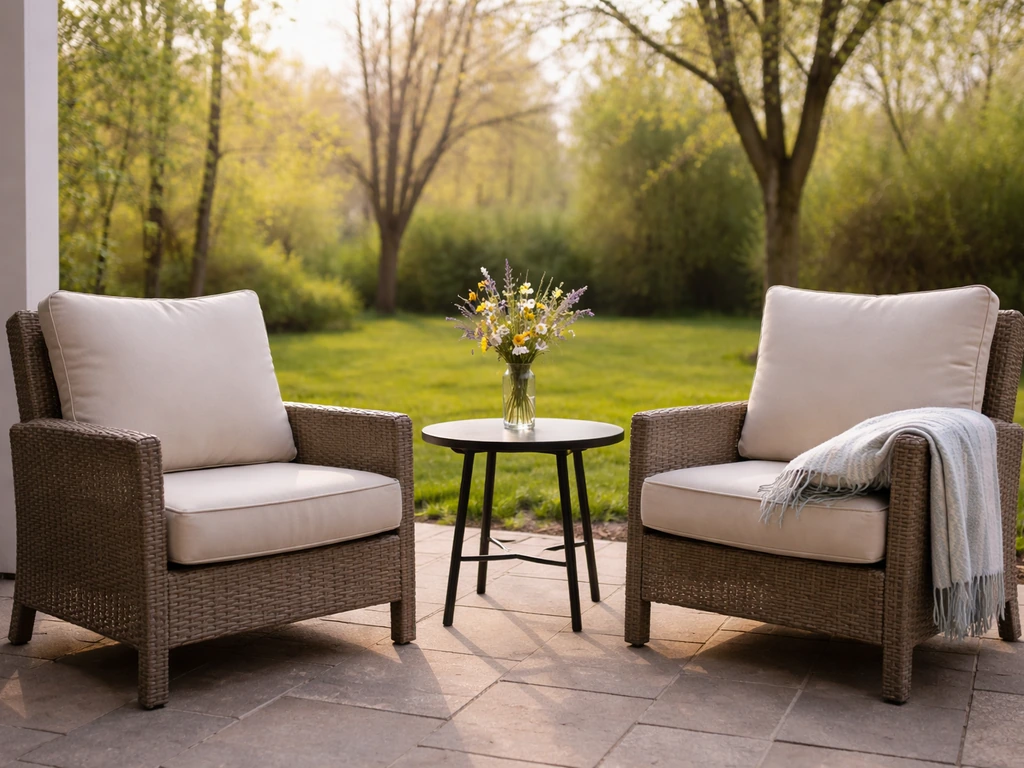
Spring is the moment most people are itching to get outside, and the temptation is real. But rushing it can mean dragging furniture out into a week of freezing nights that crack your teak table or warp a powder-coated metal frame. The safest rule: wait until your area's last average frost date has passed and nighttime lows are reliably staying above 40°F (4°C). If you are wondering, "is it too early to put out patio furniture," use your last frost date and nighttime temperatures as the deciding factors, not the calendar alone. That gives you a buffer before 32°F (0°C) becomes a real risk again.
In fall, flip the logic. When nighttime temps start dipping toward 40°F regularly, start thinking about cushions and fabric covers first. When temperatures start dipping and rain or snow becomes likely, Keter US recommends storing cushions rather than leaving them out. When you're seeing consistent lows near or below 32°F, it's time for the frames too. A single hard frost won't destroy most furniture, but repeated freeze-thaw cycles over weeks or months absolutely will, especially for wood and wicker.
| Region | Typical Set-Out Date | Typical Put-Away Date | Active Season Length |
|---|---|---|---|
| Pacific Northwest | Mid-March to Early April | October to November | 7–8 months |
| Upper Midwest / Northeast | Late April to Mid-May | Mid-September to October | 4–6 months |
| Mid-Atlantic / Midwest | Early to Mid-April | Late September to October | 6 months |
| Southeast / Gulf Coast | February to March | November to December | 9–10 months |
| Southwest / Desert | February to March | November | 9 months |
| Florida / Southern Texas | Year-round or minimal storage | Year-round | 12 months |
These are averages. Always check your local last-frost date through the USDA or a local extension service for a precise number. An early warm spell in March doesn't mean your frost window is closed.
Weather-Based Rules: What Actually Triggers a Move
Dates are guidelines. Weather is the real boss. Here are the specific thresholds worth watching.
Temperature
The danger zone for most patio furniture begins when temperatures drop to 32°F (0°C) or below. Moisture trapped in wood grain, wicker fibers, or cushion foam freezes and expands, causing cracks, splits, and structural damage over time. A single night at 30°F probably won't ruin solid teak or cast aluminum, but a month of freeze-thaw cycles will degrade almost anything that hasn't been properly protected. Keep an eye on your 10-day forecast, not just the current temperature.
Rain and Prolonged Wet Spells
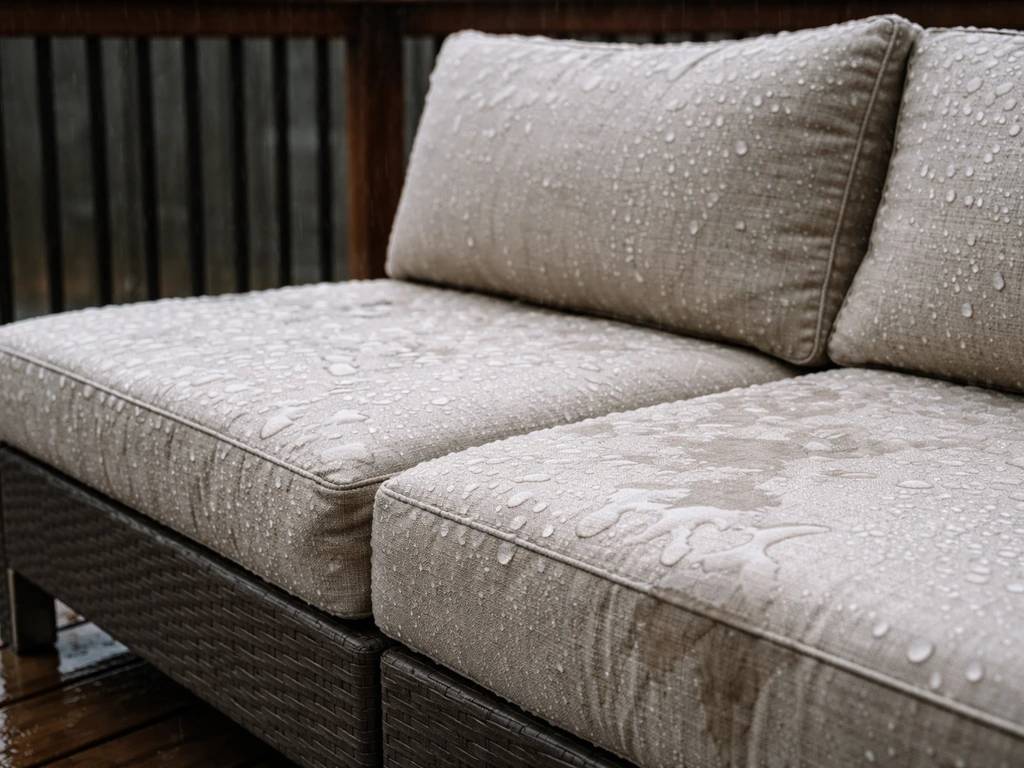
Extended wet weather is your cushions' worst enemy. Outdoor cushion foam is usually water-resistant but not fully waterproof. After a few days of sitting in rain, moisture works its way into the core, and once it's there it's slow to leave. That trapped moisture grows mold and mildew and creates that musty smell that's nearly impossible to fully remove. If a multi-day rainstorm is coming, bring the cushions in even if the temperature is fine. Frames can handle the rain. Cushion interiors usually can't.
Frost and Snow
Frost is a signal, not just a nuisance. If you're seeing frost warnings, your cushions should already be inside. Snow sitting on cushions is a moisture problem that compounds quickly. For frames, light snow usually isn't catastrophic, but heavy accumulation on fabric sling chairs, folding pieces with moving joints, or unprotected wicker can cause real damage. If a significant snowfall is forecast, cover or store everything you can.
Regional and Climate Adjustments
Cold and Wintry Climates (Midwest, Northeast, Mountain West)
You're working with a short window. Prioritize materials that tolerate freeze-thaw well: powder-coated aluminum, HDPE composite, and dense hardwoods like teak or ipe that are properly sealed. Everything should be stored or at minimum covered and elevated off the ground before the first hard freeze. In these climates, leaving furniture outside all winter is not a strategy, it's a gamble you'll eventually lose.
Humid and Rainy Climates (Pacific Northwest, Southeast)
Humidity and persistent moisture are your main threats, even when it's not cold. Mold and mildew grow on cushions, wood surfaces, and wicker weaves in warm, wet conditions. Wicker is especially vulnerable here. In the Pacific Northwest, where cool damp winters follow wet falls, most furniture should come inside or into a covered space by October. In the Southeast, where winters are mild but humidity is relentless, the priority is getting cushions off the furniture anytime rain is expected and ensuring frames have drainage and airflow.
Hot and Sunny Climates (Southwest, Arizona, Southern California)
The threat here isn't cold, it's UV degradation and heat. Intense sun bleaches fabrics, fades resin wicker, and dries out wood faster than almost any other condition. Choose UV-stabilized materials, use furniture covers or shade structures when not in use, and apply a UV-protective finish to any wood pieces at least once a season. You can leave most frames out year-round in these climates, but cushion fabric and foam cores will age much faster without protection.
Coastal and Salt-Air Environments
Salt air is relentlessly corrosive. Iron and low-grade steel furniture left in coastal environments will show rust in a single season. Stick with marine-grade 316 stainless steel, Type 6061 or 6063 aluminum alloy, or high-density polyethylene composites. Even powder-coated aluminum needs to be wiped down regularly to clear salt deposits that work under the coating over time. Teak handles coastal exposure well with proper oiling. Cushion hardware (zippers, buttons) also corrodes quickly near salt water, so stainless or coated hardware matters more than most people realize.
Material-Specific Guidance
Wood
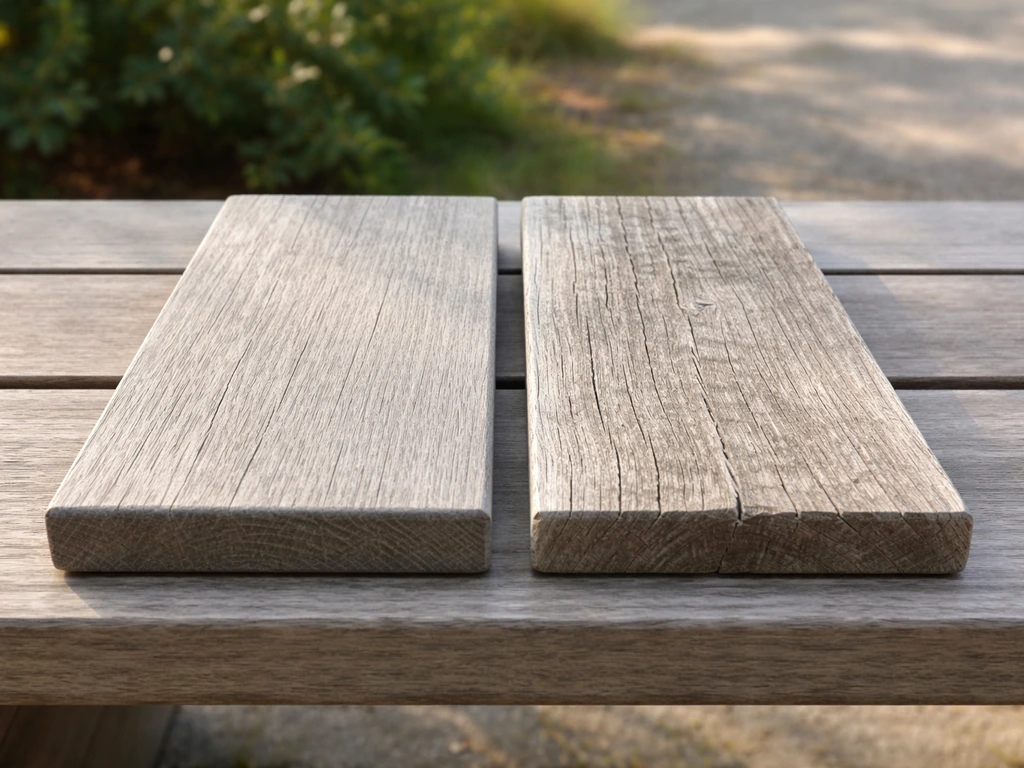
Dense tropical hardwoods like teak and ipe are the most weather-tolerant. They can handle year-round exposure in mild climates if left to silver naturally or treated annually with teak oil or a penetrating sealer. Softer woods like eucalyptus or acacia need more attention and should be sealed before their first season out and again each year. In cold climates, bring wood furniture inside or into a dry garage before sustained freezing begins. Water in wood grain that freezes will eventually split joints and crack surfaces, even on high-quality pieces.
Metal (Aluminum, Steel, Cast Iron)
Powder-coated aluminum is the easiest metal to manage. It doesn't rust, handles moisture well, and can often stay outside year-round in non-freezing climates with just a furniture cover. In cold climates, cover it or store it to protect the powder-coat finish from chips caused by ice and debris. Steel and cast iron rust if the finish is scratched or chipped. Touch up any bare metal spots before the season starts and before storing for winter. Wrought iron especially benefits from a coat of paste wax each season, which creates a barrier against moisture.
Wicker and Resin Wicker
Natural rattan wicker should not live outside year-round, period. It deteriorates rapidly in moisture and UV. Resin (synthetic) wicker is far more durable but still breaks down under prolonged UV exposure. The weave itself is resilient to rain, but the underlying frame (usually aluminum) matters. Check that joints and weave attachment points are intact each spring before setting it out. In freezing climates, store resin wicker inside or in a covered dry space over winter. Don't let natural wicker experience even one wet winter season outside.
Composite and HDPE
High-density polyethylene (HDPE) composite is the lowest-maintenance option by a wide margin. It doesn't absorb moisture, doesn't rust, and handles freeze-thaw cycles without cracking. In most climates, HDPE furniture can stay outside year-round without significant degradation. The main vulnerabilities are UV fading over many years (look for UV-stabilized grades) and surface scratching. If you want zero-maintenance outdoor furniture and you're in a demanding climate, HDPE composite is the material that genuinely earns that claim.
Cushions and Fabric
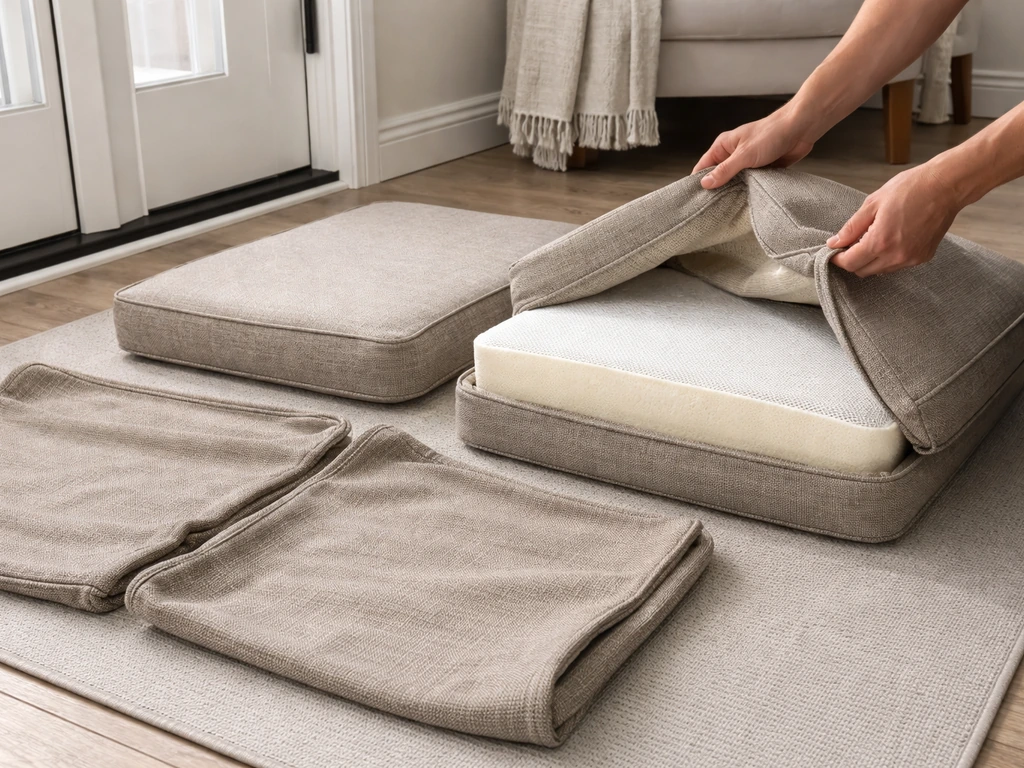
Cushions are almost always the first thing to move and the last thing to put out. Even outdoor-rated fabrics like Sunbrella are water-resistant, not waterproof through the foam core. Bring cushions inside during extended rain, whenever frost is in the forecast, and certainly before any winter storage. If you're wondering can you use patio furniture indoors, make sure it stays dry and that cushions are properly protected just like you would for indoor storage.
Store them in a cool, dry place, not a damp basement or a garage where temperature swings wildly. A ventilated storage bin or a dedicated cushion bag works well. If cushions come out of storage smelling musty, air them fully in the sun before putting them on furniture.
How to Put Furniture Out the Right Way
Dragging furniture out of storage and dropping it on the patio isn't a plan. And yes, you can mix and match patio furniture styles and materials too, as long as you choose pieces that can handle your local conditions can you mix and match patio furniture. A few steps before you set it up will save you problems all season. If you plan to use patio furniture in your living room, you can apply the same idea by setting it up safely and protecting it from moisture and heat set it up.
- Inspect frames for rust spots, cracked welds, loose joints, or splintering wood before setup. Fix small issues now before weather makes them worse.
- Clean everything before placing it. Dust, grime, and moisture that built up in storage can accelerate mold or rust if sealed in under furniture covers or cushions.
- Touch up bare metal spots on steel or iron frames with a rust-inhibiting primer and matching paint before the season starts.
- Re-oil or re-seal any wood furniture that needs it. Teak and ipe benefit from a fresh application of penetrating sealer every one to two seasons.
- Check and tighten all hardware, bolts, and screws. Temperature swings during storage cause expansion and contraction that can loosen joints.
- Set cushions out only after the forecast is clear of multi-day rain. Let them air for a few hours in sun before first use to purge any storage odors.
- Position furniture to avoid low spots where water pools, and keep wood legs off bare concrete or soil by using furniture feet, glides, or rubber caps.
How to Put Furniture Away Properly
How you put furniture away matters as much as when. Storing it dirty, damp, or stacked carelessly causes damage that shows up the following spring.
- Bring cushions in first, before frames. Don't wait until the last minute. Clean cushion covers according to the fabric's care label, let them dry completely, and store in a breathable cushion bag or bin in a cool, dry interior space.
- Clean all frames before storage. Wipe down metal with a mild soapy solution. Scrub wood surfaces and let them dry fully before covering or storing. Rinse and dry resin wicker to clear any debris from the weave.
- Apply a protective treatment to wood frames before storing: teak oil, a penetrating sealer, or paste wax depending on the wood type.
- Touch up any chipped paint, rusted spots, or scratched powder coat before putting furniture away so the damage doesn't deepen over winter.
- Ensure everything is fully dry before covering or enclosing in storage. Covering damp furniture traps moisture and promotes mold even on metal.
- Use quality furniture covers that are breathable, not solid plastic tarps that trap condensation. Tie or weight covers so wind doesn't pull them off.
- Store furniture elevated off a concrete floor or damp ground if possible. Furniture legs that sit in pooled water or on cold damp concrete all winter degrade faster.
- In severe climates, store wood and wicker in a garage, basement, or shed rather than just covering outdoors.
Quick Checklists: Do's and Don'ts
When Putting Furniture Out in Spring
- Do wait until nighttime lows are consistently above 40°F before setting out cushions and fabric.
- Do inspect and clean frames before placement.
- Do re-seal or re-oil wood surfaces at the start of the season.
- Do check your local last-frost date, not just the current weather.
- Don't put cushions out during a week with rain in the forecast.
- Don't skip the hardware check, loose bolts under a seated person are a safety issue.
- Don't place furniture on low ground where water collects after rain.
When Putting Furniture Away in Fall
- Do bring cushions in at the first sign of regular frost warnings, even if frames stay out longer.
- Do clean everything before storage, not after.
- Do ensure frames are completely dry before covering them.
- Do use breathable covers, not solid plastic sheeting.
- Don't store cushions in a damp basement or uninsulated garage with extreme temperature swings.
- Don't leave natural wicker outside through a wet or freezing winter, even covered.
- Don't assume one hard frost means the season is over, but don't wait until a blizzard either.
The question of when to bring patio furniture in is closely connected to this whole timing decision. In general, if you're seeing frost on the windshield consistently or your 10-day forecast has lows at or below 32°F, that's your signal. Whether your specific material can handle a few more weeks outside or needs to come in immediately depends on what it's made of, which is exactly why material matters as much as the calendar. If you're also wondering does outdoor patio furniture have to match, the material and storage conditions above matter even more than perfect color matching.
FAQ
If the forecast shows a warm week in March, can I put my patio furniture out early and just bring it back the next time it freezes?
You can, but treat it as a high-risk strategy. Repeated bring-out and bring-in cycles increase the chance you miss a frost night, especially with dense items like wicker, sealed wood, and cushion cores. If you do it, cover frames, and keep cushions fully dry indoors until nighttime lows are consistently above 40°F (4°C).
How do I decide for furniture with mixed materials, like an aluminum frame with natural wicker or wood slats?
Use the most vulnerable component as your cutoff. Natural wicker and untreated or unsealed wood tend to fail first with moisture and freeze-thaw. Plan your “put away” schedule around cushion and wicker or wood thresholds (around consistent lows near 32°F/0°C), then protect the rest with covers to reduce UV and dirt buildup.
What temperature is the real trigger for bringing cushions in, 32°F or 40°F?
For cushions, 40°F (4°C) is the safer decision point. Even if fabric looks fine at 35°F, moisture can seep into the foam core during damp stretches, and the first frosts can cause trapped moisture to freeze later. If your 10-day forecast includes multi-day rain or frost warnings, bring cushions in regardless of the exact reading.
Is it better to cover patio furniture during winter or store it indoors?
Covering helps, but it can still trap moisture and create freeze-thaw inside the cover. Storage indoors or in a dry, ventilated space is safer for cushions, natural wicker, and unsealed wood. If you must cover outdoors, choose a breathable cover, keep airflow around the sides, and avoid tight, water-holding wraps.
Should I bring furniture in when there is a chance of light frost, or only when it actually freezes?
Bring cushions in at frost warning time. For frames, a single light frost often isn’t catastrophic, but what matters is the trend and follow-on nights. If your forecast shows multiple nights at or below 32°F (0°C), that is when to stop relying on “it probably won’t get that cold.”
Can I leave outdoor cushions outside if they are in a covered area under an awning?
Usually not for long periods. Covers protect from direct rain, but humidity and drizzle still migrate, and cushion foam can stay damp long enough to grow mildew. If the season includes extended wet weeks or any frost risk, move cushions to a cool, dry, ventilated storage spot, not a damp basement.
What is the risk with “just one wet winter” for natural rattan wicker?
Natural rattan can deteriorate rapidly after even one season of prolonged moisture and cold, the damage often shows up as loosened fibers and weaker joints later. If you want it to last, store natural wicker inside before the first sustained wet or freezing stretch, not after it looks visibly damaged.
I forgot and left furniture out after the first hard freeze. Is the damage permanent?
Some damage is reversible, but freeze-thaw can weaken joints, crack wood seals, and ruin cushion foam over time. The immediate next steps are to fully dry everything, check for cracks in joints and sling fabric tension, and inspect for finish chips on metals. For wood and wicker, clean and re-seal or re-oil promptly to slow ongoing deterioration.
How should I prepare furniture before storing it for winter to prevent spring problems?
Start by cleaning off dirt and moisture, then dry completely before stacking or sealing in a cover. Elevate pieces off the ground to reduce wicking, avoid stacking heavy items directly on delicate surfaces or seams, and keep cushions in a ventilated bag or bin so trapped humidity can’t build up.
Do I need to wipe down or rinse patio furniture after coastal salt air exposure?
Yes, especially for anything near the ocean or with salty spray. Salt deposits can cause corrosion even under powder coating. Wipe metal regularly during the season, and before winter storage do a thorough rinse and dry, then check zippers and small hardware for early rust signs.
Next Articles
Does Outdoor Patio Furniture Have to Match? Rules to Mix
Does outdoor patio furniture have to match? Yes sometimes, learn when mixing works and how to coordinate materials, colo
Can Patio Furniture Be Left Outside Long-Term?
Learn when patio furniture can stay outside long term by material, weather, and climate, plus cover and cushion care che
Can You Use Patio Furniture Indoors Safely?
Yes with conditions: how patio furniture materials fare indoors, prep steps, and placement tips to prevent rust, mold, r