
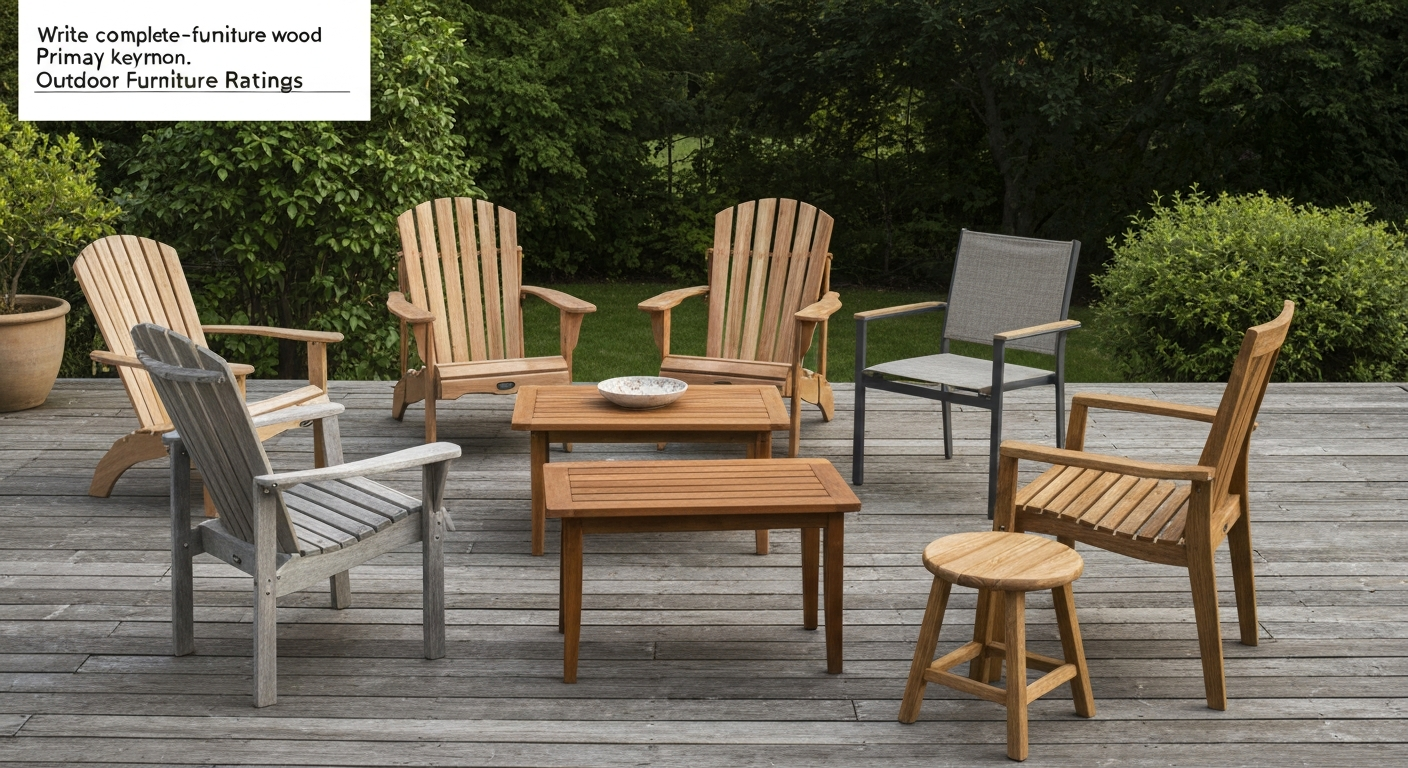
The most common woods used for patio furniture are teak, western red cedar, redwood, eucalyptus or acacia, mahogany or iroko, cypress, pressure-treated pine, and white oak. Each one ends up in outdoor furniture for different reasons: teak for its legendary durability and natural oils, cedar and redwood for their light weight and rot resistance, eucalyptus and acacia as budget-friendlier hardwood alternatives, and treated pine because it's cheap and everywhere. If you're trying to decide what to buy, restore, or stain, this guide compares all eight species honestly so you can match the right wood to your climate, budget, and how much maintenance you're willing to do. For an additional quick comparison, see the NYT guide to common patio furniture wood. See our quick reference 'common patio furniture wood crossword' for an at-a-glance way to match species to clues like durability, weight, and maintenance.
Common Patio Furniture Wood: Best Choices, Care & Tips

Who this guide is for and how to use it
This article is written for homeowners buying new patio furniture, renovators refinishing an existing set, and designers specifying materials for outdoor spaces. Whether you're in a salty coastal environment, dealing with humid Florida summers, or storing furniture through snowy Midwest winters, the information here will help you narrow down which species actually holds up in your conditions. Start with the species comparison table if you need a quick reference, then dig into the pros and cons section and climate recommendations for the full picture. The stain and maintenance sections are practical checklists you can return to each season.
The eight common patio furniture woods at a glance
Before getting into comparisons, here's a one-line identifier for each species so you know what you're working with.
- Teak (Tectona grandis): A tropical hardwood with high natural oil content, very high rot and insect resistance, and a Janka hardness of around 1,070 lbf. The benchmark for outdoor furniture durability.
- Western red cedar (Thuja plicata): A lightweight softwood with naturally decay-resistant heartwood and good dimensional stability. Popular for Adirondack chairs, planters, and casual patio sets.
- Coast redwood (Sequoia sempervirens): A premium West Coast softwood with good natural rot resistance and a warm reddish tone. Similar to cedar in use but slightly harder at around 450 lbf Janka.
- Eucalyptus / Acacia: Dense tropical and subtropical hardwoods marketed heavily as teak alternatives. Janka values vary widely by species but are often higher than temperate hardwoods. Durability depends on the specific species.
- Mahogany / Iroko: Honduran mahogany (Swietenia macrophylla) is dimensionally stable with moderate hardness (~900 lbf Janka). Iroko (Milicia excelsa) is an African species sometimes sold as a teak substitute with good natural durability.
- Cypress (Taxodium distichum and related species): Heartwood is naturally rot-resistant and commonly used in the southeastern US for outdoor furniture and marine applications. Good availability in warm climates.
- Pressure-treated pine (PT pine): Softwood lumber treated with copper-based preservatives (ACQ, CA, or MCA systems) per AWPA Use Category Standards. The most affordable outdoor wood option and widely available.
- White oak (Quercus alba): A dense temperate hardwood whose closed radial pores and tyloses make it unusually water-resistant for an oak. Commonly used for premium outdoor dining tables and Adirondack-style chairs.
Side-by-side comparison: lifespan, resistance, stability, price, and look
| Wood | Expected Lifespan (maintained) | Rot & Insect Resistance | Dimensional Stability | Typical Price Range (furniture-grade) | Appearance |
|---|---|---|---|---|---|
| Teak | 25–75+ years | Very high (EN 350 Class 1 equivalent) | Excellent (radial ~2.6%, tangential ~5.3%) | $$$$ — chairs from ~$200–$800+; sets $1,500–$6,000+ | Golden-brown aging to silver-gray; tight grain, smooth |
| Western Red Cedar | 15–30 years | High heartwood; low sapwood | Good for a softwood | $$ — sets $300–$1,200 | Light reddish-brown; knotty; aromatic |
| Redwood | 15–30 years | High heartwood | Good | $$–$$$ — sets $500–$2,000 (regional availability) | Deep reddish-brown; straight grain; premium look |
| Eucalyptus / Acacia | 15–25 years | Moderate to high (species-dependent) | Moderate (can move more than teak) | $$–$$$ — sets $400–$2,000 | Warm brown to reddish tones; varied grain patterns |
| Mahogany / Iroko | 20–40 years | Moderate to high | Excellent (mahogany is very stable) | $$$–$$$$ — sets $800–$4,000 | Rich reddish-brown; fine, straight grain; upscale look |
| Cypress | 15–25 years | Moderate to high heartwood | Moderate | $–$$ — sets $250–$1,000 (regional) | Pale yellowish-brown; rustic texture |
| Pressure-Treated Pine | 10–20 years | Moderate (preservative-dependent; AWPA UC4A/UC4B for ground contact) | Low — high shrinkage and checking | $ — sets $150–$600 | Greenish tint when new; ages to gray-brown; rough |
| White Oak | 20–30 years | Moderate-high (tyloses block water uptake) | Good (quartersawn is best) | $$$–$$$$ — sets $700–$3,500 | Pale tan to warm brown; pronounced ray fleck; handsome |
Price ranges reflect current US retail furniture listings and lumber pricing as of mid-2026. Furniture-grade teak and mahogany command the highest premiums because of raw material cost and processing. Pressure-treated pine is the clear budget leader but requires the most frequent maintenance and replacement.
Evidence-based pros and cons by species
Teak
Teak is objectively the most proven outdoor furniture wood in the world, and that reputation is earned. Its high natural oil content repels moisture without finishing, and its heartwood earns a very durable (EN 350 Durability Class 1 equivalent) rating for above-ground exterior use per European classification standards. The USDA Forest Products Laboratory's Wood Handbook confirms its low shrinkage values (radial ~2.6%, tangential ~5.3%), meaning joints don't rack and crack the way high-shrinkage species do. The 1,070 lbf Janka hardness means it resists denting and surface scratching reasonably well. The main honest drawback: price. Quality plantation teak furniture is genuinely expensive, and there's a lot of low-grade teak on the market sold at premium prices. If you leave teak unfinished it weathers to a handsome silver-gray. If you prefer the original honey-brown color, it needs annual oiling. That's really it for maintenance on a quality piece.
Western red cedar
Cedar is the right call when you want a naturally rot-resistant wood at a moderate price point and weight matters (for moving furniture inside or stacking it). Its Janka hardness of about 350 lbf means it dents and scratches more easily than hardwoods, and the sapwood has minimal natural decay resistance, so furniture quality depends heavily on how much heartwood content the manufacturer used. Well-made, all-heartwood cedar furniture lasts 15 to 30 years with moderate upkeep. It accepts stain readily and is forgiving for DIY refinishing. The aromatic quality fades outdoors but doesn't affect durability. Avoid cheap cedar pieces with lots of knots and visible sapwood (the pale, almost white sections): those are early rot sites.
Redwood
Redwood and cedar perform similarly outdoors. Redwood heartwood has good natural rot resistance and takes finishes well. The main limitation is regional availability: quality outdoor redwood furniture is easier to find and buy in California and the Pacific Northwest than anywhere else. If you're outside that region, shipping costs can push redwood furniture into a price range where teak becomes competitive. Like cedar, the sapwood is not rot-resistant, so verify heartwood content before buying.
Eucalyptus and acacia
Eucalyptus and acacia species are sold heavily as teak alternatives, and the marketing often outpaces the reality. Some species, like Shorea and plantation eucalyptus, perform well outdoors. But 'acacia' and 'eucalyptus' are genus-level labels covering hundreds of species with very different durability profiles: Wood Database data shows Janka values ranging from under 1,000 to over 2,000 lbf depending on species. When buying eucalyptus or acacia furniture, ask the manufacturer for the specific species name. Durability is species-dependent, and without that information you're guessing. What these woods genuinely offer is high density at a significantly lower cost than teak, and they're usually sourced from fast-growing plantations. They do tend to move more dimensionally than teak, so joint and joinery quality matters more.
Mahogany and iroko
Honduran mahogany (Swietenia macrophylla) is one of the most dimensionally stable furniture woods available, with low shrinkage values that make it excellent for precise joinery. Its moderate hardness (around 900 lbf Janka) and moderate natural durability mean it handles outdoor use well but benefits from a finish or periodic oiling more than teak does. Iroko is commonly sold as African teak and has reasonable durability for exterior use, though it's not quite at teak's level. Both species produce genuinely attractive furniture with a refined appearance. Genuine Honduran mahogany is CITES-listed (Appendix II), so verify FSC certification when buying to avoid contributing to illegal logging.
Cypress
Bald cypress heartwood has natural rot resistance that made it a standard for boat building and exterior construction in the southeastern US for generations. For patio furniture it's an honest regional choice: good durability, moderate cost, and a warm rustic look. The caveat is the same as cedar: modern cypress harvesting often yields young-growth wood with a higher proportion of sapwood, which is much less durable. Old-growth cypress heartwood is exceptional; young-growth cypress is closer to an untreated softwood. Ask suppliers about heartwood content, and look for furniture from specialty regional makers who source appropriately.
Pressure-treated pine
Treated pine is the most affordable outdoor wood option by a wide margin, and it works if you go in with realistic expectations. Modern pressure-treated lumber uses ACQ, CA, or micronized copper (MCA) preservative systems following AWPA Use Category Standards: furniture and above-ground structural applications typically call for UC3B or UC4A retention levels. The EPA phased out CCA (chromated copper arsenate) for most residential uses, so current lumber is safer to handle and less corrosive to fasteners than older material. The real practical problems with PT pine furniture are checking (surface cracking as it dries), significant dimensional movement, and the need for fasteners rated for high-copper environments: use 316 stainless steel or hot-dipped galvanized hardware, not standard zinc-plated screws. With annual sealing or staining, PT pine furniture lasts 10 to 20 years. Without any treatment, expect visible deterioration within 3 to 5 years.
White oak
White oak is the sleeper pick in this list. Its tyloses (anatomical structures that plug the wood's pores) dramatically reduce water uptake compared to red oak, making it genuinely suitable for outdoor use. The Wood Database and FPL Wood Handbook both confirm this, and it's why white oak has been used for wine barrels and boat planking for centuries. White Oak, The Wood Database (species profile) lists Janka, MOR, and shrinkage figures and notes white oak's closed pores and tyloses that improve liquid resistance, corroborating the FPL Wood Handbook data White Oak — The Wood Database (species profile). For patio furniture it produces beautiful results: a handsome ray-flecked appearance, excellent hardness (around 1,360 lbf Janka for white oak), and good longevity. Quartersawn white oak has the lowest dimensional movement and is the premium choice for outdoor tabletops. It costs more than cedar but less than top-grade teak, and it takes oil finishes very well. Don't substitute red oak: the open-pore structure of red oak makes it genuinely unsuitable for outdoor furniture.
Climate- and use-specific recommendations
Coastal and salt-air environments
Salt air is one of the most punishing environments for outdoor furniture. It accelerates corrosion in metal hardware and drives moisture cycling in wood. For wood furniture near the coast, teak is the clear first choice because its oil content and tight grain resist salt penetration better than any common alternative. White oak and mahogany are solid second choices. Whatever wood you choose, fastener selection is non-negotiable: use 316 (marine-grade) stainless steel or silicon bronze hardware. Municipal design guidance specifies 316 stainless steel or silicon bronze for severe coastal exposure conditions. Standard 304 stainless and zinc-plated hardware will pit and fail within a few seasons in salt air. This is standard guidance in marine construction and applies equally to patio furniture within a mile or so of the ocean.
Humid and tropical climates (Florida, Gulf Coast, Pacific Northwest)
High humidity keeps wood at elevated moisture content year-round, which accelerates rot in any species without strong natural resistance. Teak, mahogany, and iroko perform best here. Cedar and cypress are acceptable choices if you're diligent about annual sealing. Treated pine works but needs more frequent recoating in humid climates because constant moisture promotes coating breakdown. The bigger risk in humid climates is actually fungal staining rather than structural rot in the short term: gray-black mildew on lighter woods like cedar and pine is common and needs annual cleaning with an oxalic acid-based wood brightener.
Cold climates and winter storage
Freeze-thaw cycles are hard on outdoor wood. Water absorbed into the wood expands as it freezes, opening checks and degrading finishes. Any wood furniture staying outside through winters benefits from a penetrating oil finish (not a film-forming finish like paint, which traps moisture under the film). If you're storing furniture through winter, the best practice is a light cleaning, a fresh coat of oil or penetrating sealant in fall, and covered or indoor storage. Teak, white oak, and mahogany handle freeze-thaw cycles best because of their stability. Cedar and cypress are reasonable options if stored. Pressure-treated pine survives winters outdoors but will check and crack more aggressively than hardwoods.
Sunny and UV-exposed climates (Southwest, Arizona, high altitude)
UV radiation degrades lignin in wood surface cells regardless of species, producing the characteristic gray weathering. In high-UV environments like the desert Southwest or high-altitude sites, this process is faster and more aggressive. All wood furniture in these climates needs a UV-inhibiting finish, refreshed at least annually. Teak and cedar still have the best natural track record here. Dense hardwoods like mahogany and white oak hold a UV-blocking finish longer than softer woods because the surface is less porous. Pale or light-colored finishes reflect more heat and slow UV penetration compared to dark stains. ASTM D4329 is the laboratory standard for accelerated UV testing of coatings, and manufacturers who list D4329 test data are giving you meaningful, comparative UV resistance numbers.
High-traffic and commercial/public use
Restaurant patios, hotels, and rental properties need wood furniture that tolerates heavy daily use, infrequent maintenance, and occasional abuse. Teak is the industry standard for commercial outdoor furniture for exactly this reason: it weathers gracefully without finishing, resists staining from food and drinks, and takes decades of use. White oak is a credible commercial option for a different aesthetic. Treated pine is generally unsuitable for commercial high-traffic settings because the maintenance burden is too high and the surface degrades quickly under heavy use.
Stains, finishes, and how often to reapply them
Choosing the right finish type matters as much as choosing the right wood. The wrong finish on the right wood will fail early and cause more work than skipping the finish altogether. For recommendations on products and how to choose the best wood patio stain for your species and climate, see our guide to the best wood patio stain.
Finish types explained
- Penetrating teak oils and outdoor oils: These soak into the wood rather than forming a surface film. They feed the wood's natural oils, enhance color, and provide moderate UV and moisture protection. Best for teak, mahogany, cedar, and white oak. Examples include pure tung oil, linseed-based outdoor oils, and Danish oil formulations. Downside: shorter effective lifespan (6 to 12 months in most climates) and require thorough cleaning before reapplication.
- Penetrating exterior wood stains (semi-transparent): These combine color pigment with a penetrating oil or alkyd base. The pigment adds UV protection beyond what clear oils provide. Semi-transparent stains show wood grain and are a good balance between protection and natural appearance. Recoat annually in high-sun or coastal environments; every 18 to 24 months in moderate climates.
- Solid-color exterior stains: Provide maximum UV protection because the opaque pigment layer fully blocks UV radiation. Best for pressure-treated pine and cedar where grain appearance is less important than protection. These peel and crack if moisture gets under the film, so surface prep before recoating is critical. Recoat every 2 to 4 years depending on exposure.
- Film-forming varnishes and spar urethane: These form a hard surface film that can crack as the wood moves seasonally. Spar varnish (traditional) and spar urethane are more flexible than interior varnishes and better suited for outdoor use. They provide good UV protection when UV inhibitors are included. Require stripping when they fail rather than simple recoating. Best for sheltered applications like covered patios.
- Hardwax oils: A category between penetrating oil and a film finish. Products like Rubio Monocoat and Osmo Polyx harden in the pores rather than on the surface, offering good protection with a natural look and simpler recoat process. Increasingly popular for outdoor furniture and perform well on hardwoods.
Application schedule by climate
| Finish Type | Moderate Climate (recoat) | Hot/Sunny or Coastal (recoat) | Cold Climate (recoat) | Key Prep Step |
|---|---|---|---|---|
| Penetrating teak/outdoor oil | Every 12 months | Every 6–8 months | Every 12 months (apply in fall) | Clean, dry, lightly sand if raised grain |
| Semi-transparent penetrating stain | Every 18–24 months | Every 12 months | Every 12–18 months | Clean with wood brightener, let dry fully |
| Solid-color exterior stain | Every 3–4 years | Every 2–3 years | Every 3 years | Sand loose/peeling material; prime bare wood |
| Spar urethane / spar varnish | Every 2–3 years or when cracking | Every 1–2 years | Every 2 years | Strip failed finish; sand to bare wood before recoating |
| Hardwax oil (e.g., Osmo, Rubio) | Every 1–2 years (light coat) | Every 12 months | Every 12 months (apply in fall) | Clean surface; lightly abrade; no stripping needed for maintenance coat |
One thing I always tell people: let wood dry fully before applying any finish. Applying oil to damp wood traps moisture and can promote the mold growth you're trying to prevent. New pressure-treated lumber especially needs 2 to 4 weeks of drying before it will accept a penetrating finish properly.
Step-by-step maintenance and cleaning schedule
Routine checks (monthly during use season)
- Inspect joints and fasteners for loosening. Tighten any bolts or screws that have worked loose from seasonal wood movement.
- Check for surface mildew, especially on shaded areas and underneath seat cushions. Wipe down with a mild diluted dish soap solution and rinse.
- Look for early checking (surface cracks) in painted or stained pine and cedar. Small checks can be filled with exterior wood filler before they allow water infiltration.
- Verify that drainage holes in slatted furniture are not blocked with debris, which traps standing water and accelerates decay at contact points.
Seasonal tasks (spring and fall)
- Spring: Deep-clean the furniture using a wood-specific cleaner or a diluted oxalic acid brightener for grayed or stained surfaces. Oxalic acid is the industry standard for removing iron tannin stains and UV graying without raising grain aggressively.
- Spring: After cleaning and full drying (allow 48–72 hours minimum), assess whether the current finish is still repelling water (the bead test: water should bead on a properly finished surface). If water soaks in, it's time to recoat.
- Spring: Apply appropriate finish per the schedule above. Work in the shade and within the temperature range specified by the product manufacturer (typically 50–90°F, 10–32°C).
- Fall: Clean furniture again before storage or winterizing. Apply a fresh penetrating oil coat to feed the wood ahead of winter.
- Fall: Store cushions and fabric elements indoors. For furniture staying outdoors, use breathable covers, not plastic tarps, which trap condensation against the wood surface.
- Fall: Check and tighten all hardware one more time. Cold weather contraction can loosen mortise-and-tenon joints; snug any draw-bore pegs or wedge-tenon joints if your furniture uses traditional joinery.
Deep-clean procedure for weathered or neglected wood
- Remove loose debris and rinse with a garden hose. Avoid pressure washers above 1,200 PSI on softwoods like cedar and pine: high pressure raises grain and drives water into the wood.
- Apply a commercial wood cleaner or a two-part deck cleaner (Part A is a sodium percarbonate cleaner; Part B is an oxalic acid brightener). Follow product dwell times exactly.
- Scrub with a soft-bristle brush working with the grain. A medium-bristle brush is acceptable on hardwoods like teak and oak.
- Rinse thoroughly and allow to dry for 48 to 72 hours in open air before any finish application.
- Lightly sand the surface with 120-grit sandpaper to remove any raised grain and open the wood surface for finish penetration. Sand with the grain.
- Wipe away all sanding dust with a tack cloth or a damp rag, allow to dry completely, then apply finish.
Minor repairs: sanding, glue, and fastener replacement
Small surface scratches and checks in hardwoods can be addressed with 120- to 150-grit sanding followed by a finish application. Deeper checks in pine or cedar should be cleaned out, filled with an exterior-grade wood filler compatible with your finish type, allowed to cure fully, then sanded flush. Loose joints: if a mortise-and-tenon or dowel joint has worked loose, clean out old glue with a chisel, reapply weatherproof polyurethane or resorcinol-based exterior glue (not standard PVA, which is not waterproof), clamp for the manufacturer's recommended cure time, and allow 24 to 48 hours before returning to service. When replacing fasteners near saltwater, upgrade to 316 stainless steel hardware regardless of what was originally used. Use pilot holes on hardwoods like teak and white oak to prevent splitting.
What to look for when buying: a practical checklist
Marketing on outdoor furniture is often misleading. These are the things that actually matter when evaluating quality.
- FSC certification: The Forest Stewardship Council certification is the most credible chain-of-custody standard for tropical hardwoods like teak, mahogany, and iroko. For eucalyptus and acacia, look for FSC or PEFC. Avoid pieces where the retailer cannot name the species or provide a certification.
- Kiln-dried lumber: Furniture made from kiln-dried wood (typically dried to 6–8% moisture content for interior, or 12–15% for exterior use) will move less seasonally and hold finishes better than green or air-dried material. Ask specifically; not all manufacturers volunteer this information.
- Joinery quality: Mortise-and-tenon joints are stronger and more durable than dowel joints, which are stronger than screws alone. Visible glue squeeze-out on exterior surfaces is a minor cosmetic issue; invisible interior glue gaps in joints are a structural one. Flex the furniture slightly at the joint: there should be no give.
- Heartwood content: For cedar, redwood, and cypress, request all-heartwood construction. Pale sapwood sections are a durability weak point.
- Fastener grade: Confirm 316 stainless steel for coastal applications; 304 stainless or hot-dipped galvanized is acceptable for inland use. Avoid zinc-plated or unspecified hardware on any outdoor furniture.
- Warranty terms: A 5-year structural warranty is the minimum credible commitment from a quality outdoor furniture manufacturer. Teak furniture from established brands often carries 10-year or longer warranties on joinery.
- Species verification: Always ask for the Latin binomial (scientific name) when buying eucalyptus, acacia, or 'plantation hardwood' furniture. Genus-level labels are not sufficient to evaluate durability.
How wood compares to other patio furniture materials
Wood is not always the right answer. Here's an honest comparison against the main alternatives so you can make a value decision.
| Material | Lifespan | Maintenance burden | Typical cost | Best use case | Biggest weakness |
|---|---|---|---|---|---|
| Teak wood | 25–75+ years | Low (oil annually or leave to weather) | $$$$ | Any climate; zero-maintenance premium | Upfront cost; quality varies widely |
| Aluminum (powder-coated) | 20–30+ years | Very low (wipe clean) | $$$ | Coastal; low-maintenance modern look | Can dent; less natural aesthetic |
| All-weather wicker (resin) | 8–15 years | Low (rinse clean) | $$–$$$ | Casual comfort; modern/boho style | UV fading; frame corrosion if steel-framed |
| HDPE composite lumber | 20–30 years | Very low (soap and water) | $$–$$$ | High-humidity, coastal; eco-friendly | Heavier; less natural look than wood |
| Cedar/redwood | 15–30 years | Moderate (annual stain/oil) | $$ | Budget-conscious; natural aesthetic | Softer surface; needs consistent upkeep |
| Pressure-treated pine | 10–20 years | High (annual sealing; checking repair) | $ | Tight budget; DIY builds | Most maintenance; least attractive finish |
If you want the lowest lifetime maintenance burden and have the budget, teak or powder-coated aluminum are actually comparable on a 20-year total cost-of-ownership basis once you account for the stain, sealer, and labor cost of maintaining cedar or pine annually. HDPE composite decking lumber has taken a lot of the deck-board market from treated pine for exactly this reason, and it's increasingly appearing in outdoor furniture as well. The trade-off with composite is that it doesn't look or feel like wood, which matters more to some buyers than others.
Making the final call: which wood is right for you
If budget is not the limiting factor: buy FSC-certified teak from a manufacturer with a real warranty. It will outlast you if you give it minimal care. For a premium look at a moderate premium price: white oak or mahogany, especially for dining tables where aesthetics matter. For a lightweight, naturally resistant option at a mid-range price: western red cedar or redwood, depending on your region. For high-humidity or tropical climates on a budget: eucalyptus from a manufacturer who can name the species and provide certification. For the tightest budget and you're willing to do annual maintenance: pressure-treated pine, but commit to the maintenance schedule or the savings disappear quickly in replacement costs. For coastal environments at any price point: pair your wood choice with 316 stainless hardware and apply a finish that's been UV tested. For a curated comparison and buying guide to the best wooden patio furniture, see our dedicated roundup. Choosing the right wood for the right climate is the single biggest factor in how long your patio furniture lasts. For a quick summary of options and climate-specific recommendations, see our guide to the best wood for outdoor patio choices. For a quick decision, see our guide to the best wood for patio furniture for ranked recommendations and buying tips. The best wood stain and the best maintenance schedule in the world can't fully compensate for using a low-durability species in a punishing climate.
FAQ
What primary technical references are essential for accurate data on wood mechanical properties, shrinkage, moisture relations and expected service life?
USDA Forest Products Laboratory (FPL) 'Wood Handbook: Wood as an Engineering Material (FPL‑GTR‑190)' for mechanical properties, shrinkage, EMC and design guidance; EN 350 (durability classes) for European decay classifications; AWPA Use Category System for exposure categories and preservative requirements.
Which species‑level sources should I use to compare teak, cedar, redwood, eucalyptus/acacia, mahogany/iroko, cypress, treated pine and oak?
Authoritative species profiles such as The Wood Database (Janka hardness, shrinkage, natural durability summaries) plus peer‑reviewed or FPL species reports where available. Use regional timber board/species datasheets for local variants (e.g., Acacia spp., Iroko, Honduran mahogany).
What standards and test methods are needed to evaluate weathering, UV, rot and corrosion resistance for coatings, fasteners and wood?
ASTM D4329 (accelerated UV fluorescent lamp exposure) and ASTM B117 (neutral salt spray) for accelerated weathering and salt exposure testing; AWPA/ASTM standards for preservative treatments; municipal or industry guidance specifying fastener corrosion resistance (e.g., 316 stainless or silicon bronze for coastal use).
What sources should be used to build evidence‑based cost and retail price ranges?
Recent product listings and pricing from major retailers (Home Depot, Lowe’s), mass marketplaces (Wayfair, Amazon) and specialist hardwood/timber vendors to sample real‑world retail prices for chairs, tables and board‑foot costs; capture date and region for transparency.
What manufacturer and regulatory documentation is required to advise on treated wood and chemical safety?
EPA and AWPA documentation on preservative chemistries (e.g., ACQ, CA, MCA), AWPA Use Category System for specifying appropriate retention and use class, and Material Safety Data Sheets (MSDS/TDS) from producers for handling and finishing guidance.
Which coatings and finish technical data should be cited when recommending stains/finishes and schedules?
Technical Data Sheets (TDS) and product guides from major finish manufacturers (e.g., Sikkens/PPG, Interlux/TotalBoat, Ready Seal, Cabot) including recommended substrate prep, UV inhibitors, film‑forming vs penetrating oil behavior, and recoat intervals; reference ASTM test data where available to support longevity claims.
Compare and choose the best wood patio stain: durability, finish, climate tips, prep, and top product picks.
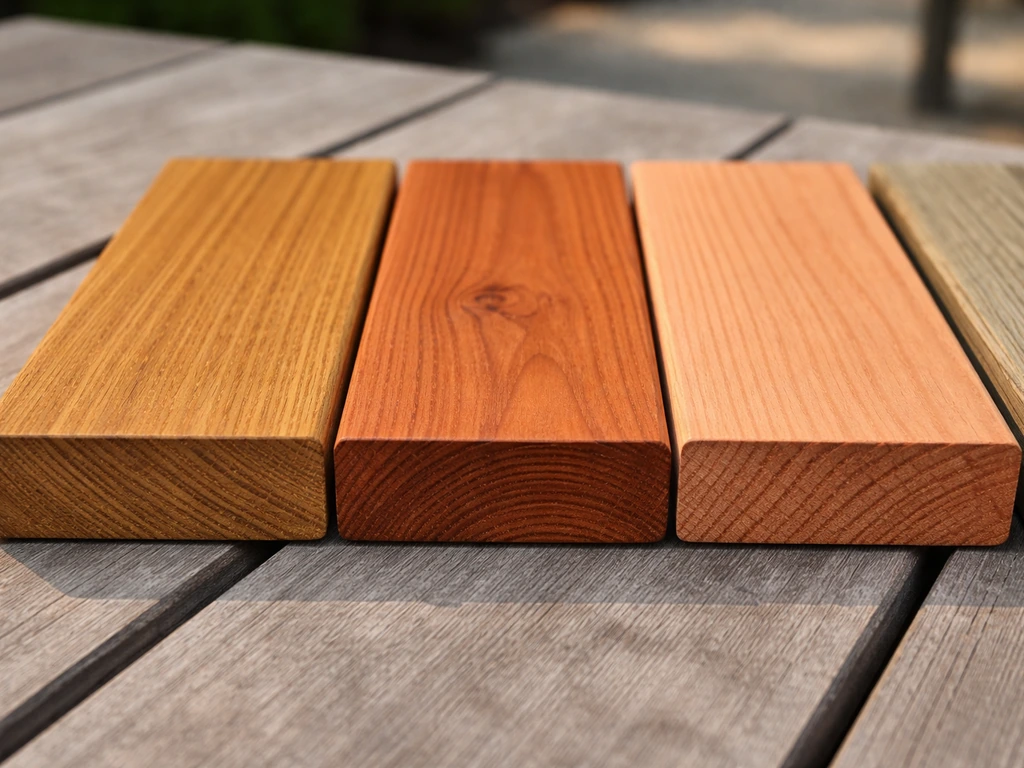
Compare common patio woods like teak cedar redwood and pressure-treated: durability, quality checks, and care for long l
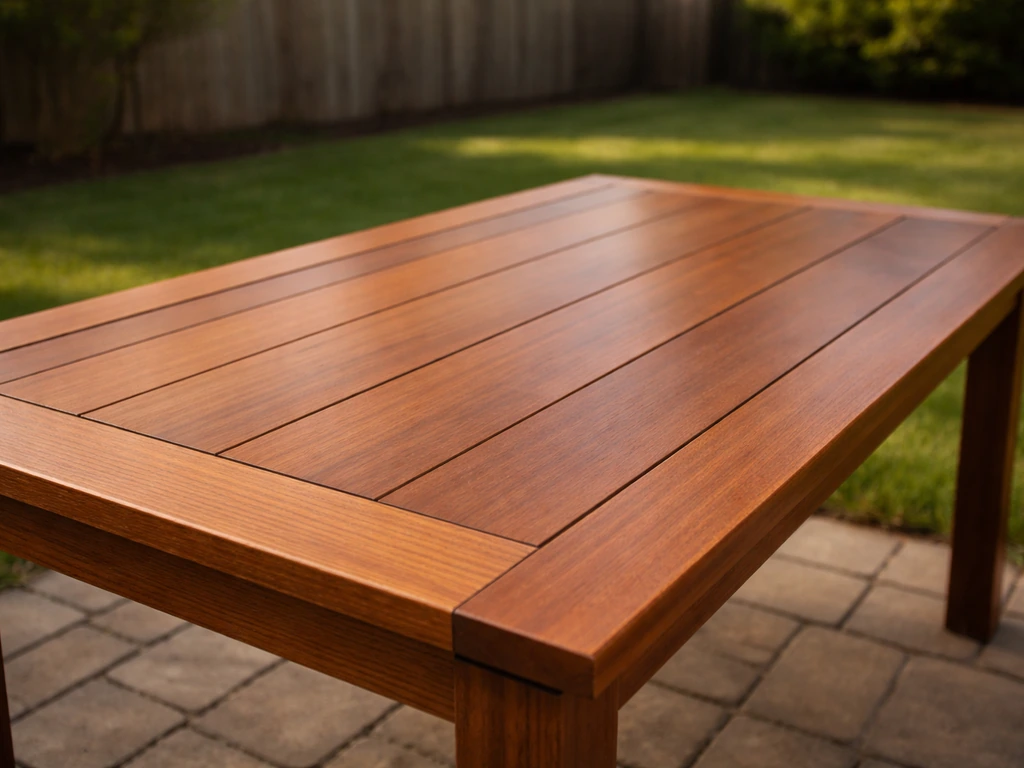
Durable patio table woods by climate, plus finish and maintenance tips to prevent rot, warp, and insects.