
Your patio furniture is almost certainly shocking you with static electricity, not a wiring problem. It happens when charge builds up on your body or the furniture surface and then discharges the moment you make contact with a conductive path. That said, there are a handful of situations where the zap you feel could point to something more serious, like a grounding problem with a nearby outlet or outdoor light fixture, and those are worth ruling out before you dismiss it entirely.
Why Does My Patio Furniture Shock Me? Causes and Fixes

Theo Tierney
15 Jun 2026
Static vs. a Real Electrical Problem: What You're Likely Dealing With
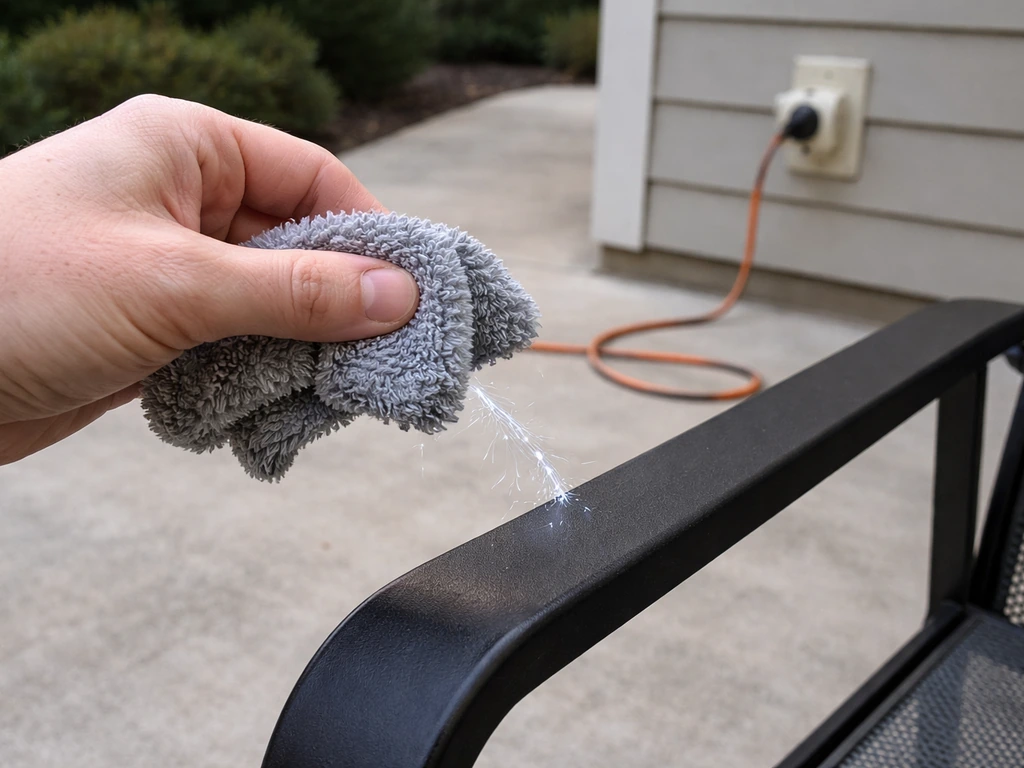
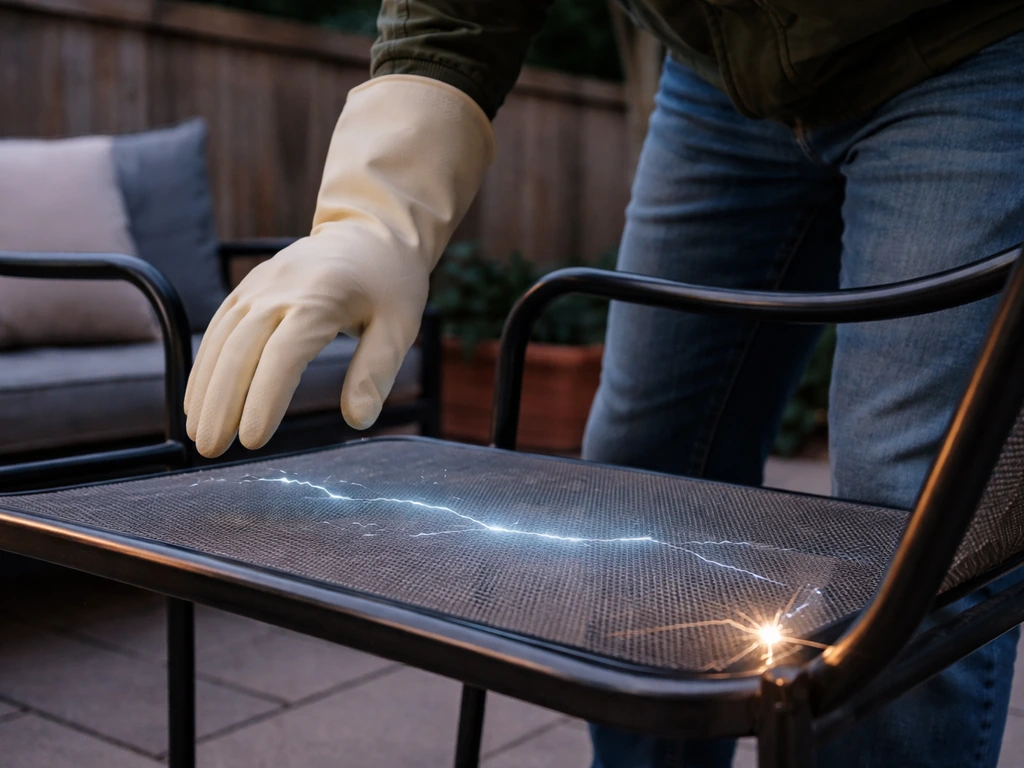
Most patio furniture shocks are electrostatic discharge, which is fundamentally different from getting shocked by household current. Static electricity is just excess charge that builds up on a surface (your skin, your clothes, a cushion fabric) and then suddenly jumps to a nearby conductor when the voltage gets high enough to break down the air between them. The sensation is a brief zap or tingle, sometimes accompanied by a tiny visible spark. If you suspect a pest issue instead of an electrical or static problem, check for signs of bed bugs on patio furniture, especially along seams, cushions, and tufts. It's uncomfortable, but it's not mains current flowing through your body.
A real electrical shock, by contrast, involves current from your home's wiring traveling through you to ground. This feels very different: it can cause muscle contractions, a sustained burning sensation, or numbness, and it doesn't stop the moment you break contact the way a static discharge does. If what you're feeling is a prolonged jolt rather than an instantaneous snap, that's a meaningful distinction worth paying close attention to.
The pattern of when and where it happens is your best diagnostic tool. Static shocks are typically random, tied to movement (sitting down, standing up, sliding on a cushion), and blank" rel="noopener noreferrer">worse on dry days. Electrical grounding problems tend to be consistent, happen in specific spots near power sources, and often get worse when surfaces are wet.
Quick Self-Checks: Find the Pattern Before You Fix Anything
Before you do anything else, run through these observations. The answers will tell you whether you're dealing with static, a material issue, or something that needs an electrician.
- Does it happen on dry days more than humid ones? Dry air is the number one static amplifier. If shocks are rare during a humid stretch and return when the air dries out, that's a strong static signature.
- Does it happen when you sit down or stand up (friction), or when you touch a specific metal part? Friction-triggered shocks are static. Touch-triggered shocks at the same spot every time could be a grounding leak.
- Are you wearing rubber-soled shoes, socks, or going barefoot? Shoes with rubber soles insulate you from ground, letting charge build up. Bare feet on concrete or soil actually help you discharge constantly.
- Is it one specific chair or the whole set? A single piece that consistently shocks you is worth examining more carefully, especially if it's near a power cord or light fixture.
- Did it start after cleaning the furniture or putting on covers? Certain cleaning products and synthetic covers are excellent static generators.
- Is your patio near outdoor outlets, string lights, or an extension cord? Even a small current leak through a metal frame can feel like a static shock, especially when surfaces are damp.
Why Your Furniture Setup Is Building Up Charge
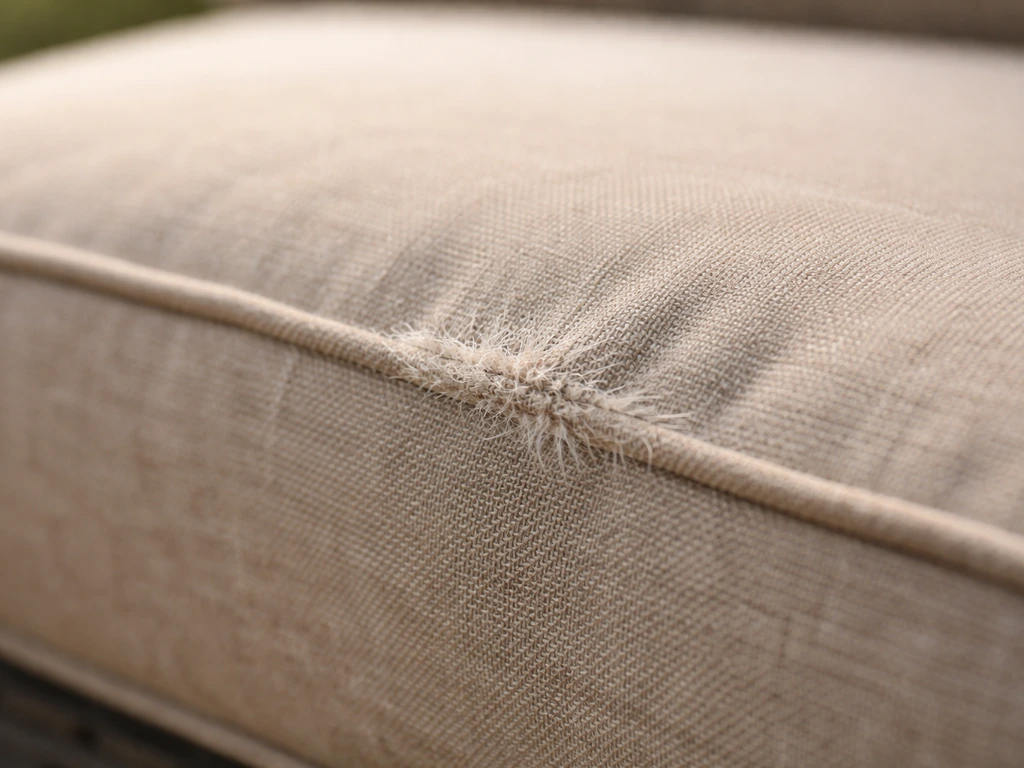
Different materials and setups create charge in different ways. Understanding which one applies to your situation helps you fix the right thing instead of guessing.
Synthetic Cushion Fabrics and Covers
This is the most common culprit by a significant margin. Polyester and acrylic outdoor cushion fabrics are excellent insulators, which means charge generated by friction (you sliding on the cushion, a cover flapping in the wind) has nowhere to go and accumulates. The same goes for synthetic furniture covers. Every time the cover moves, it generates triboelectric charge. Pull it off on a dry winter morning and you can sometimes hear the crackle before you even touch the furniture.
Powder-Coat and Epoxy Finishes on Metal Frames
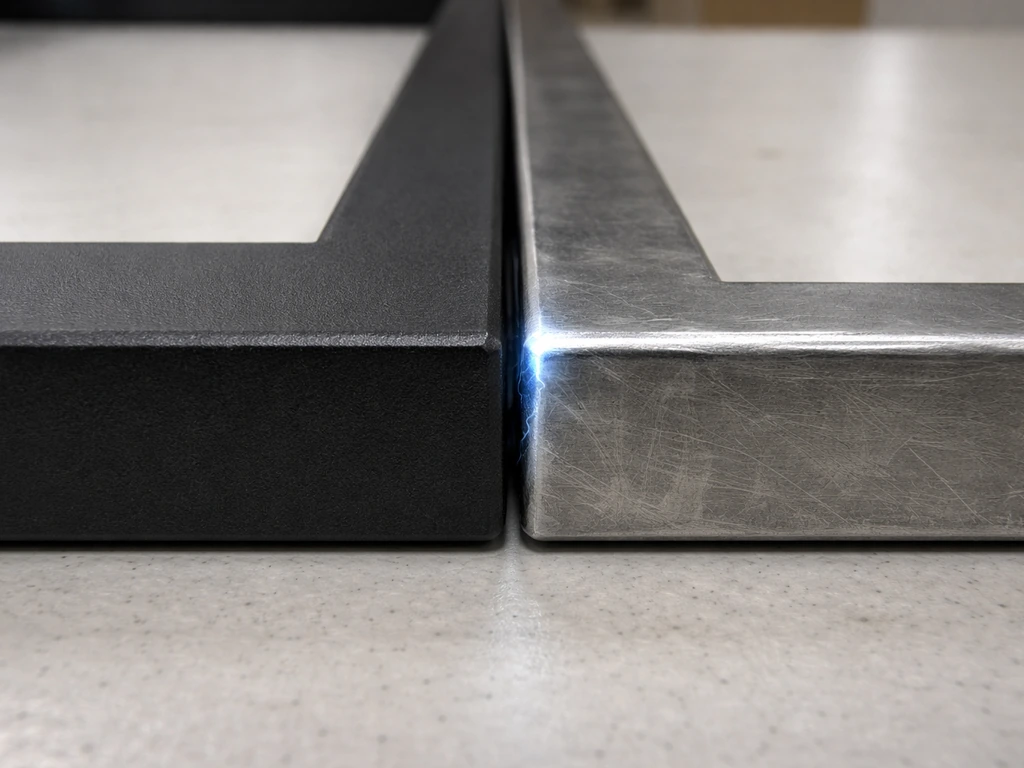
Powder-coated aluminum and steel frames are electrically insulated by their finish. Bare aluminum would actually dissipate charge gradually, but once you coat it in a thick powder-coat layer, the metal underneath might as well not be there from an electrostatic standpoint. The surface behaves like a plastic, accumulates charge, and delivers a sharp zap when you grab the arm of the chair.
Cleaning Product Residue
Some fabric cleaners, protectant sprays, and water repellent treatments leave a residue that is a strong static generator. If you cleaned your cushions or frames recently and the shocks started afterward, this is likely contributing. Silicone-based protectant sprays are a common offender.
Setup and Location
Patios with concrete or pavers that are completely sealed provide no path to ground for you or the furniture. Add rubber-soled shoes and a synthetic cushion, and you have the perfect conditions for charge to accumulate to a noticeable level before it finally discharges.
When It Might Actually Be an Electrical Problem
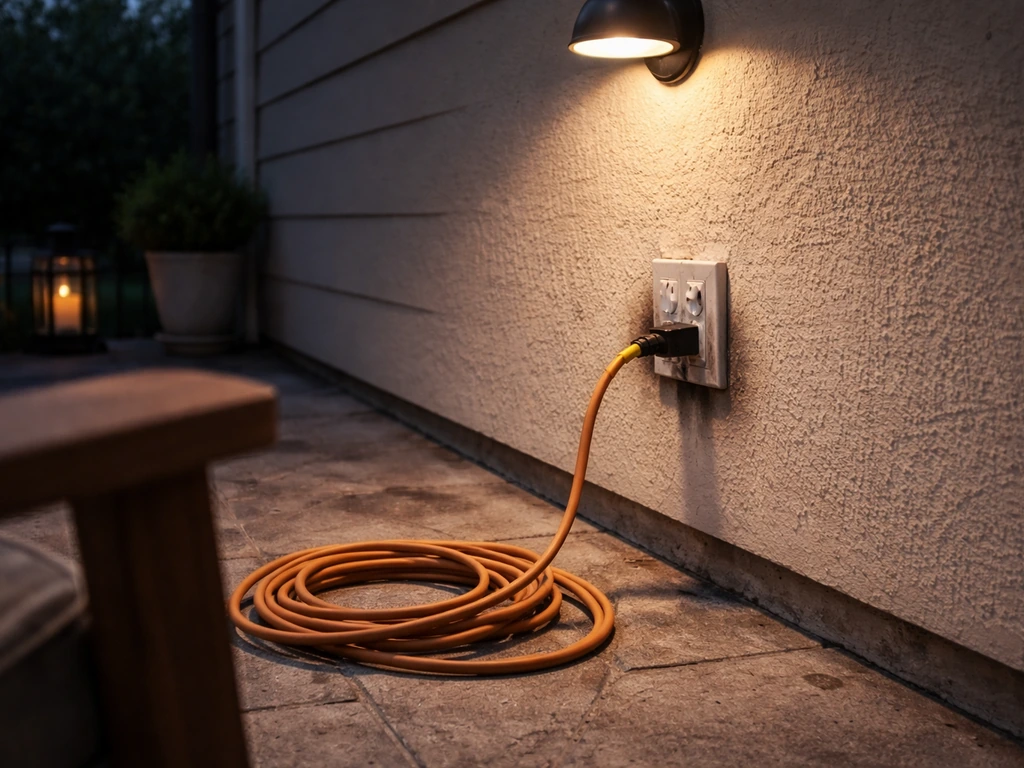
If your self-check revealed any of the following, stop treating this as a static issue and investigate more carefully before sitting on that furniture again.
- The shock happens near a specific outlet, extension cord, or light fixture, consistently.
- The sensation is stronger or more sustained when surfaces are wet or after rain.
- You feel tingling even when you're not generating friction (just resting your hand on the frame).
- Other people feel it too, in the same spot.
- You notice buzzing, flickering, or tripping of outdoor breakers near the area.
Outdoor electrical systems are exposed to weather, UV, insects, and moisture in ways that indoor wiring isn't. A GFCI outlet that has failed, an extension cord with a cracked jacket, or a string light with a frayed connection can create a voltage potential on a nearby metal frame, especially if the frame is sitting on a wet patio. Chiggers can live on patio furniture, especially when the furniture has been sitting outdoors near grassy or brushy areas can chiggers live on patio furniture. This is called a fault current, and it can absolutely feel like what people describe as a 'furniture shock.'
How to Test Safely (Without Touching Anything First)
Start by unplugging every outdoor power source in the area: string lights, extension cords, outdoor outlet power strips, and any wired light fixtures if you can switch them off at the breaker. Then touch the furniture again. If the shock disappears entirely, you've confirmed an electrical connection to the furniture and need to call a licensed electrician before using those power sources again. Do not just swap out the extension cord and call it done. A fault that reaches a metal frame needs a proper investigation of the full circuit, including GFCI protection and grounding integrity.
If the shock persists even with all power sources disconnected, you're dealing with static. Proceed with the fixes below.
How to Stop the Shocks Today
Raise the Humidity
Humidity is the natural enemy of static electricity. Moisture in the air gives charge a path to slowly dissipate instead of building to a threshold and snapping. If you live somewhere with genuinely dry air (Phoenix, Denver, or anywhere in winter), a misting system or even just watering nearby plants before you sit outside can noticeably reduce shocks. Indoors this translates to a humidifier, but outdoors you're working with what the environment gives you.
Anti-Static Sprays and Dryer Sheets
Anti-static spray applied to cushions and fabric surfaces disrupts the charge buildup mechanism by leaving a slightly conductive or hygroscopic coating that bleeds off charge continuously. It's not a permanent fix but it works immediately and lasts several days to a couple of weeks depending on sun and weather exposure. In a pinch, rubbing a dryer sheet across cushion surfaces produces the same effect. This is the fastest thing you can do right now.
Change How You Make Contact
Before grabbing a metal armrest or frame, briefly touch it with the back of your hand or a knuckle instead of your fingertip. The nerve density is lower and the discharge hurts less. Better yet, touch a non-insulating surface first (bare concrete, soil, or the ground) to discharge yourself before you touch the furniture. It takes two seconds and eliminates the shock entirely.
Switch Your Footwear
Trade rubber-soled shoes for leather-soled ones, or go barefoot on concrete or grass if it's comfortable. Rubber soles are the reason charge accumulates on your body in the first place. This one change can cut shocks dramatically on a dry day.
Material-Specific Fixes and Smarter Upgrades
| Material | Why It Shocks | Best Fix |
|---|---|---|
| Powder-coated aluminum | Insulating finish traps charge on surface | Anti-static spray on frame; consider bare aluminum or brushed finish for next purchase |
| Steel with epoxy coat | Same as aluminum; steel also rusts and corroded spots can hold charge differently | Anti-static spray; inspect for rust bubbling under coat, which changes surface properties |
| Synthetic wicker (resin) | Resin is a strong insulator; wicker weave creates lots of friction surface area | Anti-static spray; avoid synthetic covers on resin wicker; choose solution-dyed acrylic cushions over polyester |
| Natural teak or FSC wood | Wood is naturally more conductive (especially when slightly damp); less prone to static | Keep wood lightly oiled; avoid sealing with thick polyurethane which adds an insulating layer |
| Composite/recycled plastic | Highly insulating; similar to resin wicker | Anti-static spray; grounding mat under furniture on sealed patios |
| Polyester cushions | Triboelectric charge generator; worst fabric for static | Replace with solution-dyed acrylic (like Sunbrella) or olefin; add a cotton or linen cushion liner |
| Acrylic/Sunbrella cushions | Better than polyester but still some static in very dry conditions | Anti-static spray as needed; generally a major improvement over polyester |
If you're replacing cushions anyway, the single most impactful upgrade is going from polyester fill covered in polyester fabric to a solution-dyed acrylic cover (Sunbrella is the most widely available) with a natural fiber liner or insert. Acrylic generates significantly less static than polyester and handles moisture and UV far better over time. It's one of those cases where the more expensive option genuinely solves a real problem rather than just looking better.
For metal frames specifically, if you're getting ready to repaint or refinish, consider a conductive primer or an earth ground strap attached to the frame and run to a grounding rod in the soil. This is a more involved project but it permanently eliminates static discharge potential on metal frames by giving the charge a continuous path to earth.
Preventing Shocks Across Every Season
Spring Setup
When you bring furniture out of storage or remove winter covers, wipe down all metal frames with a damp cloth before first use. This dissipates any accumulated surface charge from months under a synthetic cover. Apply anti-static spray to cushions before the season gets going. Check every outdoor outlet and GFCI device for proper function by pressing the test and reset buttons. Inspect any extension cords or string lights for cracked insulation before plugging them in near metal furniture.
Summer Maintenance
Reapply anti-static spray to cushions every few weeks if you're in a dry climate. When you clean cushions or frames, rinse thoroughly to remove any silicone or wax residue from protectant sprays. If you're in a humid climate like coastal Florida or the Gulf Coast, static will barely be an issue in summer, but check hardware for corrosion and galvanic activity where dissimilar metals meet (stainless bolts in aluminum frames, for example). Tighten any loose hardware at mid-season, as loose metal-to-metal connections can create unexpected conductive paths.
Fall and Winter Storage
The dry, cold months are when static shocks peak. Use breathable cotton or canvas furniture covers rather than synthetic polyester covers to reduce charge generation during storage. Store cushions indoors in a climate-controlled space if possible. Before you put everything away, do a quick inspection of all metal-to-metal connections and tighten any hardware. A corroded or loose connection found in fall is much easier to fix than one discovered when you drag furniture out in spring.
When to Stop DIY and Call a Pro
There's a clear line here: if the shock persists after you've disconnected all outdoor power sources in the area, it's static and you can handle it yourself. If the shock goes away when you disconnect power, stop. Do not reconnect those power sources, do not continue using the furniture near that outlet or fixture, and call a licensed electrician. What you have is a fault current reaching your furniture, which is a genuine safety hazard. For patio furniture safety, make sure any suspected electrical fault is inspected before you sit back down safety hazard.
- Call an electrician if: shocks correlate with proximity to any outdoor outlet, cord, or fixture.
- Call an electrician if: shocks happen on wet surfaces or after rain near electrical equipment.
- Call an electrician if: you feel sustained tingling rather than a single snap.
- Call an electrician if: your GFCI outlets are failing to trip during their self-test.
- Do not use a multimeter or voltage tester on outdoor circuits if you're not trained; outdoor wiring faults can carry dangerous current even in supposedly low-voltage lighting systems.
- Do not assume a GFCI outlet is protecting you if it hasn't been tested recently. GFCI devices fail over time and a failed GFCI provides no protection.
This is also a good moment to consider overall patio furniture safety as a broader topic. If you are wondering whether someone would steal patio furniture, the same basic safety and security checks can help protect your outdoor items. You can also look for bug-resistant patio furniture options, since outdoor materials are selected to hold up better to pests and weather.
Keeping up with patio furniture safety also means checking outlets, GFCIs, and cords before you sit down outdoors. If your patio furniture is damaged or unstable, take a quick look for loose parts and corrosion before you use it again patio furniture safety. Static shocks are annoying, but they sit in the same category of concern as loose hardware, unstable frames, or damaged structural parts.
Bug bites from patio furniture can be a confusing sign, but they usually come down to contact irritation or pest exposure rather than an electrical issue. Keeping up with maintenance and material checks is the most practical way to stay ahead of issues before they become hazardous.
What to Do Right Now: A Quick Checklist
- Disconnect all outdoor power sources near the furniture (unplug cords, switch off breaker to outdoor outlets/lights).
- Touch the furniture again. If the shock is gone, call an electrician. If it persists, continue.
- Apply an anti-static spray or rub a dryer sheet across cushion and fabric surfaces.
- Wipe down all metal frames with a damp cloth.
- Swap rubber-soled shoes for leather-soled footwear or go barefoot on concrete or soil.
- Touch the back of your knuckle to a metal surface (concrete, soil) to discharge yourself before sitting.
- Note whether the shocks are worse today because it's dry. Check your local humidity: if it's below 30%, dry air is your problem.
- Inspect cushion fabric labels. Polyester? Plan to replace with acrylic when cushions are due for renewal.
- Check furniture covers: if they're synthetic, consider switching to breathable canvas for storage.
- If you have teak or wood frames, lightly oil them rather than sealing with thick polyurethane, which adds an insulating layer.
FAQ
How can I tell if it is static electricity or a real electrical fault without special tools?
Use a two-step test: first disconnect or unplug all outdoor power in the area you can control (string lights, cords, plugged-in strips, and switchable fixtures). Then touch the furniture again. If the shock stops completely, it points to a fault current reaching the metal frame, and you should not keep using that power source until an electrician checks GFCI protection and grounding.
Is it safe to keep using the furniture if the shock feels mild?
Even if it feels like a quick tingle, treat repeat zaps near metal frames as a safety issue if they occur close to outlets, light fixtures, or cords. Mild static is usually harmless, but a fault that can reach a frame can also worsen or persist under wet conditions, so the unplug test is the deciding check.
Why does my furniture shock me more when the patio is wet or after rain?
Static often decreases with humidity, but wet conditions increase the chance of electrical pathways if there is a wiring or insulation fault. Look for a consistent location near an outlet, GFCI, or cord connection, and re-run the disconnect test before using the furniture near any affected power source.
Can I use an anti-static spray and stop worrying about grounding issues forever?
No. Anti-static sprays and dryer-sheet rubbing reduce charge buildup, which helps when the cause is triboelectric static. If the shock is reproducible near specific electrical sources, or it persists when you unplug nearby outdoor power, grounding or GFCI problems may still be present.
Does humidity control alone work, or do I still need to change materials?
Humidity control helps, especially in dry climates, but it is not as reliable as reducing charge generation. For long-term improvement, switch to lower-static fabrics (like solution-dyed acrylic covers with natural fiber liner), and consider conductive paths on metal frames (primer or grounding strap) if shocks are persistent.
I heard a crackle even before I touched the furniture. What does that mean?
Crackling before contact usually means charge is building up and discharging through air gaps (or via nearby conductors) once the electric field is strong enough. It is commonly associated with dry conditions, synthetic covers, and friction. Still perform the unplug test if the crackle or zaps are tied to a specific outlet or nearby powered light.
Why do some cushions shock me but not others?
Differences in fabric and fill matter. Polyester and acrylic can behave differently based on weave, lining, and how the cushion cover moves. Residue from recent protectant or silicone-based sprays can also increase static on some specific cushions while leaving others less affected.
What is the safest way to discharge myself before touching the furniture?
Touch a conductive non-insulating surface first, such as bare concrete, soil, or the ground, then touch the furniture. This avoids the momentary discharge through your body. If that is not practical, touch the frame with a knuckle or the back of your hand rather than a fingertip to reduce discomfort.
Can my shoes cause the shocks even if the furniture is grounded?
Yes. Rubber-soled shoes can significantly increase charge buildup on your body, so you may still feel zaps even when the furniture is not the main cause. Swapping to leather soles, or going barefoot on a grounded surface like concrete or grass, often reduces the problem quickly.
If I get shocked, should I replace the GFCI right away?
Only if you confirm a likely electrical fault. The recommended first move is the unplug test and careful inspection of cords, string lights, and any outdoor fixtures. If the shock stops when power is disconnected, call a licensed electrician. If it persists and you suspect a failed GFCI, testing and inspection by a pro is safer than simply replacing parts.
Can insects like chiggers or pests be mistaken for an electrical shock?
Yes, sensory overlap is common. Pests can cause stinging or irritation that feels sudden but will not behave like an electrical discharge that stops instantly when you break contact or after power is removed. Check for bites or infestation signs along seams and tufts, especially when the furniture has been sitting outdoors near brushy areas.
What should I inspect on my patio furniture to rule out conductive pathways from metal parts?
Look for loose or corroded metal-to-metal connections, damaged hardware, and areas where dissimilar metals meet (for example, stainless bolts on aluminum). Tighten loose connections mid-season and address corrosion, because unexpected conductive paths can change how charge or fault current transfers to the frame.
Next Articles
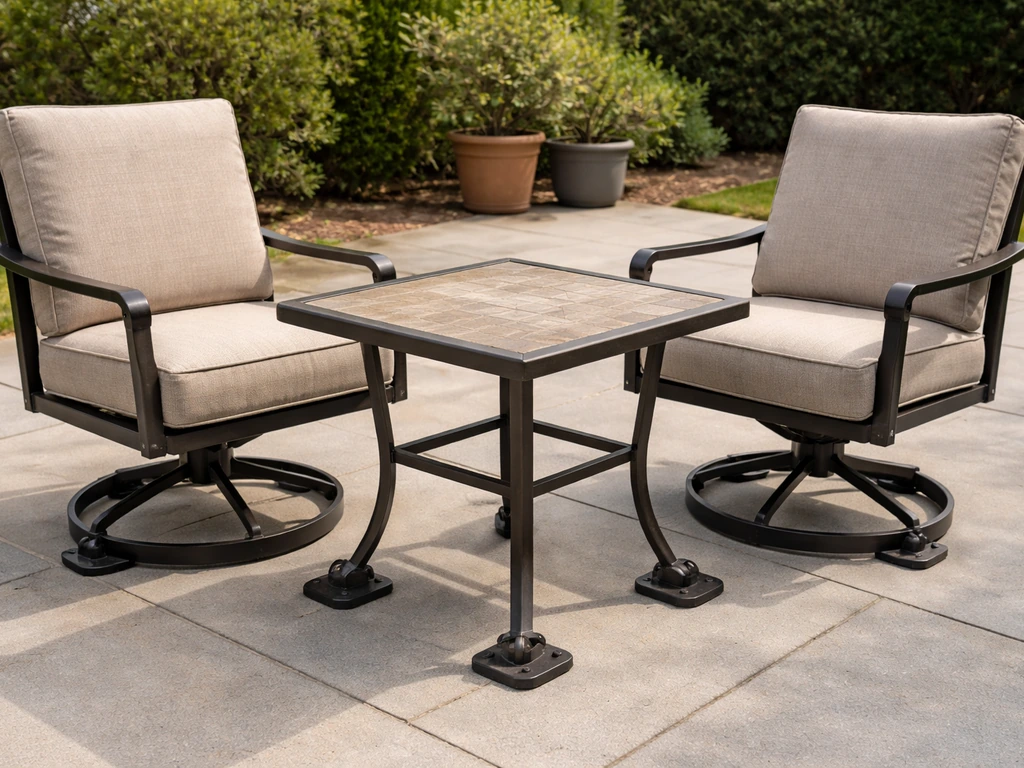
Patio Furniture Safety Guide: Prevent Injuries and Weather Damage
Learn patio furniture safety to prevent injuries and weather damage with inspection, cleaning, and weather-proofing tips
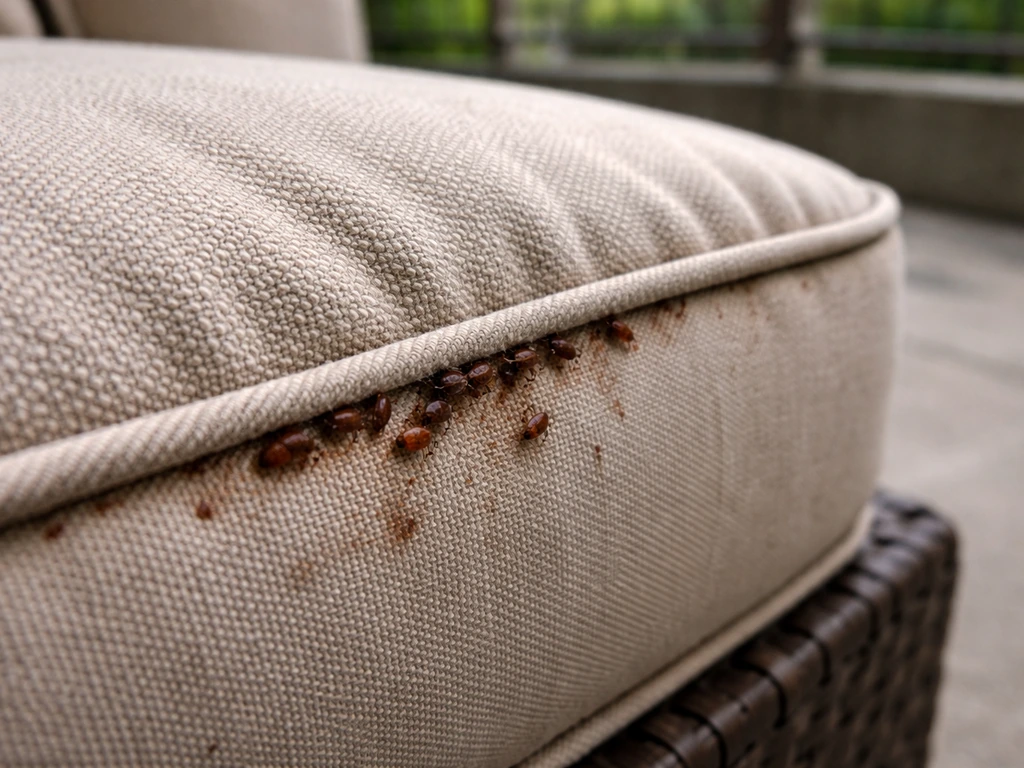
Bed Bugs on Patio Furniture: Identify, Treat, and Prevent
Confirm bed bugs on patio furniture, stop bites, treat by material, contain spread, and prevent re-infestation indoors.
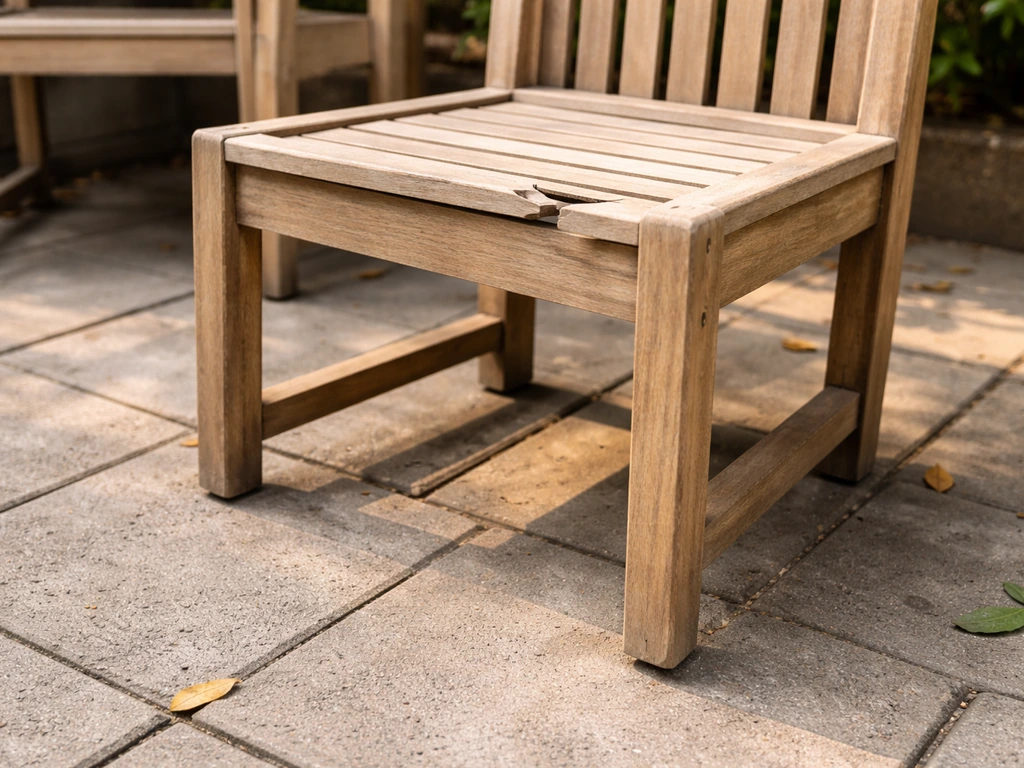
Broken Patio Furniture Repair Guide: Fix or Replace?
Step-by-step guide to repair broken patio furniture by material, decide fix vs replace, and prevent future damage.