
No patio furniture is truly bug-proof, but the material, finish, and design you choose can make a real difference in how many insects hang around your seating area. Dense aluminum frames with smooth powder-coat finishes, all-weather resin or high-density polyethylene (HDPE), and tightly woven synthetic fabrics give pests the fewest places to hide, breed, or find moisture. Natural wood, open-weave wicker, and thick cushions with non-removable covers are the worst offenders. If bugs are ruining your outdoor time, your furniture is likely part of the problem, even if it isn't the whole problem. Chiggers can also survive outdoors for a while, so reducing the places they hide around your seating area matters.
Bug-Resistant Patio Furniture: What to Buy and Maintain

Theo Tierney
23 Jun 2026
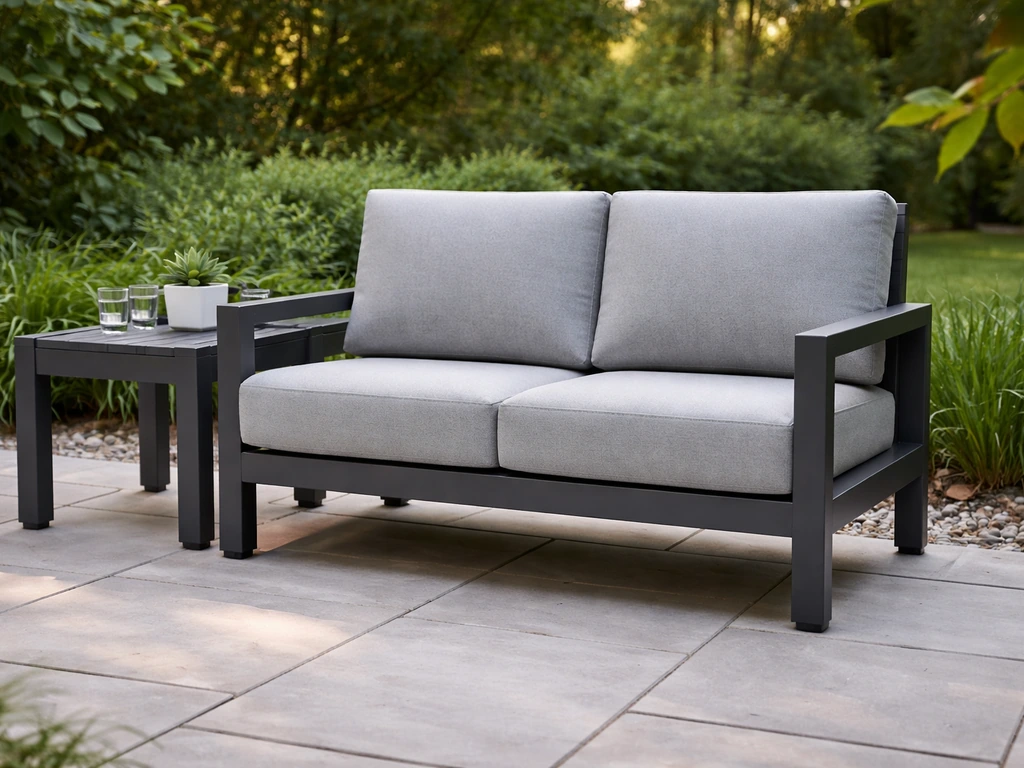
What 'bug-resistant' patio furniture can and can't do
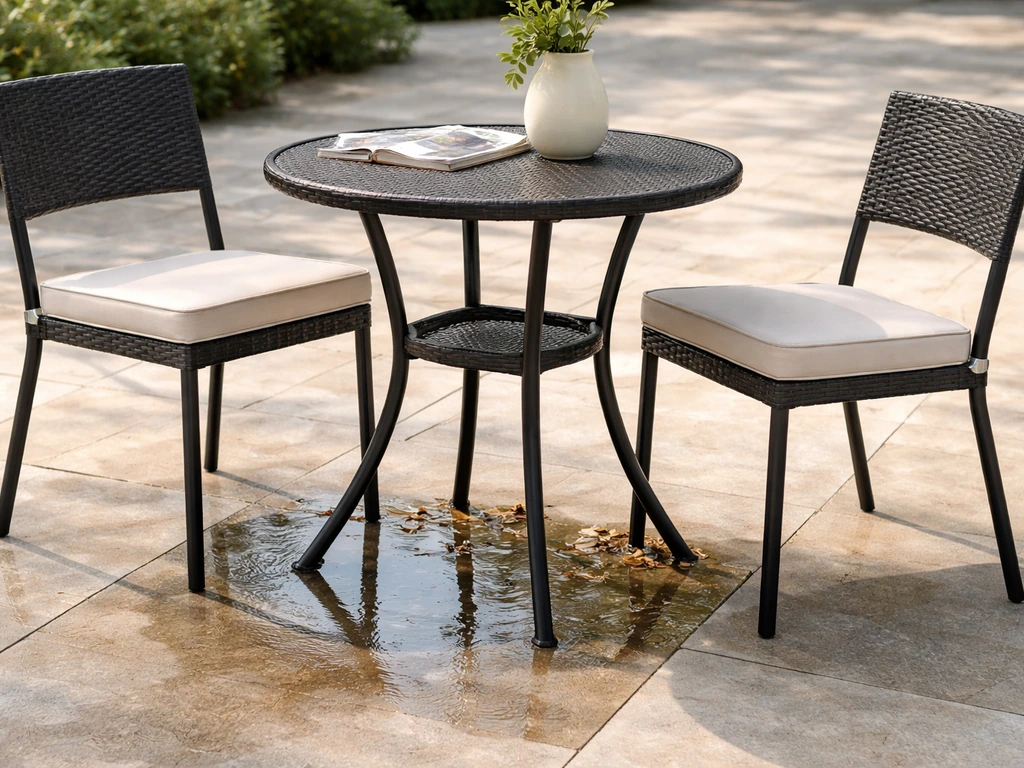
Let's set honest expectations before you spend money. Patio furniture doesn't repel insects the way a citronella candle does. What it can do is remove the conditions insects depend on: hidden crevices for harborage, trapped moisture for breeding, organic debris for feeding, and rough or porous surfaces that hold all of the above. The CDC has specifically noted that mosquitoes rest in dark, humid spots underneath patio furniture, so even when your chairs aren't the water source, they're still part of the habitat equation.
What furniture alone cannot do is eliminate a bug problem caused by standing water nearby, overgrown vegetation, or a yard that's essentially a mosquito breeding ground. The EPA's Integrated Pest Management (IPM) framework is clear: prevention starts with habitat removal, not surface treatments. If you've got a low-lying yard that pools after rain, the best aluminum sectional in the world won't fix your mosquito problem. Think of bug-resistant furniture as one lever in a larger system, not a standalone solution.
That said, the lever matters. Furniture that traps debris in cracks and crevices, holds moisture in porous wood grain, or hosts insects in thick seams and upholstery voids is genuinely creating harborage. UGA Extension notes that insects need harborage and that structural problems and moisture or drainage conditions can create pest-activity areas, including situations where outdoor premises provide pest-harborage that may connect to pest problems blank" rel="noopener noreferrer">pests need harborage and moisture/drainage conditions can create pest-activity areas. University of Georgia extension research reinforces this: cracks, gaps, and voids become pest hot spots when food, water, and shelter come together. Choosing furniture that eliminates those conditions is a legitimate, practical step.
Best materials and furniture types for minimizing insect problems
Here's how the main patio furniture materials stack up from a pest-resistance standpoint. This isn't just about bugs, it's also about moisture and rot, because those conditions go hand in hand.
Aluminum: the best all-around choice
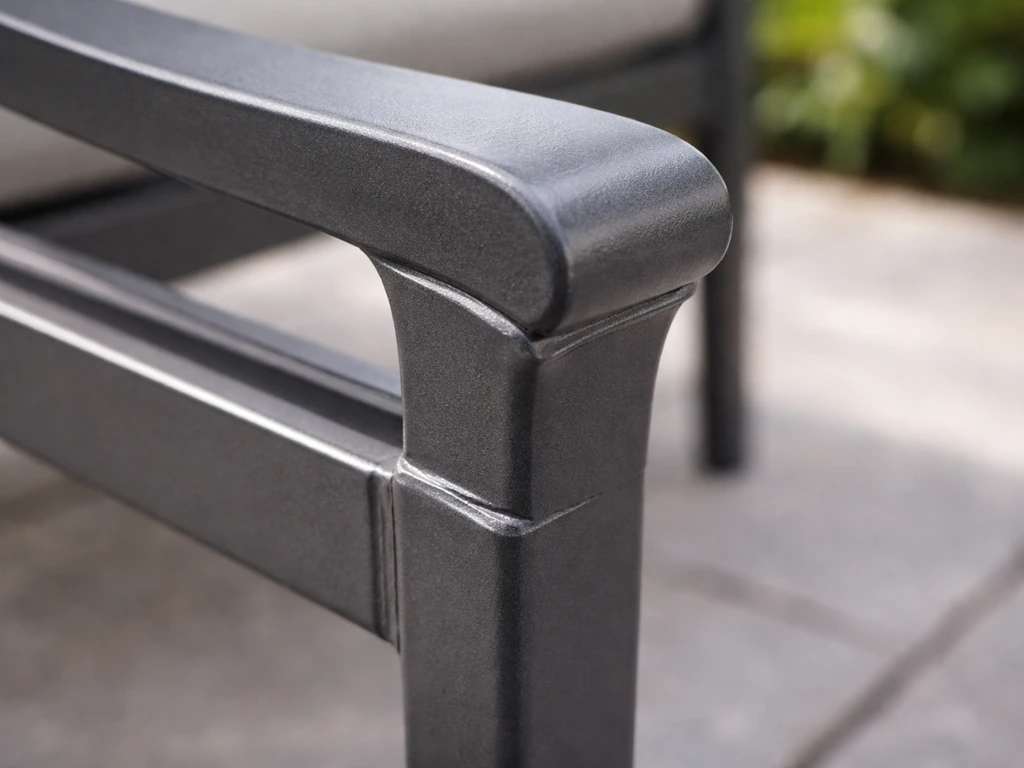
Cast or extruded aluminum with a factory powder-coat finish is genuinely the top pick for bug-heavy environments. It doesn't rot, doesn't absorb moisture, and doesn't give insects anything organic to feed on. The smooth, sealed surface leaves no crevices for harborage when the frame is well-constructed. Look for welded joints rather than bolted connections with exposed hardware, since bolt holes and cap screws create tiny gaps insects can colonize. Commercial-grade powder coating (typically 60 to 80 microns thick) also resists chipping, which matters because chips expose raw metal that corrodes and creates rough spots where debris collects.
HDPE and resin: low maintenance and pest-unfriendly
High-density polyethylene (HDPE) lumber, the material used in brands like Polywood, is made from recycled plastic and has zero porosity. Insects find nothing to eat, no moisture to retain, and no crevices to colonize (assuming the furniture is solidly constructed). It's heavier than aluminum but essentially maintenance-free from a bug and rot standpoint. Standard molded resin furniture (the ubiquitous stackable chair) is similar in theory but tends to be thinner and may crack over time, creating gaps. HDPE lumber furniture is the better long-term investment.
Powder-coated steel: fine but watch the finish
Steel shares most of aluminum's pest-resistance benefits when it's well-coated, but it's heavier and more vulnerable to rust if the finish chips. Once rust sets in, the pitted surface becomes a debris trap. In humid or coastal climates, steel requires more vigilant finish maintenance than aluminum. It's not a bad choice, but aluminum edges it out for long-term pest resistance in wet environments.
Natural wood: honest trade-offs
Teak, eucalyptus, and other naturally dense hardwoods resist rot better than softwoods, but wood is still wood. The grain is porous, and unsealed or weathered surfaces hold moisture. Insects, including termites and carpenter ants in certain regions, are drawn to wood that's consistently damp or beginning to soften. If you love wood furniture, keep the finish sealed and dry the furniture after rain. Teak's natural oil content does give it a real advantage over cheaper softwoods like pine or fir, which absorb moisture quickly and are genuinely bad choices for bug-prone areas.
Wicker: depends entirely on the weave and core
Natural rattan or reed wicker is a poor choice for outdoor use in bug-prone areas. The organic material, open weave, and hollow core create ideal harborage. Synthetic all-weather wicker (typically resin-coated polyethylene strands woven over an aluminum frame) is a different story. A tight, flat weave with no exposed frame gaps and a sealed aluminum core is reasonably pest-resistant. Open weaves and any natural material components undermine that significantly. If you're buying synthetic wicker, inspect the underside of the frame where the weave meets the cross-members; loose or unfinished edges there are harboring spots.
| Material | Pest Resistance | Moisture/Rot Risk | Ease of Cleaning | Best Climate |
|---|---|---|---|---|
| Powder-coated aluminum | Excellent | Very low | Easy | All climates |
| HDPE lumber | Excellent | Very low | Easy | All climates |
| Powder-coated steel | Good | Moderate (if finish chips) | Easy | Dry to moderate humidity |
| Teak / dense hardwood | Fair | Low-moderate (needs sealing) | Moderate | Dry or well-maintained humid climates |
| Synthetic all-weather wicker (tight weave) | Fair-Good | Low (aluminum core) | Moderate | Moderate climates |
| Natural wicker / rattan | Poor | High | Difficult | Not recommended outdoors |
| Softwood (pine, fir) | Poor | High | Moderate | Not recommended in bug-prone areas |
Shopping checklist: features, finishes, fabrics, and construction details
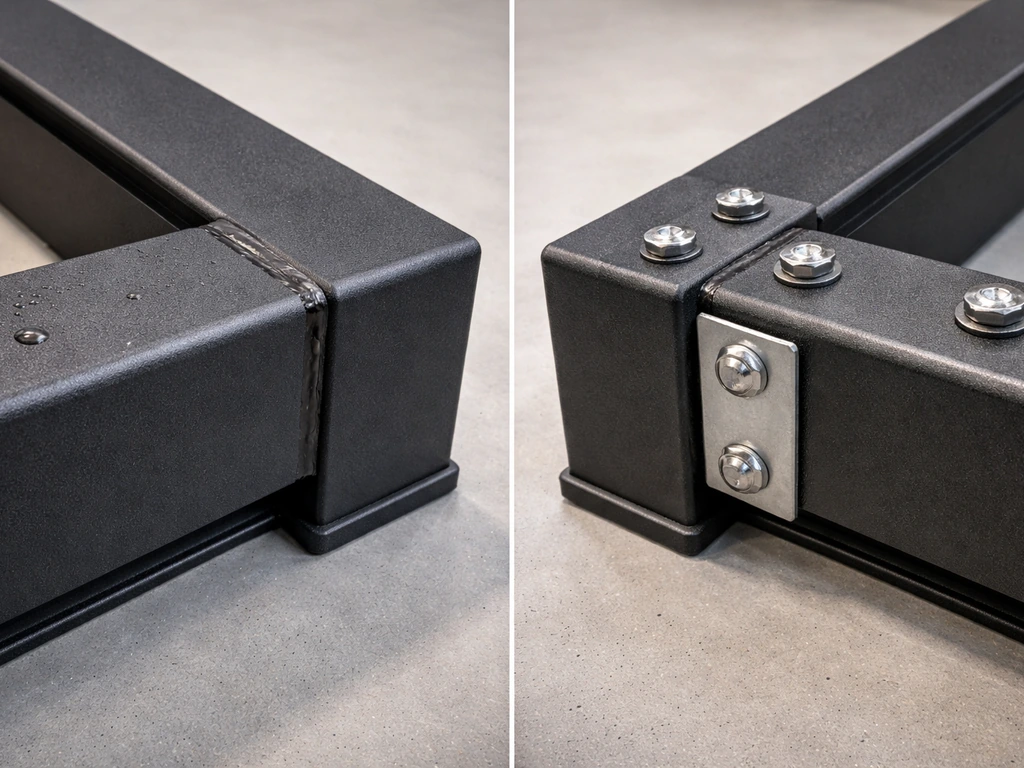
Material category is the starting point, but the specific construction details make or break a piece's pest resistance. Here's what to look for before you buy.
Frame and finish
- Welded joints over mechanical fasteners where possible; fewer connection points mean fewer gaps
- Powder-coat thickness of at least 60 microns; ask the retailer or check the product spec sheet
- Hollow tube frames should have drainage holes at the bottom of each leg so water doesn't pool inside (this is a mosquito breeding point people often miss)
- Smooth, sealed surfaces with no exposed raw metal, untreated wood edges, or open end caps
- Rust warranty of at least 1 to 3 years as a baseline quality signal for steel; aluminum should carry longer
Cushions and fabric
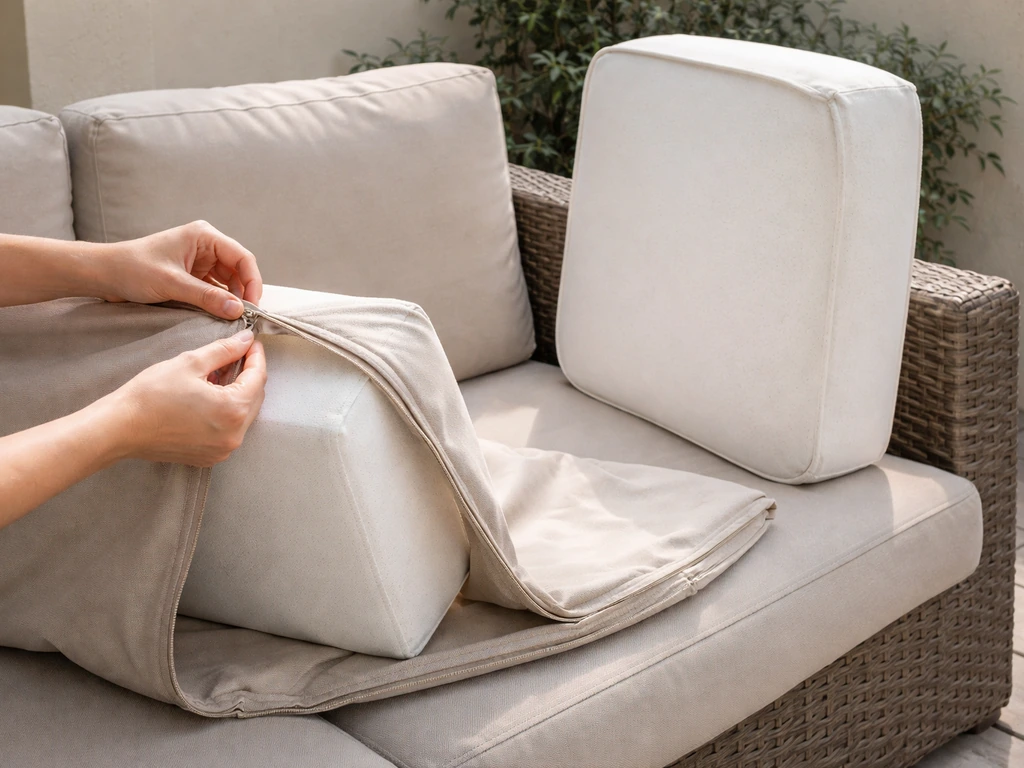
- Removable, washable covers are non-negotiable in humid or bug-heavy areas; fixed upholstery is a harboring risk
- Solution-dyed acrylic fabrics (like Sunbrella) resist mildew, dry quickly, and hold up to regular washing far better than polyester blends
- Quick-dry foam inserts (open-cell foam designed to drain water) dramatically reduce moisture retention compared to standard cushion fill
- Tight weave fabrics with no loose threads or open texture; loose weaves trap debris and give insects entry points into seams
- Piping and seams should be minimal and flat; tufted or heavily seamed cushions collect debris in every fold
- Zipper covers are better than slipcover styles for pest resistance since they seal the foam from underneath
Design and structure
- Legs with flat or self-leveling feet rather than hollow open bottoms that collect water and debris
- Slatted surfaces (tabletops, chair seats) that allow airflow and drainage rather than solid surfaces that pool water
- Avoid furniture with built-in storage cavities that don't fully seal; these become nesting spots
- Minimal undercarriage complexity; the more frame members, cross-braces, and decorative details, the more surfaces for debris to collect
Climate-specific recommendations for bug-heavy outdoor areas
Where you live changes what 'bug-resistant' means in practice. Mosquitoes, mold, termites, ants, and gnats all peak under different conditions, and so does the wear on your furniture.
Hot and humid (Florida, Gulf Coast, Southeast)
This is the most demanding environment for both bugs and furniture. Mosquitoes are everywhere, termites are active year-round, and mold can establish on cushions in days after rain. If you are also getting bug bites from patio furniture, focus on eliminating hiding spots and moisture right around your seating area. Aluminum or HDPE frames are almost mandatory here. Natural wood requires aggressive sealing schedules (every 6 to 12 months) to stay ahead of moisture and insect damage. Synthetic wicker is viable only with tight weaves and full aluminum frames. Store cushions indoors or in sealed bins after every use if you can manage it; leaving them out overnight in Florida humidity is how you end up with mildew colonies. Also look for solution-dyed acrylic fabric specifically rated for mildew resistance.
Hot and dry (Arizona, Southwest, desert climates)
Fewer mosquitoes here, but scorpions, ants, and spiders are common harborage users. The bigger furniture threat is UV degradation, which breaks down finishes and creates the rough, cracked surfaces that trap debris and invite pests. Prioritize UV-stable powder coats and UV-inhibited fabrics. HDPE lumber holds up exceptionally well to intense sun without cracking. Aluminum frames are excellent. Even in dry climates, any standing water from irrigation or monsoon season becomes a mosquito breeding site quickly, so check for water-trapping design features.
Temperate and rainy (Pacific Northwest, Mid-Atlantic, New England)
Extended damp seasons mean mold, slugs, earwigs, and moisture-loving insects are the primary furniture threats. Drainage matters more here than in dry climates. Slatted designs that don't hold water, furniture legs that keep frames off the ground, and quick-dry cushion materials make a significant difference. Teak can work in these climates with regular oiling but requires more attention than aluminum or HDPE. Consider furniture covers with vented bottoms during rainy seasons to allow airflow while keeping the bulk of moisture off.
Snowy winters (Upper Midwest, Mountain West, Northeast)
Bug season is shorter here, but spring thaw creates a window where moisture-damaged furniture becomes instantly attractive to insects. The real priority is winter storage and seasonal prep. Aluminum and HDPE can stay outdoors covered, but cushions must come inside. Any finish damage from freeze-thaw cycles on wood or steel should be addressed before spring, not after insects have already moved in.
Maintenance routine to keep bugs and moisture from taking over
The right furniture choice gets you 60 percent of the way there. The rest is maintenance. Neglected furniture of any material becomes pest-friendly over time; maintained furniture of even imperfect materials stays relatively clean. Even if you choose bug-resistant patio furniture, you should still address bugs on patio furniture by reducing debris and moisture buildup. Here's what a practical routine looks like.
Weekly during active season
- Wipe down frames with a damp cloth to remove pollen, dust, and organic debris that accumulates in joints
- Stand cushions on edge or bring them inside if rain is expected; sitting moisture is where mildew starts
- Check hollow legs and any water-trapping spots for pooling water; dump and dry
Monthly
- Wash cushion covers (zip them off and machine wash on cold with a mild detergent; air dry completely before replacing)
- Inspect frame joints, welds, and end caps for chips, cracks, or gaps that have opened up; address immediately with touch-up paint or sealant
- Check synthetic wicker edges and frame intersections for loosening or gaps that could become harborage
- Rinse the entire piece with a garden hose and let it dry fully before covering or storing
Seasonally
- Re-seal or re-oil wood furniture at least once per year; twice in humid climates
- Touch up powder-coat chips on steel or aluminum with a compatible touch-up paint to prevent corrosion points from forming
- Deep-clean fabric with a solution of mild dish soap and water; for mildew, use a diluted white vinegar solution (1 cup per gallon of water) and let it sit for 15 minutes before rinsing
- Before putting furniture into storage for the season, clean and fully dry every component; storing damp furniture in a shed is how you invite insects and mold into the off-season
- Inspect seams, zippers, and cushion interiors for signs of insect activity, particularly if you've had chigger, spider, or bed bug concerns around your yard
Common mistakes and when to pair furniture with other pest control
Furniture choices matter, but they get undermined by common habits that undo the benefits. You might also be wondering whether people steal patio furniture, but the best protection often starts with simple prevention steps like choosing durable materials and storing items securely. Here are the ones I see most often.
Mistakes that create the conditions you're trying to avoid
- Leaving cushions out overnight in humid climates; even 'outdoor' fabrics develop mildew under sustained moisture
- Covering furniture with non-vented tarps that trap humidity underneath, creating a warm, damp microclimate
- Placing furniture directly against wood fencing, siding, or dense plantings; these adjacencies bring insects directly to your seating
- Ignoring chips and finish damage until they become corrosion or rot, which then creates harborage
- Buying furniture with hollow, uncapped legs; if you already own it, fill the openings with rubber end caps
- Skipping the drainage hole check on hollow-tube aluminum furniture; manufacturers sometimes omit them, and standing water inside a leg is a perfect mosquito breeding site
When furniture alone won't solve the problem
If you're dealing with specific pest problems, the furniture is rarely the complete answer. If your patio furniture shocks you, that can point to an electrical or grounding issue that a materials upgrade for bug prevention won't address, so it's worth checking safety first pest resistance benefits. Mosquitoes, for example, breed in standing water within 100 feet of where you're sitting. Changing your furniture does nothing for a birdbath, clogged gutter, or low spot in the yard holding water after rain. Habitat elimination, which is the core of IPM, is the only real fix for mosquito populations. Oscilating fans placed near seating areas also disrupt mosquito flight patterns and are surprisingly effective.
For specific insect concerns like bed bugs, chiggers, or biting insects that seem tied to your furniture specifically, the problem warrants its own investigation. Chiggers, for instance, live in vegetation and attach to people walking through grass, not in furniture itself. Bed bugs outdoors are uncommon but possible if used furniture was brought in from an infested source. Bed bugs on patio furniture are uncommon, but if you bring in used pieces from an infested home, they can still hitch a ride outdoors Bed bugs outdoors. These are distinct problems from general bug nuisance around a patio, and treating them as a furniture selection issue will lead you to the wrong solution.
Complementary pest-reduction steps that genuinely work alongside good furniture choices include: eliminating standing water within and around the patio area, trimming back vegetation that touches or overhangs seating, using a perimeter barrier treatment around the patio edge for crawling insects, and considering physical barriers like pergola screen panels or a screened porch enclosure if insects are severe enough to make outdoor living miserable. For patio furniture safety, it also helps to keep the area around your seating free of standing water and organic debris that attract insects. Screens are the nuclear option, but they work.
The bottom line is that bug-resistant patio furniture is a real category with real differences between materials and designs. Aluminum or HDPE frames, tight synthetic fabrics with removable covers, smooth sealed finishes, and drainage-forward designs all reduce the conditions insects depend on. But they work best as part of a broader habit of keeping the outdoor space clean, dry, and inhospitable to pests. If you are dealing with broken patio furniture, those cracks, loose parts, and worn finishes can quickly turn an “insect-resistant” setup into a pest hideout bug-resistant patio furniture. Get the furniture right, maintain it consistently, and address the surrounding environment too. That combination genuinely moves the needle.
FAQ
If bug-resistant patio furniture doesn’t repel insects, what should I realistically expect it to do during peak mosquito season?
Expect fewer insects landing and fewer breeding opportunities around your seating because the furniture is less likely to hold moisture, organic debris, and dark crevices. It will not fix mosquitoes from standing water in the yard or nearby, so pair it with habitat steps like removing pooled water within about 100 feet.
How do I tell whether my furniture is creating harborage even if it’s made of “the right” material?
Inspect for openings bigger than a hairline gap at welded or bolted joints, check underside seams where fabric meets the frame, and look for chipped powder coat or cracked resin. If water sits after rain or cushions stay damp overnight, you likely have a drainage or ventilation design problem.
Are removable cushion covers better than non-removable ones for bug resistance?
Yes, removable covers give you control over moisture and debris, you can dry them fully and launder or replace them if they get mold-prone. Non-removable covers trap dampness inside seams and make it harder to break the debris and moisture cycle.
What’s the best way to cover bug-resistant patio furniture without making it worse?
Use covers that allow airflow (vented or breathable where possible) and keep the furniture off standing water by ensuring the patio surface drains. Avoid fully sealed, tight covers during humid periods because trapped moisture under the cover can promote mildew and insect activity.
Is HDPE lumber always better than standard resin furniture for insect control?
For pest resistance, HDPE’s advantage is its zero-porosity and durability, which reduces moisture retention and cracking gaps. Standard molded resin can work in theory, but thinner pieces are more likely to crack over time, and those cracks become harborage.
How often should I reseal or maintain wood patio furniture to keep it as “bug-resistant” as possible?
Plan for a consistent maintenance schedule, particularly during wet seasons, because weathered wood holds moisture and becomes attractive to wood-boring and nuisance insects. If you cannot commit to frequent sealing, aluminum or HDPE is typically the more reliable choice.
Do welded frames help more than bolted frames, and what hardware details should I check?
Welded construction usually reduces the tiny voids that can form around bolt holes and exposed cap screws. If the piece uses bolts, check for covered or recessed hardware, and confirm the joints are tight enough that debris cannot pack into the seam.
What fabric features matter most for minimizing bugs and mildew on cushions?
Prioritize solution-dyed acrylic fabric rated for mildew resistance, and choose designs that dry quickly with minimal seam trapping. Also avoid thick cushions that stay damp overnight, because persistent moisture creates a habitat even when the cover looks intact.
Should I store cushions indoors or is leaving them covered outdoors acceptable?
Indoors or in sealed bins is best if you can manage it, especially in humid climates. If you must store outdoors, use a breathable, well-fitted cover and ensure cushions are completely dry before storage, damp storage is a common reason mildew appears even with bug-resistant furniture.
Can furniture still attract pests if I use a perimeter barrier treatment on the patio?
Yes, perimeter treatments mainly help with crawling insects at the edge, but pests can still use harborage inside your seating area if joints, seams, or cushion interiors stay damp or debris-filled. Treat it as layered protection: barrier at the perimeter plus habitat elimination and clean, dry furniture maintenance.
What should I do if I think my furniture is causing bug bites rather than general yard nuisance?
First rule out positioning and adjacent causes: check for water sources near the patio, overgrown vegetation touching the furniture, and any dark damp spots underneath. If bites correlate with specific patterns like after bringing used items outdoors, consider the distinct possibility of hitchhiking pests rather than assuming the furniture material is at fault.
How do I handle winter for bug-resistant patio furniture to prevent pests in spring?
Keep cushions and soft components indoors or in sealed storage, and inspect for finish chips or cracks before spring. Winter freeze-thaw can create tiny damage in wood and some coatings, and waiting until bug season starts can mean you are repairing after pests already found new hiding spots.
Is adding fans, screens, or enclosures worth it if I buy bug-resistant patio furniture?
In severe insect areas, yes, physical and behavioral disruption helps, even with good furniture. Oscillating fans can reduce mosquito landing efficiency, and screened enclosures are the most reliable option when nuisance levels make outdoor living miserable, because they block insects rather than only reducing harborage.
Next Articles
Can Chiggers Live on Patio Furniture? What to Do Now
Chiggers can hitch rides on patio furniture. Learn how to inspect, clean, treat, and prevent bites today.
Why Does My Patio Furniture Shock Me? Causes and Fixes
Troubleshoot why your patio furniture shocks you, find causes from static to wiring issues, and apply safe fixes today.
Patio Furniture Safety Guide: Prevent Injuries and Weather Damage
Learn patio furniture safety to prevent injuries and weather damage with inspection, cleaning, and weather-proofing tips