
Yes, bed bugs can and do end up on patio furniture, and if you've found them, the priority is simple: confirm what you're dealing with, contain it immediately, and treat by material type before anything moves indoors. The good news is that outdoor furniture is actually easier to deal with than an indoor infestation, you have more options and more room to work. The bad news is that if you ignore it or move infested cushions inside, you'll have a much bigger problem within days.
Bed Bugs on Patio Furniture: Identify, Treat, and Prevent

Theo Tierney
5 Jun 2026
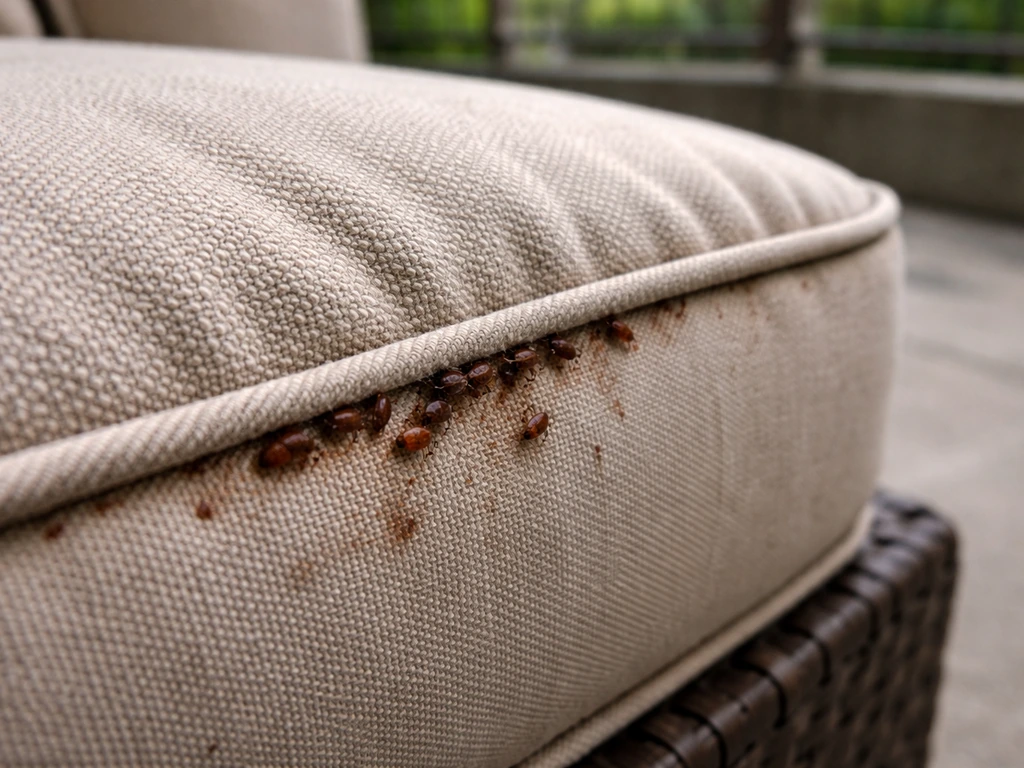
How bed bugs end up on patio furniture
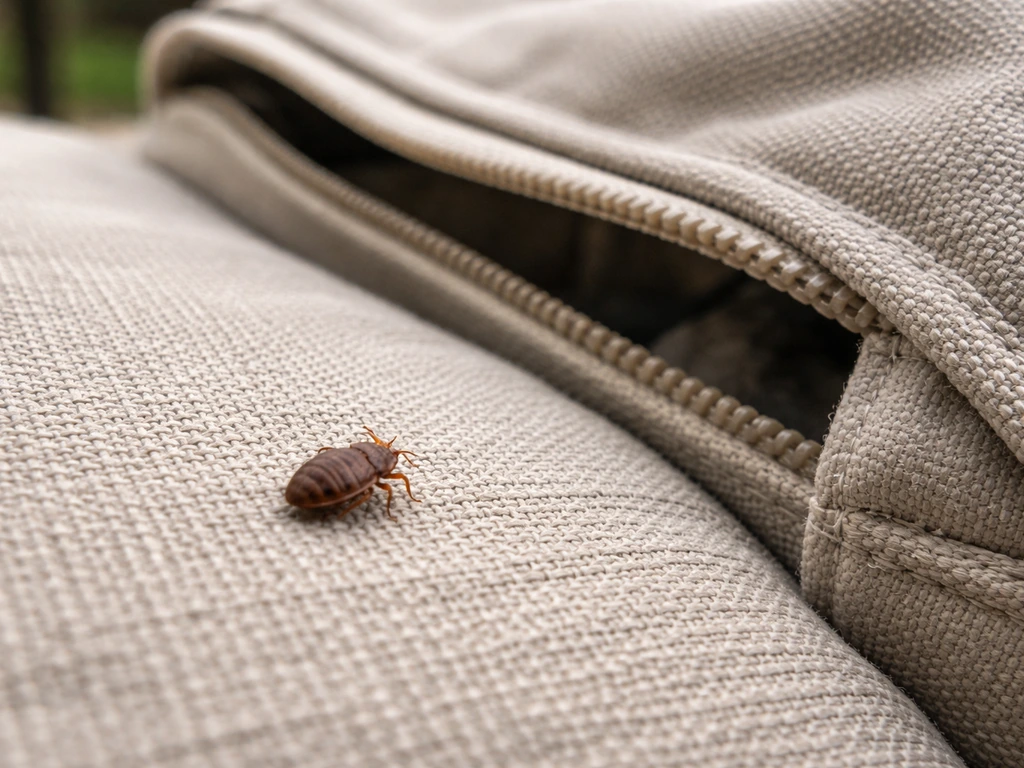
Bed bugs don't fly, and they don't jump. They hitchhike. The most common route to your patio furniture is through people: a guest sets a bag or backpack on your outdoor sofa, someone sits down after returning from a hotel or a friend's house, or you bring home a piece of used furniture and stage it outside before bringing it in.
That same human role is also why some people ask whether someone might steal patio furniture that could be carrying pests. Clothing, bags, backpacks, and luggage are the primary carriers. Bed bugs prefer human hosts and want to stay close to where people sleep, but they'll hide in any dark crevice they can find while waiting for an opportunity.
The reason they can survive outdoors, at least temporarily, comes down to temperature. Bed bugs thrive in warm conditions, roughly 25 to 30°C (about 77 to 86°F), which means on a warm summer day your patio cushions are actually a decent habitat. They won't survive a hard freeze or sustained temperatures above about 122°F, but in temperate summer conditions they can persist, feed on anyone sitting outside, and potentially work their way indoors through furniture you move inside, or through gaps and doors near the patio.
Confirming it's actually bed bugs before you treat
Don't treat until you've confirmed what you're dealing with. Bites alone aren't reliable evidence, welts and itching can come from mosquitoes, chiggers, spider mites, and a half-dozen other insects that show up on patio furniture. If you’re dealing with bug bites from patio furniture, confirming the source and treating the furniture can prevent more bites from happening bites alone aren't reliable evidence. Chiggers can also cause outdoor bite-like symptoms, but they require different identification and treatment than bed bugs. If you're also getting unexplained bites outdoors, it's worth comparing against other possibilities like chiggers, which behave differently and require different treatment. What you're looking for is physical evidence in the furniture itself.
What the evidence actually looks like
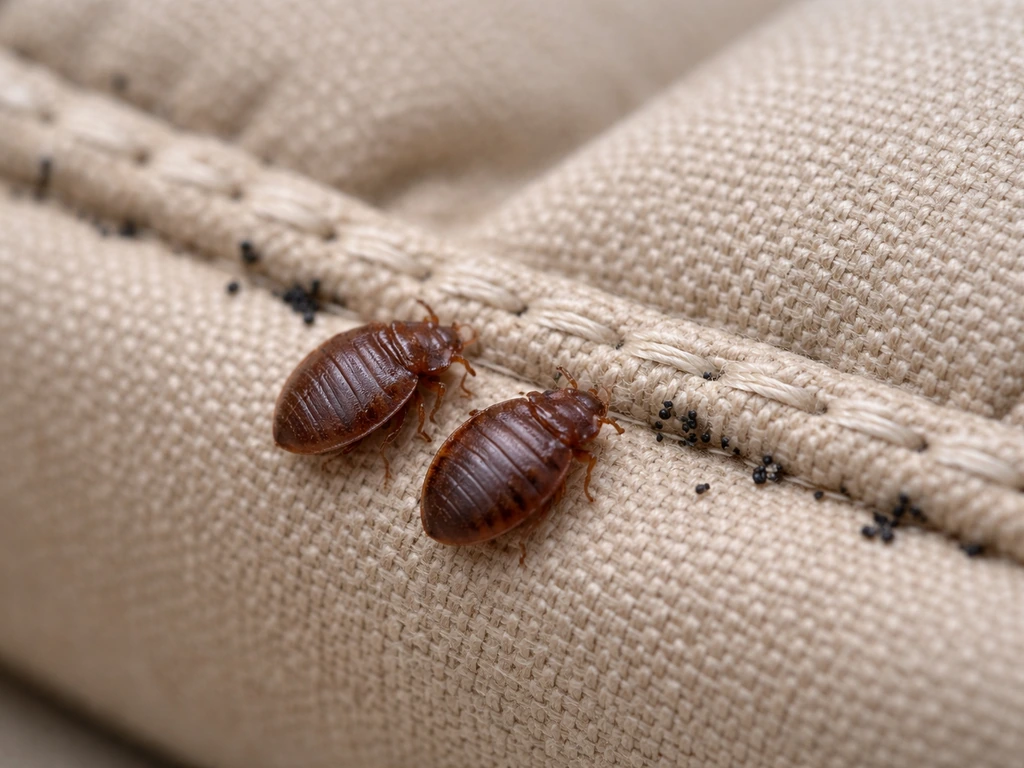
- Live bugs: Flat, oval, reddish-brown insects about the size of an apple seed. After feeding they swell and deepen in color.
- Fecal spots: Small dark black dots, sometimes described as looking like ink from a marker, often bleeding slightly into fabric. Check seams, folds, and underneath cushions.
- Shed skins: Translucent, hollow shells left behind as bed bugs molt. These are easier to spot on dark surfaces.
- Tiny eggs: White, about 1mm long, often tucked into fabric seams, screw slots, or wicker weave. They're easy to miss.
- Bloodstains: Small rusty or reddish smears on fabric from crushed bugs or interrupted feeding.
Where to inspect on patio furniture
Work methodically. On cushions, flip them over and check every seam, piping edge, and zipper. Remove covers if possible and inspect the foam insert itself. On wood or wicker frames, use a flashlight and a credit card or stiff piece of paper to probe cracks, joints, and any decorative grooves. On metal furniture, check where pieces bolt or weld together, any hollow tubing ends, and underneath armrests. Wicker is particularly tricky because the weave creates hundreds of tiny harborage points, you'll need to go section by section with a light.
One caution: dark fecal spots can sometimes look like German cockroach droppings or mold. Match the full evidence pattern. If you find fecal spots plus shed skins plus at least one live bug, you've confirmed it. If you only find spots, keep looking before committing to a treatment plan.
Immediate triage: contain the problem today
The most important thing you can do in the first hour is stop the spread. Bed bugs move on people and objects, so everything you do in the next few hours is about preventing them from getting a foothold indoors.
- Don't bring anything inside. Leave all suspected furniture, cushions, and covers outside or in the garage until treated.
- Bag anything you need to move. If you must bring cushions or covers inside to launder, seal them in a heavy-duty garbage bag first. Twist and tape the bag before carrying it through the house.
- Change your clothes. If you've been sitting on or handling infested furniture, change immediately. Bag those clothes and launder them before wearing again.
- Seal gaps near the patio door. If infested furniture is near a door or window, temporarily seal gaps with towels or draft stoppers while you work through treatment.
- Don't fog or bomb the area. Foggers scatter bed bugs rather than killing them and are specifically discouraged by the EPA for bed bug control. You'll drive them deeper into harborages or into adjacent spaces.
Treatment by furniture material
This is where patio furniture gets more nuanced than indoor furniture. You're dealing with materials that react differently to heat, moisture, and chemicals. Here's how to approach each one.
Fabric cushions and removable covers
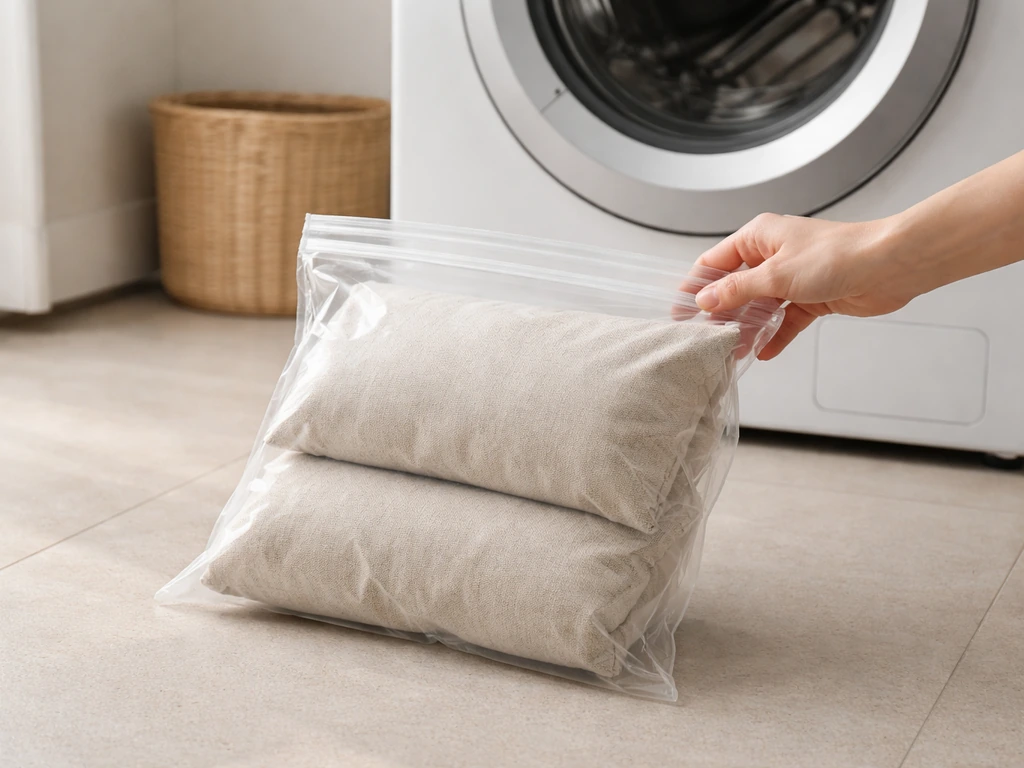
Removable covers are your easiest win. Strip them, seal them in a bag, and take them straight to the washer. The water temperature in a washing machine alone often isn't enough to kill bed bugs reliably, but the dryer is. Run covers on the highest heat setting the fabric can tolerate for at least 30 minutes. That's the kill step. The wash cycle is just for cleaning. Once dry, immediately seal them in a fresh clean bag until you're ready to put them back on treated foam.
For foam inserts that can't go in a dryer, steam is your main option (see the steam section below). If the foam is heavily infested and the cushions are cheap replacements, honestly consider discarding them. Seal the foam in bags before hauling it to the trash so you don't spread bugs during disposal.
Wicker furniture
Wicker is the hardest material to treat because of its structure. Natural rattan wicker absorbs moisture and can crack with aggressive heat or steam, so you need to be careful. Synthetic resin wicker (which is far more common in modern patio furniture and much more durable) handles steam better and won't absorb moisture. Start with a thorough vacuuming of every groove and weave joint using a crevice attachment. Then go over the entire piece with a steam cleaner, moving slowly and holding the nozzle about an inch from the surface. For natural wicker, work quickly and let it dry fully in the sun before any further treatment. Don't saturate it.
Wood furniture
Teak, eucalyptus, acacia, and painted pine all behave differently. Sealed or oiled hardwoods handle light steam reasonably well, but bare or poorly finished wood can swell, warp, or crack with direct steam. Vacuum all joints, slats, and decorative crevices first. For steam, hold the nozzle further back and keep moving, don't dwell in one spot. After treatment, let the wood dry completely (ideally in direct sun) before applying any protective oil or sealant. If your wood furniture has an outdoor finish that's already compromised, aggressive steam can lift it further, so use targeted spray treatments in those areas instead.
Metal furniture
Powder-coated aluminum and steel are the easiest to work with because they don't absorb moisture and handle heat well. Steam directly onto metal frames, paying special attention to hollow tube ends, bolt holes, welded joints, and underside channels. Bed bugs love hollow tubes because they're dark and protected. After steaming, wipe down with a dry cloth.
Metal dries quickly, but check any painted or coated surfaces for any signs of finish damage (unlikely with a single treatment, but worth noting if the coating was already worn). Wrought iron with chipped paint needs attention because the chips create additional harborage points. If you are dealing with broken patio furniture, inspect seams and crevices carefully before treating so you do not miss hidden bed bugs.
Composite and plastic furniture
HDPE lumber and composite materials handle steam and chemical treatments better than most other patio materials. They don't absorb moisture and won't crack or warp from heat under normal steam application. Vacuum first, then steam all surface joints, screw holes, and underside channels. Follow up with an EPA-registered contact spray if you want residual coverage on the surface. Let composite furniture dry in the sun before using.
Cleaning methods that actually work: heat, steam, and laundering
Heat is the most reliable DIY kill method for bed bugs. The target for instant kill is around 122°F (50°C) at the surface, but to be safe, aim for 160 to 180°F at the surface when using steam, that's what the NPMA recommends to account for penetration drop-off. Your steamer needs to actually reach that temperature at the nozzle output, which means checking the specs before buying one. Budget steamers that only get to 200°F in the boiler often drop below the kill threshold by the time steam exits. Look for a steamer rated for at least 200 to 212°F output and confirm it can hold that temperature under continuous use.
Steam application technique matters as much as temperature. Move slowly (about 1 inch per second over seams), hold the nozzle close without touching the surface, and use a low-flow setting if available. High-pressure airflow can scatter bugs before the heat kills them, which defeats the purpose. Work from the outside edges of a suspected harborage toward the center to drive bugs into the heat rather than away from it.
For launderable items, the dryer is doing the work, not the washer. High heat for 30 minutes kills bed bugs at all life stages. If the fabric can't tolerate high dryer heat (like some Sunbrella blends that are rated for low heat), run it as long as possible on medium heat. That's less reliable, but better than nothing. After drying, seal items in clean bags until the furniture frame is also treated.
One thing heat doesn't give you: residual protection. Once the surface cools, any surviving bugs or new ones introduced can recolonize. That's why heat and steam are most effective when combined with a follow-up chemical treatment or as part of a complete inspection-and-treatment sequence.
Chemical options, safe application, and when to call a pro
What to use and what to avoid
If you're using a chemical treatment, only use EPA-registered pesticides that specifically list bed bugs on the label. This isn't just a legal technicality, products without an EPA registration number haven't been reviewed for either effectiveness or safety against bed bugs. Look for the EPA registration number on the label before buying. Products containing pyrethrins, pyrethroids, desiccants like diatomaceous earth or silica gel, or neonicitinoids are among the registered options. For outdoor furniture, a contact spray followed by a desiccant in cracks and harborage areas is a reasonable approach.
Skip the bug bombs and foggers entirely. The EPA specifically cautions against foggers for bed bug control because they don't penetrate into the crevices where bed bugs actually hide. You'll get a lot of chemical exposure and very little actual control. The bugs in the seam of your wicker or inside a hollow frame tube will be completely untouched.
How to apply contact sprays safely outdoors
For outdoor furniture, targeted spot application is what works. Use a small hand sprayer or the product's own nozzle to apply directly into crevices, joints, seams, and harborage areas. Don't broad-spray the whole piece, you want chemical concentrated in the places bed bugs hide, not thinly spread across surfaces that don't provide harborage. After application, allow the furniture to dry completely before use. Avoid spraying near areas where food is prepared or served, and check product labels for drying and reentry intervals.
Signs you need professional help
Call a licensed pest control professional if you've found bed bugs on multiple pieces of furniture, if you're also finding signs indoors (check beds, sofas, and baseboards near the patio entry), if DIY treatment hasn't eliminated all evidence after two rounds, or if anyone in the household is having a strong reaction to bites. A professional has access to commercial-grade heat treatment equipment and residual insecticides that simply aren't available at retail, and they can treat the entire environment rather than just the furniture surface. If you're going the professional route, prepare by bagging and removing clutter near the patio, laundering all fabric items, and documenting where you found evidence, that information helps the technician target treatment correctly.
Preventing re-infestation and keeping bugs off your patio furniture
Because heat treatment has no residual effect, reintroduction is a real risk. The same pathways that brought bed bugs to your furniture the first time will bring them back if you don't change behavior and add some structural barriers.
Practical prevention habits
- After any travel or visit to a location with a known or suspected infestation, immediately bag and launder your clothing rather than sitting on outdoor furniture first.
- Don't set luggage, bags, or backpacks directly on patio furniture, especially cushioned pieces. Use a hard surface or luggage stand.
- Inspect any secondhand or used patio furniture before bringing it home. Look at every seam, joint, and crevice before it comes onto your property.
- If you have guests staying over or visiting from hotels or heavily shared spaces, encourage bags to be kept off fabric furniture.
- Vacuum patio cushions and furniture frames every two to four weeks during peak-use season. Dispose of vacuum contents in a sealed bag immediately.
Protective covers and storage
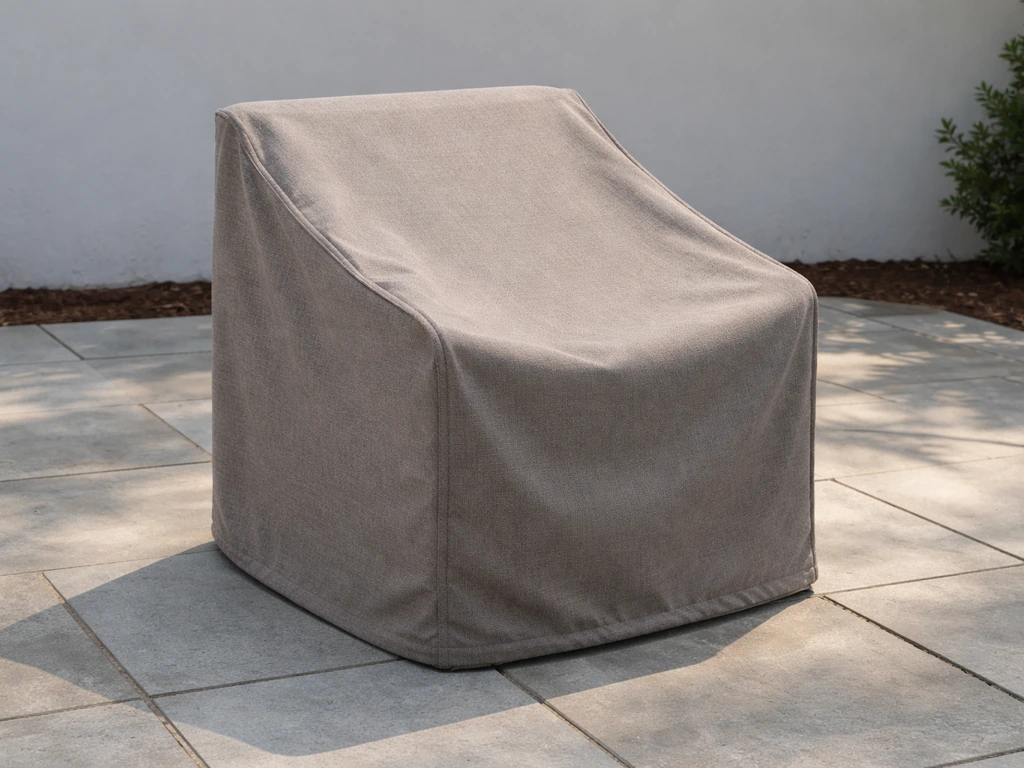
blank" rel="noopener noreferrer">Quality patio furniture covers do double duty here: they protect your furniture from weather damage and they create a physical barrier that makes it harder for hitchhiking bugs to establish a harborage on stored furniture. Bug-resistant patio furniture, along with physical barriers like covers, can further reduce the chance of hitchhiking bed bugs settling in your outdoor seating protective covers. When you store furniture for the off-season, inspect and clean everything before covering it, not after. Storing infested furniture under a cover just gives bed bugs a warm, undisturbed environment to breed through winter in milder climates.
Monitoring for early detection
Interceptor traps (passive cup-style traps that don't require bait or pheromone) are typically used under bed legs, but you can place them near patio furniture legs during high-risk periods like summer gatherings or after bringing in new furniture. They're reusable and give you an early warning before an infestation gets established. Catching one or two bugs in a trap early is a far easier problem to solve than dealing with a furniture set that's been colonized for weeks. Check them every week or two and dispose of contents in a sealed bag.
The broader principle here is that bed bugs are a contamination problem, not a failure of cleanliness. They travel on people and objects, and patio furniture is actually a lower-risk environment than a bedroom, but it's a real risk that connects directly to your indoor spaces. If you’re dealing with bugs on patio furniture, focus on stopping the hitchhiking and inspecting seams, joints, and crevices before you move anything indoors.
If your patio furniture is shocking you, the most likely cause is an electrical or grounding issue, not bed bugs, so check wiring and keep furniture away from exposed outlets why does my patio furniture shock me. That is why patio furniture safety steps, like intercepting hitchhikers and inspecting after guests or used items, matter so much patio furniture is actually a lower-risk environment than a bedroom.
Stay methodical, treat by material, use heat where you can, and close off the introduction pathways that got you here in the first place.
FAQ
I have itchy bites after guests sat on my patio furniture, but I cannot find bugs. Should I still treat for bed bugs?
If you only have bite reactions but no physical evidence in the furniture (no live bugs, shed skins, or confirmed fecal spots), treat it as a misidentification risk. First, re-check seams, piping, zipper tracks, under armrests, and hollow tube ends with a flashlight, and confirm the presence of at least one live insect or multiple matching evidence types before you commit to chemical treatment. Biting symptoms alone can also come from outdoor mites or chiggers, which won’t be solved by bed-bug-only steps.
How long should I wait to see whether my patio furniture treatment worked?
Bed bugs can be caught during the short window before they spread inside, but their life stages take time to show up. Plan on re-checking the treated furniture and nearby patio entry areas about 7 to 14 days later, and do a second treatment pass only if you still find live bugs, fresh shed skins, or new fecal spots. If you moved treated cushions back onto an untreated frame, that can create a false “failure,” so verify every mating surface is included in the process.
Can I move infested cushions or frames indoors for a closer inspection without spreading bed bugs?
Yes, moving items to “quarantine” can accidentally spread hitchhikers if you skip bagging and contact isolation. Bag cushions and launderable covers before carrying them through the house, and keep the bags closed until you are ready to heat-treat and reseal. For frames, avoid dragging them across indoor floors, and place them on a washable surface outdoors or in an isolated area until you finish steaming or applying targeted treatments.
Does washing patio cushions in hot water kill bed bugs, or do I need the dryer?
For washable covers, the washer is mainly helpful for cleaning, not for reliable kill. Use the dryer for the kill step, run the highest heat the fabric allows, and keep the covers sealed in fresh clean bags after drying until the frame is fully treated. If you cannot use the dryer due to fabric limits, do not assume “cold or low heat” laundering will solve it.
Do I have to steam the furniture frame too, or is treating the cushions enough?
When steam is your method, untreated items can get re-infested if they are placed back onto hiding places. Steam or treat the frame and all cushions at the same time, including underside channels and crevices, then let everything dry fully before reassembly. For metal or plastic frames, dry time is usually short, but for wicker and wood it can be long, and bugs can survive if you trap them in damp harborage.
How can I tell bed bug fecal spots apart from mold or other debris on outdoor furniture?
Do not rely on dark fecal spots alone, because mold stains and some roach droppings can look similar. Use a “full pattern” check: look for shed skins and at least one live bug in addition to suspected fecal spots. If you find only spots, keep inspecting other crevices and seams before deciding the treatment plan.
Are interceptor traps effective for bed bugs on patio furniture, and do they replace inspection?
Interceptors placed near legs can catch hitchhikers, but they do not replace inspection of furniture seams and hollow structures. Place traps near the legs after you treat and while you are monitoring high-risk periods, then check and dispose of contents in sealed bags every week or two. A single captured insect early is usually easier to address than waiting until you see widespread evidence.
What should I do differently if I suspect the bed bugs came from a hotel bag or used patio furniture?
If you find bed bugs outdoors after a hotel or a used item, focus on preventing “staging.” Bag clothing and bags immediately after bringing them home, inspect suitcase seams and zippers, and avoid setting opened luggage or backpacks directly on your patio cushions. For used outdoor furniture, inspect before bringing it close to indoor entry points, and treat by material immediately if you find any matching evidence.
How do I know whether my steam cleaner is powerful enough to kill bed bugs on patio furniture?
If you have a budget steam unit that loses temperature at the nozzle, it may not reach the kill threshold in real use. Before treating, check the steamer’s reported output temperature, and verify it can maintain that output continuously rather than only in the boiler. Underpowered steamers often lead to partial kills, which is why the article recommends targeting higher surface temperatures.
If it’s cold outside in winter or very hot during summer, can I just wait it out for bed bugs on patio furniture?
Because outdoor temperatures vary, you cannot count on natural freezing or heat waves to reliably eliminate bed bugs on patio furniture. Hard freezes can kill bed bugs only if they truly reach lethal temperatures for enough time, and warm spells can allow survival. Use inspection plus heat treatment or a properly labeled, registered pesticide plan rather than seasonal weather as your primary control.
When should I stop DIY steaming or spraying and hire a pest control professional?
It is possible, especially if you treat with spot applications but leave undetected bugs in crevices or reassemble before the furniture is fully dried. If you still see evidence after two rounds, or if signs appear indoors near the patio entry, pause and call a licensed pest control professional. Professionals can use commercial-grade heat and residual treatments and can target the entire pathway, not just the visible furniture surface.
Next Articles
Broken Patio Furniture Repair Guide: Fix or Replace?
Step-by-step guide to repair broken patio furniture by material, decide fix vs replace, and prevent future damage.

Common Patio Furniture Wood: Best Choices, Care & Tips
Compare common patio furniture wood types, teak, cedar, redwood, oak, with durability, finishes, and care tips.
Best Wood Patio Stain: Choosing Durable, Low-VOC Finishes
Compare and choose the best wood patio stain: durability, finish, climate tips, prep, and top product picks.