
Chiggers can land on patio furniture and transfer to your skin from there, but they do not actually live in or on your furniture long-term. They are ground-dwelling larvae that crawl up from nearby vegetation or leaf litter, hitch a ride on anything in their path (including cushions, sling fabric, or wooden slats), and move on to find a host. The furniture itself is not habitat. It is a temporary transfer point. That distinction matters a lot for how you respond, because the real fix is as much about what surrounds your patio as it is about scrubbing down your chairs.
Can Chiggers Live on Patio Furniture? What to Do Now

Theo Tierney
17 Jun 2026
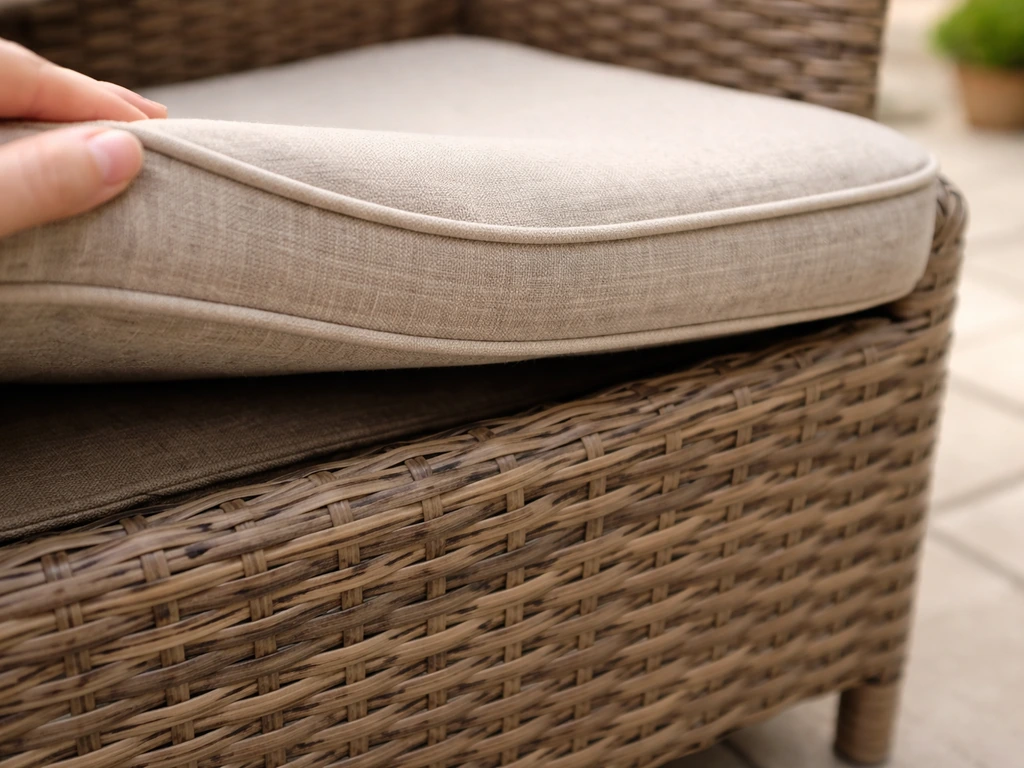
What 'living' on furniture actually means for chiggers
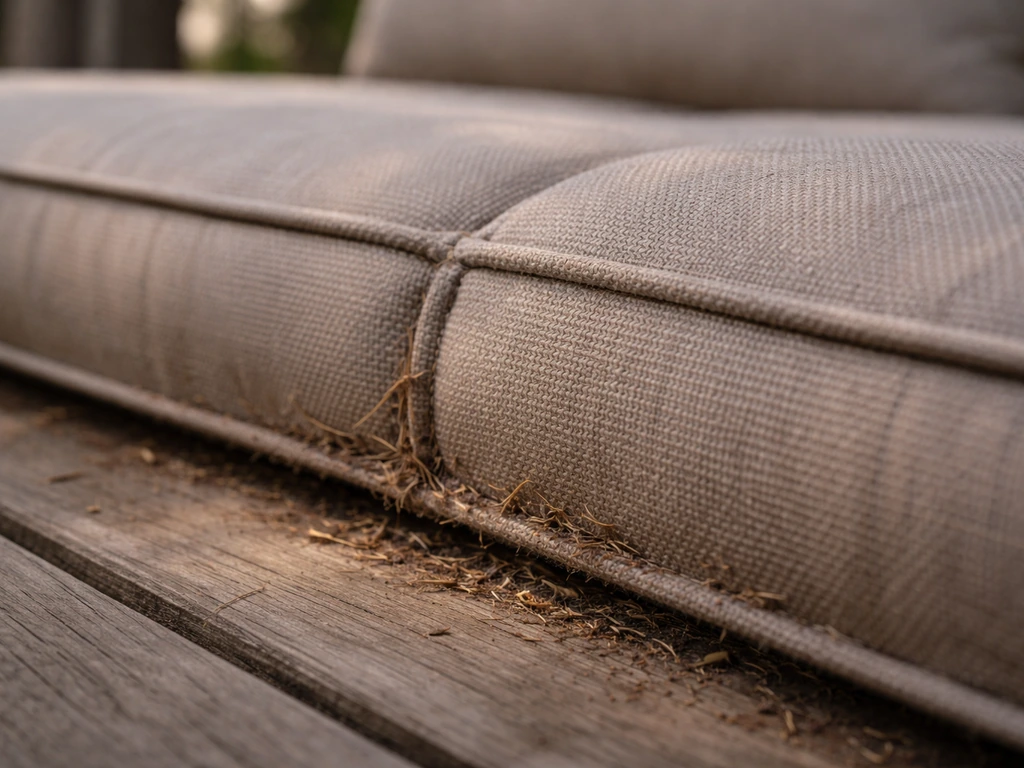
Chiggers are the larval stage of trombiculid mites. StatPearls notes that, in the widely cited life history of trombiculid mites, the parasitic stage is the larva that attaches to a host, feeds, and then drops to molt into nymphs [Chiggers are the larval stage of trombiculid mites. ](https://www. ncbi.
nlm. nih. gov/books/NBK538528/). Only the larva bites; the nymph and adult are free-living in soil and are not interested in you.
Larvae hatch from eggs laid in damp soil or leaf litter, crawl up onto low vegetation, and wait for a warm-blooded host to brush past. Once they find one, they attach, feed for roughly one to four days (some sources cite up to about twelve days in certain conditions), then drop back to the ground to molt into nymphs. They are not setting up a permanent colony in the weave of your wicker loveseat.
So when someone asks whether chiggers can live in patio furniture, the honest answer is: not in any meaningful residential sense. If your patio furniture shocks you instead of itching bites, the cause is likely electrical or static buildup, and you can troubleshoot it differently whether chiggers can live in patio furniture. They can sit on a surface temporarily, especially if that surface is close to vegetation, sits low to the ground, or has accumulated debris in its crevices.
If you set a cushion down in the grass, pick it back up, and drop it on your chair, you could transfer larvae. Larval chiggers are surprisingly hardy too. Research has documented survival in cold storage for weeks, and they can handle short submersion. That means a chigger that hitched a ride onto your chair cushion this morning is not immediately dead by noon.
It is just waiting, and if you sit down, it will find you.
Which furniture materials and spots are most likely to pick up chiggers
Not all patio furniture presents the same risk. The closer a piece is to vegetation edges and the more texture and crevice space it has, the more likely it is to act as a transfer point. Here is how the common materials stack up:
| Material | Risk Level | Why |
|---|---|---|
| Fabric cushions / sling seats | High | Soft fibers trap larvae; cushions often touch ground or vegetation during setup |
| Wicker / rattan (natural or resin) | High | Tight weave creates dozens of small crevices where larvae can hide temporarily |
| Wood (teak, acacia, cedar, pine) | Medium-High | Rough grain and unsealed end grain provide grip; gaps in slatted designs collect debris |
| Fabric sling chairs (textilene, etc.) | Medium | Smoother than cushions but still soft enough for larvae to cling, especially near seams |
| Powder-coated aluminum / steel | Low-Medium | Smooth, non-porous; larvae have less to grip, but debris in joints and welds still matter |
| Composite / HDPE plastic | Low | Very smooth surface; lowest transfer risk, easiest to wipe clean |
Beyond material type, pay attention to specific spots regardless of what your furniture is made from: the underside of seat frames (close to the ground), folded fabric hems and seam lines on cushions, the gap between a cushion and its frame, and any area where leaf debris or dirt has collected. Furniture that sits directly on grass or at the edge of a mulched bed is at higher risk than pieces centered on a clean concrete or composite deck surface.
How to tell if chiggers are actually the problem
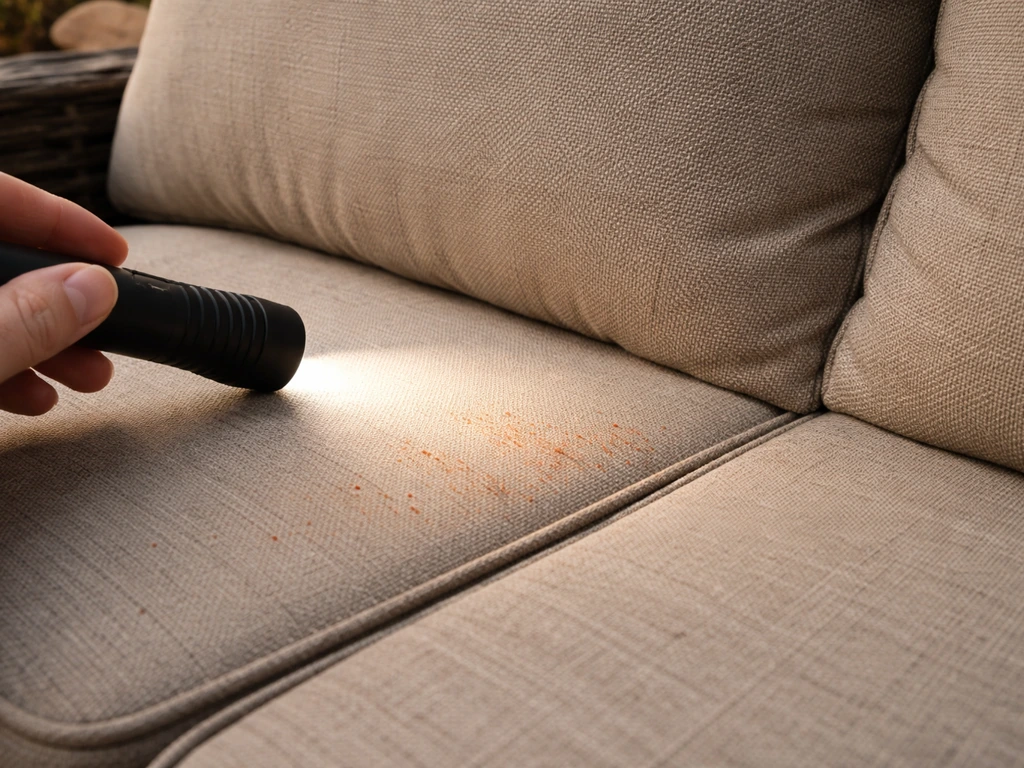
Chiggers themselves are nearly invisible, at around 0.15 to 0.3 mm, so you are not going to spot individual larvae on your loveseat without a magnifying glass. What you are more likely to notice first is the bites. Chigger bites show up as intensely itchy red welts, often in clusters, and almost always at spots where clothing fits tight or skin is thinner: around your sock line, waistband, behind the knees, armpits, and groin. If you are consistently getting bitten after sitting on the patio but not elsewhere, that is a strong indicator. The welts sometimes have a tiny reddish center point from the feeding tube the larva creates.
To do a quick inspection of the furniture itself, look for reddish-orange or yellowish specks (clusters of larvae appear as faint color rather than individual bugs) in fabric seams, in wood grain crevices, or in wicker weave. A white piece of paper or cloth pressed briefly into a suspect area and then examined under bright light can help you spot movement. That said, a negative visual inspection does not rule them out. If the bites point to your patio furniture, treat it regardless. Treating your patio furniture for chiggers is a practical way to break the cycle after bites start.
It is also worth ruling out other culprits. Bites that appear on upper arms, neck, and torso more than on the lower body and ankles are less likely to be chiggers and more likely to be something else entirely. If you have been dealing with unexplained bites around your outdoor seating area more broadly, it may be worth checking out related issues like bugs on patio furniture generally or bed bugs on patio furniture, which follow different bite patterns and require different treatment steps. Bed bugs on patio furniture can cause different bite patterns and usually require separate treatment from chiggers.
Today's cleanup plan: inspecting and treating your furniture by material
If you suspect chiggers on your furniture right now, here is what to actually do today. Work through these steps in order.
Cushions and fabric
Remove all cushion covers if they are zippered or otherwise removable and wash them in hot water, then dry on high heat. This is the same core recommendation the CDC and NYC Health use for clothing and gear after arthropod exposure, and it is effective. For cushions with non-removable covers, a thorough vacuuming of all surfaces (including sides and undersides) followed by a wipe-down with a mild soap solution is your next best option. Let them dry fully in direct sunlight, which adds some additional deterrent effect.
Wicker and rattan (natural or resin)
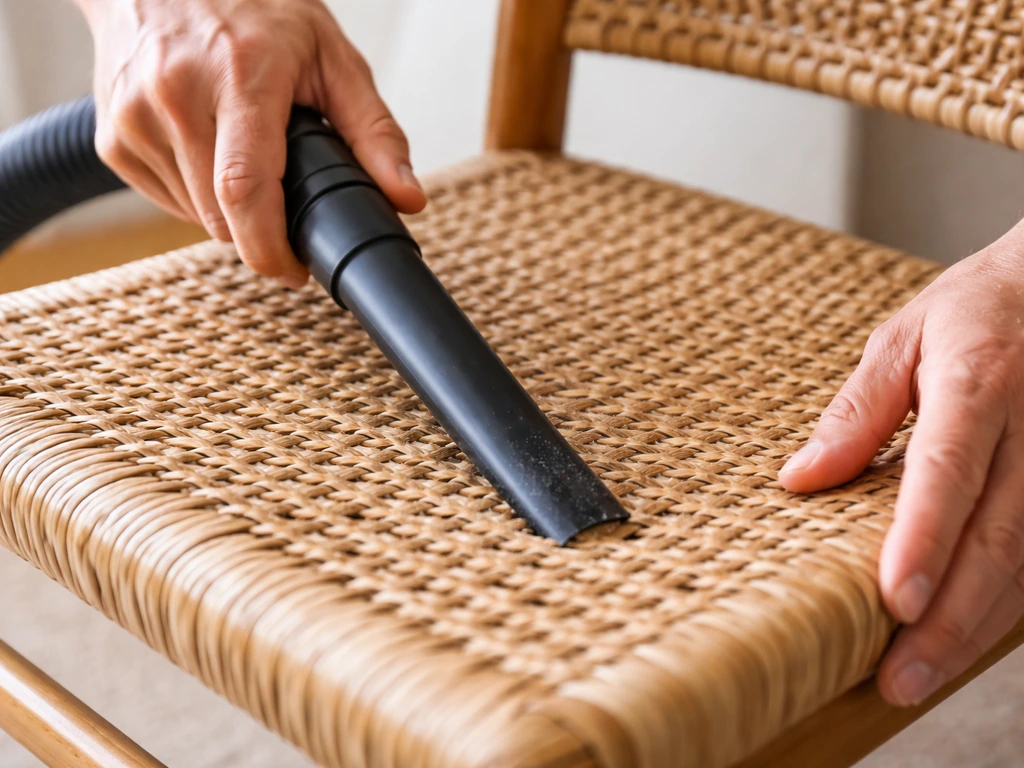
Vacuum the entire frame carefully using a crevice tool, working into the weave from multiple angles. Resin wicker can then be wiped down with soapy water and rinsed. Natural wicker is trickier because excess moisture accelerates breakdown of the fibers, so use a lightly dampened cloth rather than a full rinse. After cleaning, let it dry completely before covering or storing it. For natural wicker that sees heavy use in humid climates, this kind of crevice-cleaning is good seasonal maintenance anyway.
Wood furniture (teak, acacia, cedar, pine)
Vacuum slatted surfaces and joints, then scrub with a mild soap solution and a stiff brush, paying extra attention to end grain and any spots where the finish has worn away. Those open-grain areas are exactly the kind of texture chigger larvae can cling to temporarily. Rinse and dry thoroughly. If you have been putting off re-sealing or oiling your teak or acacia, this is a good prompt to do that after cleaning, since a well-maintained sealed surface is smoother and easier to keep clean.
Metal and composite frames
These are your easiest materials to deal with. Wipe down all surfaces with a soapy cloth, paying attention to any joints, welds, or frame connectors where debris collects. Rinse and dry. Powder-coated aluminum and HDPE composite do not give chigger larvae much to work with, so a thorough wipe-down is usually sufficient. Bug-resistant patio furniture made from smoother, harder-to-keep-crevices materials can also reduce how often chiggers use your seating as a transfer point.
Outdoor-safe treatments if you want an extra layer
For fabric surfaces that cannot be washed, a spray of permethrin-based fabric treatment (the same product used to treat clothing and gear) is a practical option. The EPA specifically lists permethrin as the repellent used for factory treatment of clothing and gear, and it is effective against chiggers. Follow the product label for application and drying times, and do not apply it to skin. Spray the fabric, let it dry completely before use, and reapply after any laundering.
For the broader patio perimeter, perimeter sprays labeled for chiggers or mites (pyrethroids like bifenthrin are commonly labeled for this in UGA Extension guidance) applied around the edges of the patio can reduce larvae migrating from adjacent vegetation, but that is a secondary step after the physical cleanup.
Reducing your exposure while you actually use the patio

Even after cleaning your furniture, some practical habits during patio use will meaningfully reduce your exposure, especially during peak chigger season from late spring through fall. If you are dealing with chiggers on patio items, it is also worth checking whether the furniture has been left unattended or moved recently, since pests can hitchhike on items that were stored outside do people steal patio furniture.
- Move furniture toward the center of the patio and away from lawn edges, mulched beds, and shrub borders. Chigger larvae rarely travel more than a foot or two off the ground from their vegetation staging spots, so distance matters.
- Use EPA-registered repellents on exposed skin before sitting outside. Products containing 20% or more DEET, picaridin, or IR3535 are effective and provide several hours of protection. Apply to exposed skin, not under clothing.
- Tuck pants into socks or wear tall socks and closed shoes when you know chigger pressure is high. The most common bite sites are ankles, sock lines, and waistbands, so covering those transition points helps a lot.
- Shower with soap and water as soon as you come indoors if you have been sitting in a suspected area. Larvae that have not yet attached can be washed off, and early removal reduces bites significantly.
- Wash any clothing worn outside in hot water and dry on high heat if you have been in a high-exposure situation. The same high-heat laundry approach that works for ticks works for chigger larvae on fabric.
- Avoid placing cushions on the ground or in grass. If you need to store them temporarily, use a clean hard surface rather than setting them in the lawn.
Longer-term prevention: the real solution starts around the patio, not on it
Since chiggers live in vegetation and soil rather than on furniture itself, controlling what surrounds your patio is the most effective long-term strategy. Following these patio furniture safety habits can help reduce the chance of chigger bites during outdoor use furniture itself. The furniture cleanup is a necessary immediate step, but if you stop there and do nothing about the habitat feeding larvae into your seating area, you will be cleaning the furniture again next month.
Vegetation and lawn management
Keep grass trimmed short around the patio perimeter. Chigger larvae concentrate in overgrown lawns, tall weedy grass, thickets, and dense ground cover because those environments stay moister and provide better staging height for attaching to a passing host. Mississippi State Extension is explicit that maintaining a trimmed yard and reducing excess leaf litter and weeds directly reduces chigger density. Aim to maintain a mowed buffer of at least a few feet around your patio seating area, and pull or treat any weedy patches at the margins.
Leaf litter and organic debris
Rake and remove leaf litter from around the patio, especially from against fences, under shrubs, and along the perimeter of mulched beds. Leaf litter and dense organic debris is prime egg-laying habitat for adult female chiggers, who deposit eggs in damp soil and decomposing material. Clearing it reduces the population source. This is also just good general patio maintenance, since accumulated leaf debris accelerates moisture damage to wood and composite frames.
Seasonal habits
Chigger larvae are active from late spring through fall, with peak populations typically in early to midsummer in most of the US. Texas A&M AgriLife Extension notes that chigger larvae are active from late spring through fall, aligning with seasonal prevention timing. Build a seasonal inspection habit: check cushion seams and wicker crevices at the start of patio season (late spring), again at midsummer, and do a thorough clean-and-store routine before winter. If you are in a humid climate like Florida or the Gulf Coast, that window extends longer and warrants more frequent checks. Dry, arid climates like Arizona see less chigger pressure overall because the low humidity limits larval survival and egg development.
If you are thinking more broadly about what makes outdoor furniture less hospitable to insects and pests over time, material choice plays a role there too. Smooth, non-porous surfaces like powder-coated aluminum and high-density composite are simply harder for any soft-bodied arthropod to cling to compared to natural wicker or rough-sawn wood. That is one more practical argument for choosing lower-maintenance materials if you are in a high-pest-pressure climate, and it fits into the same decision framework you would use when evaluating bug-resistant patio furniture options more generally. If you are shopping, look for options marketed as broken patio furniture alternatives that are easier to keep clean and less likely to trap larvae in crevices bug-resistant patio furniture.
FAQ
How long can chiggers stay on patio furniture after they hitchhike there?
They can persist long enough to cause bites the same day or shortly after, because the larval stage can survive at least briefly off the ground. That is why cleaning and drying cushions and frames promptly after you notice bites matters, even if you do not see them. Plan on treating it as a temporary transfer spot for days, not minutes.
If I covered my patio cushions in a bin or storage bag, can chiggers still get to me?
Yes, if the items were already carrying larvae when they were covered, chiggers can remain on the fabric until they find a host. Also, storing containers outside keeps the surrounding vegetation and soil conditions available. If you store furniture outdoors, consider cleaning first, then storing in a fully enclosed space, or bring cushions into a dry, enclosed area.
Does washing and drying cushions in hot water eliminate chiggers completely?
Hot wash and high-heat drying is very effective for removable fabric covers, but only if the items fully reach the dryer’s heat long enough. If you can only spot-clean or the cover is not removable, use a thorough vacuuming plus wipe-down approach, and let everything dry completely before reuse to reduce any larvae that were not physically removed.
Can chiggers bite through socks, thin fabric, or swimsuit material?
Typically, chigger larvae attach to skin at areas where clothing fits tightly, but tight fabric can still transmit the bite if the material allows close contact. To reduce risk, change into dry clothing promptly after outdoor time and consider longer socks or pants tucked at the waistband line, especially during peak season.
What if I only get itchy bites when I sit in one specific chair or spot?
That pattern usually points to a transfer point like that chair’s underside, seam lines on cushions, or a nearby debris pocket (for example, leaf litter caught near one leg). Focus your inspection and cleaning on that specific seating area, including the ground contact point and the space under and behind the chair.
Are chiggers the same thing as fleas, mites, or mosquitoes when it comes to itchy welts outdoors?
Not exactly. Chiggers are larval mites that cause very itchy, clustered welts often along tight clothing lines. Flea bites often concentrate around the lower legs, and mosquitoes tend to leave larger welts with less of a tight-line pattern. If bites are on the upper body more than the legs after patio use, prioritize identifying the real source before repeating treatments.
How can I tell whether it is chiggers versus bed bugs on patio furniture?
Bed bug bites often appear after people have been resting or sleeping, and the pattern can include exposed areas across the body, not just tight clothing zones. Chigger bites more strongly match sock lines, waistband, behind knees, and other contact points. If you have been sleeping or reclining on the furniture overnight, investigate bed bug indicators separately and avoid relying on chigger-only cleaning steps.
Should I use permethrin spray on my furniture, or is vacuuming and washing enough?
Use permethrin-based fabric treatment when you cannot wash a fabric cushion or cover thoroughly, especially on textured seams or upholstery. If the fabric is washable, cleaning first is usually the more controlled approach. Always apply only to fabric, follow the label’s drying time, and keep it away from skin and food-contact areas.
Will bug bombs or foggers help with chiggers on patio furniture?
They are usually not the best tool because chiggers are not living in furniture as a colony, they are being transferred temporarily from vegetation and soil. Foggers may reduce some nearby insects, but they do not replace the need to clean seams and crevices and to reduce the habitat around the patio perimeter.
What patio perimeter steps give the biggest payoff if chiggers are coming from nearby grass or beds?
Trim grass close to the seating area, remove leaf litter along fences and shrubs, and reduce dense ground cover at the margins. These steps reduce the moist staging environment larvae prefer and directly lower the number of larvae that can climb onto passing hosts.
Do chiggers survive better on natural wicker or on metal and composite?
Natural wicker and rough-sawn wood tend to trap debris and create more micro-crevices, which can help larvae temporarily cling and avoid removal. Powder-coated aluminum and high-density composite are smoother and easier to wipe down, so thorough cleaning is often sufficient. If you must keep natural wicker, prioritize seasonal crevice cleaning and drying.
Next Articles
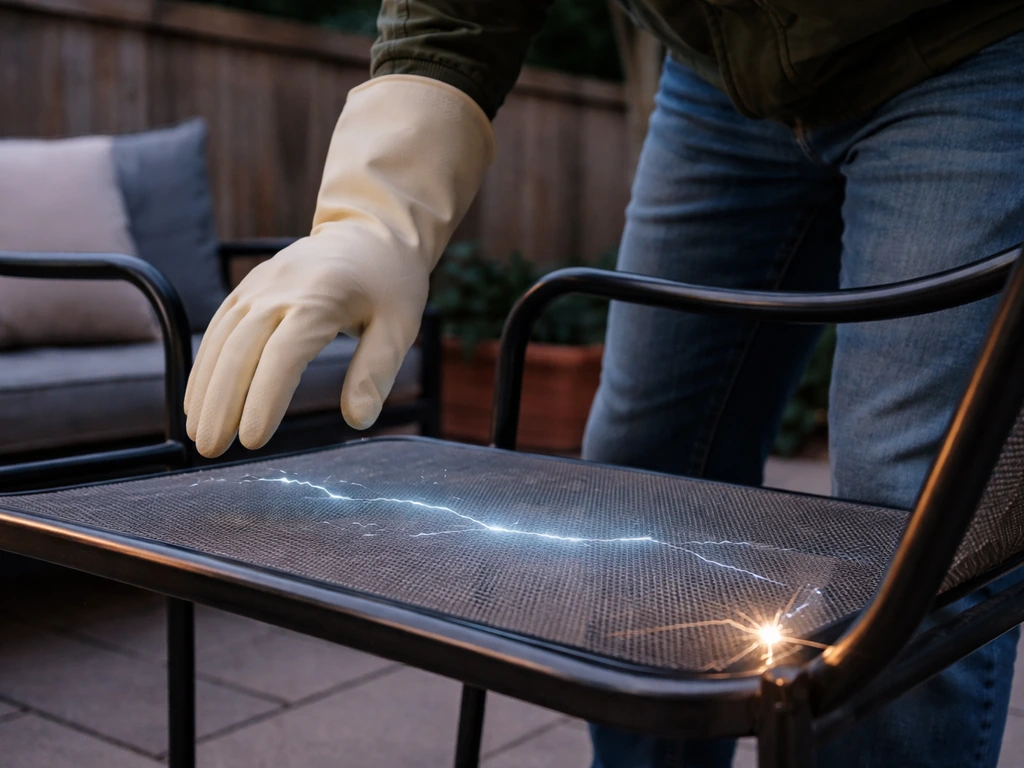
Why Does My Patio Furniture Shock Me? Causes and Fixes
Troubleshoot why your patio furniture shocks you, find causes from static to wiring issues, and apply safe fixes today.

Patio Furniture Safety Guide: Prevent Injuries and Weather Damage
Learn patio furniture safety to prevent injuries and weather damage with inspection, cleaning, and weather-proofing tips
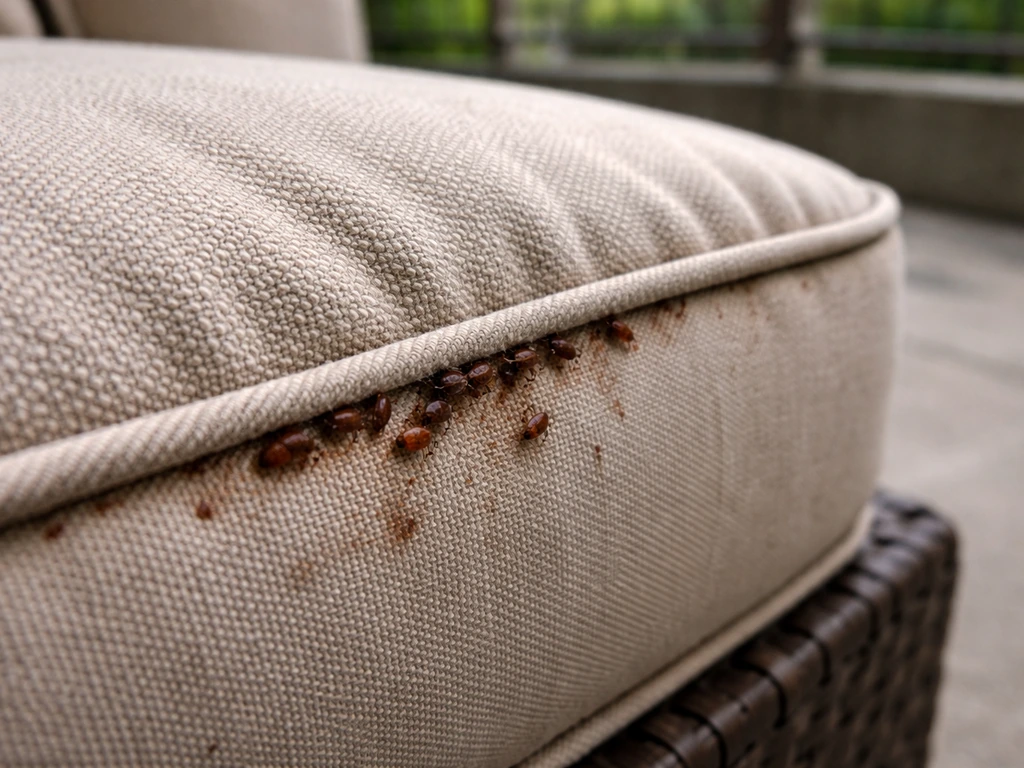
Bed Bugs on Patio Furniture: Identify, Treat, and Prevent
Confirm bed bugs on patio furniture, stop bites, treat by material, contain spread, and prevent re-infestation indoors.