
If you're getting bitten every time you sit outside, the bites are most likely coming from mosquitoes, biting midges (no-see-ums), or fleas that have taken up residence in your cushions, not from the furniture itself. CDC notes that blank" rel="noopener noreferrer">bed bug bites can look similar to mosquito or flea bites, with slightly swollen or red, itchy bumps. But in some cases, the furniture really is harboring the problem: chiggers, mites, ants, or even bed bugs can nest in cushion seams, wicker gaps, or rotting wood frames and bite you from close contact. The fix depends on which pest you're dealing with, so the first step is figuring that out before you do anything else. If your patio furniture seems to shock or irritate you when you sit down, treat it as a potential cause and inspect the cushions, seams, and frame for hidden pests or moisture problems.
Bug Bites From Patio Furniture: Causes, Relief, Prevention

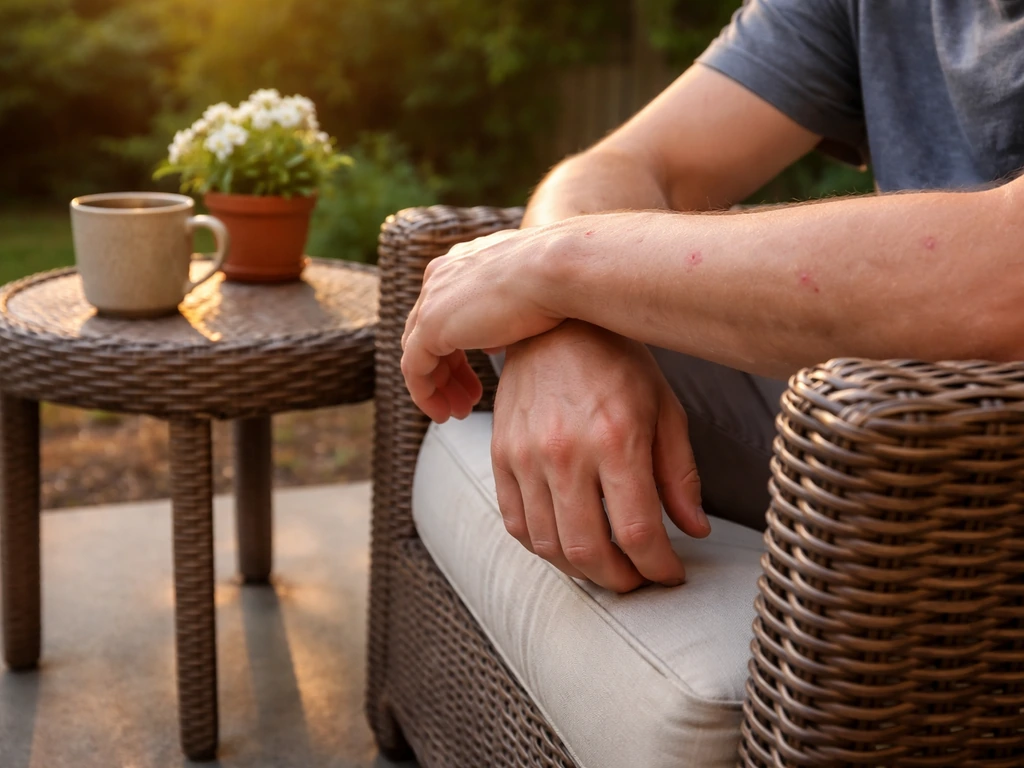
How patio furniture bug bites actually happen
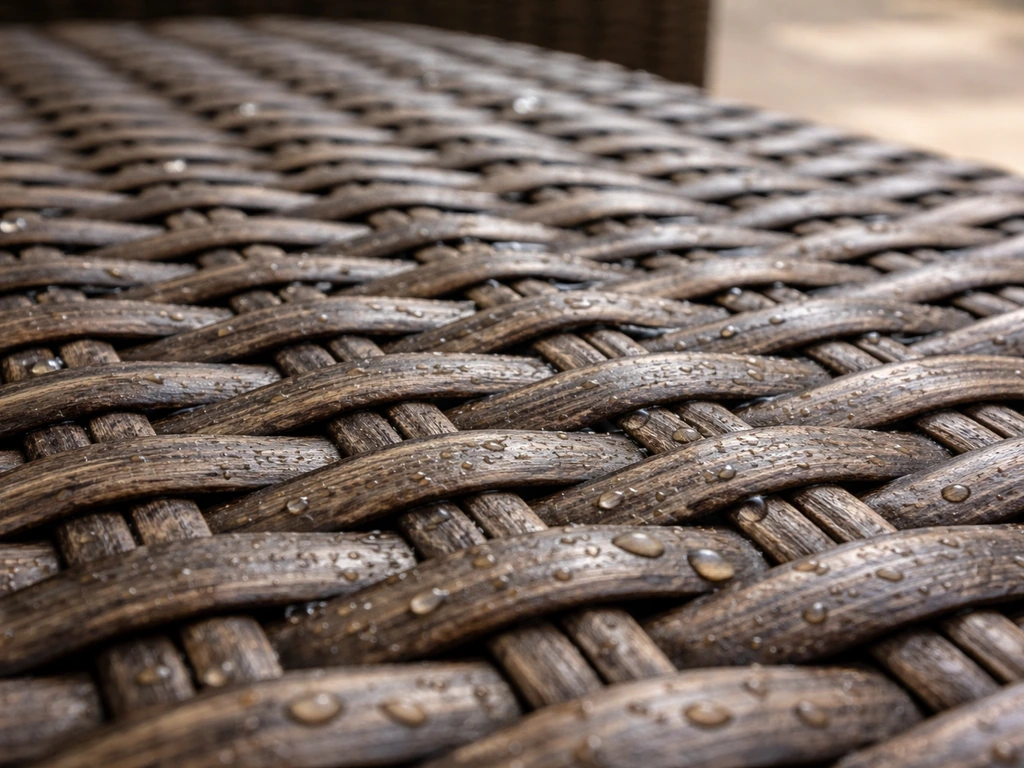
Most outdoor bites happen because your patio creates an environment bugs love: shade, moisture, warmth, and resting spots close to humans. Mosquitoes and biting midges are drawn to the CO2 you exhale and the body heat you radiate while sitting still. They don't live in your furniture, they just find you there. Fleas are a different story. If you have pets that use the patio, fleas can drop off in cushion fibers and wait. Chiggers ride in on grass, drop from plants nearby, or hitch in on clothing, and they tend to bite where clothing is tight, like your waistband or sock lines. blank" rel="noopener noreferrer">Fire ants nest under or near furniture, especially on concrete or stone patios with gaps, and swarm exposed skin when disturbed. The more furniture-specific culprits are mites, which can colonize damp wicker or rotting wood, and bed bugs, which (while uncommon outdoors) can spread to patio furniture when infested items are brought outside or stored in garages.
The construction of your furniture matters here. Wicker with tight weave gaps, cushions with unsealed seams, wood frames with cracks or rot, and any piece that traps moisture are all more likely to shelter biting insects than smooth powder-coated aluminum or solid teak with proper finish. If your furniture sits in a shaded, humid corner and the cushions never fully dry, you've basically built a pest hotel. If your patio furniture is broken or has damaged seams and frames, it can give pests extra hiding spots broken patio furniture.
Figure out what bit you before you treat anything
Bite pattern and timing are your best clues. You don't need to catch the bug in the act. Here's how to read the evidence:
| Pest | Bite appearance | When/where you feel it | Key clue |
|---|---|---|---|
| Mosquito | Puffy, red, raised bump; appears within minutes | Any exposed skin while sitting outside, especially dusk/dawn | Itching starts immediately; single or scattered bites |
| Biting midges (no-see-ums) | Tiny red dots, intense itch for small bites | Ankles, arms, neck; calm evenings near water or grass | You can't see what bit you; bites cluster on exposed areas |
| Fleas | Small red bump with a halo, often in clusters on lower legs | Ankles and lower legs especially; bites while seated | Pets use the patio; bites happen at ground level |
| Chiggers | Red welts that intensify over 24–48 hours, last up to two weeks | Waist, belt line, sock lines, tight clothing areas | You were near grass or plants; bites cluster under clothing edges |
| Fire ants | Multiple stings in a cluster, pustules form within hours | Feet, ankles, any skin touching ground or furniture base | Sudden sharp burning pain; you likely disturbed a nest |
| Mites or bird mites | Tiny red bites, often widespread | After sitting on specific furniture pieces | Bites happen in one spot consistently; no flying insects visible |
| Bed bugs | Swollen, red, itchy welts similar to mosquito bites | Exposed arms, legs, neck after prolonged contact | Bite marks after long sitting; look for rust-colored spots on cushions |
Do a physical inspection after noting your bite pattern. Pull cushions off and check the seams underneath. Flip the furniture and look at joints, slats, and frame connectors. On wicker pieces, look into the weave gaps with a flashlight. On wood furniture, check for soft spots, staining, or webbing. On metal furniture, inspect any rubber feet, hollow tubes with open ends, or areas where water pools. Bed bug evidence includes rust-colored spots (dried blood), shed skins, or tiny dark fecal spots. Fire ant nests look like loose soil mounds near the furniture base. Fleas are visible if you put on white socks and walk the area. Mite infestations are harder to see without magnification but typically show up on furniture that's been in contact with birds, rodents, or heavily composted areas.
Fast relief for fresh bites
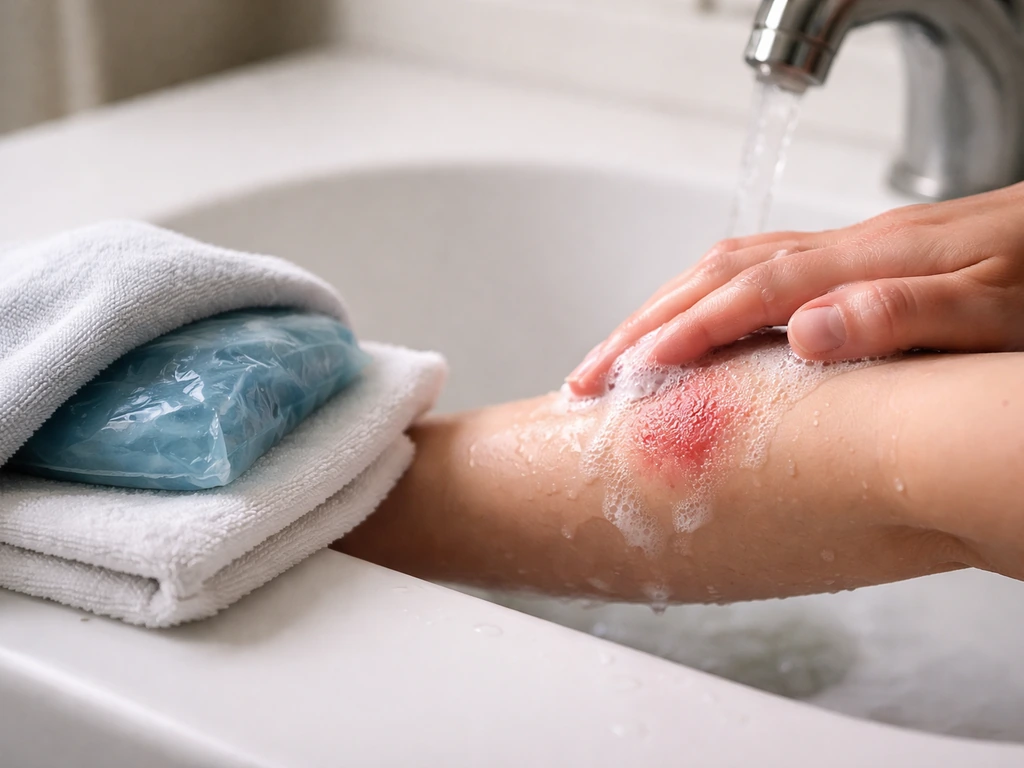
Before you deal with the source, treat yourself. Mosquito bites cause itching and swelling because your immune system is reacting to the insect's saliva. The same basic response applies to most biting insects. The faster you address it, the less it will bother you.
- Wash the bite area with soap and water right away to remove any residual irritant.
- Apply a cold pack or ice wrapped in a cloth for 10 minutes to reduce swelling.
- Use an over-the-counter hydrocortisone cream (1%) or calamine lotion directly on the bite to cut itching.
- Take an oral antihistamine like diphenhydramine (Benadryl) or a non-drowsy option like cetirizine (Zyrtec) if itching is widespread or intense.
- For chigger bites specifically, a hot shower and thorough scrubbing can help remove any still-attached larvae; apply anti-itch cream immediately after. Symptoms can last up to two weeks, but the worst itching typically eases after the first day or two.
- For fire ant stings, do not scratch or pop the pustules that form. Scratching breaks the skin and significantly raises your infection risk. Clean the area, apply cold, and use hydrocortisone.
- Keep the bite area clean and dry over the next few days and watch for signs of infection.
Clean the furniture and patio area right now
Once you've treated yourself and identified the likely pest, deal with the furniture immediately. People sometimes steal patio furniture, so if anything seems missing or tampered with, check your belongings and the area before you assume an insect problem deal with the furniture immediately. Don't wait on this. If there's an active infestation and you sit outside again tonight, you'll just get bitten again.
Cushions and fabric
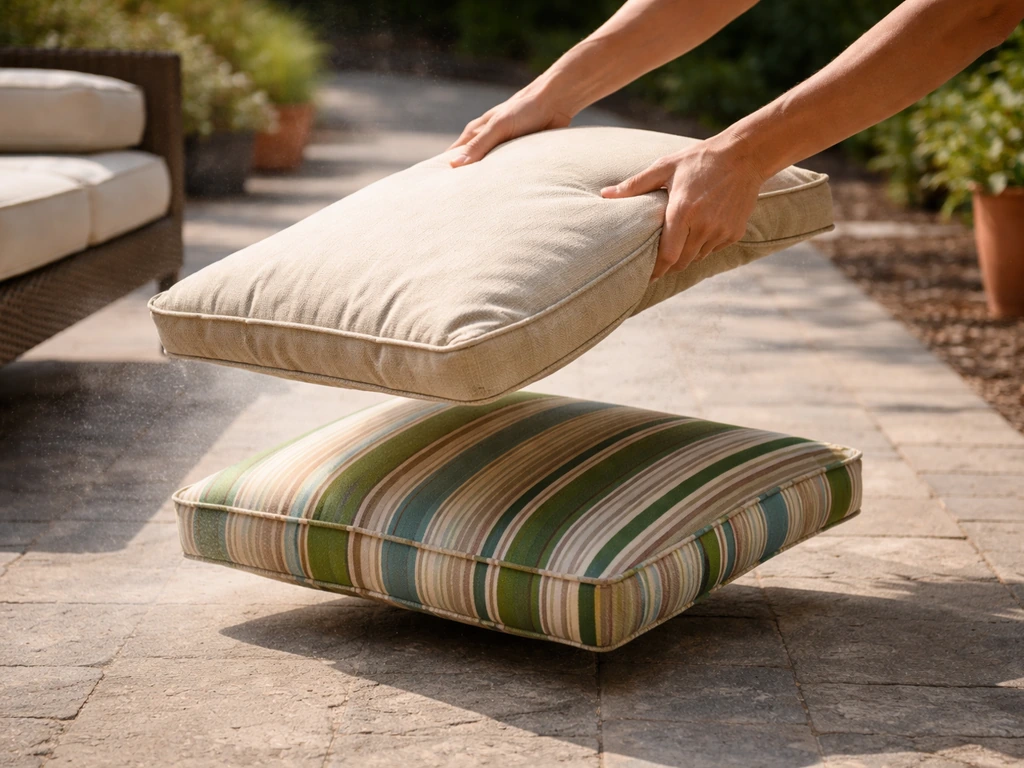
Remove all cushions and take them to an open area away from the furniture. Shake them out vigorously. If the covers are removable and machine washable, wash them on the hottest setting the fabric allows. Heat kills fleas, mites, and most other pests. If the foam core is suspect, place it in direct sunlight for several hours (UV and heat help), or if you have confirmed fleas or mites, consider replacing the foam. For cushions you can't wash, use a handheld vacuum to get into every seam and fold, then treat with a fabric-safe insecticide spray designed for upholstery. Let everything dry completely, in the sun if possible, before putting it back.
The furniture frame
Vacuum the entire piece, including every wicker gap, slat space, and joint. Use a stiff brush on wicker to dislodge debris packed into the weave. For wood furniture, inspect for soft or rotting areas where insects may be nesting. If you find rot, address it now by sanding back to solid wood and applying a sealant, because rotting wood is a persistent pest magnet. For metal furniture, check that hollow tubes are capped or screened, since wasps and other insects use open tube ends as nesting spots. Wipe all surfaces with a diluted solution of dish soap and water, then rinse and let air dry fully.
The patio surface and surroundings
Move the furniture temporarily and sweep or blow the entire patio surface. Look for ant nests under furniture legs, in cracks between pavers, or at the base of walls. If you find a fire ant mound, treat it directly with a granular or liquid fire ant killer product. Trim back any plants, ground cover, or grass that's encroaching on the patio edge, since chiggers and fleas live in vegetation and walk onto the hardscape from there. Remove any standing water nearby, including saucers under planters, because mosquitoes can breed in as little as half an inch of water. If there's a bird nest on or near the patio structure, bird mites can migrate from it to nearby furniture, especially late in the season when nestlings leave. Remove the nest once it's been vacated.
Long-term prevention: material and maintenance choices that actually help
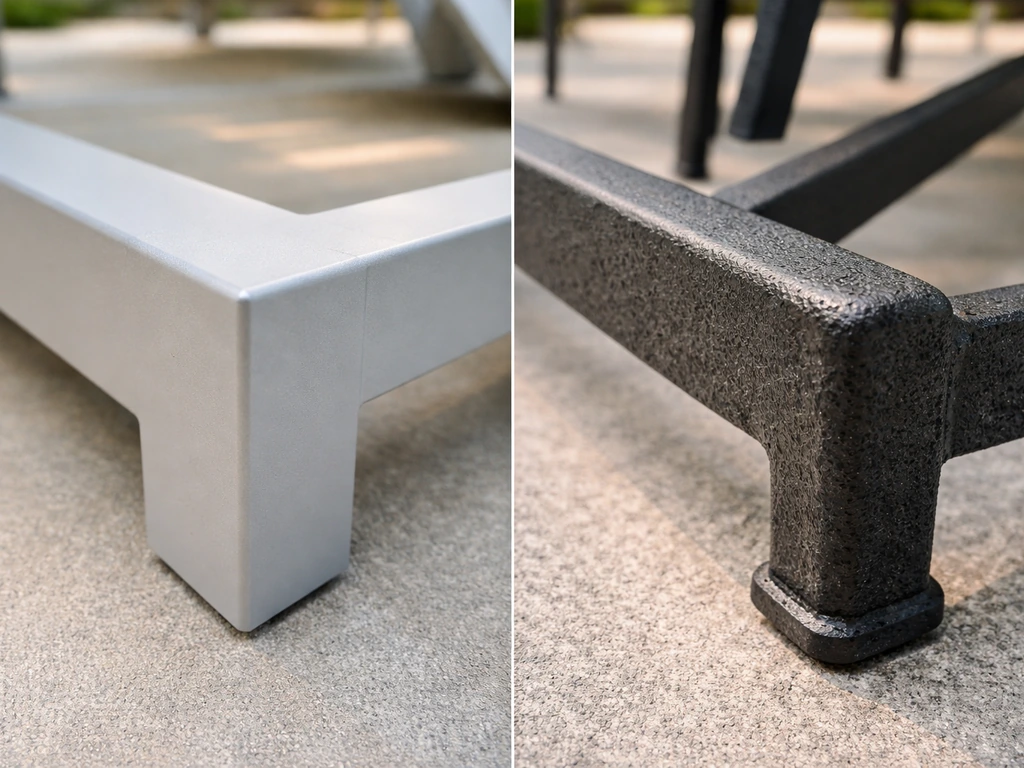
This is where your furniture choices start to matter beyond aesthetics. Choosing bug-resistant patio furniture reduces the surface hiding spots pests need and makes long-term prevention much easier more pest-resistant patio furniture. Some materials and designs are genuinely more pest-resistant than others, and the right maintenance habits can dramatically reduce how often bugs become a problem.
Material and construction
Powder-coated aluminum and wrought iron are the least hospitable materials for insects. The smooth, non-porous surfaces give bugs nowhere to hide or nest, and there's no organic material to decompose and attract pests. Aluminum also doesn't retain moisture, which is a huge factor. Solid teak and other dense hardwoods can work well if they're properly sealed and maintained, but any cracking, checking (small surface cracks), or rotting wood becomes a pest residence fast. Cheaper softwood furniture, especially pine, is the worst offender because it rots quickly and soaks up moisture. Natural wicker (rattan) has the most pest risk of any frame material because the weave creates dozens of small cavities. If you live somewhere humid (Florida, the Gulf Coast, Pacific Northwest), natural wicker will eventually harbor moisture and insects no matter how well you maintain it. HDPE resin wicker, which mimics the look but has a solid, synthetic weave, is far more resistant. Composite and recycled plastic materials fall in the same favorable category as aluminum for pest resistance.
Cushion covers
This is one area where upgrading pays off. Cushion covers with full zipper closures let you wash the covers easily and inspect or replace foam. Covers made from solution-dyed acrylic (like Sunbrella fabric) resist mold and mildew much better than polyester covers because the dye goes all the way through the fiber, making the material less hospitable to the moisture that attracts insects. Avoid leaving cushions outside overnight if you're in a humid climate or near standing water. Moisture that builds up overnight is one of the biggest drivers of mite and mold issues. Store cushions in a ventilated container or a deck box with drainage holes, not an airtight plastic bin, which traps humidity.
Ongoing maintenance habits
- Deep-clean cushion covers at least once mid-season and again before storing for winter.
- Inspect furniture frames quarterly for cracks, soft spots, or debris buildup in joints and gaps.
- Seal wood furniture annually with a penetrating oil or sealant appropriate to the species (tung oil for teak, marine spar varnish for painted wood).
- Store furniture and cushions off-season in a cool, dry location with good airflow. A breathable furniture cover works better than sealed bags or bins, which trap moisture.
- Keep the patio surface clear of leaf litter, potting soil spills, and organic debris, since these are chigger and flea habitat.
- Treat the perimeter of your patio with a granular insect barrier product in late spring and midsummer if you've had repeat pest problems.
- Check under furniture legs and in frame joints after rain, since wet conditions are when most insects move and nest.
A note on furniture placement
Where you put your furniture affects bite frequency as much as what the furniture is made of. Avoid placing seating directly under trees where birds nest or where sap, seeds, or debris fall. Keep furniture a foot or two away from planters and garden beds. If you're in a wooded or grassy area, positioning furniture on an elevated deck rather than at ground level reduces contact with soil-dwelling insects like chiggers and ants considerably.
When to call a doctor or a pest professional
Most bug bites are genuinely annoying but not dangerous, and home treatment handles them fine. But there are specific situations where you need more than hydrocortisone cream.
See a doctor if:
- A bite swells significantly beyond the bite site, especially if swelling spreads rapidly or involves your face, lips, or throat.
- You develop hives, shortness of breath, dizziness, or nausea after being bitten (these are signs of a systemic allergic reaction and require immediate care).
- A bite becomes infected: signs include increasing redness, warmth, pus, red streaking extending from the bite, or fever.
- Fire ant stings result in large areas of swelling or you were stung many times at once, especially if you have any history of allergic reactions to insect venom.
- Bites don't improve after a week or worsen over time despite proper care.
- You suspect Lyme disease or another tick-borne illness (bullseye rash, fever, joint pain within weeks of outdoor exposure).
Call a pest professional if:
- You continue getting bitten despite cleaning the furniture and treating the patio area.
- You find physical evidence of bed bugs in cushion seams or on the furniture frame. Bed bugs on outdoor furniture suggest a broader infestation that almost certainly involves indoor furniture or bedding too.
- You have a fire ant colony that has re-established near or under the furniture after initial treatment.
- You suspect a bird mite infestation, especially if it's happening indoors as well as outdoors.
- Bites are happening repeatedly across multiple people and you can't identify or resolve the source yourself.
Pest professionals have access to treatments, identification tools, and application methods that aren't available over the counter, and in a true infestation scenario, spending money on a professional visit is far cheaper than replacing furniture or dealing with bites that spread indoors. If you're concerned specifically about bed bugs on your outdoor pieces, that's a distinct situation worth investigating thoroughly, since the source is usually an indoor infestation that has extended outward. Bed bugs on patio furniture are often linked to a hidden indoor source that has spread outward, so thorough investigation matters bed bugs on your outdoor pieces.
The bottom line: most biting insect problems around patio furniture are fixable with the right cleanup, a few product choices, and smarter material or maintenance habits going forward. Identify what bit you, address the source directly, and make the furniture itself less hospitable to pests. That's how you stop getting bitten every time you try to enjoy your patio.
FAQ
How can I tell if the bites are coming from patio furniture versus mosquitoes or midges hovering nearby?
Mosquitoes and biting midges usually bite while you are sitting and can affect multiple people around the same time, with no clear contact points. If bites cluster on areas that touch the furniture closely (waistband, sock lines, where you rest), and you see pest-like signs in seams, joints, cushions, or wicker gaps, the furniture is more likely the source.
What bite locations tend to point to chiggers or fleas specifically?
Chiggers tend to bite where clothing is tight, commonly around the waistband and sock bands, because they attach and feed at skin-contact edges. Flea bites are often concentrated around the ankles and lower legs, since fleas jump from ground vegetation, pets, or nearby surfaces onto skin.
If I vacuum and wash cushions, how long should I wait to know it worked?
Give the furniture time to fully dry and then monitor for new bites for at least 48 to 72 hours after the cleanup. If bites continue the same night or every time you sit outside, re-check for hidden pockets (foam seams, underside panels, slat joints) and verify you have not missed a nearby nesting source like ant mounds or standing water.
Do insect sprays on fabric actually reach pests inside cushion seams and foam?
Not always. Surface-only treatment may reduce activity but miss pests living inside folds or seams. For cushions, the more reliable approach is removing and cleaning covers when possible, vacuuming into seams, and using an upholstery-safe product that is specifically labeled for fabric and indoor-outdoor furniture use.
Is heat enough to eliminate fleas and mites in cushions?
Heat helps, but it needs to reach the fabrics and pest habitat. Hot machine washing for washable covers is effective, and direct sun exposure for hours can help for foam, but damp, shaded areas will reduce results. Ensure complete drying before reassembly, since moisture supports mites and regrowth of activity.
Should I replace foam if I suspect mites or fleas, or is cleaning enough?
Cleaning and vacuuming can work when infestations are light and moisture issues are resolved, but replacement is worth considering when foam is badly contaminated, has persistent odors, or you suspect heavy flea or mite presence inside the core. If you keep getting bites after repeated treatment and thorough drying, replacing suspect foam accelerates resolution.
What’s the safest way to treat after I find bed bug evidence on outdoor furniture?
Bed bugs are often linked to an indoor source that spread outward. Bag and isolate cushions or infested items as you remove them, avoid moving loose debris through the house, and contact a pest professional for inspection and targeted treatment. Treating outdoors alone may fail if the main infestation is still indoors.
Can ant nests under patio furniture keep causing bites even after I clean the cushions?
Yes. Fire ants and other ants nest near pavers, along wall bases, or under furniture legs. Even if cushions are clean, ants can swarm exposed skin when the nest is disturbed. Sweep or blow the patio, check around legs and cracks, and treat the nest location rather than only the furniture surface.
What should I do if my furniture is in a humid, shaded corner and cushions never fully dry?
Increase airflow and reduce moisture hold. Move the furniture to sun when possible, prop cushions on edge after cleaning, and make sure storage allows ventilation. Consider switching to solution-dyed acrylic covers and using ventilated storage with drainage if you live in a persistently humid climate.
How can I prevent pets from bringing fleas onto patio cushions?
If pets use the patio, assume fleas can drop off into cushion fibers and upholstery gaps. Use a pet-appropriate flea control plan that covers all pets, treat pet bedding, and vacuum patio cushions and surrounding floor areas regularly during flea season.
I keep seeing bites but I never find pests. Could it be another cause?
Yes. Some reactions are from non-insect irritants or allergens, and others come from insects not tied to furniture structure. If you cannot find evidence in seams, gaps, or frames after a close inspection, consider reviewing timing (are bites happening away from the furniture), checking for nearby vegetation contact, and ruling out indoor sources like bedding or clothing transfer.
When is it time to call a professional instead of continuing DIY cleanup?
Call a pest professional if you confirm bed bugs, repeatedly see the same bite pattern after two or more thorough cleanup cycles, suspect a widespread ant or mite infestation, or if pests seem to be spreading indoors. Professionals can identify species and use application methods that reach inaccessible harborages in frames and upholstered cores.
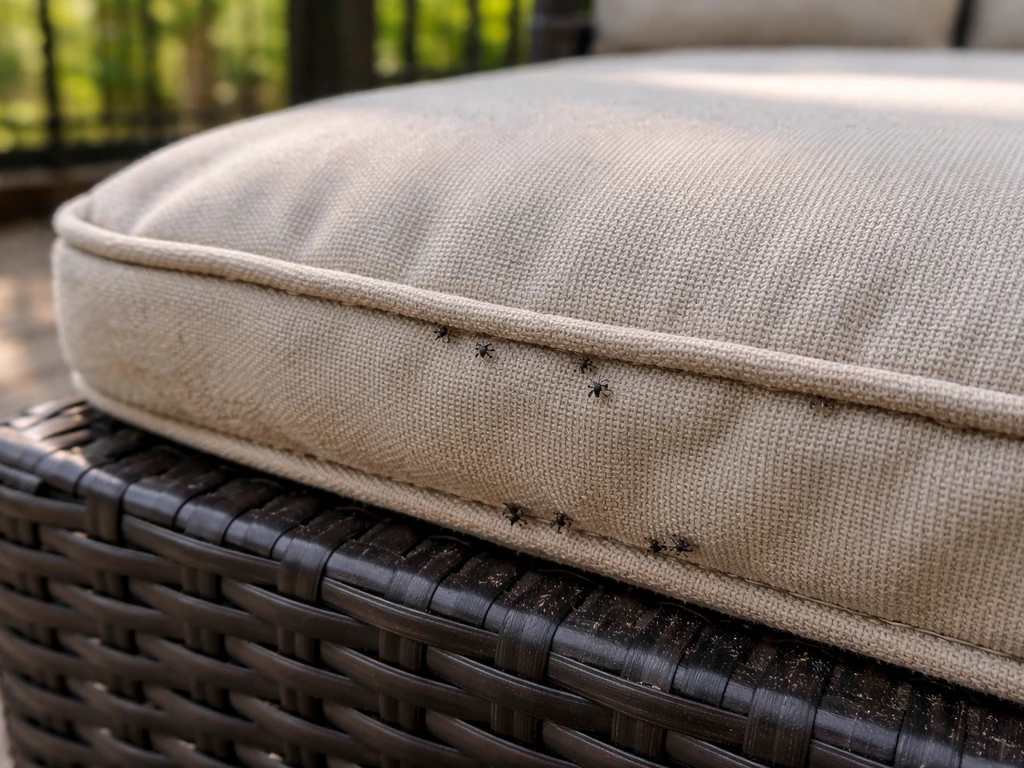
Identify bugs on patio furniture, remove nests and eggs safely by material, and prevent repeat infestations.
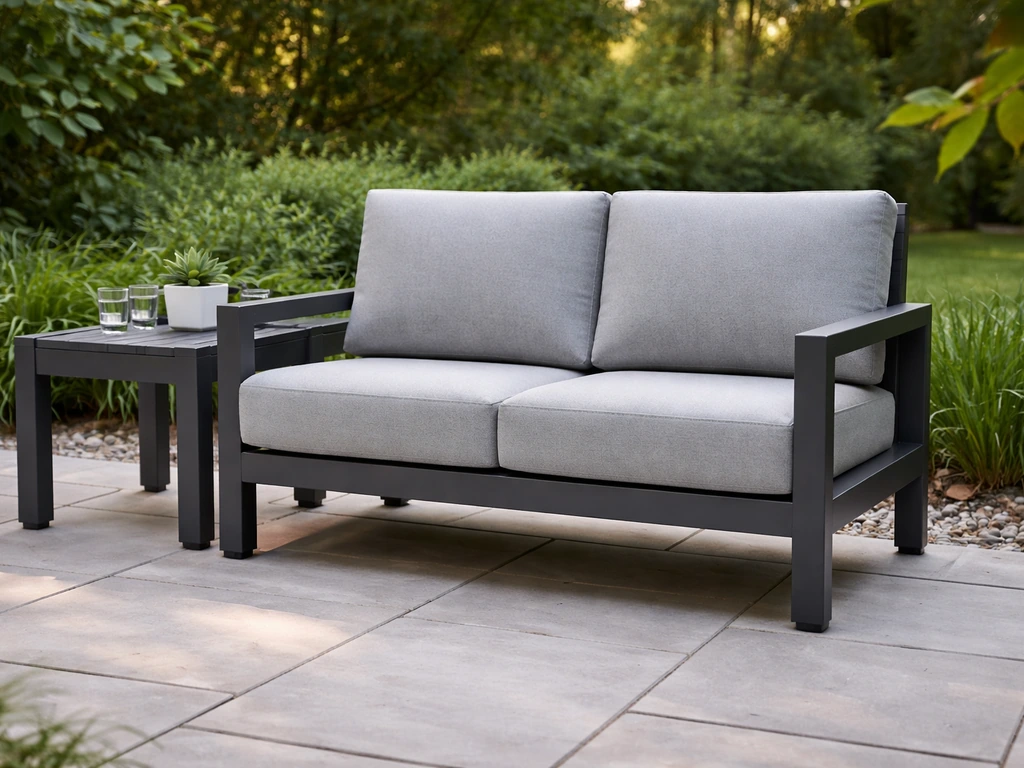
Choose bug-resistant patio furniture and maintain it with the right materials, coatings, and cleaning for fewer insects.
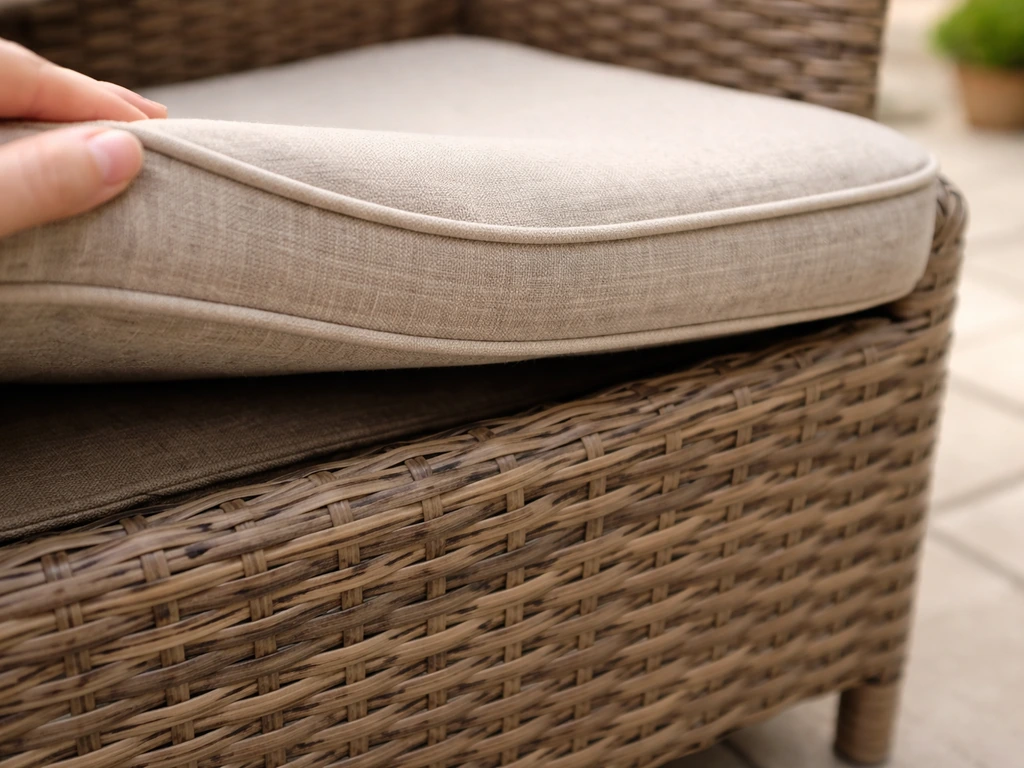
Chiggers can hitch rides on patio furniture. Learn how to inspect, clean, treat, and prevent bites today.