
Most bugs on patio furniture are one-off visitors, not infestations. A spider checking out your chair cushion, a stink bug warming itself on a metal frame, or a few ants investigating a sticky spill are all normal outdoor life. The bugs that actually matter, the ones worth real concern, are those that hide in seams, lay eggs in fabric, bite you repeatedly, or signal a larger colony moving in. Figuring out which situation you're dealing with takes about five minutes and completely changes how you respond.
Bugs on Patio Furniture: Identify, Remove, Prevent

Theo Tierney
23 Jun 2026
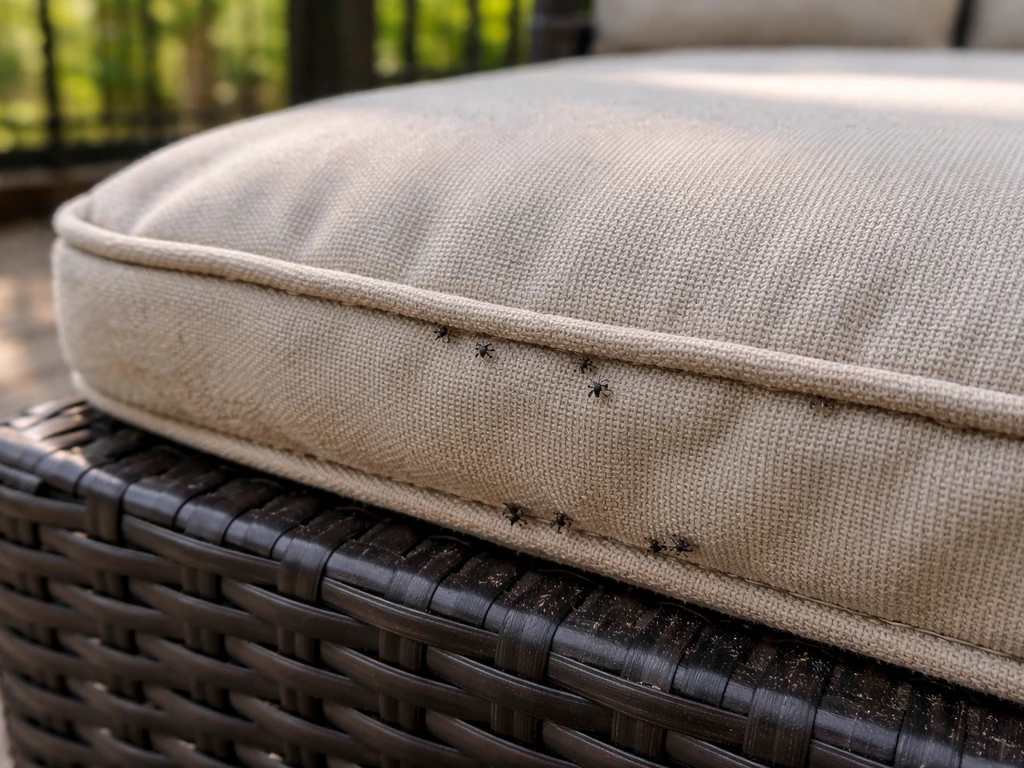
What bug are you actually dealing with?
Before you grab a spray can, spend a couple of minutes identifying the pest. Treatment varies a lot depending on what you're seeing, and using the wrong approach can damage your furniture finish or just waste your time.
Common bugs found on patio furniture and how to tell them apart
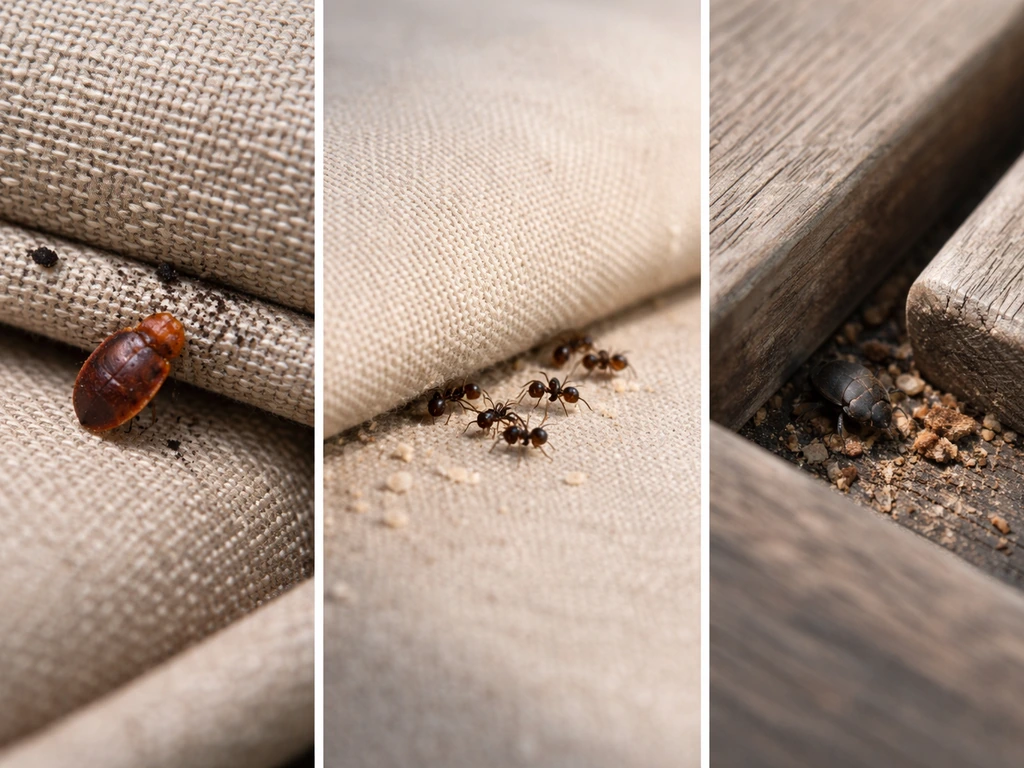
| Bug | What it looks like | Where you find it | Key sign |
|---|---|---|---|
| Bed bugs | Oval, flat, reddish-brown, about the size of an apple seed (5–7 mm), wingless | Hidden in seams, folds, crevices of cushions or frames | Dark fecal spotting (like tiny marker dots) in seams; bites appear on exposed skin after sleeping |
| Fleas | Tiny (1–2 mm), dark brown, jumps when disturbed | Cushion fabric, especially if pets use the furniture | Flea dirt (black specks) on fabric; itchy bites around ankles and lower legs |
| Chiggers | Nearly invisible larvae, red-orange | Furniture near tall grass, leaf litter, or shaded areas | Intense itching at waistband, ankles, skin folds; bites worsen 1–2 days after contact |
| Ticks | Brown to black, round body, 8-legged, 1–5 mm | Cushion edges, seams, shaded frame joints | May be found attached to skin after sitting; brought in on pets or clothing |
| Spiders | 8-legged, variable size and color | Frame corners, under armrests, inside hollow tubing | Visible webs; spiders flee when disturbed |
| Stink bugs | Shield-shaped, mottled brown, about 14 mm | Hard surfaces: metal frames, composite tops, table undersides | Distinct odor when crushed or threatened; attracted to warmth and light |
| Ants | Variable, typically 1–3 mm, six-legged | Table surfaces, joints, wood crevices | Trailing lines; presence of food debris nearby |
| Carpet beetles | Small (2–4 mm), rounded, often patterned | Cushions, wicker weave, natural fiber fabrics | Shed larval skins; irregular fabric damage |
Bed bugs deserve special attention because they're the pest most people fear and also the most frequently misidentified. True outdoor bed bug infestations are rare. Bed bugs are parasitic insects that primarily hide near where people sleep and emerge at night to feed on blood. If you're finding what you think are bed bugs on outdoor furniture, the more likely explanation is that someone brought used or secondhand cushions outside, or the furniture was stored indoors in an infested space. Because patio furniture can also be a false alarm for bed bugs, it helps to know what true bed bug signs look like before you treat bed bugs on outdoor furniture. Look for the combination of apple-seed-sized, flat, reddish-brown insects plus dark fecal spotting in seams. If you're only getting bitten while sitting outside during the day, it's almost certainly not bed bugs. Chiggers and mosquitoes are far more likely culprits.
Chigger bites tend to cluster at tight spots where clothing meets skin, like waistbands, sock lines, and behind the knees. Chiggers can also hitch a ride onto patio furniture, so check nearby cushions and seams after outdoor time Chigger bites tend to cluster. If your patio sits near a weedy border, shaded lawn area, or a pile of leaves, chiggers can hitch a ride onto furniture. They don't live on furniture permanently, but they pass through. blank" rel="noopener noreferrer">Ticks work the same way: they're more likely to arrive on a pet or on clothing than to be native residents of your cushions, but they absolutely can transfer from outdoor furniture to you.
Why bugs are attracted to your patio furniture in the first place
Patio furniture is basically a five-star hotel for small insects if you think about what it offers: shelter, warmth, moisture retention, and often food residue. Understanding the specific draw helps you fix the right problem.
Material matters more than most people realize
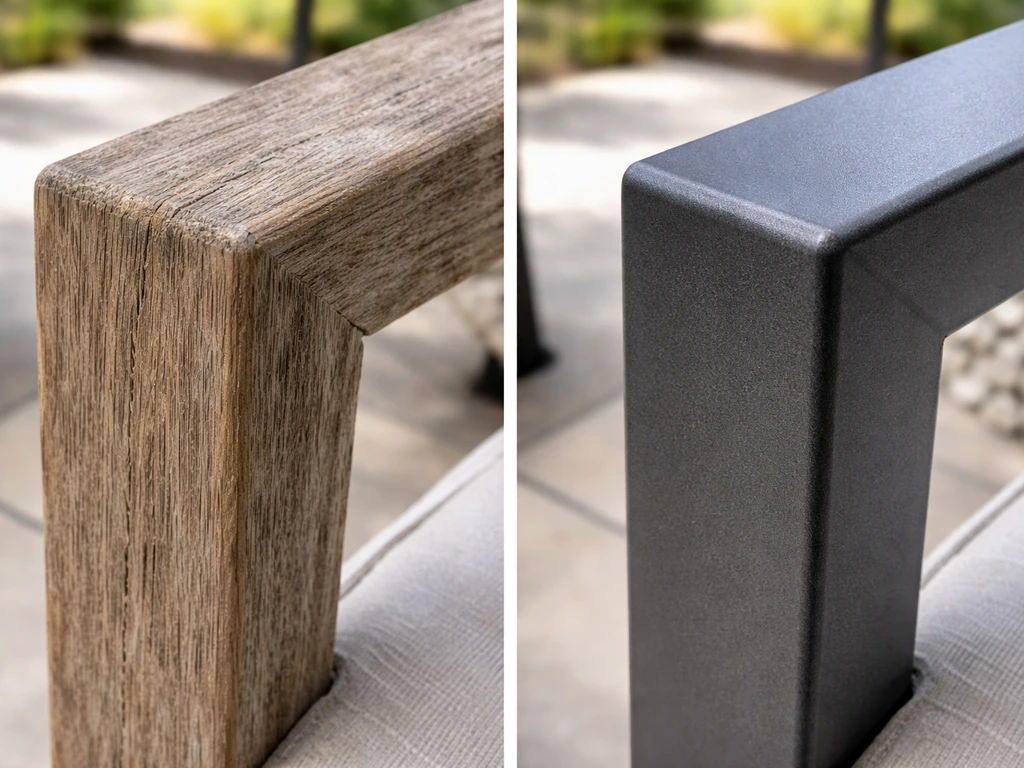
Natural wood furniture is the most bug-attractive material you can own. Untreated or weathered wood absorbs moisture, which invites wood-boring beetles, carpenter ants, and termites. Rotting or soft spots in teak, eucalyptus, or acacia frames are prime real estate for insects looking to nest. Even well-maintained wood accumulates debris in joints and crevices. Wicker, especially natural rattan or bamboo wicker, has the same issue. The tight weave creates dozens of dark, sheltered gaps where spiders, wasps, and beetles will set up house. Synthetic resin wicker is considerably less attractive to bugs since it doesn't absorb moisture and has fewer true crevices.
Powder-coated aluminum and wrought iron are the least hospitable to insects overall. There's no organic material to eat, moisture doesn't soak in, and the smooth surface offers little grip for egg-laying. The exceptions are hollow tube frames, which create dark tunnels that wasps and mud daubers love, and rust spots on iron, which create rough textures that bugs can grip and debris can accumulate in. Composite and HDPE furniture sits in the middle: it doesn't attract wood-boring insects, but cushions and textured surfaces still collect organic debris.
The other big attractors
- Food and drink residue on tables and armrests, especially sugary spills and grease from grilling
- Cushion fabric that retains moisture after rain, creating a humid microenvironment that many insects prefer
- Leaf litter, grass clippings, and debris that accumulates under and around furniture
- Nearby vegetation, especially overgrown borders, mulch beds, or shaded areas adjacent to the seating zone
- Outdoor lighting left on overnight, which draws stink bugs, moths, and other flying insects directly to the furniture beneath
- Pets using outdoor furniture, which can introduce fleas and ticks directly into cushion fabric
- Furniture stored in garages, sheds, or against the house, where it's more likely to become a nesting site during off-season
How to get rid of bugs on patio furniture today
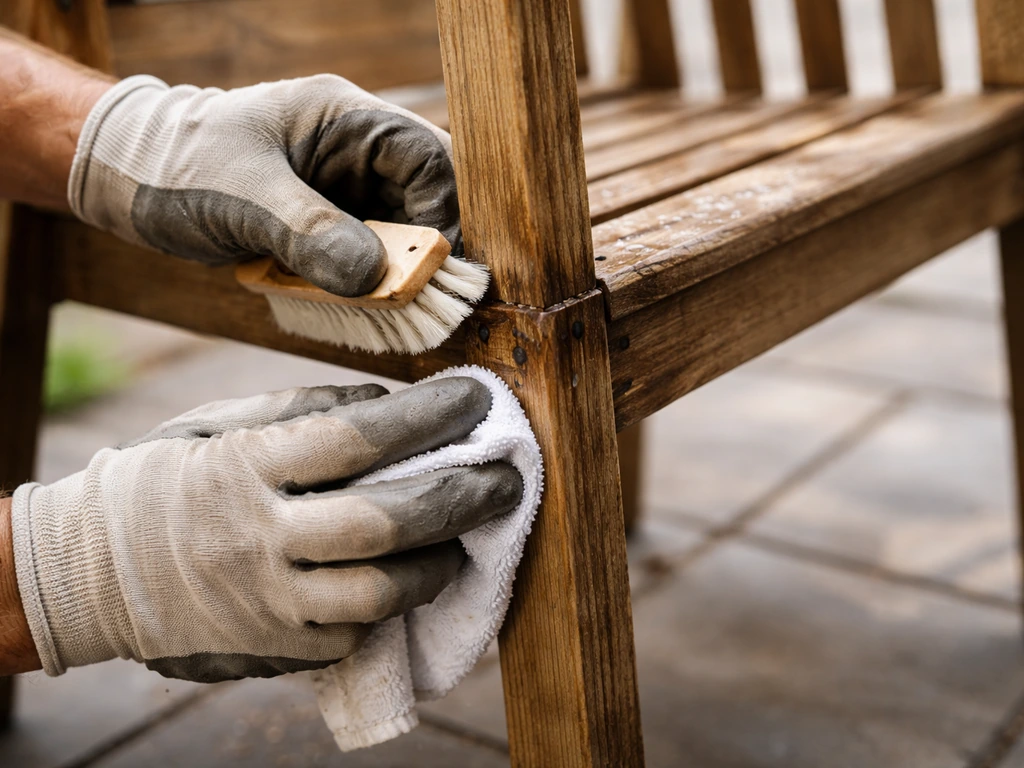
The fastest, safest first step for almost every bug situation is a thorough cleaning. Using patio furniture safety practices like thorough cleaning, correct storage, and prompt inspection can help you prevent infestations from coming back. This removes the insects themselves, their eggs, food sources, and the debris that made your furniture attractive. Here's how to do it correctly for each major furniture material without causing damage.
Wood furniture
Start by moving the furniture away from its usual position so you can access all sides. Use a stiff brush (a scrub brush or old toothbrush for joints) to dislodge bugs, eggs, and debris from crevices. Follow up with a wipe-down using a mild dish soap and warm water solution. Avoid soaking wood: wet it enough to clean, not enough to swell the grain. For suspected carpenter ants or wood-boring beetle activity, look for fine sawdust-like frass near joints. If you find it, that's a structural issue requiring a targeted treatment, not just surface cleaning. Once dry, apply a fresh coat of teak oil, linseed oil, or your chosen wood sealant. A sealed surface is less hospitable to moisture-seeking insects and makes it easier to wipe away eggs and debris in the future.
Wicker and rattan furniture
Natural wicker needs the most attention. Use a vacuum with a crevice tool first to pull out debris, spider eggs, and insects hiding in the weave. Then scrub with a soft brush and mild soapy water, working it into the weave without saturating the material. Natural rattan and bamboo should dry completely in the sun before being returned to use. For stubborn insects or egg masses in the weave, a diluted white vinegar solution (one part vinegar to one part water) is safe for natural wicker and deters re-nesting. Synthetic resin wicker is simpler: rinse with a hose on a moderate setting, scrub with soapy water, and let it dry.
Metal furniture (aluminum and wrought iron)
Wipe down all surfaces with soapy water and inspect hollow tube openings. Wasps and mud daubers frequently nest inside hollow aluminum frames. If you find an active wasp nest inside tubing, treat it after dark when the wasps are inactive using a foam wasp spray that expands into the cavity. Once confirmed clear, stuff the tube openings with steel wool or use plastic end caps to block re-entry. For wrought iron with rust spots, clean off the rust with a wire brush, treat with a rust converter, and repaint with an outdoor metal primer and topcoat to eliminate the rough texture insects use for grip.
Composite and HDPE furniture
Composite furniture is the easiest to clean and least bug-attractive of all frame materials. A simple hose-down and scrub with mild soapy water handles most situations. Check any joint covers, screw caps, or frame openings for wasp activity, same as with metal. Cushions on composite furniture still need the same attention as any other outdoor cushion, so follow the cushion protocol below regardless of frame material.
Cushions and fabric: the highest-risk zone
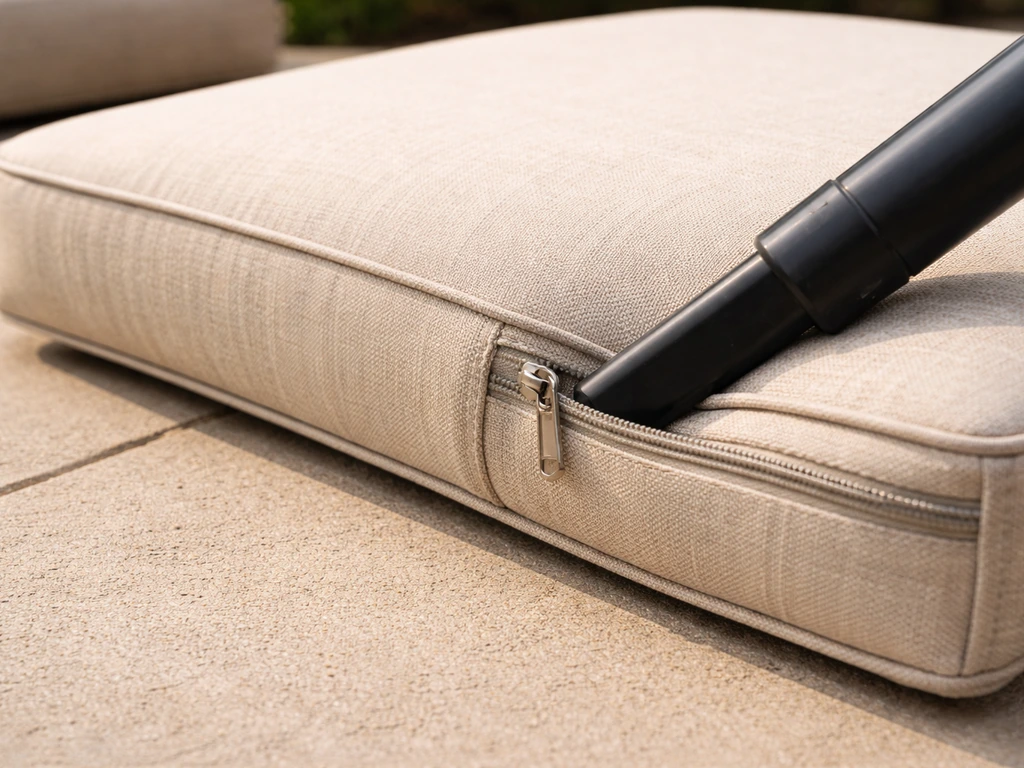
Cushions are where the most serious infestations live. Remove them from the furniture and inspect every seam, zipper, and fold closely. When you inspect, focus on seams and folds of mattresses and box springs, as well as cracks and crevices near beds and upholstered furniture, since bed bugs hide in these sheltered areas seams and folds of mattresses and box springs, and cracks and crevices near beds and upholstered furniture. For fleas specifically, vacuum both sides of every cushion thoroughly and dispose of the vacuum bag or empty the canister immediately into an outdoor trash can. Wash removable cushion covers in hot water (at least 130°F) and dry on high heat, which kills flea eggs, larvae, and most other soft-bodied insects. For non-removable cushion covers, a fabric-safe outdoor insecticide spray (look for permethrin-based products labeled for furniture and soft goods) applied after cleaning provides residual protection. Let cushions dry completely in direct sunlight before returning them to the furniture.
Preventing bugs from coming back
Removing bugs once is straightforward. Keeping them gone takes a slightly more systematic approach, most of which just means folding pest prevention into your normal furniture maintenance routine.
Sealing and finishing
For wood furniture, regular sealing is your single best long-term bug deterrent. A properly sealed wood surface resists moisture absorption, which eliminates the main reason insects are drawn to it. Reapply teak oil or exterior sealant at least once a season, or whenever water stops beading on the surface. For metal furniture, maintaining the powder coat or paint finish is the equivalent job: touch up chips and scratches immediately so rust can't develop and create rough, hospitable texture. Hollow frame openings on both metal and composite pieces should be capped or blocked.
Covers and storage
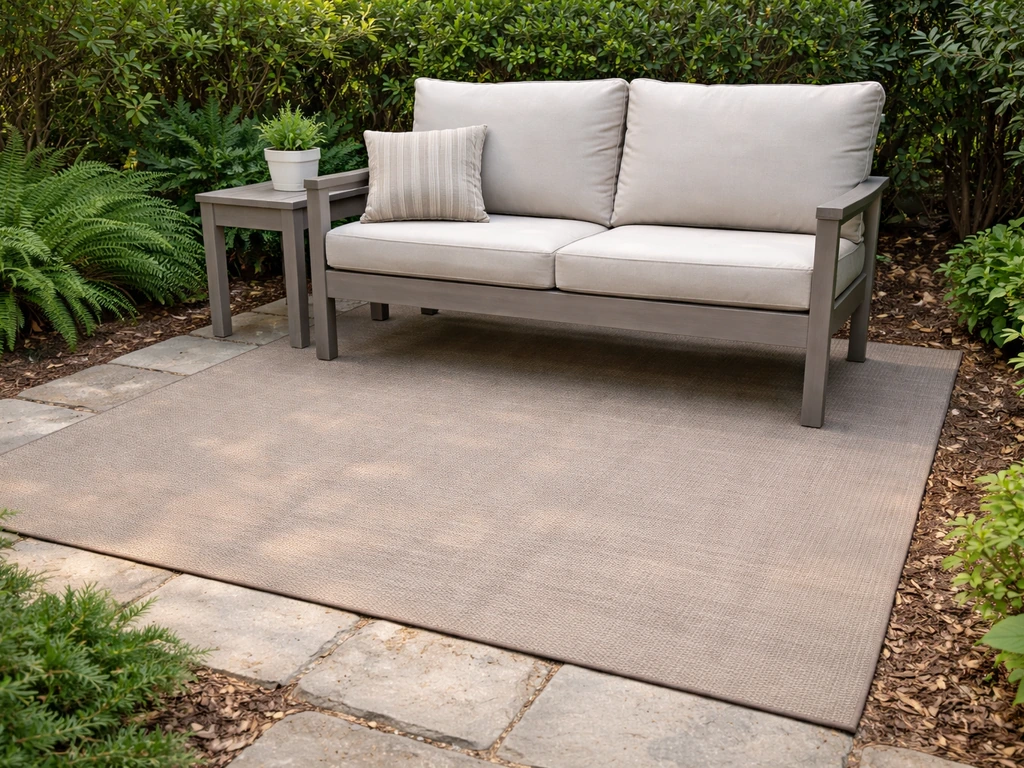
Breathable, fitted furniture covers are genuinely useful here, but only if you use them consistently and store them properly. A wet cover traps moisture and can make the bug problem worse, so make sure covers have ventilation grommets or a breathable fabric construction. During extended periods of non-use (even just a few weeks), covering the furniture keeps insects from establishing nests. For winter storage, bring cushions and wicker furniture indoors or into a clean, dry shed. Storing furniture against a garage wall that has active pest activity is how bugs find their way into patio cushions in the first place. If you’re worried about theft, note that people can also remove patio items, so take basic security steps alongside pest prevention bugs find their way into patio cushions.
Environmental adjustments around the patio
- Keep the area under and around furniture clear of leaf litter, grass clippings, and mulch that directly contacts the pieces
- Trim back any vegetation, especially overhanging branches or shrubs, that creates shaded, humid conditions next to the seating area
- Move outdoor lighting away from furniture clusters where possible, or switch to yellow-spectrum bulbs that attract fewer flying insects
- Clean up food and drink spills immediately after outdoor meals rather than leaving them until the next day
- If pets use the furniture, treat them with veterinarian-recommended flea and tick prevention, especially during peak season (spring through fall)
Material choices for long-term pest resistance
If you're shopping for new furniture and bugs have been a persistent problem, material selection makes a real difference. Choosing bug-resistant patio furniture can reduce how often you have to do these prevention steps. Powder-coated aluminum with closed or capped frame ends is the most pest-resistant structural choice available. It doesn't rot, doesn't absorb moisture, and offers no organic material for insects to feed on. Synthetic resin wicker over aluminum frames is a strong alternative if you want the wicker aesthetic without the natural material's vulnerabilities. Natural wood and natural wicker require more consistent maintenance to stay pest-resistant, but they're not a lost cause: well-sealed teak or shorea that's regularly maintained is a vastly different environment for bugs than weathered, cracked wood that's been neglected for two seasons.
One-off visitor or actual infestation: how to tell the difference
This is the most important judgment call you'll make. The approach to a random spider that wandered onto your chair is completely different from a flea infestation in your cushions that came in from the dog, and both are completely different from a suspected bed bug situation.
Signs you're dealing with a true infestation
- You find multiple insects of the same species repeatedly over several days, especially in the same locations like seams, folds, or joints
- You notice egg masses, shed skins (cast skins from molting), or fecal spotting in cushion seams or frame crevices
- Bites are recurring and follow a clear pattern tied to using the furniture
- You find live wasps entering or exiting hollow frame tubing, indicating an active nest inside
- Flea dirt (tiny black specks that turn reddish when wet) appears on cushion fabric, particularly if pets use the furniture
- There is visible structural damage to wood joints or surfaces, such as frass (sawdust-like debris) from wood-boring beetles or tunneling from carpenter ants
When to escalate to professional pest control
Escalate when the problem is inside the home, not just on the furniture. If you suspect bed bugs and the furniture has been used indoors or in a bedroom setting, contact a pest control professional immediately. A DIY cleaning won't resolve a true bed bug infestation. Bed bug eggs are tiny, tightly adhered to surfaces, and extremely difficult to remove without professional-grade treatments. Similarly, if carpenter ants or termites are using your wood patio furniture as an entry point to the structure of your home, that needs a licensed exterminator, not a soapy scrub.
For active wasp nests inside furniture frames, most homeowners can handle this with an over-the-counter foam wasp treatment applied at night. But if the nest is large, inside a wall, or you're dealing with a species known for aggressive swarming in your area, professional removal is the safer choice. Tick situations are worth taking seriously from a health standpoint: if you find a tick on your body after sitting outdoors, remove it immediately with fine-tipped tweezers using steady, even pressure, then clean the bite area and monitor for symptoms of tickborne illness over the following weeks. In the same way, bug bites from patio furniture can start when ticks or other pests hitchhike on cushions, wicker, or wood surfaces tick situations.
It's also worth noting that certain bug concerns are specific enough to deserve their own investigation. If your main worry is whether something like chiggers can actually live permanently in your patio furniture (short answer: they can't, they're passing through from vegetation), or whether you could realistically have bed bugs in outdoor furniture specifically, those questions have nuanced answers that go beyond general pest removal. If you also notice an unexpected electric shock from patio furniture, it helps to understand how grounding and materials can affect static and stray current.
Cleaning and maintenance routines that keep bugs from returning
The best bug prevention is just good furniture maintenance done consistently. Most of the steps that protect your furniture from weathering and wear also make it less hospitable to insects.
Weekly during peak season
- Wipe down all hard surfaces (tabletops, armrests, frame joints) to remove food residue, pollen, and debris
- Shake out and air cushions in direct sunlight, which kills dust mites and discourages moisture buildup
- Check hollow frame openings and corners for early signs of wasp or spider activity and clear them out before they establish
- Remove debris from under and around the furniture
Monthly
- Do a full scrub of all surfaces, including the underside of tables and the backs of chair frames
- Vacuum cushions on both sides using a crevice tool along all seams
- Inspect wood joints and wicker weave for any signs of insect damage or early nesting
- Check the finish on wood furniture and touch up any areas where sealant has worn away
Seasonally (start and end of outdoor season)
- Deep-clean all furniture before bringing it out of storage and again before putting it away
- Wash all cushion covers in hot water and dry on high heat at the start of the season
- Reapply sealant or oil to wood furniture as needed based on condition, not just on a fixed calendar
- Store cushions and natural wicker furniture indoors or in sealed bins during off-season to prevent nesting
- Inspect all stored furniture carefully before bringing it back outside; an undisturbed piece of stored furniture is exactly where a wasp or spider will set up a nest over winter
Staying on top of this routine means you'll catch problems when they're small and easy to fix rather than when they've become full infestations. Most bug situations on patio furniture are genuinely minor and fully solvable with cleaning and a bit of material maintenance. The goal is identifying which small category of more serious situations requires a different response, and acting on it quickly before a temporary visitor becomes a permanent resident.
FAQ
How can I tell if what I’m seeing is an active infestation versus a one-time visitor on my patio furniture?
Look for repeated presence in the same exact seams or joints after you clean. If you see live insects returning within 24 to 72 hours, eggs or debris in hidden areas, or you find bites clustered after multiple uses, that points to a resident problem. Random single insects that appear only once are more likely visitors.
What’s the safest way to inspect bugs on patio furniture without spreading them around?
Work over a large washable surface (or a plastic drop cloth), vacuum crevices first (if you have a vacuum handy), then bag and remove the debris immediately. Avoid shaking cushions outdoors, since that can dislodge eggs and fine frass into nearby vegetation or your home.
If I vacuum for fleas, should I vacuum the surrounding area too?
Yes. Fleas can drop onto the floor, cushions edges, and nearby doormats, so vacuum the ground under and around the furniture after cleaning the cushions. Dispose of the canister bag immediately, and wipe the vacuum hose exterior so you don’t reintroduce debris.
Can I use heat or steam to clean patio cushions and help with eggs?
Heat can help, but steam is often risky for outdoor fabrics and cushion foam if it soaks inward. Prefer washing removable covers in hot water (at least 130°F) and high-heat drying as your primary heat method, and use steam only on materials whose care instructions explicitly allow it.
What should I do if I suspect bed bugs, but I’m not sure they’re truly bed bugs?
Don’t treat repeatedly with random sprays. Instead, do a careful seam check for apple-seed-sized flat reddish-brown insects plus dark fecal spotting, and consider whether the cushions were recently stored indoors or came from a secondhand source. If there’s any chance the items were in or near sleeping areas, contact a pest professional rather than continuing DIY.
Are outdoor bed bugs more likely on certain parts of patio furniture?
If it is actually bed bugs, they tend to be associated with seams, folds, and areas that allow close harboring near where people rest or sit, not just the open surface. Hollow frame edges and detachable cushion covers can also become harbor spots, so inspect and clean those details even if the bug you saw was on top.
What’s the difference between carpenter ant or wood-boring beetle clues, and what do I check next?
Find the “frass” pattern. Carpenter ants often create sawdust-like material mixed with other debris near entry points, while wood-boring beetles can leave more consistent fine frass at exit holes. If you find soft rot or ongoing frass buildup, treat it as a structural issue and consider professional inspection.
How do I safely handle wasp or mud dauber nests inside hollow frames?
Treat after dark when activity is lower, and use a foam wasp product designed to expand into cavities. After confirming the nest is inactive, block openings with steel wool or snug end caps. Don’t just spray and leave gaps, since reinfestation into the same tunnel is common.
Is vinegar safe to use on all patio furniture materials?
Use it only where the surface allows it, natural wicker being the specific case mentioned for diluted vinegar. Avoid vinegar on sealed or unfinished wood finishes, and be cautious with metals and composites because repeated acidic exposure can affect coatings and leave residues.
Should I cap hollow metal frame openings if I’m already using bug-resistant covers?
Yes. Covers reduce access from above, but they don’t stop insects from entering via hollow tubes or seam gaps when the furniture is stored. Cap or block hollow ends as part of your core routine so you address both entry routes.
What’s a common mistake people make after cleaning cushions that leads to bugs returning?
Returning cushions before they’re fully dry. Moisture retention can attract insects and leaves the fabric more favorable for harboring. Let cushions dry completely in direct sunlight (when appropriate for the fabric), and only reassemble once seams and zippers are dry.
If ticks can transfer from patio furniture to people, what’s the practical prevention step?
After outdoor seating near grass, weeds, or leaves, check and brush off clothing and inspect exposed skin promptly. Cleaning crevices helps too, but your biggest win is reducing contact time during peak tick activity and doing post-use checks.
Does choosing bug-resistant patio furniture eliminate the need for maintenance?
It reduces the likelihood, not the need entirely. Even with aluminum or synthetic resin wicker, debris can collect in joints and around cushion edges, so periodic cleaning, prompt repair of chips, and consistent covering during storage still matter.
When should I stop DIY and escalate beyond the furniture?
If you suspect bed bugs in any household context, carpenter ants or termites acting as a building entry route, or a wasp nest that is unusually large, inside a wall, or shows aggressive swarming locally. For health-related concerns like ticks, act immediately on removal and monitor symptoms over the following weeks.
Next Articles
Bug-Resistant Patio Furniture: What to Buy and Maintain
Choose bug-resistant patio furniture and maintain it with the right materials, coatings, and cleaning for fewer insects.
Can Chiggers Live on Patio Furniture? What to Do Now
Chiggers can hitch rides on patio furniture. Learn how to inspect, clean, treat, and prevent bites today.
Why Does My Patio Furniture Shock Me? Causes and Fixes
Troubleshoot why your patio furniture shocks you, find causes from static to wiring issues, and apply safe fixes today.