
The best type of patio furniture for you comes down to three things: your climate, how you actually use the space, and how much maintenance you're willing to do. If you live somewhere wet and humid, go with powder-coated aluminum or HDPE resin wicker. If you're in a dry climate and want something beautiful that ages well, teak or cedar works great. If you want low-fuss, budget-friendly durability, resin wicker or steel with a quality powder coat is hard to beat. Here's how to work through the decision properly so you don't buy something that looks great in a showroom but falls apart after two summers.
What Type of Patio Furniture Should I Get? A Guide

Theo Tierney
9 Jun 2026
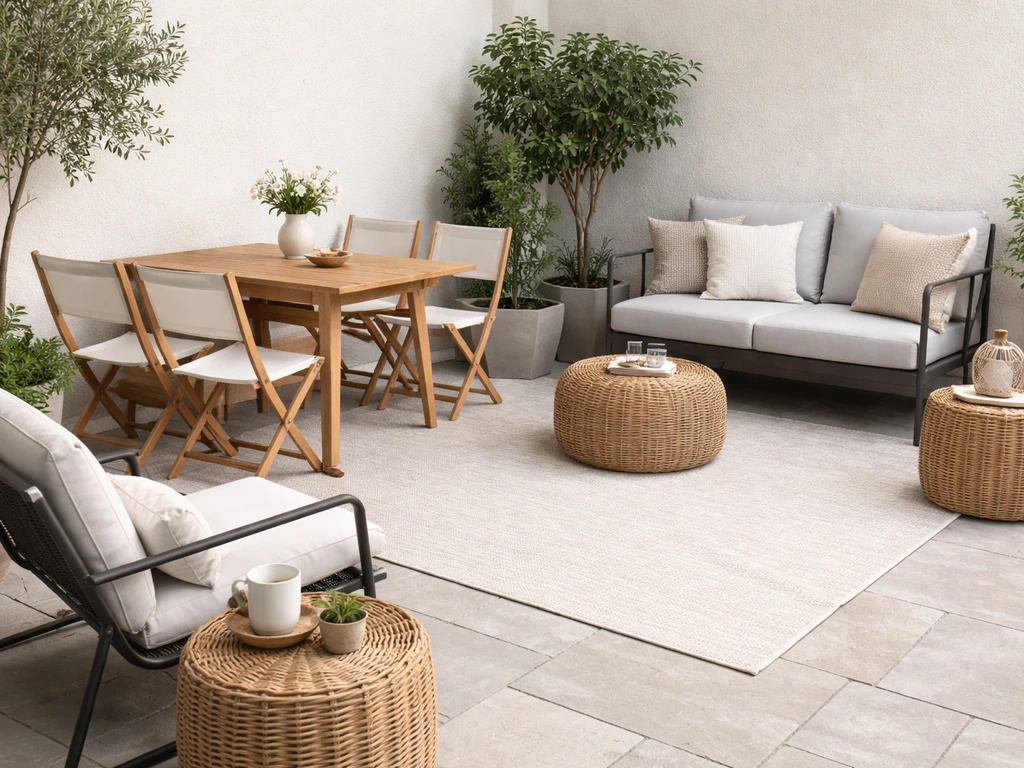
Start with your patio situation
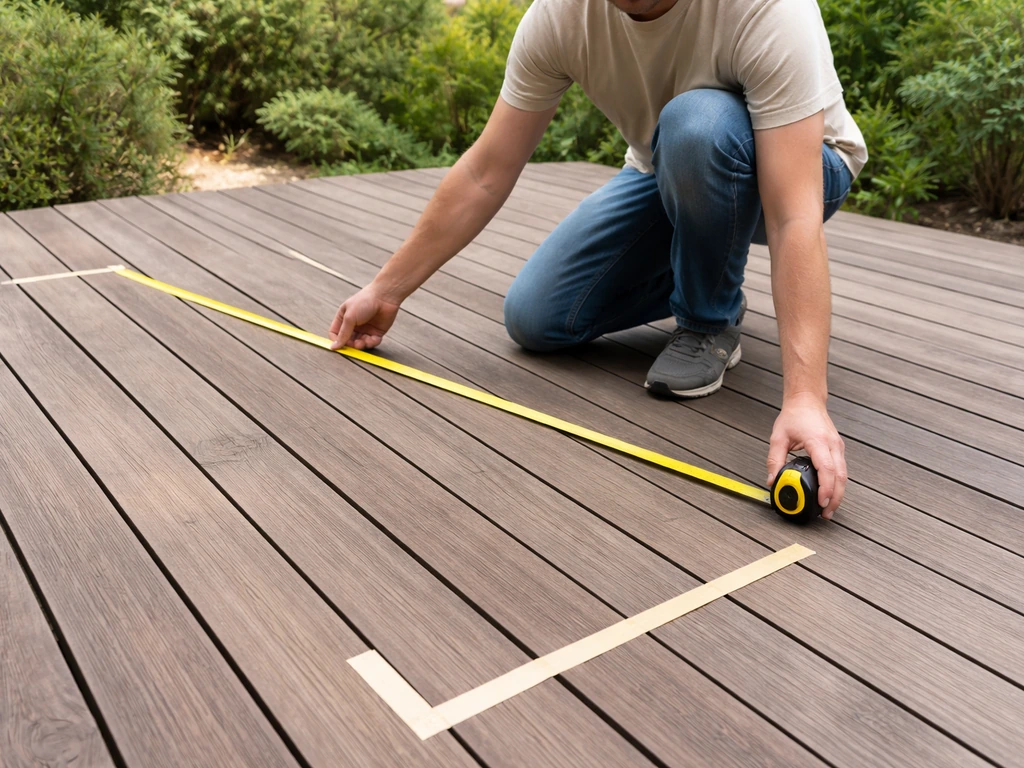
Before you look at a single chair, get clear on your space and how you'll use it. These factors matter more than aesthetics when it comes to picking the right material. You also want to choose the right patio furniture size for your space so everything fits comfortably picking the right material.
- Space size: A small 8x10 deck needs different furniture than a 20x30 patio. Measure your usable area before shopping, and plan to leave at least 3 feet of walkway clearance around tables and chairs. Getting the sizing right before you buy saves a lot of headache later.
- Primary use: Are you eating out there daily, lounging on weekends, or hosting dinner parties? A dining set with a table and 6 chairs solves a different problem than a deep-seating sectional.
- Weather exposure: Is the patio covered, partially shaded, or fully exposed? Full-sun furniture takes a beating from UV, while furniture under a roof or pergola can get away with less UV-hardy materials.
- How hands-on you want to be: Some materials (like teak) reward regular oiling. Others (like aluminum) basically take care of themselves. Be honest about how much upkeep you'll actually do.
- Household: Families with kids or pets need sturdy, easy-clean options. A retired couple who entertains occasionally has more flexibility to choose something elegant and higher-maintenance.
Whether you're buying a full set or mixing and matching pieces also shapes your decision. Matching sets are easier to get right the first time and typically share frame and cushion specs. Mix-and-match gives you more flexibility but requires more attention to sizing consistency. If you're unsure how much space you actually need to work with, it's worth planning your layout carefully before committing to any particular set size. If you want a quick starting point, measure the walkway and the space needed for comfortable chair clearance before you buy how much space you actually need.
Match your material to your climate
This is where most people go wrong. They pick furniture based on how it looks in a catalog, and then it rots, rusts, or warps within a few years because it wasn't suited to their actual environment. Here's a straight breakdown by climate type.
| Climate | Best Material Options | Avoid |
|---|---|---|
| Hot and humid (Florida, Gulf Coast, Southeast) | Powder-coated aluminum, HDPE resin wicker, teak | Untreated steel, natural rattan, cheap painted wood |
| Dry heat (Arizona, Southwest, inland California) | Teak, cedar, aluminum, resin wicker | Unfinished softwood, raw iron |
| Cold winters with snow and freeze/thaw cycles | Powder-coated aluminum, teak, HDPE resin wicker (frames only, store cushions) | Wrought iron without excellent coating, natural wicker |
| Coastal and salt air (within a mile of the ocean) | Marine-grade aluminum, teak, HDPE resin wicker with 316 SS hardware | Bare steel, wrought iron, cheap aluminum with thin powder coat |
| Temperate, moderate rain (Pacific Northwest, Mid-Atlantic) | Cedar, teak, aluminum, resin wicker | Most materials work here with basic care |
Coastal environments deserve extra attention. Salt air accelerates corrosion dramatically, and the hardware holding your furniture together matters as much as the frame material. Look specifically for stainless steel fasteners rated 316 (not just 304). The difference is meaningful: 316 stainless contains molybdenum, which gives it significantly higher chloride resistance. Type 304 is fine inland but will pit and corrode faster near the ocean. Any furniture brand targeting coastal buyers should be specifying 316 hardware, and if they're not, that's a red flag.
Wood vs. metal vs. wicker vs. composite: real trade-offs
Each material has a genuine sweet spot and genuine weaknesses. Here's the honest version, without the marketing language.
Wood (teak, cedar, pressure-treated)
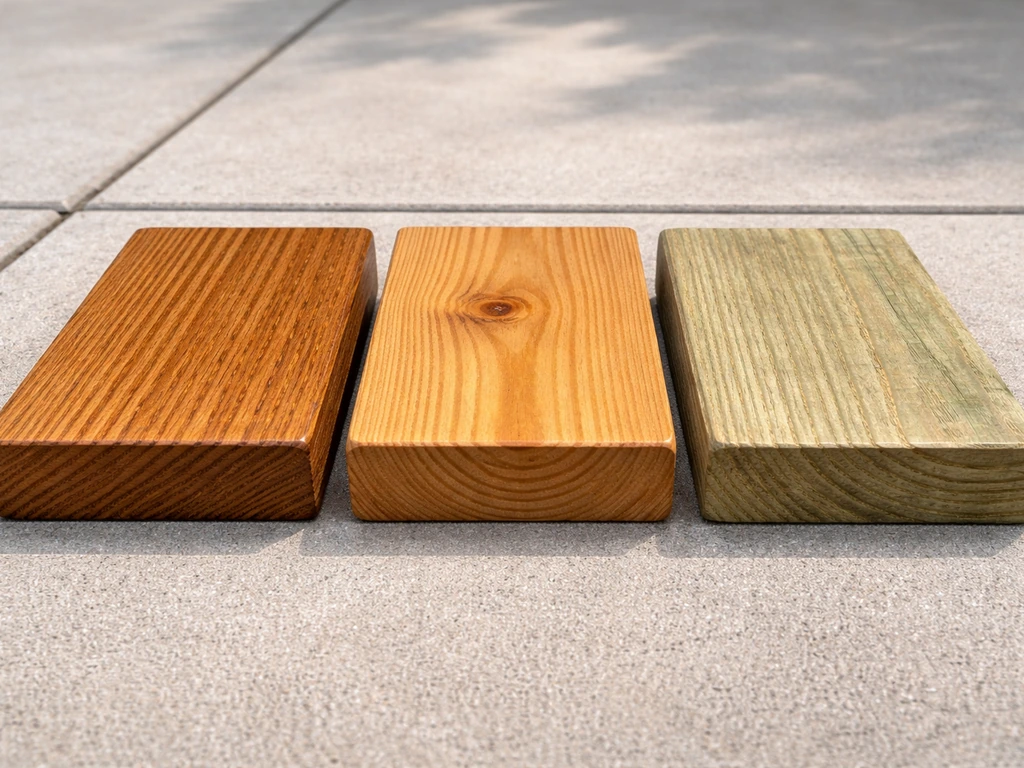
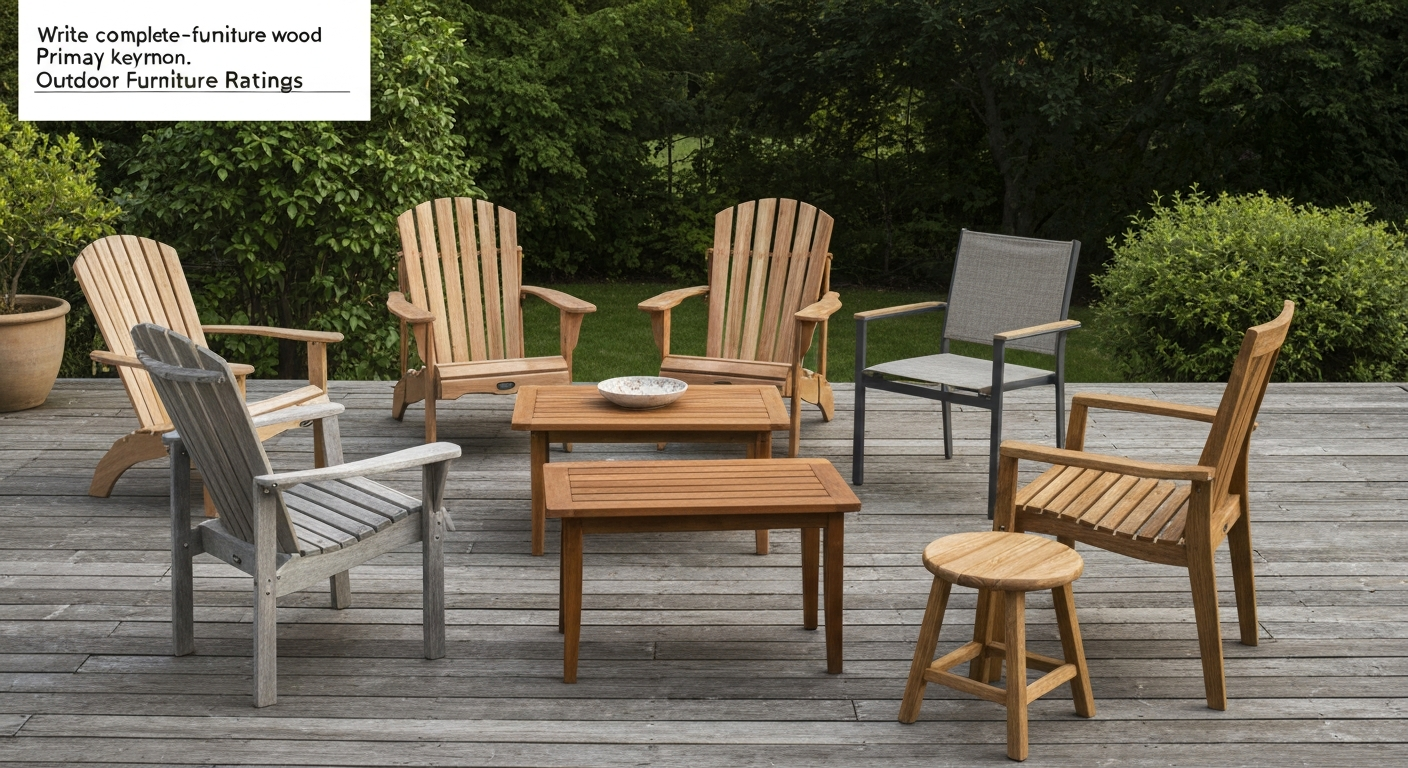
Teak is the gold standard for outdoor wood furniture, and it earns that reputation. It has a naturally high oil content that resists water, insects, and rot without constant treatment. Left untreated, teak weathers to a silver-gray patina that many people love. If you prefer the warm honey color, you need to apply teak oil once or twice a year, which is a real but manageable commitment. The downside is price: teak costs significantly more than cedar or pressure-treated wood, and the quality gap between plantation-grown and old-growth teak is real. For cleaning, use mild soap and warm water. Skip the pressure washer for routine maintenance as it damages the wood fibers, even for teak.
Cedar is a solid mid-range wood option. It's naturally rot-resistant, lighter than teak, and considerably more affordable. In dry climates it performs beautifully. In consistently wet climates, it needs sealing every year or two or it will grey out and eventually crack. Pressure-treated lumber is even cheaper and more rot-resistant than cedar because of copper-based preservatives, but it tends to crack and warp more as it weathers, and it's generally better for structural decking than finished patio furniture.
Metal (aluminum, steel, wrought iron)
Powder-coated aluminum is the workhorse of the outdoor furniture world, and for good reason. It doesn't rust, it's lightweight, and when the powder coat is done properly, it handles sun, rain, and temperature swings for years with almost no maintenance. The powder coat thickness matters: look for 80 to 100 microns (roughly 3 to 4 mils) of UV-stable polyester powder for outdoor furniture. Thinner coats chip and fade faster, exposing the aluminum underneath. Aluminum is not immune to corrosion near salt air, but it holds up far better than steel.
Wrought iron and steel furniture has a classic, heavy look and real heft, but rust is a constant threat the moment the coating is scratched or chipped. If you go this route, inspect the finish every season and touch up any nicks immediately. For coastal or humid climates, it's genuinely not the right call unless you're prepared to do real maintenance work.
Wicker (natural vs. synthetic resin)
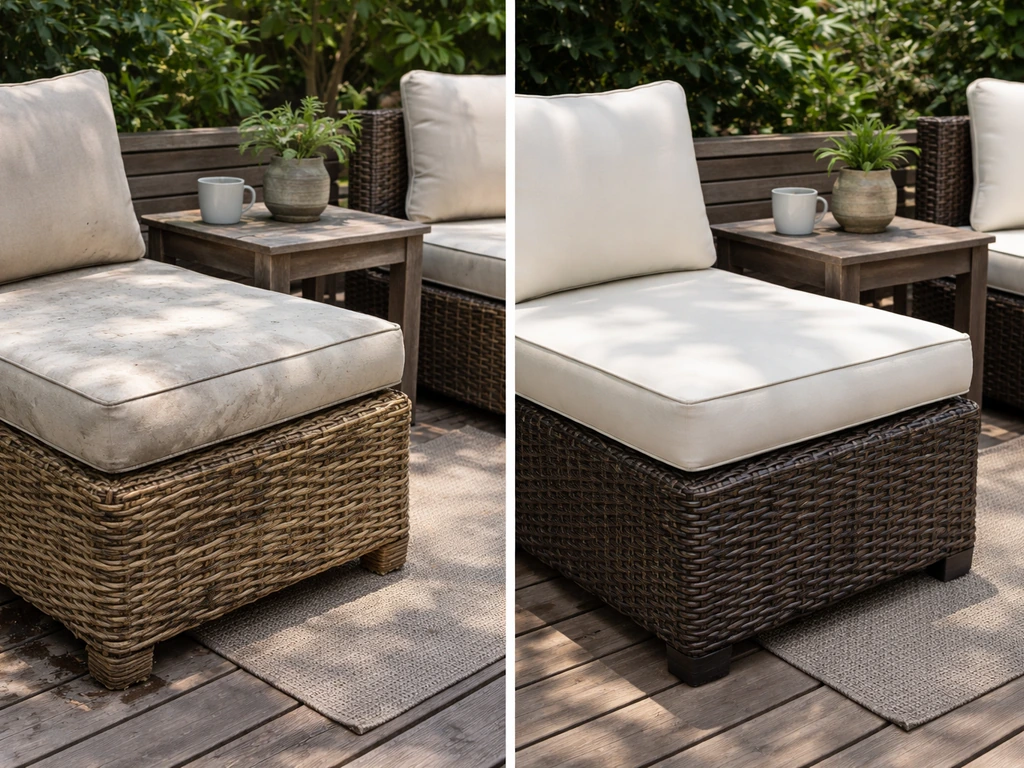
Natural wicker and rattan look beautiful, but they belong indoors or on covered patios in dry climates. Exposed to sun and rain, natural wicker fades, cracks, and grows mold. Full stop. Synthetic resin wicker (usually HDPE, or high-density polyethylene) is an entirely different material that just looks similar. HDPE resin wicker is non-porous, UV-resistant, and genuinely weatherproof for the frame. Quality synthetic wicker brands cite UV resistance ratings of 2,000 light hours or more, double the typical industry standard of 1,000 hours. The frame underneath the weave matters just as much: look for powder-coated aluminum frames, not steel, for rust-free longevity. The cushions still need to come in or get covered, but the frame itself can live outside year-round.
Composite and HDPE lumber
HDPE lumber furniture (sometimes called poly lumber or composite) is made from recycled plastic and looks like painted wood planks. It doesn't rot, splinter, or need sealing, and the color is molded through the material rather than applied as a surface coat, so it doesn't peel. It handles freeze/thaw cycles and moisture extremely well, which makes it a smart pick for cold, wet climates. It's heavier than aluminum and the aesthetic is more utilitarian, but for durability in harsh conditions it's hard to beat. It's a common choice for Adirondack chairs and dining sets intended for heavy use.
| Material | Durability | Maintenance | Best Climate | Price Range |
|---|---|---|---|---|
| Teak | Excellent (20+ years with care) | Low to moderate (oil if you want warm color) | Any, especially humid/wet | $$$$ |
| Cedar | Good (10–15 years with sealing) | Moderate (seal every 1–2 years) | Dry to moderate climates | $$ |
| Powder-coated aluminum | Excellent (15–20+ years) | Very low | Any climate | $$ to $$$ |
| Wrought iron/steel | Good if coating intact | High (inspect/touch up annually) | Dry, inland climates | $$ to $$$ |
| HDPE resin wicker | Very good (10–15+ years) | Low (rinse and wipe) | Any climate | $$ to $$$ |
| HDPE/composite lumber | Excellent (20+ years) | Very low | Cold, wet, or harsh climates | $$$ to $$$$ |
Cushions, covers, and performance fabrics
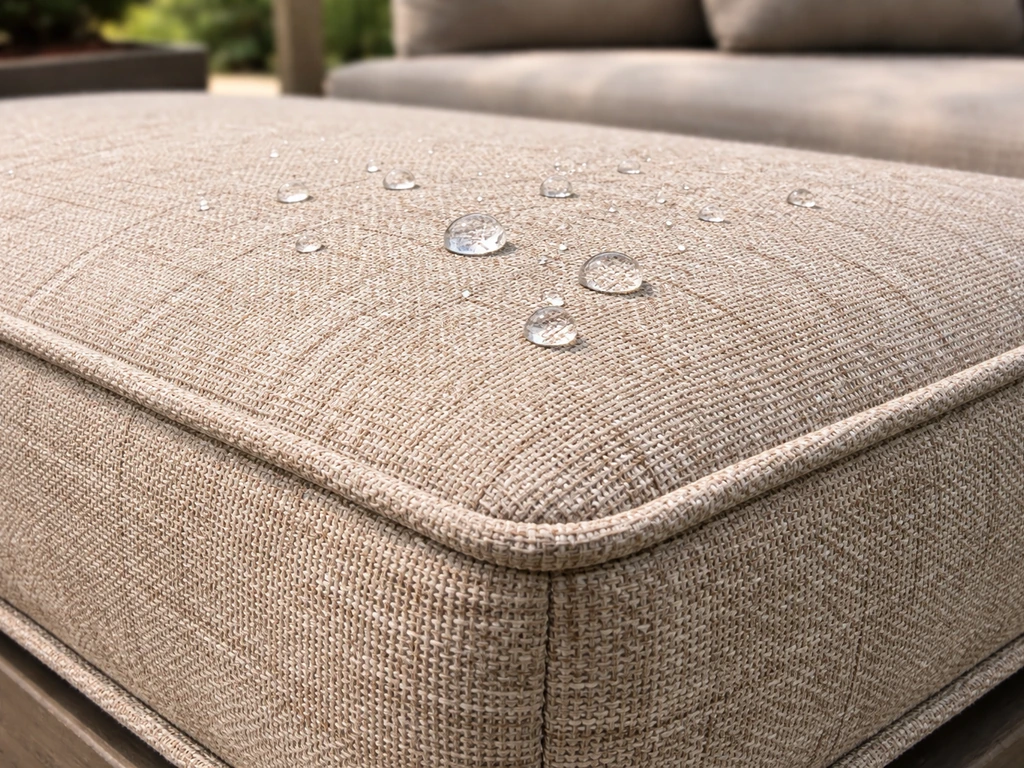
The cushions on your patio furniture will fail before the frame does if you don't choose them carefully. The single most important spec to look for is solution-dyed acrylic fabric. Sunbrella is the best-known brand, but the key is the technology: with solution-dyed fabrics, the color is added to the yarn before it's spun, not printed or coated on the surface afterward. That means UV exposure doesn't bleach the surface color because the color goes all the way through the fiber. It also improves resistance to mold and mildew. Surface-dyed polyester cushions look fine in the store and fade within one season.
Solution-dyed acrylics like Sunbrella resist fading, stains, and mold, and if mold does appear, you can clean them with a diluted bleach solution without damaging the fabric. Performance polypropylene fabrics (like Revolution) are another solid option and often less expensive than Sunbrella while still outperforming standard polyester. If the product listing doesn't call out solution-dyed acrylic or a named performance fabric brand, assume you're getting budget polyester and price the cushion replacement into your total cost.
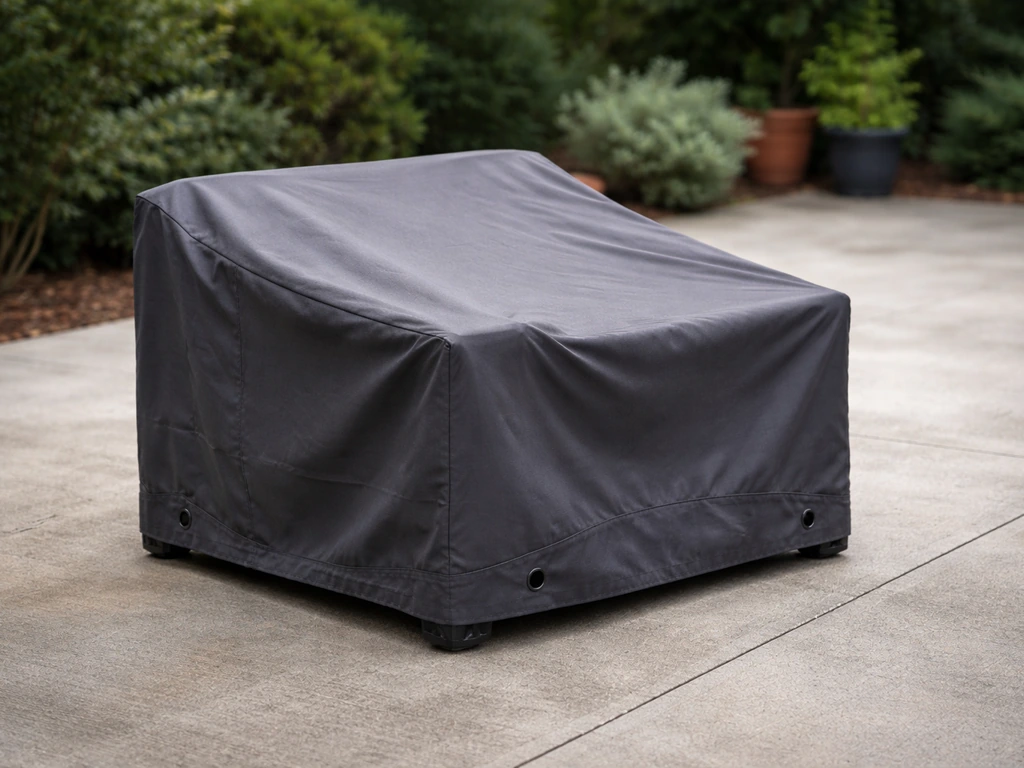
Good covers extend the life of both cushions and frames significantly. The right cover size also matters, so measure your furniture length, width, and height before you buy to get a proper fit Good covers extend the life. Quality patio furniture covers help protect both cushions and frames from sun, rain, and condensation so your furniture lasts longer.
For covered storage, look for covers with breathable membranes (TPU technology offers water resistance in the range of 6,000 to 10,000 mm while still venting moisture) and two-way ventilation to prevent condensation buildup under the cover. Choosing the best patio furniture covers also means matching the cover type to your climate and storage setup. A cover that traps humidity can actually create a better mold environment than leaving furniture exposed. Sizing your covers correctly matters too, since a loose, floppy cover that catches wind is useless.
Pairing the right furniture type with the right protective cover is one of the most practical things you can do to extend its lifespan. A good quality patio furniture cover helps protect the frame, cushions, and fabrics from sun, rain, and debris so you get more seasons out of what you bought.
Quality checklist before you buy
Most furniture looks sturdy on a showroom floor. Here's what to actually inspect or ask about before you commit.
- Frame thickness and alloy: For aluminum, look for cast aluminum or thick-wall extruded aluminum (1.5mm or more wall thickness). Thin aluminum bends and dents easily. Ask if it's 6000-series alloy (stronger) or generic.
- Joinery: Welded joints on metal frames are stronger than bolted ones. On wicker, look for frames where the weave wraps tightly around the corners with no gaps or unraveling ends.
- Powder coat quality: For metal furniture, run your fingernail across the finish. It should feel hard and smooth, not soft or easily scratched. Ask about coating thickness if you can. Uniform coverage matters more than a single thick spot.
- Hardware: Check every bolt, screw, and bracket for rust-resistance markings or material specs. Near the coast, insist on 316 stainless. Inland, 304 stainless or quality zinc-plated hardware is acceptable.
- Weave integrity: On wicker pieces, inspect where the weave meets the frame at corners and edges. Loose ends, gaps, or visible staples suggest lower-quality construction that will unravel with UV exposure.
- Rust resistance on steel: Look for multiple layers of protection: a zinc phosphate primer coat plus a powder topcoat. One coat of spray paint is not enough.
- Cushion fill and fabric label: Look for high-density polyurethane foam with a quick-dry inner wrap, not basic foam. Check the tag for fiber content and look for solution-dyed acrylic or a performance fabric name.
- Weight and stability: Sit in every chair. Rock it slightly. Good outdoor furniture doesn't flex or wobble. Lightweight furniture that tips easily is a liability in any wind.
Budget and value: where to spend and where to save
Outdoor furniture is one of those categories where cheap options cost more over time because you replace them sooner. That said, you don't need to spend at the top of the market to get excellent furniture. Here's where the money actually matters.
- Spend on the frame: This is the skeleton of the piece. A quality powder-coated aluminum or solid teak frame should last 15 to 20 years. A flimsy steel frame with thin paint will be a rusted eyesore in five. This is not where to cut corners.
- Spend on cushion fabric: Solution-dyed acrylic fabric costs more upfront and lasts three to five times longer than cheap polyester. If a set comes with generic cushions, budget to replace them with Sunbrella or a comparable performance fabric.
- Save on decorative accessories: Side tables, plant stands, lanterns, throw pillows in covers you can wash: these don't need to be premium-grade outdoor materials. Switch them out as trends change.
- Save on matching sets vs. mixing: Big-box matching sets often offer the best price per piece and handle sizing consistently. Premium boutique sets look great but you pay a significant markup for aesthetics. If you're mixing pieces from different manufacturers, double-check seat heights match (typically 16 to 18 inches for dining chairs) so the set feels cohesive.
- Be skeptical of 'all-weather' marketing: Every outdoor furniture brand calls their product all-weather. Look at the actual material specs, not the label. HDPE resin wicker on a powder-coated aluminum frame genuinely is all-weather. A wicker-look chair made from natural rattan with a thin spray-paint coat is not.
- Budget for covers: Even quality furniture lasts longer with good covers. Don't spend $2,000 on a dining set and then skip the $80 cover.
Maintenance and care plan to make it last
The single biggest factor in how long your patio furniture lasts is not the brand or the price point: it's consistent, basic maintenance. Here's a practical seasonal plan.
Routine cleaning (monthly or after heavy use)
For almost every outdoor furniture material, the same basic cleaning approach works: mix about a quarter cup of mild liquid soap into a gallon of warm water, scrub gently with a soft-bristle brush or cloth, and rinse thoroughly. Avoid bleach on wood and metal (it strips finishes), avoid steel wool on any surface (it scratches and leaves iron particles that rust), and avoid hard-bristle brushes on wicker weaves. For teak specifically, skip the pressure washer for routine cleaning. It strips the wood's natural oils and can raise the grain. A sponge or soft brush with soapy water does the job without the damage.
Seasonal prep and storage
Before winter arrives (or before your rainy season if you're in a climate without freezing), clean everything thoroughly and let it dry completely before covering or storing. Moisture trapped under covers or in storage is the most common reason furniture develops mold. If you decide to cover your patio furniture, make sure the cover is breathable so moisture does not build up and create mold patio furniture covers.
Cushions should always be stored inside or in a dry storage box during off-season, regardless of how premium the fabric is. Resin wicker frames can stay outside, but bringing them in during severe weather extends the weave life considerably. Metal and composite furniture can generally stay outside year-round in moderate climates if covered properly.
Material-specific care reminders
- Teak: Apply teak oil once or twice a year if you want to maintain the warm color. If you prefer the silver patina, just clean annually. Do not use sealant on furniture sold with a 'weathered' factory finish as it can trap moisture.
- Cedar: Seal with a penetrating wood sealant every one to two years. Sand lightly before reapplying to remove grey oxidized wood and let the sealer bond properly.
- Powder-coated aluminum: Wipe down with soapy water seasonally. Inspect for chips in the coating annually and touch up with matching powder coat paint if found.
- Steel/wrought iron: Inspect every season for rust spots, sand them back to bare metal, apply a rust-inhibiting primer, and repaint. Do not skip this or the rust spreads.
- HDPE resin wicker: Rinse with a hose and wipe down. Inspect weave edges for any loosening and press them back into place. UV damage accumulates over years, so keeping it covered when not in use matters.
- HDPE/composite lumber: Rinse and scrub with soapy water. No sealing needed. Inspect hardware bolts annually and tighten as needed.
One last thing: whatever you buy, document what you got. Keep the model name, material specs, and any care instructions. When you need replacement cushions, touch-up paint, or a matching piece two years from now, you'll be glad you have it.
FAQ
How do I know what size patio furniture to choose for my space, not just that it will fit on the patio?
Measure twice for door clearance, then include extra gap for movement. A common mistake is only checking “will it fit,” not “can you sit and stand comfortably.” If you have arms, allow more walkway clearance because arm movement needs more space than a chair back alone.
When brands say a set is “rust-proof” or “weather-ready,” what should I verify before buying?
Look for the frame material and the corrosion-resistant hardware separately. For example, aluminum frames still need quality fasteners, and steel frames with poor coating can fail quickly if the finish chips. If the listing doesn’t specify frame material and hardware, assume you may be paying for appearance rather than longevity.
Which parts of patio furniture matter most for outdoor exposure, frame versus cushions?
If it’s going to sit in direct weather (open yard, no roof, frequent rain), prioritize non-porous or sealed options for the parts that stay outdoors. Cushions are the exception, cover them or store them, but the frame needs to be able to handle wet cycling without cracking, rotting, or corrosion.
What type of patio furniture holds up best in freeze-thaw or very cold, wet winters?
In snowy or freeze-thaw climates, avoid relying on materials that need frequent sealing or treatment. HDPE lumber and powder-coated aluminum generally handle freeze-thaw and moisture better, while wood types like cedar need consistent sealing in repeatedly wet conditions to prevent greying and cracking.
Can I use natural wicker outdoors if my patio has some cover?
Natural wicker and rattan can work only if they stay sheltered from rain and harsh sun most of the year. If your patio is partially covered but still gets wind-driven rain, natural wicker often fades and molds anyway, so synthetic resin wicker with a non-porous frame is usually the safer choice.
I like the look of wrought iron or steel, but how much maintenance should I realistically expect?
Decide based on how you want to handle touch-ups. Steel and wrought iron look great but require seasonal inspection and prompt rust prevention when chips occur. If you are unwilling to do that maintenance, choose powder-coated aluminum or an outdoor-rated composite.
Do patio furniture covers prevent mold, or can they actually cause it?
Covers are helpful, but they can also backfire if they trap humidity. Use breathable, venting covers, and make sure furniture is fully dry before covering. Also avoid tightly stretched covers that hold water at seams.
How can I tell if my cushion fabric will actually resist fading and mildew?
Solution-dyed acrylic cushions are the most forgiving in strong sun and humid conditions because the color goes through the fiber rather than only on the surface. If the listing only mentions “fade-resistant” or “UV-treated” without specifying the dye or fabric type, treat it as standard polyester and plan for earlier fading.
What’s the biggest “gotcha” for choosing patio furniture near the ocean?
If your climate is coastal or very humid, prioritize materials that tolerate salt and chloride exposure, especially hardware. For coated metals, inspect that touch points and seams are protected too. If you cannot confirm hardware type, consider that a coastal-use risk.
What’s more likely to fail first, cushions or the furniture frame, and how should that affect my buying decision?
Plan for cushion replacement sooner than frame replacement. Even durable frames need cushions to be stored or covered properly to prevent mildew and odors. A practical approach is to budget for eventual cushion swap while choosing a long-lasting frame material.
What should I do before winter or the rainy season to prevent mold and damage?
Do routine cleaning before you cover for the off-season, and keep cushions dry by storing them indoors or in a dry, ventilated storage box. The most common failure mode is moisture trapped under covers, then mold growth when temperatures rise again.
Why is it worth documenting the exact patio furniture model and specs, and what should I record?
Keep model names and material details and note where you bought each item. When you need replacement cushions, covers, or matching pieces, those specs determine compatibility, and “similar” sizes often do not line up with the frame and bracket geometry.
Next Articles
What Are the Best Patio Furniture Covers? Buyers Guide
Buyer guide to the best patio furniture covers by size, material, climate, and wind protection, plus care and troublesho
Common Patio Furniture Wood: Best Choices, Care & Tips
Compare common patio furniture wood types, teak, cedar, redwood, oak, with durability, finishes, and care tips.
Best Wood Patio Stain: Choosing Durable, Low-VOC Finishes
Compare and choose the best wood patio stain: durability, finish, climate tips, prep, and top product picks.