
The best patio furniture covers for most homeowners are Classic Accessories' Veranda and Ravenna lines for solid all-weather protection, and Duck Covers' Elite series when you need fully waterproof coverage in wet or snowy climates. For furniture made from premium materials like teak or quality aluminum, a Sunbrella-fabric cover is worth the extra cost because the solution-dyed acrylic genuinely resists UV degradation in a way cheaper polyester can't match. That said, the 'best' cover is the one that fits your exact furniture dimensions, suits your local climate, and stays secured in a windstorm. Get those three things right and almost any well-constructed cover will last several seasons.
What Are the Best Patio Furniture Covers? Buyers Guide

Theo Tierney
21 May 2026
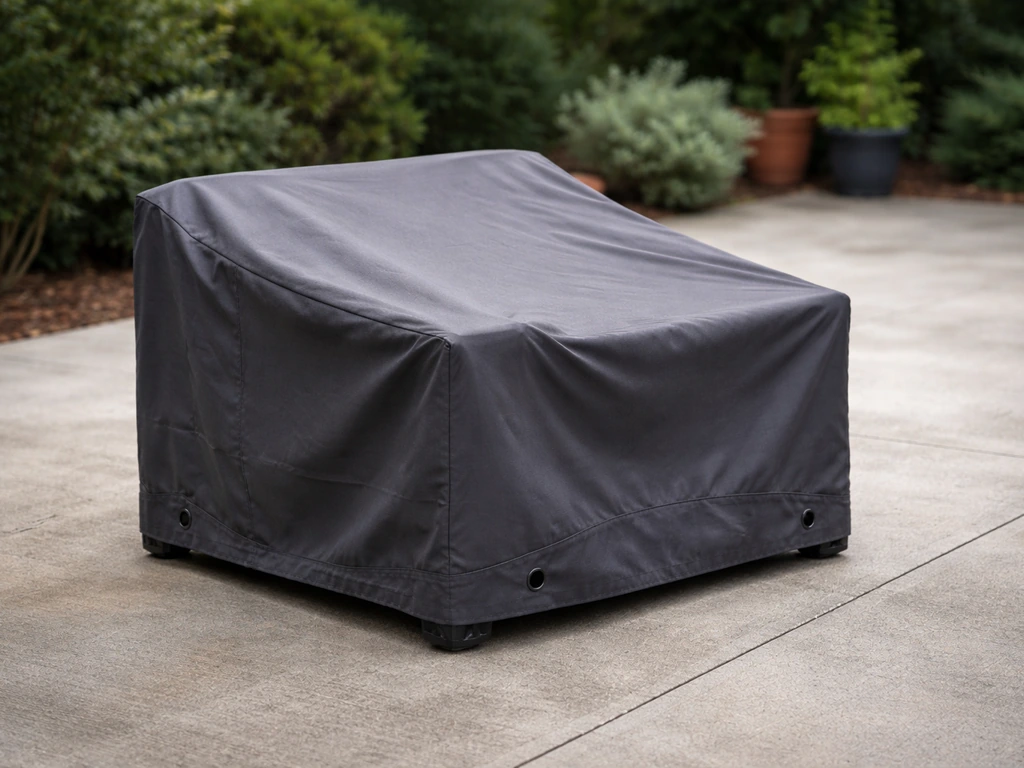
Get the measurements right first, everything else follows
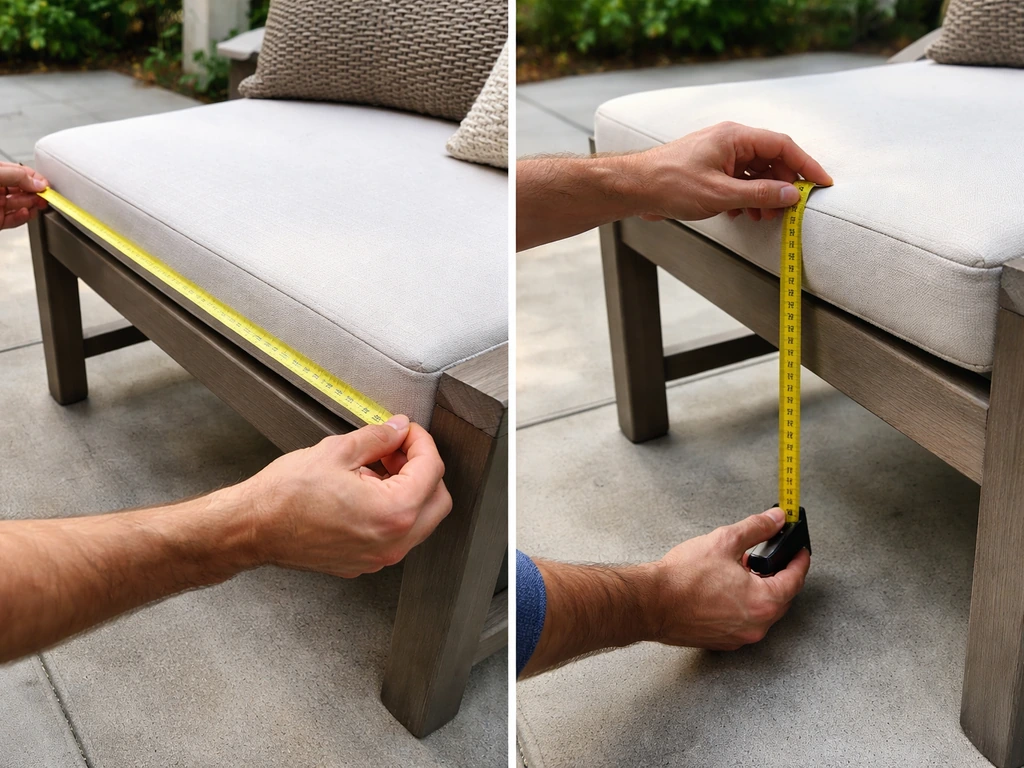
Wrong-size covers are the single biggest cause of premature cover failure. A cover that's too loose pools water in the sags, lets wind get underneath and loft the whole thing off, and creates dark wet zones where mildew thrives. Too tight and you're fighting it on and off every time, stressing the seams. Measure before you look at a single product listing. If you are planning to leave room for air circulation and proper cover clearance, you will also want to account for how much space do you need for patio furniture before selecting the cover size.
You need three numbers for any piece of furniture: width (right to left across the widest point, including armrests on chairs and sofas), depth (front to back across the seat or tabletop surface), and height (the highest point of the piece straight down to the ground). That last one trips people up because they measure the seat height instead of the full back height. A dining chair's seat might be 18 inches off the ground, but its back could be 36 inches tall. The cover has to clear the highest point.
For dining sets and conversation sets, you have two choices: cover the whole set under one large fitted cover, or cover individual pieces separately. Full set covers are more convenient but require furniture to stay in its arranged position. Individual piece covers give you flexibility if you rearrange often or store some items inside during winter. Either way, add about 2 to 3 inches to each measured dimension when comparing to a cover's listed size range. That small allowance makes putting the cover on and taking it off dramatically easier without creating the excess fabric that causes pooling.
When checking product listings, look for 'fits up to' dimensions rather than a single nominal size. A cover listed as 'fits up to 100 inches wide' gives you an objective maximum. If your furniture measures 94 inches across, that cover will fit with a workable 6-inch allowance. If your furniture is 99 inches, you're right at the edge and the fit will be sloppy. The more detail a manufacturer provides on sizing, the more confident you can be in the fit. Vague listings like 'large sofa cover' without dimensions are a red flag.
Cover materials: what actually holds up versus what just looks good on a listing
Most covers you'll find are made from polyester, and polyester itself is not a bad material. The problem is what's done to it. A cheap polyester cover with a thin DWR (durable water repellent) coating will bead water initially but lose that repellency after a season or two of UV exposure and washing. A PU-coated polyester, where a polyurethane film is bonded to the underside of the fabric, performs meaningfully better because the barrier is structural rather than a surface treatment. That's the distinction between 'water-resistant' and genuinely waterproof.
Classic Accessories' Gardelle fabric system is a good example of how layered construction works: a water-repellent top fabric combined with a laminated water-resistant undercoating plus a splash guard skirt at the hem. No single layer does everything, but together they handle real rain without letting moisture wick through at stress points or seams. Duck Covers takes a different approach with their Elite line, using a three-layer synthetic construction they describe as fully waterproof, plus their Duck Dome airbag that creates a peaked center to shed water and snow rather than letting it pool.
Olefin (also called polypropylene) is worth knowing about. It's solution-dyed, meaning the color goes all the way through the fiber rather than sitting on the surface, which makes it inherently UV resistant and colorfast. Olefin also resists water, staining, and mildew, and some manufacturers offer it with a UPF 50+ rating. It's not as commonly used in covers as in outdoor cushion fabric, but when you see it in a cover, it's a genuine durability indicator.
Sunbrella sits at the premium end. It's 100% solution-dyed acrylic, which means the UV resistance and color stability are engineered into the fiber from the start rather than added as a coating. Sunbrella fabric doesn't just resist fading, it resists UV degradation of the fiber itself, which is why the warranties are longer and the material stays flexible and strong longer than treated polyester. If you have furniture worth protecting, the cost difference is justified.
| Material | Waterproofing | UV Resistance | Breathability | Relative Cost | Best For |
|---|---|---|---|---|---|
| Standard polyester (DWR) | Water-resistant only | Moderate (coating fades) | Good | Budget | Mild climates, covered patios |
| PU-coated polyester | Waterproof to water-resistant | Moderate | Low to moderate | Mid-range | Wet climates, frequent rain |
| Multi-layer laminated (Gardelle, Duck Elite) | Waterproof to highly water-resistant | Good | Moderate (vents help) | Mid to upper-mid | Heavy rain, snow, wind |
| Olefin / polypropylene | Water-repellent | Excellent (solution-dyed) | Good | Mid-range | High UV, coastal, humid climates |
| Solution-dyed acrylic (Sunbrella) | Water-repellent (breathable) | Excellent | Excellent | Premium | All climates, premium furniture protection |
Features that separate a good cover from one that fails in six months
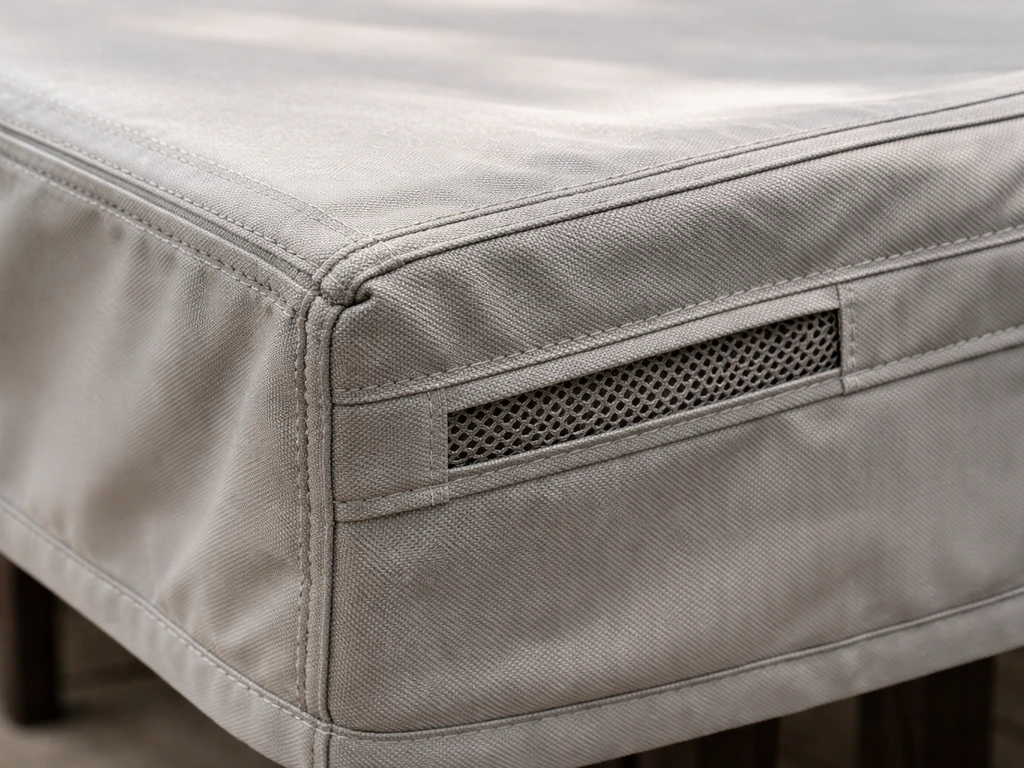
Waterproofing and UV resistance are table stakes. The features that determine whether a cover stays on, stays dry on the inside, and actually gets used are the ones that often get skipped in product descriptions.
- Ventilation: Air vents built into the sides of the cover reduce condensation buildup inside, which is critical for preventing mildew on cushions and fabric frames. Classic Accessories builds this into their Veranda and Ravenna lines specifically. Without vents, trapped humidity has nowhere to go.
- Tie-downs and strap systems: Click-close straps or buckle straps that go under the furniture are non-negotiable if you live anywhere with regular wind. An elastic hem cord with a toggle adds a secondary layer of security and conforms the skirt tightly to irregular furniture legs. Drawstring-only closures at the hem are the weakest option.
- Splash guard skirt: A darker, denser fabric band at the base of the cover prevents water from wicking up under the hem from ground contact or rain splash. This is a small detail that makes a real difference in extended rain.
- Seam quality: Look for double-stitched or heat-sealed seams. Seams are where water infiltrates in cheaper covers. If a manufacturer doesn't mention seam construction, assume it's single-stitched.
- Storage bag: A cover that comes with its own storage bag gets stored properly. Ones that don't tend to get shoved in a corner still damp or folded with debris in them.
- Handles: Simple handles on the cover make it dramatically easier to put on and take off, especially for large sectional or dining set covers.
What works where: matching cover features to your climate
The cover that works in Phoenix will underperform in Seattle, and the one rated for heavy rain may crack in a Minnesota winter. Climate is the most important variable after fit.
Heavy rain and Pacific Northwest / Southeast wet seasons
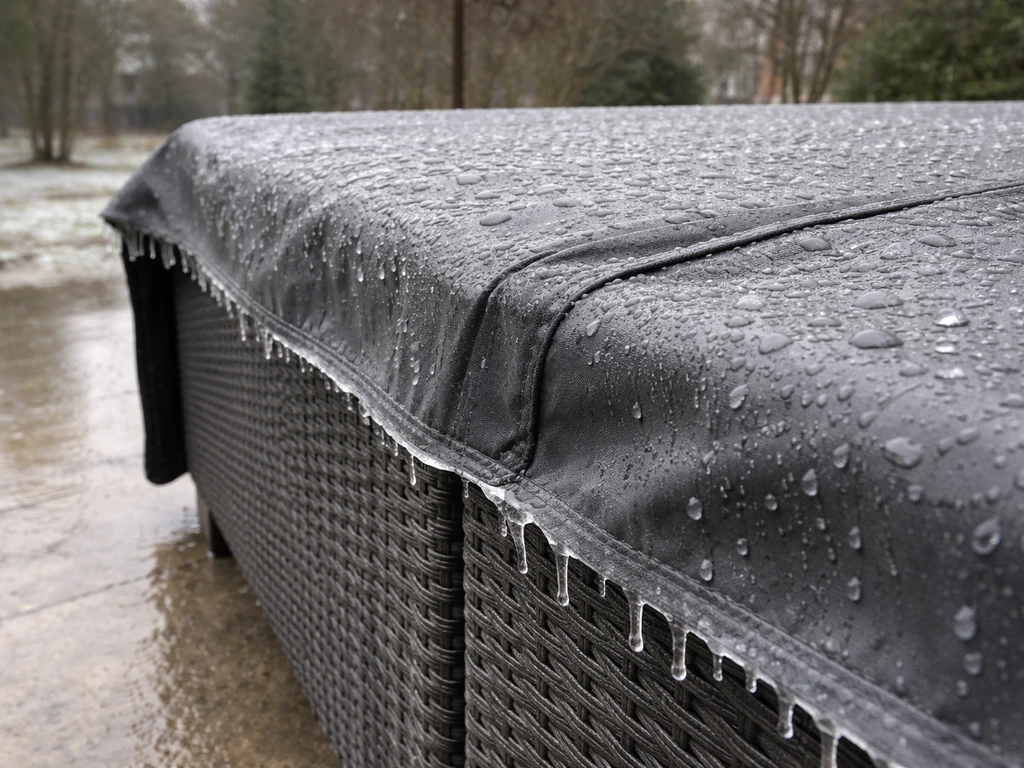
You need fully waterproof construction here, not just water-resistant. Go for PU-coated or multi-layer laminated covers like Duck Covers Elite. The Duck Dome airbag feature is genuinely useful in extended rain because it prevents the flat-top pooling that's the fastest way to add 10 pounds of standing water to your cushion set. Make sure the cover has a tight hem closure and straps, because wet covers become heavy and start to pull loose over time.
Snow and freezing temperatures
Standard polyester covers can crack at the fold points when temperatures drop below freezing, especially if moisture has gotten into the fabric before the freeze. Look for covers with a flexible lamination that stays pliable in cold, and avoid removing a frozen cover because you'll tear it. Duck Covers and Classic Accessories both offer options rated for cold-weather use. The peaked or dome design is especially important in snow country because flat covers accumulate snow weight that collapses onto cushions and stresses seams.
High UV: Arizona, Southern California, Texas summers
UV degradation kills cheap covers in one hot summer. The coatings oxidize, the fabric turns chalky or brittle, and the straps fail. This is where solution-dyed materials earn their keep. Sunbrella or olefin-based covers are the right choice here. Avoid dark colors in extreme heat if the cover is sitting on top of heat-sensitive materials like resin wicker, because a dark cover can trap radiant heat underneath. Light to medium colors in solution-dyed fabrics perform best in high-UV climates.
Wind-exposed patios and elevated decks
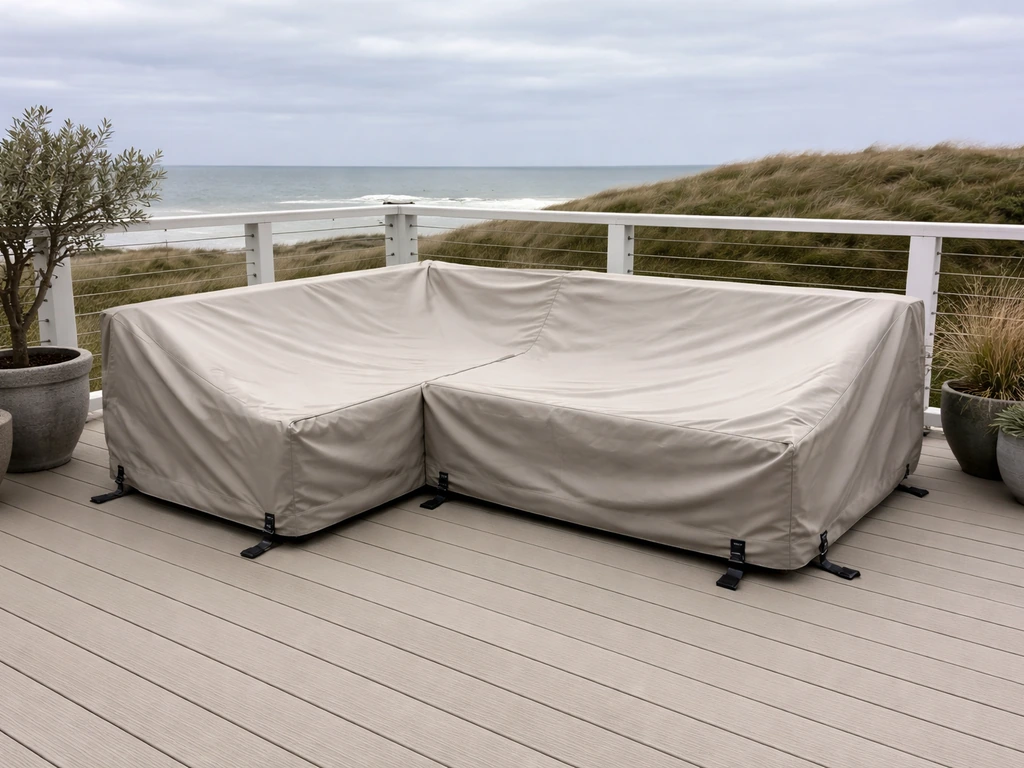
Wind is the enemy of every cover feature that isn't locked down. Lighter covers with loose hems will be across your yard by morning. You need buckle straps that run under the furniture legs, not just drawstring hems. Ventilation vents also matter here because they relieve internal air pressure that can cause covers to balloon and lift. If you're in a consistently windy area, look for covers with two or more independent strap systems, not just one central buckle.
Coastal and humid climates: Florida, Gulf Coast, Hawaii
Salt air is corrosive to cover hardware (buckles, clips, grommets) and accelerates fabric breakdown in anything that isn't solution-dyed. Mildew is the constant enemy. You need breathable fabric with good ventilation so moisture doesn't get trapped, but you also need enough water resistance to handle the regular rain and humidity. Olefin and solution-dyed acrylic (Sunbrella) perform best here. Avoid vinyl tarps and fully impermeable covers in high humidity because they trap moisture against the furniture and create worse mildew problems than no cover at all.
Which brands are actually worth buying
Classic Accessories is the most consistently reliable mid-range brand. Their Gardelle fabric system (found in the Veranda and Ravenna lines) delivers a genuinely thought-out multi-layer construction with air vents, click-close straps, elastic hem cords, and splash guard skirts. They back it with a two-year limited warranty, which is above average for the category. The covers are widely available, replacement parts are accessible, and the sizing range is extensive. For most homeowners who want a solid, no-drama cover at a reasonable price, Classic Accessories is the default recommendation.
Duck Covers is the go-to when you need fully waterproof performance, especially for wet or snowy climates. The Duck Dome airbag system for water shedding is a genuine functional feature rather than a marketing gimmick. Their Essential line offers a one-year warranty and is the honest budget option for mild climates. The Elite line is worth the step up if you're leaving furniture outside through winter rain or snow. Construction claims are backed by third-party testing.
Sunbrella is the premium benchmark. Their solution-dyed acrylic fabric is used in covers sold under various brand names, so when shopping, look for 'Sunbrella fabric' in the product description rather than the brand name alone. If you have teak, quality aluminum, or resin wicker furniture worth $1,000 or more, the upgrade to a Sunbrella-fabric cover is straightforward math: a cover that lasts 5 to 7 years versus one that needs replacing every 2 years is better economics and better protection.
Coverstore is worth mentioning for custom-fit covers. If you have an unusual sectional configuration, oversized dining set, or furniture with an irregular footprint, Coverstore lets you order by exact dimensions. Their material options include polyester, solution-dyed polyester, and Sunbrella. Custom sizing eliminates the pooling and loose-fit problems that come from trying to make a 'fits up to' cover work on non-standard furniture.
When evaluating any brand, check for: warranty length (one year is baseline, two years is good, five or more is a quality signal), whether the warranty covers UV degradation and seam failure or just manufacturing defects, and whether the sizing information on the listing is specific or vague. A brand that gives you precise maximum dimensions and calls out what the cover fits is more confident in their product than one that uses generic 'small/medium/large' labels.
How to clean and store your covers so they last
The number one mistake people make with covers is storing them while they're still damp. Folding a wet cover into a storage bag or a bin creates the exact warm, dark, moist environment that mildew needs. Do this once and you'll smell it the next time you unpack the cover in spring. More importantly, mildew compromises the fabric and coating over time, shortening the cover's life significantly.
Cleaning is simple. Lay the cover flat on a clean surface, brush off any loose debris, and rinse thoroughly with a garden hose. For stubborn stains or mildew spots, mix a small amount of mild dish soap with lukewarm water and use a soft brush. Avoid bleach on covers with DWR or PU coatings because it degrades the water-repellent chemistry. Rinse completely to remove all soap residue, then air dry fully before folding or storing. Do not put covers in a dryer. The heat damages laminated coatings and causes delamination.
- Brush off loose dirt and debris while the cover is dry
- Lay flat or drape over a railing and rinse thoroughly with a garden hose
- For mildew or stains: apply a mild soap solution with a soft brush, work it gently into the fabric
- Rinse completely until water runs clear with no soap
- Air dry fully in a well-ventilated area — both sides — before folding
- Store in the included bag or a breathable storage bin, never in plastic bags or sealed containers while even slightly damp
Troubleshooting common cover problems
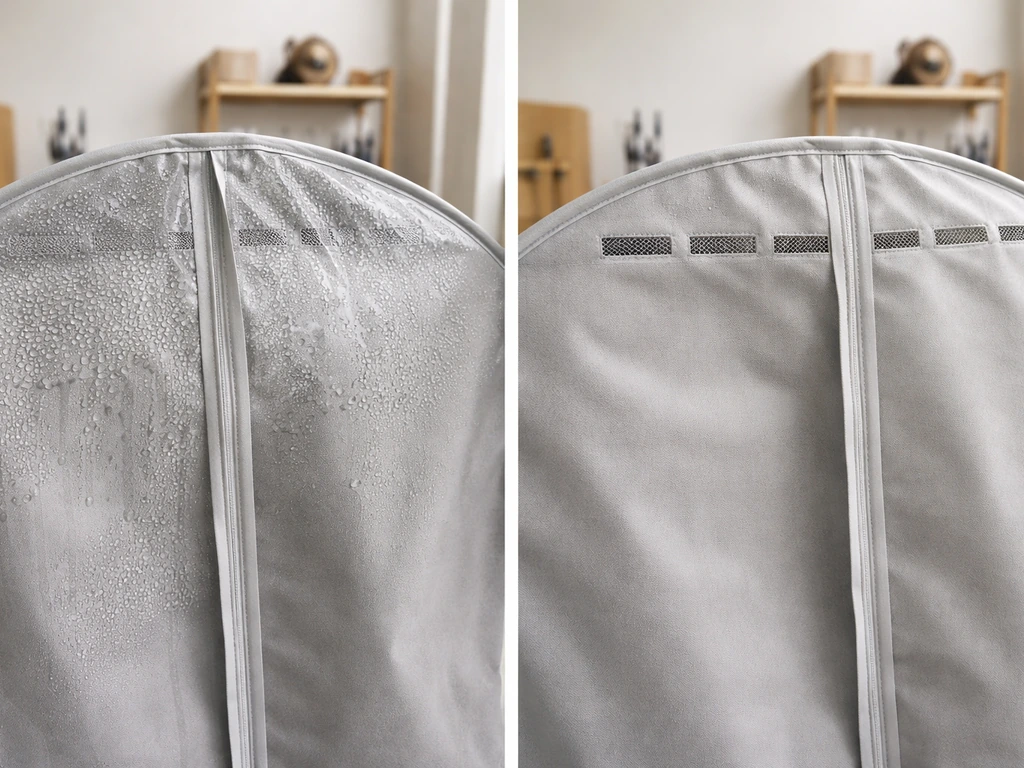
Condensation inside the cover is almost always a ventilation problem. If your cover doesn't have built-in air vents, that moisture is coming from temperature differentials between the furniture and the outside air. The fix is either switching to a cover with vents (Classic Accessories Veranda line has them) or briefly lifting one edge of the cover on dry days to allow airflow. Don't leave furniture covered 24/7 in humid climates without ventilation.
Cover keeps blowing off: check your strap system first. If you only have a drawstring hem, it's not enough for exposed locations. Add aftermarket bungee strap kits or replace the cover with one that has under-furniture buckle straps. Also check whether the cover is the right size. A cover that's two sizes too large will always catch wind regardless of strapping.
Premature fading or cracking is almost always a UV or heat issue. If the cover is surface-dyed polyester and it's sitting in full sun in a southern climate, one season is sometimes all you get. Upgrade to solution-dyed olefin or acrylic for those situations. Cracking specifically often means the laminated undercoating has broken down, which happens faster when covers are stored folded tightly while damp. Letting them dry flat before storage extends coating life significantly.
Water pooling in the center of the cover means the furniture layout creates a low point. Some covers have a storage pouch or bladder system (like Duck's Duck Dome) to address this by creating a peak. Alternatively, a foam noodle placed along the top of the furniture before the cover goes on creates enough slope to drain water to the edges rather than letting it pool and stress the fabric.
Your shortlist checklist before you buy
Once you know your furniture dimensions and your climate category, narrowing down to the right cover takes about ten minutes if you know what to check on a product listing.
- Confirm the listing shows maximum fit dimensions (W x D x H), not just a generic size label
- Verify your furniture measurements plus a 2 to 3 inch allowance fall within the cover's listed range
- Check the material description for construction layer details: top fabric type, undercoating or lamination, and seam type
- Confirm the cover has at least one strap or buckle system for wind security, not just a hem drawstring
- Look for ventilation features (air vents) if your climate is humid or the furniture will be covered for extended periods
- Check the warranty length and what it actually covers (manufacturing defects only vs UV and seam coverage)
- For premium furniture or harsh UV/coastal climates, verify the fabric is solution-dyed rather than surface-treated
- Read recent customer reviews specifically for fit and durability after one full season, not just first impressions
Choosing the right cover material goes hand in hand with knowing your furniture type and how long you expect it to last. If you're still deciding on the furniture itself, the cover decision is worth making alongside that choice since some materials are more sensitive to cover-related moisture and heat buildup than others. If you're choosing patio furniture too, match the pieces to your climate and coverage plan so you end up with materials that hold up outdoors what type of patio furniture should i get. And if you're not sure whether covers are even necessary for your setup, the answer almost always depends on your climate and how much direct exposure your patio sees, which is worth thinking through before committing to either approach. For a quick guide, you can also follow the step-by-step process for how to choose patio furniture covers based on fit, materials, and your local weather climate.
FAQ
Are waterproof (fully closed) patio furniture covers better, or can they cause moisture problems inside?
In most humid or rainy areas, fully impermeable covers increase inside condensation. If your climate is consistently damp, prioritize vented, breathable designs with water-resistant or waterproof fabric layers, and make sure vents are not blocked by a tight fit. In very dry climates you can get away with less ventilation, but in coastal or foggy regions you should treat vents as a must-have.
Can I leave my furniture covered through the whole season, even if my patio is humid?
Yes, but you should do it before the cover goes on, not after. Make sure cushion foam is dry and the cover is fully dry before storage, then remove the cover during occasional dry windows if condensation keeps forming. If your set has fixed cushions, check the underside of the cover after a week, if it feels damp inside, you need more ventilation or a better vented model.
What’s the safest way to remove mildew without ruining the cover’s waterproofing?
Not always. If the cover has a PU coating, laminated undercoating, or any water-repellent chemistry, bleach can damage the performance and shorten life. For mildew spots, use mild dish soap and lukewarm water, rinse thoroughly, and air dry fully. If you see recurring mildew, that’s usually a ventilation and fit issue, not just a cleaning issue.
Can I use a pressure washer to clean patio furniture covers?
For most patio covers, a garden-hose rinse is enough for routine cleaning, and hand brushing helps loosen grit. If you use a pressure washer, keep it on a gentle setting and avoid blasting seams and stitching, high pressure can drive water into the interior layers and accelerate coating failure. Always rinse soap completely afterward.
Do the best cover materials still fade in high-UV climates, and should I choose lighter colors?
Solution-dyed acrylic and olefin fabrics generally tolerate long sun exposure better than surface-treated polyester, but you still should avoid trapping heat under a cover when the furniture is heat-sensitive (like some resin wicker). In extreme summer, choose light or medium colors and ensure good ventilation so the cover doesn’t create a hot greenhouse effect under it.
What can I do if water keeps pooling in the center of the cover?
If you see pooling, first inspect furniture placement. A true fix is getting the cover to shed water, either with a peaked or dome design, or by adding slope support (for example, a foam noodle along the top) so the cover drains to the edges. Also confirm the cover size is correct, a slightly oversized cover often creates a sagging low point.
My cover keeps sagging or lifting after storms. What should I check first?
After a heavy rain or snow melt, weigh the cover and feel the underside. If it’s heavy, wet, or visibly sagging, the straps and hem closure are likely not holding well, add or replace under-leg buckle straps or upgrade to a model with a more secure strap system. Also confirm fit, a cover that is too loose will billow and defeat straps.
Is it okay to remove and reinstall a cover in freezing weather if it’s covered in ice or snow?
Yes, but only if you can do it safely. When temperatures are below freezing, avoid removing a frozen cover because flexing can tear or crack coatings. If the cover is frozen to the furniture, let it thaw with time (or use gentle edge lifting on a dry, warm day) so you don’t stress seams and fold points.
Can I replace parts like straps or panels instead of buying a full new cover?
Often yes, especially for premium fabrics where you want the same performance. However, replacement panels may not restore perfect waterproofing at seams if the original cover’s laminated layers were damaged. Measure strap and hem locations too, if hardware is corroded in salt air, replace buckles and grommets to prevent progressive failure.
How much extra space should I leave when choosing a cover size for chairs or a sofa?
A 1- to 2-inch allowance is usually easier than pushing the cover tight, but your “just right” range depends on furniture complexity (armrests, tables with overhangs) and whether the cover has a full set closure system. If you repeatedly fight the cover on and off, you likely need to go up a size range or choose a model that specifies clear maximum dimensions for your piece.
Why does condensation keep forming under the cover, even when it doesn’t rain?
Most of the time, condensation indicates either insufficient ventilation or a persistent temperature swing between indoors and outdoors. If your cover has vents, ensure they are unobstructed, and if it does not, periodically vent on dry days by lifting one edge briefly. For 24/7 humid climates, choose a cover with vents rather than relying on occasional manual venting.
What features matter most for patio furniture covers in snowy winters?
For winter, prioritize cold-rated, flexible-lamination covers with a peaked or dome top so snow doesn’t collapse onto cushions. Flat-top designs can stress seams under snow weight. Also check straps and ensure the hem closure stays tight, wet snow loads can pull covers loose.
When is a custom-fit patio cover actually better than a standard ‘fits up to’ cover?
Custom-fit can be worth it when your furniture has an unusual footprint, deep overhangs, or multiple seating configurations that make “fits up to” sizing unreliable. Custom sizing reduces pooling and strap mismatch, which are major drivers of early failure. If your furniture is standard and you can measure within the stated maximum dimensions, a good fitted cover off-the-shelf is often enough.
Next Articles
Common Patio Furniture Wood: Best Choices, Care & Tips
Compare common patio furniture wood types, teak, cedar, redwood, oak, with durability, finishes, and care tips.
Best Wood Patio Stain: Choosing Durable, Low-VOC Finishes
Compare and choose the best wood patio stain: durability, finish, climate tips, prep, and top product picks.
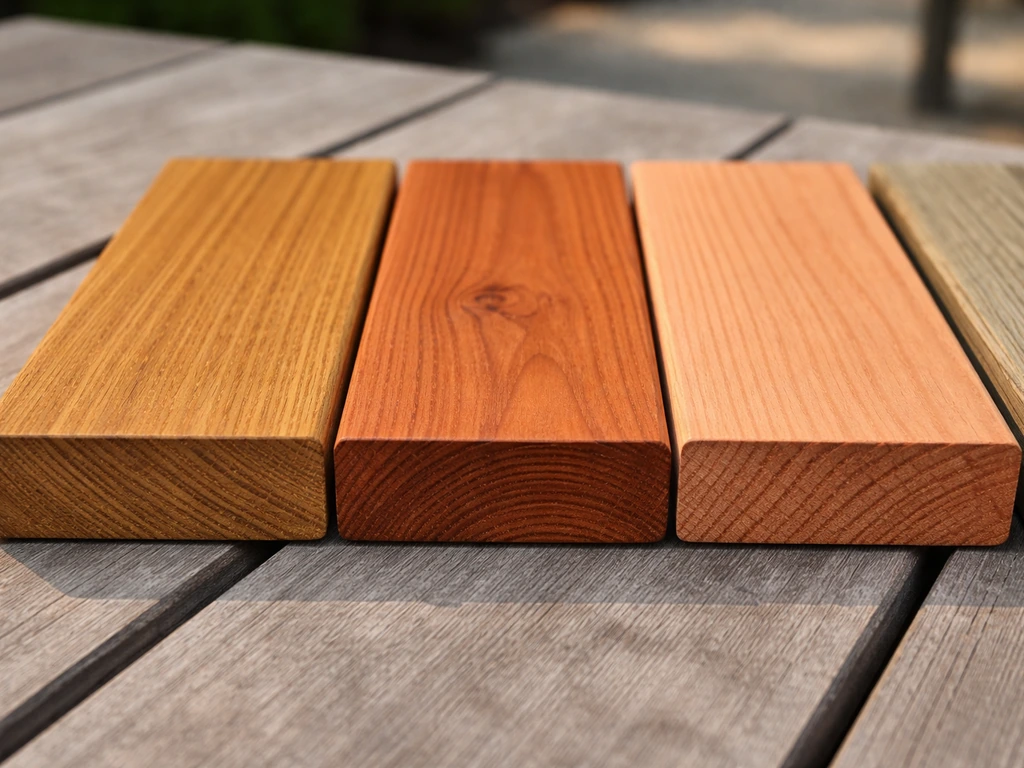
Common Patio Furniture Wood: Teak, Cedar, Redwood and More
Compare common patio woods like teak cedar redwood and pressure-treated: durability, quality checks, and care for long l