
Patio furniture covers are necessary for most homeowners in most climates, but not for the reasons most people assume, and they can actually cause damage if you use the wrong type or put them on wrong. The short version: if your furniture lives outside year-round and faces rain, snow, UV exposure, or coastal salt air, covers will meaningfully extend the life of your frames and cushions. If you're in a mild, dry climate with a covered patio, you can often skip them entirely. The real decision depends on your climate, your furniture material, and whether you're willing to use covers correctly, because a bad cover used badly is worse than no cover at all. Patio furniture spacing affects how well your covers fit and how easily air circulates, so it's worth planning the layout before you buy or cover sets.
Are Patio Furniture Covers Necessary? When to Use Them

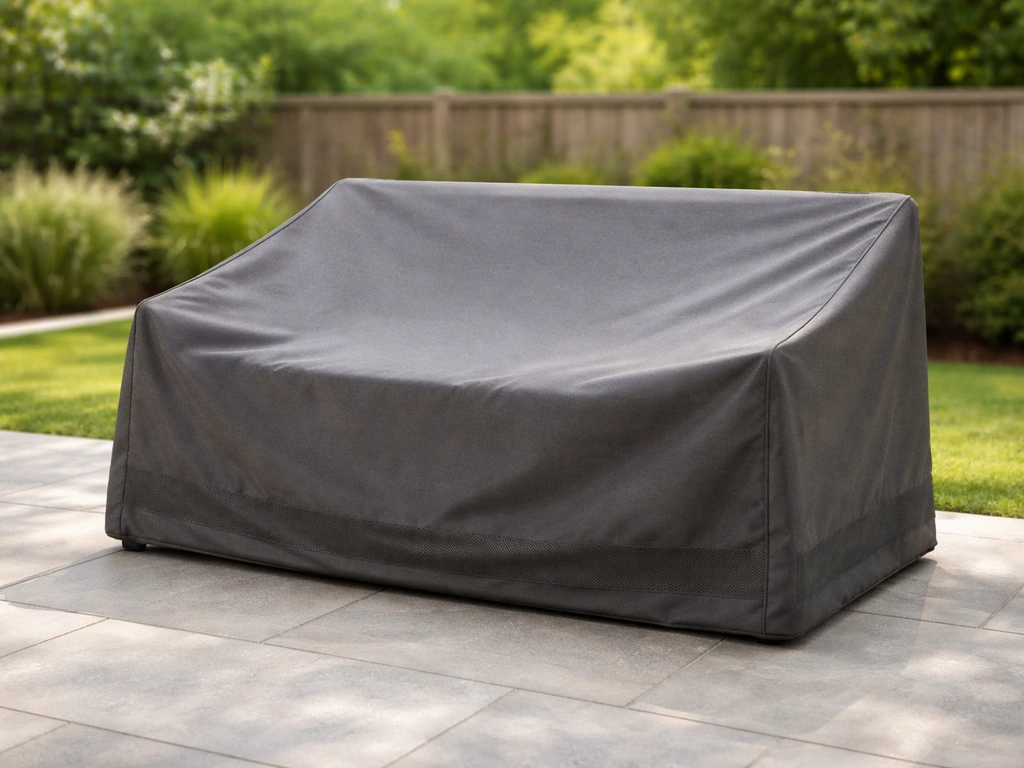
Do covers actually protect your furniture (and how they fail)
A good cover does three real things: it blocks UV radiation that fades and degrades finishes, it keeps rain and snow from saturating frames and cushions, and it reduces the accumulation of bird droppings, tree sap, pollen, and debris that requires aggressive cleaning. Those three things add up to genuinely longer furniture life, especially for wood, which absorbs water and expands/contracts with moisture cycles, and for metal furniture with powder-coated finishes that UV slowly breaks down.
Where covers fail is almost always a moisture problem. When selecting protection, it helps to also understand how to choose patio furniture covers so you avoid the moisture failures described here. The EPA makes the point clearly: blank" rel="noopener noreferrer">mold control is moisture control. Covers that trap humid air against furniture surfaces create the exact damp conditions mold and mildew thrive in. This is especially common when you put a non-breathable cover over furniture that's already slightly damp, or when a loose cover creates low spots where water pools and sits. Coverstore's research on cover failures identifies water pooling as a top cause of cover damage and downstream mold, and the mechanism is straightforward: water collects in a sag or dip in the cover, the cover stays wet, and that moisture works its way to the furniture surface underneath. Add fabric cushions to the equation, and the problem accelerates, since cushion foam holds moisture far longer than a frame does.
The failure pattern plays out like this: homeowner buys a cheap, oversized cover, throws it over the furniture before a storm, the blank" rel="noopener noreferrer">cover pools water at the bottom edges, the seams stay wet for days, and mildew starts growing inside where nobody can see it. By spring, the cushion fabric smells, the frame has rust or mildew staining, and the cover itself is cracking. That outcome is worse than leaving the furniture uncovered. So the question isn't just whether to use a cover, but whether you'll use a well-fitted, breathable, properly secured one. If you want to compare options, this also ties into what are the best patio furniture covers for your climate and furniture type.
When covers are genuinely necessary, by climate and exposure
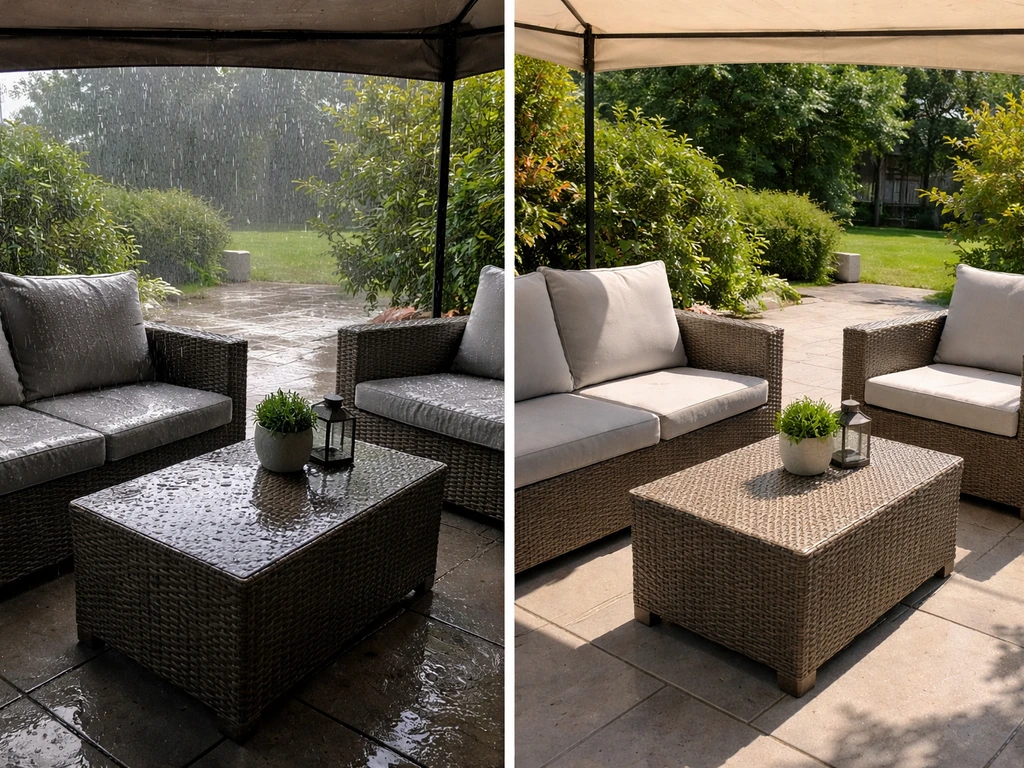
Climate is the single biggest factor in whether covers shift from optional to necessary. Here's how to think about it by condition:
| Climate / Condition | Cover Necessity | Primary Threat |
|---|---|---|
| Heavy rain regions (Pacific Northwest, Southeast) | High | Moisture saturation, mold, frame rot/rust |
| Snowy / freezing winters (Midwest, Northeast) | High | Ice expansion damage, freeze-thaw cycles, UV in shoulder seasons |
| Intense sun / dry heat (Southwest, Arizona) | Moderate-High | UV degradation, finish cracking, cushion fade |
| Coastal / salt air (Florida, Gulf Coast, California coast) | High | Salt corrosion on metal, finish breakdown |
| Humid subtropical without heavy rain (parts of Southeast, Gulf) | Moderate | Mildew on cushions, finish fade |
| Mild, dry climate with covered patio (Southern California inland, desert Southwest) | Low | Mostly debris and UV, manageable without covers |
| Temperate with seasonal storage option | Low-Moderate | Seasonal: use covers only during off-season or storm periods |
If you're in Florida or along the Gulf Coast, covers are close to mandatory for anything you want to last more than three or four years. Salt air accelerates corrosion on aluminum and steel frames at a rate that genuinely surprises people, and the humidity means any cushion left uncovered will develop mildew within a season or two. In snowy climates, the real risk isn't just the snow weight itself but the freeze-thaw cycles: water gets into micro-cracks in finishes, freezes, expands, and pops the finish off. A cover that keeps water out during those cycles can add years to the life of a metal or wood frame. In the dry Southwest, the enemy is UV, which fades cushion fabric and breaks down powder coat finishes faster than most people realize. Covers help, though good-quality UV-stabilized fabrics and frames hold up better here without covers than they would in a humid climate.
What your furniture material tells you about cover priority
Wood
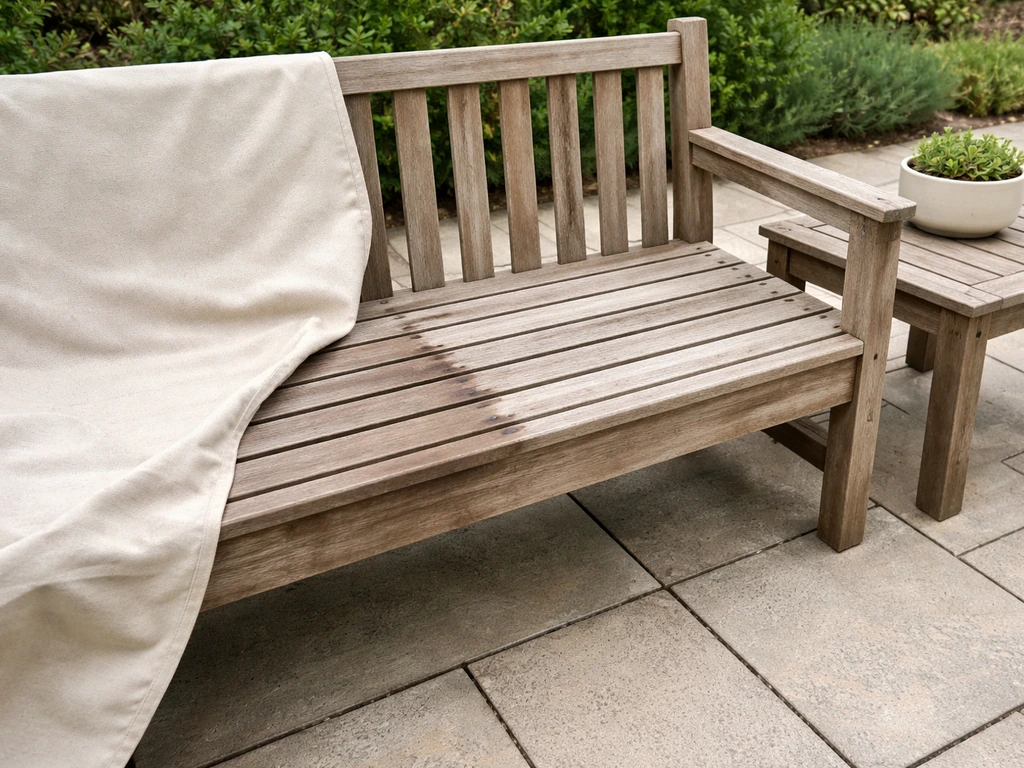
Wood furniture needs covers the most, but also benefits the least from poor ones. Teak, eucalyptus, and shorea are all naturally resistant to rot and insects, but they still absorb water and go through moisture-driven expansion and contraction cycles that stress joints and crack finishes over time. Cheaper softwood frames (pine, fir) are far more vulnerable and can rot out within a couple of seasons without protection in rainy climates. The rule for wood: use a breathable cover with vented panels or mesh vents, and never cover wood furniture while it's wet. If you are choosing patio furniture for your climate, start by matching the furniture material and design to how much sun, moisture, and coastal air you expect, so you do not end up buying something that needs constant cover protection what type of patio furniture should i get. Trapping moisture against wood is the fastest way to accelerate decay. If you're in a rainy climate, a well-fitted, breathable cover used consistently is one of the best investments you can make for wood furniture.
Metal (aluminum, steel, wrought iron)
Cast aluminum and steel frames with quality powder-coat finishes are fairly durable, but the finish is the protection, and once it chips or degrades, the underlying metal is exposed. UV breaks down powder coat slowly; salt air and moisture accelerate that process dramatically. Wrought iron is particularly vulnerable to rust once the finish is compromised. For metal furniture, covers significantly extend finish life in coastal and humid climates. In dry inland climates, regular cleaning and occasional touch-up with a metal-safe paint is often sufficient to skip covers. One important nuance: don't use non-vented covers on metal furniture in high-humidity climates, because condensation forms on metal surfaces under an airtight cover and you end up with standing moisture on the very surface you're trying to protect.
Wicker and rattan
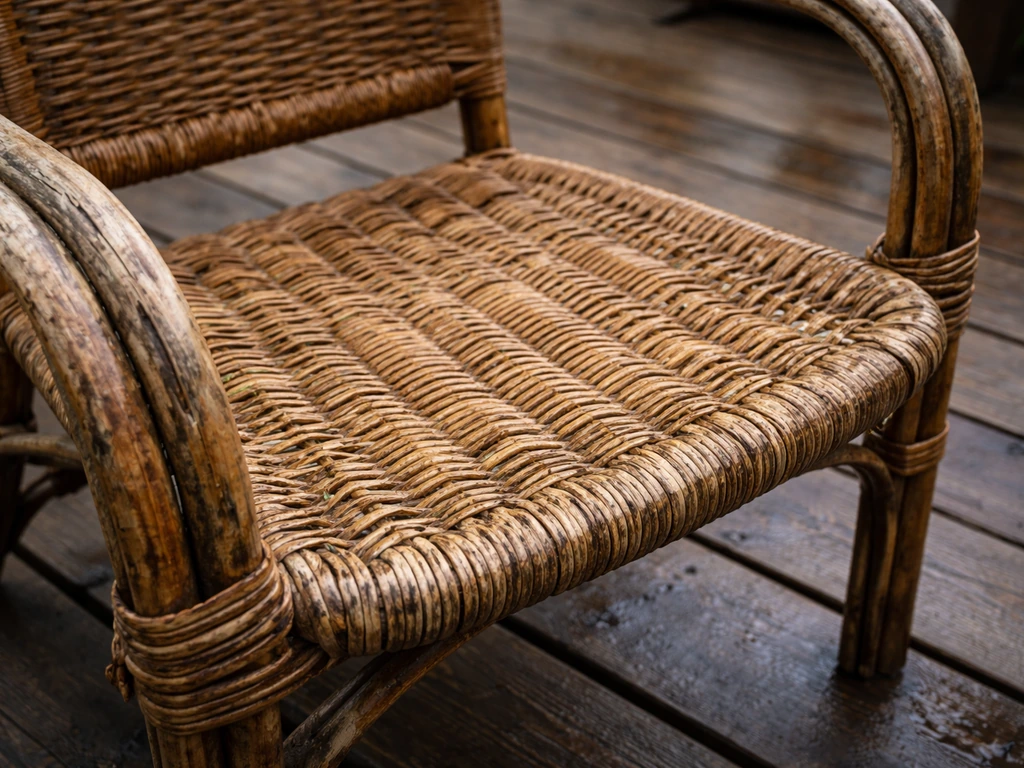
Natural wicker and rattan are genuinely not suitable for year-round outdoor use without covers, full stop. These materials absorb moisture, swell, crack, and become brittle. Even one wet season will visibly age natural wicker. Synthetic resin wicker (HDPE or polypropylene weave over a powder-coated aluminum frame) is far more weather-resistant and can handle rain and UV without covers far better than natural materials. That said, even synthetic wicker benefits from covers in harsh climates because debris gets caught in the weave and the UV does slowly degrade the resin over time. For natural wicker: cover it religiously or bring it inside. For synthetic resin wicker: covers help but are not as critical unless you're in a particularly harsh climate.
Composite and high-density polyethylene (HDPE)
HDPE lumber furniture (brands like Polywood are the well-known example) is genuinely the most maintenance-free material available for outdoor furniture. It doesn't absorb water, it won't rot, and it holds up well to UV with only gradual color fading over many years. In most climates, HDPE furniture doesn't need covers. The frame will outlast almost any weather event. The exception is cushions: if your HDPE furniture has fabric seat cushions (most sets do), those cushions still benefit from cover protection or indoor storage. The frame can sit exposed; the textiles shouldn't.
The mistakes that turn covers into a problem
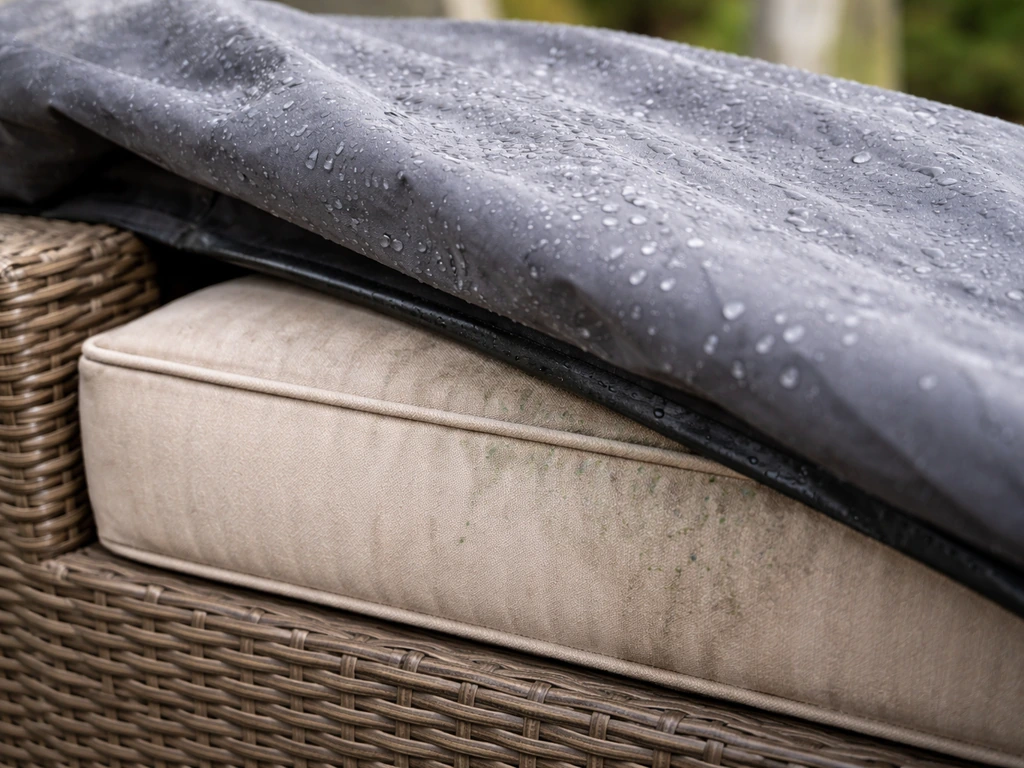
Most cover-related damage comes down to three repeatable mistakes, and all three are avoidable.
- Covering wet or damp furniture. This is the single most common mistake. If you cover furniture after a rain without letting it dry first, or at the end of a humid day when surface moisture is high, you're sealing that moisture in. Mold and mildew don't need much: a damp surface, limited airflow, and a few days is all it takes. The EPA's guidance on mold control is blunt: remove the moisture source. A cover that seals in moisture is a moisture source.
- Using a cover that doesn't fit. Oversized covers sag, pool water, and flap in wind, which causes friction wear on furniture finishes. Undersized covers don't protect the base and let wind drive rain underneath. Fit matters more than most people think, and it's worth measuring your furniture before buying a cover rather than guessing by category.
- Buying the cheapest cover available. Bargain covers made from thin polyethylene or low-grade polyester break down within a single season of UV exposure. The fabric becomes brittle, the seams crack, and they often don't have adequate waterproofing or breathability. A cover that costs $12 and lasts one season offers no real protection and wastes money. Spending $40 to $80 on a cover with marine-grade polyester, taped seams, and vented panels is a completely different product.
Poor ventilation deserves its own emphasis. Covers without air vents create a sealed microclimate underneath. In humid weather, that microclimate fills with water vapor, which condenses on cooler surfaces (metal frames, in particular) and stays there. Mesh vents or breathable cover fabrics let that vapor escape while still blocking rain. This is the design feature that separates covers that protect from covers that cause problems.
When you can skip covers entirely (and what to do instead)
Covers are not required for everyone. There are legitimate situations where skipping them makes sense, and the right maintenance routine can substitute effectively.
- Covered patios and pergolas: If your furniture sits under a solid roof or deep overhang, it's already protected from direct rain and most UV. Regular cleaning and occasional sealing or re-oiling (for wood) is typically sufficient.
- Mild, dry climates: In areas like inland Southern California or Arizona where rain is infrequent and temperatures don't freeze, weather exposure is low. The main threat is UV, which you can address with UV-resistant furniture materials and occasional cleaning.
- HDPE and aluminum frames: These materials are genuinely designed for outdoor exposure. If you buy quality HDPE or cast aluminum furniture and store the cushions inside during heavy rain seasons, you can leave frames exposed year-round without meaningful loss of life.
- Seasonal storage: If you're willing to store furniture in a garage or shed during the off-season (October through April in northern climates, for example), full-season covers are unnecessary. Bring it in, wipe it down, and you're done.
- Frequent use: Furniture you're using daily in summer gets a natural maintenance benefit from regular attention, cleaning, and observation. Problems get caught early. It's the furniture that sits neglected under a bad cover for six months that suffers most.
If you skip covers, the maintenance substitute is consistency. Clean frames with mild soap and water every few weeks during the season. Inspect and touch up any chipped paint or finish on metal furniture at the start of each season. Re-oil teak or eucalyptus wood annually. Bring cushions inside when rain is forecast, or use cushions with solution-dyed acrylic fabric (Sunbrella is the standard reference here) that resist mold and can be left out in moderate conditions. These steps keep furniture in good shape without covers, provided your climate allows for it.
What to actually look for in a patio furniture cover
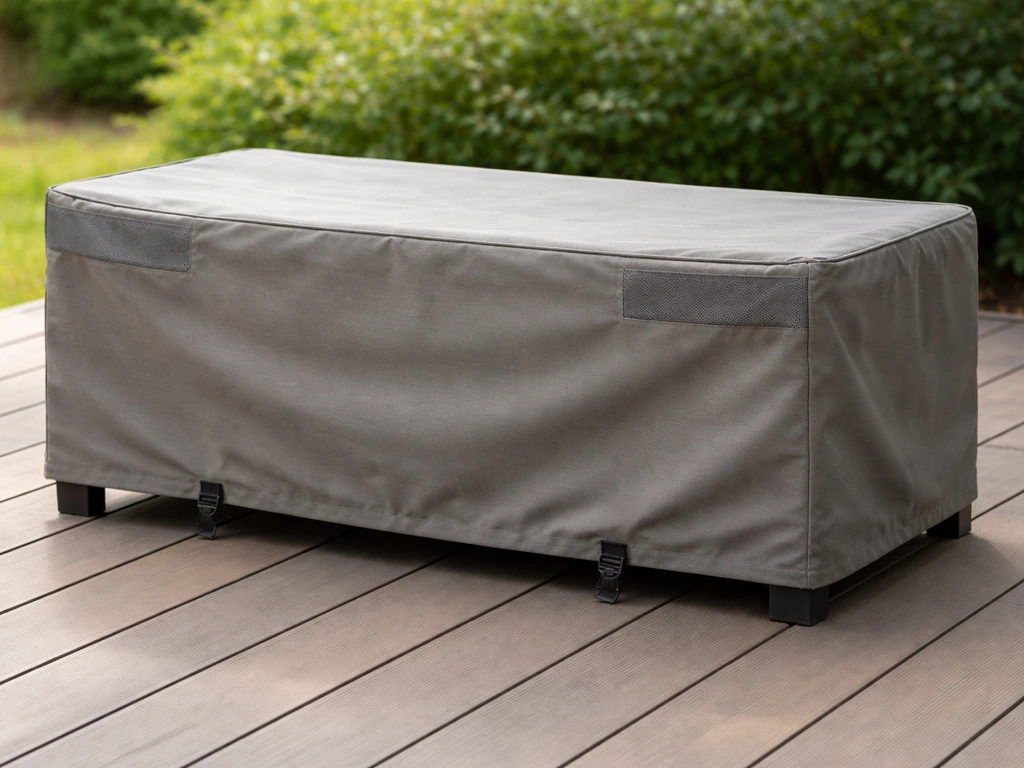
If you've decided covers make sense for your situation, here's what the features actually mean in practice: A properly sized cover is usually measured to match the length, width, and height of the furniture set, and allow for a little extra so it fits snugly without sagging what features actually mean in practice.
| Feature | What to Look For | Why It Matters |
|---|---|---|
| Fabric material | Marine-grade polyester (300D or higher) or solution-dyed acrylic | UV resistance and tensile strength; cheap polyethylene cracks within a season |
| Waterproofing | Taped or heat-sealed seams, not just stitched | Stitched seams wick water through needle holes; taped seams block it |
| Breathability / vents | Mesh air vents or breathable fabric construction | Prevents condensation and mildew buildup underneath the cover |
| Fit | Cover sized to your specific furniture dimensions, not a generic 'large' or 'medium' | Proper fit eliminates pooling, wind flapping, and exposed gaps |
| Tie-downs and fasteners | Adjustable buckle straps, drawstring hems, or snap closures | Prevents wind from removing or displacing the cover during storms |
| Handles / storage bag | Integrated carry handles or matching storage bag | Makes on/off use practical so you actually use it consistently |
| Color | Tan, gray, or darker tones rather than white | White shows staining quickly and often looks worn within one season |
On sizing: measure the widest, tallest, and deepest dimensions of the furniture as configured (with cushions on, arms out, table with chairs tucked under if covering a set). If you also need help choosing the right cover size for your set, the same measuring steps apply to patio furniture generally On sizing. Add two to three inches of clearance on each side. A cover that's too tight strains its seams and can't accommodate slight variations in setup. A cover that hangs more than four to six inches past the bottom edge will pool water and flap in wind. Getting this right means measuring before you shop rather than buying by the name of the furniture category.
A practical seasonal routine: covering, cleaning, and storing
Spring startup
When you bring furniture out of storage or remove winter covers, do a full inspection before the season starts. Check metal frames for rust spots or chipped powder coat and touch up immediately with appropriate paint. Re-oil wood furniture that dried out over winter. Inspect covers themselves for cracked seams, failing waterproofing (if water no longer beads), or tears. Wash covers with mild soap before storing them for the season, or replace ones that have broken down. This is also the time to check that cover fasteners still work and that tie-down straps have good tension.
During the season
In active summer months, use covers for extended rain events or when you're away for more than a few days. Don't cover furniture every night if it's been a humid day, as that traps moisture. Let furniture dry fully before covering. For cushions in humid climates, store them in a deck box or bring them inside when rain is expected; even good covers can't fully protect dense foam cushions from prolonged saturation. Clean frames every three to four weeks with soapy water and a soft brush to remove pollen, bird droppings, and tree sap before they bond to the finish.
End-of-season storage
Before winterizing, clean everything thoroughly, including the covers themselves. Stored covers with residual dirt or mildew will spread that contamination to the furniture they're covering. Let covers dry completely before folding and storing them, as even a slightly damp cover folded into a bag will develop mildew over the off-season. For wood furniture, apply a fresh coat of oil or sealant before winter if you're in a wet or freezing climate. Bring cushions inside without exception if you're in a climate with freezing temperatures, because foam that freezes wet degrades rapidly. For metal frames staying outside through winter under covers, prop something under the cover at the center of large flat surfaces to prevent water from pooling and sitting.
The bottom line is that covers are a tool, not a guarantee. Used correctly on the right furniture in the right climate, they're one of the highest-value investments you can make in extending furniture life. Choosing quality patio furniture covers with proper ventilation and a good fit helps prevent moisture buildup while still protecting your furniture from rain, UV, and debris. Used incorrectly, they accelerate the damage you're trying to prevent. Knowing your climate, your material, and how to use covers properly is what makes the difference between furniture that lasts a decade and furniture that looks rough after three years.
FAQ
If my patio furniture is under a roof, are covers still necessary?
Not always. You can often leave furniture uncovered in mild, dry regions, or on a covered patio, if you do consistent season-long cleaning and address finish damage early. Covers become necessary when you have year-round outdoor exposure plus humidity, frequent rain, snow, or coastal salt air, because those conditions drive moisture and corrosion even when you are “only” leaving furniture outside between seasons.
Can I put a patio cover on immediately after it rains?
Avoid putting a cover on while furniture is damp, even if it seems only slightly wet. Let frames and cushions dry fully, especially after rain or cleaning. With wood and powder-coated metal, trapping moisture under fabric can create the damp microclimate where mildew forms and where finishes break down faster.
How do I know when my patio furniture cover needs replacing?
If you notice water no longer beads on the cover fabric, or you see cracked seams, the cover is failing at the waterproof layer. That increases the chance of water pooling and wetting the furniture underneath. Replace the cover rather than relying on it, because a “mostly waterproof” cover still allows repeated damp exposure.
Are non-vented covers safe for metal patio furniture in humid weather?
For metal furniture, you generally want breathable or vented covers in humid climates. Airtight or non-vented covers can trap humid air and cause condensation to form on the cool metal surface, leaving standing moisture exactly where you do not want it. In dry climates, condensation risk is lower but ventilation still helps reduce moisture buildup.
What should I do if my cover starts to sag and puddle water at the bottom?
If you get a sag in the cover, you increase pooling, which is one of the most common pathways to mildew and cover cracking. Use a properly sized cover that fits snugly without stretching, and add tie-down tension so the cover stays smooth. After windy storms, recheck the fit because looseness can create new low spots.
Can I cover a furniture set all together instead of piece by piece?
You can, but it requires planning. If you cover multiple pieces or a set, measure with cushions in the normal “use” configuration and keep clearance so the cover does not strain seams. Also confirm that the cover allows air movement, since covering everything tightly without ventilation increases the chance that trapped moisture remains under the fabric.
How should I clean and store patio furniture covers between seasons?
Do spot cleaning first, then wash the cover with mild soap and let it dry completely. Failing to remove pollen, bird droppings, or mildew before storage can spread contamination back to the furniture in spring. Once dry, store covers in a way that prevents them from staying compressed while damp.
Do I need to bring cushions inside even if I use a cover?
Covers are not the best solution for cushion-only protection in freezing, wet climates, because dense foam can absorb and hold moisture and the freeze-thaw process can damage it. Bring cushions inside or store them in a dry deck box, and only cover cushions outdoors when rain is short-lived and you can ensure they dry quickly.
Should I cover my patio furniture every night during summer?
No cover is fully preventive, and repeated storms plus months of exposure test any system. A practical rule is to use covers for extended rain events or periods you are away, but avoid covering every night after humid days. Let the furniture dry, then cover, since frequent covering while surfaces are still damp is a predictable way to trigger mildew.
Are solution-dyed outdoor cushion fabrics safe to leave outside without covers?
Some designs can be left out, but you still need to match the fabric type to your weather. Solution-dyed acrylic textiles resist mold better than many standard outdoor fabrics, so they are more forgiving if you occasionally leave cushions out in moderate conditions. In high-humidity or freezing climates, bring cushions in or use dry storage regardless of fabric.
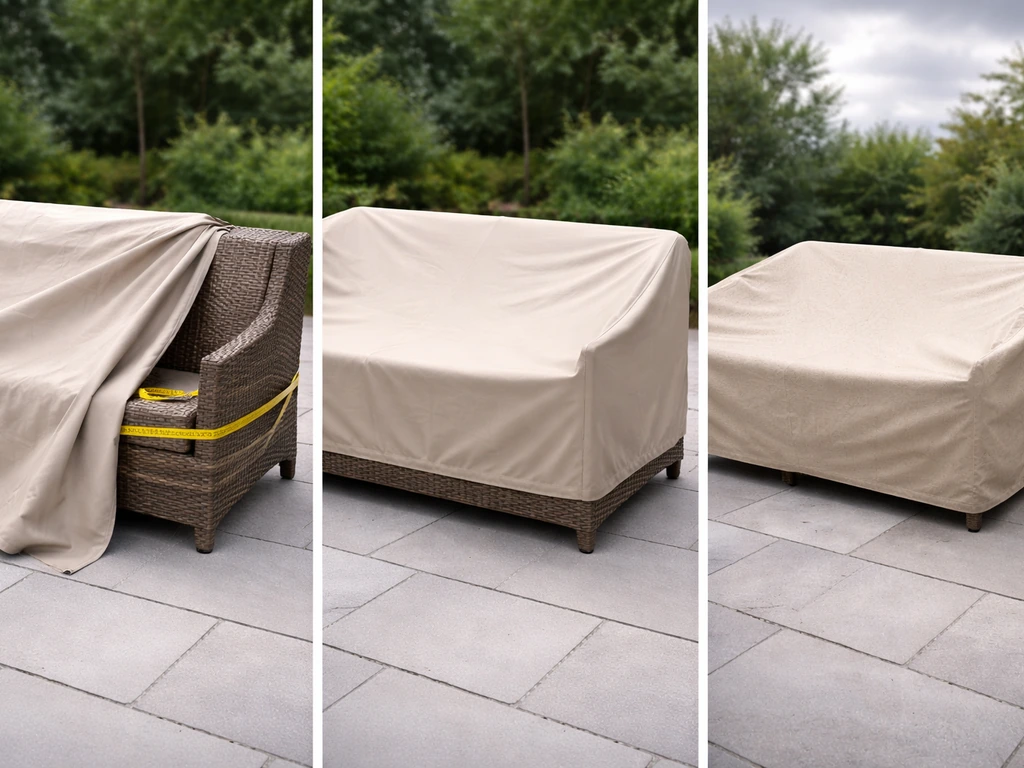
Learn how to choose patio furniture covers by correct sizing, climate, breathable protection, and key features to preven
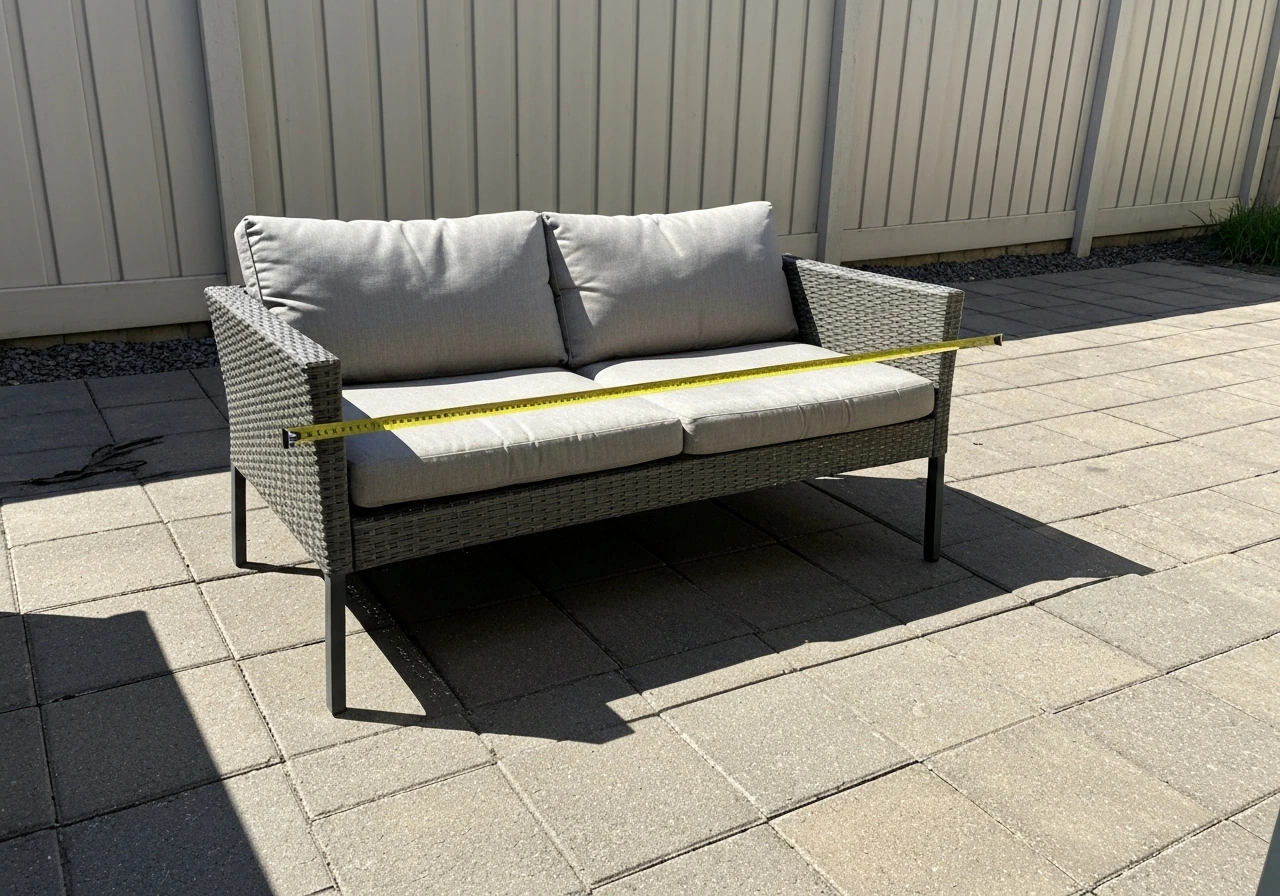
Quick steps to measure patio furniture and pick the right cover size, including height, cushions, overhang, and irregula
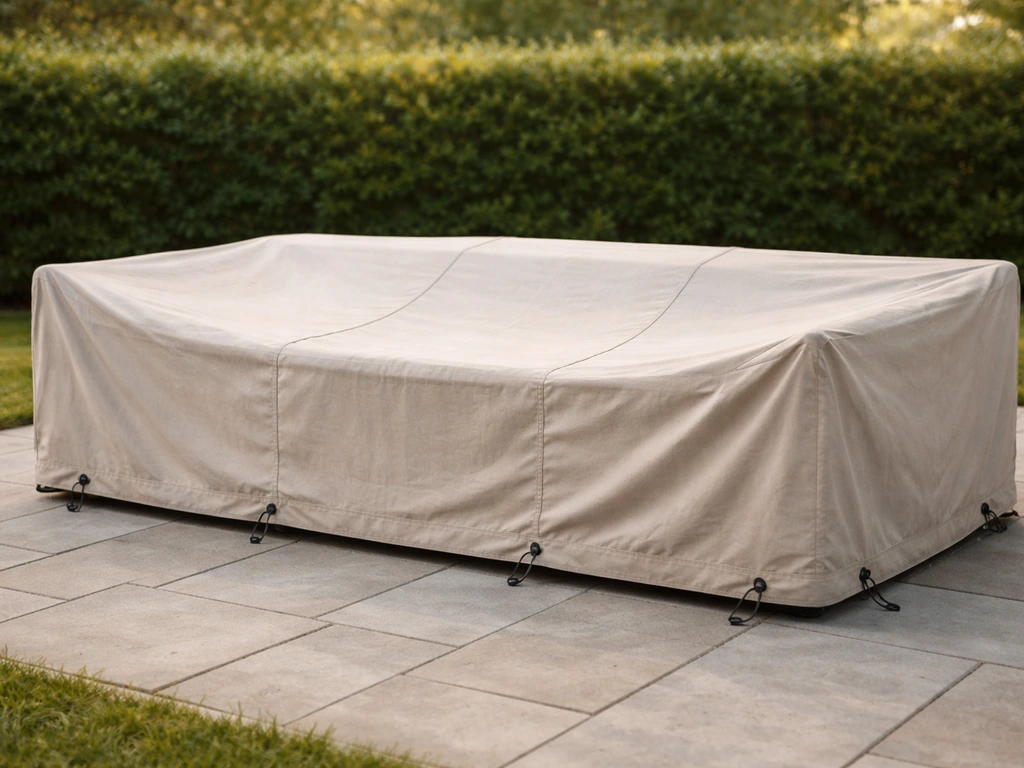
Choose quality patio furniture covers with fit, breathable weather protection, and fabric durability plus measuring and