
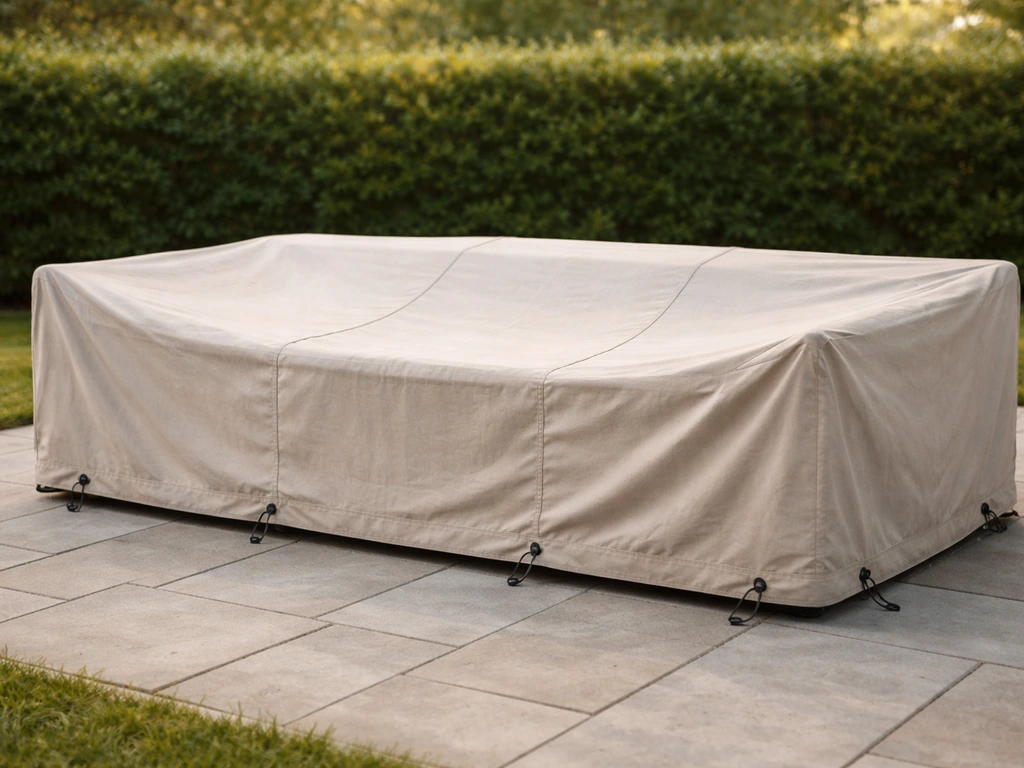
Quality in a patio furniture cover comes down to three things: a fit that actually stays put, fabric that blocks water and UV without trapping moisture underneath, and construction sturdy enough to survive a few seasons of real weather. Most covers on store shelves look fine in the photo and fail within a year. The difference between one that lasts and one that doesn't is almost always in the material, the seam work, and whether the cover breathes. Here's how to spot the good ones and skip the ones that'll rot your furniture instead of protecting it. If you want, use this checklist to pick the best patio furniture covers for your specific set and climate Here's how to spot the good ones and skip the ones that'll rot your furniture instead of protecting it..
Quality Patio Furniture Covers: How to Choose, Measure, and Maintain

What 'quality' actually means in a patio furniture cover
Marketing language on cover packaging is nearly useless. Words like 'heavy-duty,' 'premium,' and 'weather-resistant' don't have standard definitions. A quality cover, in practical terms, does four jobs well: it sheds water before it soaks through, it blocks UV rays that fade and degrade both the cover and your furniture, it stays on in wind without flapping and tearing, and it lets enough air circulate underneath to prevent the mold and mildew that come from trapped condensation.
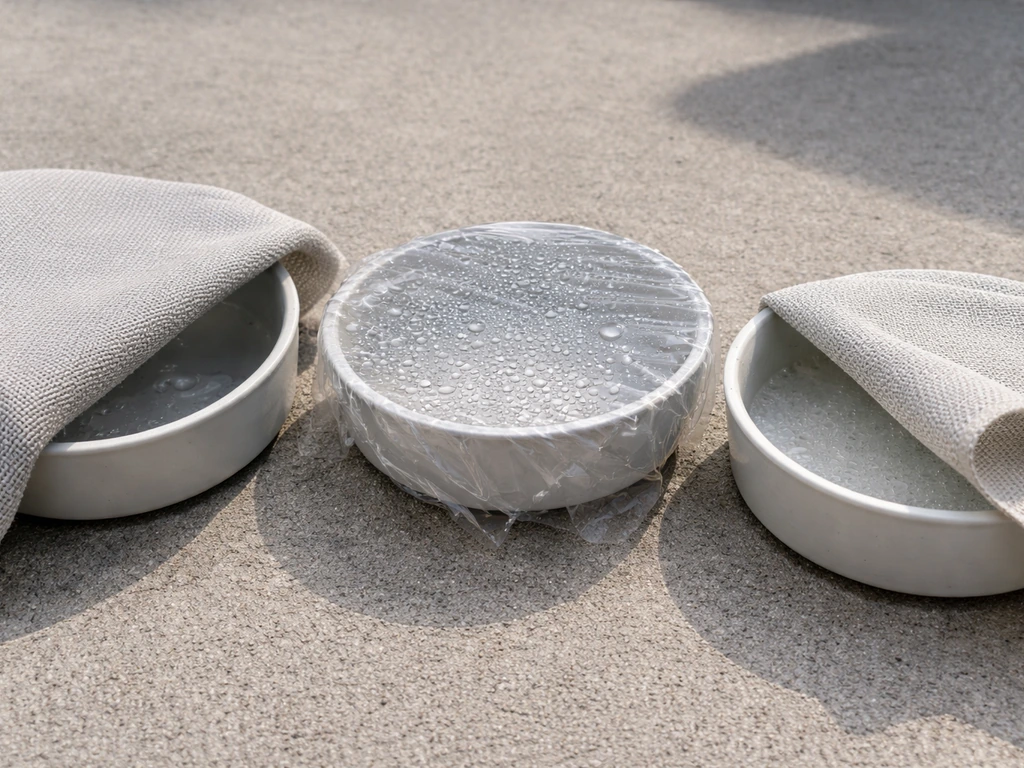
That last point trips up a lot of buyers. A fully waterproof, non-breathable cover sounds ideal, but it isn't. When temperatures drop at night, moisture condenses inside the cover and has nowhere to go. The result is wet furniture, mold growth, and rust on metal frames, even though the cover technically 'kept the rain out.' The sweet spot is a water-repellent fabric, not a fully sealed one, that causes water to bead up and run off while still allowing air to pass through. Several major manufacturers, including Classic Accessories with their Gardelle woven polyester, specifically engineer their covers this way.
Beyond protection, quality also means the cover holds its structure. Look at how it's finished at the edges, how the straps and buckles are attached, and whether the fabric feels like it has real body to it or like a flimsy tarp. A cover that cost you $30 and shreds in the first windstorm isn't a deal. A cover that costs $80 and lasts five or six seasons is.
Getting the size and cover type right first
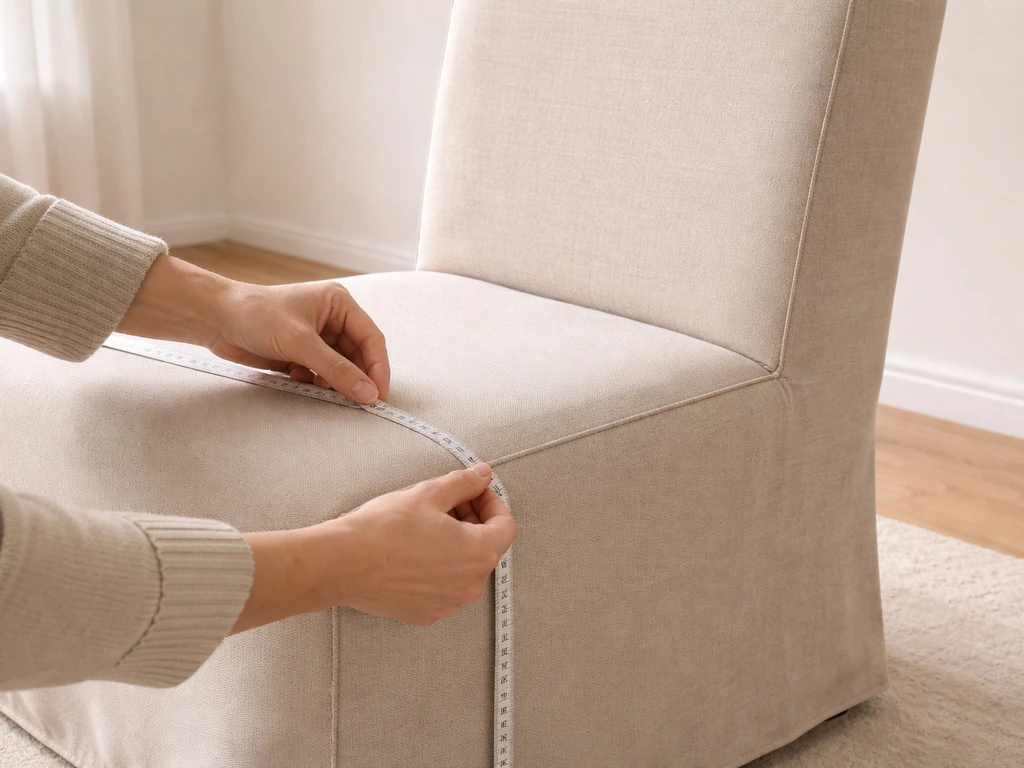
No amount of great fabric saves a cover that fits badly. A cover that's too big will billow, catch wind, and abrade your furniture finish every time it flaps. One that's too small won't protect the legs and base, which is where moisture damage usually starts. Measure your furniture at its widest points: length, width, and height. Getting patio furniture cover sizing right is just as important as choosing the right fabric and style. Add 1 to 2 inches in each dimension for clearance, but don't go more than 3 to 4 inches over, or you're back to a billowing problem.
Cover type matters just as much as size. A single chair cover is straightforward, but for dining sets and sectionals you have choices. A full-length cover that drapes to the ground offers the most protection but creates a bigger wind sail. A semi-fitted cover with a hemmed bottom and drawcord sits closer to the furniture and stays put better. For sectionals with odd L- or U-shapes, piece-by-piece coverage usually fits better than a single large drape. For tables, make sure the cover reaches the seat level of any chairs tucked underneath, or buy separate chair covers and a table-only cover. To pick the right cover size, measure the tabletop and the height of any chairs tucked underneath, then choose a cover that reaches those dimensions.
If you're unsure about sizing your specific set, it's worth cross-checking a dedicated sizing guide, since getting this step wrong makes every other quality feature irrelevant. Choosing the right patio furniture cover comes down to matching the fabric, fit, and breathability to your setup and local weather sizing guide.
Water, UV, wind, and breathability: what you actually need
Water resistance vs. waterproof
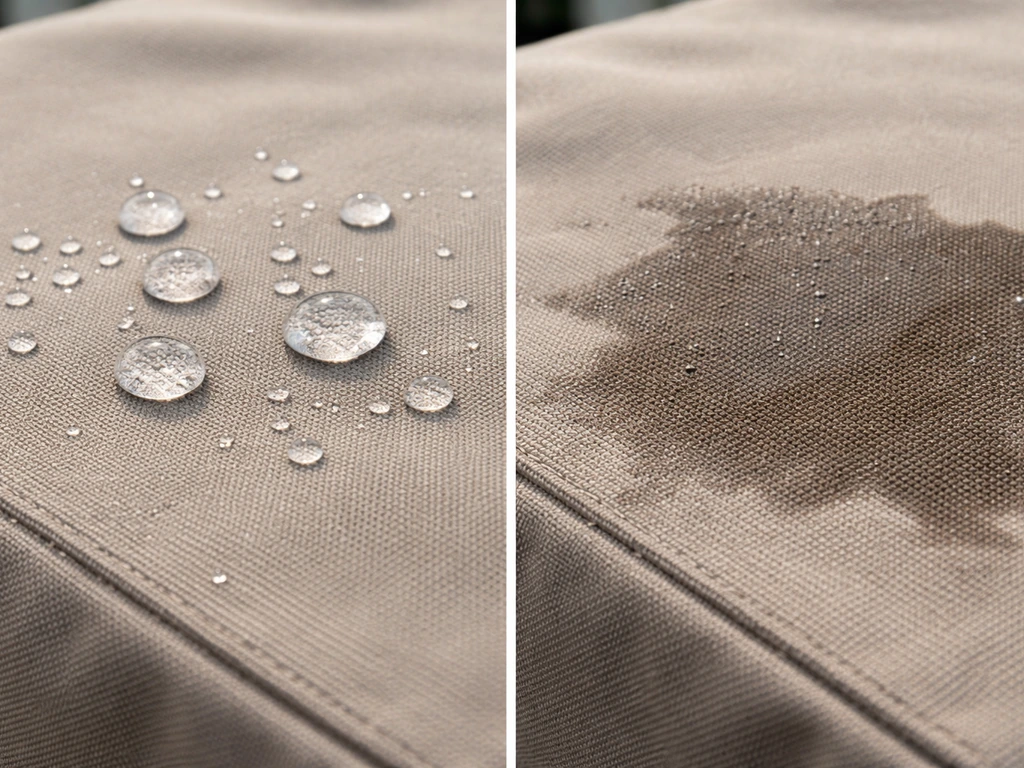
blank" rel="noopener noreferrer">Water-repellent fabric causes water to bead up and roll off the surface. It's also permeable to air, which is exactly what you want. Fully waterproof covers use a sealed coating or laminated film that blocks all moisture transfer in both directions. That means if any moisture gets under the cover through wind gaps or condensation, it stays there. Coverstore has written directly about this: truly waterproof covers are not ideal for patio furniture because the moisture trapped inside leads to mold, mildew, and rust. Water-repellent is the right spec. If you want to estimate how much space you need, measure the footprint of your furniture and add clearance for overhang and straps.
UV protection
UV degradation destroys both the cover fabric and your furniture underneath. On the cover itself, UV breaks down the polymer fibers, causing fading, brittleness, and cracking within one or two seasons if the fabric isn't stabilized. On your furniture, UV penetrating a thin or degraded cover causes fading of cushion fabric, cracking of resin wicker, and checking in teak and hardwood. Look for covers with a UPF rating (50+ is good), UV-stabilized fibers, or solution-dyed fabric where the color goes all the way through the fiber rather than sitting on the surface.
Wind stability
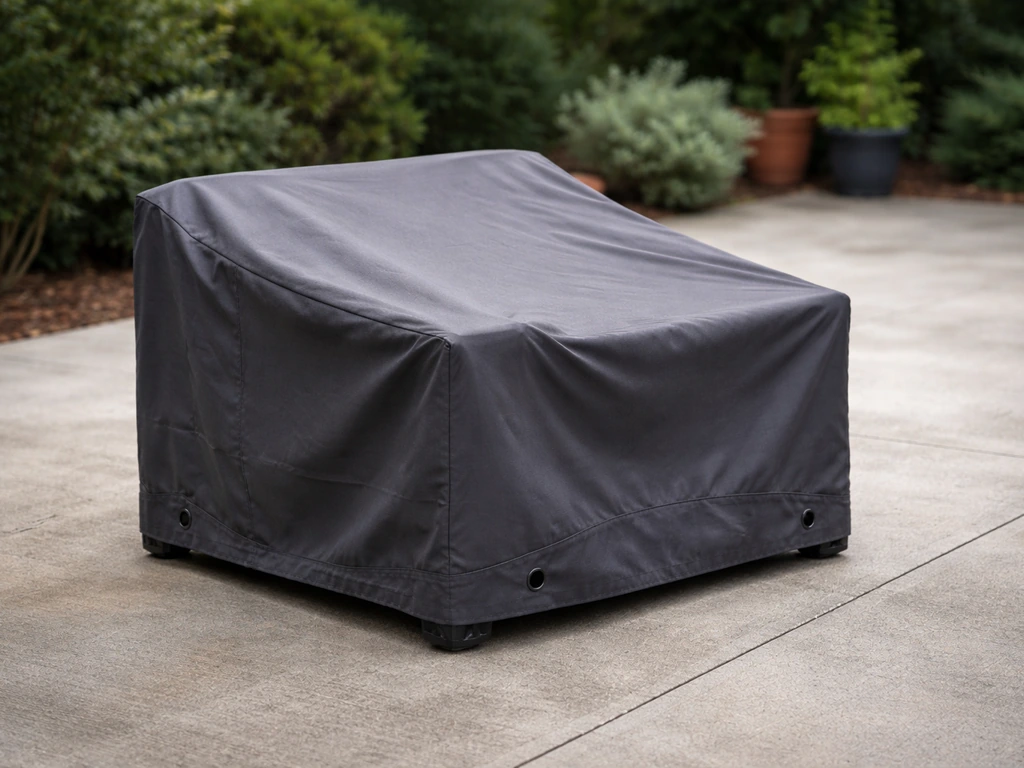
A cover that blows off in the first storm is useless. Wind stability comes from three things: a snug fit, tie-down straps or drawcords with buckles, and corner or bottom grommets where you can thread a cord or stake. Avoid covers with only a single drawcord at the hem and no buckle straps. On chairs and small tables, underbelly straps that clip beneath the frame work best. For large dining sets, you want both a hem drawcord and at least two buckle straps.
Breathability
Breathability isn't a bonus feature, it's a requirement. Gloster, a high-end outdoor furniture brand, notes that their breathable protective covers intentionally allow a small amount of moisture to penetrate in order to reduce the condensation and heat build-up that come with sealed covers. The goal isn't a cover that's impermeable, it's one where moisture can escape as conditions change. Some covers include air vents built into the sides or top for exactly this reason. If a cover you're considering doesn't mention breathability at all, treat that as a red flag.
Cover fabric comparison: polyester vs. acrylic vs. vinyl vs. canvas
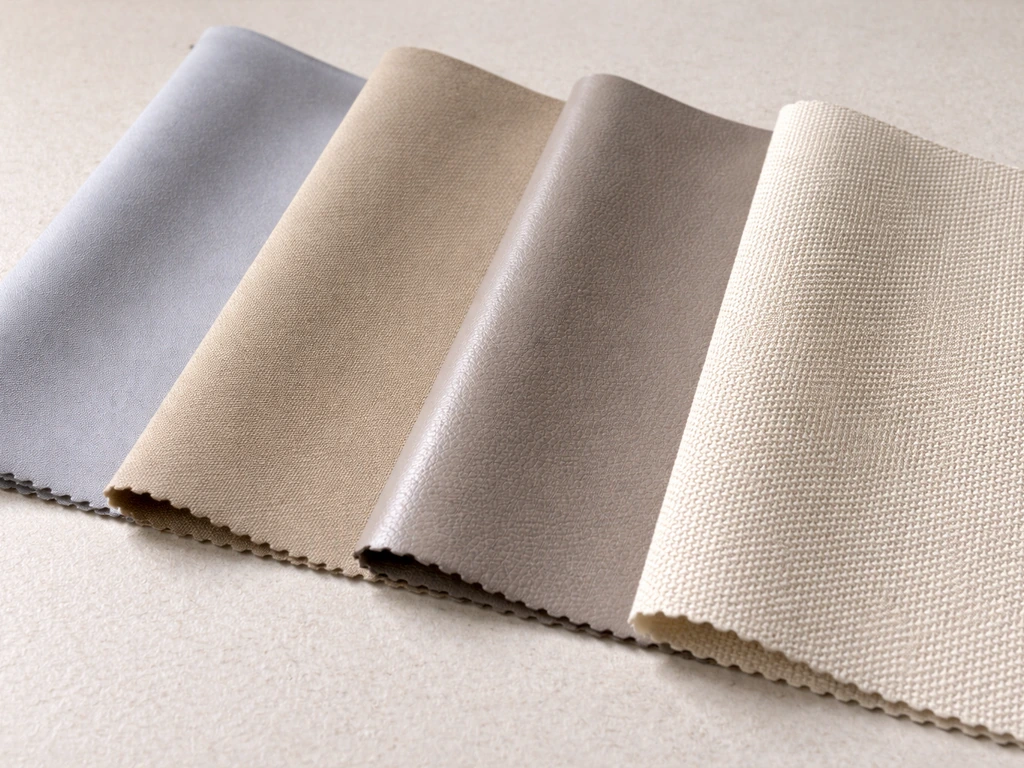
| Material | Water Resistance | UV Resistance | Breathability | Flexibility in Cold | Durability | Ease of Cleaning | Best For |
|---|---|---|---|---|---|---|---|
| Polyester (coated) | Good (water-repellent finish) | Moderate (fades without UV stabilizers) | Good (breathable if not fully sealed) | Good | 2–4 seasons | Easy, wipe or hose off | Budget-conscious buyers, mild climates |
| Solution-dyed acrylic | Very good (water-repellent) | Excellent (color in the fiber, not on it) | Good | Good | 5–7+ seasons | Easy | Sunny, UV-intense climates; long-term investment |
| Vinyl (PVC) | Excellent (near-waterproof) | Moderate | Poor (non-breathable) | Poor (cracks in cold) | 2–3 seasons | Very easy | Short-term or infrequent use; not recommended for permanent covering |
| Canvas (treated) | Good (with DWR treatment) | Good | Very good (naturally breathable) | Good | 3–5 seasons | Moderate (can mildew if left wet) | All-climate use; traditional/natural aesthetic preference |
Solution-dyed acrylic is the clear winner for anyone who wants the best long-term protection and lives somewhere with strong sun. The color is baked into the fiber during manufacturing, which means UV can't strip it out the way it does with surface-dyed or coated polyester. It resists fading, mold, and mildew better than any other common cover material, and it stays flexible in both heat and cold. The trade-off is cost: a quality solution-dyed acrylic cover will run $50 to $150 more than a comparable polyester one. Over five or six seasons, that gap closes fast.
Coated polyester, especially a tight weave like Classic Accessories' Gardelle fabric with a water-repellent undercoating, is a solid mid-range choice. It breathes, it sheds water, and a quality version will last three to four seasons with decent care. The risk with cheaper polyester is that the UV-protective coating wears off in the first season or two and the fabric starts degrading quickly after that.
Vinyl covers are worth avoiding for anything you plan to leave on all season. They don't breathe at all, they crack in cold temperatures, and the sealed construction creates the condensation trap described above. They work fine if you're covering furniture for a few days before a storm and then removing the cover, but as a leave-it-on solution, they're a mold factory.
Treated canvas is underrated. It breathes beautifully, handles temperature swings well, and feels substantial. The downside is that it's heavier and, if left wet for extended periods, can develop mildew on the fabric itself. If you buy canvas, make sure it's been treated with a durable water repellent (DWR) finish and re-treat it once a season with a spray-on DWR product.
Durability checks you can do before you buy
Whether you're buying in a store or ordering online, there are specific construction details that separate covers built to last from ones built to look good in the listing photo. They can also be worth it if you want your patio items to stay cleaner and last longer between seasons patio furniture covers.
- Seams: Look for double-stitched or reinforced seams, especially at corners and stress points. Taped seams, where a strip of material is bonded over the stitching line, add another layer of water resistance at the most vulnerable points.
- Stitching: Thread should be UV-resistant and tightly spaced. If you can pull the seam apart easily with your fingers, it won't survive wind stress.
- Straps and buckles: Straps should be sewn in at multiple points, not just glued or held by a single stitch line. Plastic buckles are fine, but they should be thick and snap with a firm click. Flimsy buckles break in the first hard wind.
- Elastic hems: An elastic hem that grips the base of furniture is better than a loose hem with a drawcord alone. The best covers use both.
- Zippers: If the cover has a zipper for access, run it the full length a few times. It should glide smoothly without catching. Brass or rust-resistant coated zippers outlast standard metal ones in damp environments.
- Corner grommets: Metal or reinforced plastic grommets at the corners let you tie the cover down in high-wind situations. Grommet holes without reinforcement will tear out.
- Overall heft: Pick the cover up and hold it. Quality cover fabric has weight and body to it. If it feels like a plastic bag, it probably performs like one.
Matching your cover to your climate and furniture
By climate
If you're in a rainy or snowy climate, water resistance and structural integrity in cold temperatures are your top priorities. Avoid vinyl (it cracks below freezing), and favor solution-dyed acrylic or a heavy coated polyester. Make sure the cover is rated for the weight of snow if you plan to leave it on through winter. Wet snow especially puts stress on cover fabric and seams.
In high-sun climates like Arizona, Southern California, or Florida, UV resistance is the number one spec. Solution-dyed acrylic pays for itself here because cheaper covers will start crumbling at the seams within two seasons of intense sun. Breathability also matters more in hot climates, since heat builds up under sealed covers and accelerates the degradation of whatever furniture is underneath.
Coastal environments with salt air add an extra demand: corrosion resistance on all the hardware. Zippers, buckles, and grommets all need to be either stainless, brass, or plastic. Standard steel hardware will rust out fast. The fabric also needs to be mildew-resistant because salt air holds humidity persistently. Solution-dyed acrylic or a high-quality polyester with anti-mildew treatment is the right call.
In high-wind areas, prioritize fit and tie-down systems over everything else. A great material on a loose cover is still going to flap, abrade your furniture, and eventually tear. Look for covers with underbelly straps, buckle tie-downs, and grommets, and size down rather than up if you're between sizes.
By furniture material
Wood furniture, including teak, eucalyptus, and acacia, is most vulnerable to moisture and UV. A breathable cover is essential because trapping humidity against wood causes swelling, cracking, and mold in the grain. Avoid any fully sealed cover for wood. A solution-dyed acrylic or breathable canvas is ideal.
Aluminum and powder-coated metal are more forgiving, but rust at joints and welds is still a risk if moisture sits under a sealed cover. The breathability rule still applies. For cast iron or untreated steel, it matters even more.
Resin wicker and all-weather wicker are vulnerable to UV cracking and color fading. A UV-blocking cover with at least UPF 50 is worthwhile. The material itself handles moisture reasonably well, but a breathable cover prevents the frame and cushions inside from developing mildew.
Composite and recycled plastic furniture is the least demanding in terms of cover requirements because it resists moisture and UV inherently. A good cover still extends its life and keeps it clean, but you have more flexibility in material choice here.
How to install, clean, and store your cover so it actually lasts
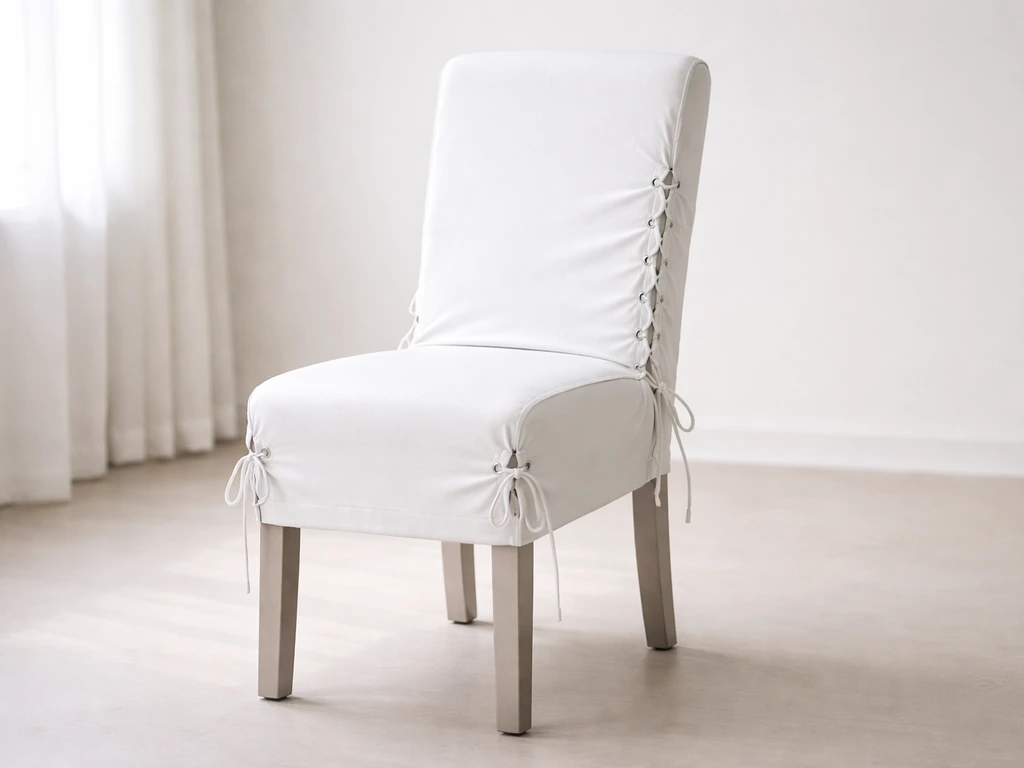
Installing the cover correctly
Never cover wet furniture. This is the most common mistake people make and the fastest route to mildew. If your furniture got rained on, let it dry completely before putting the cover on, ideally for a full day in the sun if possible. Moisture sealed under a cover, even a breathable one, is much slower to evaporate than moisture in open air.
For standard chair and table sets, pull the cover down evenly on all sides before fastening straps. For oddly shaped sectionals, work from one end to the other and smooth as you go. If your sectional has an L-shape, a single cover rarely fits well. Two covers, one for each arm, give you better fit and wind stability. Secure every strap and tighten drawcords until the hem sits snug against the furniture base without excess fabric pooling on the ground.
Cleaning and maintenance during the season
Spot-clean covers every few weeks during the season. A soft brush, mild soap, and water handles most dirt, bird droppings, and pollen. Don't use bleach on acrylic or polyester covers, it weakens the UV-protective coatings and can cause color loss. For canvas, a diluted white vinegar solution works well for mildew spots. After cleaning, let the cover dry completely in open air before putting it back on the furniture.
If your cover is made from treated canvas or a polyester with a DWR finish, re-apply a spray-on DWR product (like Nikwax or Scotchgard Outdoor) once a year, typically at the start of the season. This refreshes the water-beading performance that degrades with UV exposure and washing.
Storing covers at the end of the season
Before storing for winter or a long off-season, wash the covers thoroughly, rinse well, and dry completely. Even a small amount of residual moisture in storage causes mildew that permanently damages fabric and leaves stains. Store covers loosely folded or rolled, not compressed in a tight ball, which cracks coatings over time. A mesh bag or ventilated storage bin is better than a sealed plastic tub for the same breathability reason that applies to the furniture itself.
A quality cover that's cleaned and stored properly will realistically last five to seven seasons for solution-dyed acrylic, three to four for good polyester, and two to three for vinyl even with the best care. Treating the cover as a maintenance item, not a set-and-forget purchase, is what separates a $60 cover that lasts four years from a $60 cover that's garbage by season two. If you are also deciding between styles, sizing, and materials, check what type of patio furniture should i get to match your cover choice.
FAQ
How do I tell if a patio furniture cover is actually breathable, not just “water-resistant” on the label?
Check for concrete design cues like vent panels, air vents, or a vented top section, and look for fabric descriptions that emphasize moisture vapor escape. If the listing only promises “fully waterproof” or uses sealed/laminated language without mentioning airflow, assume trapped condensation is likely.
Should I put a tarp under a patio furniture cover for extra protection?
Usually no. Adding an impermeable layer beneath can turn the space under the cover into a condensation chamber, especially at night and during cold snaps. If you need an underlayer, use something breathable, or better, focus on a cover that repels water while allowing moisture to escape.
What should I do if my cover gets wet inside after a storm?
Remove it as soon as it is safe to access, and let both the furniture and the cover dry separately with good airflow. If you leave a wet cover in place, mold and mildew can start within days, and rust risk increases for metal joints and hardware.
Can I use the cover in winter if it’s snowing, or will it damage the fabric?
You can, but only if the cover is built for the expected snow load and is secured against wind. Wet, heavy snow puts stress on seams and grommets, so consider removing snow buildup promptly and using tie-downs that prevent sagging.
My cover flaps in wind even though it seems the right size. What’s the most likely fix?
Most of the time the issue is attachment system mismatch, not fabric. Add or adjust underbelly straps and buckle tie-downs, confirm corner or bottom grommets are present, and tighten drawcords so the hem sits snug without excess pooling that can catch gusts.
Is it better to size up for easier fitting, or size down for a tighter fit?
For most patio furniture, size down slightly is safer than going too large because excess fabric billows and rubs. If you are between sizes, choose the tighter option and use straps, since a perfectly “snug” fit at the base usually prevents both wind damage and moisture exposure.
How often should I clean quality patio furniture covers during the season?
Spot-clean every few weeks and after heavy pollen, bird activity, or visible grime. If the cover is solution-dyed acrylic or coated polyester, avoid bleach, and rinse thoroughly so soap residue does not degrade water repellency over time.
Do I need to reapply water-repellent treatment on all cover materials?
No. Treated canvas with a DWR finish often benefits from annual reapplication, but solution-dyed acrylic and good coated polyester may not need it if their coating is still performing. The practical test is water behavior, if it stops beading and starts soaking, it’s time to refresh.
What’s the fastest way to prevent mold on the cover itself during humid weather?
Use a breathable cover, keep it secured but not overly stretched, and avoid covering wet furniture. If humidity is persistent, consider lifting the cover briefly on dry, breezy days to allow additional air exchange, then reseat and re-secure.
Can a quality cover prevent rust, even on metal furniture?
It can reduce rust risk, but only if breathability is real and water is repelled. For powder-coated or aluminum pieces, rust often starts at joints, welds, and hardware, so prioritize covers with strong ventilation and ensure tie-downs prevent the cover from pulling away and creating wind gaps.
What’s the best cover setup for dining chairs tucked under a table?
Make sure the cover reaches the seat level of the tucked chairs, otherwise the underside stays exposed and collects condensation. Many people need a combo approach, a table-only cover plus separate chair covers, especially if your chairs have arms or irregular shapes.
How should I store patio furniture covers to avoid damaging the coatings?
Dry them completely first, then store loosely folded or rolled in a ventilated container, not tightly compressed. Avoid sealed plastic bins for long storage because trapped humidity can reactivate mildew and accelerate coating breakdown.
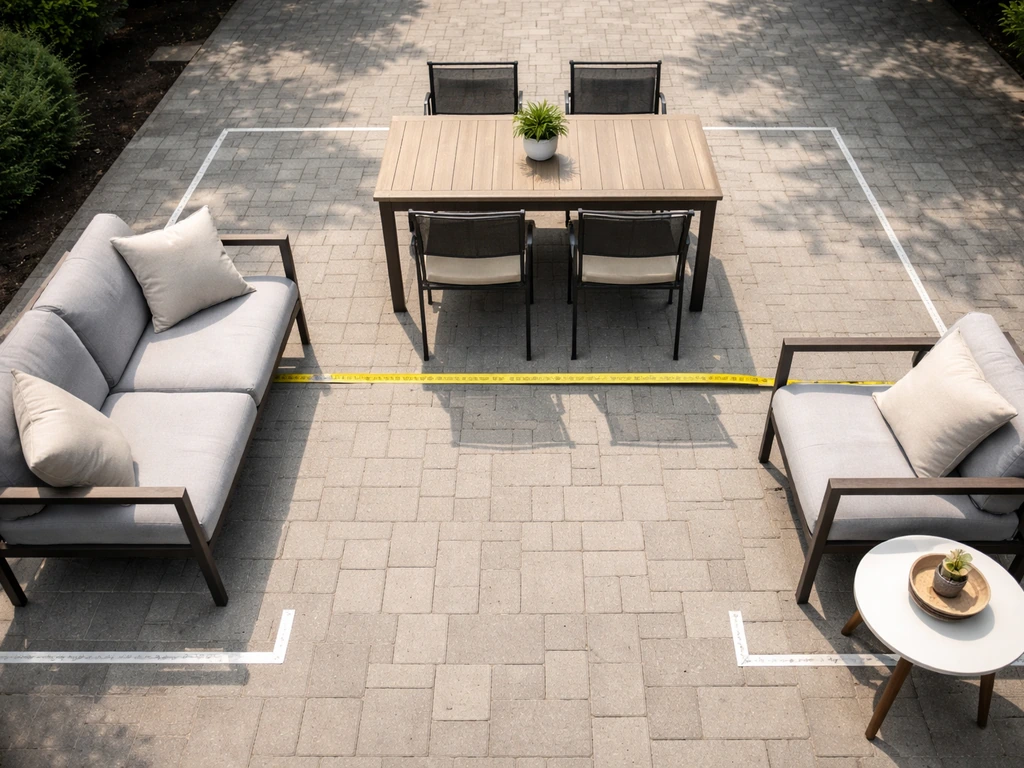
Learn what size patio furniture to buy using patio measurements, layout clearances, dining and lounge sizing, and weathe
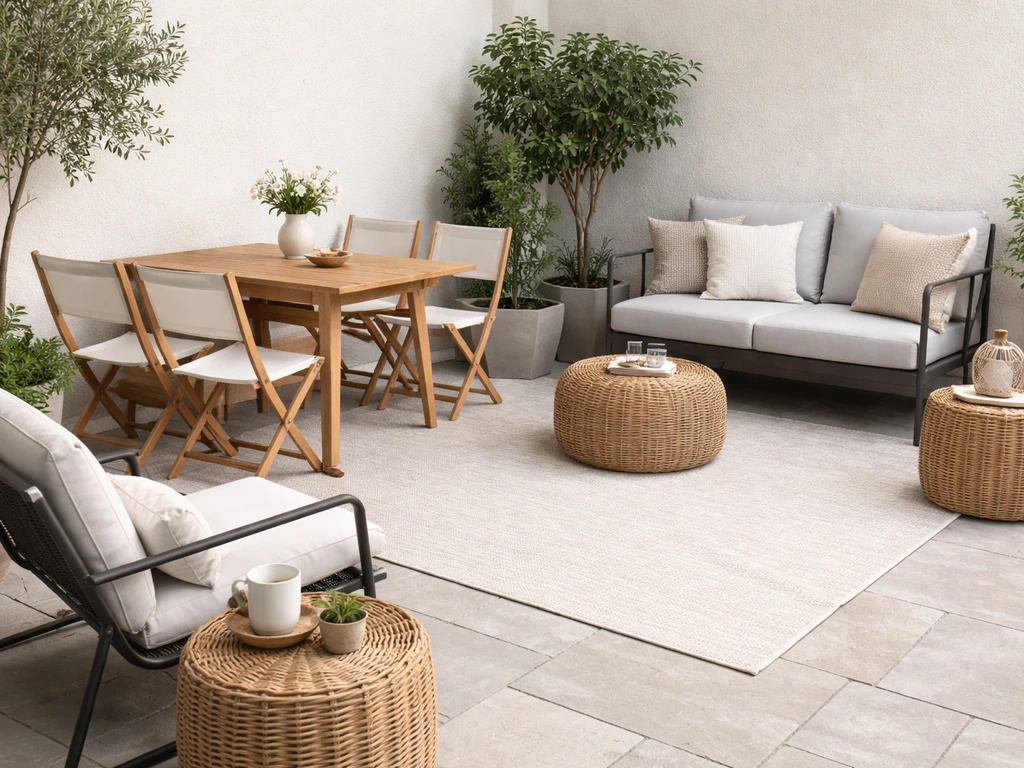
Match patio furniture types and materials to your climate, space, lifestyle, and budget, plus care tips for lasting dura
Buyer guide to the best patio furniture covers by size, material, climate, and wind protection, plus care and troublesho