
For most apartment balconies, a compact bistro set (two chairs and a small round table, typically 24–28 inches in diameter) or a loveseat-and-two-chairs set in powder-coated aluminum or all-weather wicker is the most practical choice. These fit in spaces as small as 40–50 square feet, weigh little enough to move when needed, resist most weather without much fuss, and won't penalize you when it's time to move out. The material and build quality matter more than the brand name on the tag, so here's exactly what to look for.
Best Patio Furniture for Apartment Balconies: Buyer Guide

Theo Tierney
28 May 2026
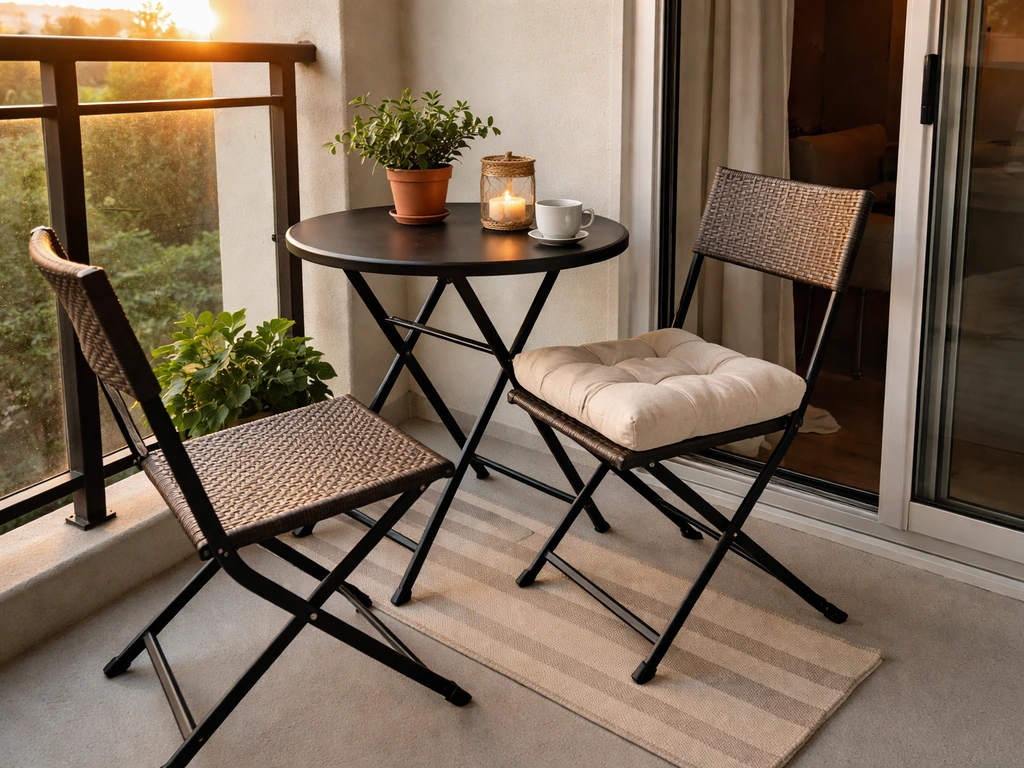
Measure your balcony before you do anything else
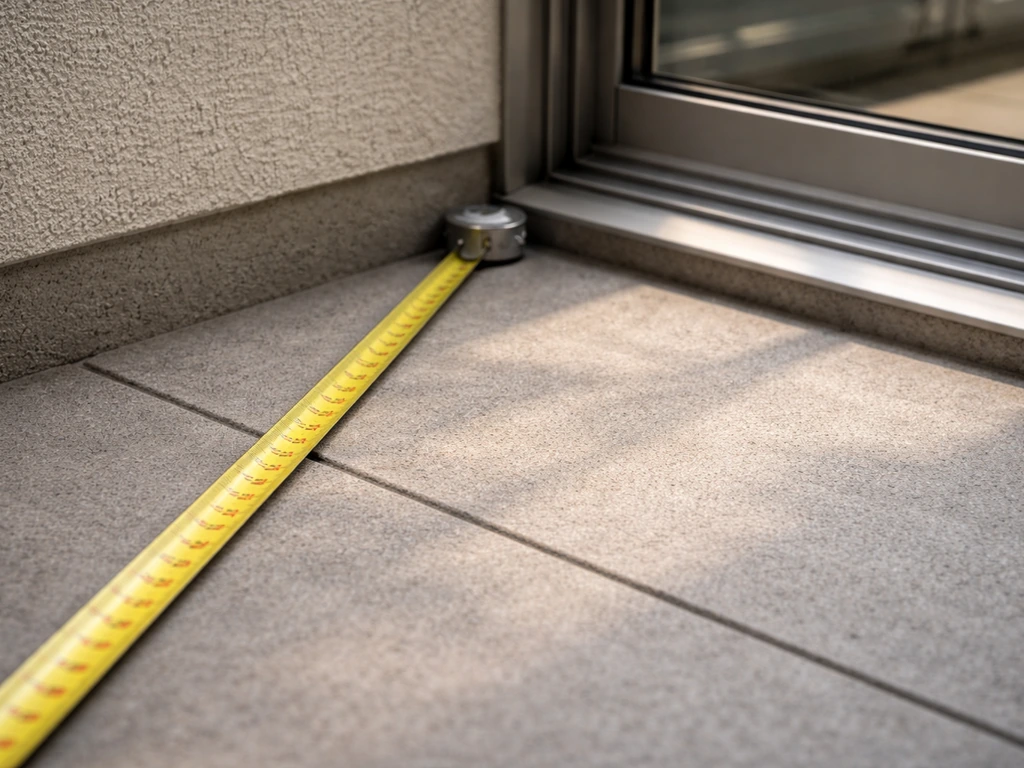
This sounds obvious but most people skip it and end up with furniture that blocks the sliding door or makes the balcony feel like a storage unit. Grab a tape measure and record the total floor length and width, then subtract at least 24–30 inches from the depth to leave a walkable path from the door to the railing. That remaining usable depth is your real constraint. On a typical apartment balcony of 5–6 feet deep by 8–10 feet wide, you realistically have room for a bistro set, a couple of folding chairs with a side table, or a small loveseat with one side table, but not all three.
Also check your building lease or HOA rules before buying. Many apartments restrict weight loads per square foot on balconies (50–100 lbs per square foot is typical, but check yours), and some prohibit certain materials like wood or gas grills. If you rent, assume you'll need to move this furniture eventually, which should push you toward lighter, stackable, or foldable pieces rather than heavy cast iron or solid teak sets.
One more measurement worth taking: door clearance. If your balcony is accessed through a sliding glass door with a narrow opening, bulky sectional pieces or wide armchairs simply won't make it through. Measure the door opening width and cross-reference it against any furniture you're considering. This single detail eliminates a surprising number of otherwise appealing options.
Sets vs individual pieces: which actually works better
Matching sets look clean and are often cheaper per piece, but individual pieces give you flexibility. For a small balcony, I'd lean toward individual pieces unless you find a set specifically designed for compact spaces. A lot of 'patio sets' are designed for suburban decks and backyards, not 50-square-foot balconies. If you are deciding what to buy, the choice between deck vs patio furniture comes down to how much weather exposure, weight limits, and storage requirements your space has. That said, bistro sets are the exception: they're designed from the ground up for tight spaces and are almost always worth buying as a set.
Here's a practical breakdown of the furniture types that actually work on apartment balconies, roughly ordered by how much space you have to work with.
| Furniture Type | Minimum Space Needed | Best For | Notes |
|---|---|---|---|
| Bistro set (2 chairs + small table) | ~30–40 sq ft | Morning coffee, small balconies | Best all-around choice for tight spaces |
| Folding chairs + side table | ~25–35 sq ft | Flexible use, storage-friendly | Fold flat for easy storage; great for renters |
| Loveseat + 1–2 chairs | ~50–70 sq ft | Lounging, entertaining | Choose armless or slim-profile chairs |
| Compact dining set (4 seats) | ~60–80 sq ft | Dining outdoors | Look for round tables; they save corners |
| Single lounge chair + side table | ~20–30 sq ft | Solo relaxation, very small balconies | Chaise loungers need 25+ inches width clearance |
| Sectional / L-shaped sofa | ~80–100+ sq ft | Larger balconies only | Usually too bulky; check door clearance |
Round or oval tables consistently outperform square or rectangular ones in tight spaces because they eliminate sharp corners and let you squeeze past without bruising your hip every time. If you're considering a dining setup, a 32–36 inch round pedestal table with two or four lightweight chairs is about as space-efficient as it gets. Pedestal bases (single center leg) also make it easier to pull chairs in and out without fighting with table legs.
If your balcony is genuinely tiny, say under 40 square feet, think vertical. A wall-mounted fold-down table, two folding chairs that hang on hooks, and a simple railing planter box can turn a nearly unusable strip into an actual outdoor room. It's not glamorous, but it works and leaves you with full square footage when you need it.
Materials ranked by how well they actually hold up
Marketing copy on outdoor furniture is almost universally useless. Every product claims 'weather-resistant' or 'durable.' What actually matters is the specific material, its finish or treatment, and how it was constructed. Here's an honest ranking for balcony use.
Powder-coated aluminum: the best all-around choice
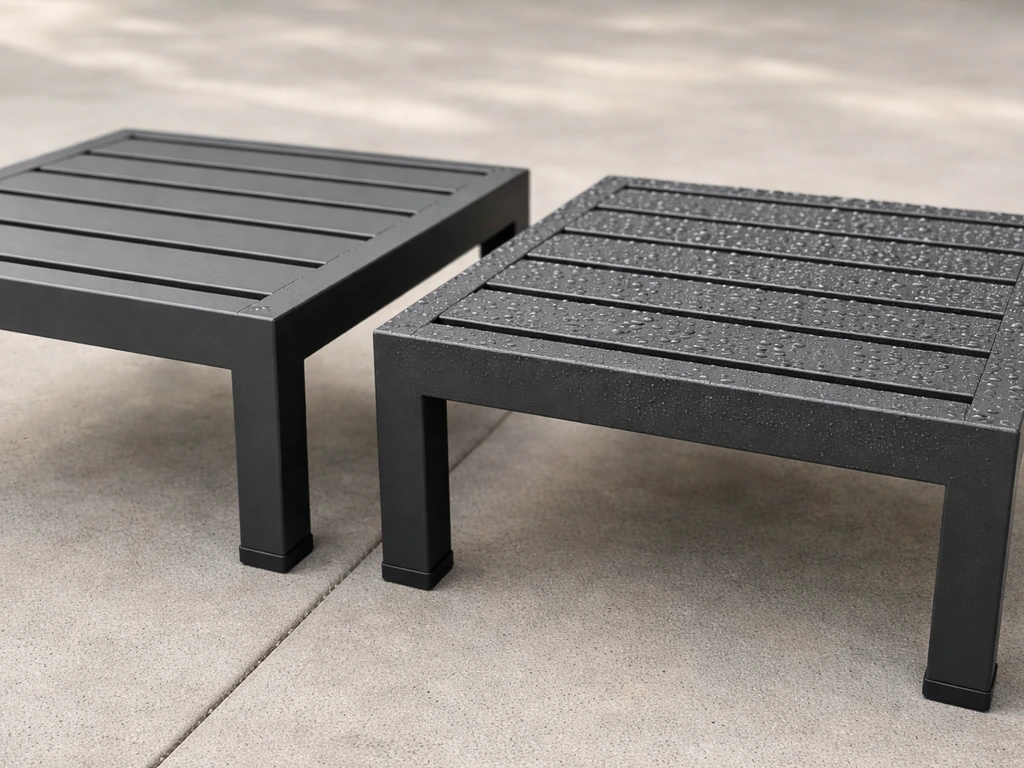
For apartment balconies, powder-coated aluminum is the strongest overall recommendation. It's lightweight (a typical aluminum bistro chair weighs 8–12 lbs), genuinely rust-proof (aluminum doesn't rust, it oxidizes slightly but powder coat prevents even that), and holds up well in almost every climate. The powder coating finish is durable as long as it isn't chipped. Look for frames with welded joints rather than bolt-on connections, and check the wall thickness of the tubing: thin-wall tubes (under 1.2mm) can dent and bend under load, while thicker commercial-grade aluminum (1.5–2mm) holds up much longer. If you see the word 'aluminum alloy,' that's typically good; if it just says 'metal' or 'alloy steel' without specifying, it's probably steel, which can rust.
All-weather wicker (resin wicker): great looks, decent durability
Real rattan wicker cracks, fades, and falls apart outdoors. What you actually want is resin wicker, also called all-weather wicker or PE (polyethylene) wicker. It's woven synthetic fiber over a steel or aluminum frame. The frame material matters here: an aluminum frame under the wicker won't rust, while a steel frame will eventually rust through the weave if the coating is scratched. High-density PE wicker holds color and shape better than lower-density wicker and is less brittle in cold climates. Inspect the weave tightness and look for UV-stabilized PE, which resists the brittleness and color fading that cheaper resin wicker develops after a couple of seasons in direct sun.
Composite and HDPE: ugly name, excellent performance
High-density polyethylene (HDPE) furniture, sometimes sold as 'poly lumber,' is made from recycled plastics and is essentially indestructible from a weather standpoint. It won't rot, rust, splinter, or fade significantly, and it requires almost no maintenance beyond a rinse. The trade-off is that it looks and feels plastic because it is plastic, and the heavier pieces can weigh as much as hardwood.
For balconies, lighter HDPE pieces and folding HDPE chairs are a solid practical choice, especially if you live somewhere with heavy rain, humidity, or snow. It's worth noting that composite materials also feature prominently in decking contexts, which affects what furniture works well on those surfaces. That makes it easier to choose the best patio furniture for composite decking, since you can match furniture material to the deck’s weathering behavior composite materials also feature prominently in decking contexts.
If you want the best composite patio furniture for balconies, look for composite that holds up well in your climate and stays low-maintenance.
Treated wood: good when done right, risky when not
Teak is the gold standard for outdoor wood furniture because its natural oils resist rot, insects, and moisture without any treatment. A quality teak set will outlast everything else on this list if properly maintained. The problem is cost (quality teak bistro chairs start around $200–300 each) and weight (solid teak is heavy). Eucalyptus and acacia are popular budget alternatives, but they require annual oiling and are less inherently durable than teak. Avoid pine or untreated softwoods entirely for outdoor use. If you're on a tighter budget and want wood aesthetics, a teak-look aluminum frame with composite slats gives you the appearance without the maintenance commitment or price.
Steel: use caution
Powder-coated steel is heavier and cheaper than aluminum, and it can work on a covered balcony. But the moment the coating chips, rust follows quickly. For an exposed balcony, especially in humid or coastal climates, steel frames are a liability. Cast iron is even heavier and more rust-prone. The only scenario where I'd choose steel over aluminum is if you need the extra weight to anchor furniture against strong wind and the balcony is protected from rain.
| Material | Rust/Rot Resistance | Weight | UV/Fade Resistance | Maintenance Level | Best Climate |
|---|---|---|---|---|---|
| Powder-coated aluminum | Excellent | Light | Good (finish dependent) | Low | All climates |
| Resin/PE wicker (aluminum frame) | Very good | Light-medium | Good (UV-stabilized PE) | Low | All climates |
| HDPE / composite | Excellent | Medium-heavy | Excellent | Very low | High humidity, rain, snow |
| Teak wood | Very good | Heavy | Good (needs oiling) | Moderate | Most climates; not ideal for coastal salt |
| Acacia/eucalyptus wood | Fair | Heavy | Fair (needs annual oiling) | Moderate-high | Dry or mild climates |
| Powder-coated steel | Fair (chips = rust) | Heavy | Good | Moderate | Covered/dry spaces only |
Cushions and fabrics: the part most people get wrong
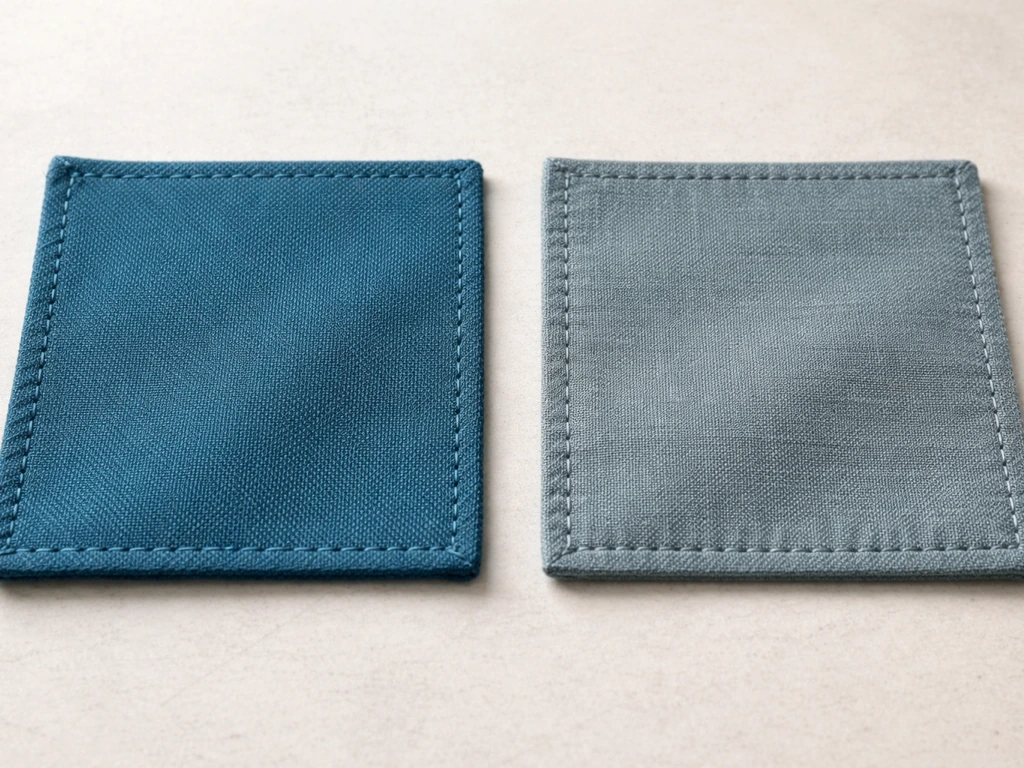
Cushion fabric matters more than most buyers realize. The furniture frame gets all the attention, but the cushions are what you actually sit on, and cheap cushions are where most outdoor furniture sets fall apart first. The fabric gets moldy, the foam goes flat, or the color fades to a bleached-out gray after one summer. Here's what to look for instead.
Solution-dyed acrylic is the standard to look for in outdoor cushion fabric. Sunbrella is the most recognized brand in this category, and it's earned that reputation. The dye goes all the way through the fiber rather than sitting on the surface, which is why solution-dyed fabrics resist fading so much longer than printed or surface-dyed alternatives. Sunbrella's acrylic fabrics block 97.
5% of harmful UV rays and are rated for 1,500 or more hours of fade resistance in testing. In Sailrite/Outdura's 2024 Outdura vs Sunbrella specs comparison, Sunbrella is reported to have [fade resistance of 1,500+ hours](https://directus. sailrite. com/assets/1f2a80f9-8c5c-4561-9869-a9ca0f471e7c/Outdura-Sunbrella-Specs-Comparison_2024.
pdf) and to block 97. 5% of harmful UV rays. That translates to multiple seasons of real outdoor use before you'd notice any fading. They also repel water and resist mold and mildew, which matters significantly if your balcony gets rained on or if you live somewhere humid.
Polyester fabric is cheaper and common in budget sets. It fades faster and isn't inherently mold resistant. If you're buying a set with polyester cushions, factor in replacing them within two or three seasons, or plan to bring them inside when not in use. Olefin (polypropylene) is a middle-ground option: better UV resistance than basic polyester, cheaper than solution-dyed acrylic, and reasonably mold resistant. It's a decent choice for covered balconies or climates with less intense sun.
Beyond fabric, check the foam filling. Quick-dry foam is worth paying for. Standard foam cushions hold water, which leads to mold and a cushion that stays soggy for days after rain. Open-cell quick-dry foam and foam wrapped in a polyester fiber fill both drain and dry much faster. Look for cushions with zippered, removable covers so you can wash them separately. This single feature dramatically extends cushion life because you can catch and clean mildew before it becomes permanent.
Fabric weight is another spec worth checking on nicer cushions. Heavier fabric (measured in GSM, grams per square meter) generally holds up longer under abrasion and UV exposure. A 300 GSM solution-dyed acrylic fabric is meaningfully more durable than a 200 GSM version of the same type. It's a detail manufacturers don't always advertise, but it's worth asking about or looking up in spec sheets if you're buying quality cushions.
Climate and placement: what changes based on where you live
There's no single 'best' outdoor furniture material for every climate. Where your apartment is located should directly influence what you buy.
Hot, sunny climates (Arizona, Nevada, Southern California)
UV degradation is the primary enemy here. Resin wicker and plastic components can become brittle and crack after a few summers of intense direct sun in desert climates. Powder-coated aluminum with UV-stabilized powder coat holds up well, and HDPE composite is excellent. Avoid dark-colored metal surfaces if you sit on them regularly, as they absorb heat and can become uncomfortable (or burn skin). Solution-dyed acrylic cushions are essential; anything else will fade visibly within one season in Arizona-level UV exposure.
High humidity and rain (Southeast, Gulf Coast, Pacific Northwest)
Mold, mildew, and moisture retention are the issues. HDPE composite and aluminum both perform excellently here. Steel frames are a poor choice. For cushions, quick-dry foam and solution-dyed acrylic or olefin fabrics are non-negotiable if you want cushions that don't smell musty by July. If your balcony isn't covered, plan for furniture covers or easy cushion storage to extend their life.
Cold winters and snow (Midwest, Northeast, Mountain regions)
Freeze-thaw cycles are hard on most materials. Cheaper resin wicker becomes brittle in cold and can crack when flexed in freezing temperatures. Wood needs to be brought in or covered because absorbed moisture expands when it freezes. Aluminum and HDPE handle cold well. Realistically, if you're getting real winters, plan to store cushions inside from November through March and use quality furniture covers on the frames, or bring lightweight pieces indoors. A folding bistro set that stores flat in a closet is a genuinely smart choice for northern climates.
Coastal and salt-air environments
Salt air accelerates corrosion on almost everything. Steel, even powder-coated, will rust faster near the ocean. Even aluminum can pit and develop a chalky oxidized surface with prolonged salt exposure. Teak's natural oils provide some resistance, but the hardware (screws, bolts, connecting brackets) is usually the first thing to corrode on coastal wood furniture. The safest choices are HDPE composite (no metal, no corrosion risk) or aluminum with a marine-grade powder coat finish. Rinse furniture down with fresh water regularly, especially after storms, and apply a protective sealant coat to aluminum annually if you're within a mile of the ocean.
Wind exposure
High-rise apartment balconies can experience serious wind, even in calm-weather cities. Lightweight aluminum chairs and small bistro tables can blow around or over in moderate gusts. The practical solution isn't to buy heavy furniture (though that helps): it's to look for furniture with anchor points or use non-slip rubber feet, stake down an outdoor rug under table legs, and use furniture covers with tie-down straps when the furniture isn't in use. Stackable chairs can be stacked and secured together against a wall. If wind is a consistent issue, slightly heavier HDPE composite chairs are a smarter call than ultralight aluminum.
Weight, portability, and storage: practical buying criteria
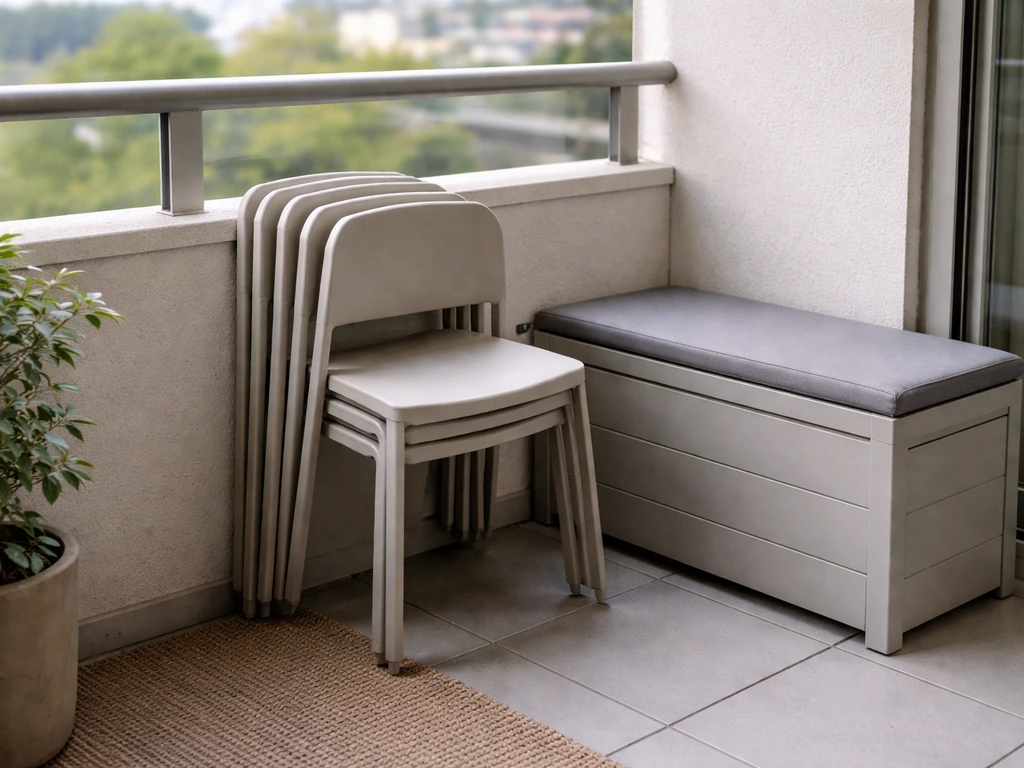
One of the underrated advantages of apartment living is that you can likely store furniture indoors during off-season, which extends its life considerably compared to furniture that lives outside year-round. This should influence what you buy. Foldable, stackable, or lightweight furniture that you can reasonably carry through a sliding door and store in a closet or under a bed is worth more to an apartment dweller than heavy, ultra-durable pieces you'd need a truck to move.
Stackable chairs are particularly valuable here. A set of four powder-coated aluminum or polypropylene stackable chairs takes up roughly the footprint of a single chair when stacked. You can keep two out and store two inside, or rotate them as needed. Folding bistro tables with removable or folding legs store flat against a wall. Some aluminum sling chairs fold completely flat and hang on a hook behind a door.
Furniture covers are worth buying alongside your furniture rather than as an afterthought. A properly fitted cover does two things: it cuts down cleaning frequency and protects the frame finish and cushions from the UV, moisture, and debris exposure that ages furniture fastest. Look for covers with tie-down straps or drawstring closures at the base, because a cover that blows off in the first windstorm is useless. Covers with vents prevent moisture buildup underneath, which can cause the exact mold problems you're trying to prevent.
If you're specifically shopping for furniture that will live on a small balcony or compact outdoor space, the same practical criteria apply regardless of whether it's technically a deck, patio, or balcony. For a more deck-focused setup, use the same material and sizing rules, then look for the best patio furniture for deck spaces that match your climate and storage needs deck, patio, or balcony.
If you're applying the same thinking to a front porch, look for pieces that balance weather resistance, comfort, and space efficiency best patio furniture for front porch. This deck vs patio furniture distinction is helpful when you shop for pieces that can handle your specific surface and weather exposure. The approach to space planning in compact outdoor areas shares a lot of logic: prioritize multi-function pieces, keep pathways clear, and favor vertical space when floor area runs out.
Maintenance that actually fits into a real schedule
Most outdoor furniture fails because it's completely ignored until something looks obviously wrong. A basic monthly cleaning habit prevents the majority of long-term damage. Monthly cleaning with mild soap and warm water, thoroughly rinsed, is sufficient for most outdoor furniture materials. For metal frames specifically, washing with warm water and mild soap and then rinsing thoroughly prevents mineral deposits and surface contamination from breaking down the finish. This takes about 15 minutes for a small balcony setup and makes a real difference in how long the furniture lasts.
Beyond regular cleaning, here's what ongoing maintenance looks like by material.
- Powder-coated aluminum: Clean monthly with mild soap and water. Inspect for chips or scratches in the coating annually and touch up with matching powder coat paint or a metal primer to prevent oxidation from spreading.
- All-weather wicker: Rinse out debris caught in the weave; use a soft brush to clean between strands. Check the frame underneath for rust (on steel frames) at the start of each season.
- HDPE/composite: Rinse with water; occasional mild soap scrub for staining. Nearly zero maintenance otherwise.
- Teak and hardwood: Apply teak oil or outdoor wood oil annually (or every two seasons if you prefer the natural gray weathered look). Check hardware for corrosion and replace stainless steel or brass fasteners if they corrode.
- Cushions: Wash removable covers per fabric care instructions, typically cool water and mild soap for solution-dyed acrylics. Air dry completely before replacing. Store cushions inside over winter or during extended rain.
- Covers: Clean the furniture covers themselves with mild soap and rinse well. Check ties and straps for wear at the start of each season.
A few things to actively avoid when buying. Skip furniture with raw MDF or particle board components marketed as 'outdoor' (it swells and disintegrates in moisture). Be skeptical of sets that hide the frame material in the description, using vague terms like 'metal' or 'alloy' without specifics. Check that cushion covers are removable and washable before buying, not after. And avoid over-relying on price as a proxy for durability: some mid-range ($300–600 for a bistro or small conversation set) aluminum or PE wicker sets genuinely outperform $1,000+ sets with poor cushion fabric or weak frame construction. Read the spec sheet, not just the price tag.
One last practical note: if you're purchasing for an apartment you may not stay in long-term, prioritize furniture that photographs well for a moving listing, packs efficiently, and doesn't require a specialized moving vehicle. A compact bistro set or a loveseat-plus-two-chair set in aluminum or wicker fits in most cars with the back seat folded down. A solid teak sectional does not. That's not a knock on quality furniture, it's just the reality of apartment life.
FAQ
Can I use patio furniture on my apartment balcony if the building restricts balcony weight or anchoring?
Yes, but only if you treat weight and anchoring as part of the shopping criteria. Measure your balcony rail, check whether your building allows anchors/screws into walls or floors, and prioritize pieces that either have leveling glides or rubber feet plus a stable base (pedestal tables and shorter bistro sets are typically harder to tip than tall armchairs).
What cushion details matter most for apartment balcony use, not just comfort?
Start by matching cushions to how you will use the space. If you eat there often, choose solution-dyed acrylic or olefin cushions with zippered removable covers so you can remove and wash food-soiled covers, also verify the cushion thickness and quick-dry foam so cushions do not stay wet after rain.
What should I prioritize if my balcony gets frequent rain?
For heavy rain or frequent storms, look for furniture that supports fast drying. Aluminum frames with tight welded joints plus PE wicker or HDPE work well, and for cushions choose open-cell quick-dry foam. Also plan to use covers with vents, or store just the cushions indoors after storms.
How do I choose balcony furniture for very sunny climates (hot desert or high UV)?
If your balcony is fully open and sunny, avoid dark metal finishes you will sit on directly (they heat up quickly). For frames choose powder-coated aluminum or HDPE, and for fabrics choose solution-dyed acrylic. Lighter cushion colors tend to stay visually consistent longer than darker ones under the same UV exposure.
How can I avoid buying furniture that will not fit through the sliding door when my balcony access is narrow?
If your balcony is accessed through a tight sliding door, a “set” is usually riskier than individual pieces. Confirm your door opening width with the widest arms and measure for any corner posts. Then choose folding bistro tables or stackable chairs because they compress and move through narrow openings more reliably.
What’s the best way to handle wind on a high-rise apartment balcony?
Use a small wind test before you commit. On a gusty balcony, place the furniture near where it will sit and note whether chairs drift when you lightly push or tug. Then add non-slip rubber feet, keep chairs pulled in near the table, and consider heavier HDPE composite chairs or add tie-down straps to covers.
Is it worth buying more weatherproof furniture if I can store things indoors during winter?
If you have storage space, you can extend the “life” of almost any material, but you still need the right base. Plan to store cushions indoors during off-season, keep frames covered with vented covers, and choose foldable or stackable pieces so you can store them without disassembling.
What features matter most if I might move in the next year and need furniture that packs easily?
For moving soon, prioritize “packs flat” and “no special parts.” Measure trunk/backseat access for a folded bistro set, choose lightweight aluminum or folding chairs, and verify covers are removable so you can wrap and protect cushions during transport.
How can I tell if an “outdoor” furniture item has hidden materials that will fail on a balcony?
Some products marketed for “outdoor” use include MDF or particle board (often disguised as a core under a coating). Avoid anything that relies on that material. Stick to powder-coated aluminum, PE wicker over a metal frame, or HDPE for low-maintenance balcony durability.
What is the simplest cleaning routine that actually prevents long-term damage on apartment balconies?
Your first cleaning goal is to remove grime before it damages finishes. Do a quick monthly wash with mild soap and warm water, then rinse thoroughly. For metal frames, focus on removing mineral residue from hard water, and dry if your area has high mineral content so the finish does not chalk over time.
Next Articles
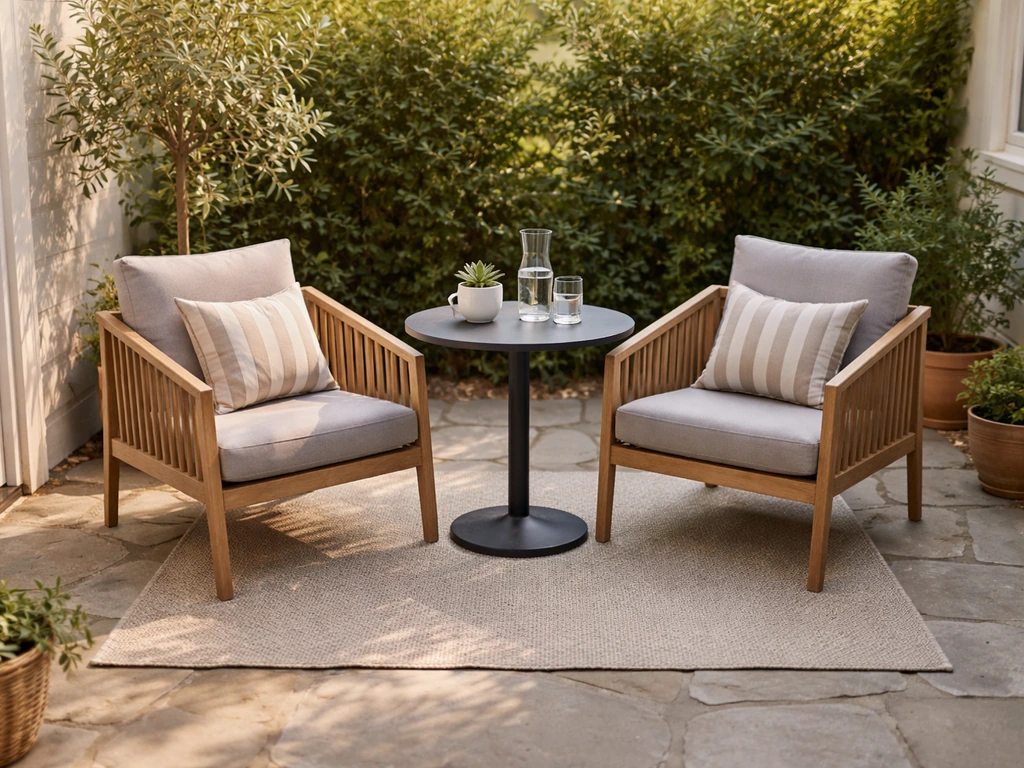
Best Furniture for Small Patio: Buying Guide for Comfort
Find the best furniture for small patios with layout tips, space saving sets, durable weatherproof materials, and care s
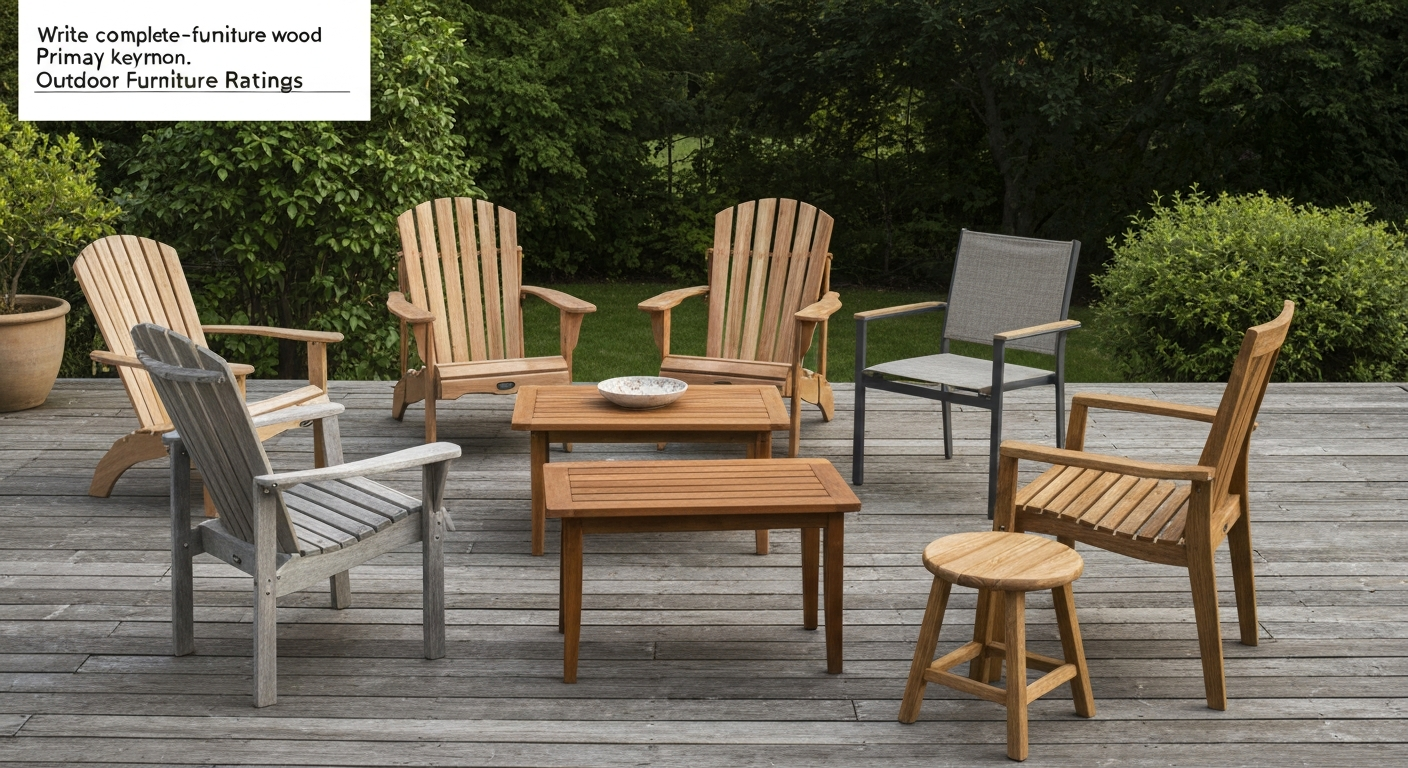
Common Patio Furniture Wood: Best Choices, Care & Tips
Compare common patio furniture wood types, teak, cedar, redwood, oak, with durability, finishes, and care tips.
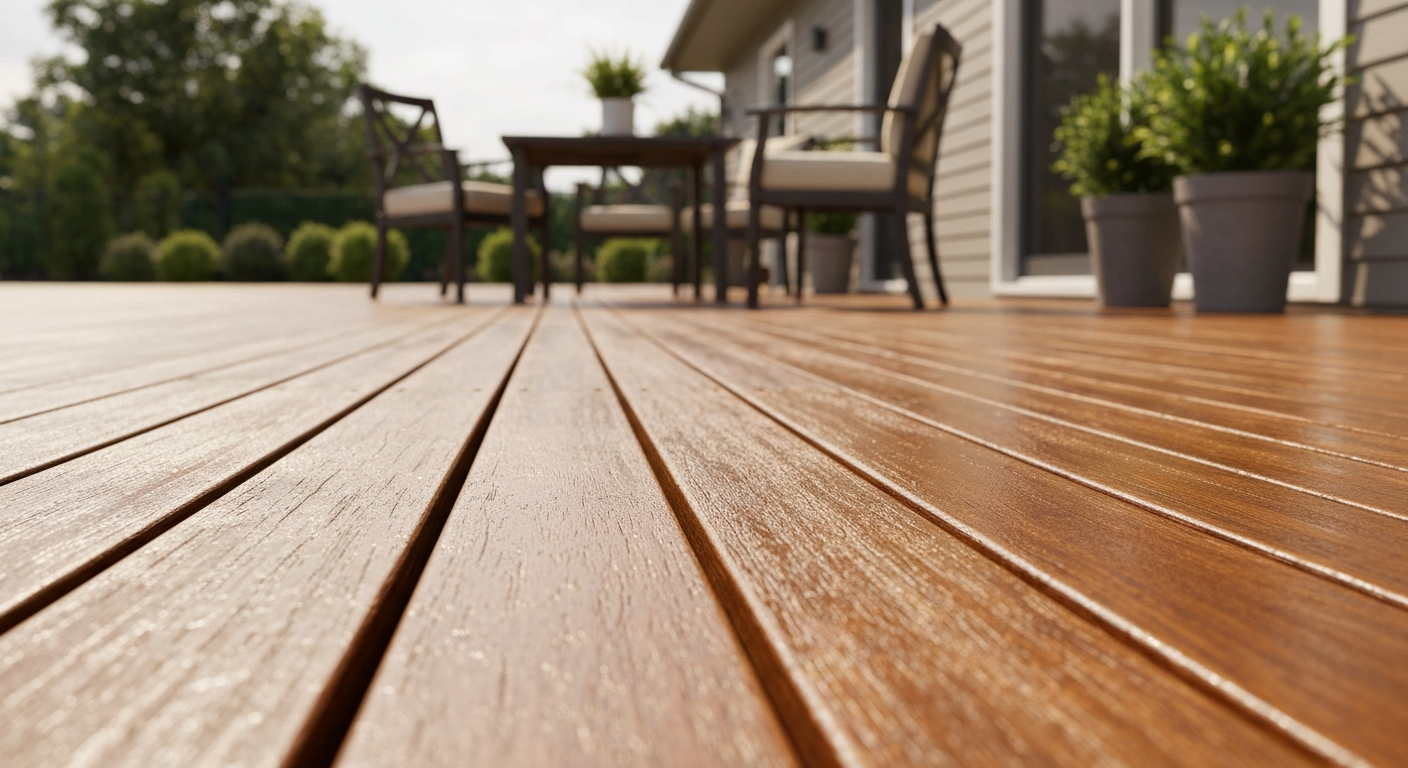
Best Wood Patio Stain: Choosing Durable, Low-VOC Finishes
Compare and choose the best wood patio stain: durability, finish, climate tips, prep, and top product picks.