
The best patio furniture for a front porch depends on three things: your climate, your porch size, and how you actually use the space. For most homeowners, powder-coated aluminum or all-weather wicker (HDPE resin on an aluminum frame) hits the sweet spot of durability, low maintenance, and good looks. Teak is the premium long-term pick if you want wood. And if you're in a wet or coastal climate, steer clear of steel frames and natural rattan entirely. Here's how to narrow it all down for your specific situation.
Best Patio Furniture for Front Porch: Buy Guide

Theo Tierney
29 Jun 2026
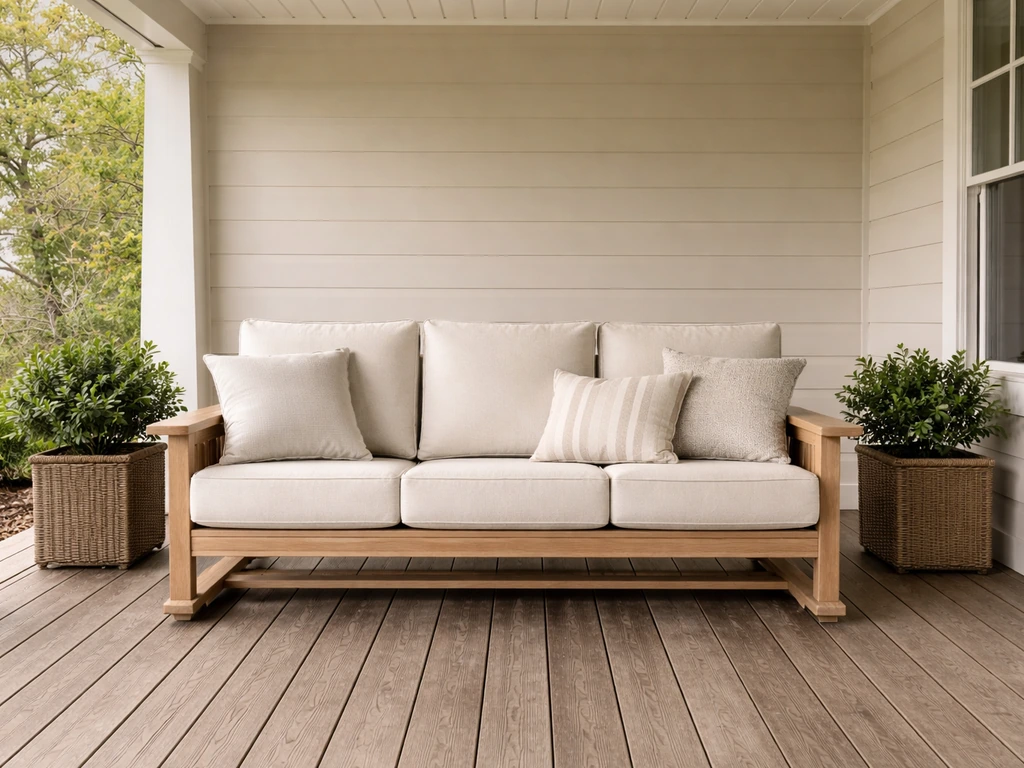
Why a front porch is different from a backyard patio
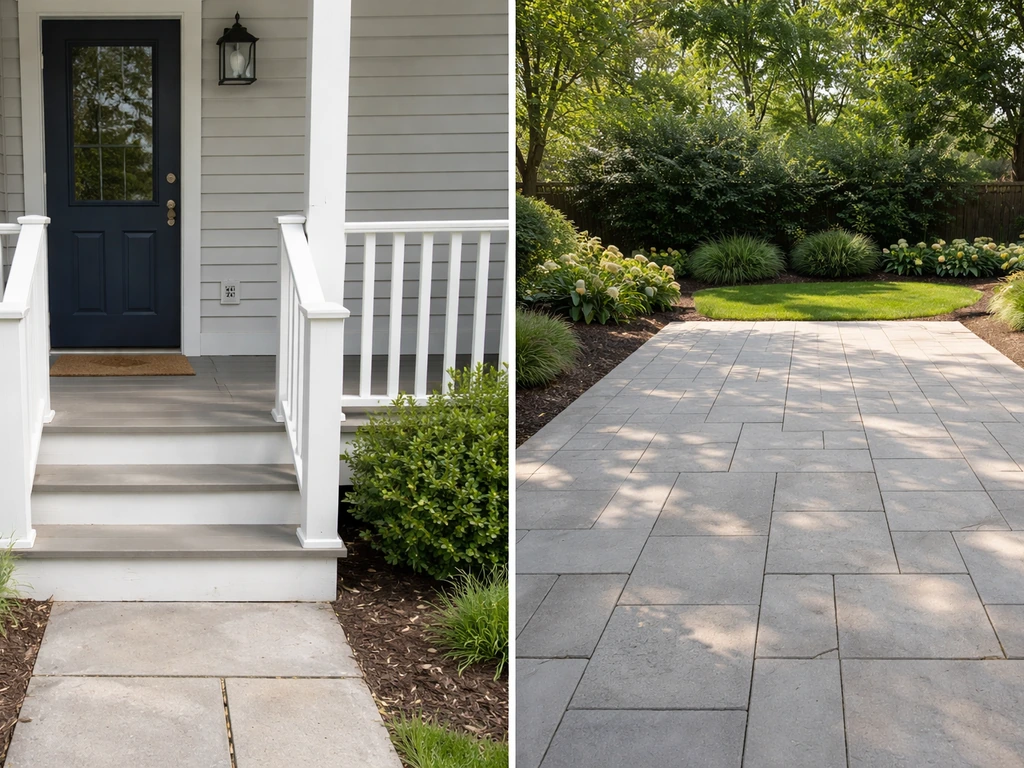
Front porches have a different set of constraints than a backyard deck or open patio. If you're also deciding between a deck and a patio, furniture choice can shift based on exposure, moisture, and how much weather protection you get from the structure deck vs patio furniture. They're usually covered, which helps with rain but also means less airflow and more trapped humidity. They're visible from the street, so aesthetics matter more. They tend to be narrower than a backyard setup, which limits furniture depth and traffic flow. And they're often semi-public spaces, used for sitting and watching the neighborhood rather than dining or entertaining large groups.
This changes what you should buy. Deep lounge sectionals designed for open patios often don't fit or feel right on a front porch. If you're hunting for the best patio furniture for deck spaces, prioritize pieces that match your deck's size and exposure like you would for a porch. Gliders, rockers, Adirondack chairs, narrow loveseat sets, and bistro tables tend to be far better suited to the scale and purpose of a front porch. If you're also thinking about a small deck or apartment balcony, those spaces share some overlap with front porch furniture, but the covered, semi-public nature of a front porch really does push you toward specific styles.
Choosing the right furniture style for a front porch
Style on a front porch is partly about aesthetics and partly about function. The most practical front-porch styles are those that work within a narrower footprint, tolerate the semi-sheltered exposure, and invite the kind of casual sitting that front porches are actually used for.
- Porch gliders and swings: Classic for a reason. A loveseat glider needs about 5 to 7 feet of linear space plus at least a foot of clearance on each side to accommodate the gliding arc. PorchToPatio recommends a minimum 8 inches of clearance in front and behind the glider, with 4 to 6 inches on each side. A 6-foot porch section is the practical minimum.
- Rocking chairs: Versatile, space-efficient, and timeless. A pair of rockers with a small side table between them fits comfortably on most standard front porches and gives you a conversation-friendly setup.
- Adirondack chairs: Low-slung, wide, and relaxed. Great for deeper porches. They're designed for lounging, not upright conversation, so keep that in mind for how you actually use the space.
- Bistro sets (two chairs plus a small round table): Ideal for front porches with a dining or morning-coffee function. Standard bistro tables run 28 to 30 inches high with seat heights of 17 to 19 inches. Leave 10 to 12 inches of clearance between the chair seat and the table underside.
- Loveseats and two-piece conversation sets: Work well when you want a more furnished look. Stick to pieces under 30 inches in depth if your porch is narrow.
- Benches: Functional and flexible. If you have railing, make sure any bench placed near it keeps adequate clearance. Canadian building code, for instance, requires railing to extend at least 36 inches above the top of a bench.
Before buying anything, measure your porch. Width and depth are obvious, but also measure the distance between posts or railings, the clearance from the front door, and any overhead obstructions like ceiling fans. You want traffic to move comfortably, which usually means at least 36 inches of walkway through the furniture arrangement.
Material-by-material breakdown: wood, metal, wicker, and composite
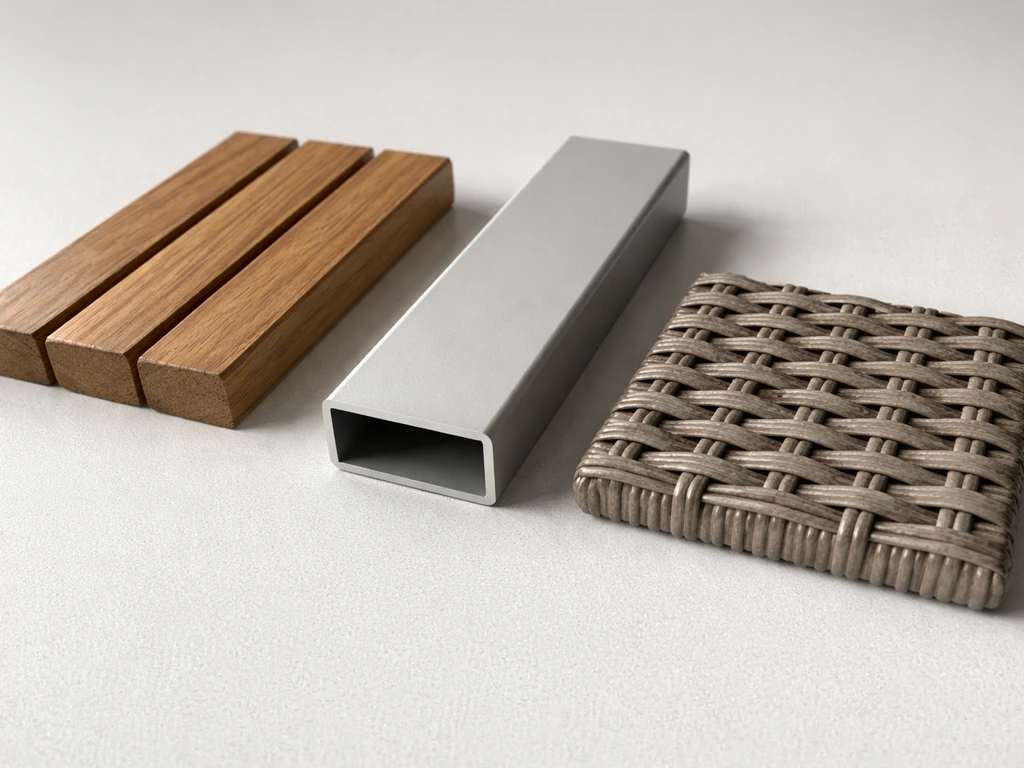
Material is the single most important factor in how long your furniture lasts and how much work it takes to maintain. Here's the honest picture for each major option.
Wood
Teak is the gold standard for outdoor wood furniture, and for good reason. Grade-A teak has naturally high oil content that makes it highly resistant to moisture, rot, and insects without any finish at all. It can be left to weather to a silver-gray naturally, and it doesn't require varnish or sealer to maintain its structural integrity. If you want to keep the original warm honey color, a product like TeakGuard (a teak protectant, not a varnish or sealer) does the job with less frequent reapplication than traditional teak oil. If you go the oil route, Carl Hansen and similar teak furniture makers recommend regular cleaning first and consistent reapplication to maintain the finish. The tradeoff: Grade-A teak is expensive. Eucalyptus and shorea are more affordable alternatives with decent durability but won't match teak's longevity.
Cheaper softwoods like pine or cedar look fine at first but require much more consistent sealing and staining to hold up outdoors. A bistro set use-and-care manual approach applies here: periodically apply a high-quality wood polish or furniture oil, and store in a dry, covered area during extended periods of non-use. If you don't want that maintenance cycle, skip softwood entirely.
Metal
Aluminum is the top choice in metal for most front porches. It doesn't rust, it's lightweight enough to rearrange easily, and commercial-grade powder coating protects against corrosion, fading, and scratches over time. Brands like Jensen Outdoor specifically market their furniture as no-rust due to the quality of their powder-coated aluminum construction. If a chip appears, touch it up promptly with a matching powder-coat paint to stop corrosion from starting at that point.
Steel is heavier and more rigid, which some people prefer for stability. However, steel is prone to rust at any point where the finish breaks down unless it's galvanized or made from stainless steel. For coastal or humid environments, marine-grade 316 stainless steel (which contains molybdenum for extra salt-air corrosion resistance) is the right call if you want steel. Hot-dip galvanized steel plus powder coating provides a good rust barrier for inland use, but it's a thicker, heavier option that makes less sense for most front-porch applications. For most people, aluminum wins outright over standard steel.
Wicker and resin wicker
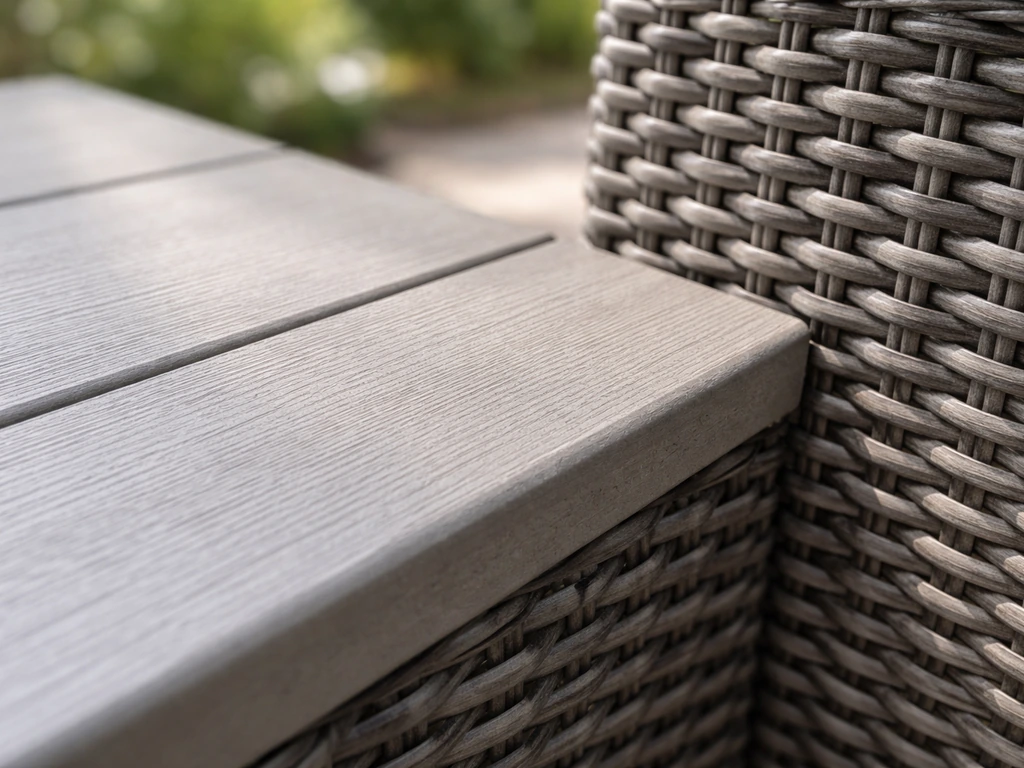
Natural rattan wicker looks beautiful but degrades quickly with moisture and direct weather exposure. Don't put it on an open or semi-open front porch unless you're committed to bringing it inside whenever rain is likely. blank" rel="noopener noreferrer">All-weather wicker, by contrast, is a synthetic woven material (polyethylene resin over an aluminum frame) specifically engineered to handle moisture, UV, and temperature changes. Quality HDPE-based all-weather wicker with UV-blocking additives mixed directly into the plastic strands resists fading, doesn't absorb water, and won't rot. HDPE outperforms PVC resin in hot climates because it handles UV stress better over time. Look for an aluminum (not steel) frame underneath, which is what prevents the core from rusting even if water gets into the weave. A quality piece built this way can realistically last 10 or more years.
Composite (poly lumber / HDPE lumber)
Poly lumber, made from recycled HDPE plastic, is the most durable low-maintenance material available for outdoor furniture. It doesn't rot, splinter, or absorb moisture, and it holds color through UV exposure without painting or staining. POLYWOOD, one of the most established brands in this category, provides cleaning guidance of simple soap and water or a pressure wash at no more than 1,500 psi. This is the material to choose if you want to virtually eliminate maintenance while still getting a classic Adirondack or bench look. Composite patio furniture can be a great low-maintenance option, especially when you want durability without the upkeep of real wood. The trade-off is weight: poly lumber furniture is heavy, and higher-end pieces carry a premium price. But the long-term cost of ownership is hard to beat.
| Material | Rust Risk | UV/Fade Resistance | Maintenance Level | Best Climate Fit | Relative Cost |
|---|---|---|---|---|---|
| Teak (Grade-A) | None | Excellent (natural oils) | Low to moderate | All climates | High |
| Powder-coated aluminum | None | Good (quality coating) | Very low | All climates | Moderate |
| 316 Stainless steel | Very low | Good | Low | Coastal/salt air | High |
| All-weather wicker (HDPE) | None (aluminum frame) | Excellent (UV additives) | Very low | All climates | Moderate |
| Poly lumber (HDPE) | None | Excellent | Minimal | All climates | Moderate to high |
| Softwood (pine/cedar) | N/A | Poor without treatment | High | Dry climates only | Low |
| Natural rattan | N/A | Poor | High | Covered/indoor only | Low to moderate |
Weather resistance and what actually holds up in your climate
Climate is where most buying guides go vague. Here's a direct breakdown by the conditions that actually destroy outdoor furniture.
High humidity and rain (Southeast US, Gulf Coast, Pacific Northwest)
Moisture is the enemy of steel, natural wicker, and untreated softwood. In humid climates, powder-coated aluminum is your safest bet for frames. HDPE all-weather wicker is a strong choice because it won't absorb water or support mold growth at the frame level. Teak is the wood exception because it naturally sheds moisture, but you still need to keep the finish clean to prevent surface mold from growing on dirt deposits. Cushions need solution-dyed acrylic fabric (Sunbrella is the benchmark, with a 10-year limited warranty) and open-cell or quick-drying foam cores that don't trap water. Regular closed-cell foam will hold moisture and become a mold factory.
Freeze-thaw cycles (Midwest, Northeast, Mountain regions)
Repeated freezing and thawing is brutal on wood joints, wicker weaves, and cushion foam. Water expands when it freezes, and any crack or joint in wood or a weave becomes a failure point over time. For snowy climates, poly lumber and powder-coated aluminum are the most winter-tolerant materials. Even so, it's worth bringing cushions inside once temps drop consistently below freezing. If storage space allows, storing furniture indoors or in a garage during winter is the best way to extend its life, regardless of material.
Intense sun and UV (Southwest, desert climates)
UV is what bleaches colors, degrades cheap wicker, cracks low-quality plastics, and fades cushion fabrics. In Arizona or Southern California, the UV load is extreme. Stick to HDPE-based materials with UV inhibitors built into the plastic, not just surface-applied coatings. Solution-dyed acrylic fabrics hold color because the dye goes all the way through the fiber, not just on the surface. Cheaper PVC wicker and non-solution-dyed cushion fabrics will look shabby within two seasons. Teak and poly lumber perform well in dry heat. Avoid raw or lightly sealed wood in desert climates without a consistent re-oiling schedule.
Coastal and salt air (beaches, waterfront properties)
Salt air accelerates corrosion dramatically. Standard steel, even galvanized, will show rust within a few years in a true coastal environment. Marine-grade 316 stainless steel contains molybdenum specifically to resist chloride-based (salt) corrosion. Aluminum is also highly suitable for coastal use. If you want iron or steel, commit to inspecting and touching up the finish every season. Teak handles salt air beautifully, which is why it's used in marine applications. Poly lumber is equally immune to salt. These are your go-to options within a few miles of the coast.
Comfort, sizing, and layout for porch spaces
A front porch is usually 6 to 10 feet deep and anywhere from 10 to 20 feet wide on a standard house. Work with that reality before falling in love with a large sectional or an oversized dining set online.
Start with measurements. Bring a tape measure and note the usable floor space (subtracting any columns or railings that interrupt the area), the ceiling height if you're considering a hanging swing, and the distance from the front door to the edge of the porch. You want at least 36 inches of clear walking path from the door to the steps or driveway. If you have a glider, remember that it needs 8 inches of clearance in front and behind its resting position, plus 4 to 6 inches on each side. If that leaves you less than 24 to 30 inches of walkway, the glider is too large for the space.
For seat comfort on a front porch, consider that you're often sitting for longer, more relaxed periods than at a backyard dining table. Seat depth of 20 to 22 inches with lumbar support works well for upright conversation seating. Cushion thickness of 3 to 5 inches in a high-resiliency outdoor foam significantly improves comfort over thin slab cushions. If you're buying a bistro set for morning coffee, the standard 28 to 30 inch table height with a 17 to 19 inch seat height and 10 to 12 inches of clearance between seat and table underside works well for most adults.
Top picks by use case
For lounging and relaxing
A porch glider or loveseat glider is the quintessential front-porch lounger. Look for a powder-coated aluminum or teak frame, a HDPE all-weather wicker weave if you want the woven look, and Sunbrella-fabric cushions. A glider that seats two with a small matching side table is a complete setup for most porches. Poly lumber Adirondack chairs are another excellent lounging pick, especially if you want zero maintenance, a classic look, and exceptional weather resistance. They're heavy enough to stay put in wind and require nothing but an occasional rinse.
For dining or morning coffee
A bistro set is purpose-built for this. Two chairs and a small round or square table take up minimal space and provide a proper surface for drinks, plates, or a laptop. Aluminum bistro sets are the most practical: light enough to move when you need to sweep, rust-proof, and available in finishes that look at home on a traditional or contemporary porch. Teak bistro sets look exceptional and age gracefully to silver-gray, but they carry a higher upfront cost. For a small front porch, a bistro set with folding chairs is worth considering if you want flexibility.
For conversation and entertaining
A two- or three-piece conversation set (loveseat plus one or two chairs) works well on wider porches. Keep the sofa or loveseat depth at 30 inches or less for a porch that's less than 9 feet deep. All-weather wicker conversation sets on aluminum frames are the most popular option in this category, and for good reason: they look more like indoor furniture, they're comfortable with quality cushions, and they hold up in most climates. Just confirm the frame is aluminum before buying, and look for HDPE rather than PVC in the weave material. If your porch is also functioning somewhat like a small patio, the furniture choices for small patios and apartment balconies overlap significantly here, though the semi-covered front-porch context allows slightly less weather-hardened options than fully exposed outdoor spaces. The same principles also help when you're shopping for the best furniture for small patio spaces.
For small or narrow porches
When space is genuinely tight, two rocking chairs with a small side table between them is the most efficient use of a narrow front porch. Rockers typically run 24 to 26 inches wide and can be placed 18 to 24 inches apart for comfortable conversation. A narrow bench (under 18 inches in depth) along one wall is another option. If you need a table, a fold-flat bistro table that mounts to the wall or stores easily is smarter than a permanent piece that blocks traffic. Avoid anything with wide armrests or footrests that project outward in a narrow space.
What actually separates quality furniture from junk
Frame construction
The frame is what determines structural life. For aluminum, look for welded joints rather than bolted connectors at the key stress points (seat corners, armrest junctions). Powder coating should feel smooth and even, not bubbled or thin near edges. Thick-wall aluminum tubing (typically 1 to 2 mm wall thickness for quality furniture) resists bending. For wood, look for mortise-and-tenon joinery rather than screws alone, and check that the wood is kiln-dried before construction. For all-weather wicker, confirm the inner frame is aluminum, not steel, by checking the product specs or asking the retailer directly.
Cushions: foam, fill, and fabric
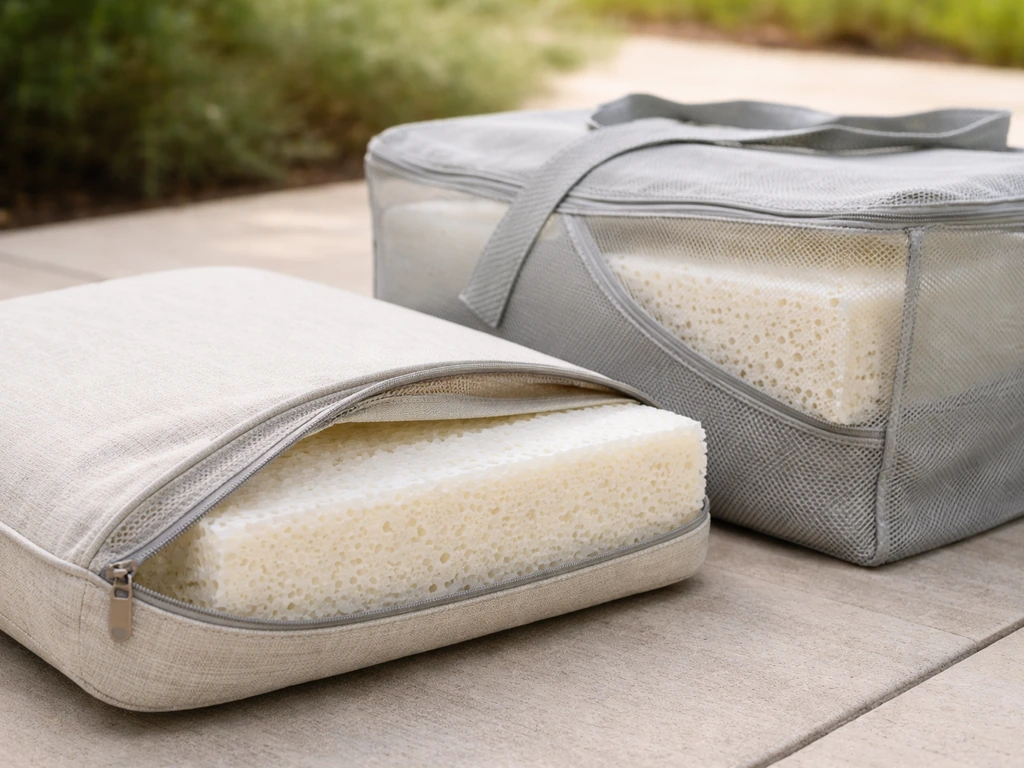
Cheap cushions ruin good furniture. The foam core matters: standard indoor foam holds water and grows mold outdoors. Look specifically for open-cell outdoor foam or quick-drying foam (sometimes sold under names like Dri-Fast or similar) that allows water to drain through rather than pool inside. Fabric should be solution-dyed acrylic for maximum UV and moisture resistance. Sunbrella is the category benchmark, backed by a 10-year limited warranty on the fabric becoming unserviceable. Cheaper polyester or olefin fabrics will fade faster and pill with abrasion. Removable, zippered cushion covers that you can wash and dry are a practical quality marker.
Covers and accessories
Furniture covers are worth buying, but not all covers are equal. Non-breathable covers trap humidity underneath and can actually promote mildew in warm climates, creating a mini-greenhouse effect. Look for breathable covers with vented panels that allow airflow while still shedding rain. Some brands like Restoration Hardware specifically design their covers with breathable, mold- and mildew-resistant fabric for this reason. A well-fitted, breathable cover significantly reduces cleaning frequency and protects finish and fabric from UV during long periods of non-use.
Maintenance, cleaning, and seasonal storage
Good furniture with bad maintenance doesn't last. The upkeep for front-porch furniture doesn't need to be complicated, but it does need to happen on a regular schedule.
Routine cleaning
For almost every material, mild soap and warm water is the right starting point. Use a soft brush or cloth for wicker and wood to get into the weave or grain without scratching. For poly lumber furniture like POLYWOOD pieces, a gentle pressure wash (maximum 1,500 psi) is specifically supported by the manufacturer. For aluminum, a mild soap wipe-down removes pollen, bird droppings, and grime that can stain the powder coat over time. Avoid bleach on wood and wicker unless diluted specifically for spot mold removal, as it can break down fibers and finishes.
Wood-specific care
Teak can simply be left alone to weather naturally to silver-gray. If you want to maintain the warm original tone, clean the wood thoroughly first, let it dry completely outdoors, and then apply a teak protectant or oil. Waterlox MARINE is designed as a marine and outdoor wood sealer and finish to create a waterproof barrier that stays durable against UV and moisture when used as part of its sealer system Waterlox MARINE waterproof barrier durable against UV and moisture. Products like TeakGuard claim longer-lasting protection with less frequent reapplication compared to traditional teak oil, and they work without sanding or sealing. For other woods, a periodic application of furniture oil or wood polish (as outlined in most use-and-care manuals for wood bistro sets) keeps the grain from drying out and cracking. Always let wood dry fully before applying any treatment.
Metal rust prevention
Powder-coated aluminum rarely needs rust intervention, but inspect it at the start and end of each season. Any chip or scratch in the coating is a potential corrosion entry point, especially on steel components. Touch up damaged areas with a matching touch-up paint as soon as you notice them. For steel hardware like bolts or connectors, apply a rust-inhibiting coating annually in humid or coastal climates. If rust has already started, sand it back to bare metal, apply a zinc-based primer, and then repaint.
Cushion care
Bring cushions inside during sustained rain or when the furniture won't be used for extended periods. Mold on outdoor cushion fabric grows on dirt and organic debris, not the fabric itself, so keeping cushions clean is the single best prevention. If you see mold, a diluted bleach solution (roughly 1/4 cup bleach per gallon of water) on Sunbrella fabric is manufacturer-approved for spot treatment. Always let cushions dry completely before storing them, and store them in a breathable bag or bin, not sealed plastic that traps humidity.
Seasonal storage
If you're in a climate with genuine winters (freeze-thaw cycles, heavy snow), bringing furniture indoors or into a garage is the single highest-impact thing you can do to extend its life. Fermob, which makes durable steel outdoor furniture, specifically recommends storing furniture indoors or in a dry, well-ventilated place protected from impacts during winter. For furniture too heavy or large to move, breathable covers plus a sheltered porch location (under a roof) provide reasonable protection. Always clean and dry everything thoroughly before storage: storing damp furniture in a closed garage is the fastest way to get mold and corrosion started.
Here's a simple seasonal checklist to work from:
- Spring (setup): Inspect frames for rust, cracks, or coating damage. Touch up any chips. Clean all surfaces with mild soap and water. Check cushion zippers and foam for winter moisture damage.
- Summer (routine): Wipe down furniture monthly. Bring cushions in during extended rain. Rinse off pollen, bird droppings, and debris promptly.
- Fall (prep): Deep clean all furniture. Apply teak oil or protectant to wood. Touch up metal finishes. Store cushions inside. Install breathable covers over frames.
- Winter (storage): Move furniture indoors if possible. If not, ensure covers are fitted, breathable, and secured against wind. Inspect once mid-season if storms are frequent.
Front-porch furniture is one of the more forgiving outdoor furniture investments because the covered structure does some of the weather protection work for you. Pick the right material for your climate, size it correctly for your porch dimensions, invest in quality cushion fabric, and follow a basic seasonal maintenance routine. When you are shopping for the best patio furniture for composite decking, match the material and cushion type to your weather so it won't stain or degrade the deck finish Pick the right material for your climate. Do those four things, and almost any of the materials above will give you a decade or more of good use.
FAQ
Can I put “outdoor furniture” on a covered front porch and still expect it to last 5 to 10 years?
Yes, but only if your specific porch conditions match the material. If the porch is truly covered and stays mostly dry, softwoods can work with regular sealing. If rain can reach the cushions and furniture (even occasionally), prioritize powder-coated aluminum frames or HDPE all-weather wicker, and choose solution-dyed acrylic cushions with quick-drying or open-cell foam cores.
What’s the best way to cover front porch furniture in winter or during long vacations?
Do not use sealed plastic tarps for long storage. Use breathable, vented covers so moisture can escape, and add a routine to dry everything first. For cushions, keep them in a breathable bin or bag after they fully dry, otherwise mildew can start underneath covers even when the furniture is under a roof.
How should I choose cushions so they don’t get moldy on a front porch?
Aim for a cushion plan that includes easy removal and faster drying. Removable, zippered cushion covers are a quality marker, and open-cell or quick-drying foam prevents pooled water. If you cannot remove cushions easily, buy fewer cushions and store or rotate them more often after storms.
What should I do if my front porch is narrow, but I still want comfortable seating?
For narrow porches, prioritize pieces that create “clear lanes” and avoid wide projections like deep armrests. Two rocking chairs with a small side table is often more space-efficient than a loveseat plus table. Also check the chair-to-chair spacing for comfort, not just overall footprint, because elbows and knees need room.
How do I account for door swings, steps, and ceiling fans when buying front porch furniture?
Measure and plan for access, not just furniture fit. Confirm clearance from the front door to the steps or driveway (you generally want at least a 36-inch walking path through the arrangement). If you’re adding a glider, include the extra clearance behind it for rocking motion, and remember ceiling fans or light fixtures can limit the safe height of any back or hanging piece.
What’s the correct way to handle scratches or chips on aluminum or steel furniture?
Buy touch-up paint specifically matched to your furniture’s powder coat, and don’t wait until the next season if you see a fresh chip. Small damage is still corrosion risk at the edges. If rust has started on steel hardware, sand back to bare metal, use a zinc-based primer, then repaint promptly to stop the spread.
Do I need to oil teak every year to keep it looking good on a front porch?
Teak works best when you accept its maintenance style. If you want the warm honey look, clean thoroughly and reapply a teak protectant on a schedule that matches sun intensity, rather than assuming one-time sealing lasts for years. If you’re okay with the natural silver-gray look, you can leave it alone, but still keep it clean to reduce mold growth on dirt buildup.
Can I use steel patio furniture on a coastal front porch if it’s covered?
No, avoid steel in coastal or consistently humid environments unless it’s stainless 316 or hot-dip galvanized with powder coating. Even galvanized steel can fail at the coating break points. For the woven-look option, choose an aluminum inner frame under HDPE wicker so water exposure doesn’t lead to rust from the frame outward.
How often should I clean front porch furniture, and what’s the safest routine?
Use a simple trigger: after pollen season, after heavy rain, and before long storage. For aluminum, mild soap and warm water (soft cloth or brush) is enough to prevent staining. For wicker and wood, clean gently so you don’t grind debris into the weave or grain, and always let items dry fully before covering.
What’s the best strategy if I can’t bring cushions inside after rain?
If you can store cushions indoors, you can extend life for almost any material. If you cannot, choose quick-drying or open-cell foam and solution-dyed acrylic fabric, and plan for more frequent quick rinses after storms. Also keep cushions slightly elevated off the furniture surface when possible so water doesn’t sit against the foam cores.
Should I choose poly lumber or powder-coated aluminum if I want the least maintenance and easy upkeep?
Poly lumber is heavy but often the most practical option for low maintenance, especially for porch lounges like Adirondack chairs and benches. It also stays stable in wind better than lighter metal pieces. If you prefer lighter furniture for rearranging, powder-coated aluminum will be easier to move, but you’ll want to sweep more often to keep pollen and debris from staining over time.
Next Articles
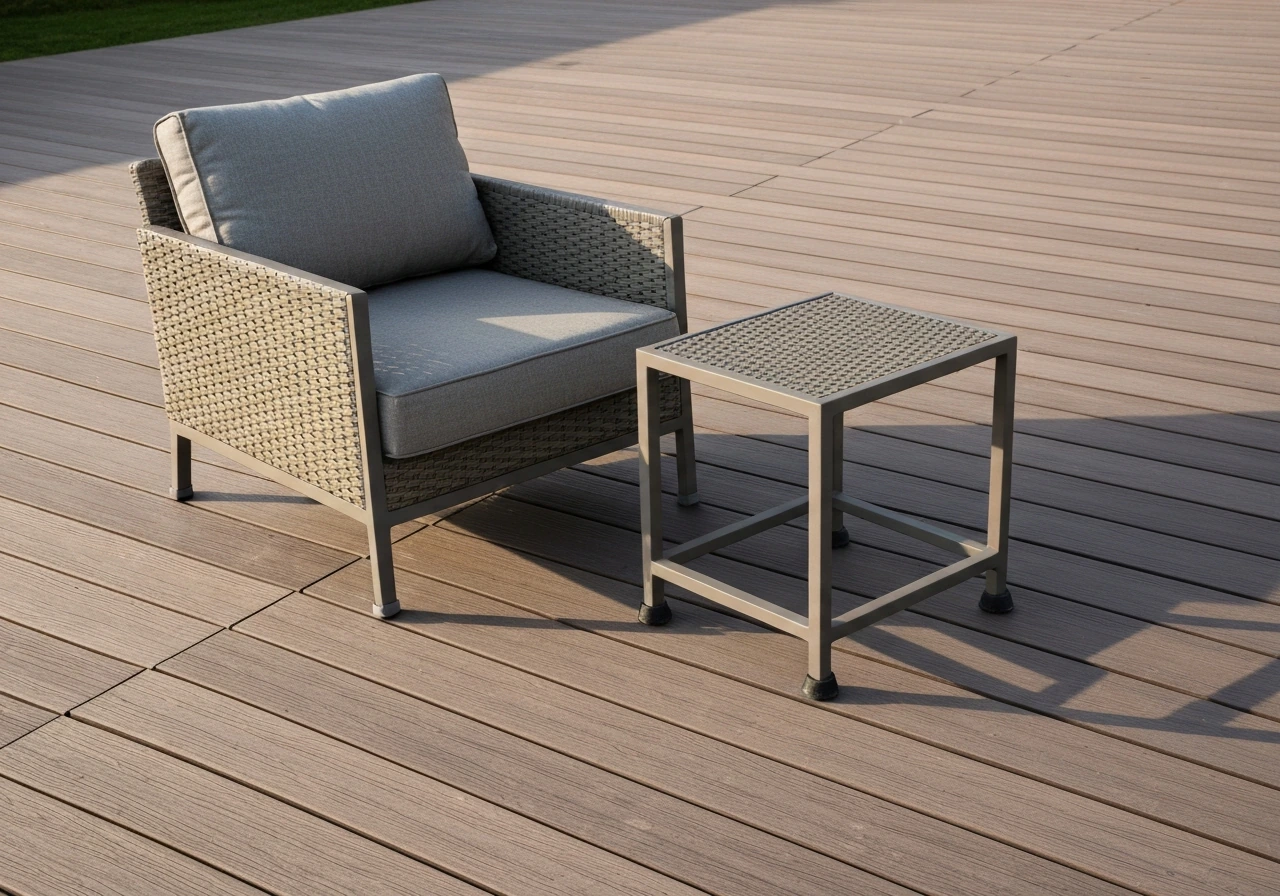
Best Patio Furniture for Composite Decking: Buyer’s Guide
Shop the best patio furniture for composite decking: materials, styles, foot pads, climate tips, and safe cleaning
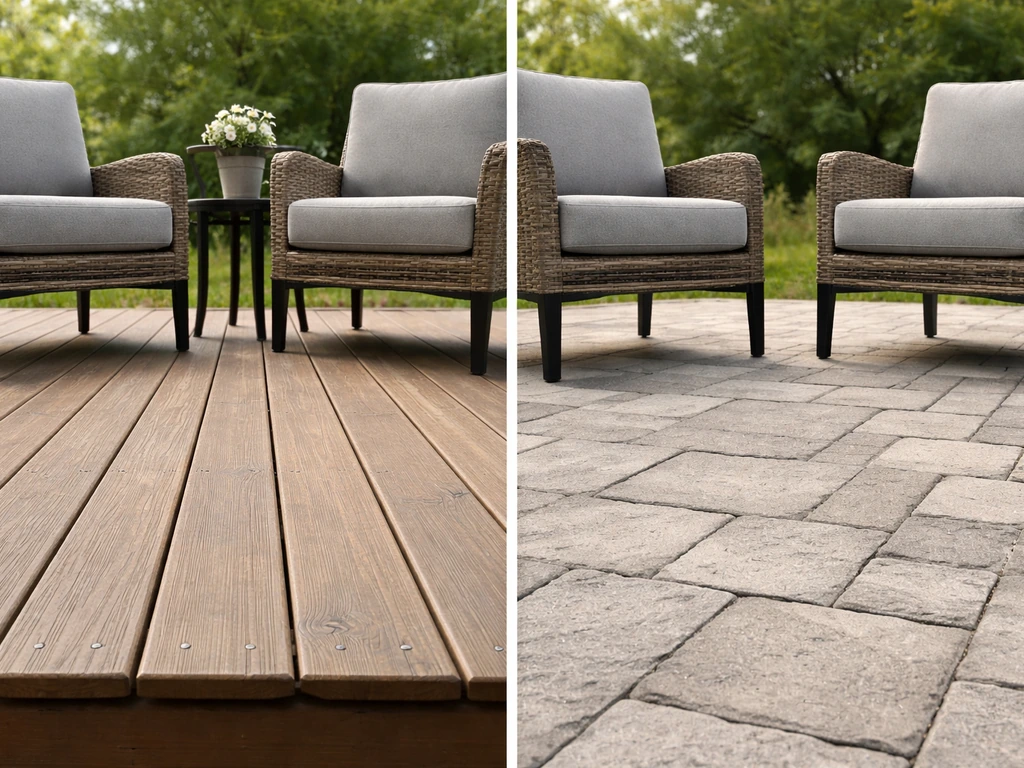
Deck vs Patio Furniture: What to Buy and Place
Deck vs patio furniture guide: pick the right materials, placement, and protection for heat, moisture, and stability.
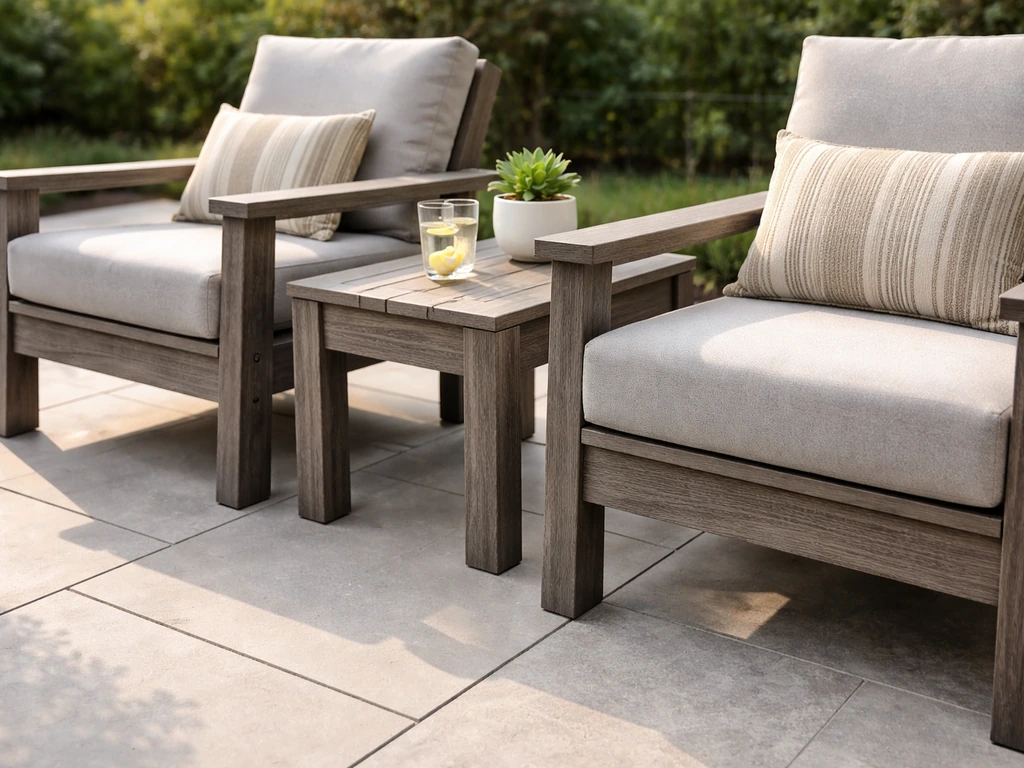
Best Composite Patio Furniture: How to Choose in 2026
Choose the best composite patio furniture in 2026 by type, construction, climate fit, durability, and easy maintenance t