
For composite decking, your safest furniture choices are powder-coated aluminum frames, HDPE (recycled plastic lumber) pieces like POLYWOOD, and resin-wicker sets with aluminum frames. These materials won't rust, won't transfer stains to your boards, and won't react with the composite surface. The one detail most people overlook is furniture feet: bare metal or hard plastic feet can scuff capped composite boards over time, so adding silicone or rubber pads to every leg is non-negotiable. Get that part right, and you can enjoy just about any style you want on a composite deck without worrying about voiding your deck warranty or ruining your boards.
Best Patio Furniture for Composite Decking: Buyer’s Guide

Theo Tierney
18 Jun 2026
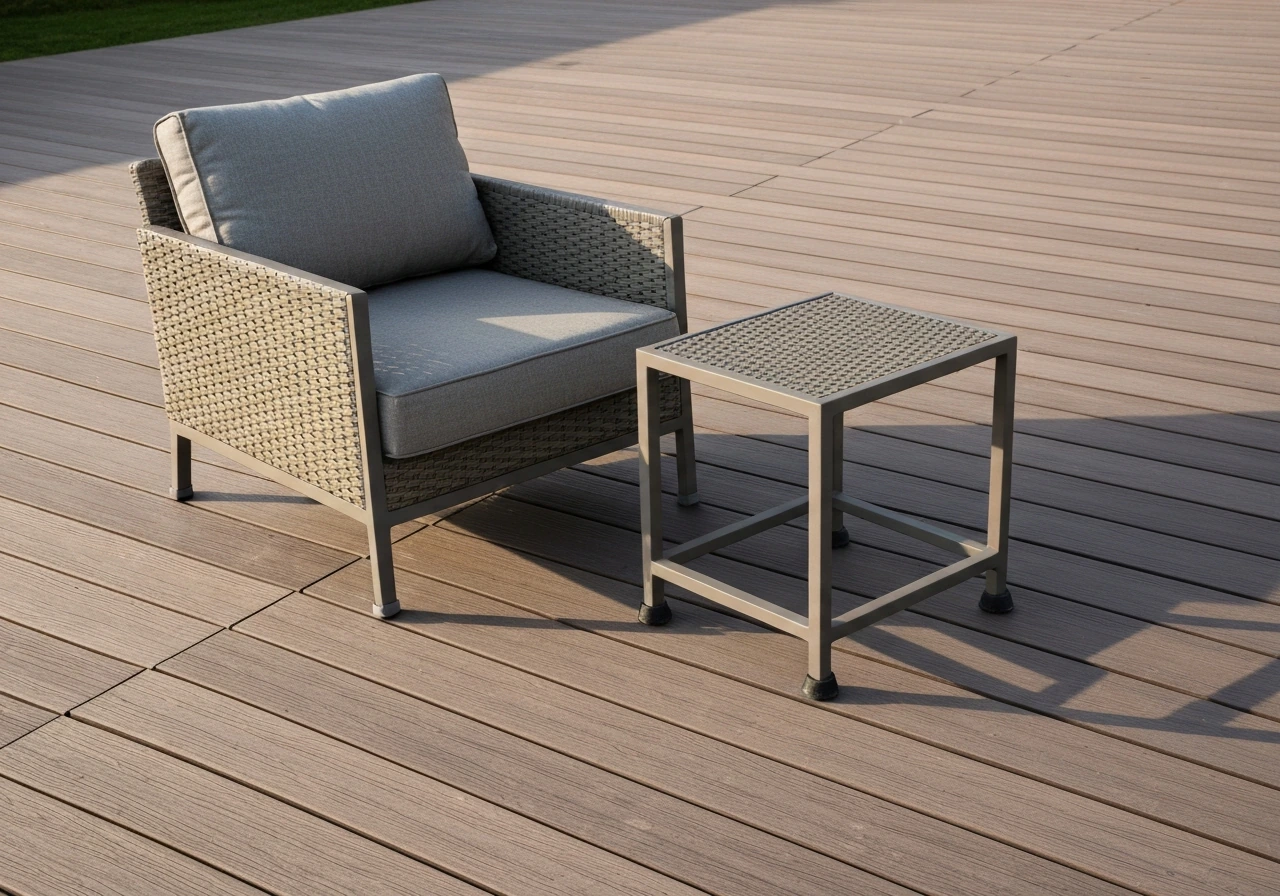
Why composite decking changes what 'best' furniture means
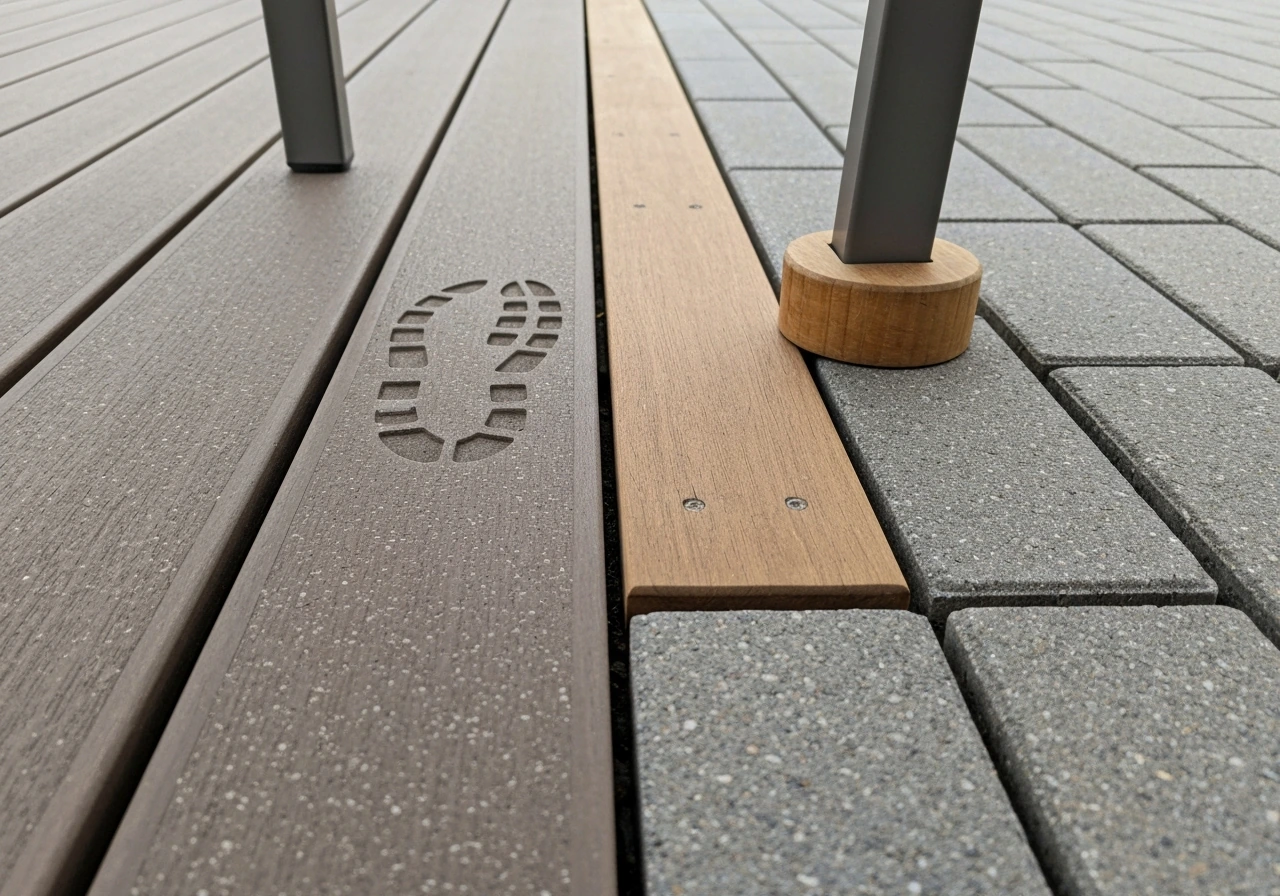
Composite decking is not the same as wood, pavers, or concrete, and it reacts to furniture differently than all of them. Most modern composite boards, from brands like Trex, TimberTech, and Deckorators, use a capped construction: a co-extruded polymer shell wraps the wood-plastic core on three or four sides. That cap is what gives composite its scratch, stain, and fade resistance. But the cap is also a surface you can damage. Scuff it with a dragged chair leg, trap moisture underneath a rubber mat, or spill rust-laden water from a steel frame and you can cause discoloration that is very difficult to fix.
TimberTech and Trex both make a point of saying their boards are fade-resistant and scratch-resistant, not fade-proof or scratch-proof. Trex's warranty covers fading and staining for high-performance lines, but TimberTech explicitly states in its fade and stain warranty that stain resistance is not warranted under all conditions. That matters because furniture is one of the most common ways homeowners void this kind of protection without realizing it.
A steel chair left on a wet deck for a season can transfer rust that soaks into the composite surface. A chair dragged across the deck daily can wear through the cap. So when you're choosing furniture for a composite deck, you're not just buying for looks, you're buying to protect a surface that can cost $15,000 to $30,000 or more to install.
There's also a heat dimension to composite decking that wood doesn't share. Composite boards can get noticeably hotter than wood in direct sun, with surface temperatures running well above ambient air temperature. That affects which furniture materials stay comfortable and how materials at the furniture-deck interface behave over repeated heat cycles.
Top furniture materials that work well on composite decks
Not every outdoor furniture material is an equally good match for composite decking. Here's how the main categories stack up in real-world use.
Powder-coated aluminum
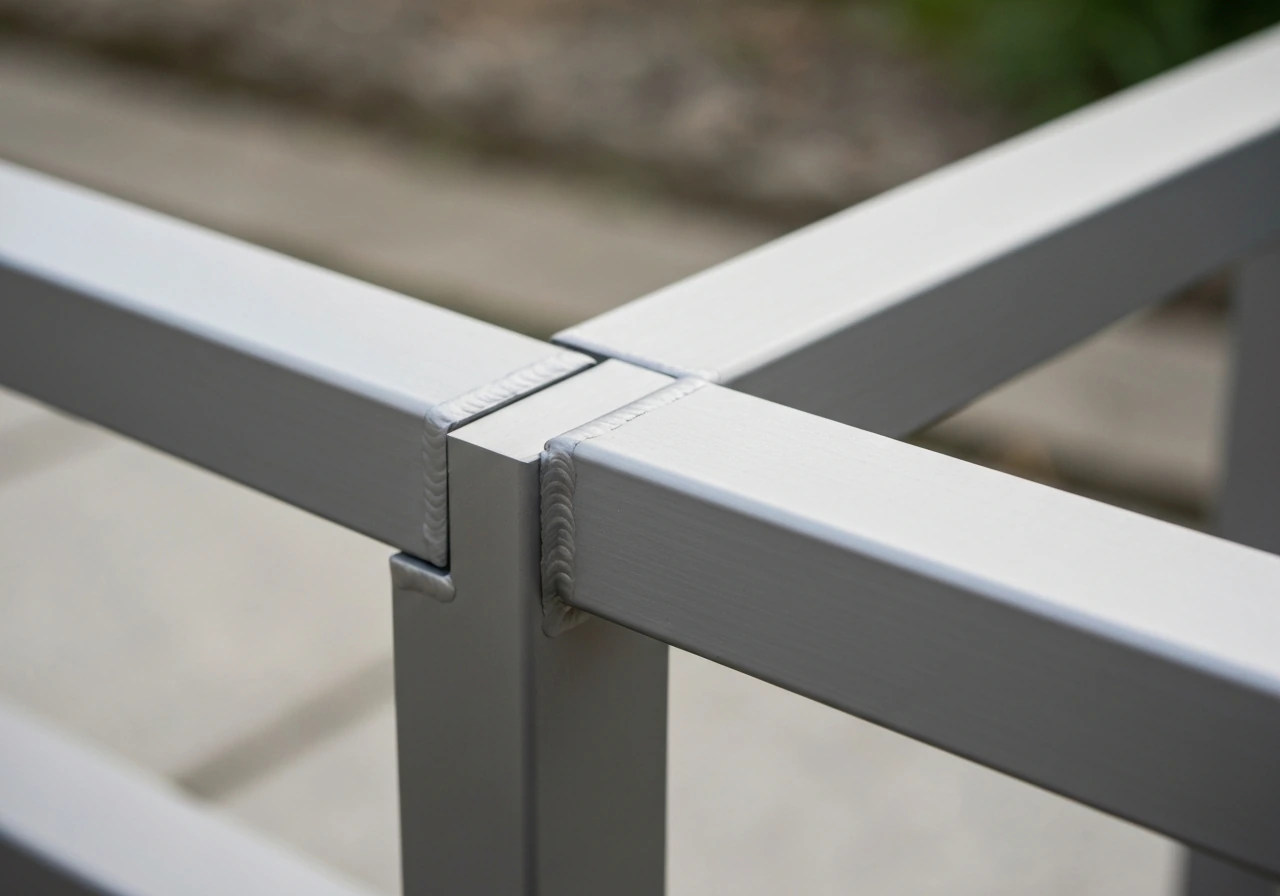
This is the best all-around frame material for composite decks. With the right material choices, you can narrow down to the best composite patio furniture for your deck’s surface and climate. Aluminum doesn't rust, so it can never transfer rust stains to your boards. It's lightweight, which makes repositioning easy without heavy dragging.
And powder coat is a durable finish: Trex Outdoor Furniture, for example, warrants its powder coat against peeling for five years in residential use. Look for at least 1. 0mm wall thickness in the tubing and a multi-stage powder coat process (primer plus topcoat). Avoid thin, budget aluminum that feels flimsy when you push on it, as it tends to flex and creep on composite surfaces over time.
HDPE (recycled plastic lumber)
POLYWOOD is the category leader, and HDPE furniture is arguably the safest material you can put on a composite deck. It contains no metal to rust, no wood to warp or splinter, and no finish that can chip off and stain your boards. POLYWOOD includes UV inhibitor compounds in its lumber and backs its products with a 20-year residential warranty, though the company does note that all colors will fade to some degree over time.
The downside is weight: HDPE furniture is dense and heavier than aluminum, which means dragging it is more likely to cause scuffing than dragging a lighter aluminum chair. Lift, don't drag, and add rubber pads, and HDPE is about as worry-free as outdoor furniture gets on composite.
All-weather wicker (resin wicker over aluminum frames)
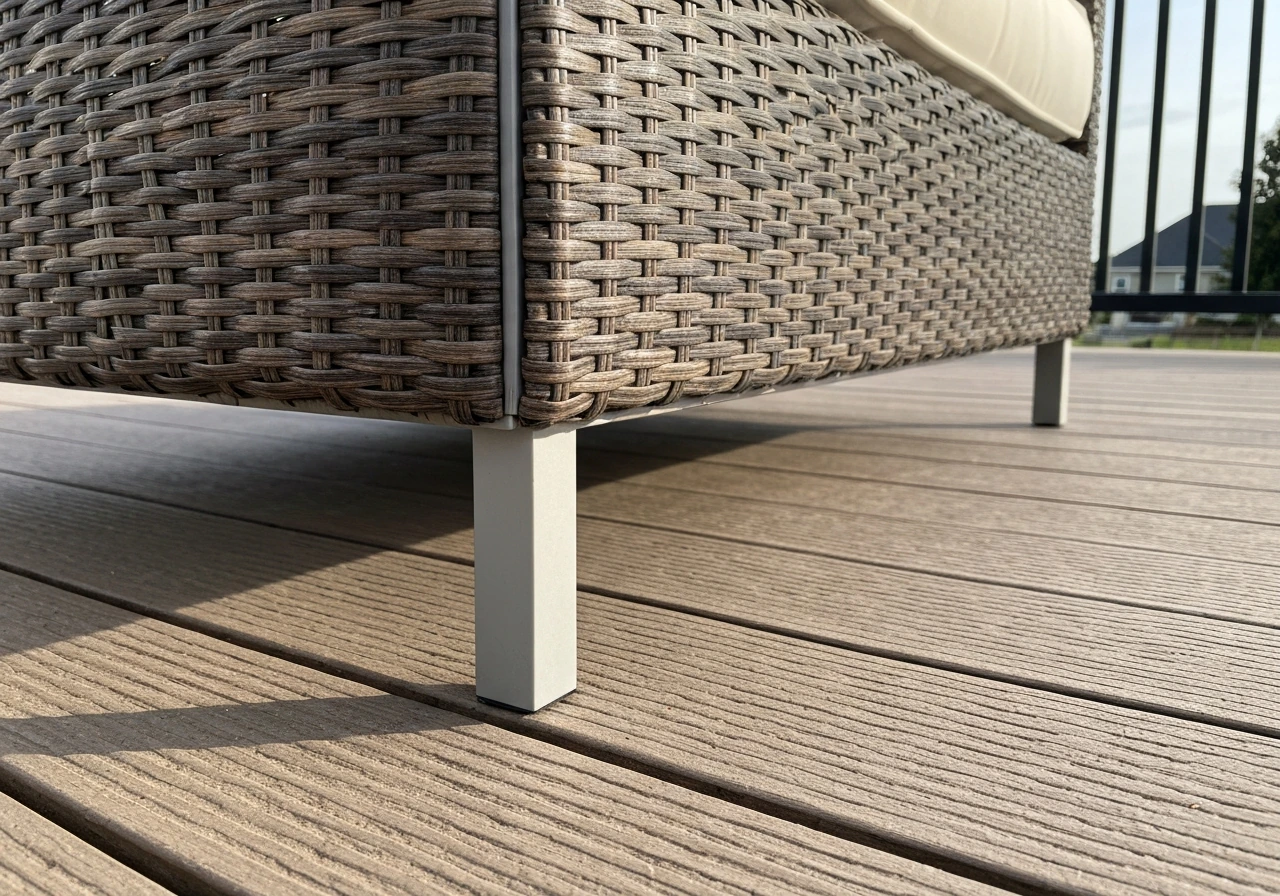
Quality resin-wicker sets use a powder-coated aluminum frame beneath the wicker weave, which means you get the rust-free benefit of aluminum with a softer, more furniture-like look. The wicker itself is extruded polyethylene or PVC, so it won't rot or absorb moisture. The key is verifying the frame is truly aluminum and not steel. Budget wicker sets frequently use steel frames with thin coating, and once that coating chips near the ground, you're back to the rust-transfer problem. Poke around the underside of the frame where the legs end to feel for the tell-tale weight and magnetic quality of steel.
Teak and hardwood
Teak is a perennial outdoor furniture classic and it behaves well on composite decking from a stain standpoint, because well-maintained teak doesn't shed rust or reactive chemicals. The issue is that teak oil and sealers applied to the wood can drip or migrate to composite surfaces, and some finishes are genuinely difficult to remove from capped composite. If you go with teak, apply finishes off the deck or use a drop cloth, and keep the furniture on rubber pads. Also worth noting: teak is dense and can be heavy, so the same lift-don't-drag rule applies. Shorea and ipe are decent alternatives, but they require the same care routine.
Wrought iron and steel
These are the materials to approach most carefully on composite decking. Steel and wrought iron can look great and last decades, but the rust transfer risk is real. If the coating is perfect and the hardware is stainless, you can use steel furniture on composite. The moment any bolt, foot cap, or frame section starts to oxidize, you risk brown-orange rust stains soaking into your deck surface. If you love the look of iron or steel, make sure every piece of exposed hardware is 304 or 316 stainless steel, the paint is chip-free at the base of each leg, and you inspect the feet at the start and end of every season.
Fabric and cushion choices
The frame is only half the story. Cushion fabric matters too, particularly because damp cushion fabric sitting on composite boards can transfer dye or create mildew conditions that stain the deck surface. Solution-dyed acrylic fabrics like Sunbrella are the right call here: they're UV-stable, mold and mildew resistant, and the dye is integrated into the fiber rather than applied on top, so they don't bleed onto deck surfaces even when wet.
Sunbrella backs its outdoor cushion fabric with warranty coverage for fade and mildew resistance. Sling and mesh chairs, where the seat is a stretched fabric across the frame with no cushion, are another solid option: no cushion to get soggy, less moisture trapped under the seat, and easy to wipe down.
What to look for in furniture feet, frames, and surfaces
This is the most overlooked part of choosing furniture for composite decking, and it's where most deck damage actually happens. Every furniture piece that sits on your deck needs to be evaluated at the contact points, not just at eye level.
Furniture feet and pads
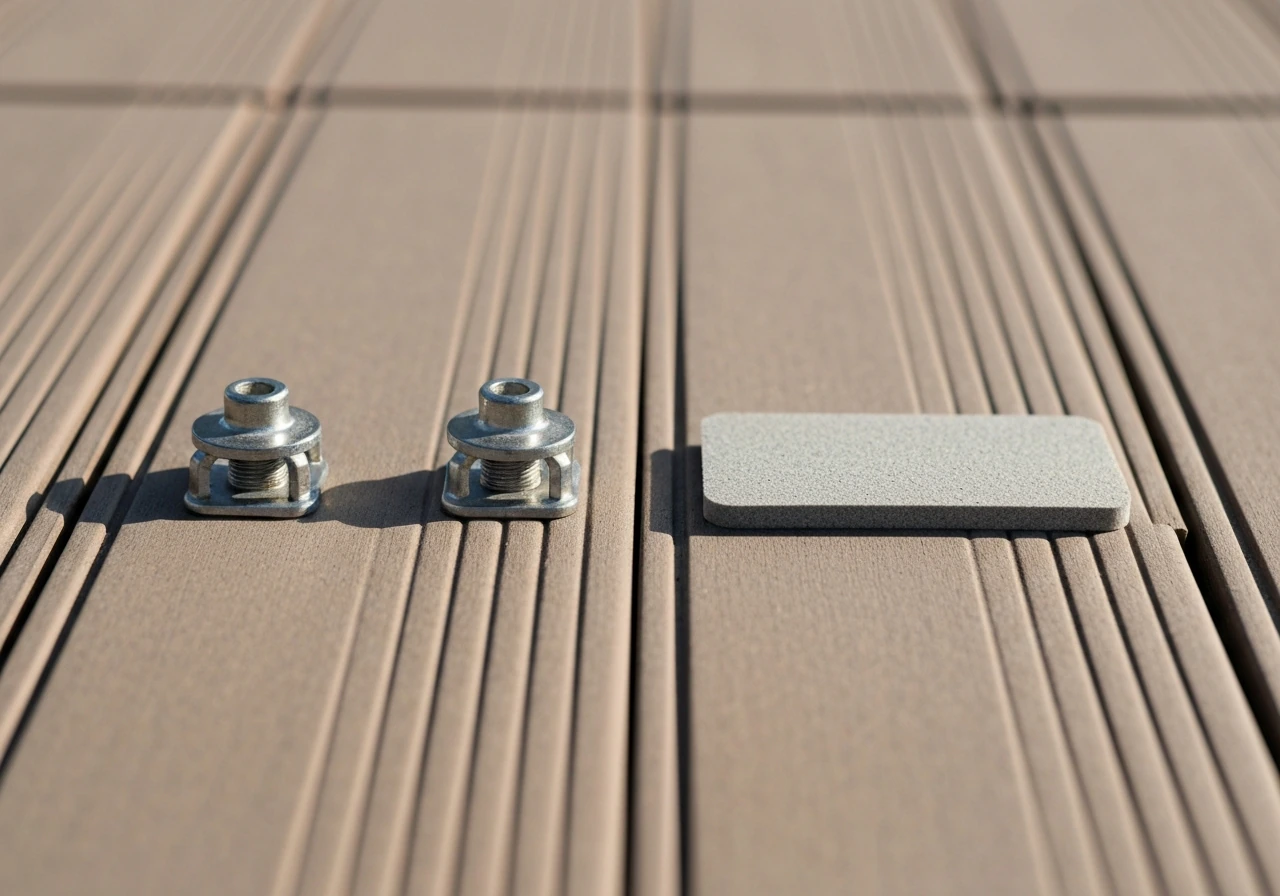
Bare metal feet, hard plastic caps, and even some rubber compounds can mark or stain composite boards. Trex explicitly recommends silicone or rubber pads and notes that rubber-backed mats (and by extension, certain rubber pad materials) can sometimes cause discoloration or lightening of composite surfaces. This means you can't just grab the first rubber pad at the hardware store: look for silicone pads specifically rated for outdoor/composite use, or non-marking thermoplastic rubber (TPR) pads. Self-adhesive silicone furniture feet in 1-inch or 1.5-inch diameter work well for chair legs. For heavier items like dining tables, consider larger felt-core rubber caps or a furniture coaster that distributes weight across a wider area.
Trex Outdoor Furniture's own help documentation acknowledges that their furniture pieces do not come with underside leg coverage by default, recommending owners add appropriate pads for their specific flooring. That's honest and useful: even brand-name furniture built for decks may need this step when it arrives.
Frame construction details
When evaluating frames, look for: welded (not bolted) corner joints on aluminum pieces, which are more rigid and don't shift and scrape on the deck; rust-proof stainless or aluminum hardware at pivot points and where legs meet frames; and a smooth powder coat finish that won't flake onto the deck surface. On any frame with hollow legs, check that the open ends are capped, because uncapped tube legs can collect water and create standing moisture contact with your composite boards.
Surface and finish compatibility
Table surfaces that can scratch or shed (like tempered glass, stone, or tile) don't directly affect the composite deck below, but they affect durability of the overall setup. HDPE slat tabletops and powder-coated aluminum slatted tops are both practical for composite decks because they don't require any chemical treatments or sealers that could drip on boards. If you go with a teak or wood slat top, seal it away from the deck and let it cure before use.
Best options by use case
Dining sets
For a composite deck dining area, a powder-coated aluminum table with aluminum slatted or mesh top paired with sling-back or cushioned aluminum chairs is the most practical setup. If you’re shopping for the best patio furniture for apartment balconies or small outdoor spaces, prioritize lightweight, rust-resistant frames and furniture feet with pads to prevent scuffing For a composite deck dining area.
The light frame weight means chairs can be moved without heavy dragging, and the non-rusting frame eliminates stain risk. If you prefer the look of HDPE lumber, POLYWOOD makes dining sets that work well, but they're heavier: budget for a furniture dolly or accept that the table and chairs won't be moved often. For dining chairs specifically, look for non-stacking sets if you have the storage space, since repeated stacking and unstacking on a composite surface causes cumulative scuffing.
Loungers and chaise lounges
Loungers are where composite decks show wear first, because they're moved frequently and often dragged rather than lifted. Aluminum-frame chaise lounges with sling fabric seats are ideal: lightweight, no cushion to retain moisture, and no contact points beyond the leg feet. If you want a cushioned lounger, go with a quick-dry foam cushion inside a Sunbrella cover, and get in the habit of standing the cushion on its end or storing it after heavy rain rather than leaving it flat on the deck for days.
Deep seating and conversation sets
Deep seating conversation sets tend to be heavier and less frequently moved, which actually works in your favor on composite decking: less movement means fewer opportunities for scraping. The weight also means you want a wider, more stable foot base to avoid point-load pressure concentrated on a small area of the composite board. Sectional sets with wide, flat bases are preferable to legs with small diameter feet. HDPE and aluminum both work well here. Wrought iron deep seating looks beautiful but requires more vigilance about rust at the base of each leg, so inspect it annually.
Accent tables and side tables
Small side tables are a low-risk category, but they're frequently overlooked as a source of rust stains because they're often cheap steel-frame pieces. A corroding metal side table sitting in a wet corner of the deck can leave a perfect rust ring on composite boards. If you want a quick starting point, focus on the best patio furniture for deck setups that use rust-free frames and non-marking pads. Spend a little more here for aluminum or HDPE, or at minimum make sure any steel piece has stainless hardware and silicone pads on the feet.
Climate and weather compatibility
Where you live should shape your furniture choice as much as your style preferences. Composite decking responds to climate stress in specific ways, and your furniture needs to survive the same conditions.
| Climate | Key Risk for Composite Deck | Best Furniture Match | What to Avoid |
|---|---|---|---|
| Hot sun / Southwest | UV-driven board fading, heat buildup on surface | Light-colored powder-coated aluminum, HDPE with UV inhibitors | Dark-colored metal that superheats, bare rubber pads that can bond to hot surfaces |
| Freeze-thaw / Midwest, Northeast | Moisture expansion/contraction at board joints, frame corrosion from road salt | HDPE (no freeze damage), aluminum with sealed joints | Steel frames without rust-proof hardware, cushions left out over winter |
| Coastal / Salt air | Salt deposit staining on composite, rapid corrosion of non-marine hardware | HDPE or aluminum with 316 stainless hardware, Sunbrella fabric | Bare steel, 304 stainless in direct splash zones, cheap powder coat that chips |
| High humidity / Southeast / Pacific Northwest | Mildew under cushions and mats, moisture trapping under furniture | Sling or mesh chairs, aluminum frames, quick-dry cushions | Closed-bottom furniture bases that trap moisture, solid rubber mats under furniture |
In hot climates, the surface temperature of composite boards can get very high on summer afternoons, which can soften some pad materials and increase the risk of them sticking or leaving residue. Check that any silicone or rubber pad you use is rated for heat exposure, not just indoor use. In coastal environments, the fasteners and frame hardware are your biggest vulnerability: Type 316 stainless steel contains molybdenum, which significantly improves chloride and salt corrosion resistance compared to standard 304 stainless. If you're within a mile of the ocean, treat 316 stainless hardware as the minimum standard for any frame piece that isn't full aluminum or HDPE.
In freeze-thaw climates, the main winter risk is not the furniture sitting on the deck but moisture that gets trapped under it. If furniture stays out all winter, water can pool under legs, freeze, and expand in ways that can affect the composite board surface or the board fasteners beneath. Either bring furniture in or store it with all legs elevated on small platforms, and check that furniture covers allow ventilation rather than trapping condensation.
Maintenance, cleaning, and protecting your deck and furniture
The cleaning routine that keeps your composite deck in warranty-valid condition is gentler than most people expect, which matters because aggressive cleaning is one of the fastest ways to damage both the deck and whatever furniture is in the vicinity.
Cleaning the composite deck around furniture
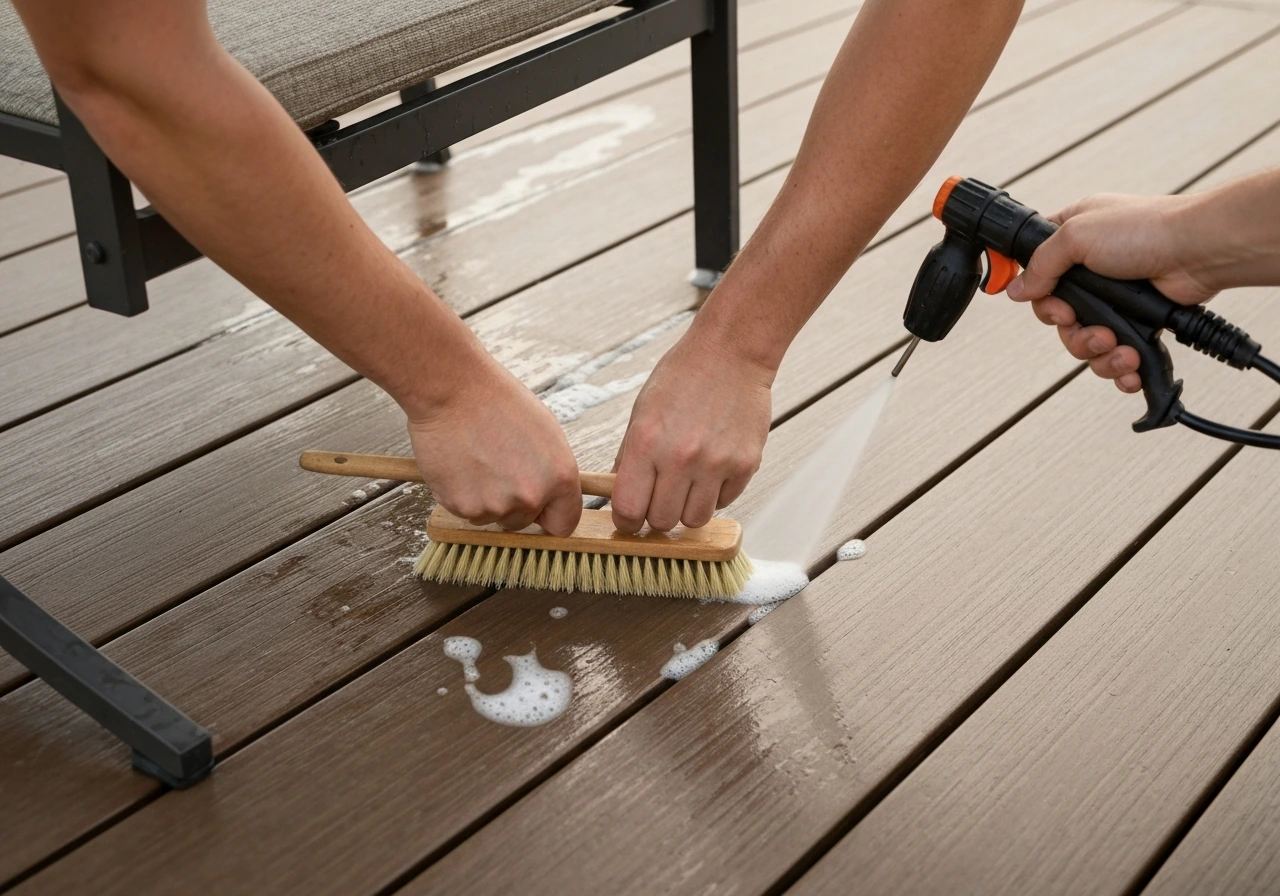
Trex recommends pressure washing their high-performance lines at no more than 3,100 psi with a fan nozzle and soap dispenser attachment. blank" rel="noopener noreferrer">TimberTech sets the limit lower, at 1,500 psi for their composite and Advanced PVC collections. MoistureShield warns that excessive pressure can cause irreversible surface damage. The practical takeaway: stay at or under 1,500 psi for any composite deck, use a wide fan tip, and keep the nozzle moving. Don't use a zero-degree or pencil-tip nozzle. Homeowners on Reddit have reported that high-pressure washing can remove or alter Trex's surface sheen, which matches what the manufacturers say in their own pressure limits.
Under and around furniture, use soap and water with a soft-bristle brush for regular cleaning. Move the furniture first, clean underneath, let the surface dry fully before putting furniture back. If you find scuff marks from chair legs, a composite deck cleaner (brand-specific, like Trex's recommended cleaner or TimberTech's approved products) and light hand scrubbing is the right approach. Don't use abrasive pads, steel wool, or anything with chlorine bleach on capped composite: these can strip or etch the cap surface.
Protecting the deck surface under furniture
The best protection is prevention. Here's the routine that actually works: add silicone or non-marking TPR pads to every furniture leg when pieces are new, before they ever touch the composite surface. Lift and reposition furniture rather than dragging it. At least once a season, lift each piece and clean the composite surface beneath it, because trapped moisture, pollen, and debris under furniture legs creates discoloration over time even without rust or staining chemicals present. Avoid rubber-backed outdoor rugs or mats directly on composite, as Trex specifically flags that some rubber backing compounds can discolor or lighten the composite surface. If you want a rug, look for ones with composite-safe, open-weave backing that allows airflow.
Furniture maintenance that protects the deck
Annual hardware checks are worth building into your spring opening routine. Tighten all bolts and screws on furniture frames (especially on chairs that flex in use), and inspect any painted or coated surfaces at the leg bases for chips. A chip at the base of a steel leg is not just a cosmetic issue: it's the start of a rust site that will contact your composite board every time it rains.
Touch up chips with rust-inhibiting paint or replace the piece. For aluminum furniture, rinse the frame with fresh water after any salty or dusty period. For cushions, Sunbrella and similar solution-dyed fabrics can be cleaned with mild soap, rinsed well, and air-dried; store or cover cushions when the deck isn't in use for extended periods to prevent unnecessary UV and moisture exposure.
Covers and off-season storage
Furniture covers protect against UV degradation, bird droppings, and wet debris, but a bad cover can trap more moisture than it keeps out. Look for covers with ventilation grommets or mesh-back panels, and make sure covers don't sit directly on composite boards without some airflow underneath. For freeze-thaw climates, bringing furniture indoors or to a garage is genuinely better than covering it in place, especially for cushioned sets. HDPE furniture like POLYWOOD is designed to stay outside year-round in all climates, including snowy winters, so that's the low-maintenance choice if you don't want to deal with seasonal storage.
Common mistakes to avoid and a quick buying checklist
Most of the furniture damage on composite decks comes from a handful of easily avoidable mistakes. Here they are, plainly stated.
- Dragging furniture across composite boards instead of lifting: this is the number-one cause of visible surface scuffing, especially with heavy chairs
- Using bare metal or hard plastic feet without silicone or rubber pads underneath every single leg
- Buying steel-frame furniture without checking that all hardware, bolts, and caps are stainless steel and rust-proof
- Leaving wet cushions flat on composite boards for days after rain, which creates moisture and potential dye transfer conditions
- Using rubber-backed mats or rugs on composite without verifying the backing is composite-safe
- Applying teak oil or wood sealers to furniture while it's sitting on the composite surface
- Pressure washing composite at too high a pressure (stay at or below 1,500 psi) or with a zero-degree nozzle
- Using bleach-based cleaners on capped composite to address rust stains or scuff marks
- Skipping the annual hardware inspection and missing the early signs of rust at leg bases or pivot joints
- Choosing furniture based only on aesthetics without checking the frame material, hardware grade, and foot design
Before you finalize any furniture purchase for a composite deck, run through this quick checklist. If you're comparing deck furniture against patio furniture, the safest choices are the ones that protect the board surface and handle moisture and heat well composite deck.
- Frame material: aluminum or HDPE first choice; steel only with verified stainless hardware and chip-free coating
- Hardware: all exposed bolts and fasteners should be stainless steel (316 grade for coastal); check with a magnet at the store
- Feet: does the piece come with rubber or silicone pads, or will you need to add them? Plan to add them either way
- Weight: can you lift each piece easily enough to avoid dragging? If not, buy furniture coasters or a dolly
- Cushion fabric: solution-dyed acrylic (Sunbrella or equivalent) for any cushioned set
- Finish: multi-stage powder coat with a minimum five-year no-peel warranty for aluminum pieces
- Climate match: 316 stainless hardware for coastal; HDPE for freeze-thaw or year-round outdoor storage; UV-stable materials for sun-heavy climates
- Warranty: look for at least five years on frame and finish; treat one-year total warranties as a quality signal to keep looking
- Clearance under furniture: avoid designs with solid enclosed bases that trap moisture against composite boards
- Test before buying: if possible, flip a chair or table and look at the leg ends, joint construction, and hardware before committing
If you're also thinking about furniture for a front porch, apartment balcony, or a smaller deck footprint, the same material principles apply, though weight and scale will factor in differently depending on the space. The composite-specific protection logic, particularly the feet, rust risk, and cleaning compatibility, carries across all those setups. Get the basics right here and you'll have a framework that works everywhere on your outdoor property.
FAQ
Can I use furniture with standard rubber feet on composite decking, or do I need silicone pads?
Rubber feet can work sometimes, but composite manufacturers specifically warn that some rubber-backed pads can discolor or lighten the board surface. If you want the lowest-risk option, use silicone furniture feet or non-marking TPR pads rated for outdoor/composite use, and confirm the pad is meant for direct contact with capped composite (heat and weather exposed).
Is it safe to put a rug or outdoor mat on composite decking under patio furniture?
Be careful with rubber-backed rugs or mats, because some backing compounds can discolor capped composite. If you need a rug, choose an open-weave, composite-safe design with breathable backing so airflow happens underneath, and lift the rug periodically to clean and dry the deck beneath it.
How can I tell if a resin-wicker set has an aluminum frame or a steel frame?
Don’t rely on marketing alone. Check the underside and base sections where legs end, verify the weight and magnetic quality, and look closely at any hardware and fasteners for signs of rust under normal wear. If the set is light and non-magnetic with consistent coating at the bases, it is more likely aluminum, but you should still inspect after delivery.
What is the difference between “stain-resistant” and “scratch-resistant” furniture on composite decking?
“Resistant” usually means the material is less likely to cause damage, not that it can’t. Even with scratch-resistant boards and furniture, dragged leg contact can wear the composite cap over time, and rust-laden water from certain metals can still cause stains. Treat contact points, pad material, and lifting behavior as part of the overall protection system.
How often should I clean under patio furniture on composite decking?
At least once per season, lift each seating piece and clean beneath it so moisture, pollen, and debris do not sit and gradually discolor the board. For high-sand or heavy pollen seasons, check more often, because buildup under legs is one of the most common reasons for persistent spotting even when no rust transfer is involved.
Will using a power washer at the manufacturer’s recommended PSI automatically prevent damage?
Staying under the specified PSI helps, but it is not the only factor. Use a wide fan tip, keep the nozzle moving, and avoid narrow zero-degree or pencil tips because concentrated spray can alter the composite surface sheen. Also, let furniture move and the area dry fully before re-positioning to prevent trapped moisture under pads.
Is it okay to use steel or wrought iron patio furniture on composite decks if the frame is painted?
It can be, but only if exposed parts remain intact. If any leg base, bolt, or hardware begins to oxidize, you risk rust transfer that is difficult to remove from capped composite. If you use steel, make stainless hardware (304 or 316) a priority, ensure coating is chip-free at every contact point, and inspect the feet at the start and end of every season.
What happens if my furniture pads heat up in direct sun on a composite deck?
Some pad materials can soften in hot climates, increasing the chance of residue or sticking to the deck surface. Choose pads that are rated for heat exposure outdoors, not just indoor use, and consider replacing pads that look glazed, sticky, or permanently deformed after summer.
Do I need to lift heavy furniture, or can I slide it carefully to avoid scuffing?
Sliding is still the main cause of scuffing that wears the composite cap. Even “careful” sliding gradually abrades the surface, particularly with larger chairs and loungers. Lift and reposition whenever practical, and for dining sets that stay in place, clean and inspect pad condition regularly instead of repeatedly moving by dragging.
Are dining chairs safe if they are stacked, or will stacking damage composite decking?
Stacking and unstacking creates repeated scraping and point-load contact, so it increases cumulative scuffing risk. If you have storage space, non-stacking dining sets are safer for composite decks, or you should use extra care with pads, check feet condition often, and minimize how frequently stacking happens.
How should I store or cover patio furniture in freeze-thaw climates?
In freeze-thaw areas, the biggest problem is moisture trapped under legs that freezes and expands. Avoid covering in a way that traps condensation. Either bring furniture indoors or store it with all legs elevated on small ventilated platforms, and choose breathable covers (ventilation grommets or mesh-back panels) so moisture does not build up beneath.
If I already bought a furniture set, what is the first step to make it composite-safe?
Immediately inspect and address the contact points. Add composite-safe silicone or non-marking TPR pads to every leg before the first use, confirm hollow leg tubes are capped (where applicable), and verify the frame is not shedding coating flakes at the base. After a week of use, re-check pads and leg bases for any new scuffing or pad residue.
Next Articles
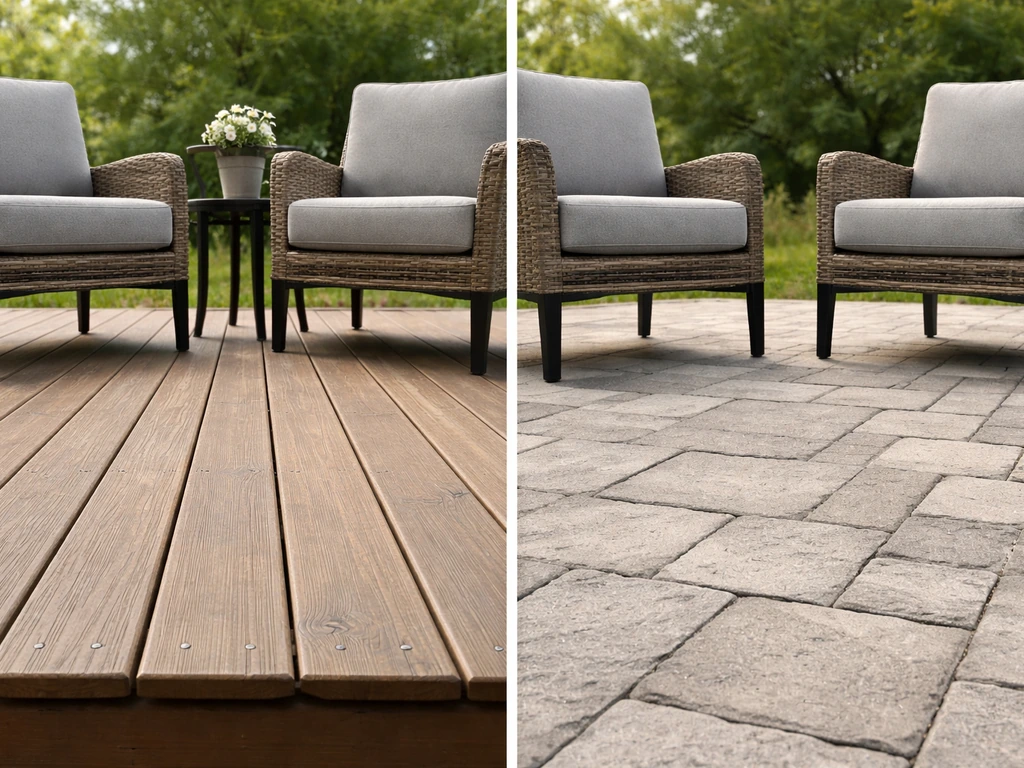
Deck vs Patio Furniture: What to Buy and Place
Deck vs patio furniture guide: pick the right materials, placement, and protection for heat, moisture, and stability.
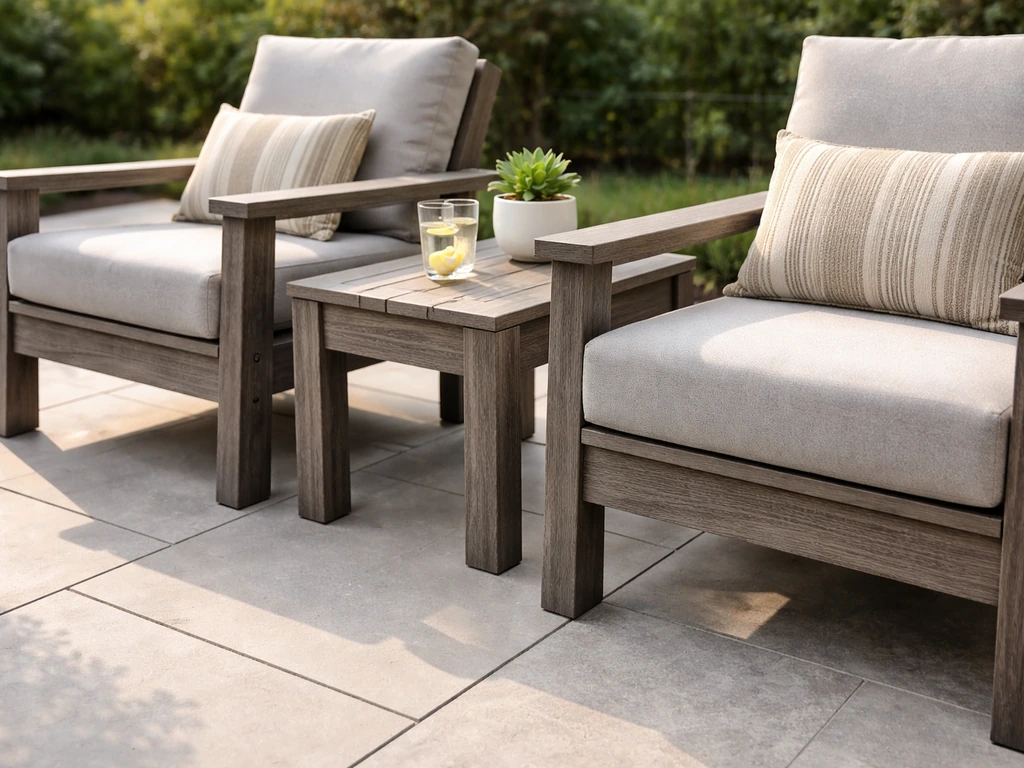
Best Composite Patio Furniture: How to Choose in 2026
Choose the best composite patio furniture in 2026 by type, construction, climate fit, durability, and easy maintenance t
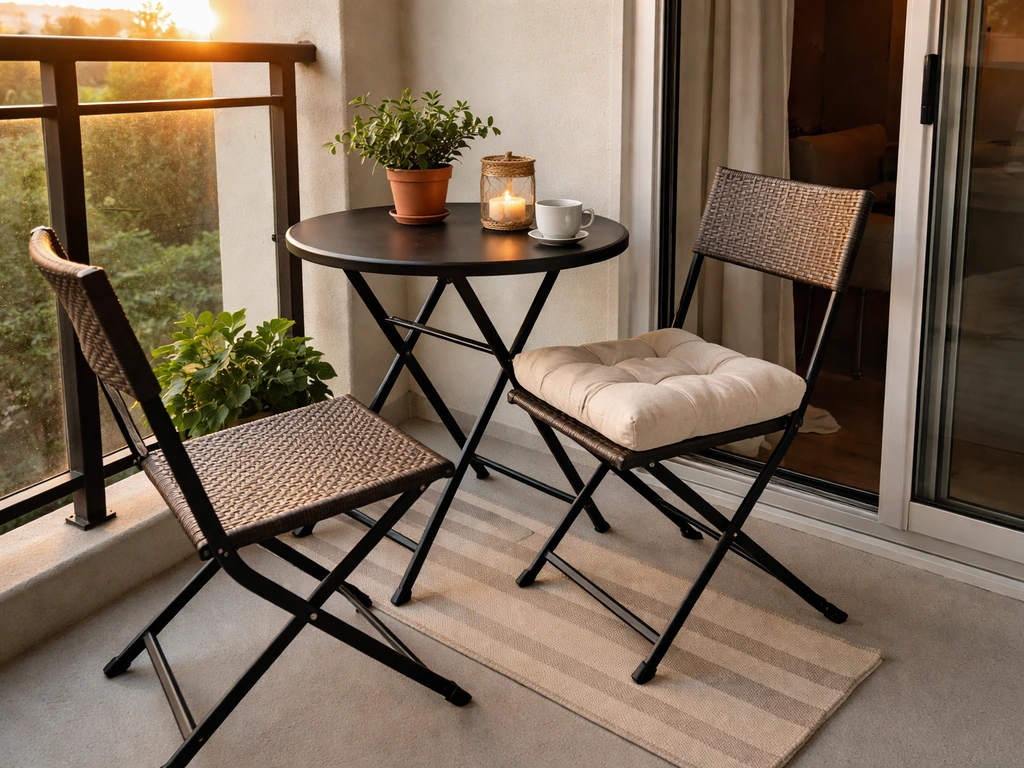
Best Patio Furniture for Apartment Balconies: Buyer Guide
Small-space balcony patio sets ranked by material, comfort, wind stability, and weather durability for apartments.