
Teak, cedar, and eucalyptus are the most common woods used for patio furniture, and teak is the one that genuinely earns its reputation. It has natural oils that repel water, resist rot, and shrug off insects for 20-plus years with minimal care. Cedar and redwood cost less and still outperform pine or acacia in wet climates, while eucalyptus sits in the middle as a budget-friendlier alternative to teak. If you're coming from a crossword clue or an NYT article pointing you toward wood patio furniture options, the core advice is the same regardless of the source: the species matters more than the brand, and the construction quality matters just as much as the species.
Common Patio Furniture Wood: Teak, Cedar, Redwood and More

Theo Tierney
25 Jun 2026
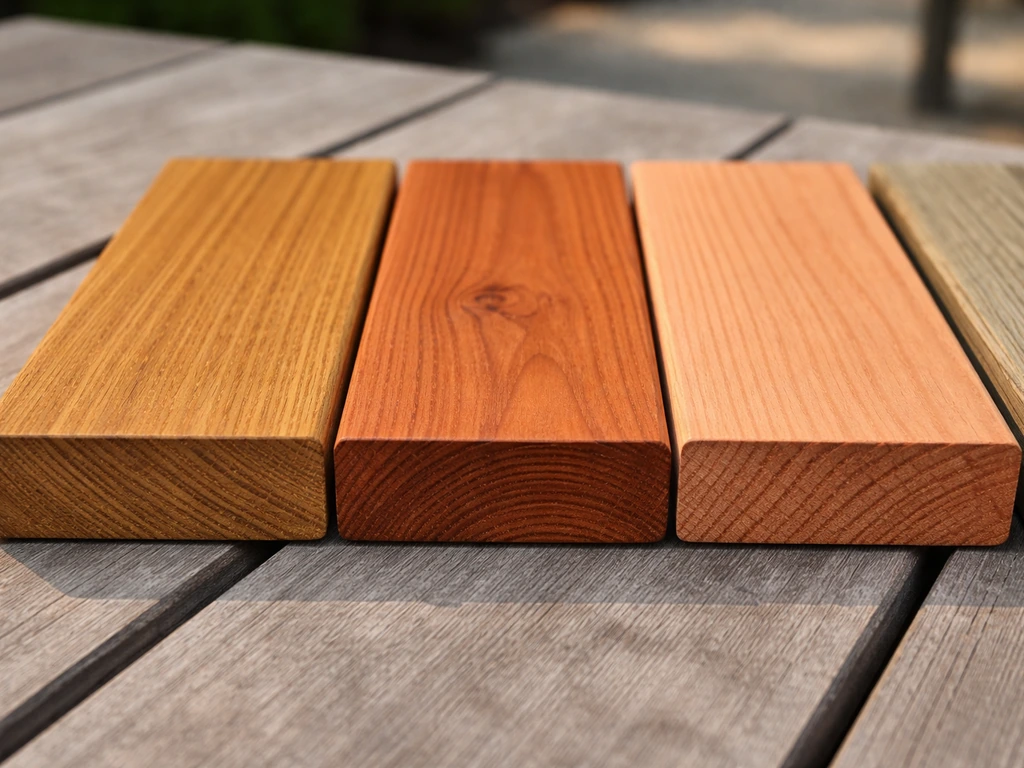
The Wood Species You'll Actually Encounter
Walk into any patio furniture store or browse any major retailer and you'll see the same handful of species showing up again and again. Here's what each one actually delivers.
Teak
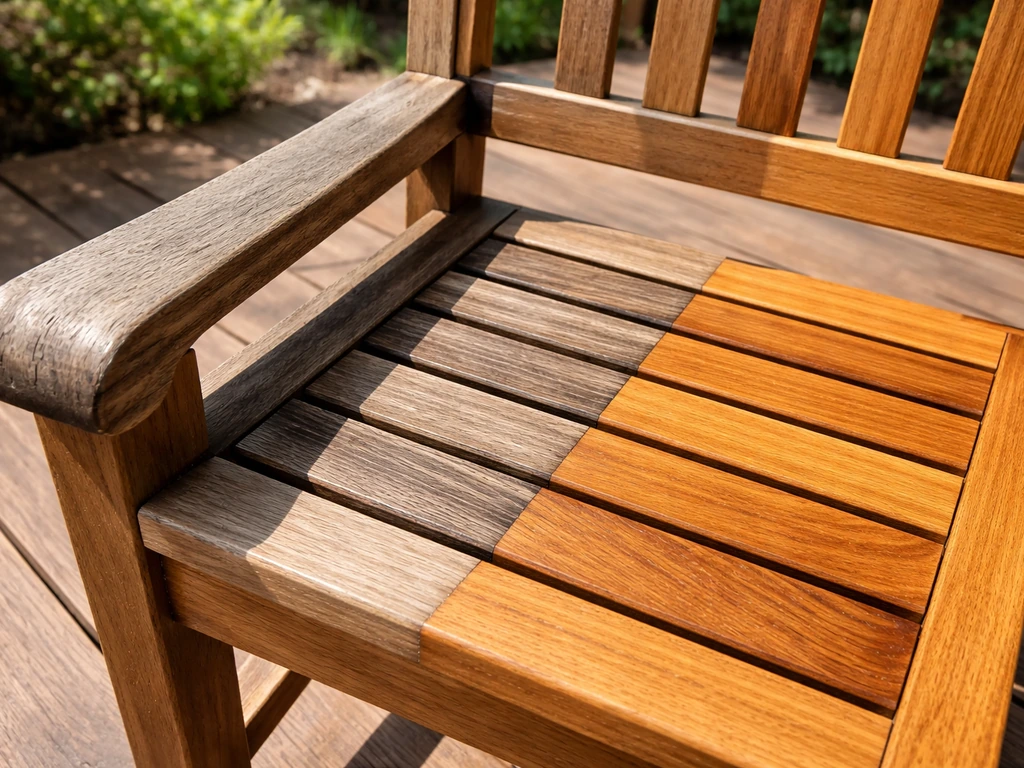
Teak is the gold standard for outdoor wood furniture, and it earns that status honestly. Grown primarily in Southeast Asia and plantation-raised for most commercial furniture today, teak has a high natural oil content and a tight, interlocked grain that makes it exceptionally resistant to moisture, rot, and insects. Left untreated, it weathers to a silver-gray patina that's still structurally sound. The downside is price: good teak furniture costs significantly more upfront than cedar or eucalyptus. Grade A teak (heartwood only, few knots, tight grain) is worth the premium. Grade C or "plantation" teak that blends sapwood is noticeably softer and less oil-rich, so it doesn't perform the same way over time.
Cedar and Redwood
Western red cedar and California redwood are the classic North American choices. Both have natural tannins and oils that resist rot and insects reasonably well, and they're much lighter than teak, which makes chairs and loungers easier to move. Cedar is widely available and typically less expensive than redwood. Neither wood is as oil-rich as teak, so they need more consistent maintenance to stay looking good and to prevent checking (small surface cracks). In a dry climate they last beautifully with minimal effort; in a humid or rainy climate you'll want to re-seal or re-oil annually.
Eucalyptus
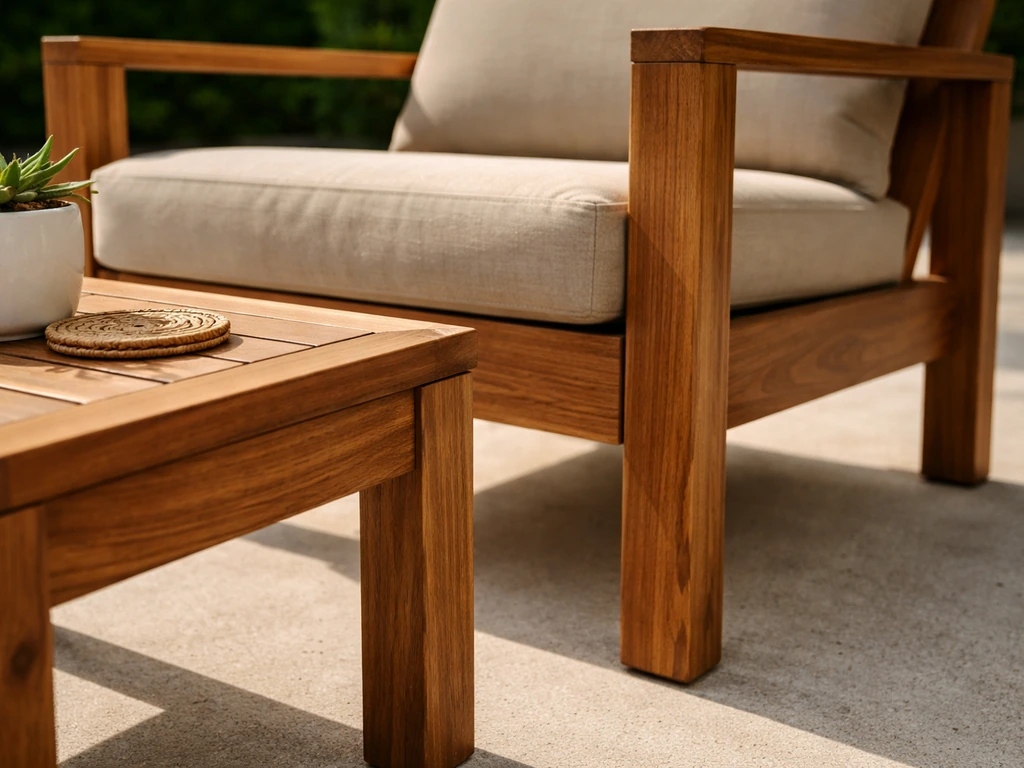
Eucalyptus has been positioned as a "teak alternative" by a lot of furniture brands, and that framing is partially fair. It's a dense hardwood with decent natural oil content, and it performs reasonably well outdoors when it's been properly dried and finished. The honest caveat: eucalyptus covers dozens of species, so durability varies. Certifications like FSC (Forest Stewardship Council) and specific species names (Eucalyptus grandis or E. saligna are common in furniture) give you more confidence than a generic "eucalyptus" label. Expect a lifespan closer to 10-15 years with good maintenance, rather than teak's 20-plus.
Acacia
Acacia is everywhere in the budget-to-mid-range outdoor furniture market right now. It's a genuinely hard, dense wood and looks attractive, but its durability outdoors depends heavily on the specific species, the cut quality, and the finish applied. Some acacia furniture holds up well for 5-8 years with regular maintenance; other pieces start warping and checking in year two. The grain on acacia can be inconsistent, which means movement with humidity changes is harder to predict. It's not a bad choice if you're budget-conscious, but verify the finish, check whether it's kiln-dried, and plan to oil it at least once a year.
Pine, Fir, Spruce, and Pressure-Treated Softwoods
Untreated pine, fir, and spruce are the least durable options for outdoor use. They lack natural rot resistance and will degrade quickly when exposed to moisture. Pressure-treated lumber changes that equation significantly: [the USDA Forest Service describes pressure treatment with preservatives as the most common and effective method of protecting wood from biological deterioration](https://research. fs.
usda. gov/treesearch/59612), and long-term ground-contact tests have shown CCA-treated posts with no failures after 35-plus years. That said, most pressure-treated wood in residential patio furniture is rated for [above-ground use (the AWPA UC3B category, which covers exterior construction not in direct ground contact). ](https://www.
treatedwood. com/learn/uses-for-treated-wood) It's cost-effective and rot-resistant, but it's heavy, can look utilitarian, and requires paint or stain to look finished. If you see "kiln-dried after treatment" (KDAT) on the tag, that's a better option because the wood has been dried post-treatment to reduce warping and make it easier to finish.
| Wood | Natural Rot Resistance | Typical Lifespan (maintained) | Maintenance Level | Relative Cost |
|---|---|---|---|---|
| Teak (Grade A) | Excellent | 20-50 years | Low to moderate | High |
| Cedar / Redwood | Good | 10-20 years | Moderate | Medium |
| Eucalyptus | Good | 10-15 years | Moderate | Medium |
| Acacia | Fair | 5-10 years | Moderate to high | Low to medium |
| Pressure-Treated Pine | Good (treated) | 10-20 years | Moderate (paint/stain) | Low |
| Untreated Pine / Fir | Poor | 2-5 years | High | Low |
How to Judge Quality Before You Buy
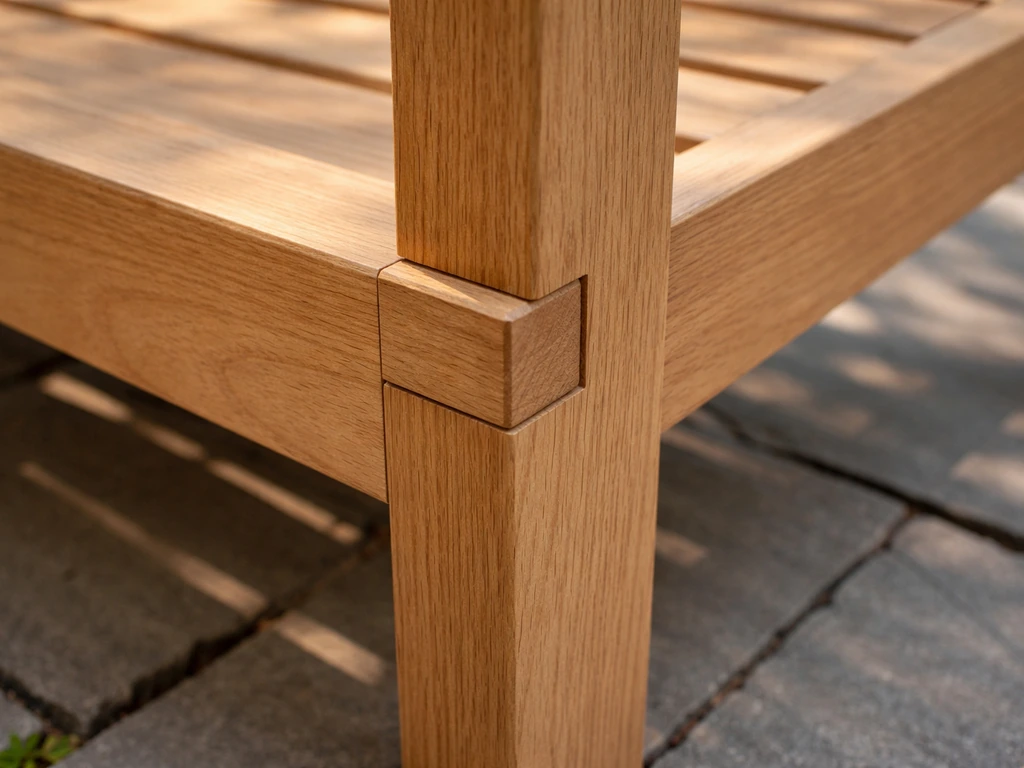
The species label on a tag only tells you part of the story. Cheap teak furniture exists, and well-built cedar furniture can outlast it. Here's what to actually look at when you're evaluating a piece in person or from photos online.
Joinery and Construction
Mortise-and-tenon joints are the benchmark for quality outdoor wood furniture. They interlock the wood without relying entirely on fasteners, which means the joint stays tight even as the wood expands and contracts with temperature and humidity changes. Dowel joints are acceptable on mid-range furniture. Staples and butt joints held together with screws alone are a sign the piece was built to a price point, not a durability standard. Also look at corner blocking on chairs and sofas: extra wood bracing at the inside corners adds years of structural life.
Hardware
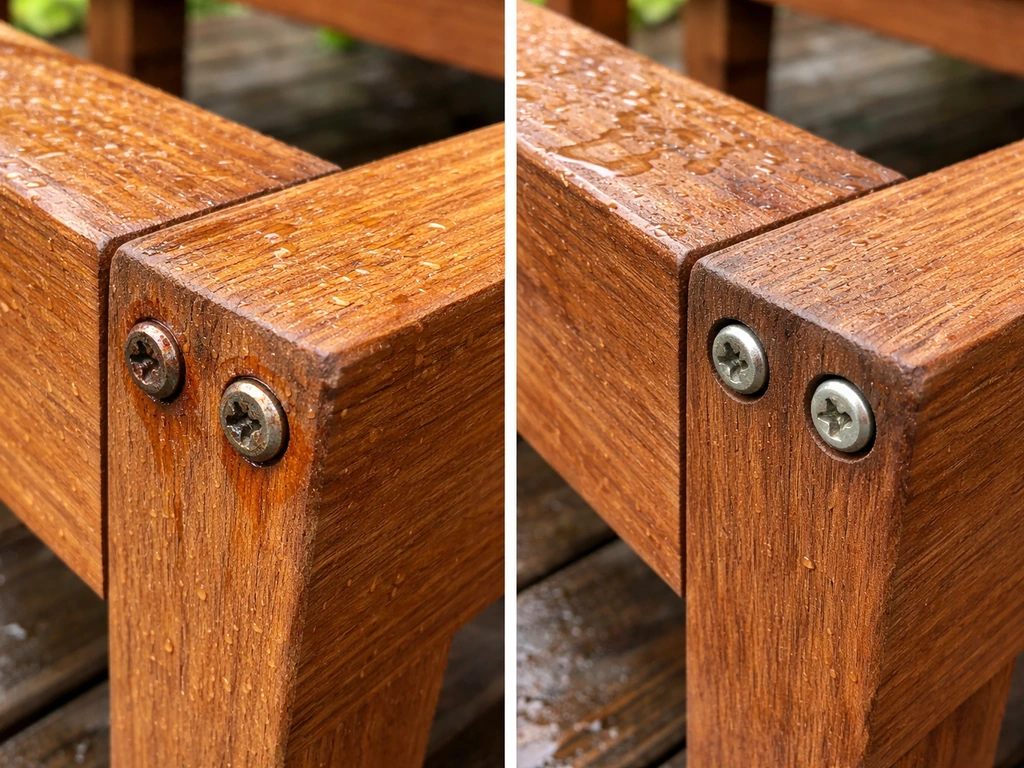
Hardware is where cheap outdoor furniture reveals itself fastest. Standard steel screws and bolts will rust visibly within a season or two in humid or coastal environments, and once they start corroding they stain the wood and eventually fail structurally. Look for 304 or 316 stainless steel hardware. Grade 316 is the one you want within a mile or two of saltwater. Brass and hot-dipped galvanized fasteners are also acceptable. If the listing doesn't mention hardware material, assume it's basic steel and factor in the cost of replacing it.
Finish Type
The finish on wood furniture determines both its appearance and how it needs to be maintained. Penetrating oils (teak oil, linseed oil, Danish oil) soak into the wood and protect from the inside out; they're easy to reapply but need to be reapplied more often, typically once a year.
Film-forming finishes like exterior varnish or spar urethane sit on top of the wood and create a harder surface barrier, but when they peel or crack (and they will eventually), water gets underneath and the damage is worse. Exterior stains are a middle ground: they add color and UV protection, penetrate partially, and are easier to recoat than film finishes. For most teak furniture, a periodic oil or no finish at all is the right call.
For cedar and pressure-treated pine, a penetrating exterior stain or paint gives the best long-term result.
Kiln-Dried vs. Green Wood
Kiln-dried wood has had its moisture content reduced to a stable level before it's made into furniture. Green (undried) wood is cheaper to produce but will continue drying and moving after you buy it, which means more warping, checking, and joint gaps. For pressure-treated lumber specifically, look for KDAT (kiln-dried after treatment) on the tag. For hardwoods like teak and eucalyptus, a moisture content below 12-15% is the target. Any reputable manufacturer should be able to tell you this.
Matching Wood to Your Climate
The best wood for your patio depends heavily on where you live. A species that thrives in Arizona can fail quickly in Florida, and vice versa.
- Hot and humid climates (Florida, Gulf Coast, Southeast): Teak is your best bet, full stop. Its oil content resists the combination of heat, humidity, and frequent rain that destroys less dense woods. Cedar holds up if you commit to annual maintenance. Acacia and untreated pine struggle here without aggressive sealing.
- Rainy and mild climates (Pacific Northwest, upper Midwest): Cedar and redwood perform well here because they're naturally suited to damp conditions. Teak is also excellent. Eucalyptus works if you re-oil it each spring. Avoid unsealed pine and low-grade acacia.
- Hot and dry climates (Arizona, Southern California, Nevada): UV is the primary enemy here, not moisture. Any species will handle the low humidity, but all wood will fade and gray faster in intense sun. Look for furniture with UV-inhibiting finishes or plan to apply a UV-blocking oil or stain annually. Cedar and teak both hold up well; pressure-treated pine works if painted.
- Cold winters with freeze-thaw cycles (Midwest, Northeast, Mountain West): Moisture that gets into wood and then freezes is brutally destructive. Teak's density and oil content resist this best. Cedar is a decent second choice. Whatever species you choose, storing cushions, using breathable covers, and ideally moving furniture to a garage or shed dramatically extends lifespan.
- Salt air and coastal environments: Salt accelerates corrosion on hardware and can penetrate wood finishes. Teak is still the top choice. Make sure hardware is 316 stainless steel. Rinse furniture with fresh water periodically to remove salt deposits.
Maintenance You'll Actually Stick To
The honest reality of wood patio furniture maintenance is that most people do less of it than they should, so the best maintenance plan is the one that's realistic to follow. Here's a practical schedule that balances protection with effort.
Cleaning
Clean wood furniture at least twice a year: once in spring before the season starts and once in fall before storing or covering it. Use a mild soap (dish soap works fine) and a soft brush or cloth. Rinse thoroughly and let it dry completely before applying any oil or finish. For mildew, a diluted solution of one part white vinegar to three parts water, or a dedicated outdoor wood cleaner, removes surface growth without damaging the wood. Avoid pressure washing on high settings; it can raise the grain and drive water into joints.
Oiling and Sealing Schedule
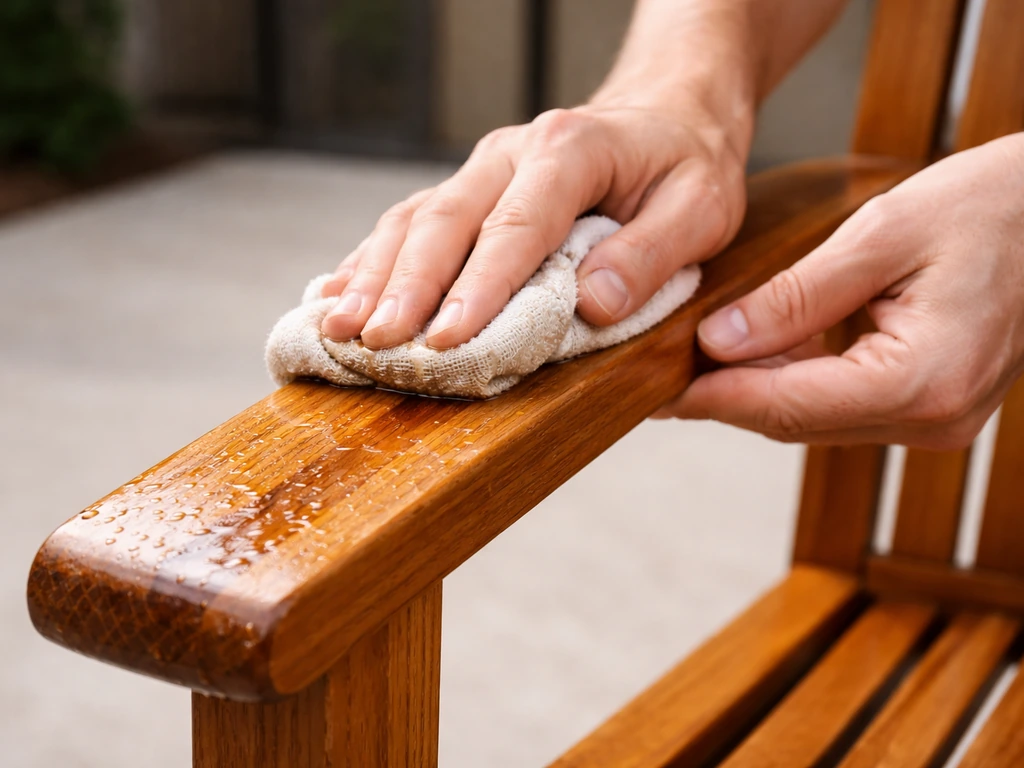
Teak needs oiling once a year at most, and honestly once every two years is fine if it's under a covered patio. Apply teak oil or a penetrating hardwood oil with a rag, let it soak in for 15-20 minutes, then wipe off the excess. Never let oil pool on the surface. Cedar and eucalyptus benefit from annual oiling or staining, especially in climates with significant rainfall.
If you're choosing a finish, compare products specifically made for the best wood patio stain, since cedar and eucalyptus typically benefit from a penetrating stain or oil designed for outdoor UV exposure. Pressure-treated pine furniture should be re-stained or re-painted every 2-3 years, or when you see the existing finish starting to peel or fade. Always apply finish to clean, dry wood; applying over damp wood traps moisture and causes the finish to fail faster.
Protecting From Standing Water
Standing water is one of the fastest ways to shorten the life of wood furniture. When you treat common patio furniture wood well, you can prevent faster rot and keep the finish looking even through wet seasons wood patio furniture. Make sure table tops drain properly and that chair seats aren't designed to collect water. If your furniture sits on a deck, consider rubber or plastic furniture feet to keep wood off wet deck boards. After heavy rain, flip chairs upside down briefly to drain water from any joints or slats where it tends to pool.
Off-Season Storage
If you live somewhere with cold or wet winters, moving furniture into a garage, shed, or basement for the off-season is the single biggest thing you can do to extend its life. If storage isn't an option, breathable outdoor furniture covers are the next best choice. The key word is breathable: non-breathable plastic tarps trap condensation underneath and can accelerate mold and rot rather than preventing it. Look for covers made from polyester or polypropylene with venting panels.
How Long Should Wood Patio Furniture Last?
Well-maintained Grade A teak furniture can last 50 years. That's not marketing copy; it's why you still find 30-year-old teak sets on craigslist that look refinishable. Cedar and redwood furniture typically lasts 10-20 years with consistent maintenance. Eucalyptus runs 10-15 years. Acacia, depending on quality, ranges from 5-10 years. Pressure-treated pine furniture lasts 10-20 years when kept painted or stained and not left sitting in standing water.
What accelerates premature failure, regardless of species: leaving furniture uncovered through wet winters, using non-breathable covers that trap moisture, using steel hardware that corrodes and stains the wood, neglecting to re-oil or re-seal when the finish starts looking dry or gray, and letting leaves or debris pile up on horizontal surfaces where moisture collects. UV degradation is also a real factor in sunny climates: prolonged UV exposure breaks down lignin in wood, causing surface graying and eventually surface checking even on species with high natural oil content. A UV-inhibiting finish or regular oiling slows this significantly.
Your Buying Checklist and Smart Upgrades
Before you buy any piece of wood patio furniture, run through these checks and plan for the upgrades that actually make a difference. If you want the best wooden patio furniture, use this same checklist to compare species, joinery, hardware, and finishes before you buy wood patio furniture.
At the Point of Purchase
- Confirm the wood species and, if possible, the grade (Grade A teak vs. plantation blend, FSC-certified eucalyptus, etc.).
- Ask about or look up the joinery method: mortise-and-tenon is the quality benchmark.
- Check hardware material: 304 stainless steel minimum, 316 if you're near salt water.
- Find out if the wood is kiln-dried (look for KDAT on pressure-treated lumber tags).
- Check what finish is applied and whether it's an oil, stain, or film-forming varnish.
- Verify the return or warranty policy in case early warping or checking appears.
Upgrades Worth Doing
- Upgrade hardware: If the furniture ships with standard steel screws, replacing them with stainless steel versions costs a few dollars and prevents rust staining and structural failure. Do this before the first season.
- Buy breathable furniture covers: A good set of covers for a dining set runs $40-$100 and can double the effective outdoor lifespan of wood furniture by protecting it from UV and precipitation without trapping moisture.
- Add furniture feet or glides: Rubber or plastic feet keep chair and table legs off wet surfaces, preventing the wicking of moisture into end grain, which is where rot almost always starts.
- Invest in a quality teak or hardwood oil: Generic "outdoor oil" products vary widely in quality. A dedicated penetrating hardwood oil with UV inhibitors is worth a few extra dollars over a generic brand.
- Plan for covered or indoor off-season storage: Even a basic tarp shelter in the corner of a garage is dramatically better than leaving furniture exposed through winter. If you're in a freeze-thaw climate, this one step matters more than any other.
If you're still narrowing down which species to buy, thinking about specific product picks, or trying to figure out which stain or finish to apply, those are separate questions worth digging into further. The main point here is that the common woods you'll encounter in the market each have a real, predictable performance profile, and matching the right species to your climate and your willingness to maintain it is how you get furniture that lasts rather than furniture that looks great in the showroom and disappoints in year three. If you’re choosing the best wood for outdoor patio use, start by matching the species to your climate and how often you’ll realistically maintain it.
FAQ
If I buy “teak-looking” patio furniture, how can I tell it is actually real teak?
Not always. If the listing says “teak oil” but the furniture is really a lower grade or a different species, the look can be misleading. For real teak, the surface typically has a dense, oily feel and a consistent grain, and the hardware and joinery matter too. If you can, check whether it’s explicitly Grade A heartwood teak and whether screws are stainless or brass.
Can I restore gray outdoor wood back to a nicer color, or do I risk damaging it?
Yes, but most “weathered” reconditioning works best on stable, structurally sound wood. Lightly sand only loose or raised grain, remove gray surface oxidation, then apply the right finish type. If the piece has been finished with film that is peeling, you usually need to fully remove the failed film before re-coating, otherwise moisture keeps getting trapped under it.
Is pressure washing okay for cleaning common patio furniture wood?
For most common outdoor woods, you generally should not pressure-wash. High-pressure water can force moisture into joints and raise grain, which then opens the door to checking and faster finish failure. A gentler method is a mild soap wash with a soft brush, then thorough drying before any oil or stain.
How much does being placed on soil, a deck floor, or concrete change wood durability?
If the furniture is on the ground, there is higher risk even for rot-resistant species, because contact and trapped moisture drive biological deterioration. You can reduce risk by using feet, risers, or a non-wood base, ensuring water drains away, and avoiding dense groundcover that holds humidity around legs. Also verify whether the hardware and joints are designed for exterior wet cycles.
What should I look for regarding kiln-dried (KDAT) or moisture content before buying?
KDAT matters most for pressure-treated lumber, because green-treated boards can warp as they finish drying. For hardwoods like teak or eucalyptus, the key is stable moisture content, often below about 12 to 15 percent, to reduce movement. If the product listing does not provide moisture info, look for well-finished joints that look tight, not visibly gapped, and check for consistent straightness.
When comparing wood patio furniture, what hardware details should I never skip?
Look at both hardware material and attachment method. If the listing only says “outdoor screws” or shows regular steel, assume rust risk in humid or coastal areas, and budget for replacement. For long life, prioritize 304 or 316 stainless fasteners, and check that the construction uses proper joints rather than relying on screws alone.
Why do some people find their patio wood looks sticky or uneven after oiling?
Yes. Even oil-based teak or penetrating oils can go wrong if they sit in thick puddles or are applied over wet wood. Apply to clean, fully dried surfaces, wipe off excess so it doesn’t pool, and avoid heavy re-coating on top of gummy residue. If you see uneven tackiness, the cure is usually cleaning or lightly stripping residue before the next application.
What should I do differently if my patio gets frequent rain or high humidity?
If your outdoor setting is frequently wet, you need a plan for standing water and mildew management, not just a different wood. Improve drainage, keep cushions and chair seats from trapping water, and ensure the piece dries fully between rains. For finishes, choose penetrating products suited for wet cycles and UV exposure, then recoat on a realistic interval.
Can I switch from teak oil to exterior stain (or vice versa) later?
Often, yes, but it depends on whether the original finish is film-forming and whether the underlying wood is sound. Some stains and oils can be recoated over compatible residues, but peeling or cracked film typically must be removed first. A quick test is to wipe a small hidden area with a damp cloth, if it beads and the surface feels sealed, you likely have a film that needs extra prep.
When I buy new wood patio furniture, what is the best first-time treatment?
In many cases, you should treat the first oiling or staining as a “prime” protection step, not a one-time job. If the wood is newly purchased and still has any surface coatings or residue, cleaning and letting it dry fully first is critical. Then apply the recommended product in thin, even coverage, and track reapplication based on how quickly water stops beading or the color fades.
Next Articles
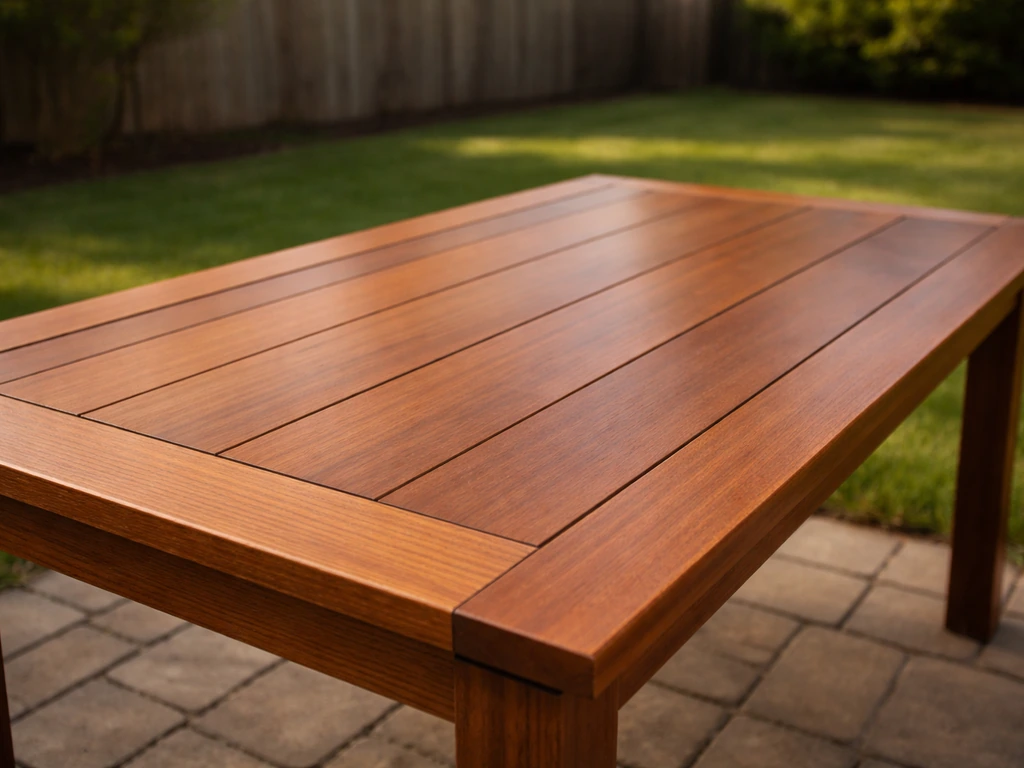
Best Wood for Outdoor Patio: Top Choices for Tables
Durable patio table woods by climate, plus finish and maintenance tips to prevent rot, warp, and insects.
Common Patio Furniture Wood Crossword Answers and Care
Solve common patio furniture wood crossword clues and choose the right outdoor wood, with care tips by climate.
Best Wood for Patio Furniture: Top Choices by Climate
Compare the best wood for patio furniture by climate, with finish and maintenance tips to prevent rot and warping.