
There is no such thing as "deck furniture" versus "patio furniture" as separate product categories in stores. What you are actually choosing is which materials, weights, sizes, and features work best for your specific surface, climate, and setup. A deck and a patio behave very differently: one is elevated, flexes slightly, can be scratched by dragged furniture legs, and tends to be more exposed to wind; the other is ground-level, retains more heat from the slab or pavers, may have drainage quirks, and sometimes has uneven spots that make furniture wobble. Once you understand those differences, picking the right furniture becomes a lot more straightforward. If you want the best patio furniture for deck-style comfort, focus on materials and features that handle your surface, climate, and layout picking the right furniture.
Deck vs Patio Furniture: What to Buy and Place

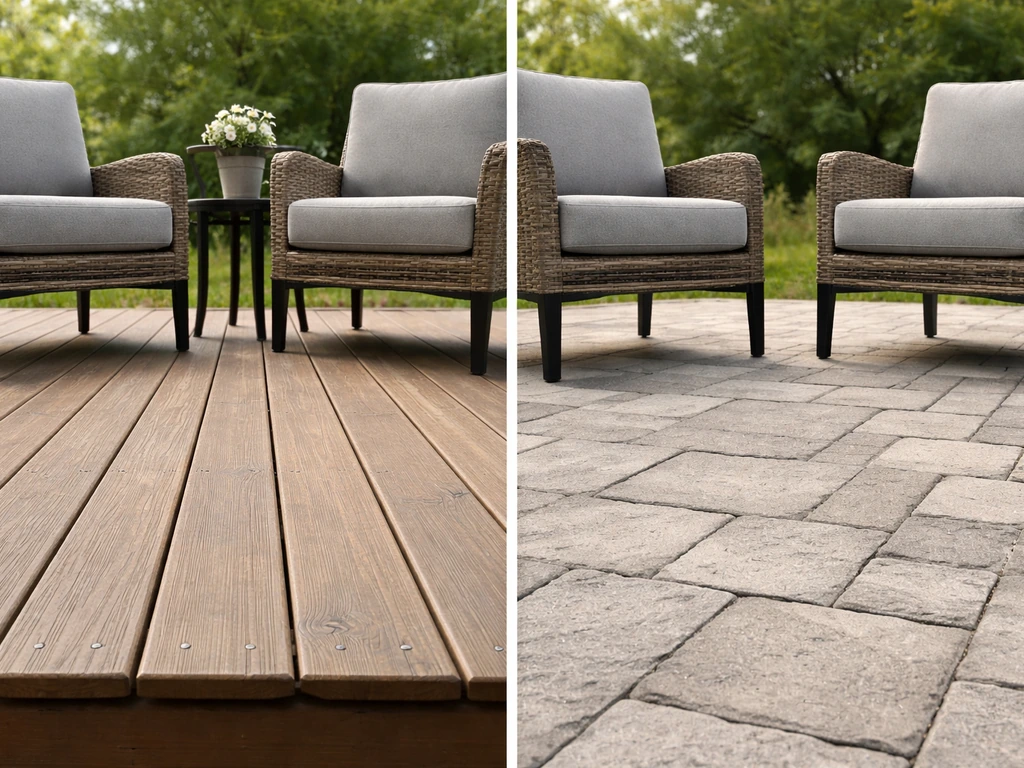
How decks and patios actually differ (and why it matters for furniture)
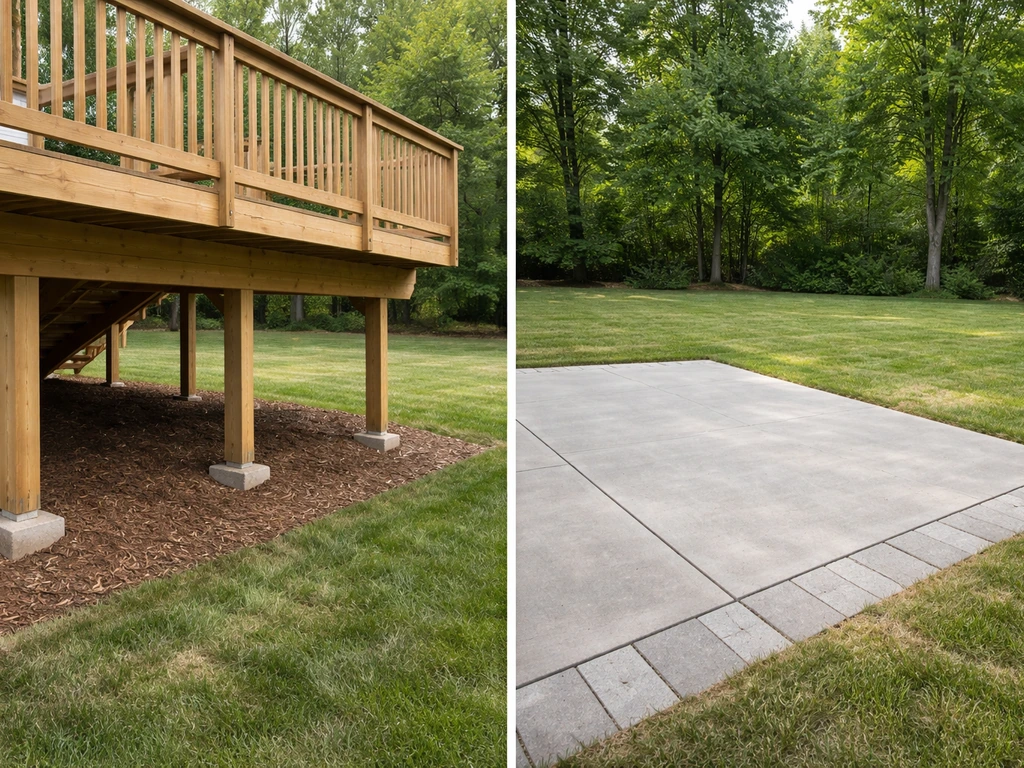
A deck is built on a framing system and sits elevated above grade, sometimes only a few inches, sometimes several feet. That elevation means the surface moves a bit with temperature and load, it is exposed to airflow underneath which speeds drying, and the boards themselves are vulnerable to scratching, denting, and moisture getting trapped beneath furniture legs or rugs. Deck railings and guardrails (which typically sit between 36 and 42 inches high on residential decks) create real constraints on furniture placement near the edges. You cannot push a deep sofa right against a railing and expect it to feel comfortable or safe.
A patio sits at or near ground level on concrete, pavers, or stone. If you are shopping for the best patio furniture for apartment living, focus on small-space layouts, comfort, and materials that handle your local weather. A well-installed paver patio should have a slight slope built in, roughly a quarter inch of drop per foot, so water drains away from your house. When that slope is off, or when pavers settle unevenly, you end up with puddles under furniture and wobbly table legs. Concrete slabs retain significantly more heat than elevated decking, which means furniture sitting on a south-facing patio in July can get uncomfortably hot to the touch. On the upside, patios do not worry about load distribution the same way elevated decks do, and there is no substructure to protect from moisture.
The surface type also changes what happens when water sits under your furniture. On a deck, trapped moisture under furniture bases or rubber feet can eventually discolor PVC and composite decking. Inteplast's care documentation specifically warns against leaving rubber or vinyl materials in extended contact with PVC decking because they can cause surface discoloration. On a patio, standing water seeping into paver joints erodes the sub-base over time and causes slabs to sink or heave, which then creates the uneven surfaces that make your furniture rock.
Choosing furniture based on your surface and setup
The first question to ask is not "what looks good" but "what will this surface actually do to my furniture over time, and vice versa." Here is how the two surfaces steer your choices differently.
For decks
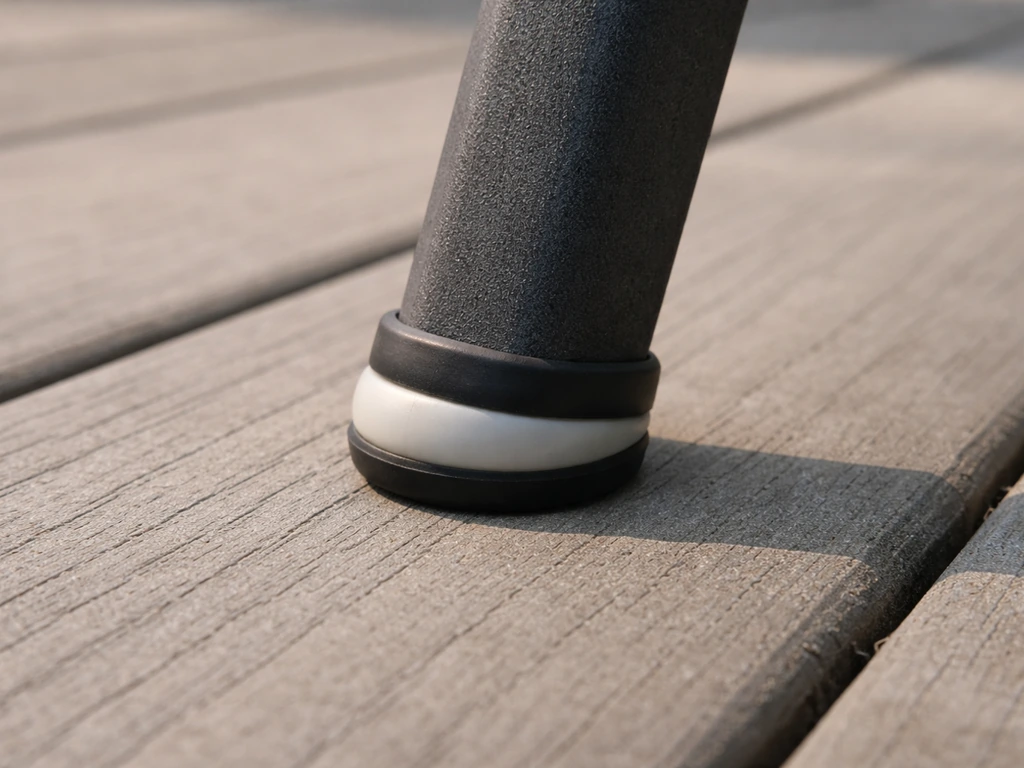
- Choose furniture with smooth, non-abrasive feet or add rubber glide caps to protect deck boards from scratching.
- Avoid rubber or vinyl-backed rugs on PVC or composite decking; they trap moisture and can stain or discolor the surface. Use breathable outdoor rugs or polypropylene weaves instead.
- Heavier furniture (wrought iron, solid teak) requires more thought on elevated decks because load distribution matters more than it does on a concrete slab. Spread weight across multiple pieces rather than stacking dense sets in one corner.
- Wind exposure is higher on elevated decks, especially second-story or open decks. Weight matters: lighter aluminum and resin wicker can blow over or shift in a strong storm.
- Railing proximity determines what fits. Measure from the inside of the railing to the house wall, subtract walking clearance (typically 36 inches minimum), and that tells you the maximum depth of furniture you can actually use comfortably.
For patios
- Uneven pavers or settling slabs mean furniture with adjustable leveling feet is worth paying for, especially for dining tables.
- Drainage slope affects where you place seating. Avoid setting heavy pieces at the low end of the patio where water pools after rain.
- Ground-level patios are more sheltered from wind than elevated decks, so lighter materials like aluminum and resin wicker are generally safer here.
- Heat retention from concrete and dark pavers is intense in hot climates. Furniture feet and cushion fabrics get punishingly hot in direct sun. Consider where afternoon shade falls before finalizing layout.
- There is no substructure to protect, so moisture-trapping under furniture is less catastrophic than on a deck, but it still encourages mold growth under cushions and on fabric.
Best materials for decks vs patios
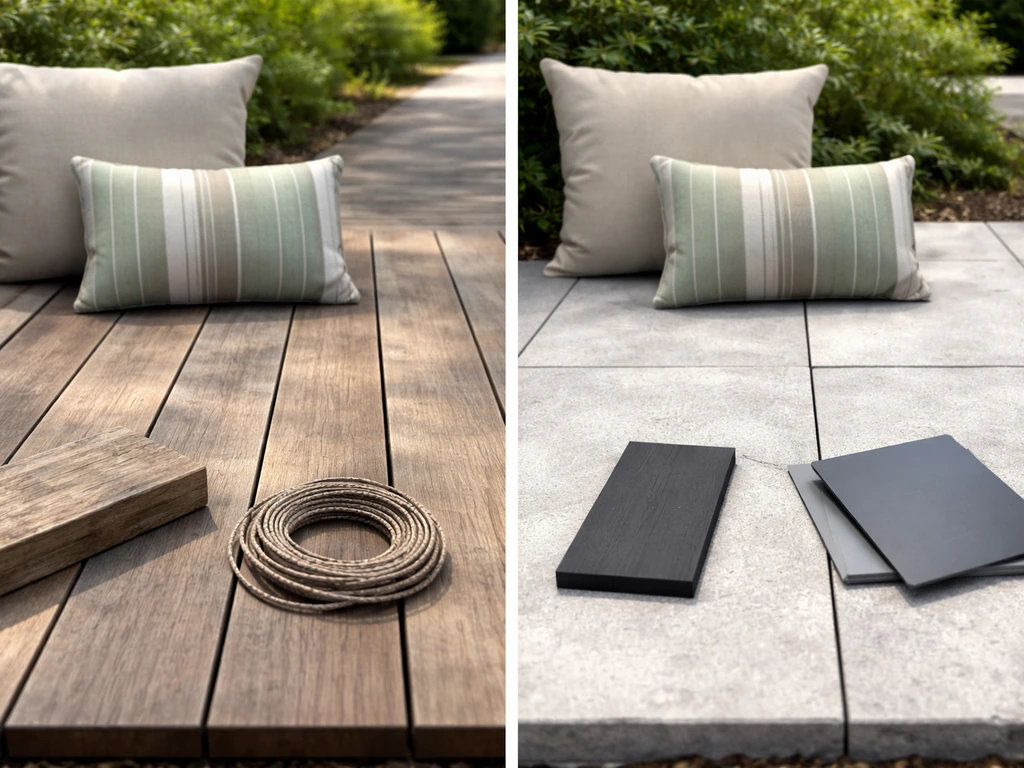
The honest answer is that most quality outdoor furniture materials work on both surfaces with some adaptation. But each material has real trade-offs depending on your environment, and the surface changes how those trade-offs play out. In general, the best composite patio furniture balances fade resistance, strong frame construction, and easy maintenance for your specific weather.
| Material | Best Surface Fit | Estimated Lifespan | Key Trade-offs |
|---|---|---|---|
| Powder-coated aluminum | Both deck and patio | 10–20 years | Lightweight (wind risk on exposed decks), rust-resistant, easy to move |
| Wrought iron | Patio (ground-level) | 20–30 years | Heaviest option, most wind-stable, harder on deck boards, can rust if coating chips |
| Powder-coated steel | Both, with caution | 10–15 years | Heavier than aluminum, coating integrity critical; once rust starts it spreads fast |
| Teak (solid hardwood) | Both | 20+ years with oiling | Dense, scratch-resistant, heavy enough to stay put; needs annual oiling or it grays out |
| HDPE / recycled plastic | Both | 15–30+ years | Virtually maintenance-free, handles freeze-thaw well (rated to -40°C), fades minimally |
| Resin wicker over metal frame | Patio preferred | 5–10 years (UV-stabilized) | Looks great, comfortable, but UV degrades weave over time; natural rattan lasts only 3–5 years outdoors |
| Natural rattan / wicker | Covered patio only | 3–5 years | Not for exposed use; moisture destroys it quickly |
For decks specifically, aluminum and HDPE are the most practical choices because they are light enough to move without scratching boards, do not trap excessive moisture, and hold up in most climates without demanding much upkeep. Teak is excellent on decks if you are willing to oil it every year and use felt or rubber glide pads on the feet. Wrought iron is better suited to patios where its weight is an advantage rather than a structural concern, and where dragging it across the surface will not damage expensive composite or hardwood decking.
For decks with composite or PVC surfaces, the material matchup is more specific. Stick to furniture with smooth plastic or nylon glide pads, not rubber feet (which can discolor composites) and not bare metal (which scratches). If you are shopping for the best patio furniture for composite decking, focus on smooth glide pads and avoid rubber feet that can discolor the surface over time. A breathable outdoor mat under a seating grouping protects the deck surface without trapping moisture the way a solid rubber-backed rug does.
Weather resistance, durability, and what maintenance actually looks like
Most furniture fails not from a single dramatic event but from cumulative exposure. UV breaks down finishes and wicker weaves. Freeze-thaw cycles crack cheap paint and cause metal frames to pit. Salt air accelerates rust on any steel piece where the powder coat has been scratched or chipped. Rain that gets trapped under furniture cushions grows mold in as little as 48 hours in humid climates. Here is what that looks like by climate type.
Hot and sunny (Arizona, Southern California, Texas)
UV is your primary enemy. Resin wicker without UV stabilizers starts cracking within two or three seasons. Cushion fabrics fade fast unless they are solution-dyed acrylic (look for Sunbrella or comparable fabrics like Outdura, which carries a five to six year warranty, or SeaDuck which carries a ten year warranty). Powder-coated aluminum holds up well in dry heat. HDPE barely notices. Avoid dark-colored metal furniture if you have young children or pets, because it gets dangerously hot in direct sun on a concrete patio.
Humid and rainy (Florida, Gulf Coast, Pacific Northwest)
Moisture and mildew are the main issues. Steel needs a flawless powder coat because any chip becomes a rust spot quickly. Aluminum and HDPE are much safer bets. Natural rattan or wicker is essentially disposable outdoors in humid climates. Cushions must be made with solution-dyed acrylic fabric and quick-dry foam inserts. Even with good fabric, store cushions inside when you know rain is coming, or at minimum stand them on edge so water drains rather than soaks through. Mildew on cushions is not just cosmetic; it degrades the foam fill and shortens the life of the whole cushion significantly.
Cold and snowy (Midwest, Northeast, mountain climates)
Freeze-thaw is brutal on anything porous or painted. Wrought iron with compromised paint will rust aggressively after one winter of moisture cycling. Teak survives freeze-thaw well if it is oiled and covered. HDPE is genuinely the best cold-climate material; it handles temperatures from -40°C to 80°C without cracking or warping. Powder-coated aluminum also performs well in the cold. If you leave furniture outside through winter, either cover it with breathable covers (not plastic tarps, which trap condensation) or bring cushions and any natural materials inside completely.
Salt air (coastal from Maine to Florida, Pacific Coast)
Salt air corrodes steel at an accelerated rate. If you are within a mile of the ocean, steel furniture is a risky investment unless you are diligent about rinsing it weekly and touching up any coating chips immediately. Marine-grade aluminum (typically 5000-series alloy), stainless steel hardware, teak, and HDPE are the materials that coastal homeowners consistently find last longest without constant intervention. Resin wicker can work if it has solid UV stabilizers, but check that the underlying frame is aluminum rather than steel.
Maintenance reality check by material
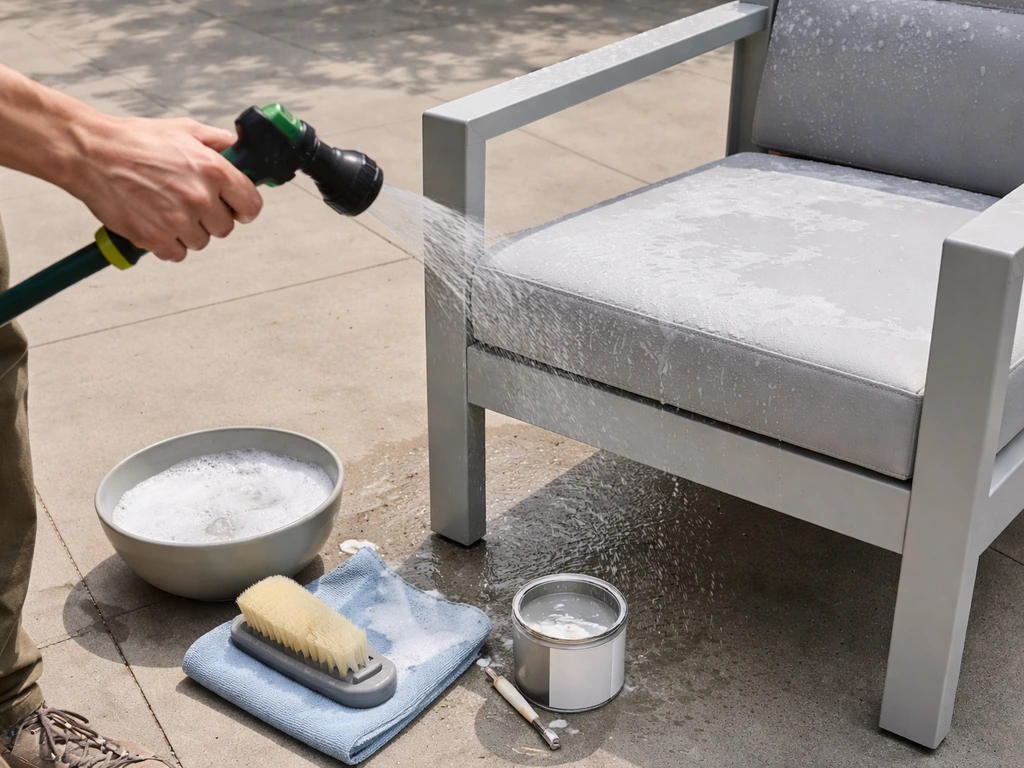
- Aluminum: Rinse with soap and water once or twice a season. Touch up scratches with outdoor paint to prevent corrosion at the bare metal. Almost no other maintenance required.
- Teak: Oil once a year with teak oil or a penetrating sealer to slow the natural graying process. Without oiling it turns silver-gray but does not structurally fail; it is purely aesthetic. Clean with a mild soap solution.
- HDPE: Rinse with a hose. Occasional soap wash for mildew. No painting, no sealing, no oiling. Genuinely the lowest-maintenance option available.
- Powder-coated steel: Inspect the coating each spring. Any chip or scratch needs immediate touch-up to stop rust from spreading beneath the surface. Rinse salt and debris regularly.
- Wrought iron: Same as steel but typically has thicker coating. Sand and repaint any rust spots before they spread. Wipe dry after rain if possible in coastal or humid areas.
- Resin wicker: Hose off regularly to clear debris from the weave. UV-damaged wicker becomes brittle and starts cracking at stress points. There is no good repair for this; replacement is the only option once weave degradation sets in.
- Cushions (solution-dyed acrylic): Spot clean with mild soap. For mildew, a diluted bleach solution (1 cup bleach per gallon of water) is safe on Sunbrella and most comparable fabrics. Store or cover during extended rain and at season end.
Sizing, layout, and anchoring: stability vs the ability to move things around
Measuring before you buy is the step most people skip, and it is also the most common reason furniture ends up returned or crammed in awkwardly. The rule to follow: measure your usable space, subtract at least 36 inches of clear walking path on each side of the furniture grouping, and that remaining space is what your furniture can actually occupy. On a deck, factor in railing placement. The interior space between the house wall and the railing face is your working rectangle. On a patio, be aware that pavers near the edge may be less stable, and sitting heavy furniture over expansion joints in concrete can cause rocking.
For a dining set, add roughly 24 to 36 inches beyond the table edge on all sides where chairs will pull out. A 60-inch round table with chairs extended needs at least 10 feet of clear diameter. For a conversation grouping (sofa plus chairs around a coffee table), the grouping itself typically runs 8 to 10 feet across, and you still need walking paths around it.
Anchoring and wind stability
On elevated and exposed decks, wind is a real concern for light furniture. Wrought iron and solid teak stay put; aluminum chairs and resin wicker furniture do not. Practical options: use furniture covers that strap down, choose sets that nest or stack tightly so they can be stacked against the house in storms, or add sand-fillable umbrella bases and furniture weights. Some homeowners bolt heavy anchor plates to the deck and use hook-and-loop straps for conversation sets. That is a reasonable approach for frequently gusty areas.
On patios, furniture generally sits more stably because it is at grade level and more sheltered. The main stability issue is uneven pavers, not wind. Furniture with adjustable glides or leveling feet handles this well. For umbrellas, a freestanding base needs at least 50 pounds of weight for a standard 9-foot umbrella; cantilever umbrella bases need 100 to 150 pounds depending on the arm length.
Protecting the deck surface under furniture
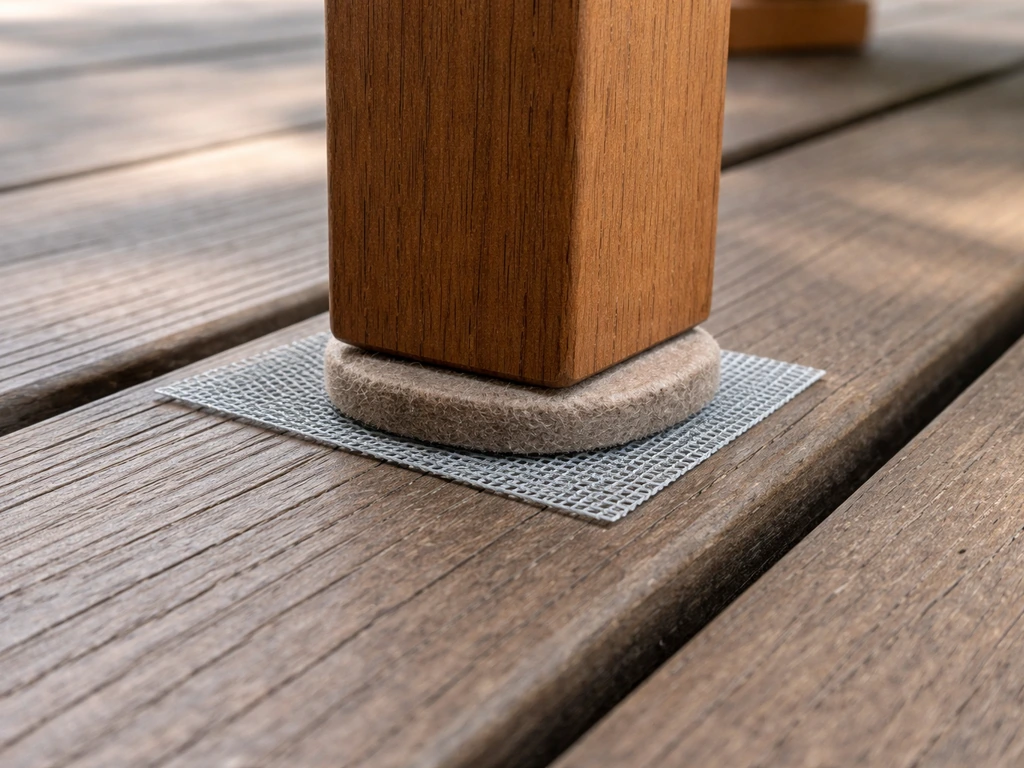
Use felt or nylon glide pads on furniture feet for wood decking. For composite and PVC decking, use smooth plastic glides and skip rubber-backed rugs. A breathable polypropylene or polyester outdoor rug under a seating area protects the decking surface from foot-traffic abrasion and gives the space definition without trapping moisture. If you want more protection for a grilling area, use a purpose-made grill mat (not a rubber mat) and make sure it has drainage holes so water does not pool underneath.
Style, comfort, and features that actually matter
Once you have the material and size sorted, the comfort and style decisions are where personal preference takes over. But a few practical points cut through the marketing noise.
Cushion depth and back angle determine actual comfort more than any other single factor. A 4-inch cushion on a hard slatted chair is marginally better than nothing. A 5 to 6-inch cushion with a back pillow is comfortable for hours. Deep-seating sectionals with 7-inch-plus cushions are essentially outdoor sofas, great for lounging but often impractical for small decks because of their footprint. Measure seated depth before buying: most comfortable outdoor chairs have a seat depth of 20 to 22 inches and a back height of 18 to 20 inches above the seat.
Sling seating (fabric stretched over a frame without a separate cushion) is highly practical for decks and patios that get wet frequently because there is nothing to remove, dry, or store. It breathes in hot weather and dries within minutes. The downside is limited cushioning, though modern sling fabrics have better back support than they did ten years ago.
Features worth paying for: adjustable recline positions on lounge chairs, removable and washable cushion covers with marine-grade zippers, side tables with built-in cup holders for casual use, and dining chairs with arms if your household includes older adults. Features not worth paying extra for: built-in LED lighting in furniture frames (hard to service and often looks cheap after a season), integrated speakers in furniture (same problem), and "weather-resistant" finishes that are not specifically powder-coated or anodized.
Style-wise, if your home or deck has a modern or architectural look, powder-coated aluminum in matte black, slate gray, or white reads as clean and current. Teak with a natural or limed finish suits craftsman and coastal traditional homes. HDPE furniture has improved significantly in appearance and now comes in styles that convincingly mimic wood grain, though up close it is still clearly plastic. Resin wicker in neutral tones is the most versatile aesthetic choice but has the shortest lifespan, so do not pay a premium for it just because it photographs well.
Sun, shade, wind, and drainage: where to actually put the furniture
Placement determines comfort as much as the furniture itself does. A beautifully furnished deck that bakes in full western sun from noon to sunset will sit empty. Think through sun angles by season before finalizing your layout. In summer, the sun is high and shadows are short; in spring and fall it is lower and casts longer shade from structures and trees. A pergola, sail shade, or cantilever umbrella changes the usable hours of a space dramatically.
On decks, the prevailing wind direction matters for umbrella and canopy placement. Open deck corners and any side without a railing are the most exposed points. Seat conversation groupings toward the sheltered center or against the house wall where there is wind break from the structure. If your deck is second-story or higher, take wind seriously as a daily planning factor, not just a storm concern.
On patios, drainage slope affects layout more than most people expect. Patios should slope away from the house at roughly a quarter inch per foot. If your patio was installed correctly, that slope is subtle and barely noticeable. But it means the lowest point of the patio is at the outer edge, which is where water collects after heavy rain. Avoid putting conversation seating at the low edge unless drainage is excellent. Dining tables at the low edge will have chairs sitting in puddles after a storm.
For patios with pavers, be aware that the joints and sub-base are vulnerable when standing water persists. Heavy furniture sitting directly over a joint can accelerate paver sinkage over years. Distribute weight, and if a paver area is already slightly uneven, fix it before placing furniture rather than using shims or folded felt as a permanent solution.
Shade from trees brings its own issues: sap, bird droppings, leaf debris, and falling branches. Furniture under a tree needs more frequent cleaning. Organic debris sitting in resin wicker weaves or on cushion fabric accelerates mold growth significantly. If your seating area is under a deciduous tree, build a weekly rinse into your routine from spring through fall.
Getting real value: brands, quality signals, and what actually lasts
The outdoor furniture market is full of products that look identical on a product page but differ enormously in longevity. Warranty language is one of the most revealing things you can read before buying. Most big-box warranties cover structural frame failure but exclude cushion cover fading after 12 months and rust spotting beyond a year or two. That tells you exactly what the manufacturer expects will fail first. When a cushion fabric warranty is only 12 months, the manufacturer is telling you those cushions are not made with quality solution-dyed acrylic.
Quality signals worth checking in person or in product specifications: frame wall thickness on aluminum (thicker is better; look for at least 1.5mm to 2mm on structural members), weld quality at joints (smooth, complete welds vs visible gaps or grinding marks), powder coat coverage that wraps inside tube ends rather than leaving bare metal exposed at cuts, and cushion fill that specifies quick-dry or open-cell foam rather than just generic polyester fiberfill.
At the material level, the value proposition shakes out like this: powder-coated aluminum is the best all-around value for most buyers because it balances cost, longevity (10 to 20 years), low maintenance, and wide availability. HDPE is the better choice for buyers who want to completely ignore maintenance and live in extreme climates (very cold, very humid, or salt air), though it typically costs more upfront and the aesthetic options are narrower. Teak is worth the premium for buyers who genuinely commit to annual oiling and want furniture that can last 25 or more years; it is a poor choice for buyers who will neglect it. PorchToPatio lists general outdoor lifespan estimates by category, including recycled plastic, poly, and composite materials that often last about 15, 30+ years and steel that can last about 5, 20+ years depending on coating and climate, with wicker estimates and freeze-thaw notes as well For teak, grade A teak (from the heartwood center of the tree) is noticeably denser and more oil-rich than grade B or plantation teak. Resin wicker is best treated as a five to eight year product that prioritizes aesthetics and comfort, not longevity.
Brands worth taking seriously for long-term value in each category: for aluminum, look for brands that specify marine-grade alloy and commercial-grade welding in their specs. For HDPE, the material itself (often marketed as poly lumber or all-weather lumber) is more standardized than the brand, so look at the frame construction and warranty length. For teak, grade A teak (from the heartwood center of the tree) is noticeably denser and more oil-rich than grade B or plantation teak; it is worth paying for if you are investing in a set you expect to last decades. For fabric, Sunbrella is the benchmark because it is solution-dyed acrylic with a documented fade-resistance and cleanability profile, but competing fabrics like Outdura offer comparable performance at similar price points.
Finally, think about your specific deck or patio setup before narrowing to a price range. For a small patio, you will usually get the best results by prioritizing compact layouts, lighter materials, and weather-ready cushions. A small elevated deck benefits more from one well-chosen conversation set in durable aluminum than from a sprawling sectional that blocks traffic flow and overwhelms the space. A large ground-level patio with a covered pergola area and an open sun zone might warrant two different furniture zones with different materials suited to each condition. The setup determines what will perform well and what will feel right to live with, which is ultimately what matters more than any individual product's marketing claims. For the best patio furniture for front porch comfort and durability, match the materials and layout to how your porch gets sun, moisture, and wind.
FAQ
Can I use the same furniture on a deck and a patio, or should I buy different sets?
You can often use the same pieces, but you should swap or standardize the surface contact points, use the right glide pads (nylon or smooth plastic for composite/PVC decks), and choose fabrics that dry fast. If the deck is composite/PVC, prioritize smooth glide pads and avoid rubber feet, otherwise discoloration risk is higher than on most ground-level patios.
What’s the biggest mistake people make when moving patio furniture onto a deck?
They ignore how deck boards flex and scratch, especially near railings and high-traffic zones. A common fix is to add breathable protective mats for seating and choose furniture with glide pads instead of rubber feet, since rubber can discolor composite/PVC and bare metal can gouge boards.
How do I tell if my patio drainage will cause furniture rocking or puddling?
Do a simple water test after a heavy rain, watch where water pools for 30 to 60 minutes, and note whether the lowest edge creates a standing-water strip. If puddles form, avoid placing dining chairs at that low edge and consider leveling or re-slope work before buying heavier sets.
Is a rug a good idea on both decks and patios?
On decks, a breathable outdoor rug helps define the space without trapping moisture, but it should not have a rubber-backed surface. On patios, a heavy rug can trap debris against pavers, so choose materials that drain and dry quickly and keep edges away from areas that already hold water.
What should I do about uneven pavers before placing heavy furniture?
Fix the surface rather than shimming. If a patio area is already slightly uneven, placing heavy furniture over expansion joints or sunk paver sections can accelerate settlement over years, especially with tables where chair legs concentrate weight.
Are sling chairs and cushions treated the same way on decks versus patios?
They are similar in concept, but sling frames benefit more on wet-prone decks because nothing needs to be removed and dried. For cushions, regardless of surface, choose solution-dyed acrylic and quick-dry foam, then either store cushions indoors during extended rain or keep them propped on edge to drain quickly.
Should I leave furniture outside during winter on a deck or patio?
You can, but only if you manage moisture and condensation. Use breathable covers (not plastic tarps) to prevent trapped humidity, and fully remove or store cushions and natural materials inside, since trapped moisture degrades foam and can worsen mildew regardless of surface type.
If I’m near the ocean, is it safe to buy steel patio furniture for either surface?
It’s risky unless you maintain it closely. Salt air accelerates corrosion where powder coat chips, so steel requires weekly rinsing and prompt touch-up of coating damage. Marine-grade aluminum, stainless hardware, teak, and HDPE last longer with less intervention.
How do I choose umbrella bases differently for decks vs patios?
For patios, the base weight guidance is straightforward (a standard 9-foot umbrella typically needs at least about 50 pounds for a freestanding base). On decks, wind tends to be more punishing, so consider heavier bases, strap-down covers, or sand-fillable options plus furniture weighting, especially on open or railing-light sides.
What comfort measurements should I confirm before buying chairs for my deck or patio?
Measure seated depth and back height, target seat depth around 20 to 22 inches and back height about 18 to 20 inches above the seat, then verify cushion thickness. Deep-seating sectionals with 7-inch-plus cushions may feel great but often overwhelm decks, so check footprint and traffic clearance first.
Are warranties a reliable way to judge whether a furniture set is truly ‘deck vs patio’ compatible?
Warranty language helps, even when a product is marketed for ‘outdoor’ use. If cushion cover fading claims are short (for example, around 12 months) it often signals lower durability in sun, while structural coverage that excludes cushion and rust issues suggests those are expected wear points.
What glide pads or feet should I use on composite or PVC decking?
Use smooth plastic or nylon glide pads designed for composite/PVC. Avoid rubber feet and rubber-backed rugs, since those can create discoloration over time, and avoid bare metal feet that can scratch or leave dark marks on deck boards.
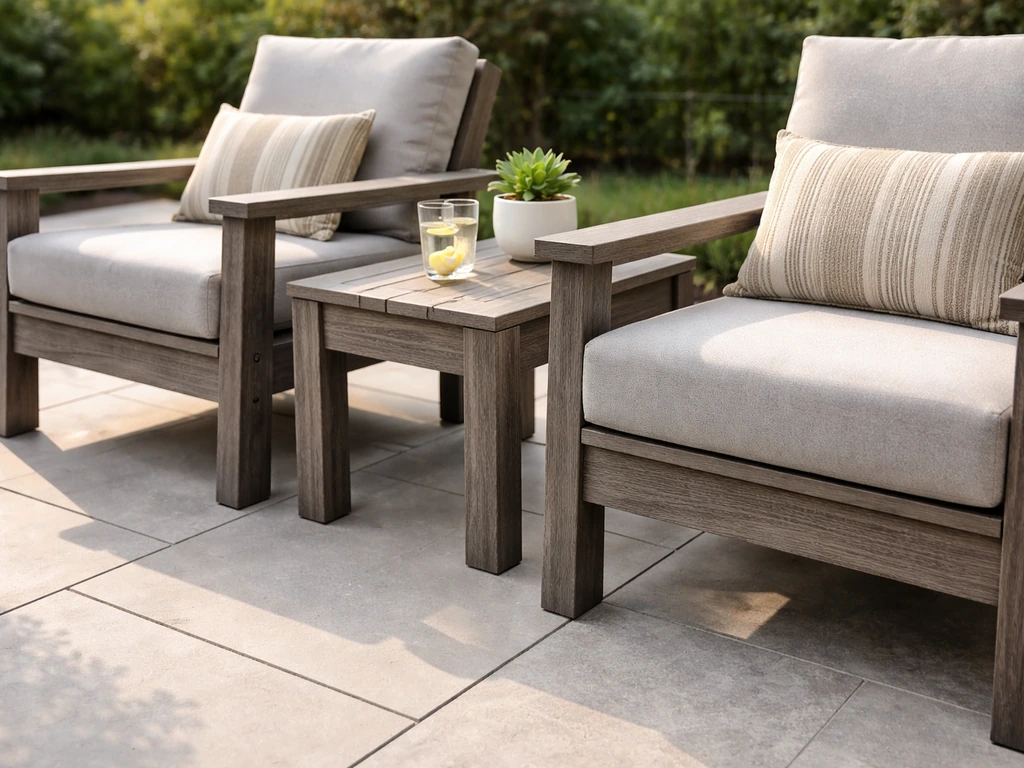
Choose the best composite patio furniture in 2026 by type, construction, climate fit, durability, and easy maintenance t
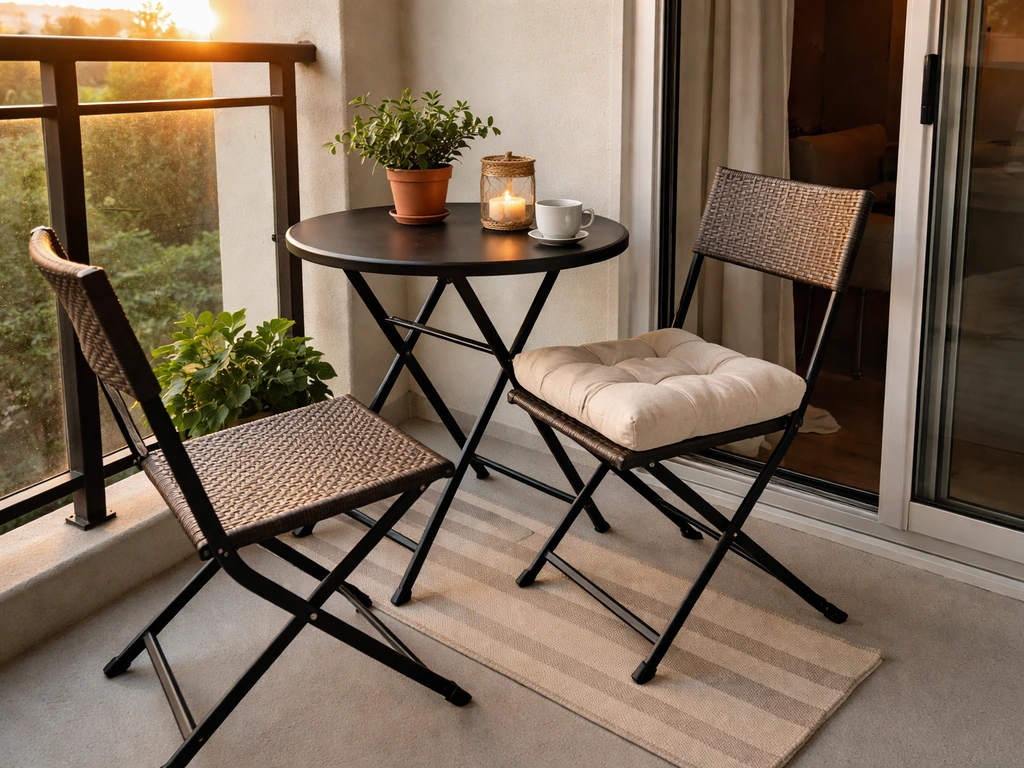
Small-space balcony patio sets ranked by material, comfort, wind stability, and weather durability for apartments.
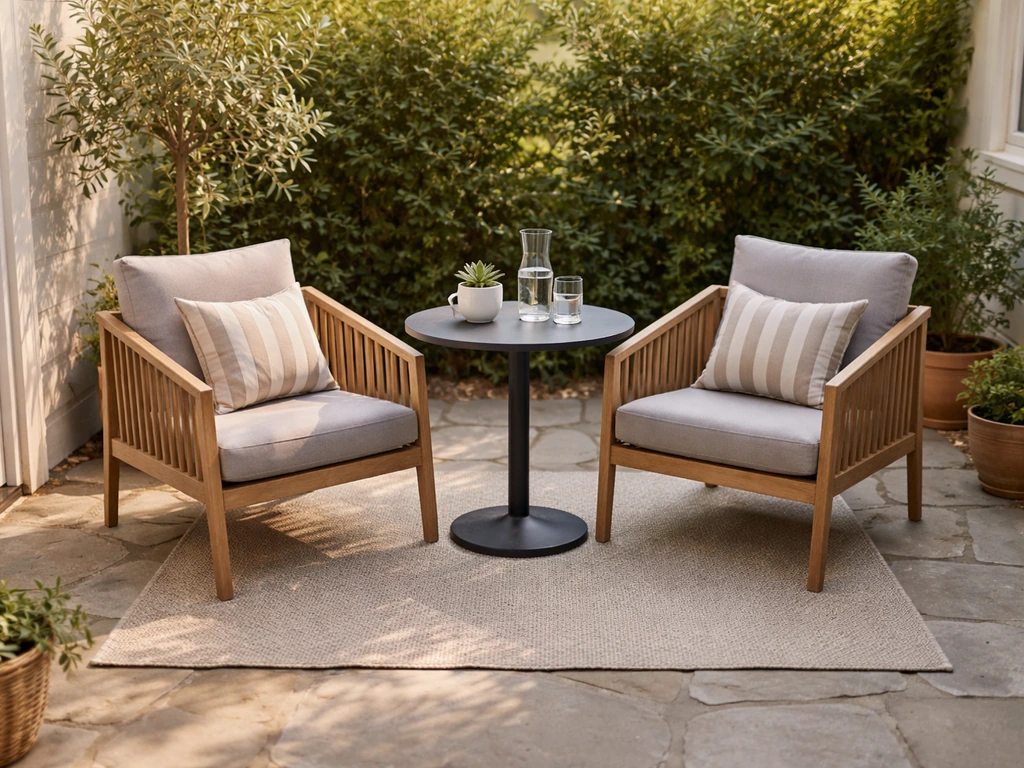
Find the best furniture for small patios with layout tips, space saving sets, durable weatherproof materials, and care s