
For most wood patio furniture, a penetrating teak oil or a tung-oil-based finish is your best starting point. Teak oil (despite the name, it works on acacia, eucalyptus, and most dense outdoor hardwoods) soaks into the wood grain, feeds the fibers, and builds water resistance from the inside out. Pure tung oil does the same but polymerizes harder and resists water a bit better once cured. Linseed oil is cheaper but slow-drying and not ideal outdoors on its own. The catch: oil only works on bare, uncoated wood. If your furniture already has a varnish, paint, or film finish on it, you need to strip that first or switch to a different product entirely. Once you know your wood type and exposure level, you can choose the best car wax for patio furniture as a protective alternative for the finished surfaces that can't be oiled. Get that distinction right and the rest of this guide will make sense.
Best Oil for Patio Furniture: Teak, Wood Types, and Steps

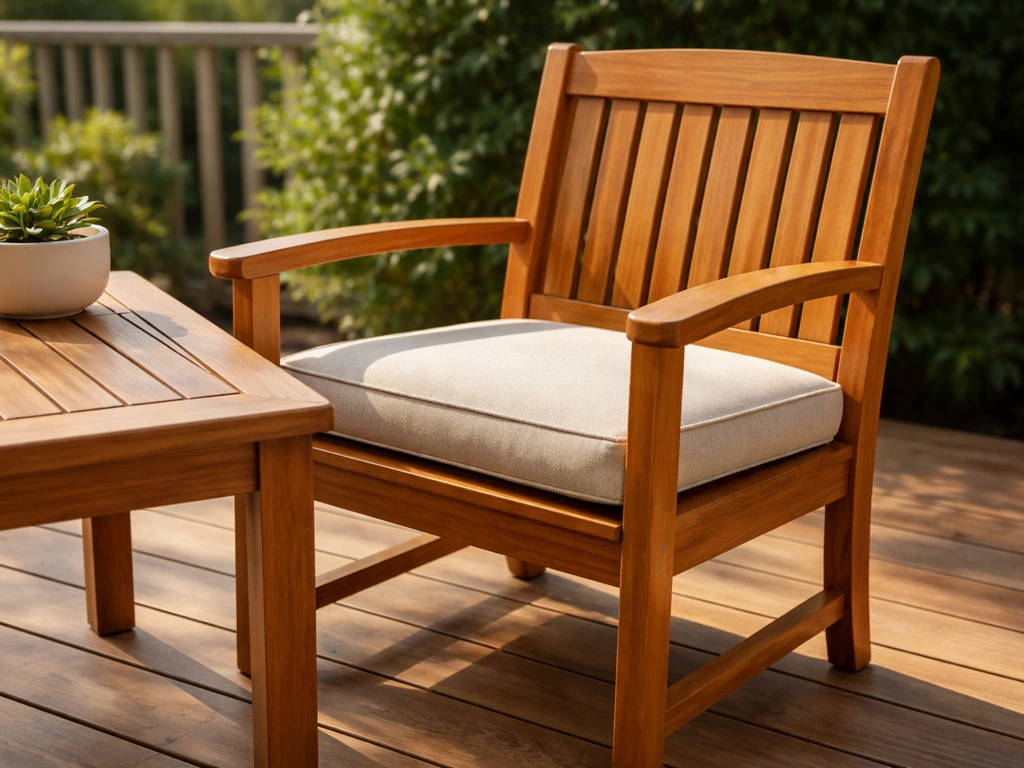
Which oil to use for your specific furniture material
Not all outdoor wood is the same, and the right oil depends on what you're working with. Here's how to match the product to the material.
Teak furniture
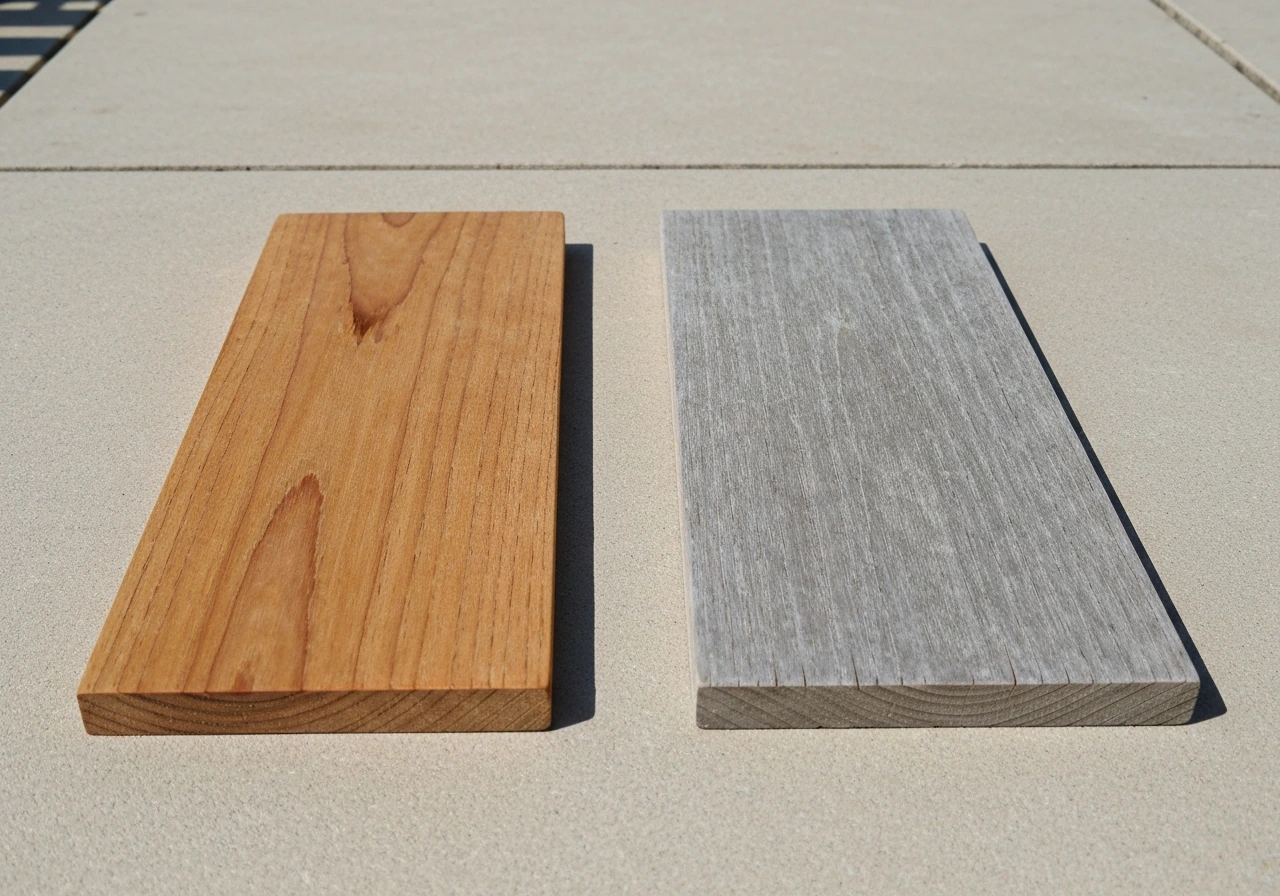
Teak is naturally oily, dense, and high in silica. It doesn't actually need oil to survive outdoors, it'll silver-gray gracefully on its own, but if you want to preserve that warm honey-brown color, a dedicated teak oil or teak oil/sealer hybrid is the way to go. Products like Star Brite Tropical Teak Oil & Sealer and TotalBoat Teak Oil are formulated specifically for this wood's tight grain and natural oil content. The downside is maintenance frequency: because teak is so dense, oil doesn't penetrate deeply, and UV breaks down the surface coating fast. In sunny, exposed positions, you may need maintenance coats every couple of months. In shadier spots, once or twice a year is more realistic. One honest note: clear teak oil products (like Osmo Teak-Oil 007) offer very little UV protection and will still let the wood gray over time. Osmo Online (Germany) notes that Osmo Teak-Oil 007 is clear and therefore provides only limited protection against UV (greying) Osmo Teak-Oil 007 is clear and therefore offers only limited protection against UV (greying). If color retention is your goal, choose a tinted product or an oil/sealer that specifically states UV inhibitors on the label.
Acacia furniture
Acacia is a workhorse wood sold at nearly every big-box store right now. It's dense, attractive, and much cheaper than teak, but it has less natural oil and is more prone to cracking and drying out if neglected. A penetrating teak oil or a quality exterior penetrating oil (like Penofin Exterior Penetrating Oil) works very well here. Acacia benefits from two coats on the first application since its pores are more open than teak. Plan on re-oiling at least once a year, and twice a year in dry or high-UV climates like Arizona or Southern California.
Eucalyptus, ipe, and other dense tropical hardwoods
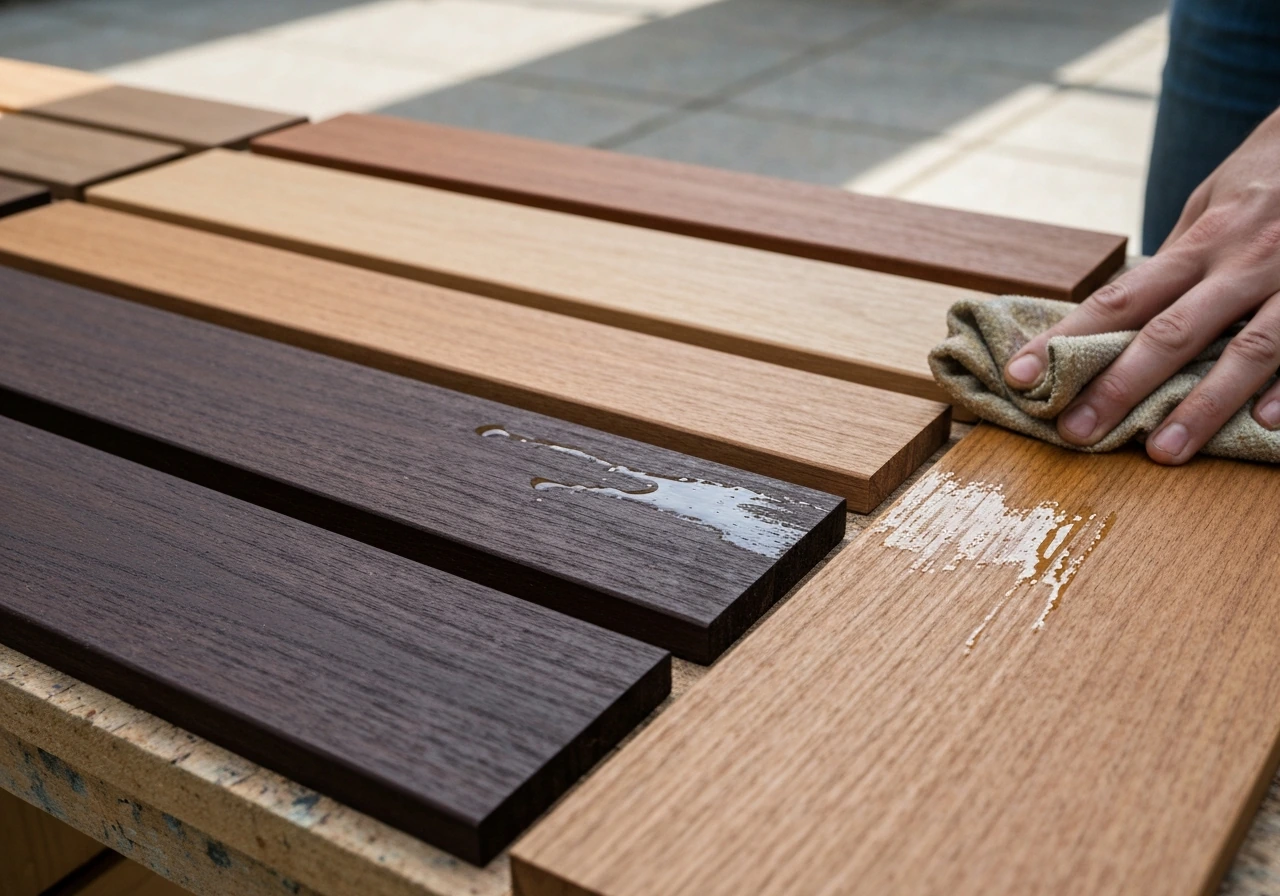
These woods sit in the same family as teak in terms of density and natural oil content. A teak oil or penetrating exterior oil handles them well. Ipe in particular is extremely hard, so proper surface prep (light sanding to open the grain) matters more than the oil brand you choose.
Pine, cedar, and softer outdoor woods
Softer woods like pine and cedar absorb oil more aggressively, which is both good and bad. The oil penetrates deeply, which protects against moisture well, but these woods also need more frequent reapplication. Danish oil (a blend of oil and varnish) works nicely here because it feeds the wood but also leaves a light surface film that adds a bit more durability. Ronseal Trade Danish Oil, for example, recommends three coats with about six hours of drying time between each. For cedar specifically, avoid linseed oil, it can darken the wood unevenly and leave a patchy look.
Non-wood materials: oil doesn't apply
If your furniture is metal, resin wicker, plastic, or composite, oil is not the right product and you'd be wasting your time and money applying it. If you are working with non-wood materials, you can instead use the right patio furniture paint designed for that surface type. Metal needs rust-inhibiting primer and paint. Plastic and composite need UV-protectant sprays or specific plastic restorers. Wicker (synthetic) just needs cleaning and maybe a UV protectant spray. These materials each have their own care path, the main thing to know here is that 'oiling your patio furniture' is a wood-specific task.
How to tell if your wood furniture is actually bare and ready for oil
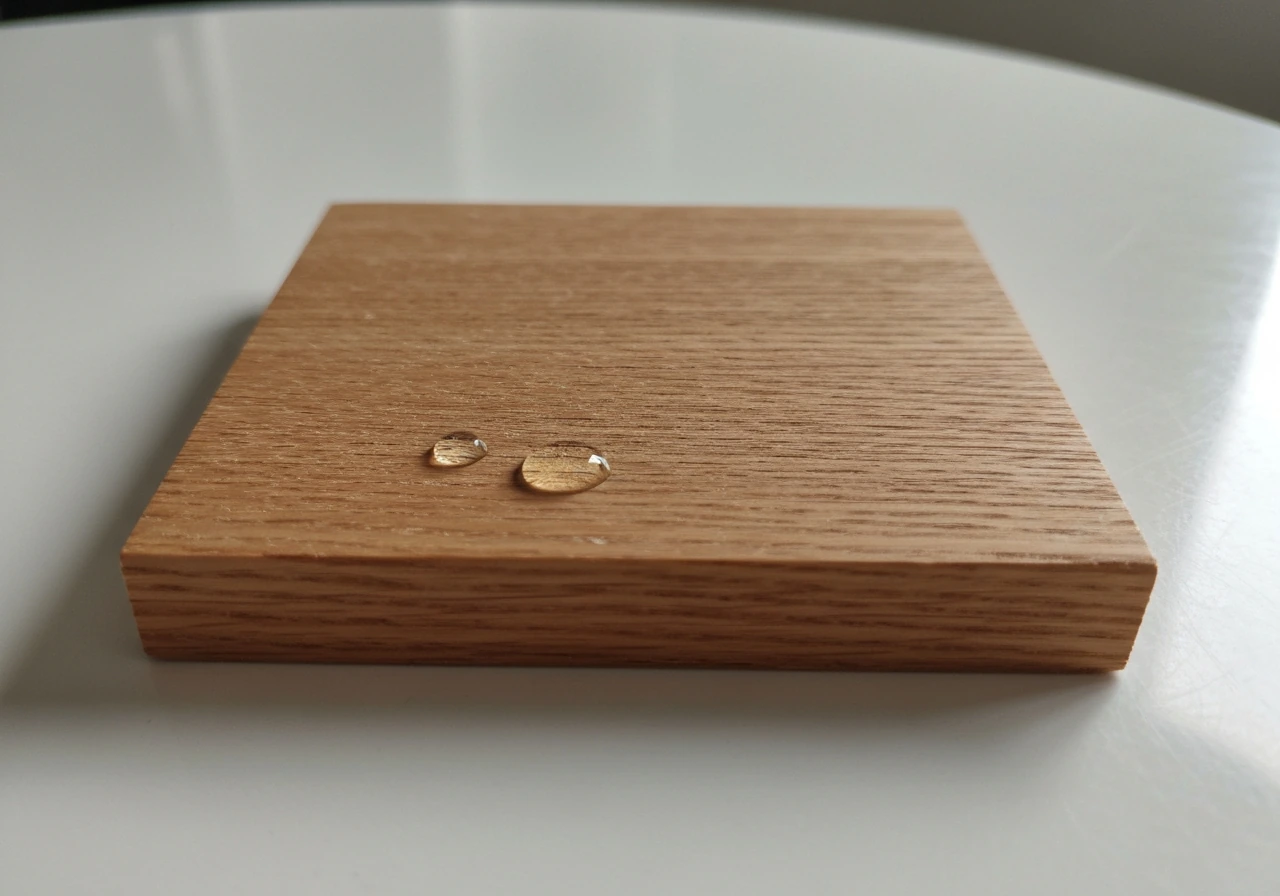
This is the step most people skip, and it's the one that causes the most problems. Applying oil over a sealed or varnished surface doesn't work, the oil can't penetrate the film, sits on top, and either stays tacky or peels off. You need to know what you're working with before you open any product.
The simplest test is the water drop test: put a few drops of water on an inconspicuous spot of the wood. If the water beads up and stays on the surface, there's likely a film finish (varnish, polyurethane, lacquer) still intact. If the water soaks in and darkens the wood within 30 seconds or so, the wood is bare or the existing finish is heavily worn and the wood is absorbing moisture freely. That's your signal that penetrating oil will work.
A word of caution: water beading alone doesn't definitively tell you the finish type. A well-waxed surface or a previous oil application can also cause beading. If your furniture looks shiny or you can see a clear film on the surface when you look at it at a low angle in sunlight, assume there's a film finish and either strip it or consider a different product, a varnish or finish specifically designed to go over existing coatings. If you're uncertain whether oil or a full film-forming finish is the better call for your wood, the article on the best finish for wood patio furniture covers that comparison in more depth. If you want a quick recommendation, that guide can help you pick the best sealer for wood patio furniture based on your wood and exposure best finish for wood patio furniture.
If the furniture was previously oiled (no film, but the wood feels a bit dry or you can't remember the last time it was treated), you're in good shape. Light prep and a maintenance coat of the same oil type is all you need.
The main oil types and what they actually do
Marketing on these products is genuinely confusing, so here's a plain-language breakdown of what each oil type does and where it performs best.
| Oil Type | How It Works | Water Resistance | UV Protection | Drying Time | Best For |
|---|---|---|---|---|---|
| Teak Oil | Penetrating blend (often tung/linseed base + additives) | Good | Varies by product (check label for UV inhibitors) | 8–12 hours between coats | Teak, acacia, dense tropical hardwoods |
| Pure Tung Oil | 100% natural drying oil, polymerizes hard in the wood | Very good | Low (add UV inhibitor separately) | 24–48 hours between coats | Any bare hardwood; best for long-term durability |
| Boiled Linseed Oil (BLO) | Penetrating conditioner with metallic driers added | Moderate | Poor | 24–48 hours between coats, 48–72 hours cure | Interior or light-duty only; not ideal for full outdoor exposure |
| Danish Oil | Oil/varnish blend, penetrates and leaves light film | Good | Moderate | 6 hours between coats | Pine, cedar, softer outdoor woods |
| Exterior Penetrating Oil (e.g., Penofin, Messmer's) | Engineered penetrating blend with UV inhibitors and mildewcides | Very good | Good (UV inhibitors included) | 3–4 hours to touch, 24 hours moisture-resistant, 4–7 days full cure | All outdoor hardwoods; best all-around choice for weather-exposed pieces |
| Teak Oil/Sealer Hybrid (e.g., Star Brite) | Oil base with sealing resins | Very good | Good | Varies; check label | Teak and dense hardwoods, especially in marine/coastal environments |
My honest recommendation for most people with standard wood patio furniture: go with a quality exterior penetrating oil that lists UV inhibitors on the label. Products like Penofin Exterior Penetrating Oil or Messmer's UV Plus Oil are engineered specifically for outdoor exposure and deliver better UV protection than a generic 'teak oil' marketed mainly on looks. Pure tung oil is excellent but takes longer to cure and typically needs a UV additive if sun protection is a priority. Boiled linseed oil is best kept for indoor projects, outdoors it stays soft too long and can attract mold in humid climates.
Step-by-step: how to oil your patio furniture properly
The process isn't complicated, but the details matter. Skipping steps, especially the prep and wipe-off stages, is where most people run into sticky, uneven, or peeling results.
Step 1: Clean the wood thoroughly
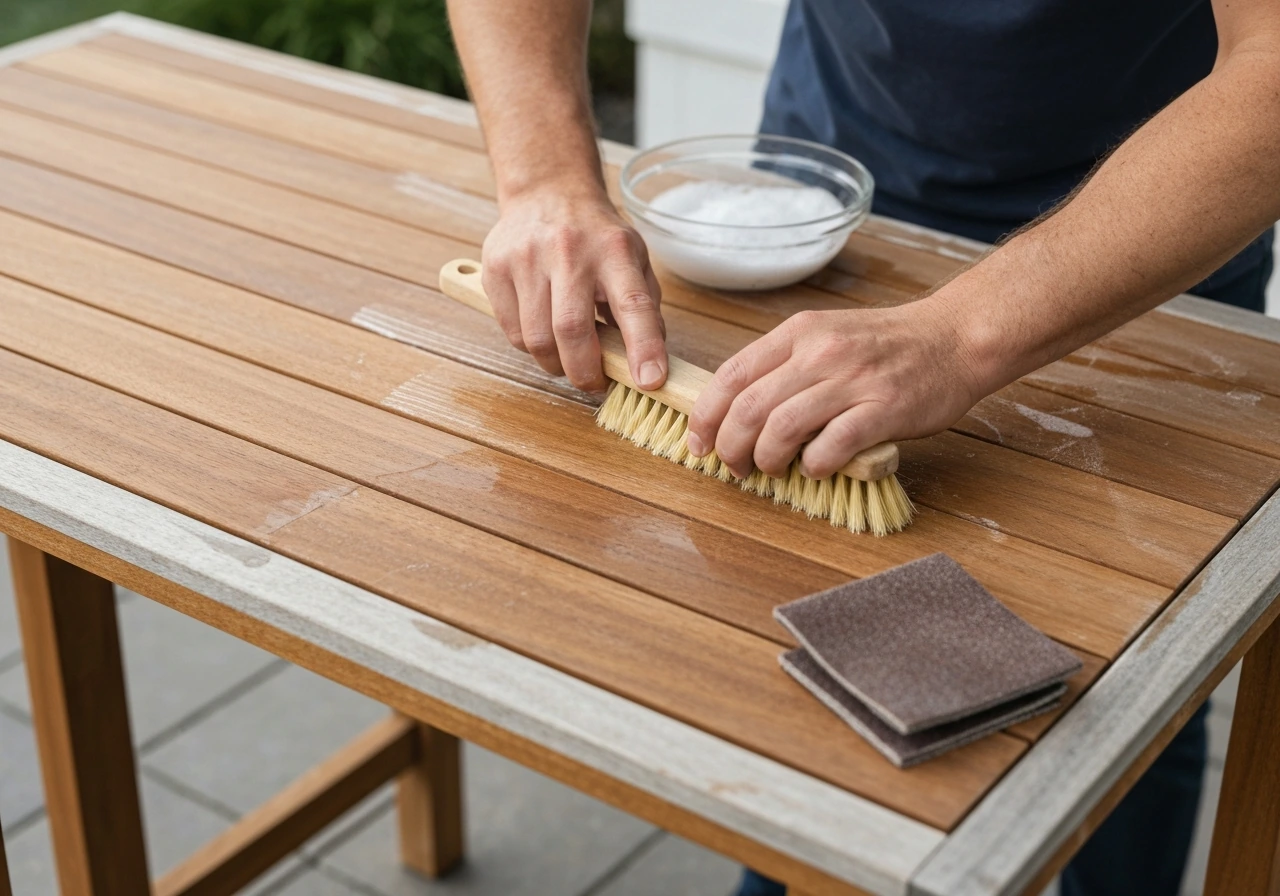
Wash the furniture with a mild wood cleaner or a diluted dish soap solution and a stiff brush. For teak or acacia that has grayed, a dedicated teak cleaner works better than soap alone. Rinse thoroughly and let the wood dry completely, at minimum 24 hours in warm weather, 48 hours if it's been rainy or cool. Oiling damp wood is one of the most common mistakes and leads to trapped moisture, which causes lifting, discoloration, and even mold.
Step 2: Sand if needed
For furniture that's been outside a season or more without care, a light scuff with 120–150 grit sandpaper opens the grain and helps the oil penetrate evenly. If you need to prep wood surfaces for that process, the best sander for patio furniture is one that lets you sand lightly without gouging grain. Sand with the grain, not against it. You don't need to strip back to bare wood on a maintenance coat, just break up any surface roughness or weathered fibers. Wipe away all dust with a clean, dry cloth before moving on.
Step 3: Apply the first coat
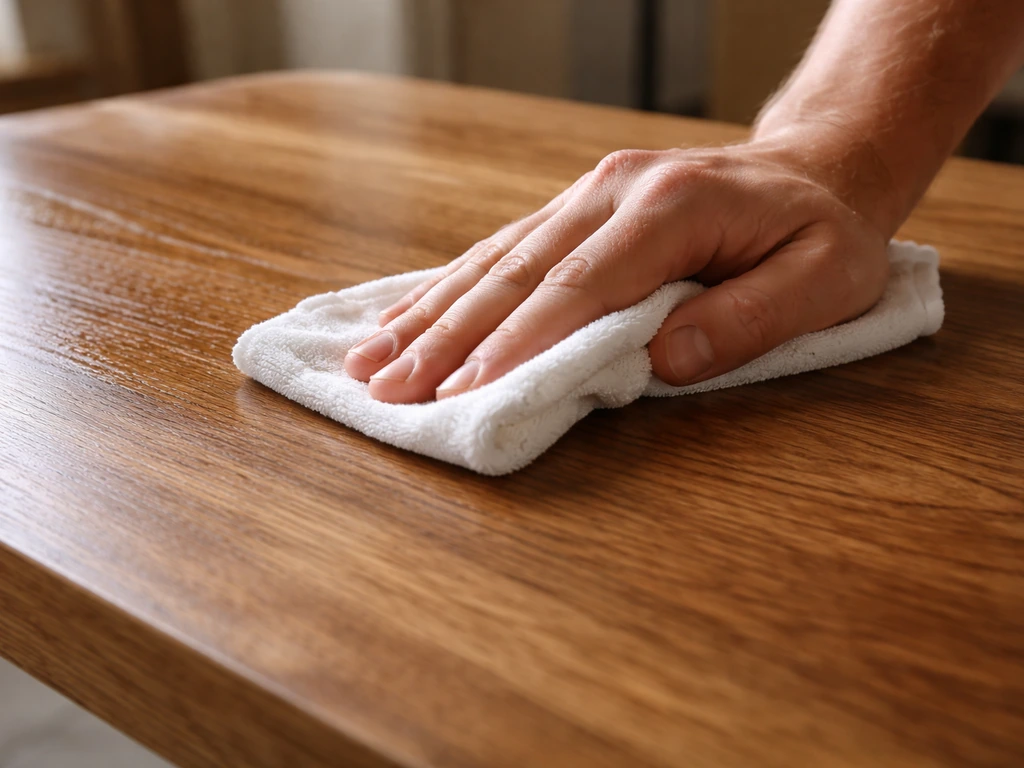
Apply oil with a clean lint-free cloth, a foam brush, or a natural-bristle brush. Work it into the grain evenly and generously, you want the wood to absorb it, not sit on top. Don't skip joints, end grain, or undersides. Those areas absorb the most moisture and need the most protection.
Step 4: Wait, then wipe off the excess
This step is non-negotiable. After 20–30 minutes (or per your product's label), wipe off all excess oil with a clean cotton rag using firm pressure. Watco Teak Oil Spray guidance likewise says the treatment can take less than an hour when you wipe the surface thoroughly with a clean lint-free cloth or roller to remove excess oil. Any oil sitting on the surface rather than absorbed into the wood won't cure properly, it stays tacky, attracts dust, and stays sticky for days. This is the number one cause of 'my teak oil won't dry' complaints. Wipe it all off. If it starts to feel tacky before you've finished applying, you've waited too long and need to work in smaller sections.
Step 5: Second coat and drying
New or very dry wood benefits from two coats. For the second coat, wait for the product's recommended recoat window. TotalBoat recommends 8–12 hours between coats; Penofin says 3–4 hours for their two-coat system (apply lightly, wipe excess after 30 minutes). Always follow the label on this. After the final coat, Minwax recommends waiting 6–8 hours before putting furniture back in the sun. Penofin's timeline is more detailed: dry to the touch in 3–4 hours, ready for use in 12 hours, moisture-resistant at 24 hours, and fully cured in 4–7 days. Don't stack cushions on it or put it under a cover during that first 24 hours.
One practical tip: do this job in the morning on a dry day with moderate temperatures (60–80°F is ideal). Cold temperatures and low airflow both extend drying times significantly. Avoid oiling in direct blazing sun, the oil can dry on the surface before penetrating properly.
- Clean wood thoroughly and let it dry fully (24–48 hours minimum)
- Sand lightly with 120–150 grit if the surface is rough or weathered
- Apply oil generously with a lint-free cloth or brush, covering all surfaces including undersides and end grain
- Wait 20–30 minutes for penetration, then wipe off all excess oil with a clean cotton rag
- Allow 8–12 hours (or per label) before applying a second coat on new or dry wood
- Let cure for at least 24 hours before covering or heavy use; full cure takes 4–7 days
How your climate changes what oil you need and how often you apply it
Where you live and where your furniture sits outdoors is probably the biggest variable in how long any oil finish lasts. A teak oil job that's still looking great after 12 months in the Pacific Northwest might need a refresh after 3 months in South Florida or Phoenix.
High UV / hot and dry climates (Arizona, Southern California, Texas)
UV is the biggest enemy of any oil finish. It breaks down the surface layer and causes the wood to gray and crack. In these climates, you need an oil that specifically contains UV inhibitors, not just any 'outdoor' oil. Messmer's UV Plus and Penofin Exterior both fit this requirement. Even with a good UV-blocking oil, plan on reapplying every 3–6 months for furniture left in direct sun all day. Furniture under a covered patio can go longer. Osmo's clear teak oil and similar clear products are a poor choice here since they offer minimal UV protection.
High humidity and frequent rain (Florida, Gulf Coast, Pacific Northwest)
Moisture is the main threat. The wood swells, contracts, and if a finish is too film-forming, it can trap water underneath and cause lifting. Penetrating oils are actually well-suited for these climates because they don't form a surface film. That said, they also don't stop water vapor transmission entirely, penetrating coatings provide some protection against liquid water absorption but much less against water vapor. In wet climates, the oil helps but you should also make sure furniture can drain and air-dry between rain events. Mildewcide-containing oils (many exterior penetrating oils include these) are worth the premium in humid regions.
Coastal and salt air environments
Salt air accelerates the breakdown of finishes and the weathering of wood fibers. Teak oil/sealer hybrids, the type marketed for marine and boat use, like Star Brite Tropical Teak Oil & Sealer, are worth considering here because the sealing resins provide more surface protection than a pure penetrating oil. Plan on cleaning salt deposits off the furniture every few weeks and reapplying oil more frequently than inland furniture, every 2–3 months in a beachfront setting is not excessive.
Freeze-thaw climates (Midwest, Northeast, Mountain regions)
The freeze-thaw cycle is brutal on wood. Water gets into the grain, freezes, expands, and physically opens cracks over time. The best defense is making sure the wood is well-oiled going into fall and that it's fully dry before that application, oiling over damp wood before a freeze is worse than not oiling at all. If possible, store wood furniture indoors or under a breathable cover for winter. A fresh maintenance coat in early spring, before the furniture sees heavy use, is smart practice in these climates.
How often to re-oil and what to look for
There's no universal re-oiling schedule because exposure, wood type, and oil type all vary too much. But here's a practical framework that works in the real world.
Annual maintenance (most furniture in most climates)
For most wood patio furniture in moderate climates, oiling once a year, typically in spring before the season starts, is the baseline. This keeps the wood nourished, maintains water resistance, and prevents the dried-out, cracked look that comes from neglect. One coat for maintenance is usually sufficient. Clean first, light sand if the surface is rough, apply, and wipe off excess.
Signs it's time to re-oil regardless of schedule
- Water no longer beads on the surface and soaks in quickly
- The wood looks dull, gray, or chalky rather than rich and even-toned
- The surface feels rough or dry to the touch even after light rain
- You notice small surface cracks appearing, especially on end grain
- Color has faded significantly and the wood looks thirsty
High-exposure situations
Furniture in direct sun all day, on a beach, or in a very rainy climate may need oil every 2–4 months. TotalBoat specifically notes that maintenance coats may be needed every couple of months depending on UV exposure. This isn't a sign of a bad product, it's just the reality of oil finishes outdoors. If that frequency is too much work, consider switching to a more durable surface finish like a quality exterior varnish, which can last a full season or more between coats. If you prefer a longer-lasting coating than oil, compare exterior varnish options to find the best varnish for patio furniture. There's a trade-off though: varnish looks different and eventually needs stripping before recoating.
Fixing uneven wear
If parts of your furniture look darker or more protected than others, the finish is wearing unevenly. This usually happens on flat horizontal surfaces (tabletops, seat tops) that get the most UV and rain exposure versus vertical sides that are more sheltered. To fix it: clean the whole piece, lightly sand the faded areas to even them out, and then apply a maintenance coat to the whole piece rather than just spot-treating. Spot-treating creates a patchy, mismatched look.
Mistakes that lead to sticky, streaky, or damaged finishes
These are the problems I see most often, and almost all of them are avoidable.
Not wiping off excess oil
This is the most common cause of sticky, tacky surfaces that never seem to dry. Oil needs to be inside the wood to cure properly. Any oil sitting on the surface stays soft, gums up, and stays tacky for days or even weeks. Wipe it all off after 20–30 minutes, every single time. If you end up with a sticky surface, the fix is to reactivate it with a bit more fresh oil (which softens the tacky layer) and then wipe aggressively with a clean rag immediately.
Oiling damp wood
If there's moisture in the wood when you apply oil, the oil can't penetrate properly and you risk sealing moisture in. This leads to discoloration, a blotchy finish, and potentially mold in humid climates. Always wait a full 24–48 hours after cleaning or rain before oiling.
Applying oil over a sealed or varnished surface
Oil doesn't bond to film-forming finishes. If your furniture has a varnish, polyurethane, or paint coat still on it, the oil will sit on top, won't penetrate, and will stay tacky or peel. Do the water drop test first. If there's any doubt, assume there's a film finish and prep accordingly. If your patio furniture is plastic, you can’t rely on wood oil at all, so look for the best plastic-paint options meant for outdoor, UV-exposed surfaces best paint for plastic patio furniture.
Using the wrong oil for the wood type
Boiled linseed oil on outdoor teak, raw linseed oil on anything, or a generic 'wood oil' without UV protection on sun-exposed furniture, these mismatches lead to poor durability and early failure. Match the oil to the wood and the exposure level, not just to the price point.
Over-oiling in too many coats too quickly
More coats of oil don't mean more protection. The wood can only absorb so much. Once it's saturated, additional oil just builds up on the surface and creates a sticky mess. For maintenance coats on wood that was oiled the previous season, one coat is almost always enough. Two coats is the maximum for new or very dry wood.
Skipping fire safety with oil-soaked rags
This isn't a finish quality issue but it matters: oil-soaked rags (especially tung oil or linseed oil rags) can spontaneously combust if left bunched up. Spread them flat to dry outdoors, or submerge them in water in a metal container before disposal. This is a genuine hazard that the finishing world doesn't talk about enough.
The bottom line: match the oil to the wood, prep properly, and wipe clean
The best oil for your patio furniture is the one that matches your specific wood type, has UV inhibitors if your furniture is in direct sun, and gets applied correctly. For most people with teak, acacia, or eucalyptus furniture, a quality penetrating exterior oil or teak oil/sealer with UV protection is the right call. For softer woods, Danish oil adds a bit more surface protection. In all cases: start with clean, dry, bare wood; apply thin coats; wipe off every trace of excess; and let it cure fully before you cover or use it heavily. Do that once a year as a baseline, and more often if the furniture lives in harsh conditions. That's really all there is to it. If you're weighing whether to oil versus varnish or use a different protective coating altogether, the broader comparison of finishes for wood patio furniture is worth a read before you commit to a product. If you want the quick answer first, check the best finish for wood patio furniture section for when oil or a film finish is the better fit comparison of finishes for wood patio furniture.
FAQ
Can I apply the best oil for patio furniture over previously oiled wood?
Yes, but only if the existing surface is actually bare or the prior coating is an oil that has worn off. If your water drop test shows beading, a new oil coat will sit on top and can stay tacky. When you know it is bare, use the same oil family (penetrating vs teak oil/sealer), then stick to one maintenance coat unless the wood feels extremely dry.
What’s the fastest way to choose the best oil for patio furniture for direct sun?
Do not assume “oil” products are interchangeable. For direct-sun pieces, pick a penetrating exterior oil that explicitly lists UV inhibitors (or choose a teak oil/sealer hybrid for teak). Generic “teak oil” without UV language often won’t stop graying on sunny furniture, even if it protects from moisture.
Will clear teak oil keep my patio furniture from turning gray?
If you want to keep the honey-brown tone, choose tinted teak oil or a teak oil/sealer that states UV inhibitors. Clear teak oils protect moisture but typically do not block UV enough to prevent the eventual silver-gray shift.
My patio furniture feels sticky after oiling. What did I do wrong and how do I fix it?
Baked-in tacky spots usually mean excess oil was left on the surface, cure time was too short, or you were too cold and low-airflow. The fix is to apply fresh oil to reactivate the tacky layer (don’t over-saturate), then wipe aggressively with a clean rag immediately, and let it dry fully before using or covering.
Can I oil over varnish or paint to refresh patio wood?
In most cases, no. Oil does not bond well to varnish, polyurethane, lacquer, or paint films. Use the water drop test and look for any shiny film (viewed at a low angle in sunlight). If you see beading or a clear coating, strip or use a coating system designed to go over existing film finishes.
Do I need to strip patio furniture to bare wood before oiling again?
Light sanding to scuff up the surface is usually enough for maintenance, you generally do not need to fully strip back to bare wood if the old finish is already an oil and has worn off. The key is even prep, after scuffing wipe all dust away so the oil can penetrate without grit.
How long should I wait after rain or cleaning before applying patio furniture oil?
If you’re in the “damp wood” zone, wait. After cleaning or rain, give the wood a full dry window (often 24 to 48 hours depending on temperature and humidity). Oiling damp wood can trap moisture and lead to blotchy darkening or mold, even when you used a good exterior oil.
Is oil enough for humid climates where furniture stays damp for days?
You can, but don’t rely on oil as a cure-all for water vapor. Prioritize drainage and drying between storms, keep chair legs and flat surfaces from pooling water, and in humid regions consider oils that include mildew control. If the furniture stays wet for long periods, a film-forming outdoor finish may perform better.
What should I use if my patio furniture is not real wood?
For metal, resin wicker (synthetic), plastic, and most composites, wood oil is usually the wrong product. Metal needs rust-inhibiting primer and exterior paint, synthetic wicker typically needs cleaning and a UV protectant spray, plastic/composite needs UV-protectant or a dedicated plastic restorer. Oil can make some plastics look worse by leaving residues that attract dirt.
Will more coats of the best oil for patio furniture provide better protection?
Yes, and it’s a common mistake to overdo it. Wood has a limited absorption capacity, once it is saturated, extra oil only builds a surface residue that can stay tacky. For maintenance, one coat is usually enough, and two coats should be your max for new or very dry wood.
What should I do if I’m not sure whether my patio wood has a film finish?
When you can’t tell whether you have an oil-ready surface, treat it like a film finish until proven otherwise. Use the water drop test, then inspect for sheen or visible film at a low angle. If anything suggests a coating is still present, choose the alternative finish path (strip or use a finish meant for film surfaces) rather than guessing with oil.
Are oil-soaked rags dangerous after I finish oiling patio furniture?
Safety-wise, yes. Oil-soaked rags can spontaneously combust, especially with tung oil or linseed oil products. Spread rags flat to dry outdoors or submerge them in water in a metal container before disposal, do not store them bunched up in a pile.
Pick the best paint for plastic patio furniture: prep, primers, spray vs brush, finish, curing, and lasting outdoor resu
Pick the best outdoor wood finish for patio furniture by wood type and weather, with prep, coats, curing, and maintenanc
How to pick and apply the best patio furniture paint for wood, metal, wicker, composite, with prep, protection, and main