
Car wax works on patio furniture, but only in specific situations and only as a short-term protective layer, not a substitute for a proper exterior finish. On bare or powder-coated aluminum, a synthetic polymer car wax gives you a season of moisture repellency and mild UV resistance with almost no prep. On plastic and composite furniture, it can restore some gloss and slow fading. On wood, it is largely the wrong tool: it sits on top of the grain, traps moisture if applied over a damp surface, and breaks down within weeks under direct sun. For most outdoor materials, car wax is a respectable emergency maintenance product, not a long-term solution. Knowing exactly which materials it helps, how long that help lasts, and when to reach for a marine wax, penetrating oil, spar urethane, or dedicated UV protectant is what this guide is really about.
Best Car Wax for Patio Furniture: Use, Alternatives & Care

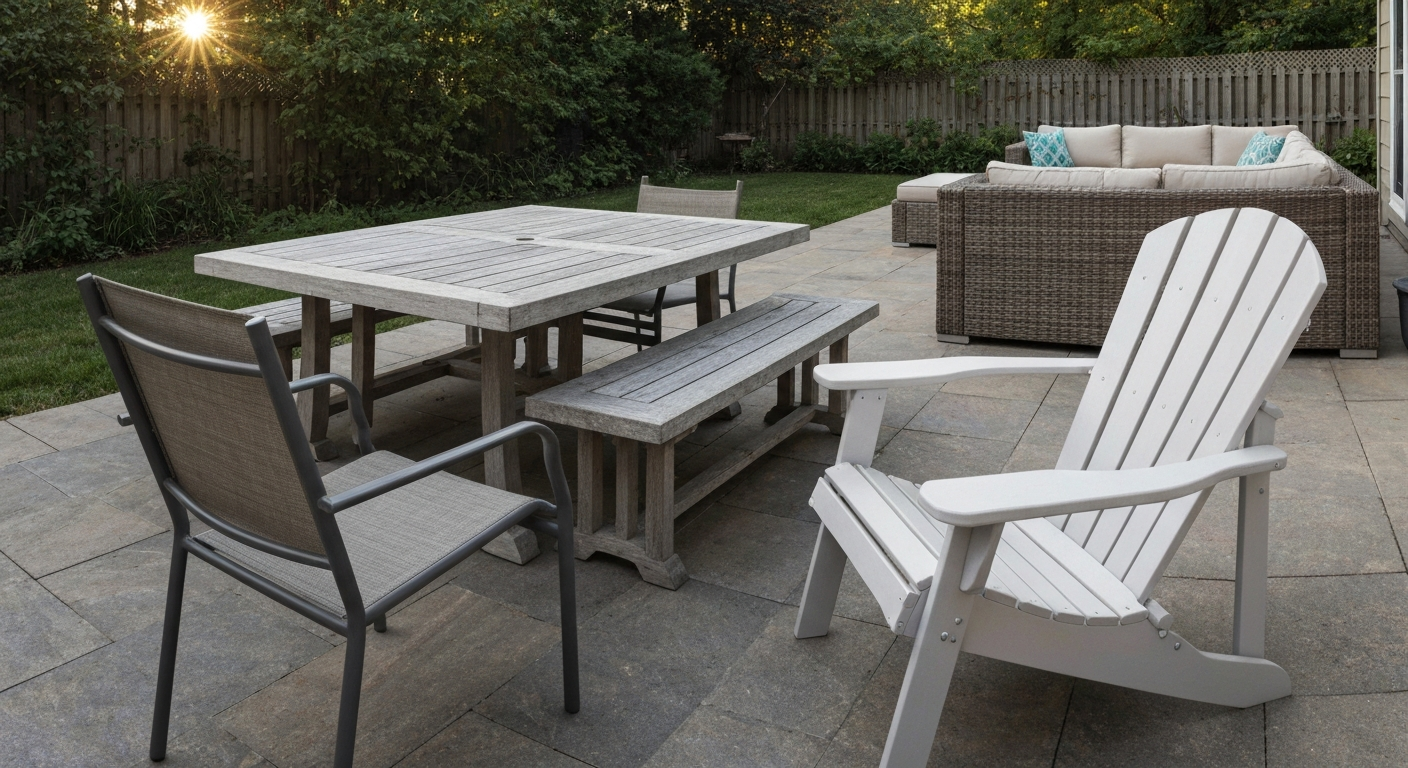
Who this guide is for and how to use it
If you have a set of aluminum patio chairs, a teak dining table, a resin wicker sectional, or a composite Adirondack chair sitting outside right now and you want to know whether the car wax in your garage is a viable option, this guide will give you a straight answer. It is written for DIY homeowners who want practical, honest comparisons rather than product marketing copy. You do not need chemistry knowledge. You do need to know what material your furniture is made of, because that single variable changes the recommendation almost entirely.
Read the direct answer and the decision guide first. Then jump to the material section that matches what you own. The climate section near the end is worth reading if you live somewhere with extreme UV, coastal salt, or freeze-thaw cycles, because those conditions shorten the life of any finish faster than most product labels admit.
Decision guide: car wax vs a dedicated sealer, oil, marine wax, or varnish
The fastest way to decide is to match your situation to one of these scenarios. Car wax earns its place in the maintenance toolbox for some of them, but falls short for others.
| Situation | Best choice | Car wax verdict |
|---|---|---|
| Powder-coated aluminum, good condition, want seasonal refresh | Synthetic car wax or marine wax | Works well — apply once per season |
| Bare/brushed aluminum, oxidation starting | Synthetic car wax after light polish | Works for cosmetic protection, not structural |
| Teak or hardwood table, unfinished or oiled | Penetrating teak/exterior oil | Poor choice — does not penetrate, washes off quickly |
| Teak or hardwood, want a film finish | Spar urethane (UV-stabilized) | Wrong product category — use a dedicated film finish |
| Painted wood furniture | Exterior paint + spar urethane topcoat | Marginal at best — wax can prevent paint adhesion on future coats |
| Resin wicker or synthetic rattan | 303 Aerospace Protectant or UV protectant spray | Acceptable short-term; dedicated UV protectant outperforms |
| Natural rattan or wicker | Linseed oil or dedicated rattan sealer | Not recommended — wax does not penetrate natural fibers |
| HDPE or polypropylene plastic chairs | UV-protectant spray or synthetic car wax | Reasonable option, reapply every 2-3 months outdoors |
| Coastal or salt-air environment, metal furniture | Marine wax or corrosion-inhibiting primer + topcoat | Standard car wax insufficient for salt exposure |
| Zone 4-5 freeze-thaw, wooden furniture stays outside | Penetrating exterior oil or spar varnish | Wax cracks/peels under freeze-thaw cycles |
The pattern is straightforward: car wax earns a real role on smooth, non-porous surfaces like metal and some plastics where it forms a thin hydrophobic film. It underperforms on anything porous, anything that experiences film-forming penetration as its primary protection mechanism, or anything that needs meaningful UV blocking over a full season.
How car wax actually works: carnauba vs synthetic
Car wax does one thing physically: it lays a thin hydrophobic film over a surface. Water beads off, light reflects evenly, and minor oxidation is temporarily masked. That is genuinely useful on the right surface. Understanding the chemistry of carnauba versus synthetic formulations tells you how long that benefit lasts outdoors.
Carnauba wax
Carnauba is a natural plant-derived wax with a high melting point (around 82-86°C), which is why it shows up in car polishes and floor waxes as a hardness additive. It produces a warm, deep gloss that many people find more attractive than synthetic coatings. The downside outdoors is photo-oxidation: carnauba is an organic material, and UV radiation breaks down the wax matrix over time. On a car kept in a garage it lasts two to three months. On patio furniture in direct sun it can degrade in four to six weeks. Research on wax-containing acrylic emulsions confirms that wax components show limited long-term UV stability compared with fully polymeric exterior coatings, and pure carnauba waxes are more vulnerable than synthetic hybrid formulations. Accelerated Ageing Procedures to Assess the Stability of an Unconventional Acrylic‑Wax Polymeric Emulsion (PMC/MDPI) reports that carnauba and microcrystalline waxes improve water repellency and initial gloss in coatings but are susceptible to photo‑oxidation, and that wax‑containing acrylic emulsions show reduced long‑term UV stability compared with fully polymeric exterior coatings.
Synthetic and polymer waxes
Synthetic car waxes use polymers, silicones, or fluorinated compounds to form a more chemically stable film. They outlast carnauba outdoors by a meaningful margin, typically three to six months on a vehicle, which translates to two to four months on outdoor furniture exposed to more direct sunlight and temperature swings. Some include low-level UV absorbers, though these are calibrated for automotive paint, not for the higher UV loads of a furniture piece sitting in full southern or western sun all afternoon. Independent automotive detailing evaluators consistently find that polymer sealants provide longer durable hydrophobic and UV protection than pure carnauba formulas. For patio furniture use, synthetic is the better car wax choice every time.
What the SDS tells you about compatibility
Consumer car wax safety data sheets list petroleum distillates and hydrotreated light naphtha among common ingredients. These are solvents that help the wax spread and then evaporate as the product hazes. On sealed, painted, or coated metal surfaces this is not an issue. On bare wood or uncoated natural fibers, petroleum distillates can discolor the surface or interfere with subsequent adhesion of oils and varnishes. ASTM D3359, Standard Test Methods for Rating Adhesion by Tape Test is the common standard for quick adhesion screening of coatings (tape/crosshatch) on substrates, using a 0–5 rating scale ASTM D3359 — Standard Test Methods for Rating Adhesion by Tape Test. This is one of the practical reasons car wax does not belong on bare wood furniture you intend to refinish later.
Performance by material
Wood (including teak)
Wood is the material where car wax is most frequently misapplied. The appeal is obvious: wax makes wood look good immediately, it beads water, and it is fast to apply. The problem is that wood protection works by penetration or by forming a flexible film that moves with the wood as it expands and contracts seasonally. Car wax does neither. It sits on the surface, does not bond to the wood's cell structure, and cracks or wipes off as the wood moves. On teak, which contains natural oils that already resist moisture, wax adds minimal functional value and can actually inhibit the penetration of a proper teak oil applied later.
For species like teak, cedar, redwood, and white oak that are commonly used outdoors for their natural rot resistance, the right product depends on whether you want a penetrating or film finish. A penetrating exterior oil feeds the wood, maintains its natural appearance, and does not crack or peel. See our guide to the best oil for patio furniture for product-specific recommendations and reapplication intervals. A UV-stabilized spar urethane like Minwax Helmsman builds a protective film with UV inhibitors and flexibility specifically engineered for outdoor wood movement. For a deeper comparison of penetrating oils and film-forming sealers, see our guide to the best sealer for wood patio furniture. Either of those options will outlast car wax by years, not weeks.
Metal (aluminum, steel, powder-coated frames)
This is where car wax earns its best marks on outdoor furniture. Powder-coated aluminum is essentially a smooth, cured polymer surface, which is exactly the substrate car wax is designed for. A synthetic polymer wax applied to a clean, dry powder-coated frame will repel moisture, slow oxidation of any scratched areas, and restore gloss. Home improvement authorities including BobVila describe this as a legitimate seasonal maintenance step for aluminum patio furniture. Uncoated or brushed aluminum benefits similarly: polish out the oxidation first, then seal with a synthetic wax to slow its return.
Bare or galvanized steel is a different story. Steel can rust through car wax quickly, especially if the wax film is not perfectly continuous. For steel furniture in humid or coastal climates, a corrosion-inhibiting primer followed by a topcoat is the only real answer. Car wax as a maintenance layer over intact painted steel is acceptable but provides minimal barrier against rust once the paint is chipped.
Wicker and rattan
The relevant distinction here is natural versus synthetic. Natural rattan wicker is a plant-based material with a fibrous, porous structure. Car wax cannot penetrate natural rattan fibers meaningfully, and the petroleum distillates in the product may discolor or dry out the material over time. A diluted linseed oil or a dedicated rattan preservative is appropriate for natural wicker.
Synthetic resin wicker (polyethylene resin over an aluminum or steel frame) is a smooth plastic surface and responds much better to car wax or, preferably, a UV protectant spray formulated for plastics. The UV protectant is the better choice because it is specifically engineered to slow the photo-oxidation that makes resin wicker brittle and discolored over time. Products like 303 Aerospace Protectant are explicitly formulated with UV blockers for plastics, vinyl, and rubber, with manufacturer-recommended reapplication intervals measured in weeks to months depending on exposure. Car wax does not match that UV-specific formulation.
Plastic and composite
HDPE (high-density polyethylene) chairs, polypropylene stacking chairs, and fiber-reinforced composite Adirondacks are all smooth, non-porous, and suitable candidates for car wax or UV protectant. If you’re considering a longer-lasting color change rather than wax or protectant, see our guide to the best paint for plastic patio furniture for compatible paints and prep steps. A synthetic car wax will temporarily restore gloss, improve water shedding, and provide a marginal slowdown of UV-induced fading. Reapplication every two to three months during the outdoor season is realistic for full sun exposure. A product like 303 Protectant with dedicated UV blockers will outperform standard car wax on plastic in direct sun, but if car wax is what you have, it is a reasonable stopgap. One caveat: avoid applying wax to textured non-slip surfaces on chair seat pads or step areas, since the hydrophobic film increases slip risk.
Pros, cons, and how long each finish actually lasts
| Finish type | Best surface | UV protection | Water resistance | Typical outdoor lifespan | Main weakness |
|---|---|---|---|---|---|
| Carnauba car wax | Metal, smooth plastic | Minimal | Good initially | 4-8 weeks in full sun | Fast UV degradation, no penetration |
| Synthetic/polymer car wax | Metal, smooth plastic, powder coat | Low-moderate | Good | 2-4 months in full sun | Not formulated for wood; needs frequent reapplication |
| Marine wax (polymer-based) | Metal, gel-coat, fiberglass, composite | Moderate-high | Excellent | 4-6 months | More expensive; overkill for low-exposure furniture |
| 303 UV Protectant spray | Plastics, vinyl, resin wicker | High (UV blockers) | Moderate | 4-12 weeks depending on exposure | Not a film finish; primarily UV and surface protectant |
| Penetrating exterior oil (teak/linseed) | Wood (teak, cedar, oak) | Moderate with UV-inhibitor versions | Good | 6-12 months (reapply annually) | Does not form hard film; surface stays tactile |
| Spar urethane (UV-stabilized) | Wood, some metals | High (UV inhibitors in formula) | Excellent | 2-4 years with maintenance coats | Requires prep, application skill; can peel if not sanded between coats |
| Exterior varnish | Wood | High | Excellent | 2-5 years | Most labor-intensive to apply and strip |
The longevity gap between car wax and a film-forming finish like spar urethane is not marginal. On a wood table, spar urethane with proper application and a maintenance coat every two years will last a decade. Car wax on the same table will wash off after a few hard rains. The reapplication burden alone makes car wax the wrong economics for wood. On metal and powder coat, the comparison is closer: a synthetic car wax every season is a legitimate maintenance plan with a low time investment, and it is the approach many furniture owners actually follow.
Climate-specific recommendations
Intense sun and UV (Southwest, Arizona, Southern California)
High UV index climates expose the limits of car wax fastest. Carnauba wax can degrade visibly in as little as three to four weeks in Phoenix or Las Vegas summers. A synthetic polymer wax adds some durability but still fades and oxidizes faster than a UV-stabilized product. For wood furniture in these climates, a spar urethane with UV inhibitors or a UV-blocking penetrating oil is essential, not optional. For plastic and resin wicker, a dedicated UV protectant like 303 Aerospace Protectant outperforms car wax meaningfully because it contains actual UV-absorbing compounds rather than just a hydrophobic film. Accelerated UV weathering tests following ASTM G154 protocols consistently show that fully polymeric exterior coatings maintain gloss and film integrity longer than wax-based finishes under high-UV cycling.
High humidity and heavy rain (Southeast, Gulf Coast, Pacific Northwest)
In Florida, Louisiana, or coastal Washington, moisture is the dominant stressor. Car wax's hydrophobic film helps initially on metal, but frequent rain and high humidity mean you are reapplying every four to six weeks to maintain meaningful water shedding. For wood furniture in these climates, a penetrating oil with a water repellent or a spar varnish is far more suitable. The bigger risk in high-humidity climates is applying any finish, including wax, over a damp surface. Wax applied to wood that is not fully dry can seal in moisture and accelerate mold and rot. Always clean and dry the surface completely before application.
Freeze-thaw cycles (Midwest, Northeast, Mountain West)
Repeated freezing and thawing is mechanically destructive to any surface coating. Wax expands and contracts with the substrate, but a thin wax film has essentially no structural resilience through dozens of freeze-thaw cycles. On metal furniture stored outside through a northern winter, the wax will be gone or compromised by spring. A more practical approach is to clean and apply a fresh wax coat at the start of each outdoor season after furniture comes out of storage. For wood furniture that winters outdoors (not ideal, but common), a penetrating oil or spar varnish is mandatory because it accommodates the wood's expansion and contraction. Car wax on wood in freeze-thaw climates provides essentially no functional protection.
Coastal salt exposure
Salt air is corrosive to metal substrates in ways that a thin wax film cannot reliably prevent. ASTM B117 salt-spray testing is the standard benchmark for evaluating coatings intended for salt environments, and consumer-grade car waxes are not formulated or tested to these standards. In a coastal environment within half a mile of the ocean, standard car wax on a metal frame will allow rust or corrosion to develop at any point where the film is compromised. Marine-grade wax products (formulated to pass more aggressive corrosion and moisture cycling tests) are a better choice for coastal metal furniture. For ongoing protection, powder-coated aluminum with a marine wax topcoat is the most realistic DIY-maintainable combination. Bare steel or iron furniture simply does not belong in a salt-air environment without a significant corrosion-inhibiting coating system.
What to look for when choosing a wax or protective finish
These are the criteria that actually determine whether a product will hold up, rather than the marketing language on the label.
- UV blockers vs UV reflectors: A true UV blocker (UV absorber compound in the formulation) chemically neutralizes UV energy before it degrades the substrate. A hydrophobic wax film primarily reflects some UV but does not absorb it. For furniture in direct sun, look for products that specify UV absorbers or UV inhibitors in the product data sheet, not just 'UV protection' as a marketing claim.
- Film-forming vs penetrating: Film-forming finishes (varnish, spar urethane, car wax) sit on the surface. Penetrating finishes (oils, some sealers) enter the substrate. On porous materials like wood and natural fiber, penetrating finishes generally outperform film-forming ones because they cannot peel or crack. Car wax is always a film finish.
- Substrate compatibility: Check that the product is tested for your material. Products like 303 Protectant explicitly list compatibility and limitations for plastics and vinyl. Car waxes are tested for automotive clear-coat paint. The underlying substrate chemistry matters for adhesion, and ASTM D3359 adhesion testing is the standard benchmark for evaluating whether a coating actually sticks.
- VOCs and ventilation: Paste car waxes with high petroleum distillate content should be applied outdoors or in ventilated areas. Many exterior wood finishes, spar urethanes in particular, have significant solvent VOC content. Water-based spar urethanes have lower VOC levels and are often workable in less-ventilated conditions, though they may require more coats.
- Reapplication interval vs labor: A product that needs reapplication every six weeks but takes five minutes to apply may be more practical than one that lasts three years but requires sanding, multiple coats, and a full day's work. Match the maintenance commitment to your schedule and the value of the furniture.
- Gloss level: ASTM D523 defines the measurement of specular gloss. Most car waxes produce a high-gloss finish. If your furniture has a matte or satin powder coat, a high-gloss wax will visually alter the appearance. Look for low-sheen or matte-finish wax options or protectant sprays if preserving the original finish appearance matters.
Surface prep and application
Proper prep determines whether any finish, including car wax, actually adheres and performs. For proper surface prep, see our guide to the best sander for patio furniture for tool recommendations and grit selection. Skipping it is the most common reason people report that wax 'did not work' on their furniture.
- Clean the surface thoroughly. Remove all dirt, grease, pollen, and mildew with a diluted all-purpose cleaner or dish soap solution. Rinse completely and allow the surface to dry fully. On metal, a light wipe with isopropyl alcohol removes oily residue and improves wax adhesion.
- Inspect and treat any corrosion or oxidation. On aluminum, use a fine metal polish or automotive oxidation remover before waxing. Leaving oxidation under the wax layer seals in the degradation and accelerates its spread.
- For wood, confirm the surface is not already sealed with a product incompatible with wax. If you intend to apply oil or varnish later, do not apply car wax now: petroleum distillates in the wax can interfere with oil penetration and film adhesion.
- Apply wax in small sections using a clean microfiber cloth or foam applicator pad. Thin, even application is more effective than thick application. A thick wax layer does not add protection proportionally and is harder to buff evenly.
- Allow the wax to haze. Paste waxes typically need three to five minutes in shade to reach the proper haze. Liquid waxes may haze faster. Do not apply in direct sunlight or on a hot surface: the solvent evaporates too quickly and the film does not level properly.
- Buff with a clean, dry microfiber cloth using circular motions. For large furniture pieces (dining tables, bench frames), a random-orbit polisher with a foam pad speeds the process significantly.
- Inspect the surface after buffing. Uneven gloss or white residue in crevices indicates incomplete buffing. Use a detailing brush to clear wax from joints, grooves, and decorative recesses.
Removing old wax and recoating
Wax buildup over multiple seasons looks milky and actually traps dirt. Strip old wax before reapplying using an automotive wax remover or a diluted isopropyl alcohol solution (around 50/50 with water) on a microfiber cloth. On metal furniture this is straightforward. On painted wood, test a small hidden area first to confirm the solvent does not affect the underlying paint. Once stripped, follow the same prep and application steps above. For furniture that has been waxed repeatedly and now has a cloudy, uneven appearance, a light machine polish before rewaxing will restore clarity.
Maintenance schedule by material
| Material | Recommended finish | First application | Reapplication interval | End-of-season step |
|---|---|---|---|---|
| Powder-coated aluminum | Synthetic car wax or marine wax | Spring, after cleaning | Every 3-4 months | Final wax coat before storage or winter |
| Bare/brushed aluminum | Polish then synthetic wax | Spring, after polishing | Every 2-3 months | Polish and wax before storage |
| Resin wicker / synthetic rattan | UV protectant spray (303 type) | Spring | Every 4-6 weeks in full sun | Clean and store covered or indoors |
| Natural rattan / wicker | Diluted linseed oil or rattan oil | Spring | Annually | Oil and store indoors or covered |
| Teak and oily hardwoods | Penetrating teak/exterior oil | After cleaning and any sanding | Annually or when wood looks dry | Oil in fall if stored outdoors |
| Cedar, pine, softwood | Spar urethane or exterior oil | After prep and sanding | Maintenance coat every 1-2 years | Inspect film before winter; touch up cracks |
| HDPE/polypropylene plastic | UV protectant or synthetic car wax | Spring | Every 6-8 weeks in full sun | Clean and store covered |
When car wax is the right call and when it is not
The honest summary is this: if you own metal patio furniture with a powder coat or brushed aluminum finish, a quality synthetic car wax is a practical and cost-effective seasonal maintenance product. Apply it in spring, touch it up midseason if the furniture is in full sun, and you will see real benefit in gloss retention and moisture shedding. For plastic and resin wicker, a UV-specific protectant is the better product, but car wax is an acceptable substitute if that is what you have. For wood of any species, car wax is the wrong product category entirely. The surface protection wood needs, whether a penetrating oil for teak and oiled species or a UV-stabilized spar urethane for painted or varnished surfaces, is fundamentally different from what wax provides. For guidance on selecting a durable finish for outdoor wood, see our guide to the best varnish for patio furniture. Using car wax on wood is not catastrophic, but it is a temporary cosmetic fix that leaves the wood no better protected against UV and moisture than it was before.
If you are maintaining wood furniture and want to explore the right products in depth, the guides on the best finish for wood patio furniture, best oil for patio furniture, best sealer for wood patio furniture, and best varnish for patio furniture cover each of those categories in detail. For protecting against UV specifically, the best UV protection for patio furniture guide compares the full range of UV-blocking products for every material type. And if your furniture needs refinishing before any protective finish goes on, the best sander for patio furniture and best patio furniture paint guides walk through surface preparation and repainting from start to finish.
FAQ
Is car wax (carnauba or synthetic) a suitable protective finish for patio furniture?
Car wax can be a suitable short-term, cosmetic protector for certain patio furniture surfaces (especially metal and powder-coated aluminum) to restore shine and repel water for a season. However, it is not a substitute for film-forming exterior sealers, marine varnishes or penetrating exterior oils when long-term UV protection, abrasion resistance and weatherproofing are required. Waxes are organic and prone to photo-oxidation and wear, so expect weeks–months of protection rather than years.
Which patio materials respond well to car wax, and which do not?
Good candidates: powder-coated or painted metal frames and non-porous outdoor metal (wax improves water beading and gloss). Marginal candidates: painted or sealed wood for short-term gloss touch-ups. Poor candidates: raw exterior wood that needs moisture/UV protection (use varnish/oil), natural wicker that requires penetrating oils or sealers, many plastics/composites (adhesion varies) and clear plastics (some wax ingredients can cloud or damage). For plastics/vinyl use dedicated protectants formulated for those substrates.
How do carnauba and synthetic car waxes compare for outdoor furniture use?
Carnauba delivers a warm, high-gloss finish but is more rapidly worn by UV, moisture and abrasion. Synthetic polymer-based car waxes or hybrid sealants generally last longer, shed water better, and resist abrasion more effectively. Neither is as durable as exterior-grade film-forming coatings (spar varnish or exterior polyurethane) or penetrating exterior oils with UV stabilizers.
How long does protection from car wax last outdoors compared with dedicated sealers/varnishes/oils?
Expect wax: weeks to a few months depending on exposure (sun, rain, abrasion). Synthetic polymer waxes may extend to several months. Dedicated exterior finishes: recoat cycles measured in 1–5+ years depending on product (marine varnishes, UV-stabilized spar urethanes) or annual maintenance for penetrating oils in high-exposure sites. Accelerated weathering and abrasion test standards (ASTM G154, D4060) commonly show waxes losing gloss and repellency far sooner than exterior coatings.
When should I choose car wax and when should I choose a dedicated exterior finish?
Choose car wax when you need a quick cosmetic refresh or seasonal water repellency on metal or already-finished surfaces and are prepared to reapply. Choose a dedicated exterior finish (spar varnish, exterior polyurethane, marine varnish, or penetrating oil) when the furniture is raw wood, will be continuously exposed to sunlight or coastal salt, must resist abrasion, or when you want multi-year protection. Use plastic-specific protectants for plastics/vinyl; use marine-grade products for salt/coastal exposure.
What are climate-specific recommendations (sun/UV, rain/humidity, freeze-thaw, coastal salt)?
High UV/sun: avoid wax as primary protection—use UV-stabilized varnish or spar urethane or penetrating oil with UV inhibitors. Frequent rain/humidity: use film-forming exterior finishes or good penetrating oils to reduce water uptake; wax will wash away. Freeze-thaw: flexible, elastic exterior finishes perform better than brittle wax films. Coastal salt: use corrosion-resistant coatings for metal (ASTM B117 is used in testing); wax offers only temporary protection—use marine-grade coatings and frequent maintenance. In mild, sheltered climates, wax can work seasonally for metal frames.
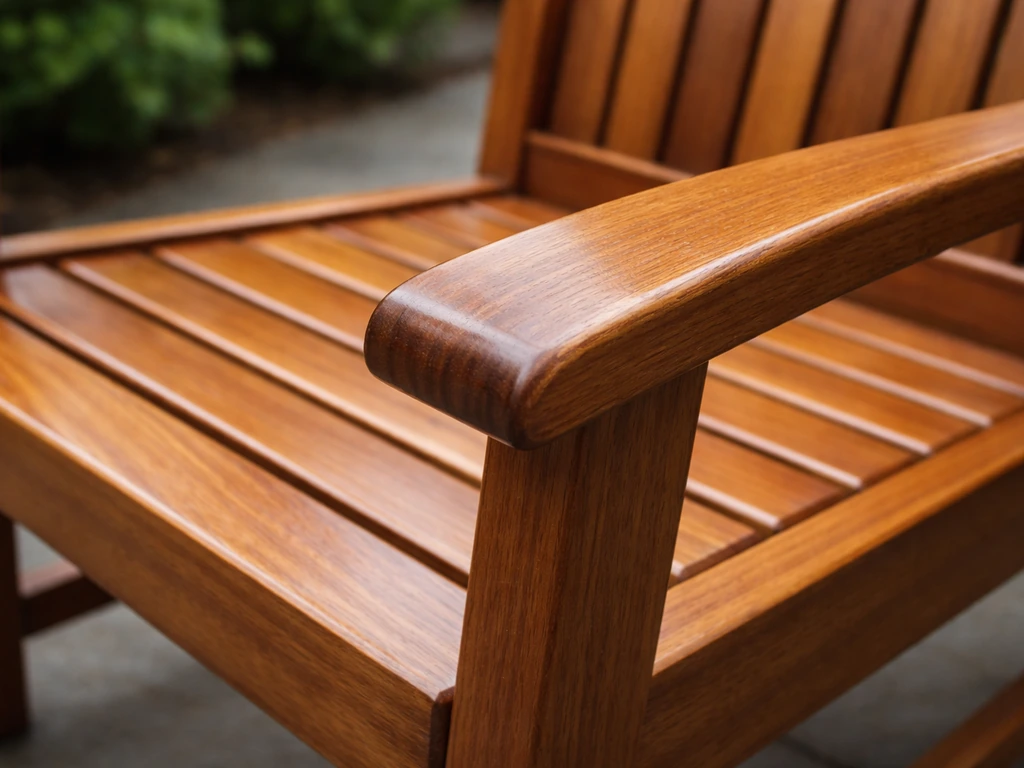
Pick the best sealer for wood patio furniture with prep, application steps, climate tips, and maintenance to prevent pee
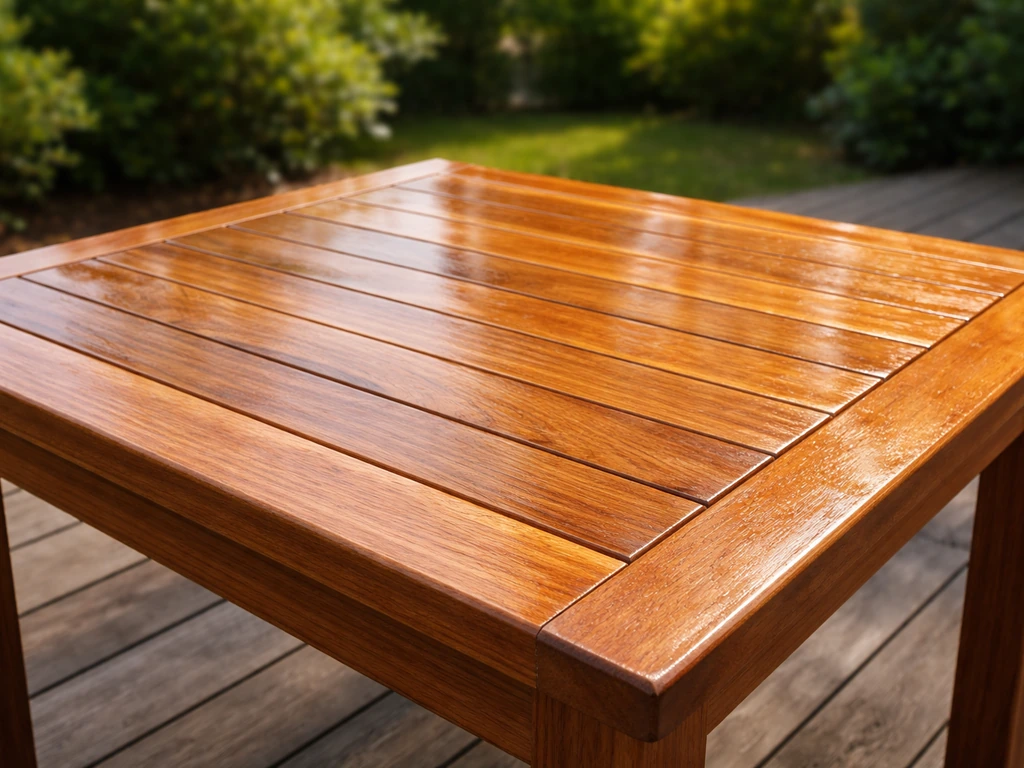
Choose the best outdoor varnish for patio furniture with UV, weather, wood type, prep, coat, cure, and maintenance guida
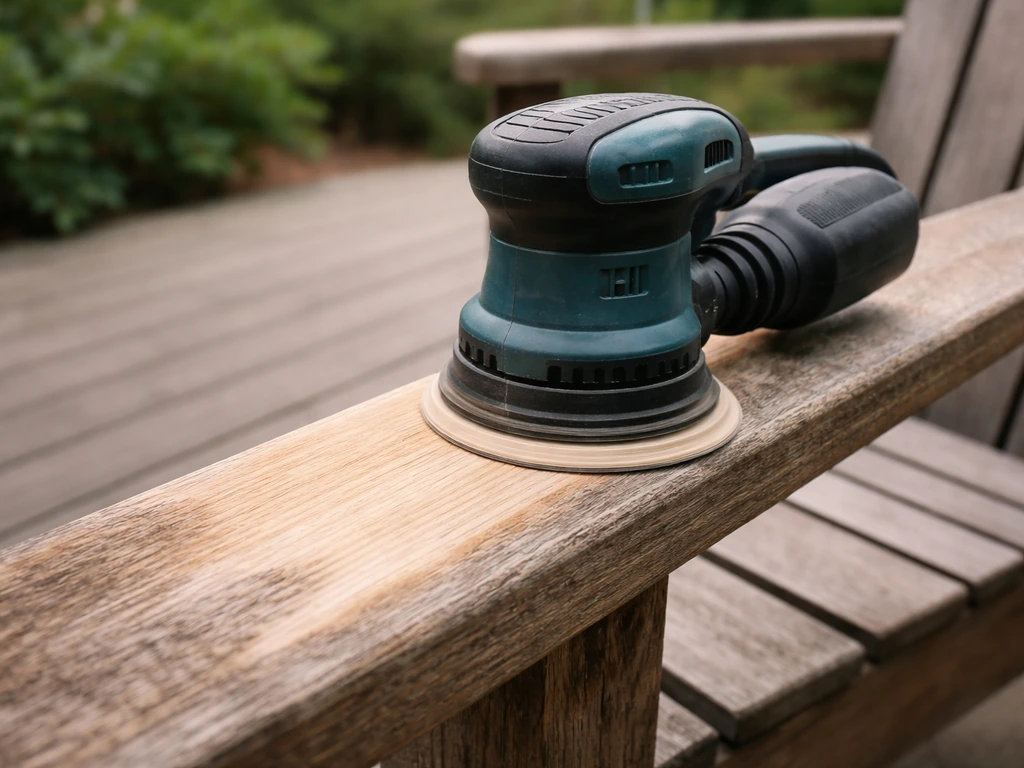
Choose the best sander for patio furniture with grit plans, pad types, rust and dust tips, plus outdoor refinishing step