The best paint for plastic patio furniture is a spray formulated specifically for plastics, such as Rust-Oleum Specialty Paint for Plastic or a dedicated plastic primer paired with a quality exterior spray paint. For most common patio plastics like polypropylene (PP) resin chairs and HDPE Adirondacks, a two-step system works best: an adhesion promoter or plastic-specific primer, followed by an exterior spray topcoat. Generic latex or acrylic wall paint will peel off plastic within one season no matter how well you prep, so the paint type matters more than almost anything else here. Best patio furniture paint depends on the type of plastic you have and how well it is prepped, so adhesion is the real deciding factor.
Best Paint for Plastic Patio Furniture: What Works

Theo Tierney
12 May 2026
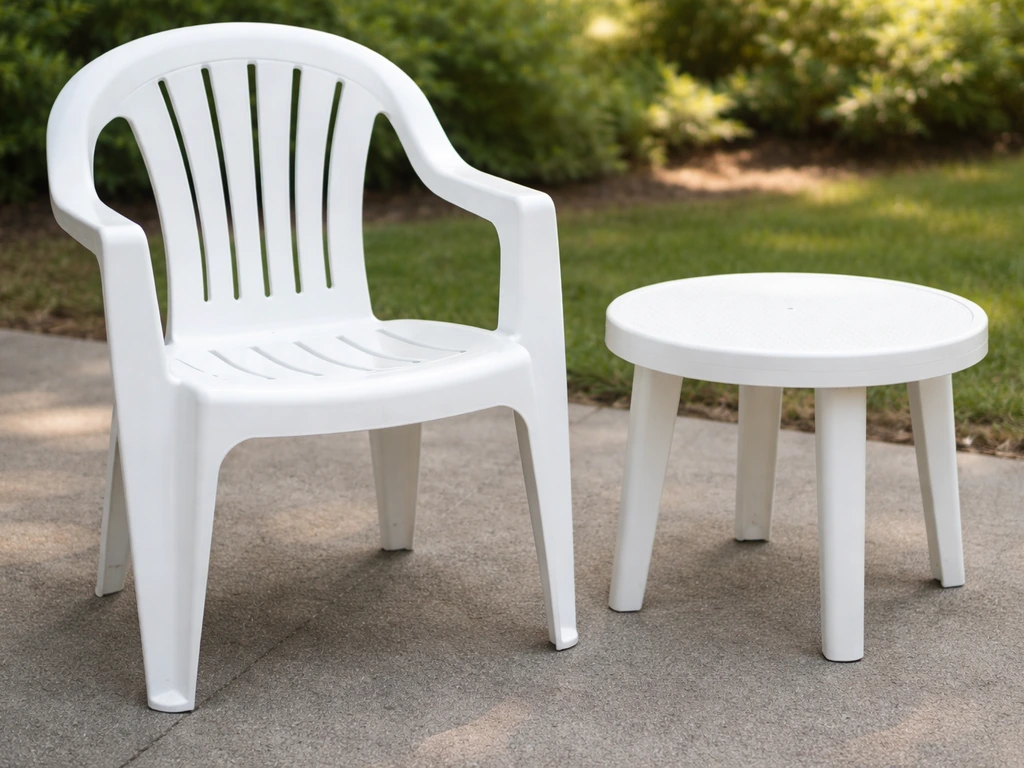
Identify your plastic type and condition first
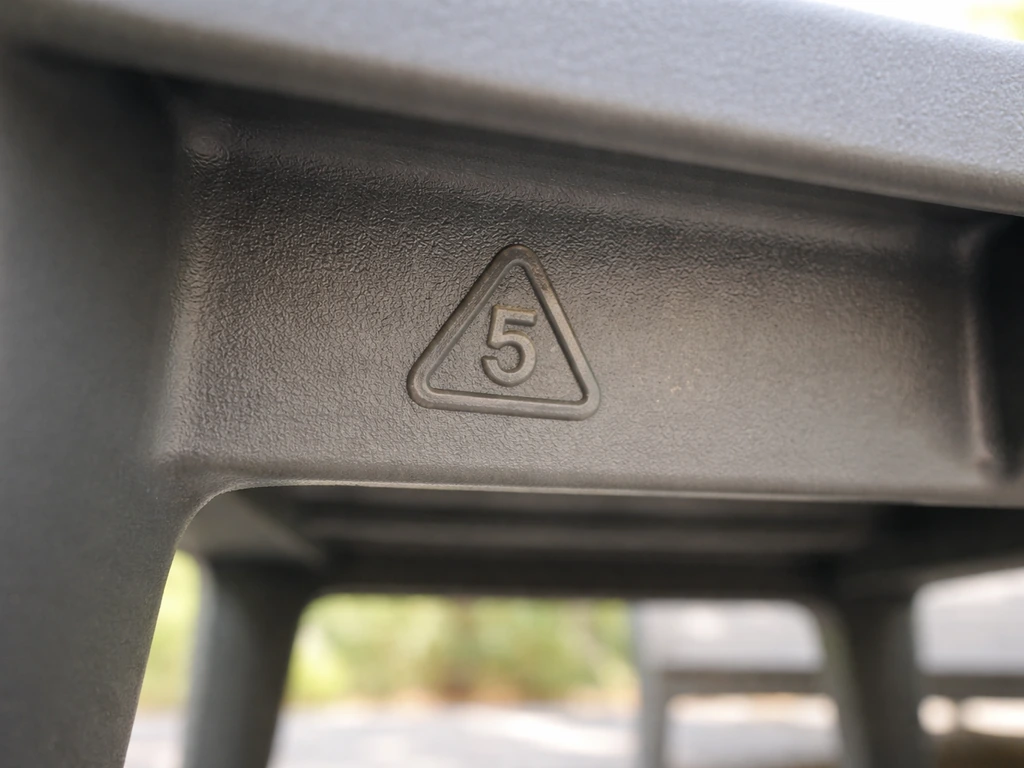
Before you buy a single can of paint, flip your furniture over and look for a molded triangle symbol with a number inside. That is the Resin Identification Code (RIC), and it tells you exactly what you are working with. The most common codes you will see on patio furniture are #2 (HDPE, used in Adirondack-style chairs and tables), #3 (PVC, common in some lightweight stacking chairs), and #5 (polypropylene or PP, the workhorse resin in most molded resin patio sets). PP and PE are what the paint industry calls low-surface-energy plastics, meaning paint has almost nothing to chemically grip onto without help. HDPE is similarly slick. Knowing this upfront tells you that an adhesion promoter is not optional for most plastic patio furniture, it is the difference between a paint job that lasts three years and one that peels by fall.
Condition matters just as much as plastic type. Run through this quick assessment before deciding on your approach. New, unweathered plastic with a factory sheen needs the most prep because the surface is densest and most non-porous. Lightly weathered or scuffed plastic actually accepts paint better since UV exposure and abrasion have already broken down the top layer. Heavily chalked or faded plastic needs a good clean and light sanding to remove the degraded surface before anything else. The next step, once you have scuffed or chalked plastic, is choosing the best sander for patio furniture so you remove the degraded surface without overdoing it. Peeling from a previous paint job requires stripping the loose material back to bare plastic, otherwise new paint will lift right along with the old.
Best paint types for plastics (and when to choose each)
Not all exterior paints behave the same on plastic, and the category of paint you pick determines the outcome more than the brand name on the can. Here is how the main options stack up for outdoor plastic furniture specifically.
| Paint Category | Best For | Key Trade-off | Ideal Climate |
|---|---|---|---|
| Specialty plastic spray paint (e.g., Rust-Oleum Specialty Paint for Plastic, SPC-25) | PP/resin chairs, HDPE pieces, full color refreshes | Limited color range, needs still air to apply | All climates |
| Plastic primer + exterior spray topcoat | Any plastic type, maximum color flexibility | Two-product system, longer process | All climates, especially high UV or humid |
| Multi-surface exterior paint + primer combo (brush/roller) | Large flat surfaces like tabletops, touch-ups | Less durable on flexible or curved plastic | Moderate climates, low UV |
| Adhesion promoter + automotive acrylic urethane | HDPE, PP, any difficult low-energy plastic | Higher cost, more complex application | High UV (desert/Southwest), coastal salt air |
Rust-Oleum's Specialty Paint for Plastic is a modified alkyd formulation, not a standard acrylic latex, which is exactly why it bonds where wall paint fails. For most homeowners doing a budget refresh on molded resin chairs, a single can of this product handles both adhesion and color in one step. If you want a wider color selection or are dealing with particularly stubborn PP furniture, go with the two-step system: Rust-Oleum Specialty Plastic Primer Spray as the base, then any compatible exterior spray in your color of choice. For coastal or high-humidity environments like Florida or the Gulf Coast, pairing an adhesion promoter with a UV-resistant topcoat is worth the extra step because the combo resists both moisture intrusion and UV-driven chalking better than a single-product solution.
Surface prep that makes paint actually stick
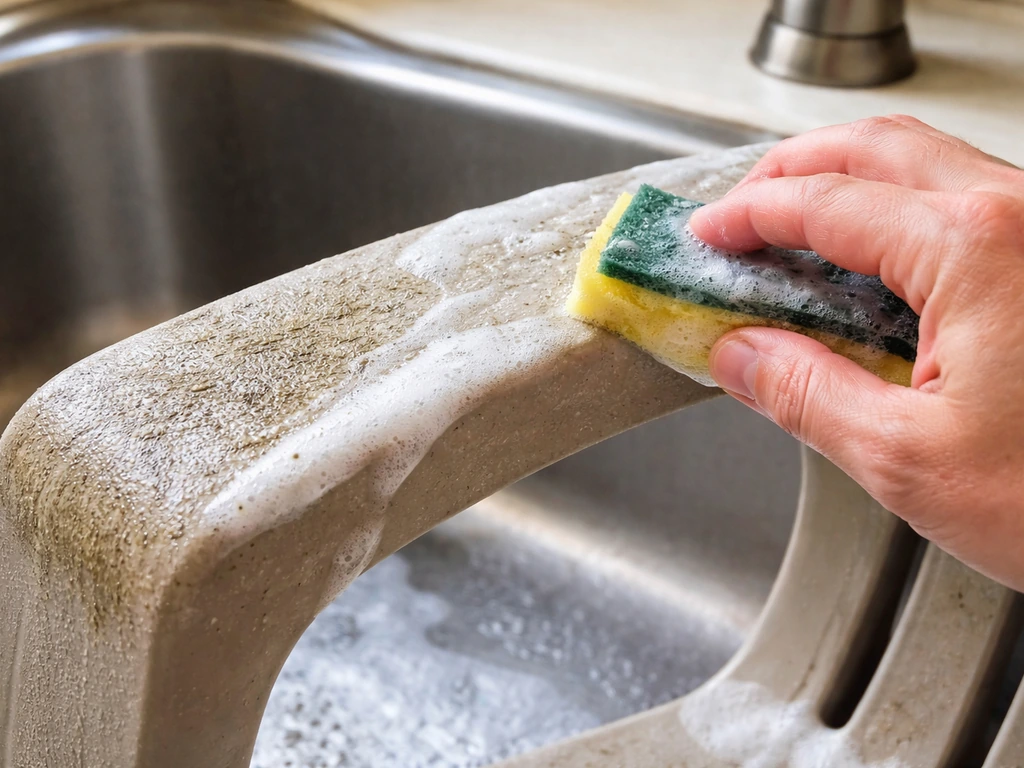
Prep is where most DIY paint jobs on plastic fail. It is genuinely the most important part of this whole process, and it only takes an extra 30 minutes. Skip it and you will be redoing the job in six months.
- Wash thoroughly with dish soap and warm water to remove surface dirt, bird droppings, and residue. Rinse well.
- Degrease with isopropyl alcohol (70% or higher) or a dedicated wax-and-grease remover wiped on with a clean lint-free cloth. This removes sunscreen, cooking oils, and skin oils that are invisible but wreck adhesion.
- Sand lightly with 320 to 400 grit sandpaper to scuff the surface and create mechanical tooth. For PP furniture specifically, PPG's professional procedure calls out this grit range as optimal. You are not trying to remove material, just dulling the sheen. On textured or embossed plastic, a gray scuff pad works better than sandpaper in the recesses.
- Wipe off all sanding dust with a clean, damp cloth, then wipe again with isopropyl alcohol to remove any remaining residue.
- Inspect and repair cracks or deep gouges. Small cracks can be stabilized with a plastic-compatible epoxy filler before painting. Trying to paint over active cracks without repair just locks them in and makes them more visible.
One thing to avoid: do not wet-sand plastic patio furniture or leave it damp before priming. Water trapped in pores or seams causes bubbles and adhesion failures once you apply solvent-based primers over them. Let the piece dry completely in a shaded spot for at least an hour after the final wipe-down before moving to primer.
Primers and adhesion promoters for plastic patio furniture
Here is where the chemistry gets real. Standard primer does not solve the low-surface-energy problem on PP and HDPE. Standard primer assumes a porous or mechanically rough substrate, but polypropylene is neither. What you actually need is either a dedicated plastic primer (which contains adhesion-promoting chemistry built in) or a standalone adhesion promoter applied as a tie coat before primer and color.
Rust-Oleum Specialty Plastic Primer Spray (SPC-26) is the easiest consumer option. It is formulated for PP, polystyrene, resin, PVC, fiberglass, and vinyl, which covers essentially all residential patio furniture plastics. Apply it in a thin, even coat and let it dry to touch in 20 to 30 minutes, with full handling time at one hour. You can topcoat with an oil-based finish after that one-hour mark or wait the full 24 hours for complete cure before applying a waterborne topcoat.
For more difficult substrates or when you want maximum adhesion before a custom color topcoat, a standalone adhesion promoter like U-POL GRIP#4 is worth considering. These products work as a tie coat between the bare plastic and your primer or color layer. The application process is specific: after applying GRIP#4, allow a flash time of approximately 10 minutes at 68°F (20°C) before applying your next coat. Do not skip the flash time or apply color over a wet promoter coat, as this prevents proper chemical bonding. Similarly, products like U-POL S2003 are designed specifically as adhesion promoters for difficult plastic substrates and work on the same principle.
A note on what not to do: do not substitute a general-purpose sandable primer or a wood primer for a plastic-specific product. Sherwin-Williams automotive guidance explicitly identifies non-polar plastics like PP and PE as difficult to bond and requires adhesion promoters to bridge the gap. That advice holds just as much for your patio chair as it does for an automotive bumper made from the same resin.
Application method: spray vs brush/roller, plus ideal weather
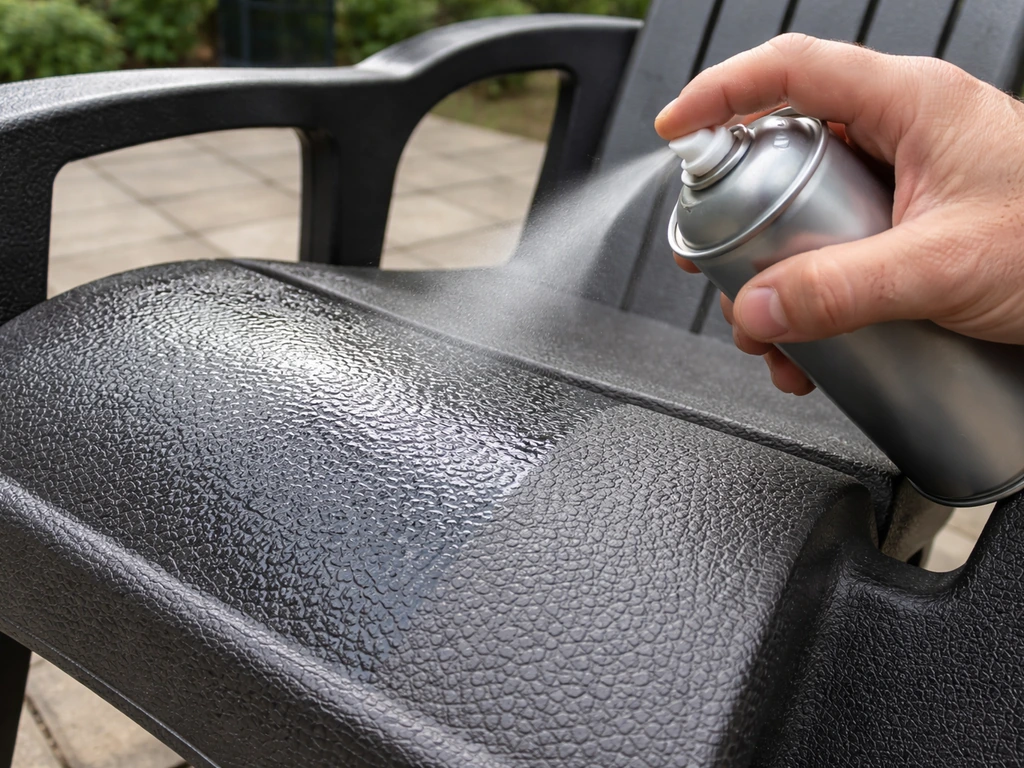
Spray is almost always the better choice for plastic patio furniture, and here is why: most plastic furniture has a textured or contoured surface that rollers miss and brush strokes telegraph badly on. Spray gives you a thin, even film that conforms to the texture without pooling. It also reduces the mechanical stress on the paint film during application, which matters because fresh paint on slick plastic needs every advantage it can get before it cures.
The technique matters. Hold the can 10 to 12 inches from the surface and use overlapping passes at a steady speed. Thin coats are the rule, not the exception. Two or three thin coats will outperform one thick coat every time on plastic, because a thick coat traps solvent, dries unevenly, and is far more prone to bubbling and wrinkling. Let each coat flash off (usually 10 to 20 minutes) before applying the next.
Brush and roller application is acceptable for large flat surfaces like tabletops, especially if you are using a multi-surface exterior paint for a touch-up rather than a full refinish. Use a foam roller for the smoothest finish, and always back-brush edges and corners where rollers leave excess material. Expect a slightly more textured finish compared to spray.
Weather conditions are not optional considerations, they are the difference between a paint job that cures correctly and one that fails immediately. Rust-Oleum's own technical data for their Specialty Plastic Primer Spray specifies a temperature window of 50 to 90°F and relative humidity below 65%. For spray paint generally, working between 45 and 80°F with a 2 to 3 day clear weather window ahead is the practical standard. High humidity (above 65 to 70%) slows solvent evaporation and can cause the finish to blush or stay tacky. Wind is a two-edged problem: light air movement helps drying, but anything more than a gentle breeze causes overspray drift and uneven film buildup. Paint in the shade or on a cloudy day if possible. Direct sun heats the plastic surface, which causes the topmost layer to skin over before the bottom layer dries, trapping solvents and causing bubbles.
Drying/curing, topcoat choices, and finish selection
Dry time and cure time are two different things, and confusing them is a common reason paint jobs fail. At 70 to 80°F and 50% relative humidity, Rust-Oleum Specialty Paint for Plastic (SPC-25) is touch-dry in about 30 minutes and handleable in 1 to 2 hours. However, the recoat window is narrow: you need to apply additional coats within 1 hour or wait at least 48 hours. Apply a second coat after 1 hour and the paint is still soft enough to bond. Apply it at hour three and you risk intercoat adhesion failure. Set a timer.
Full cure on most plastic-compatible spray paints takes 5 to 7 days, sometimes longer in cool or humid weather. During that window, handle the furniture gently. Do not stack chairs, do not put cushions on freshly painted surfaces, and do not clean with anything abrasive. The paint film looks done but is still cross-linking and hardening at a molecular level.
On finish selection: satin is the practical sweet spot for outdoor plastic furniture. If you want more of a clear protective finish instead of paint, choose the best varnish for patio furniture to better shield the surface from UV and moisture. For many homeowners, choosing a satin finish is often the best finish for wood patio furniture because it balances durability with a natural look. Gloss shows every surface imperfection, every brush stroke, and every dust particle that lands while the paint is wet, and it tends to look faded faster when UV hits it. Flat and matte finishes hide prep work better but are harder to clean and more porous, which lets moisture and mildew establish faster in humid climates like the Southeast or Pacific Northwest. Satin gives you a cleanable, durable surface with a low-sheen appearance that reads as close to factory quality as you can get on a repainted piece.
If you want extra longevity, especially for furniture in high-UV environments like Arizona, Southern California, or anywhere that gets intense afternoon sun, apply a clear UV-protective topcoat over the color layer once it has cured for 48 hours. A UV-resistant exterior clear coat extends the color life significantly by absorbing the radiation before it reaches the pigment layer. This is the same principle behind choosing UV-protective treatments for wood and metal outdoor furniture. For wood patio furniture, the same idea applies: use the best sealer made for outdoor wood to help resist UV damage and moisture UV-protective treatments for wood and metal outdoor furniture.
Common failure fixes (peeling, bubbles, tacky paint)
If you are dealing with a paint job that has already gone wrong, here is how to diagnose and fix the most common problems.
- Peeling in sheets or flakes: This almost always means the adhesion promoter step was skipped or the surface was not properly degreased. Strip the peeling paint completely using a plastic-safe paint stripper or careful mechanical scraping (avoid metal scrapers that gouge the surface), re-prep from scratch, and start with an adhesion promoter this time. There is no shortcut fix for peeling from a contaminated substrate.
- Bubbles under the paint film: Usually caused by trapped solvents from applying too thick a coat, painting in direct hot sun, or painting over a damp surface. Sand the bubbled area back to the plastic, let the piece dry completely in shade, and reapply in thin coats under appropriate temperature and humidity conditions.
- Tacky or never-fully-drying paint: This is a humidity and temperature problem 90% of the time. High humidity or temperatures below 50°F prevent solvents from evaporating properly. If the piece is still tacky after 48 hours, move it to a warm, dry, well-ventilated space. If it stays tacky indefinitely, the paint may have been applied over contamination (silicone, sunscreen residue) and will need to be stripped and redone.
- Wrinkling or crinkling of the topcoat: Caused by applying a second coat too soon over a partially dry first coat. The trapped solvent in the first coat expands under the new layer and pushes it up. Sand smooth, let cure fully, and apply a light skim coat in a single thin pass.
- Fish-eye (pinholes or craters in the surface): Silicone contamination, usually from spray lubricants or sunscreen on the furniture surface. Strip and degrease completely, including a final wipe with a wax-and-grease remover, before repainting.
Maintenance and longevity: cleaning and touch-ups
A properly done paint job on plastic patio furniture, with correct prep and the right products, realistically lasts 3 to 5 years in moderate climates before it needs a refresh. In high-UV environments or coastal salt air, expect the shorter end of that range, around 2 to 3 years before fading or minor chipping shows up. The maintenance habits you follow after painting make a meaningful difference in where you land on that spectrum. After painting, a quality car wax can help add an extra protective layer against UV and makes future cleaning easier.
For routine cleaning, use mild dish soap and water with a soft cloth or sponge. Avoid anything abrasive, including scrub pads, baking soda pastes, or pressure washers at close range. These all erode the paint film faster than UV exposure does. Do not use bleach-based cleaners on painted plastic regularly, they break down both the pigment and the film over time. For mildew or tough staining, a diluted white vinegar solution (1 part vinegar to 3 parts water) is gentler on the paint while still effective.
Touch-ups are possible and worth doing as soon as you notice small chips or scratches, before water gets underneath the paint edge and starts lifting the surrounding film. Clean and degrease the spot, rough it up lightly with 400 grit, apply a tiny bit of adhesion promoter if you have some left over, and spray or brush a thin coat of matching color. Feather the edges out rather than cutting off sharply. A small touch-up done immediately looks far better than a large repair needed six months later.
At the end of each season, wipe the furniture down, inspect for chips, and store it covered or indoors if possible. UV exposure during the off-season with no one using the furniture just burns through your paint life for nothing. A breathable furniture cover costs very little compared to repainting an entire set every two years. If you are in a climate with freezing winters, bring plastic furniture inside entirely, as freeze-thaw cycling stresses paint films on rigid plastic and accelerates cracking at edges and joints.
One last thing worth knowing: if your plastic furniture is in rough enough shape that you are debating whether to repaint or replace it, consider the condition of the plastic itself, not just the surface. If the piece is brittle, cracked through, or structurally compromised from UV degradation, paint will not fix that. Paint is a surface treatment, not a structural repair. A good paint job on sound plastic furniture, however, is genuinely worth doing and can extend the life of a set by years at a fraction of replacement cost.
FAQ
Can I paint plastic patio furniture over existing paint?
If you can see the old paint lifting, peeling, or creating a “lip,” treat it like peeling from a previous job. Strip or sand back until the remaining coating is firmly bonded to bare plastic, then apply a plastic-specific adhesion promoter (or plastic primer) before your topcoat. Painting over loose edges nearly always leads to rapid re-lifting.
Will a general-purpose primer or wood primer work for the best paint for plastic patio furniture?
No, not if the furniture is made from PP (polypropylene) or HDPE, which are low-surface-energy plastics. Even with good cleaning, you need a dedicated plastic primer or an adhesion promoter tie coat to create chemical bonding. General sandable primers and wood primers typically do not bridge this gap.
Is spray paint always better than brush or roller for plastic patio furniture?
You will usually get better results with spray, but foam-roller application can still work if you use thin coats and let them flash between layers. For best adherence, avoid rolling “wet” material repeatedly over slick areas, because it can create uneven film thickness that increases bubbling risk.
When can I clean or use my newly painted plastic patio furniture?
Yes, but only after full cure, not just touch-dry. If you do it too early, the cleaner can soften the fresh film and reduce intercoat bonding strength. Wait until the paint has cured at least 5 to 7 days (longer if you painted in cooler or humid weather), then start with mild soap and water.
How do I know whether I need sanding or just cleaning before priming plastic?
A helpful decision aid is to check whether the surface feels chalky or has a powdery residue after cleaning. If it does, you need to sand lightly to remove the degraded layer before priming, because primers adhere best to stable surface rather than loose chalk.
What should I do if I cannot find the resin identification code (RIC) on my plastic furniture?
If you are unsure of the resin ID, you can still choose the safer approach: plan for an adhesion promoter or plastic primer first, then an exterior topcoat. The adhesion step is the universal insurance policy for unknown PP/PE/PVC blends.
Is satin always the best finish, or can I use matte or gloss on outdoor plastic furniture?
For PP and HDPE, matte can look great but can be harder to keep clean outdoors because it tends to be more porous. Satin is the usual “best practice” compromise, and you can also add a clear UV-protective topcoat after cure in high-sun areas to reduce fading.
What happens if I skip the flash time after applying an adhesion promoter?
Skipping flash time is a common failure point with adhesion promoters. Apply the promoter in the recommended thin coat, then respect the flash time (around 10 minutes at typical room temperature, per many consumer products) so the surface chemistry is ready for the next coat, not sealed in a wet layer.
Can I wet-sand plastic patio furniture or prime immediately after wiping it down?
It is a mistake for two reasons: trapped water can cause bubbles, and leaving the plastic damp can interfere with primer bonding and proper solvent evaporation. Let the piece dry fully in shade after the final wipe, and only prime when it feels completely dry with no cool, damp spots.
Can I switch between different brands or between oil-based primer and waterborne topcoat?
Typically, yes, as long as you stay within the paint system compatibility. Use a compatible exterior spray topcoat and confirm it is intended for plastic or matches the base chemistry. If you’re switching from an oil-based system to a waterborne topcoat, wait the full cure window, then do a small test spot first.
Why do pressure washers and abrasive cleaners cause premature peeling on painted plastic?
Avoid pressure washing near the surface, and especially avoid blasting edges and texture. The paint film is still forming during cure, and aggressive cleaning can create micro-gaps that start peeling later. Use gentle soap and water with a soft sponge for the life of the coating.
What should I do if my plastic patio furniture paint stays tacky after curing?
If the painted surface is tacky for more than a day, check humidity, temperature, and whether coats were too thick. Also confirm you stayed within the recoat window, because missed timing can lead to poor intercoat bonding and persistent tack. In many cases, the fix is to let it fully harden, then lightly scuff and recoat with the correct sequence.
Next Articles
Best Finish for Wood Patio Furniture: Choose and Apply
Pick the best outdoor wood finish for patio furniture by wood type and weather, with prep, coats, curing, and maintenanc
Best Patio Furniture Paint: Choose, Prep, and Apply for Durability
How to pick and apply the best patio furniture paint for wood, metal, wicker, composite, with prep, protection, and main
Common Patio Furniture Wood: Best Choices, Care & Tips
Compare common patio furniture wood types, teak, cedar, redwood, oak, with durability, finishes, and care tips.