
For most outdoor patio furniture, spar urethane (also called spar varnish) is the best varnish choice. For plastic patio furniture, the best paint is one that bonds to plastic and can handle outdoor UV and weather exposure best paint for plastic patio furniture. It's built to flex with wood as it expands and contracts through heat and cold, it blocks UV, and it sheds water far better than standard interior varnish or polyurethane. Spar varnish (including modern spar urethane) is commonly intended for outdoor use where it needs resistance to UV, water, and heat or sun exposure while still flexing with the wood spar urethane (also called spar varnish) is built to flex and block UV and shed water. Products like Minwax Helmsman Spar Urethane and Varathane Ultimate Exterior Spar Urethane are widely available, genuinely durable, and forgiving enough for a homeowner to apply with a brush. If you're dealing with a boat dock or furniture that sits in direct rain and full sun year-round, step up to a true marine varnish like Epifanes. The rest of this guide will help you figure out exactly which product fits your situation, how to prep the wood properly, and how to apply it so it actually sticks.
Best Varnish for Patio Furniture: Pick the Right Outdoor Finish

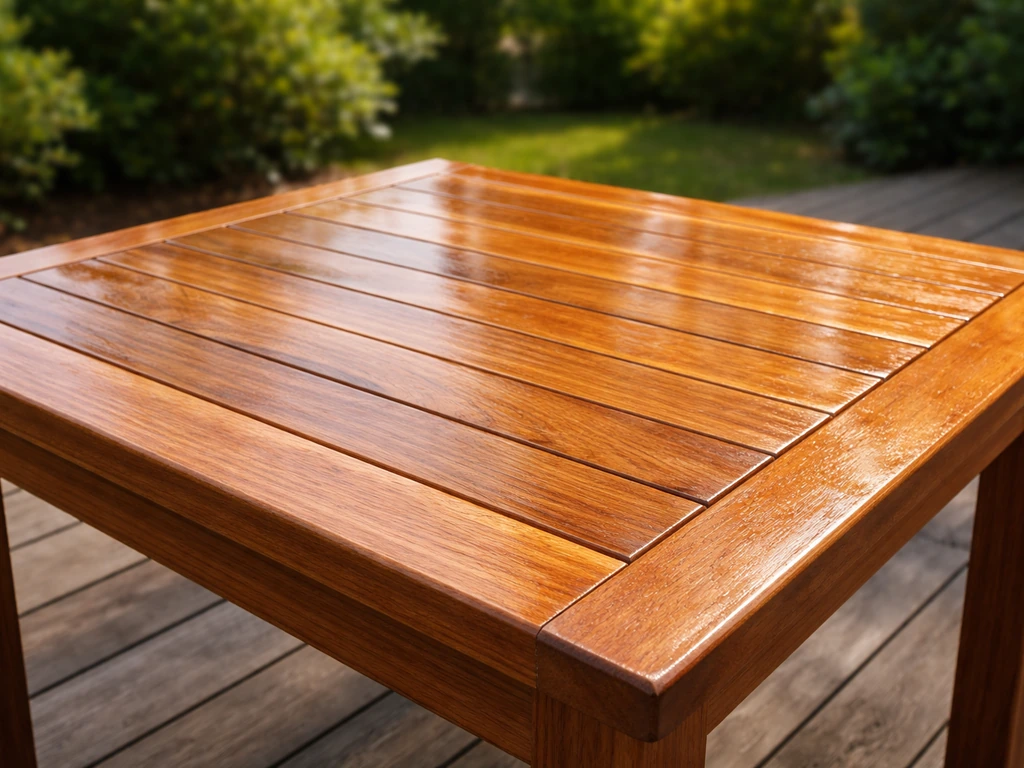
How to choose the right varnish type and finish for outdoor furniture
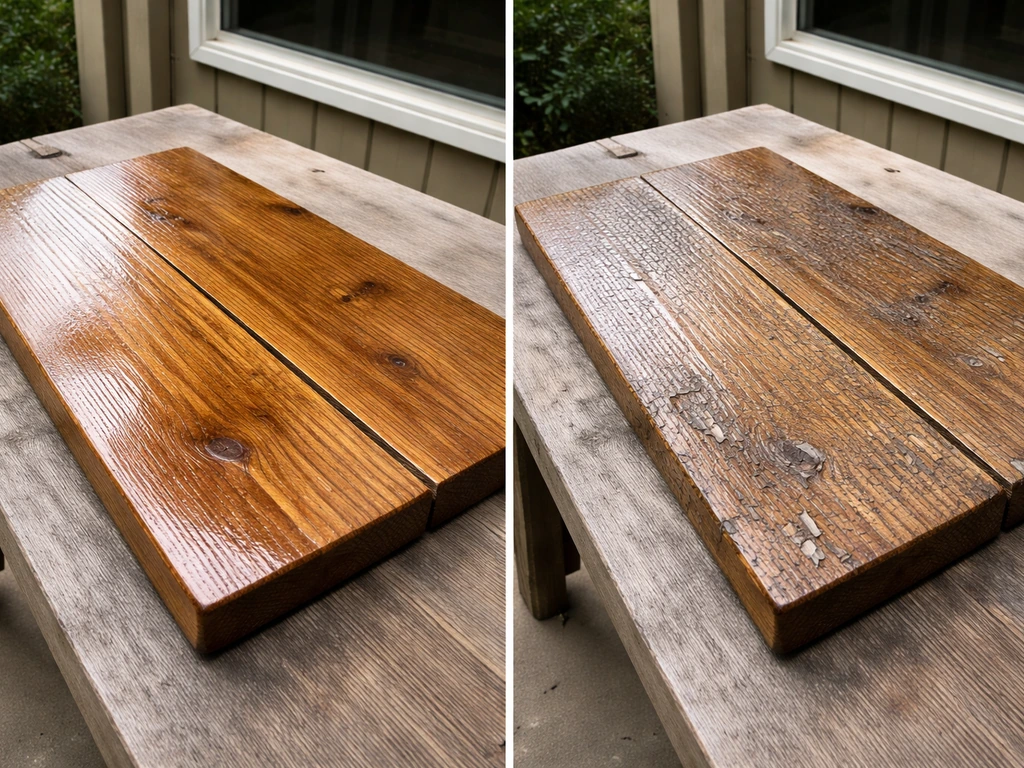
The most important thing to understand is that not all varnish is the same. Standard interior polyurethane is rigid and will crack and peel when wood expands in summer heat or contracts in a cold snap. Outdoor furniture needs a finish that moves with the wood. That's exactly what spar urethane and spar varnish are formulated to do. The term 'spar' originally referred to the wooden spars on sailing ships, which had to endure constant sun, water, and movement. The same logic applies to your teak bench or pine Adirondack chair.
When you're reading labels, look for three things: UV inhibitors (sometimes listed as UV absorbers or UV blockers), water resistance, and flexibility. Varathane's Ultimate Exterior Spar Urethane explicitly calls out expansion and contraction performance. Minwax Helmsman lists UV blockers to prevent sun graying. Those are the right claims to look for. If a label doesn't mention outdoor or exterior use, UV protection, or flexibility, it's almost certainly an interior product and it will fail on a patio within one season.
On finish sheen, gloss holds up better outdoors than satin or matte. A glossy surface sheds water more effectively and the higher resin content in gloss formulas typically offers stronger UV resistance. That said, gloss shows every brush mark and surface imperfection. Satin is a reasonable compromise for furniture that's partially shaded or used in lower-humidity climates. Matte finishes look great when fresh but tend to dull faster outdoors and require more frequent recoating.
| Finish Type | Best For | Durability Outdoors | Maintenance Frequency |
|---|---|---|---|
| Spar Urethane (oil-based) | Full sun, rain, temperature swings | Excellent | Every 1-3 years |
| Spar Urethane (water-based) | Partial shade, lower UV climates | Good to Very Good | Every 1-2 years |
| Marine Varnish (e.g., Epifanes) | Extreme sun, salt air, heavy rain | Excellent to Outstanding | Annually (more coats) |
| Standard Exterior Polyurethane | Covered porches, minimal sun | Moderate | Every 1-2 years |
| Penetrating Oil (e.g., GF Outdoor Oil) | Bare or aging wood, easy refresh | Moderate | Every 6-12 months |
Wood type and condition: prep before you open the can
The varnish you pick matters far less than the prep work you do before applying it. I've seen expensive marine varnish peel off a teak table in one season because the wood wasn't properly cleaned. Get the prep right and almost any quality spar urethane will last.
Know your wood species
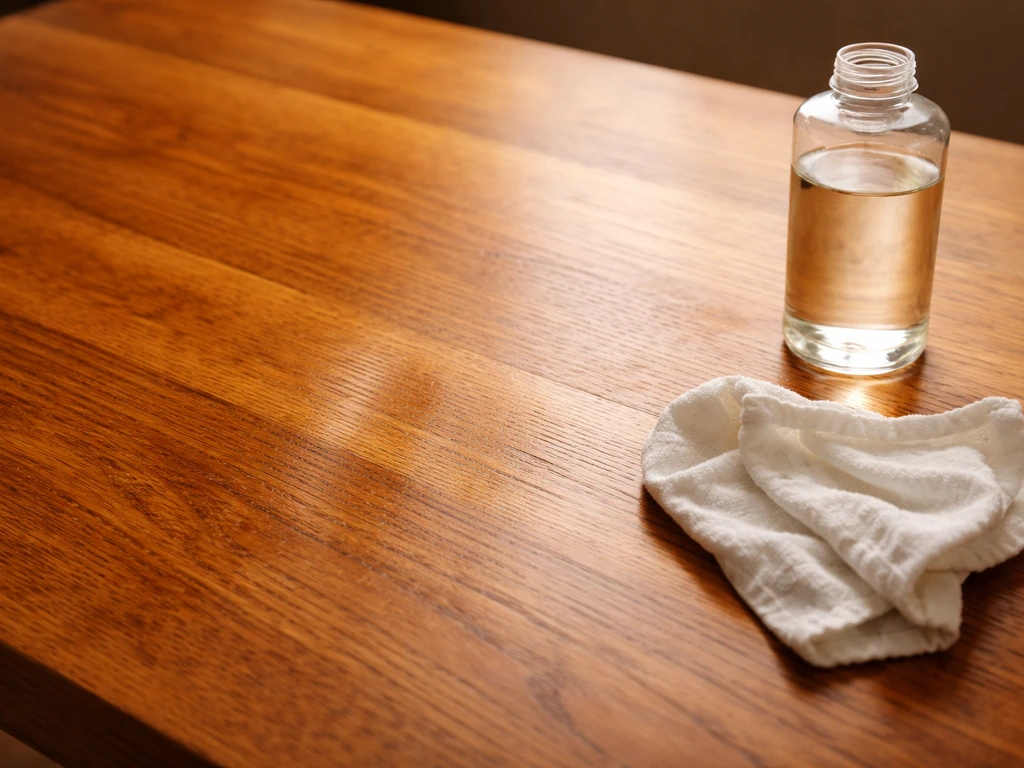
Teak and ipe are oily, dense hardwoods. The natural oils in these species resist adhesion, which means varnish will peel if you skip the degreasing step. Before applying any film finish to teak or ipe, wipe the surface with a rag dampened with mineral spirits or a dedicated teak cleaner, then let it dry for at least 24 hours. For pine, cedar, and other softwoods, the bigger issue is grain raising and resin bleed. Sand these woods thoroughly, starting around 80-grit if the surface is rough and finishing at 120-grit, and wipe off all dust before applying your first coat.
Dealing with mold, mildew, and weathered gray wood
If the wood has gone gray and fuzzy from UV exposure and moisture, you can't just sand it and varnish over it. You need to treat it with a wood brightener or oxalic acid-based cleaner first. These products restore the natural color and open the grain for better finish adhesion. Apply the cleaner, scrub with a stiff brush, rinse thoroughly, and let the wood dry completely, ideally 48 hours in dry weather. Mold and mildew spots need a diluted bleach wash (one part bleach to three parts water) before the brightener step, otherwise you're sealing the spores under the finish.
Sanding and surface repairs
For bare or stripped wood, sand progressively: start at 80-grit if there's old finish or rough grain, move to 120-grit, and finish at 150-grit. Don't go finer than 180-grit on outdoor wood destined for varnish, because too-smooth a surface can actually reduce adhesion. Fill any checks (small surface cracks) or splits with a flexible exterior wood filler before you varnish. Rigid fillers will crack open again through seasonal movement. Sand the filler flush once dry and feather the edges into the surrounding wood.
Matching your varnish to your climate
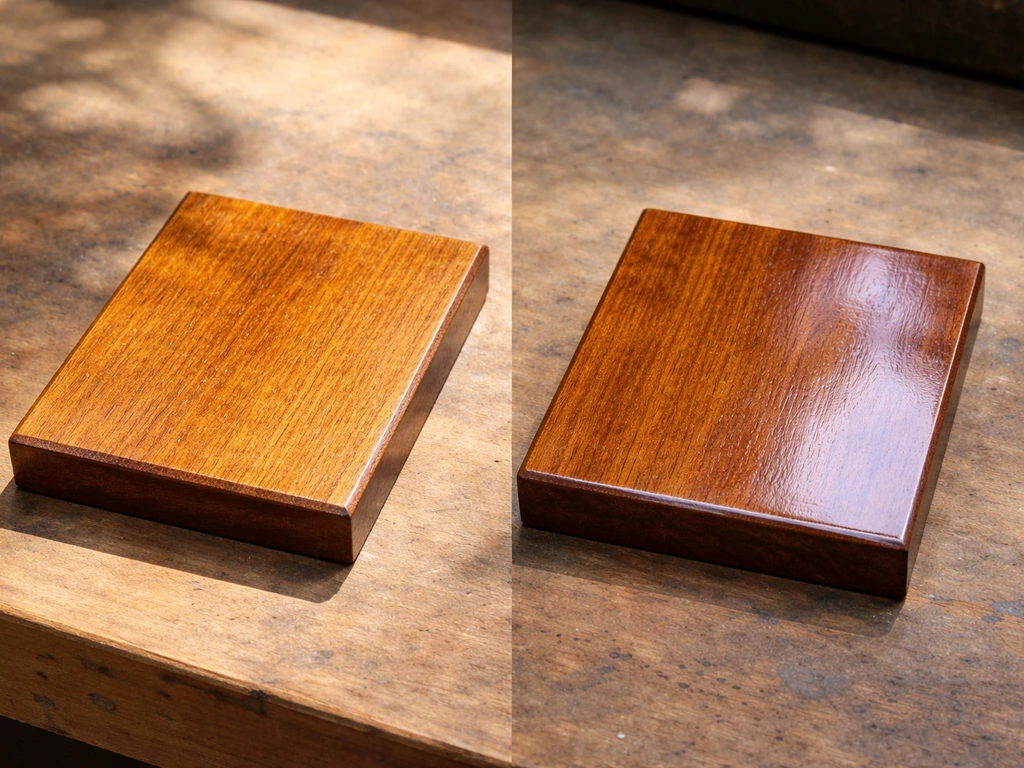
Climate is honestly one of the most underrated factors in this decision. The same product that lasts three years in Seattle might need recoating every year in Phoenix or Miami. Here's how to think about it by region.
- High UV, hot and dry (Arizona, Nevada, inland California): UV degradation is your primary enemy. Use an oil-based spar urethane in gloss, apply a minimum of three coats, and expect to inspect and spot-recoat annually. The Varathane Ultimate Exterior formula handles UV and expansion/contraction well in these conditions.
- Hot and humid with heavy rain (Florida, Gulf Coast, Southeast): Moisture and mildew are the main threats alongside UV. Look for a spar urethane that lists mildew inhibitors, or follow up with a topcoat formulated for high-humidity environments. General Finishes Outdoor Oil includes mildew inhibitors and works well as a base treatment before a film topcoat.
- Salt air (coastal regions, beachfront properties): Salt accelerates degradation of almost every finish. This is where a true marine-grade varnish like Epifanes earns its price premium. The advanced UV absorbers and above-waterline water resistance are genuinely necessary here, not just marketing.
- Cold winters with freeze-thaw cycles (Midwest, Northeast, mountain regions): Flexibility is critical. Oil-based spar urethane handles freeze-thaw better than water-based formulas in most cases. Store furniture inside if possible, or apply a heavier build (3-4 coats) before winter and expect to lightly sand and recoat in spring.
- Shaded or covered patios: You have the most options here. Even a water-based spar urethane or a quality exterior polyurethane will hold up reasonably well when the furniture isn't in direct sun and rain. You can also consider a penetrating oil finish, which is easier to maintain even if it needs more frequent refreshing.
Compatibility with existing finishes: strip it or coat over it?
This is where a lot of people make expensive mistakes. The rule is simple: if the existing finish is intact, clean, and the same basic chemistry, you can often top-coat without stripping. If it's peeling, flaking, or a different chemistry, strip it down to bare wood first.
When you can top-coat
If the furniture has an existing spar urethane that's still firmly adhered but looks dull or has minor surface wear, you're in luck. Lightly sand the entire surface with 220-grit sandpaper to scuff it, wipe away all dust, and apply one or two fresh coats of the same product line if possible. Sticking with the same brand and formula reduces compatibility risk. Minwax Helmsman over Minwax Helmsman, Varathane over Varathane, that sort of thing.
When you need to strip
Peeling, bubbling, or flaking finish cannot be top-coated. Putting fresh varnish over failing old varnish just traps the problem and you'll be dealing with the same peeling again in months. Strip completely using a chemical stripper or aggressive sanding, then follow the full bare-wood prep process. You'll also want to strip if you're trying to switch from an oil-based finish to a water-based one or vice versa, because the two chemistries don't always bond reliably to each other. If the furniture was previously painted or stained, check the stain type: a penetrating oil stain can usually be top-coated with spar urethane once fully cured, but a solid-color stain (essentially paint) needs to be removed or treated as a painted surface.
If you're unsure whether the existing finish is compatible, do a small test: apply a thin coat of your intended varnish to a hidden area, let it fully cure (at least 72 hours), then try to flex or scratch it. If it lifts, you need to strip. This 10-minute test can save you hours of rework.
Top picks by situation
I'll give you a direct recommendation for each of the common scenarios rather than hedging with 'it depends.' These are the products I'd reach for based on how they actually perform outdoors.
Bare wood, general outdoor use
Minwax Helmsman Spar Urethane (oil-based, gloss) is the most practical starting point for most homeowners. It's widely available at hardware stores, genuinely contains UV blockers, handles temperature changes, and is straightforward to apply. A good place to start is with a spar urethane product like the ones recommended below for different outdoor conditions best sealer for wood patio furniture. Use the oil-based formula over water-based if the furniture will be in full sun. Apply three coats minimum, thinning the first coat by about 10% with mineral spirits so it penetrates the wood fibers and bonds well.
Previously varnished furniture needing a refresh
If the existing finish is intact and just tired-looking, Varathane Ultimate Exterior Oil-Based Spar Urethane is an excellent choice for the recoat. Its modified polyurethane formula bonds well over existing cured finishes, and the UV and weather protection claims are backed by real formulation differences, not just marketing. Sand with 220-grit, clean thoroughly, and apply two fresh coats.
High-exposure, marine-grade protection
For coastal properties, furniture that lives outside year-round in full sun, or anything near a pool, Epifanes Clear Varnish is the benchmark. It's more demanding to apply correctly (more coats, stricter dry time windows) and costs more per quart, but the combination of advanced UV absorbers and serious water resistance above the waterline genuinely justifies the investment. Plan for five to eight coats on bare wood, which sounds like a lot but each coat is thin and the build-up is what makes this product extraordinary.
Easy-care option for aging or oily hardwoods
If you're dealing with older teak, ipe, or similar oily tropical hardwoods and you'd rather do light annual maintenance than strip and recoat every few years, General Finishes Outdoor Oil is worth considering as a base treatment. General Finishes Outdoor Oil is one option many people consider when comparing the best oil for patio furniture. It penetrates rather than forming a film, contains UV inhibitors and mildew inhibitors, and is much more forgiving to reapply than a film varnish. The tradeoff is that it won't give you the same surface protection or water beading as a spar urethane. For furniture that takes hard use or heavy rain, follow up the oil with a film topcoat once it's fully cured (at least 36 hours, per GF's own guidelines).
Application do's and don'ts
Getting the application right matters almost as much as picking the right product. The most common failure points are applying in bad conditions, not waiting long enough between coats, and brushing over dust or contamination.
Before you start
- Only apply varnish when temperatures are between 50°F and 90°F and humidity is below 70%. High humidity traps moisture under the finish and causes clouding or adhesion failure.
- Apply in shade or indirect light. Direct sun causes the surface to skin over too quickly, trapping solvent and creating bubbles.
- Wipe the surface with a tack cloth immediately before each coat. Dust nibs under varnish are practically impossible to fix without sanding back.
- Stir oil-based varnish gently, don't shake it. Shaking introduces air bubbles that end up in your finish.
Brush vs. spray vs. wipe
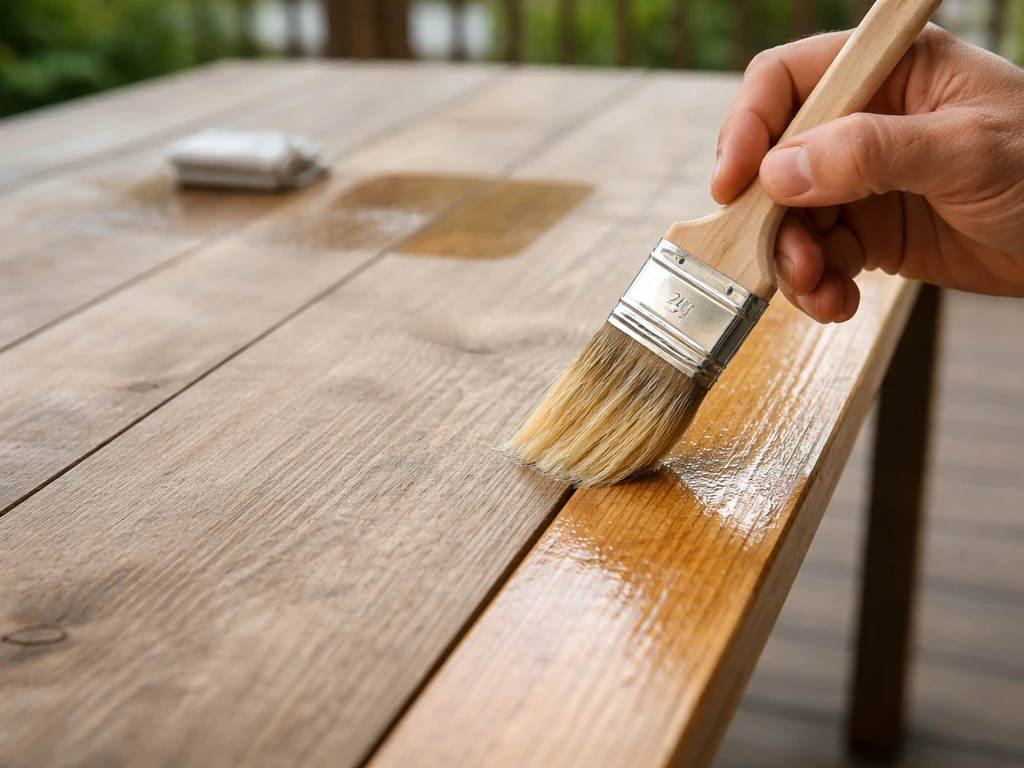
For most patio furniture, a quality natural-bristle brush (for oil-based products) or a synthetic brush (for water-based) gives you the most control and the best film build. If you want an opaque, color-stable finish instead of clear varnish, choosing the best patio furniture paint for your conditions will make the biggest difference. Use long, flowing strokes with the grain and don't overwork the varnish once it starts to tack up or you'll get drag marks. Spray application is faster and eliminates brush marks, but it requires thinning, multiple passes, and careful masking. It's worth doing if you have a lot of furniture to finish or complex carved pieces. Wipe-on application with a lint-free rag works well for penetrating oils and for thin topcoat refreshes, but doesn't build a thick enough protective film on its own for high-exposure situations.
Coat count and drying time
- Bare wood minimum: 3 coats of spar urethane. Thin the first coat 10% with the appropriate solvent to improve penetration and adhesion.
- High-exposure or marine use: 5-8 coats of marine varnish, sanding lightly between each coat after the first two.
- Between coats, sand lightly with 220-grit to remove dust nibs and improve inter-coat adhesion. Wipe clean before applying the next coat.
- Follow label dry times strictly. Most oil-based spar urethanes need 24 hours between coats in normal conditions. Rushing this causes the finish to wrinkle or peel.
- Full cure (hardness) takes 7-30 days after the final coat depending on temperature and humidity. Don't stack cushions or drag furniture across floors during this window.
Keeping the finish alive: recoat schedule and ongoing maintenance
A well-applied spar urethane on patio furniture isn't a set-it-and-forget-it situation, but the ongoing maintenance is genuinely easy if you stay ahead of it. If you're trying to choose the best finish for wood patio furniture, focus on a spar urethane-type coating matched to your sun exposure and climate. The mistake most people make is waiting until the finish is visibly failing before doing anything. By then, you're looking at a full strip-and-refinish job.
Inspect the furniture at the start and end of every outdoor season. Look for areas where the varnish has gone dull, chalky, or shows small cracks (called checking). These are early warning signs. If you catch them early, you can scuff-sand those spots, spot-apply one coat of varnish to the affected areas, and do a full light-sanding and single topcoat over the entire piece. This 'maintenance coat' approach typically takes an hour per piece and extends the life of a good finish by years.
For a rough schedule: in full-sun, high-UV climates, plan a light maintenance coat every one to two years. In shadier or milder climates, a good spar urethane finish can go two to three years between recoats. Marine varnish on coastal furniture should be inspected annually and lightly recoated every year in most conditions. For patio furniture, choose a product that is made for outdoor use and can handle UV exposure, moisture, and seasonal wood movement best car wax for patio furniture. Penetrating oils like the General Finishes Outdoor Oil need refreshing every six to twelve months depending on exposure, which is more frequent but faster to apply.
Between recoats, keep the furniture clean. Dirt and organic debris sitting on the surface hold moisture against the finish and accelerate breakdown. A mild soap-and-water wipe-down every few weeks during the season is all it takes. Avoid pressure washers on a varnished surface, the force can lift edges and drive water under the film. If you're storing furniture through winter, a furniture cover that breathes (not a sealed plastic tarp) protects the finish without trapping condensation. Get the prep, the product choice, and the first application right, and a quality spar urethane or marine varnish will keep your patio furniture looking genuinely good for years with only minimal upkeep. A great option to look for when shopping is a spar urethane made for outdoor use.
FAQ
Can I top-coat over existing varnish without stripping?
Yes, but only if the product chemistry matches well and the finish is still firmly adhered. If you want to top-coat, scuff-sand with 220 grit, clean thoroughly, and apply the same type (spar varnish over spar varnish). If the old film is peeling, soft, or chalky and lifting at the edges, top-coating will trap failure and you will need stripping.
How long should I wait between coats, and what if the varnish feels dry but is not cured?
Plan for at least 72 hours of cure before judging adhesion or doing any flex or scratch test, and longer if temperatures are cool or humidity is high. Recoating too soon can cause cloudy film, poor bonding, and premature peeling, even if the surface feels dry to the touch.
Is gloss always better than satin or matte for patio furniture varnish?
Gloss is usually the most water-shedding choice outdoors, but it can look uneven if brush marks and dust are left in the finish. If you need a compromise, choose satin for partially shaded furniture, and be consistent with sheen across all coats so you do not end up with a mottled look.
What should I do if the wood is gray and fuzzy before varnishing?
If your wood has gray, fuzzy areas, use a brightener or oxalic acid cleaner before varnishing. Do not rely on sanding alone because that only removes surface fibers and may not fully restore color or open the grain for adhesion.
How do I prep oily woods like teak so the varnish actually sticks?
For teak and other oily hardwoods, degreasing is not optional if you want long adhesion. Use mineral spirits or a dedicated teak cleaner, then let it dry at least a full 24 hours before you apply the first coat. Skipping this step is one of the fastest ways to get peeling.
What brush type and technique should I use to avoid brush marks?
Yes, but only on outdoor-appropriate finishes and only after the surface is clean and dry. Use a natural-bristle brush for oil-based varnish and a synthetic brush for water-based. Avoid loading too much varnish, keep a wet edge, and stop brushing once it starts to tack to reduce drag marks.
What weather conditions should I avoid when applying outdoor varnish?
Avoid painting or refinishing when condensation risk is high. If dew or rain is likely within 12 to 24 hours, postpone, because moisture trapped under the film can create cloudiness or soft spots. Also keep good airflow so the solvent or water can flash off between coats.
Can I switch from oil-based varnish to water-based varnish (or vice versa) without stripping?
If you are switching between oil-based and water-based products, stripping is strongly recommended. Even when it looks bonded, mismatched chemistry can lead to lifting at the edges and flaking later.
How can I tell whether I should recoat or strip my patio furniture?
Use the following decision aid: if the existing finish is firmly adhered and you can sand it without it turning gummy or powdery, you may be able to recoat. If it is peeling, flaking, or you cannot remove it with sanding without leaving loose film behind, strip to bare wood and restart the prep.
Is there a quick way to check varnish compatibility with an unknown existing finish?
Do a compatibility test in a hidden area and, after full cure (at least 72 hours), check for lifting or loss of adhesion when you flex or scratch. If it lifts, do not proceed on the whole piece, stripping will save time versus repeating coats.
How fine should I sand before applying spar urethane to outdoor wood?
Do not go too smooth. Stopping at 150 grit is a common target for outdoor varnished surfaces, and sanding finer than about 180 grit can reduce adhesion because you lose the surface profile the coating needs to bite.
What kind of filler should I use for cracks and checking on patio furniture?
If you are repairing checks or small cracks, use a flexible exterior wood filler. Rigid fillers tend to crack open with seasonal movement, which shows up as lines in the topcoat and can eventually lead to moisture getting under the film.
What is the best maintenance strategy to extend the life of a spar varnish finish?
For high sun and direct exposure, maintenance often means a light scuff and spot-application early, not waiting for visible failure. Look at the start of the season for dulling, chalking, and early checking, then scuff-sand and add a maintenance coat to those areas before they expand.
Can I use a pressure washer to clean patio furniture before re-varnishing?
Yes, cleaning frequency matters. Dirt and organic debris hold moisture against the finish and speed breakdown, so do a mild soap-and-water wipe-down during the season. Avoid pressure washers because the force can lift edges and drive water under the film.
When should I upgrade from spar urethane to marine varnish?
If you are in a coastal area or your furniture gets uninterrupted rain and intense sun, step up to a true marine varnish and expect more coats and more strict dry-time windows. Marine varnish is typically more demanding but offers stronger water resistance above the waterline.
Is an outdoor oil a better option than varnish for year-round maintenance?
If you want easier, more forgiving maintenance on oily tropical hardwoods, an outdoor oil can work, especially when you plan to refresh more often. Just know it will not bead water like a film finish, and for heavy rain exposure you should top it with a spar or exterior film once the oil fully cures.
Can I use wipe-on finishes or thinner coats to get the same protection as spar varnish?
If you want protection comparable to clear varnish, avoid relying on wipe-on products by themselves for highly exposed furniture. Wipe-on finishes are better for penetrating oils or thin refreshes, but they usually do not build enough film for full UV and moisture shielding outdoors.
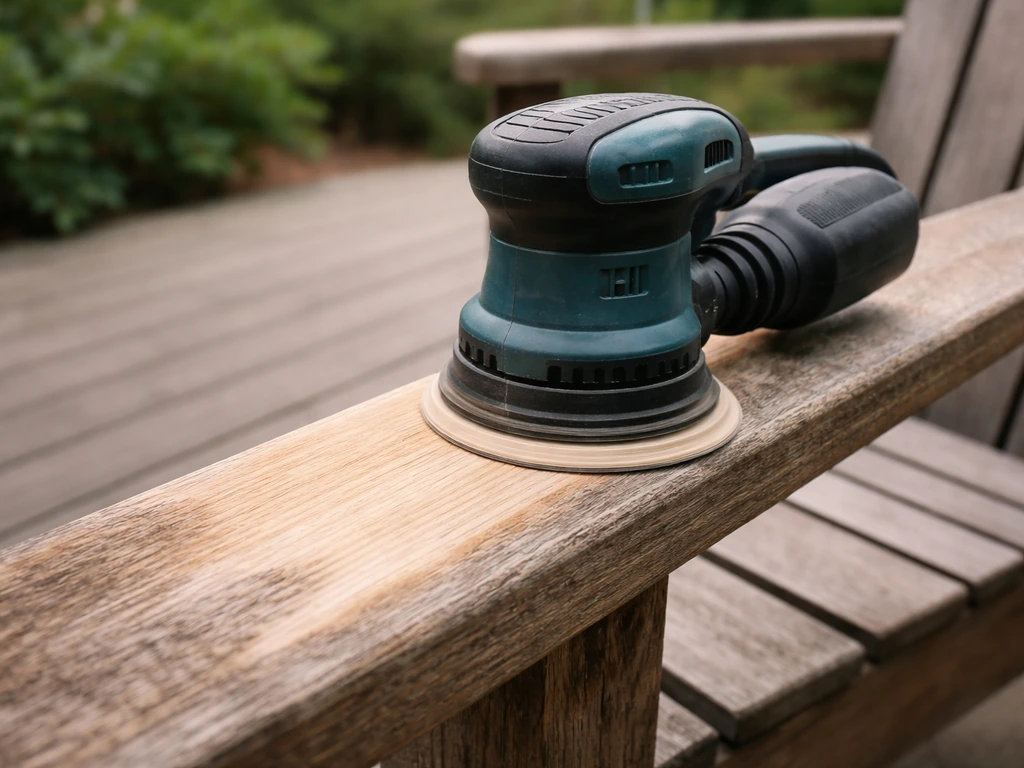
Choose the best sander for patio furniture with grit plans, pad types, rust and dust tips, plus outdoor refinishing step

Pick the best UV protection for patio furniture by material, prep, coats, and climate to prevent fading, cracking, and b
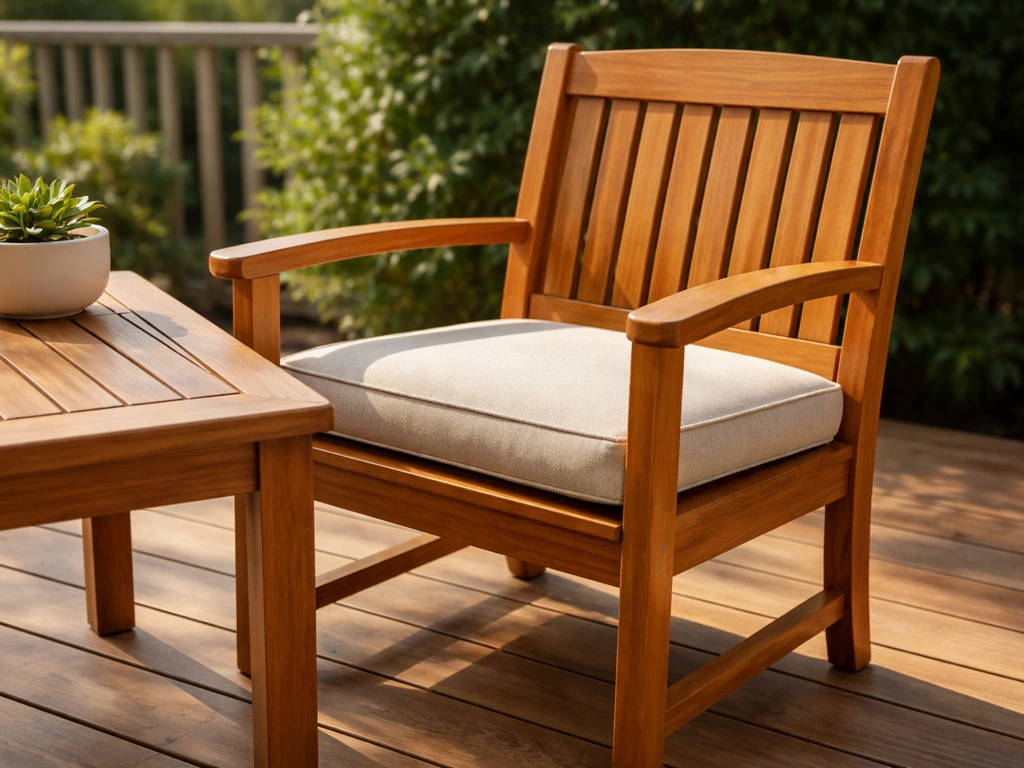
Choose the best oil for patio furniture by wood type, fix current finishes, and apply steps for lasting water and UV pro