
For most wood patio furniture, a penetrating oil finish or a semi-transparent exterior stain gives you the best combination of weather resistance and ease of maintenance. Spar urethane is the right call when you want maximum surface protection on smooth, well-prepped wood and don't mind more involved upkeep. Clear sealers alone won't protect against UV-driven graying. Which one you pick comes down to your wood species, your climate, and honestly, how much time you're willing to spend recoating every year or two.
Best Finish for Wood Patio Furniture: Choose and Apply

Theo Tierney
7 May 2026
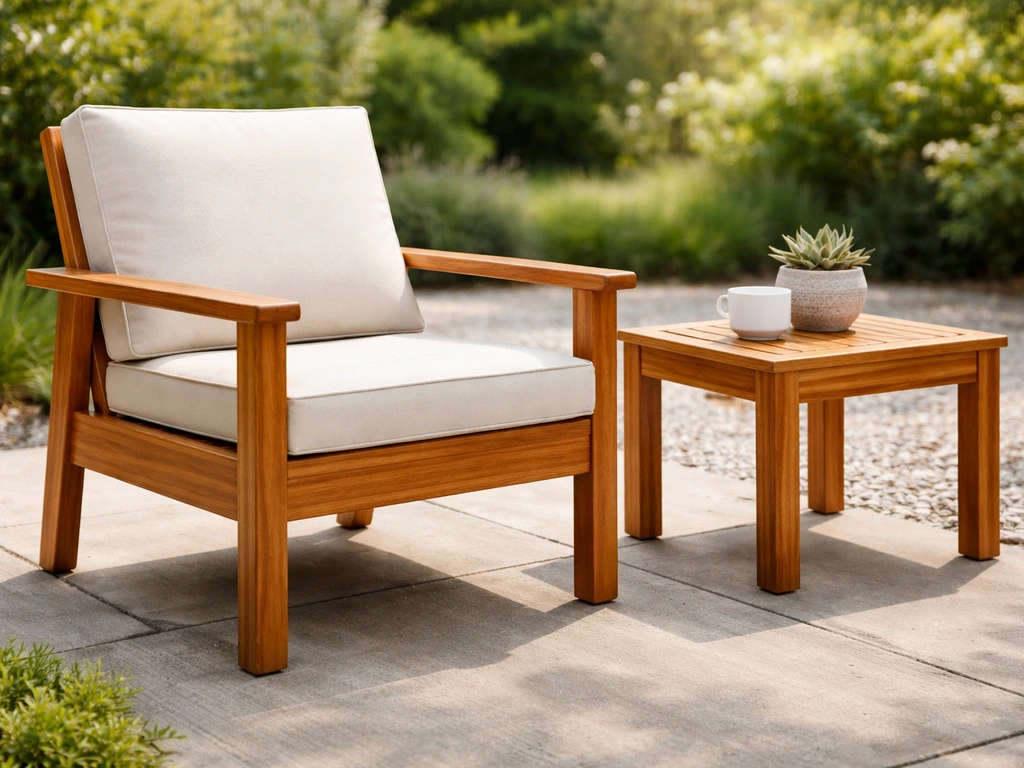
Start with the wood you're working with
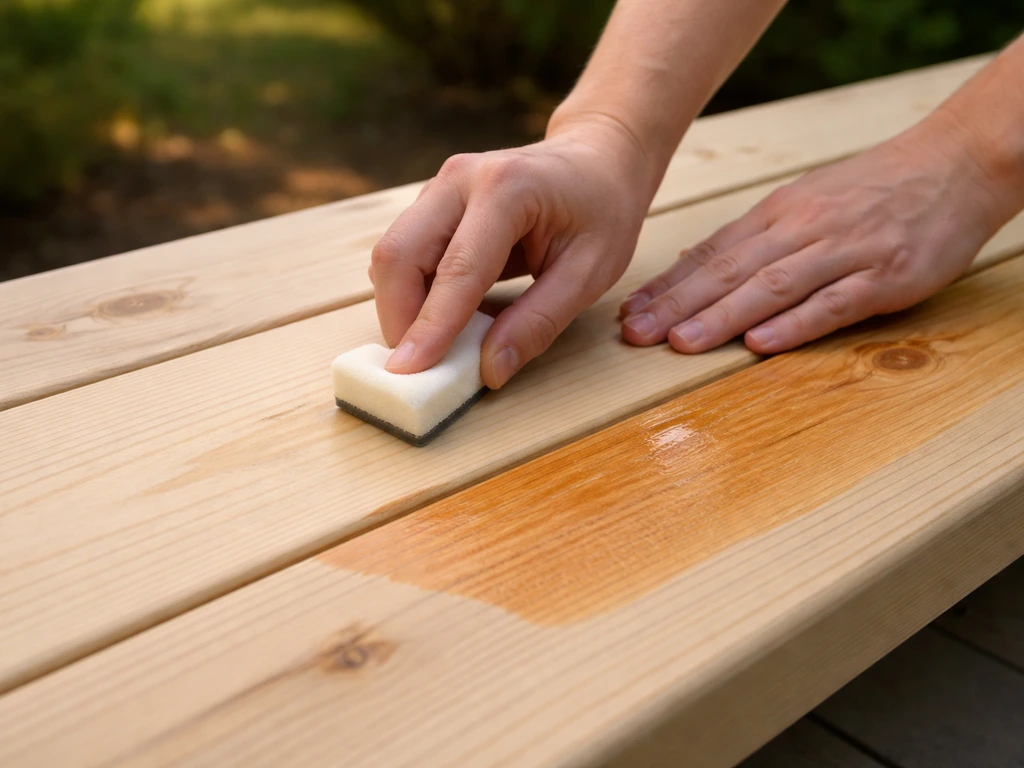
Not all patio woods are equal when it comes to finishing, and using the wrong product on the wrong wood is one of the most common reasons finishes fail early. Teak, cedar, and redwood are the gold standard for outdoor furniture because they contain natural oils and tannins that resist rot, insects, and moisture on their own. That's great news for longevity, but it creates a real problem for finishes: those same extractives can bleed through coatings, cause adhesion failures, and produce unsightly staining. On teak especially, many woodworkers skip finish altogether and just let it go silver, or use a dedicated teak oil to feed the wood without forming a film.
Acacia is dense and durable but has significant grain variation and movement, which means film-forming finishes like spar urethane are more prone to cracking on it. Penetrating oils handle acacia's wood movement much better. Pine and pressure-treated lumber are at the opposite end: they have no built-in rot resistance (aside from the chemical treatment in PT wood) and are highly porous, so they absorb finishes aggressively and need more coats. Pressure-treated wood also needs to dry completely before finishing, often 2 to 6 months after purchase, or finishes won't penetrate or bond properly.
| Wood Type | Natural Resistance | Best Finish Type | Notes |
|---|---|---|---|
| Teak | Very high | Penetrating oil or none | Tannins cause adhesion issues with film finishes; teak oil or leave natural |
| Cedar | High | Penetrating oil or semi-transparent stain | Extractives can bleed; use stain-blocking primer if painting |
| Redwood | High | Semi-transparent stain or penetrating oil | Similar to cedar; responds well to water-based stains |
| Acacia | Moderate-high | Penetrating oil | Dense grain with wood movement; film finishes crack |
| Pine (furniture grade) | Low | Exterior stain or spar urethane | Porous; needs thorough prep and more coats |
| Pressure-treated | Moderate (chemically) | Semi-transparent stain or penetrating sealer | Must be fully dry before finishing; 60-90 days minimum |
| Eucalyptus | Moderate-high | Penetrating oil | Similar to teak in behavior; oils work best |
The main finish types and how they actually perform outdoors
There are four finish categories worth knowing. They work differently, fail differently, and suit different situations. Understanding this saves you from the frustrating experience of watching a beautiful finish peel off after one summer.
Penetrating oils
Penetrating oils absorb into the wood rather than sitting on top as a film. Wikipedia notes that tung oil hardens upon exposure to air through polymerization, which helps explain why it behaves like a penetrating finish blank" rel="noopener noreferrer">hardens upon exposure to air (through polymerization). Products like Watco Exterior Wood Finish work this way, described by the company as hardening "in the wood, not on the wood." Because there's no film to crack, peel, or bubble, these finishes wear away gradually rather than failing dramatically. They won't turn your furniture into a flaking mess after one harsh winter. The trade-off is UV protection: oils alone provide limited UV blocking unless the formula includes UV inhibitors, which good exterior penetrating oils do. Mildew resistance varies by formula, so look for products that specifically list mildewcide as an ingredient, especially if you're in a humid climate. WATCO support materials state that WATCO Exterior Wood Finish includes a mildewcide intended to prevent mold and mildew growth on the paint film only blank" rel="noopener noreferrer">mildewcide as an ingredient. Recoating is easy because you're not dealing with adhesion between layers in the same way. The downside is that oils need more frequent reapplication than a solid stain or varnish, typically every 1 to 2 years depending on sun exposure.
Semi-transparent exterior stains
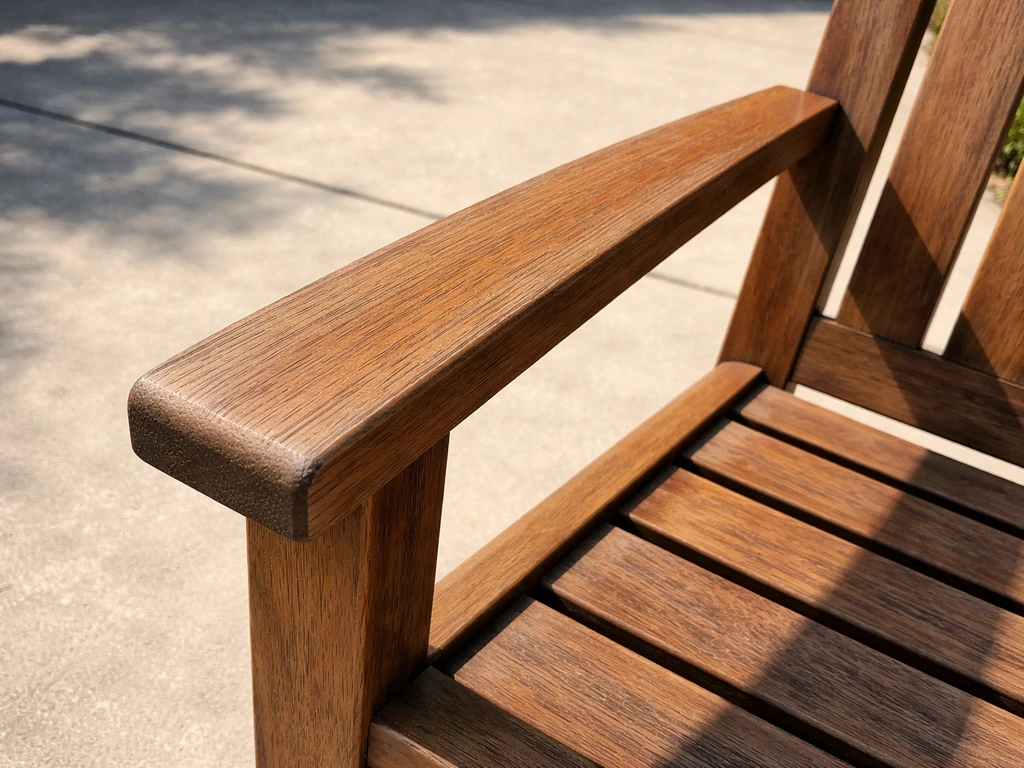
Semi-transparent stains are arguably the most practical choice for most wood patio furniture. If you're specifically comparing varnish options for patio furniture, this guide will help you choose the best varnish for your wood and climate best varnish for patio furniture. They penetrate the wood like an oil but also leave a light pigment that provides meaningful UV protection. The pigment is the key: it's what blocks the UV rays that cause graying and surface degradation, something that clear sealers simply cannot do. For the best UV protection for patio furniture, semi-transparent stains with UV inhibitors (like DEFY Extreme) are usually the top choice. Products like DEFY Extreme Semi-Transparent Waterproof Wood Stain do a solid job of this while letting the wood grain show through. They protect against both the cosmetic damage (UV-driven graying and fading) and the structural damage (moisture-driven rot and swelling). Expect to recoat every 1 to 3 years. Semi-transparent stains don't peel the way film finishes do, which makes maintenance much less painful.
Spar urethane and exterior varnish
Spar urethane, such as Minwax Helmsman, is a film-forming finish that sits on top of the wood. It offers excellent water and UV resistance and gives furniture that high-gloss, almost yacht-like look. When it's applied correctly on properly prepped wood, it's genuinely durable. The catch is the prep work: every coat needs to be lightly sanded with 220-grit after it dries (at least 6 hours between coats), and the surface needs to be clean and dry before you start. When spar urethane works, it works well. When it fails, it peels in sheets. It also needs annual inspection and spot touch-ups or full recoats to stay functional, which means it demands more maintenance attention than a penetrating product, even if it looks better between sessions. It's best suited to smooth, stable woods like furniture-grade pine or well-dried hardwoods, and less ideal for naturally oily species like teak.
Clear sealers and water repellents
Clear sealers and water repellents do one thing well: they block moisture from entering the wood. What they don't do well is block UV light. As Thompson's WaterSeal notes directly, clear sealers do little to protect against UV rays and can actually accelerate graying and surface cracking when the natural oils in wood dry out without UV protection. If you want to let the wood go naturally silver and just prevent rot and mildew, a clear penetrating sealer is a reasonable choice. If you want to preserve the wood's color, you need pigment, which means an oil-based stain or semi-transparent stain.
What about lacquer?
Skip lacquer for outdoor furniture. Lacquer is a fast-drying interior finish that has almost no UV or moisture resistance. It will fail within one season outdoors, sometimes within weeks. It might look great on the showroom floor, but it's not designed for real outdoor exposure.
What works best in your climate
Wood weathers from UV light, water, oxygen, heat and cold cycles, windblown particles, and sometimes microorganisms like mildew. Your climate determines which of these stressors dominates, and that should drive your finish choice.
Hot, sunny climates (Arizona, Southern California, Texas)
UV damage is your primary enemy. A clear sealer will fail fast here, leaving the wood gray and checked within a season or two. Go with a semi-transparent stain that has strong UV inhibitors, or a spar urethane if your furniture has smooth surfaces you're willing to sand and recoat annually. Penetrating oils with UV inhibitors work too, but they need more frequent reapplication in intense sun. On teak or dense tropical hardwood furniture, a quality teak oil applied every 6 months is a reasonable answer. Avoid dark-colored stains on south-facing or unshaded furniture: they absorb more heat and can accelerate surface cracking.
Rainy and humid climates (Pacific Northwest, Gulf Coast, Southeast)
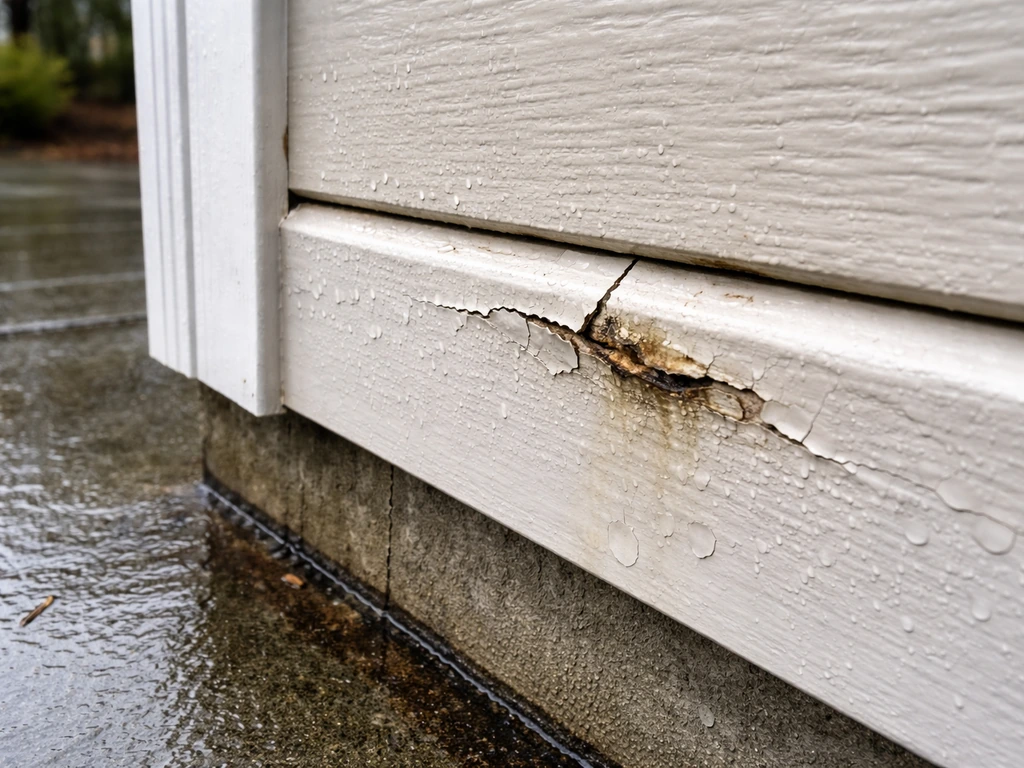
Moisture is the dominant threat, which means mildew resistance matters as much as waterproofing. Look for stains and penetrating oils that specifically include mildewcide. A semi-transparent stain with mildewcide, like many DEFY or Ready Seal products, does well here. Avoid trapping moisture under a film-forming finish: spar urethane in a persistently wet climate will eventually delaminate as water works its way into end grain and under the film. Penetrating finishes are more forgiving. Remember to never apply any finish when rain is expected soon, most products require at least 12 to 24 hours of dry weather after application.
Freeze-thaw climates (Midwest, Northeast, Mountain West)
Freeze-thaw cycling is brutal on film-forming finishes because water expands when it freezes. If any moisture gets under a film finish, it will push the finish off the wood surface. Penetrating oils and semi-transparent stains handle this far better than spar urethane or any thick film finish. If you're keeping furniture outdoors year-round in a climate with hard winters, penetrating finishes are the right call. If you store furniture in a shed or garage over winter, spar urethane becomes more viable since it won't face the temperature cycling.
Coastal and salt air environments
Salt air is corrosive and relentless. It accelerates every form of degradation including UV fading, moisture damage, and finish breakdown. In coastal settings, prioritize finishes with strong UV and moisture protection and plan on a shorter recoat cycle, roughly once a year rather than every two years. Penetrating oils need to be reapplied more frequently here. Semi-transparent stains with pigment hold up better because the pigment itself takes the UV hit. Rinse furniture regularly with fresh water to remove salt buildup before it works into the finish. Also choose naturally rot-resistant species like teak, cedar, or redwood if you haven't bought yet: they simply last longer at the coast regardless of finish.
Quick decision guide: wood plus climate
| Your Wood | Your Climate | Best Finish |
|---|---|---|
| Teak | Any | Penetrating teak oil, or leave natural and seal with clear water repellent |
| Cedar or Redwood | Hot/sunny | Semi-transparent stain with UV inhibitors |
| Cedar or Redwood | Rainy/humid | Semi-transparent stain with mildewcide |
| Cedar or Redwood | Freeze-thaw | Penetrating oil or semi-transparent stain (avoid film finishes) |
| Acacia | Any | Penetrating oil with UV inhibitors |
| Pine (furniture grade) | Hot/sunny | Spar urethane (3 coats) or semi-transparent stain |
| Pine or pressure-treated | Rainy/humid | Semi-transparent stain with mildewcide |
| Pine or pressure-treated | Freeze-thaw | Semi-transparent stain (penetrating); avoid film finishes outdoors year-round |
| Any species | Coastal | Semi-transparent stain with UV/mildew protection; recoat annually |
How to apply the finish correctly
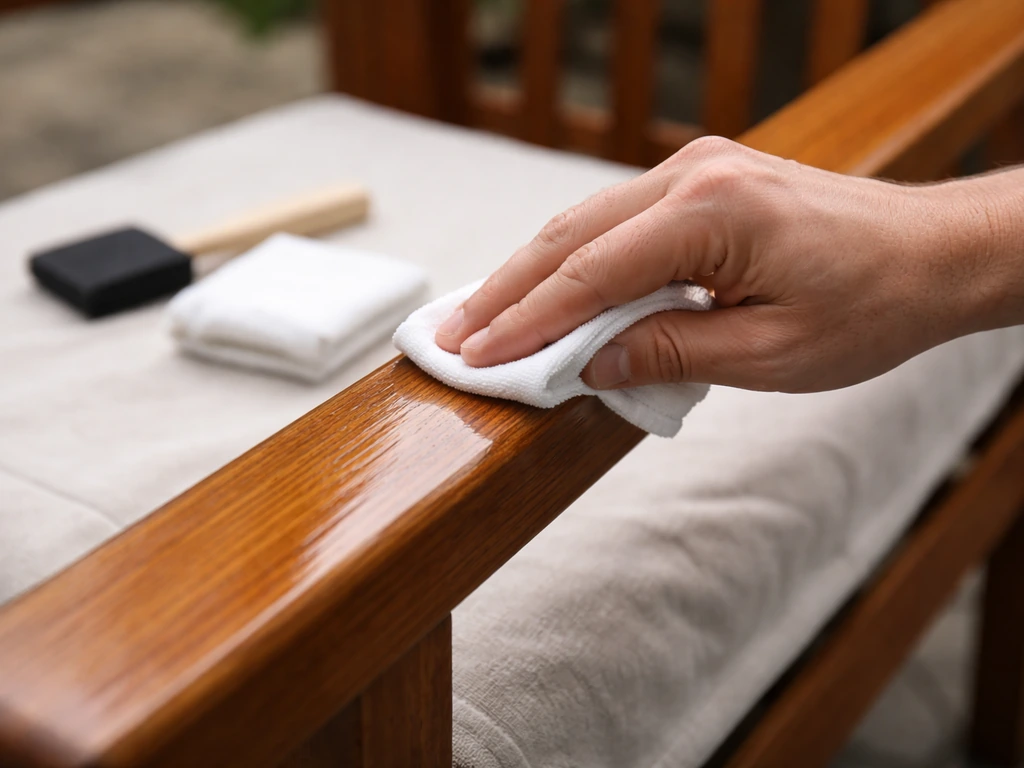
The application process matters as much as the product you pick. A great finish applied over dirty or damp wood will fail just as fast as a cheap finish. Here's how to do it right.
Step 1: Clean and strip the old finish
If you're refinishing old furniture, start by washing it thoroughly with a deck cleaner or an oxalic acid-based wood brightener. This removes gray surface fibers, mildew stains, and tannin oxidation. If the old finish is peeling or built up, use a chemical stripper or sand it off before cleaning. Don't try to apply new finish over old peeling finish: it won't bond and you'll be back to square one in a season.
Step 2: Sand properly
For bare or stripped wood, sand with 80 to 100-grit to remove rough spots and gray surface fibers, then finish with 120 to 150-grit to smooth the surface. For previously finished wood that's still in decent shape, a light scuff sand with 120 to 150-grit is usually enough to improve adhesion. If you're applying spar urethane, each coat after the first needs a light sand with 220-grit before the next coat goes on. Sanding also helps water-based coatings penetrate better and can meaningfully extend their service life. Always wipe or blow off all sanding dust before finishing.
Step 3: Check for tannin bleed issues
Cedar, redwood, and some tropical hardwoods have extractives that can bleed through coatings and stain the surface. If you're applying a stain or paint over these species, use a stain-blocking primer first. For penetrating oils, this is less of a concern since you're going with, rather than against, the wood's natural chemistry.
Step 4: Check the weather, then apply
Don't apply any outdoor finish if rain is in the forecast. Depending on the product, you need 12 to 24 hours of dry weather after application before rain can hit the surface. DEFY Extreme requires 12 clear hours; most spar urethane and stain products ask for 24 hours. Apply in moderate temperatures, ideally between 50 and 90 degrees Fahrenheit, and avoid direct hot sun during application as it can cause the finish to dry before it penetrates or levels properly.
Step 5: Apply the right number of coats
Penetrating oils: apply one or two coats, wiping off excess before it gets tacky (usually within 15 to 30 minutes). Don't let oil pool or skin over on the surface. Semi-transparent stains: one to two coats on bare wood; one coat on previously stained wood in decent shape. Spar urethane: apply at least three coats, sanding lightly between each with 220-grit after the coat has dried at least 6 hours. More coats equal more durability, but each coat needs to be thin and even. On porous woods like pine, a diluted first coat (about 10 to 15% mineral spirits for oil-based spar urethane) helps seal the surface and improves adhesion for subsequent coats.
Drying and cure times
- Penetrating oils: dry to touch in 4 to 6 hours; allow 24 to 48 hours before use
- Semi-transparent stains: dry to touch in 2 to 6 hours depending on temperature and humidity; allow 24 hours before regular use
- Spar urethane: 6 hours between coats minimum; 24 to 72 hours before light use; fully cured in about 30 days
- Clear water repellents: typically dry to touch in 1 to 2 hours but still allow 24 hours before rain exposure
Keeping the finish in good shape year after year
Applying a finish is only half the job. How you maintain it determines whether you recoat every year or every three. Here's a realistic maintenance schedule.
Seasonal cleaning
Wash your furniture with mild soap and water at least twice a year: once in spring before the season and once in fall before storing or covering it. In coastal areas, rinse salt off monthly. Dirt and organic buildup trap moisture against the wood surface and accelerate mildew growth and finish breakdown, so don't skip the cleaning step even if the furniture looks fine from a distance.
Recoat timing
Check the finish condition annually. Spar urethane should be inspected every year per Minwax's guidance: look for dull patches, fine cracks, or areas where water no longer beads up. If water soaks in rather than beading, it's time to recoat. For penetrating oils and semi-transparent stains, the water-bead test is the simplest indicator: splash water on the surface and watch what happens. DEFY Extreme's datasheet recommends recoating within 24 months or when graying appears, whichever comes first. Don't wait until the wood has gone fully gray and checked before recoating: at that point you're looking at a full strip and refinish rather than a simple maintenance coat.
When to strip versus spot treat
If the finish is still mostly intact with isolated dull or worn areas, spot treatment works fine: lightly sand the worn area, clean it, and apply a fresh coat of the same product. If the finish is peeling, cracking, or the wood has significant gray weathering across most surfaces, strip it down completely and start fresh. Trying to recoat over a failing finish is a waste of time and product.
Storage and cover habits
If you live somewhere with harsh winters, storing furniture in a covered space (not sealed airtight, which traps condensation) dramatically reduces the maintenance burden. Breathable covers work well for furniture that stays outdoors. Just don't wrap furniture in plastic tarps that trap moisture underneath: that's worse than no cover at all.
Diagnosing and fixing common finish problems
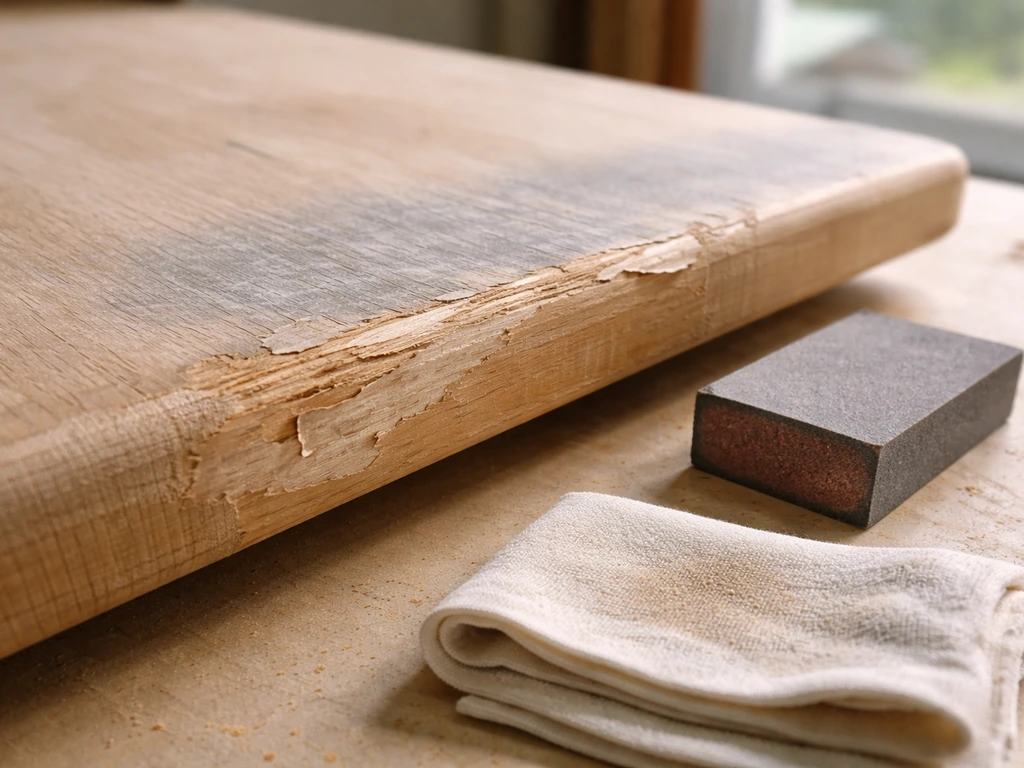
Peeling finish
Peeling almost always traces back to one of three causes: the surface wasn't clean and dry when the finish was applied, the finish was applied over an incompatible existing product, or moisture worked under a film finish from end grain or a crack. There's no patching a peeling finish: sand or strip it down to bare wood, clean and dry the surface completely, then reapply. Going forward, switch to a penetrating finish if peeling was a recurring problem, since penetrating products simply can't peel the same way.
Graying wood
Gray color on wood is caused by UV degradation of the surface fibers. A clear sealer won't fix it and won't prevent it from getting worse because clear products don't block UV. To restore a grayed surface, use a wood brightener or oxalic acid solution to clean and lighten the gray, sand the surface, and then apply a semi-transparent stain with UV inhibitors. That's the only way to stop the graying cycle.
Mildew and black spots
Black or green spots on finished wood are usually mildew, not dirt. A bleach-and-water solution (roughly 1 part bleach to 3 parts water) kills surface mildew effectively. Scrub, rinse thoroughly, and let the wood dry completely before assessing finish condition. If the mildew has penetrated the finish, you'll need to strip and refinish with a product that includes mildewcide. Mildew thrives when water stays in contact with the wood surface, so improving drainage (tilting furniture slightly so water runs off) and cleaning more frequently help prevent it from coming back.
Sticky or tacky finish
A finish that stays sticky after what should be enough drying time usually means one of three things: the coat was applied too thick, excess penetrating oil was left on the surface instead of being wiped off, or the temperature was too cold or humidity too high during application. For penetrating oils, wiping the excess off more aggressively usually solves it for future applications. For a currently sticky surface, try wiping it down with mineral spirits (for oil-based products) and let it cure in a warm, dry location. If it still doesn't cure properly, sand it off and start over with thinner coats. The rule with penetrating oils is: apply thin, wipe off the excess, never let it pool.
A note on other patio furniture materials
Everything above applies specifically to wood furniture. If you're working with metal, plastic, or resin wicker pieces in the same outdoor space, the finishing approach is completely different: those materials need paints formulated for metal or plastic, not wood stains or oils. For plastic patio furniture, look for the best paint for plastic patio furniture so the coating bonds properly and holds up outdoors metal, plastic, or resin wicker. The best finish for wood patio furniture and the best approach for metal or plastic furniture share almost no overlap, so make sure whatever product you're buying is actually formulated for wood. To get the smoothest results, match that best finish approach with the best sander for patio furniture so your surface prep actually holds up The best finish for wood patio furniture. Choosing the best patio furniture paint depends on the material you’re covering and the UV and moisture protection you need outdoors. The oils, UV inhibitors, and water repellents that work beautifully on cedar or teak will do nothing useful on a resin chair.
FAQ
Can I use exterior clear sealer to keep wood from graying while still letting the grain show?
Not reliably. Clear sealers block water but do not meaningfully stop UV-driven graying, and some clear coatings can increase graying as oils dry out. If you want the wood to stay closer to its original color, choose a semi-transparent stain with UV inhibitors or an oil/penetrating product that specifically lists UV inhibitors in the formula.
What’s the best way to avoid peeling when using spar urethane?
Focus on compatibility and moisture control. Spar urethane will fail faster if applied over an unknown or failing coating, or if end grain or cracks allow water to get under the film. If the furniture has old coatings, confirm you removed or sanded down to a stable layer, then keep a strict sanding interval (for example, light 220-grit between coats) and do annual inspections with prompt touch-ups.
How do I choose between a penetrating oil and a semi-transparent stain for a very sunny patio?
In intense sun, UV protection matters most, so semi-transparent stains usually hold up longer because pigment blocks UV. Penetrating oils can work well when the product includes UV inhibitors, but plan on more frequent maintenance (often every 1 to 2 years, sometimes sooner depending on exposure). If you want the easiest long-term routine, pick the product with the strongest UV claim you can find.
Will mineral spirits, tack cloth, or a solvent wipe help if my finish becomes sticky?
It can help, but only in the right situation. Sticky usually means the coat was too thick, excess wasn’t wiped, or conditions were too cold or humid. For oil-based penetrating products, wiping excess off and using mineral spirits to reduce surface residue can help it cure. If it still stays tacky after drying time, sand back to fix the buildup, then apply thinner coats.
Do I have to fully strip old wood furniture before re-finishing?
Not always, but you do need a stable base. If the old finish is intact with only localized wear, spot-sanding, cleaning, and recoating the same product can work. If you see widespread peeling, flaking, or widespread gray weathering plus failed adhesion, stripping to bare wood is the safer move, because recoating over failing film usually leads to another early failure.
What wood issues require special prep before finishing, besides sanding?
For oily or extractive-rich woods (teak, cedar, redwood, and some tropical species), coatings can bleed or fail to bond. Use a stain-blocking primer if you are applying a stain or paint over those woods. Also, clean and brighten properly before finishing, since tannin oxidation and mildew residue interfere with adhesion and even coverage.
How many coats should I apply if my patio furniture is unfinished but heavily weathered?
Start by cleaning and brightening, then sand to remove loose gray fibers and create a uniform surface. For penetrating oils, plan on 1 to 2 coats, wiping off excess to prevent pooling. For semi-transparent stains, plan on 1 to 2 coats on bare wood. If the piece is deeply weathered and rough after cleaning, you may need extra sanding before finishing to avoid an uneven film or patchy absorption.
Is it a mistake to apply finish on a humid day, even if rain isn’t expected?
Yes, humidity can still cause problems. Cold temperatures and high humidity slow cure and can lead to sticky surfaces or uneven leveling, especially for film-forming finishes. Aim for moderate temperatures, keep ventilation, and verify the product’s stated dry-to-recoat and rain-free windows before applying.
How can I tell whether mildew is just on top or has affected the finish?
Do a scrub and rinse test. Surface mildew often responds to a bleach-and-water solution and returns to normal after the wood dries fully. If dark spots persist or the finish shows penetration or severe staining that reappears, treat it as active contamination: strip if necessary and use a product that includes mildewcide, then improve cleaning frequency and drainage.
Can I mix brands or types of finishes (for example, oil over stain or stain over oil)?
It’s risky because systems are not always compatible. Oil-based penetrating finishes and pigmented stains are generally easier to maintain over time than film systems, but mixing is not guaranteed. If you want a reliable result, stick to the same finish category and product type you already have, or remove the existing layer before switching categories.
What’s a safe way to protect furniture during winter without trapping moisture?
Use breathable coverage rather than sealing it airtight. Breathable covers reduce UV and dirt exposure but still allow moisture to escape. Avoid plastic tarps that trap condensation, because trapped moisture can accelerate mildew growth and increase finish breakdown.
Next Articles
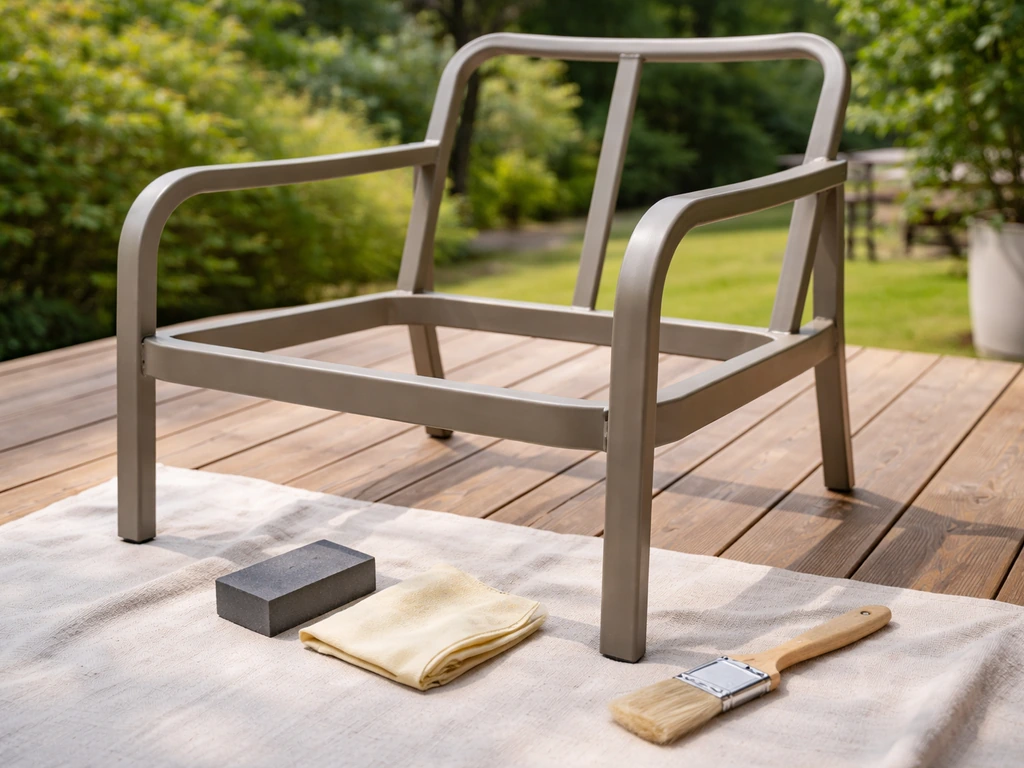
Best Patio Furniture Paint: Choose, Prep, and Apply for Durability
How to pick and apply the best patio furniture paint for wood, metal, wicker, composite, with prep, protection, and main
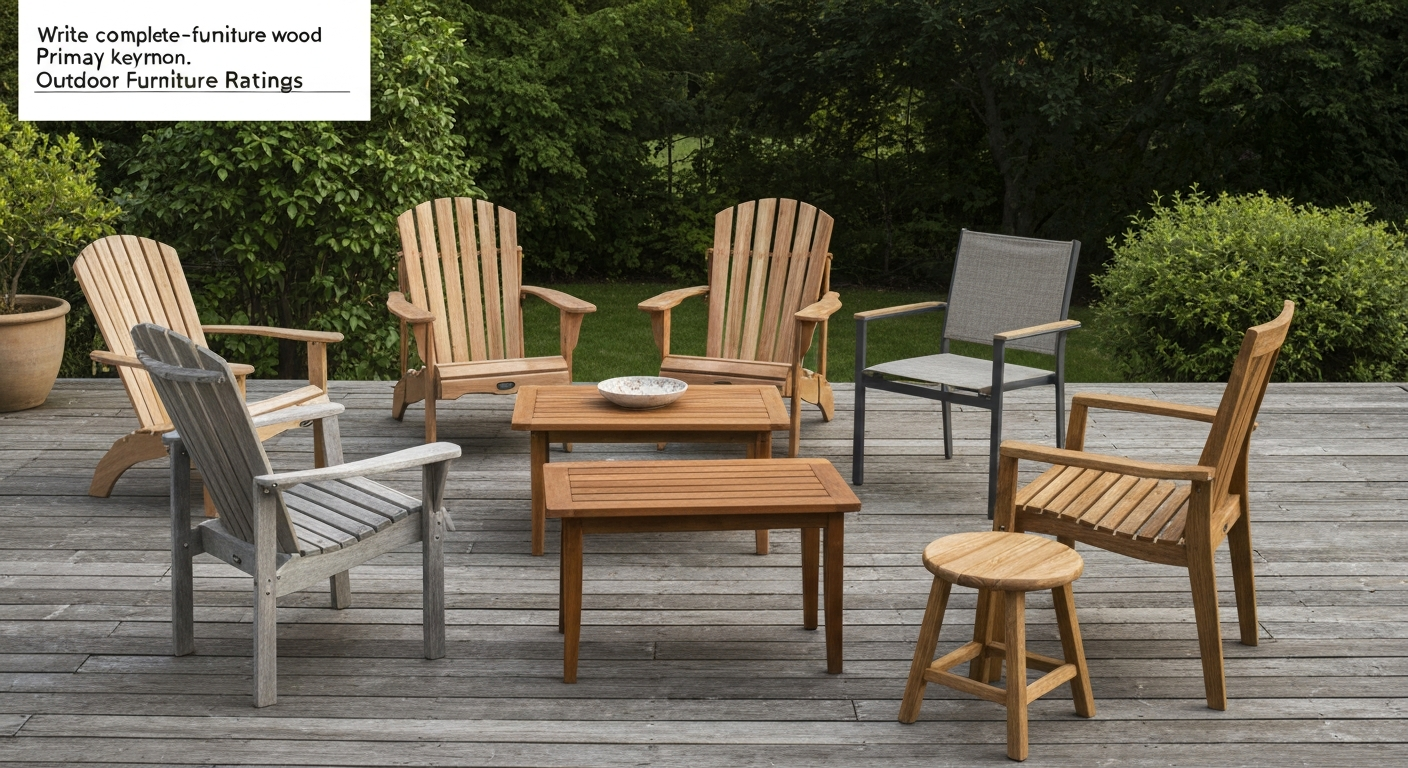
Common Patio Furniture Wood: Best Choices, Care & Tips
Compare common patio furniture wood types, teak, cedar, redwood, oak, with durability, finishes, and care tips.
Best Wood Patio Stain: Choosing Durable, Low-VOC Finishes
Compare and choose the best wood patio stain: durability, finish, climate tips, prep, and top product picks.