
For most wood patio furniture, a penetrating oil-based sealer or a hybrid oil/acrylic stain-sealer is the right choice. It soaks into the wood fibers instead of sitting on top, so it flexes with the wood through wet/dry cycles and doesn't peel. If you have teak or other dense tropical hardwood, a dedicated teak oil or a penetrating exterior oil works best.
Best Sealer for Wood Patio Furniture: Choose, Apply, Maintain

Theo Tierney
3 Jul 2026
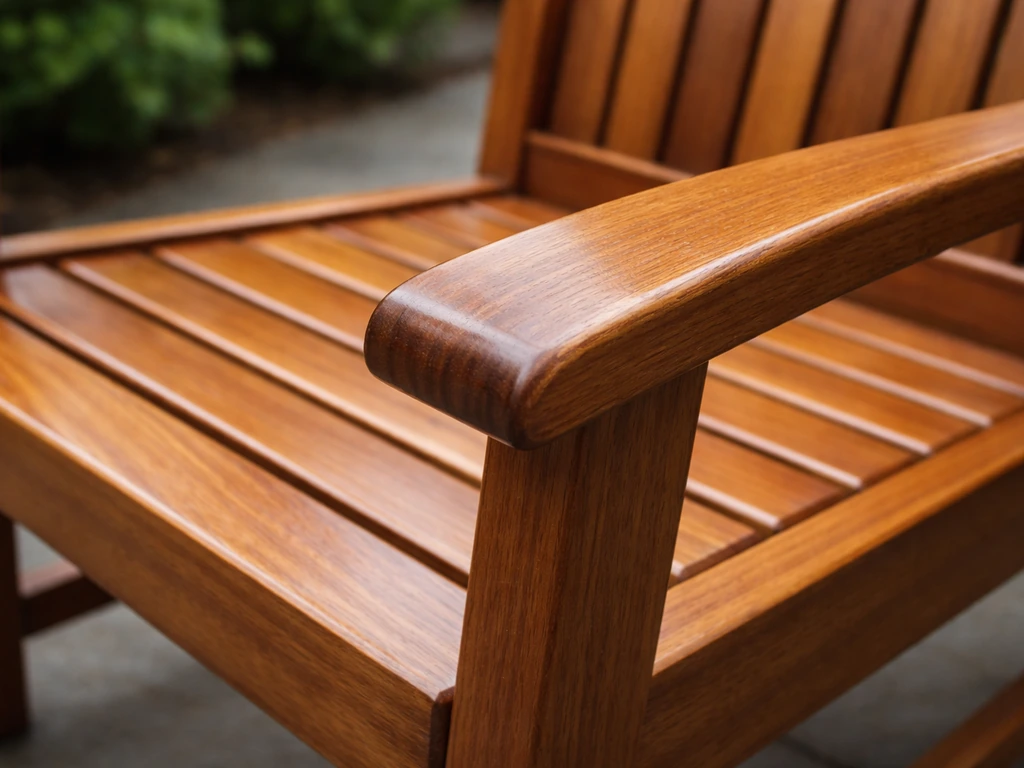
For pressure-treated pine, a hybrid stain/sealer gives you color plus moisture protection with better long-term adhesion than a straight film-forming varnish. Cedar and redwood can go either way depending on whether you want to preserve the natural look or add solid color. What you should avoid across the board is trapping moisture under a thick film finish on wood that isn't bone dry, and applying any sealer over an incompatible old coating without proper prep.
Pick the right sealer based on your wood and current finish
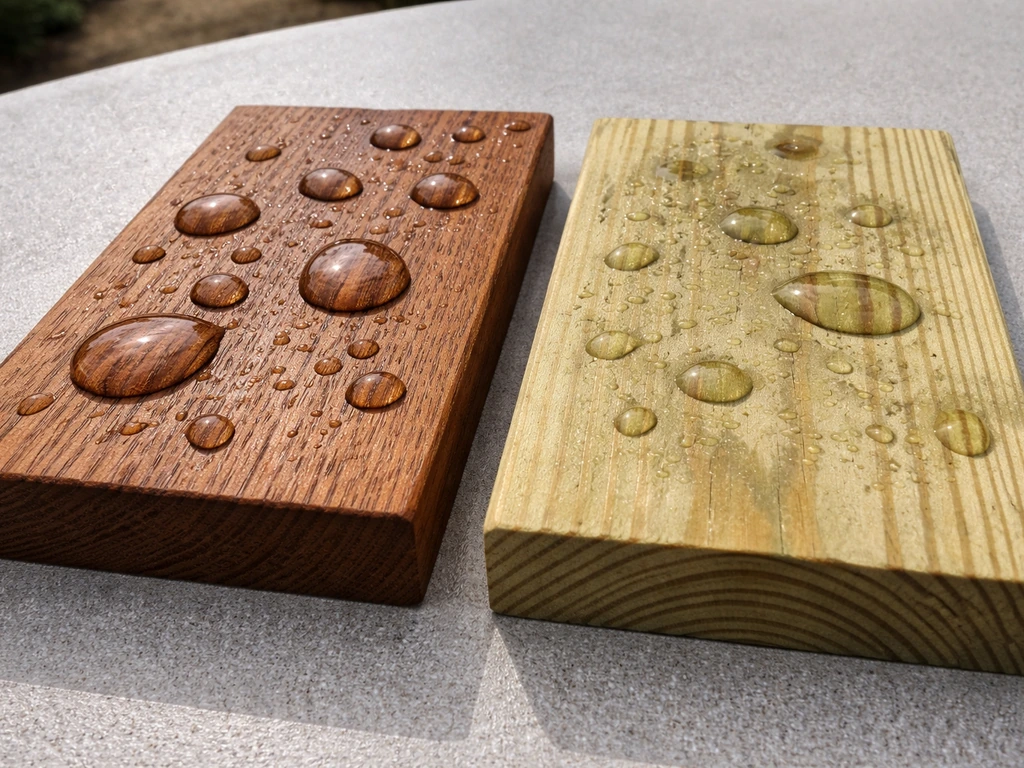
Wood type matters more than most people realize before they start shopping. Dense tropical hardwoods like teak, ipe, and shorea contain natural oils that resist water on their own, but they also repel many sealers if you just slap product on without cleaning first. Choosing the best sander for patio furniture can help you prep the surface so sealers and oils absorb evenly instead of sitting on top natural oils that resist water.
A penetrating exterior oil (like General Finishes Outdoor Oil) works well here because it supplements the wood's own oils rather than forming a competing film layer. For teak specifically, many people skip sealer entirely and just let it silver gracefully, or they use a teak-specific penetrating oil to maintain the warm honey tone.
Pressure-treated pine is on the opposite end. It's porous, prone to checking and warping, and benefits enormously from sealing, but you need to let new pressure-treated wood dry out for several weeks before applying anything. If you can flick water on the surface and it beads, it's still too wet. Once it's ready, a hybrid stain/sealer that combines oil-based penetration with acrylic flexibility is the sweet spot. These formulas penetrate like an oil but clean up with soap and water, and they hold up better than pure oil-based stains over time on treated lumber.
Cedar and redwood are naturally rot-resistant but UV-sensitive. Their tannins can bleed through film finishes and cause discoloration, which is why primer compatibility matters so much on these species.
If you want to preserve their natural reddish tone, a semi-transparent penetrating oil-based stain is the classic choice, and applying two coats gives noticeably longer service life, provided the wood accepts the second coat (press your thumb into the first coat after the recommended wait time, and if it comes up tacky, wait longer). If you want solid color and maximum UV block, use a stain-blocking primer first, then two coats of a 100% acrylic latex solid-color stain on top.
To get the best uv protection for patio furniture, prioritize UV-blocking primers and solid-color acrylic systems designed for heavy sun exposure maximum UV block.
If your furniture already has an existing finish, that changes everything. You can't apply a penetrating oil over a film-forming varnish or old paint and expect it to soak in. The oil will sit on top, stay tacky, and eventually peel. You need to either stick with the same finish type, remove the old coating completely, or use a compatible bonding primer as an intermediate layer. When in doubt, test a small hidden section first and check adhesion after 48 hours.
Best sealer types for outdoor wood furniture
There are four main categories you'll encounter, and they perform very differently in real outdoor conditions. Here's an honest breakdown of each.
| Sealer Type | How It Works | Best Wood Match | Durability / Recoat | Look |
|---|---|---|---|---|
| Penetrating oil / oil sealer | Soaks into wood fibers, doesn't form a surface film | Teak, ipe, cedar, redwood | 1–3 years; easy to recoat without stripping | Natural, low-sheen, enhances grain |
| Hybrid stain/sealer (oil-acrylic) | Penetrates like oil, bonds like acrylic; soap-and-water cleanup | Pressure-treated pine, cedar | 2–4 years; recoat over existing if still sound | Semi-transparent to semi-solid color |
| Spar urethane / marine varnish | Film-forming; builds a hard, flexible surface layer | Any wood wanting high gloss protection | 3–5 years but full strip needed when it fails | High gloss or satin; hides grain somewhat |
| Solid-color acrylic latex stain | Thick film; maximum UV and moisture block | Pine, cedar when color change is acceptable | 3–5 years; recoatable if well-adhered | Opaque; covers grain completely |
| Pure linseed / boiled linseed oil | Deep penetrating; oldest traditional option | Cedar, redwood only | 1–2 years; can go rancid, attracts mildew | Amber, natural |
Penetrating oils are the most forgiving choice for most homeowners because when they eventually wear, you just clean and recoat without stripping. That's a significant practical advantage over spar urethane or marine varnish, which look great for a few years but eventually crack at the edges, let water underneath, and require full removal before you can refinish.
Spar urethane is worth the extra work if you have furniture in a covered porch or pergola where direct rain and UV exposure are limited. If you have outdoor patio furniture, you may find a penetrating option is more forgiving than spar urethane or marine varnish when the finish eventually wears. In full sun, exposed conditions, film-forming finishes almost always fail faster than penetrating ones.
Boiled linseed oil is inexpensive and traditional, but I'd skip it for furniture. It stays oily longer than modern penetrating oils, it can mildew faster in humid climates, and modern exterior penetrating oils outperform it in every real-world metric. If you're interested in the oil approach, also look at the best oil for patio furniture options specifically formulated for exterior use.
If you want a simpler starting point, look for the best patio furniture paint alternatives that are rated for exterior wood and outdoor exposure. And if you're weighing a clear penetrating sealer against a full stain or varnish, it's worth also reading about the best varnish for patio furniture and the best finish for wood patio furniture to understand exactly where film-forming products make sense.
Climate and exposure: matching the sealer to your conditions
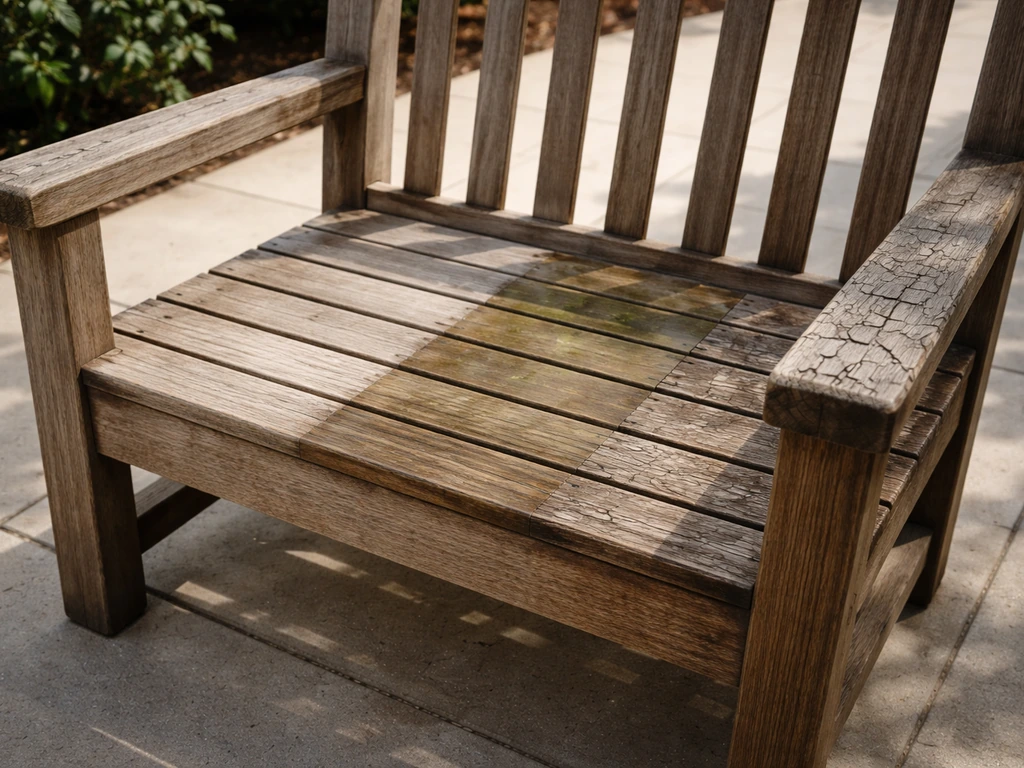
Where you live should heavily influence what you choose. A sealer that works great in Seattle will fail prematurely in Phoenix or Florida, and vice versa.
- Hot, sunny climates (Arizona, Southern California, Texas): UV degradation is your biggest enemy. You need a sealer with strong UV inhibitors. Solid-color stains or hybrid stain/sealers with UV additives outperform clear penetrating oils here. Clear sealers without UV blockers can let the wood gray out and check within one season of Arizona summer sun.
- High humidity and rain (Florida, Gulf Coast, Pacific Northwest): Mildew resistance and water repellency are top priorities. Look for formulas with mildewcide additives. Penetrating oils dry slowly in high humidity, which increases tacky-finish risk, especially if humidity is above 70%. Water-based acrylic formulas tend to dry faster and are more predictable in these conditions.
- Freeze/thaw climates (Upper Midwest, Northeast, Mountain West): Film-forming finishes crack under freeze/thaw stress because the wood moves and the rigid film doesn't. Penetrating sealers that flex with the wood fiber perform significantly better here. Spar urethane on furniture that sits outside through a Minnesota winter will likely bubble and peel by spring.
- Salt air (coastal areas): Salinity accelerates corrosion on hardware and degrades finishes faster. Marine-grade spar urethane or marine varnish was originally designed for exactly this environment and holds up well on covered or shaded furniture. Rinse furniture periodically with fresh water to prevent salt buildup from eating through any finish.
- Covered patios or shaded areas: This is where film-forming finishes actually earn their keep. Without constant UV bombardment and direct rain, spar urethane and marine varnish can last their full 3–5 year cycle and look beautiful throughout.
If you're looking specifically at UV protection as a primary concern, the best UV protection for patio furniture guide covers UV-specific product categories in more depth, including UV-blocking topcoats that can layer over an existing penetrating sealer. Choosing the best oil for patio furniture also means prioritizing UV resistance so the finish lasts longer in full sun best UV protection for patio furniture.
Prep and surface cleaning steps for a long-lasting seal
Here's the honest truth about sealer failures: most of them come from bad prep, not bad product. You can use a mediocre sealer on a properly prepped, clean, dry surface and get excellent results. You can use the best sealer on the market over a dirty, damp, or incompatibly coated surface and watch it peel within months. Prep is where the job is actually won or lost.
Step 1: Remove the old finish if necessary
If the existing finish is peeling, flaking, or you're switching from a film finish to a penetrating oil, you need to strip it. Apply a chemical stripper, let it work per the product instructions, then lift the softened finish with a plastic scraper or putty knife. Avoid metal scrapers on soft wood species. After stripping, sand to remove the residue.
For stripping solid stain or old paint, start around 40–60 grit to cut through the coating efficiently, then work up to 80 grit to smooth the surface. Don't go finer than 80 grit on exterior wood. Using 120 grit or higher on outdoor furniture wood closes the pores and reduces how well any penetrating sealer absorbs, which defeats the purpose entirely.
Step 2: Clean the wood thoroughly
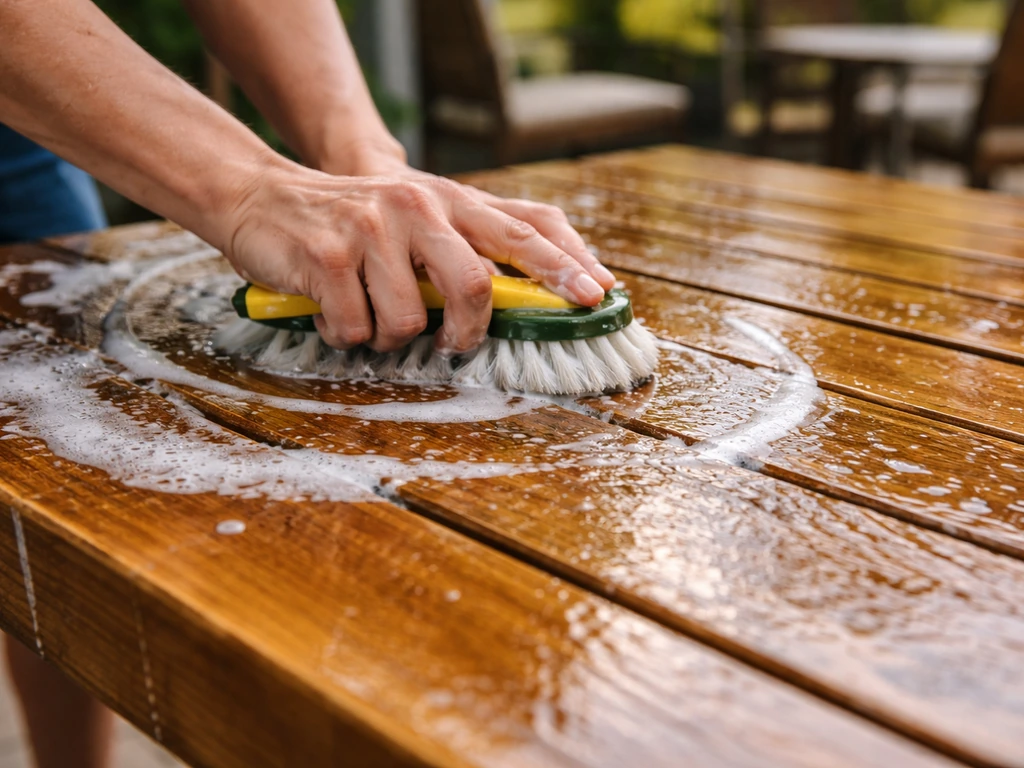
Even if you're not stripping, cleaning is non-negotiable. Grease, sunscreen residue, pollen, and mildew spores all prevent adhesion. The most effective approach is a two-part clean: start with an oxygenated bleach solution (not chlorine bleach) to remove mildew, algae, and organic grime. Chlorine bleach damages wood fibers and should not be used on wood furniture.
After rinsing and letting the wood dry, follow with an oxalic acid brightener to neutralize tannin staining, iron stains, and gray oxidation. After the deck is clean and dry, oxalic-acid treatment and a proper rinse are part of the recommended preparation steps to help prevent staining and discoloration [follow with an oxalic acid brightener](https://www. dunnedwards. com/wp-content/uploads/2023/02/EN-Solid-Stain-SS.
pdf). Oxalic acid restores the wood's natural pH and color and improves how evenly the sealer absorbs. It's toxic, so wear gloves and eye protection and rinse thoroughly after the recommended dwell time. [Oxalic acid is toxic](https://www.
usda. gov/), and USDA guidance for exterior wood cleaning and bleaching materials emphasizes using protective gear and following the specified safety and dwell-time steps in the relevant document. Use it only for the brightening step; it's not a primary cleaner on its own.
Step 3: Sand (when needed)
For bare or previously penetrating-sealed wood, light sanding with 80 grit opens the grain and gives the new sealer something to grab. If the surface is rough-sawn or weathered, start with 60 grit and finish with 80.
For furniture going under a film finish like spar urethane where you want a smoother surface, you can sand up to 120 or even 150 grit, but understand that oil-based film finishes at very fine grits (around 400) can sometimes highlight sanding scratches in the cured finish. Always sand in the direction of the grain. The best sander for patio furniture guide can help you choose between orbital, belt, and detail sanders depending on the furniture profile.
If you are working with plastic patio furniture, the best paint for plastic patio furniture will usually be an adhesion-promoting primer plus a durable exterior topcoat.
Step 4: Moisture check
After cleaning, the wood must be completely dry before sealing. For pressure-treated wood especially, this means waiting until the wood passes the water-bead test (water dropped on the surface should absorb in, not bead up). New pressure-treated lumber often needs several weeks of drying time. For cleaned furniture, give it at least 48 hours of dry weather after washing. Applying sealer over even slightly damp wood is one of the most common causes of peeling and clouding.
How to apply: coats, tools, timing, and common mistakes
Temperature and humidity at application time matter as much as the product itself. Apply sealers when air temperature is between 50°F and 90°F and humidity is below 70%. Applying in direct midday sun causes the sealer to skin over on the surface before it penetrates properly, especially with oil-based products. Work in the early morning or late afternoon, or on an overcast day.
Tools: brush vs. sprayer vs. roller
For furniture with detail work, spindles, or carvings, a natural-bristle brush (for oil-based products) or synthetic brush (for water-based) gives you the most control. Semi-transparent penetrating stains can also be applied by brush, spray, roller, or pad, all of which work well for flat surfaces. Sprayers cover large flat areas faster but require back-brushing to work the product into the grain. For end grain, always apply extra product and let it soak in before the initial coat skins over. End grain absorbs 2–3 times more sealer than face grain and is usually where moisture enters first.
Coats and dry times
Most penetrating oils and oil-based stains call for one to two coats. For the second coat, apply only if the first coat has been fully absorbed and is no longer tacky. On textured cedar, two coats of a penetrating oil-based stain typically provides meaningfully longer service life than one, but only if the wood will actually accept the second coat without it sitting on the surface. If it starts to bead, stop. Forcing a second coat over a saturated surface leads to a sticky mess that attracts dirt and never fully cures.
For film-forming sealers like spar urethane or General Finishes-type oil sealers over raw wood, allow at least 24 hours between coats under ideal conditions (70°F, 50% humidity). Over an existing sealed surface, wait 72 hours or more between coats. Rushing this creates a soft, easily damaged finish. Dry times can range from 1 to 24 hours depending on the product, and humidity above 70% can dramatically extend that window and cause tackiness.
Common mistakes to avoid
- Applying too much product at once: thick coats don't penetrate better, they just stay tacky and skin over. Thin, even coats always outperform heavy ones.
- Skipping end grain treatment: end grain should get a liberal first pass and then be revisited after the face grain coat.
- Sealing wet or damp wood: leads to cloudiness, peeling, and mildew trapped under the finish.
- Leaving oil-soaked rags bundled up: spontaneous combustion is a real risk. Lay oil-soaked rags flat to dry outdoors or submerge them in water in a metal container before disposal. This is a genuine safety issue, not fine print.
- Applying in direct sun or wind: causes flash-drying and uneven penetration.
- Using incompatible products without testing first: oil over a film finish, or water-based over oil without a compatibility check, almost always causes adhesion failure.
Maintenance plan and recoat schedule to keep it looking good
One of the biggest advantages of penetrating sealers over film finishes is how simple the maintenance cycle is. When a penetrating oil starts to look dry, gray, or water is no longer beading on the surface, you clean, let dry, and recoat. No stripping, no heavy sanding. Penetrating oils and hybrid stain/sealers typically need recoating every one to three years depending on sun exposure and climate. A piece in full Florida sun will need attention more often than one stored under a covered porch in Seattle.
For solid-color stains and film finishes, the maintenance window is different. These look great longer, but once they start to fail, they fail more dramatically: edge cracking, peeling sections, and water infiltration under the film. Inspect furniture each spring and fall. Catch early-stage flaking and you can lightly sand those areas, spot prime if needed, and apply a topcoat without full stripping. Wait until it's widespread and you're back to a full strip and refinish job.
For day-to-day care, wipe furniture down periodically with a damp cloth and mild soap. Don't use pressure washers at high settings directly on sealed wood furniture because the force strips sealer from the grain. If you need a quick recommendation, the best car wax for patio furniture is a paste-style, non-greasy option that creates durable water beading on outdoor surfaces pressure washers at high settings. A low-pressure rinse is fine for heavy seasonal cleaning. Cover or store furniture during the off-season if you're in a freeze/thaw climate. Even a breathable furniture cover reduces UV exposure and seasonal moisture cycling significantly.
| Sealer Type | Typical Recoat Interval | Recoat Process | Signs It's Time |
|---|---|---|---|
| Penetrating oil | 1–3 years | Clean, dry, apply new coat (no stripping needed) | Water no longer beads; wood looks gray or dry |
| Hybrid stain/sealer | 2–4 years | Clean, light sand if needed, recoat over existing | Color faded; water absorbing instead of beading |
| Spar urethane | 3–5 years | Strip when failing; sand between coats if intact | Cracking at edges, bubbling, peeling sections |
| Solid-color acrylic stain | 3–5 years | Spot-repair early; full strip when widespread | Peeling, flaking, significant color fade |
Troubleshooting peeling, mildew, clouding, and sticky finish
When something goes wrong with a sealer, you can almost always trace it back to one of a few root causes. Here's how to diagnose and fix the most common problems without throwing out the furniture.
Peeling or flaking finish
Peeling is almost always a prep or compatibility failure. Either the surface wasn't clean when the sealer was applied, the wood had too much moisture, or a film-forming finish was applied over a penetrating oil (or vice versa) without compatibility. The fix: strip the failing coating using chemical stripper and a plastic scraper, sand to bare wood, clean with oxygenated bleach and oxalic acid brightener, let dry fully, and reapply the appropriate sealer. Don't try to patch-coat over peeling areas without removing the loose material first. It will just pull the new finish off with it.
Mildew under or on the finish
Mildew on top of a finish usually means the finish itself lacks mildewcide additives, or it's simply time to recoat and the degraded surface is trapping organic material. Scrub the surface with an oxygenated bleach solution, rinse, and let dry. If the mildew is under the finish (dark spots visible through a clear sealer), you need to strip and start over. Bleach can be used sparingly for spot-treating severe mildew before the main cleaning step, but the primary cleaning agent should be oxygenated bleach, not chlorine bleach, which damages wood fibers. After cleaning, an oxalic acid brightener will address residual discoloration.
Cloudy or milky finish
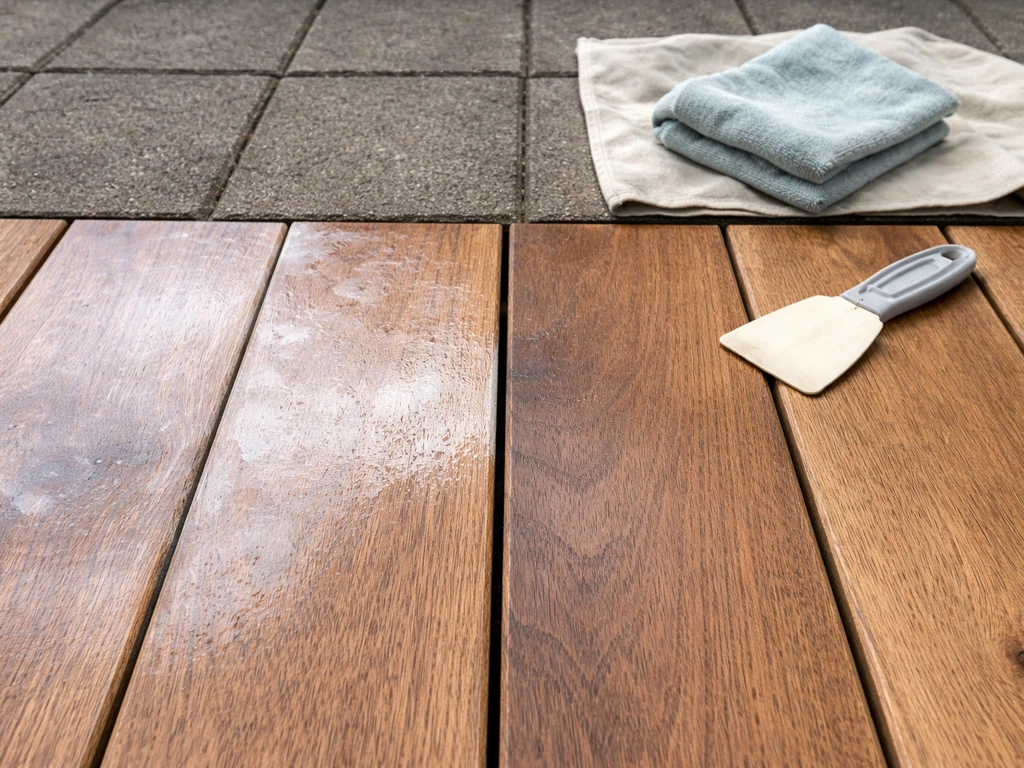
Cloudiness in a clear sealer almost always means moisture got trapped under the finish, either because the wood was damp at application or because water infiltrated later through cracks or end grain. If it's minor and recent, sometimes the cloudiness will dissipate as moisture slowly works out. If it persists, strip the affected sections, let the wood dry completely (at least 48–72 hours of dry conditions), and reapply. To prevent recurrence, make sure end grain is thoroughly sealed and consider a penetrating sealer rather than a film-forming clear.
Sticky or tacky finish that won't dry
A finish that stays sticky after the expected dry time was almost certainly applied in too-thick coats, in high humidity (above 70%), or at low temperatures. Give it more time first: some penetrating oils in cool, humid weather can take 24+ hours to stop feeling tacky. If it's been several days and it's still sticky, the finish is likely compromised. Strip it off with mineral spirits (for oil-based products) or appropriate stripper, clean and dry the surface, and reapply in thinner coats under better weather conditions. The instinct to add another coat to cover the tackiness will always make it worse.
Gray, weathered-looking wood through a clear sealer
If the wood looks gray or blotchy under a clear or semi-transparent finish, the wood wasn't brightened before application. Oxalic acid brightener neutralizes the gray oxidation and tannin staining on weathered wood. Once a gray tone is locked in under a sealer, your options are to strip, brighten with oxalic acid, and recoat with a semi-transparent stain that has enough pigment to mask it, or accept the look. Going back over the top with more clear sealer won't fix the color underneath.
FAQ
How long should I wait after cleaning before applying the best sealer for wood patio furniture?
Most new or freshly sanded wood can be sealed the same day only if it is already at the right dryness level. For pressure-treated lumber and anything recently washed, rely on the water-bead test and, in general, give cleaned furniture at least 48 hours of dry weather before sealing. If the surface beads or feels cool and damp, wait longer.
Can I apply penetrating oil over existing varnish, paint, or a previous sealer?
Yes, but only when you match the system. You cannot apply a penetrating oil over a film-forming varnish or old paint and expect absorption. If you want to switch types, strip the failing coating or use a compatible bonding primer as an intermediate layer, then apply a penetrating sealer on bare wood.
What is the best way to apply sealer if my furniture has lots of flat panels and end grain?
Spraying is fine for flat areas, but it still needs grain-level work. After spraying, back-brush (or back-roller) so the sealer wets out and penetrates instead of sitting on top. Also apply extra to end grain, because it typically drinks more product and moisture enters there first.
Should I always apply two coats of sealer, even if the first coat looks wet?
Skip a second coat if the first coat is still tacky, beading water, or clearly looks saturated. Forcing more product over a surface that has not absorbed will stay sticky, attract dirt, and can delay full cure. Wait until it is no longer tacky and only then decide whether you need a second coat.
Can I spot-seal only the worn areas instead of doing the whole furniture piece?
For most patio applications, aim for the same sealer category across the whole piece so aging happens uniformly. If you patch only a small area with a different product, the sheen and color can differ, and water infiltration at the edges is more likely. If you must spot-correct, match oil versus hybrid versus acrylic as closely as possible.
My patio furniture finish is failing, do I need to strip everything or can I recoat?
It depends on what is causing the problem. If the surface is peeling or the finish is flaking, you usually need stripping and sanding back to sound wood, then re-coating. If it is only looking dry or no longer beading, you can typically clean and recoat without stripping.
Why does my clear wood patio sealer look cloudy, and how do I fix it?
Cloudiness or hazy film often means moisture was trapped under the coating. If it is minor and recent, it can clear as moisture exits, but if it persists you generally need to strip the affected sections, dry at least 48 to 72 hours under dry conditions, and reapply.
Can I use a pressure washer to clean wood patio furniture before sealing?
Yes, but don’t use aggressive pressure settings. High-pressure washing can force water and mechanically remove or damage sealer from the grain. Use a low-pressure rinse and mild soap for regular cleaning, then let the wood dry fully before any recoat.
Is boiled linseed oil a good sealer for wood patio furniture?
Do not use boiled linseed oil as a primary exterior sealer for patio furniture. It can remain oily longer and is more likely to mildew in humid climates compared with modern exterior penetrating oils. If you want that look, use an exterior-formulated penetrating oil that is designed for outdoor exposure.
How often will I need to reapply the best sealer for wood patio furniture in very sunny climates?
In full sun, you may need more frequent maintenance than the typical 1 to 3 year window. As a practical rule, recoat when water no longer beads and the surface looks dry or gray. Pieces under a covered porch in lower UV typically stretch the cycle longer.
What should I do differently on end grain and joints compared with the rest of the wood?
End grain is the most common entry point for moisture, so treat it differently. Apply extra product until it stops soaking in quickly, and do not rely on thin coats. Proper end-grain sealing helps reduce cloudiness and premature failure at joints and cut edges.
What do I do if the sealer is still sticky after the recommended dry time?
If the wood feels sticky well beyond the product’s stated dry time, it is usually due to excessive thickness, high humidity, or cool temperatures, not because you need a tiny extra coat. Let it sit only within the expected window, and if it stays tacky after several days, strip, clean, dry thoroughly, then reapply in thinner coats under better weather.
How should I seal cedar or redwood patio furniture if I want to avoid discoloration?
For cedar and redwood, tannin bleed and uneven tone are common if you use the wrong primer or skip prep. If you need solid color and strong UV blocking, start with a stain-blocking primer compatible with your topcoat system, then use two coats of a solid-color exterior acrylic. Otherwise, use a semi-transparent penetrating oil stain approach and expect to recoat more often as UV fades it.
Next Articles
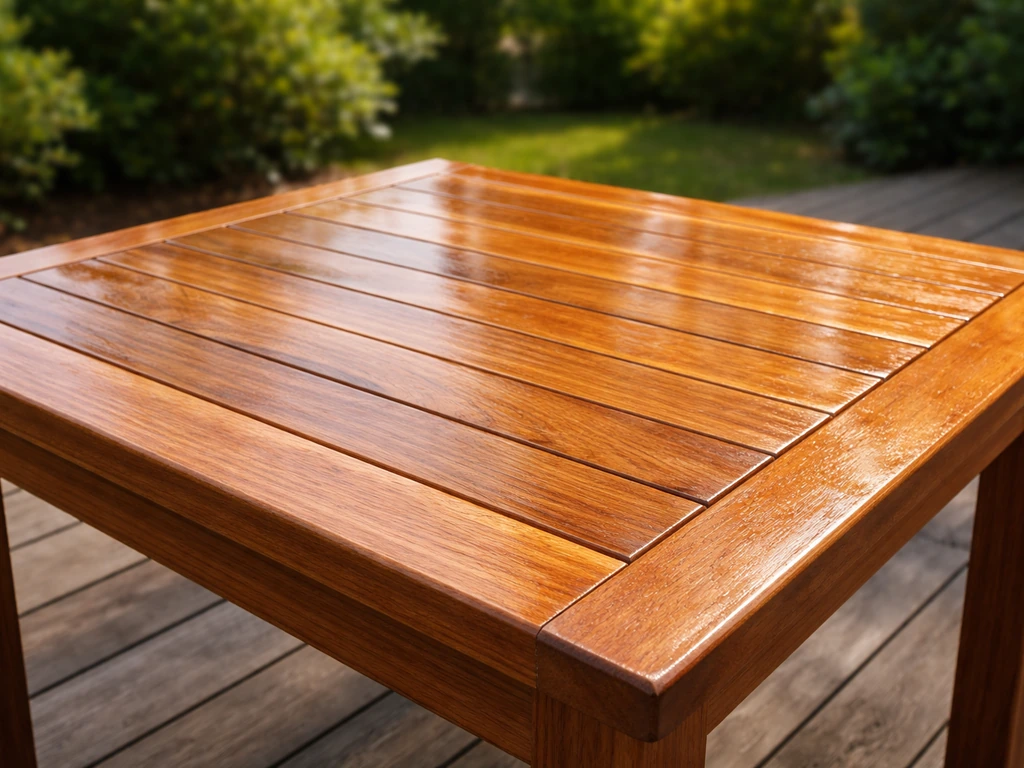
Best Varnish for Patio Furniture: Pick the Right Outdoor Finish
Choose the best outdoor varnish for patio furniture with UV, weather, wood type, prep, coat, cure, and maintenance guida
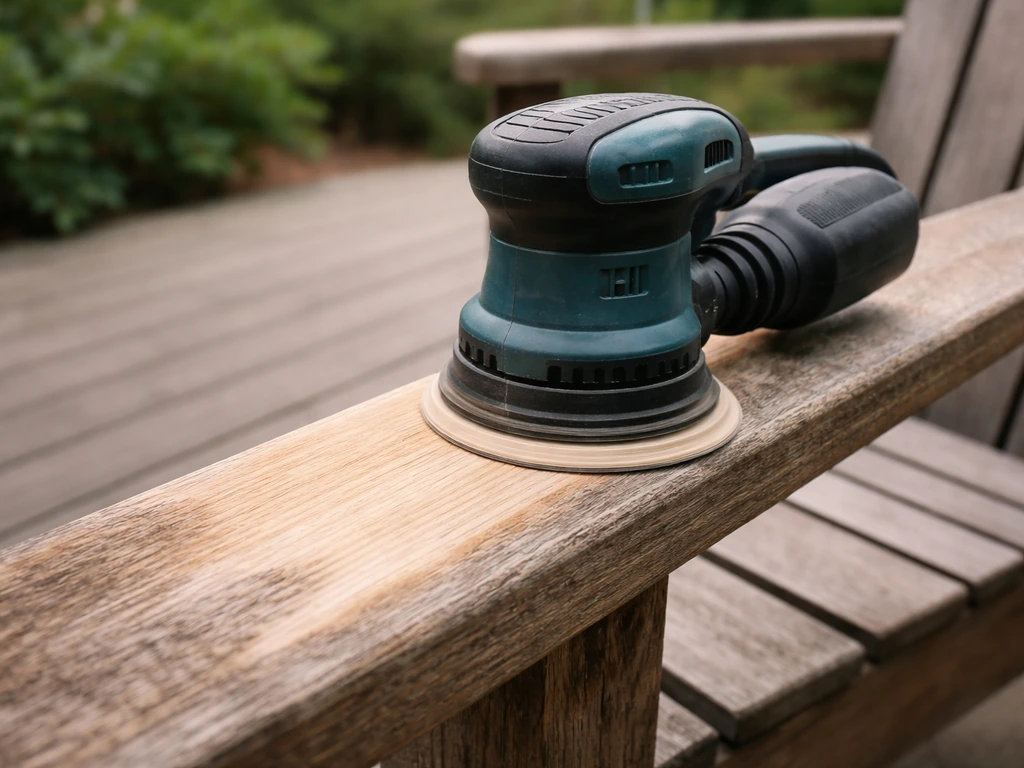
Best Sander for Patio Furniture: Types, Grits, and Specs
Choose the best sander for patio furniture with grit plans, pad types, rust and dust tips, plus outdoor refinishing step

Best UV Protection for Patio Furniture: Choose and Apply
Pick the best UV protection for patio furniture by material, prep, coats, and climate to prevent fading, cracking, and b