
For most patio furniture, the best paint system is a rust-inhibiting primer followed by an oil-based or alkyd enamel topcoat for metal, and a bonding primer plus exterior acrylic enamel for wood, wicker, and composites. The specific products depend on what your furniture is made of, where you live, and how much prep you're willing to do. Get those three variables right and your paint job will last three to five years. Skip them and you'll be repainting next spring.
Best Patio Furniture Paint: Choose, Prep, and Apply for Durability

Theo Tierney
4 May 2026
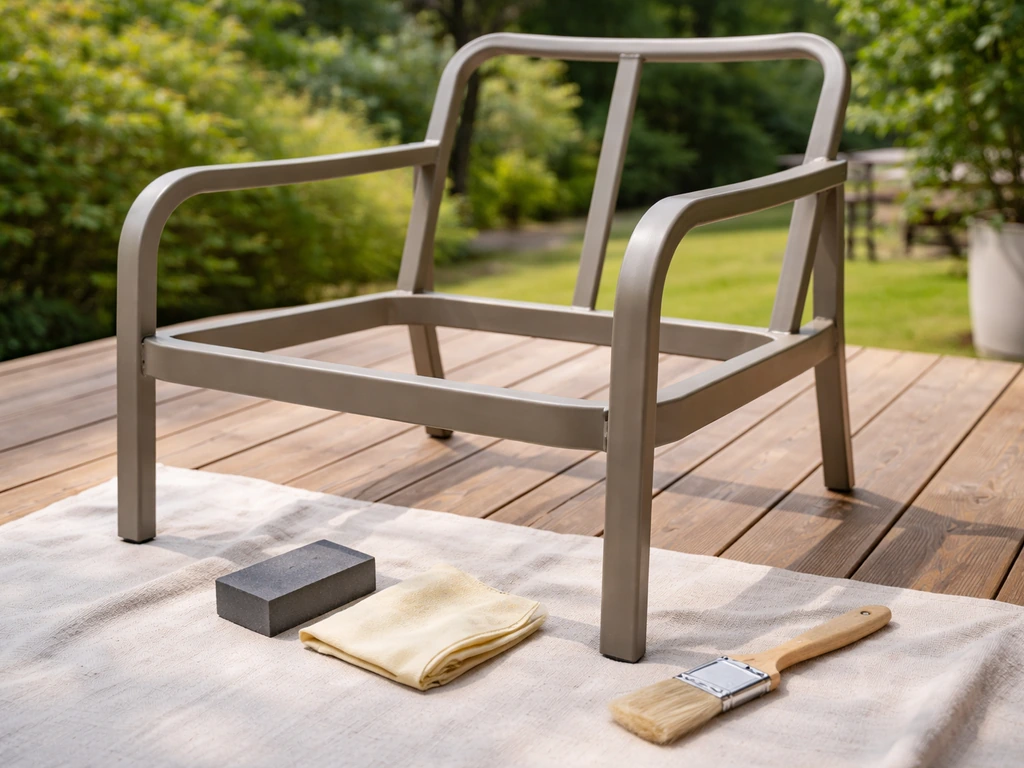
Choosing paint by patio furniture material
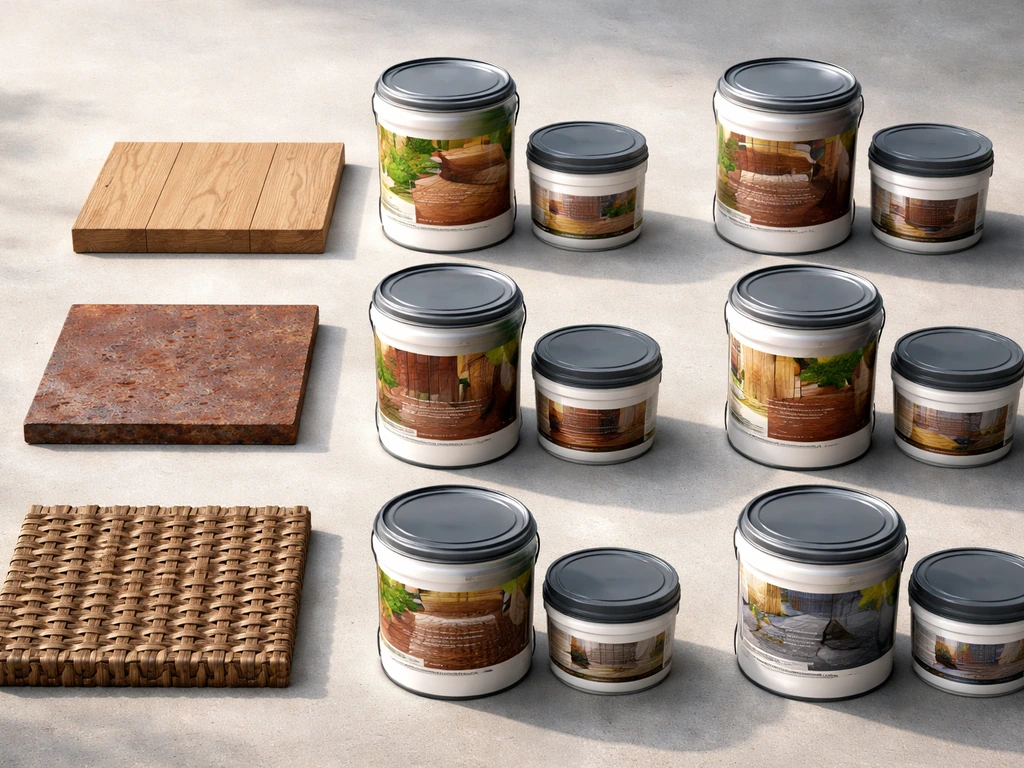
Material is the single most important factor in choosing paint. Using the wrong product on the wrong substrate is the number one reason patio paint jobs fail within a season. Here's how to match your paint system to what you're actually painting.
Metal furniture
Bare or rusty steel and cast iron need a dedicated rust-inhibiting primer before anything else. Options like Rust-Oleum Stops Rust primer or Benjamin Moore's rust-inhibitive metal primer (30-minute dry, 4-hour recoat) are formulated with corrosion inhibitors that actively slow down oxidation under the topcoat. For the finish, oil-based or alkyd enamels give you the hardest, most chip-resistant surface. Rust-Oleum Stops Rust Gloss Pro Enamel is a reliable workhorse here: dries to touch in 2 to 4 hours at 70°F and reaches full hardness in 24 hours. If you want a faster one-product option on lightly rusted or clean metal, Krylon Industrial Tough Coat Advanced with Rust Barrier Technology goes direct-to-metal with no primer needed. Aluminum is less rust-prone but still needs an etching primer or a bonding primer for adhesion since the surface is naturally slick.
Wood furniture
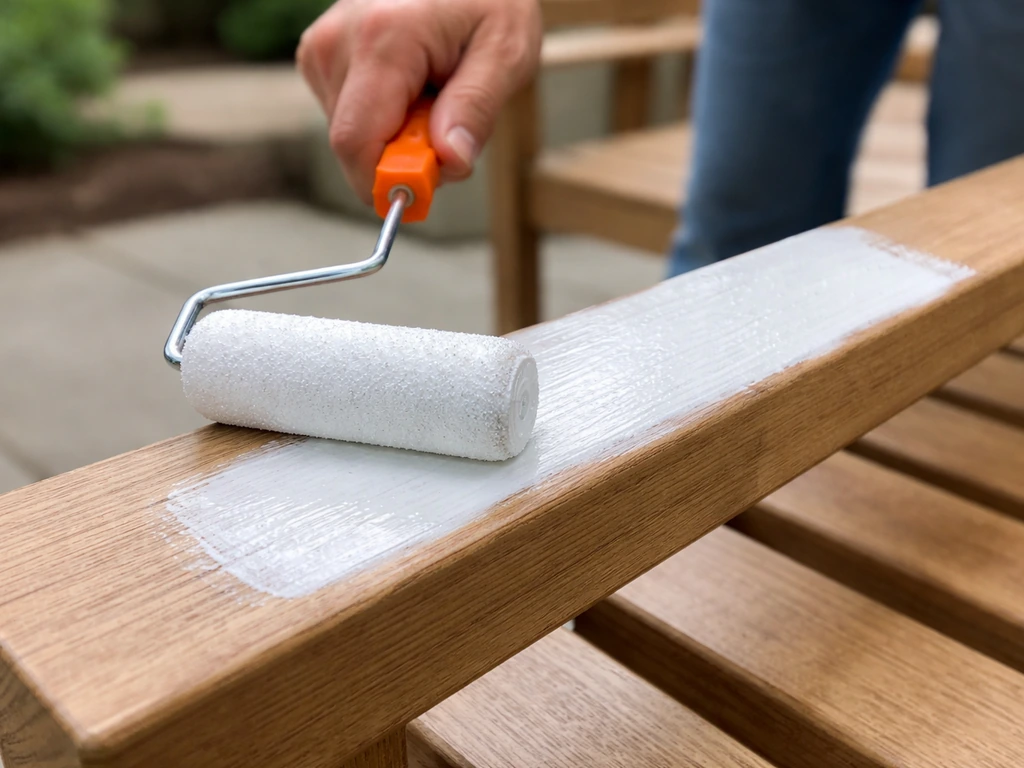
Wood moves with temperature and moisture, so flexibility matters. A 100% acrylic exterior enamel handles wood expansion and contraction better than oil-based paint, which tends to crack over time on natural wood. Prime bare wood with a quality exterior primer first. Benjamin Moore Decorative Enamel Primer covers wood explicitly and dries in 2 to 5 hours with a 1-hour recoat window, making it easy to stay on schedule. If you're repainting over existing glossy paint, note that applying acrylic over old oil-based paint without proper prep is a known adhesion failure point. Sand it, scuff it, or use a bonding primer.
Wicker and rattan
Wicker is tricky because the weave creates dozens of small crevices and the material is thin, so brush application gets messy fast. Spray paint is almost always the better choice here. Krylon Fusion All-In-One is a go-to for wicker: it bonds to the surface without a separate primer step, blank" rel="noopener noreferrer">dries to touch in about 20 minutes, and the spray format gets into the weave evenly. Benjamin Moore Decorative Enamel Primer also lists wicker as a compatible substrate if you want a separate primer step before a topcoat. The key with wicker is thin, even coats to avoid runs pooling in the joints.
Plastic, resin, and composite furniture
Plastic is the most demanding surface to paint successfully. The problem is low surface energy, meaning paint doesn't want to stick. Rust-Oleum Specialty Plastic Primer Spray is designed for polypropylene, polystyrene, resin, PVC, fiberglass, and vinyl, and it directly addresses the adhesion failure mode. One important caveat: polyethylene plastic (common in cheaper resin chairs) is especially difficult and may still need sanding even with a plastic primer. Avoid Zinsser BONDZ as a workaround here since it explicitly excludes polyethylene and polypropylene. After priming, Krylon Fusion All-In-One works well as a topcoat since it claims 5X stronger adhesion on difficult materials including plastics.
| Material | Recommended Primer | Recommended Topcoat | Application Method |
|---|---|---|---|
| Steel / Cast Iron | Rust-inhibiting metal primer (Rust-Oleum Stops Rust or BM HP Metal Primer) | Oil-based or alkyd enamel (Rust-Oleum Stops Rust Gloss Pro) | Brush or spray |
| Aluminum | Etching or bonding primer (BEHR Bonding Primer, Zinsser Bulls Eye 1-2-3) | Exterior acrylic enamel | Brush or spray |
| Wood | Exterior enamel primer (BM Decorative Enamel Primer) | 100% acrylic exterior enamel | Brush or spray |
| Wicker / Rattan | Optional: BM Decorative Enamel Primer or skip with Fusion | Krylon Fusion All-In-One | Spray only |
| Plastic / Resin | Rust-Oleum Specialty Plastic Primer Spray | Krylon Fusion All-In-One | Spray preferred |
| Composite | BEHR Bonding Primer or Zinsser Bulls Eye 1-2-3 | Exterior acrylic enamel | Brush or spray |
Weather and climate factors that determine durability
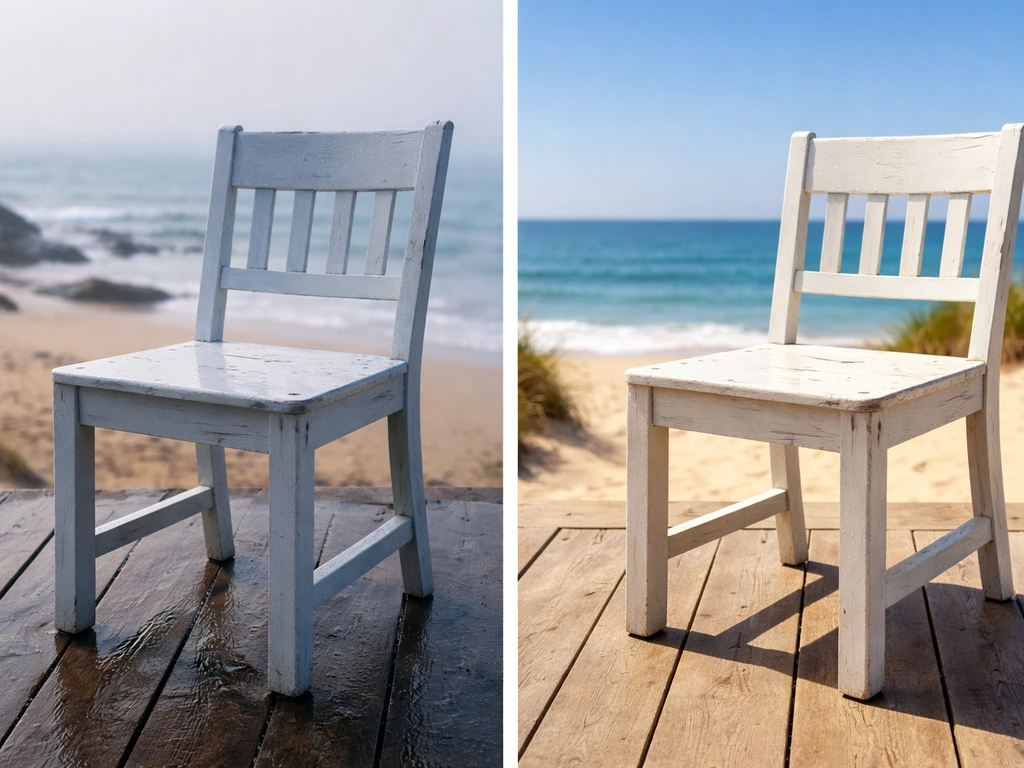
Where you live matters almost as much as what your furniture is made of. Paint chemistry behaves differently across climates, and a product that holds up in Phoenix can fail in a year in Miami or Savannah.
- High humidity (Florida, Gulf Coast, Pacific Northwest): Humidity slows cure time significantly. Benjamin Moore's own ADVANCE TDS notes that extra ventilation is necessary under humid conditions when applied over hard or non-porous surfaces. If you trap moisture under a coat that hasn't fully cured, blistering and peeling follow. Never paint when humidity exceeds 65% (Rust-Oleum's Stops Rust line specifies this directly) and give every coat more dry time than the label minimums suggest.
- High UV and heat (Southwest, Arizona, Southern California): UV degrades paint films fast on sun-facing surfaces. Oil-based paints chalk and crack under intense UV exposure, which is one reason acrylic topcoats often outlast them in sunny climates. Look for products with UV-resistance claims, and consider that lighter colors absorb less heat and expand less, reducing cracking over time.
- Coastal and salt air (East Coast, Gulf, Pacific coast): Salt air accelerates rust on ferrous metal dramatically. In these environments, skip the 'good enough' primer and use a proper rust-inhibiting primer on all metal, even aluminum. Re-inspection every spring is mandatory. Wipe furniture down with fresh water after storms.
- Freezing winters (Midwest, Northeast, Mountain regions): Freeze-thaw cycles create stress on paint films, especially on wood and metal that hold moisture. A fully cured, hard enamel topcoat handles this better than a soft film. Full cure (typically 24 to 48 hours at 70°F) before temperatures drop is critical. If you're painting in fall, pick a dry warm week and give the finish at least 72 hours before cold hits.
- General high-use outdoor wear: Abrasion, dragging, and UV dulling are daily factors. Gloss and semi-gloss finishes resist abrasion and wipe down more easily than flat finishes, which is why most patio furniture paint recommendations lean toward enamel rather than flat exterior paint.
Label shopping: primers, topcoats, and performance specs
Paint labels are full of marketing claims that can obscure what actually matters. Here's what to look for and what to ignore.
Primer vs. paint-and-primer-in-one
Paint-and-primer-in-one products like BEHR Premium Plus can work on properly prepared surfaces in good condition. But if your furniture has bare metal, active rust, chalky old paint, or a glossy finish, a dedicated primer is not optional. The 'paint as primer' framing only applies when the substrate is already sound. A product like BEHR Metal Primer specifically targets 'clean or sound rusty metal' and delivers corrosion inhibitors that a topcoat-only product won't. Getting this distinction right is probably the most important label-reading skill for painting patio furniture.
Rust-inhibiting vs. bonding primers
These do different jobs and should not be treated as interchangeable. Rust-inhibiting primers (BEHR Metal Primer, Rust-Oleum Stops Rust primer, Benjamin Moore's rust-inhibitive metal primer) chemically slow corrosion on ferrous metal. Bonding primers (BEHR Bonding Primer, Zinsser Bulls Eye 1-2-3) are engineered for adhesion on difficult surfaces like glossy enamel, aluminum, or composite materials, but they don't provide the same corrosion protection on steel. On steel furniture with any rust, you need a rust-inhibiting primer. On aluminum or composite with a glossy finish, a bonding primer is the right call.
Key specs to check on the label
- Dry to touch vs. recoat time vs. fully dry: These are three different stages. Dry to touch just means it won't smear if you brush it. Recoat time is when the next coat should go on. Fully dry is when it's actually cured and durable. Rust-Oleum Stops Rust Gloss Pro Enamel, for example, touches dry in 2 to 4 hours, handles in 5 to 9 hours, and fully dries in 24 hours at 70°F and 50% RH. Applying topcoat too early traps solvents, causing bubbles, wrinkling, or peeling.
- Application temperature range: Rust-Oleum specifies 50 to 90°F and humidity below 65% for their Stops Rust line. Painting outside these windows invites adhesion failures.
- Surface compatibility: Read the fine print. Zinsser BONDZ explicitly excludes polyethylene and polypropylene. If your plastic chairs are made from these (check the recycling symbol on the bottom, #2 for HDPE, #5 for PP), you need a specialty plastic primer instead.
- Flexibility claims: Wicker and some composite materials flex and need a paint film that won't crack with movement. Acrylic formulas are generally more flexible than alkyds.
- UV resistance: Look for 'fade resistant' or 'UV resistant' language if sun exposure is heavy. This is especially important for colored topcoats in sunny climates.
Prep work that prevents peeling and rust
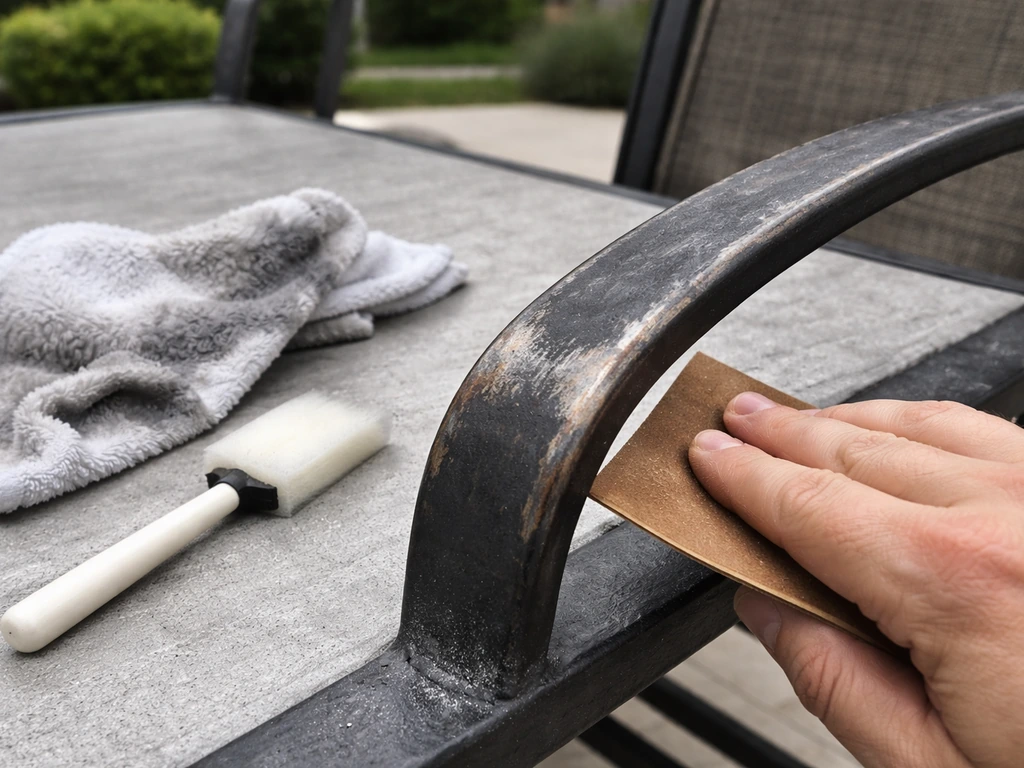
Prep is where most patio furniture paint jobs either succeed or fail. You can buy the most expensive paint on the shelf and still have it peeling within a season if the surface wasn't ready. Here's the actual sequence that matters.
- Clean thoroughly first: Remove dirt, grease, mildew, and any chalky residue. A degreaser or TSP substitute handles most of this. For metal furniture that's been sitting outside, wipe with a rag dampened with mineral spirits after washing to remove any oily residue that water alone won't get. Skipping this step causes adhesion failure even with perfect primer and paint.
- Address rust: On lightly rusted steel, sand with 80 to 120-grit sandpaper or use a wire brush attachment on a drill. For heavier rust, a rust converter primer (like Kool Coats 309 Rust Converter) can chemically neutralize the rust before priming, but give it a full 24-hour cure at room temperature before applying topcoat or you'll seal in the conversion reaction prematurely.
- Sand or scuff glossy surfaces: Glossy old paint is one of the biggest adhesion problems on repainted furniture. Sand with 150 to 220-grit to break the gloss before priming. Zinsser Bulls Eye 1-2-3 is designed for exactly this scenario (excellent adhesion to glossy surfaces), but even then a light scuff gives you insurance.
- Decide whether to strip or spot-repair: If the existing paint is peeling in large sections, flaking, or blistering, strip it back to bare material. Spot-repairing over failing paint just delays the problem by a season. If the existing paint is mostly sound with minor chips or flaking edges, feather-sand the edges of the damaged spots and spot-prime before full coating.
- Dry completely: This sounds obvious but is often rushed. Moisture trapped under primer is a guaranteed failure, especially on metal where it becomes a rust factory under the film. After washing, allow at least 24 hours of dry weather before priming. In humid climates, longer is better.
- Lightly sand between coats: A quick pass with 220-grit between the primer coat and the first topcoat dramatically improves adhesion and removes dust nibs. It takes five minutes and makes a real difference.
Application methods and how many coats to use
Brush vs. spray
Spray gives you a smoother, more even film on almost any shape and is the only practical method for wicker. It's also faster on intricate metal furniture with lots of curves and joints. The tradeoff is overspray waste, the need for masking nearby surfaces, and thin individual coats that require more passes. Brush application gives you better film build per coat and more control on flat surfaces like wooden slat tables and straight-sided benches. For metal and wood furniture with simple geometry, brushing with a quality synthetic brush (for acrylics) or natural bristle brush (for oil-based) delivers a durable film. For anything with curves, open weave, or decorative metalwork, spray is the better call.
Number of coats and timing
One coat of primer plus two coats of topcoat is the minimum for outdoor furniture that will see real weather. On heavily rusted metal that you've treated with rust converter, add a second primer coat before topcoat. On spray applications, where individual coats are thinner, three topcoats is a reasonable target. Apply each coat within the recoat window on the label. If you miss the recoat window and the previous coat has fully hardened, sand lightly before the next coat. KILZ Over Armor Smooth, for example, specifies a 4 to 6-hour recoat window, and applying after that window without prep can reduce inter-coat adhesion. Give the final topcoat a full 24 hours before light handling and at least 48 hours before putting the furniture back into active use.
Spray can tips and application conditions
Shake the can for at least two minutes before spraying. Hold 10 to 12 inches from the surface and keep the can moving in steady passes rather than stopping at the end of a stroke (which causes runs). Apply in thin coats and let each tack up before the next. Avoid applying in direct sunlight on hot surfaces: KILZ Over Armor specifically flags this as a cause of application failure. Optimal conditions are 50 to 90°F with humidity below 65%, as Rust-Oleum also specifies for their Stops Rust line.
Best-paint recommendations by use case
Here's how to pick based on your actual situation rather than just the furniture material.
Budget-friendly, quick refresh
If you have sound (not peeling, not actively rusting) furniture and just want a color refresh, Krylon Fusion All-In-One is the easiest path. It bonds without a separate primer on most surfaces, dries to touch in 20 minutes, and handles in one hour. It works on metal, wood, wicker, and plastic. You're trading some long-term durability for convenience and lower cost. Expect 2 to 3 seasons in moderate climates with reasonable care.
Rust-prone metal furniture
This is where cutting corners costs you the most. Use a dedicated rust-inhibiting primer first: either Rust-Oleum Stops Rust primer or Benjamin Moore's rust-inhibitive metal primer. Follow with Rust-Oleum Stops Rust Gloss Pro Enamel or a similar oil-based enamel topcoat. In coastal environments or areas with harsh winters, this two-product system is non-negotiable. On heavily rusted pieces, add a rust converter step first and let it fully cure for 24 hours before priming.
Sun-faded furniture in high-UV climates
UV degradation is the primary failure mode in the Southwest and other high-sun climates. Prioritize acrylic enamel topcoats over alkyds since acrylics hold color longer and resist chalking better under UV. Look specifically for exterior formulas that mention fade resistance or UV resistance. For patio furniture that’s constantly exposed to sun, using the best UV protection for patio furniture starts with choosing a fade-resistant exterior acrylic enamel and backing it with the right primer. Lighter colors are more forgiving since pigment degradation is less visible. A quality exterior acrylic enamel like Benjamin Moore ADVANCE (with appropriate metal or wood primer) holds up well in these conditions and stays flexible enough to handle temperature swings.
Premium longevity: all climates
If you want maximum durability and you're willing to invest a few extra dollars and an extra prep step, build a proper system. For metal: rust-inhibiting primer plus two coats of alkyd or oil-based enamel. For wood: exterior primer plus two coats of 100% acrylic enamel. For plastic or composite: Rust-Oleum Specialty Plastic Primer Spray plus two coats of Krylon Fusion. This approach, done on properly prepped surfaces and applied within the right temperature and humidity windows, routinely delivers four to six years before any significant touch-up is needed.
Difficult adhesion situations
If you're painting over existing glossy enamel, old oil-based paint, or a surface that's previously delaminated, use a bonding primer before anything else. Zinsser Bulls Eye 1-2-3 has excellent adhesion to glossy surfaces and a 1-hour recoat window that keeps your project moving. BEHR Bonding Primer is the other reliable choice. On very difficult low-energy plastic surfaces, Benjamin Moore's High Build Peel Bonding Primer can help address situations where the existing paint is already starting to chalk or separate.
Maintenance and when to repaint for long-lasting results
Even a well-painted piece of patio furniture needs some attention to reach the long end of its lifespan. The good news is that most of the maintenance is easy and quick, and it dramatically delays the point where a full repaint becomes necessary.
Annual spring inspection
Every spring before the season starts, look closely at all metal joints, the undersides of arms and feet, and anywhere two surfaces contact each other. These are where moisture accumulates and paint degrades first. Catch rust spots or chipping early and you can spot-prime and touch up rather than repainting the whole piece. Wipe the furniture down with a mild soap solution and look for any adhesion failures, blistering, or color fading that signals the paint film is losing integrity.
In-season care
Wipe down furniture regularly, especially in coastal environments where salt spray deposits on the surface accelerate deterioration. Mild soap and water is all you need. Avoid abrasive cleaners that scratch the paint film. If you live somewhere with freezing winters and you're not storing furniture indoors, use furniture covers designed for outdoor use. Moisture-trapping under a cheap cover that doesn't breathe can actually cause more damage than leaving furniture uncovered in dry cold.
When to touch up vs. fully repaint
Touch up when: paint chips are isolated, rust is confined to a small area, or you're seeing minor color fading. Sand the damaged area back to sound paint or bare metal, feather the edges, prime, and apply one to two topcoats with matching paint. Fully repaint when: paint is peeling in multiple areas, rust is spreading under the film, the color has faded significantly and touch-ups will look patchy, or the piece has been ignored for several years and the overall film integrity is questionable. Trying to extend a failing paint job with spot repairs on a heavily deteriorated surface is false economy.
Typical repaint timelines
With proper prep and a full primer-plus-two-topcoat system, here's what to realistically expect by material and climate. Metal furniture in moderate climates: 4 to 5 years before any significant touch-up. Metal in coastal or high-humidity regions: 2 to 3 years. Wood furniture: 3 to 4 years with a quality acrylic enamel, somewhat less if sun exposure is heavy. If you want the best finish for wood patio furniture, prioritize a quality exterior primer and a 100% acrylic enamel topcoat to stay flexible and resist cracking. Wicker and composite: 3 to 5 years depending on UV exposure. Plastic and resin: 2 to 4 years, shorter if the original surface prep was minimal. These timelines assume reasonable care and annual inspection. If you've chosen just to do a quick one-coat spray refresh without primer, cut those numbers roughly in half.
One final note on the bigger picture: paint is a great option for refreshing and protecting patio furniture, but it's not the only finish worth considering. If you have wood furniture, a quality oil or penetrating finish sometimes outperforms surface paint because it doesn't create a brittle film that can peel. In general, the best oil for patio furniture is an exterior oil finish designed for the specific material, especially wood, and it should be rated for outdoor durability. Depending on your furniture and goals, you may also want to explore exterior varnish or UV-protective sealers as alternatives or additions to a painted topcoat system. If you’re curious about non-paint protection, the best car wax for patio furniture can be a helpful adjacent option for adding a protective sheen. If you decide to go with a sealer instead of paint, focus on the best sealer for wood patio furniture that is made for exterior use and offers water and UV protection exterior varnish or UV-protective sealers. If you’re looking for the best varnish for patio furniture, choose a UV-protective exterior varnish designed for outdoor exposure, then match it to your wood type and prep level.
FAQ
Can I paint patio furniture with no primer at all if I’m using a “paint and primer” product?
Only if the furniture is sound, meaning no active rust, no peeling or flaking, and no chalky or loose paint. If you see glossy “slick” enamel, bare metal, or rust staining, you should use a primer matched to that specific problem, because the one-step approach fails most often on those surfaces.
What’s the best way to handle rust that’s visible but not widespread?
Treat it as a steel failure starting point. Remove loose rust and sand to sound metal, then use a rust-inhibiting primer. If rust looks embedded or the surface is heavily oxidized, use a rust converter first and allow the full cure time before priming.
Should I sand glossy patio furniture before painting?
Yes, unless the label explicitly allows coating over gloss without abrasion. Glossy finishes reduce mechanical grip, so scuff-sanding or a bonding primer is usually required to prevent peeling at the edges and corners after a season of weathering.
How do I know if I should switch from alkyd to acrylic for UV-heavy areas?
If your furniture is in high sun for most of the day, prioritize an exterior 100% acrylic enamel. Acrylic tends to resist chalking and fade better, and lighter colors hide pigment loss longer, reducing the need for early repainting.
Is spray paint always better than brushing for outdoor metal furniture?
Not always. Spray is great for curves, joints, and ornate metalwork, because it covers evenly with less brush-stroking. For flatter pieces and straight runs, brushing can build a thicker film per coat, which can improve chip resistance when you’re using the correct primer and enamel.
What should I do if I miss the recoat window between coats?
If the previous coat has fully hardened, lightly sand before applying the next coat. This improves inter-coat adhesion and reduces the chance of wrinkling, soft spots, or premature peeling, especially when you apply over a smooth or glossy underlayer.
How long should I wait before using patio furniture after the final coat?
Plan on full cure time, not just “dry to touch.” Give the final topcoat about 24 hours for light handling, and wait at least 48 hours before returning it to active outdoor use so the film can harden and resist water intrusion.
Can I paint wicker over old, flexible coating?
You can, but only if the existing finish is firmly bonded and not peeling or powdery. Wicker’s weave traps moisture, so any loose coating should be removed, then apply thin, even coats to avoid runs pooling inside the joints.
Is painting plastic patio furniture different from painting wood or metal?
Yes, plastic often requires a specific adhesion strategy because many plastics have low surface energy. Use a plastic primer designed for the exact plastic type, then apply an appropriate topcoat. Polyethylene in particular is difficult and may still require sanding and careful cleaning even after priming.
What cleaning step actually improves adhesion before painting?
Use a mild soap-and-water wash to remove salt, dirt, and residue, then let it dry completely. Avoid greasy cleaners and abrasive scrubbing, because remaining residue can cause fish-eyes, soft adhesion, or blistering under the topcoat.
Do I need to paint the underside and legs too?
You should. Moisture collects at feet, undersides, and wherever two surfaces meet, like arm-to-frame junctions. Coating these areas delays corrosion and reduces the common failure pattern where the top looks fine but rust blooms from the bottom.
Will furniture covers help or hurt paint longevity?
They help if they’re outdoor-rated and breathable. A cheap cover that traps moisture can accelerate breakdown by keeping surfaces damp, leading to early blistering and paint failure even in cold climates.
How do I decide between spot touch-ups and a full repaint?
Touch up when the damage is isolated, meaning chips are limited and rust is confined without spreading under the film. Repaint when peeling appears across multiple areas, rust has migrated underneath, the finish is broadly chalking or failing, or patchwork would visibly stand out due to significant fade.
If my goal is “best durability,” what is the simplest reliable paint system?
For most outdoor longevity, use a primer that matches the failure mode, then apply multiple topcoats. A common durability baseline is rust-inhibiting primer plus two topcoat coats for metal, and exterior primer plus 100% acrylic enamel for wood, with extra topcoats when spraying because each coat is thinner.
Can oil-based enamel be used on wood patio furniture?
It can, but it’s not the best choice for most outdoor wood because it can crack when wood expands and contracts. For wood, exterior 100% acrylic enamel is typically the safer option for flexibility and long-term film integrity.
Next Articles
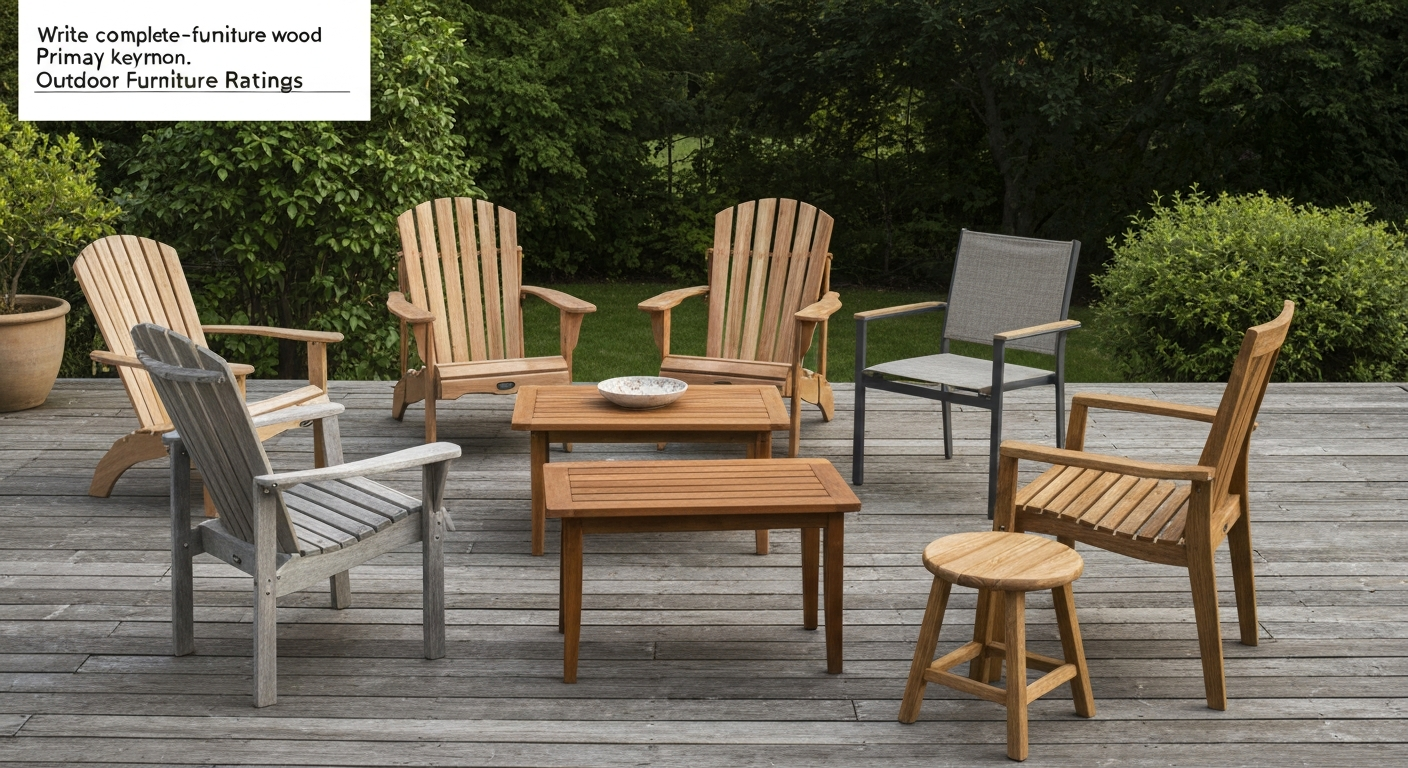
Common Patio Furniture Wood: Best Choices, Care & Tips
Compare common patio furniture wood types, teak, cedar, redwood, oak, with durability, finishes, and care tips.
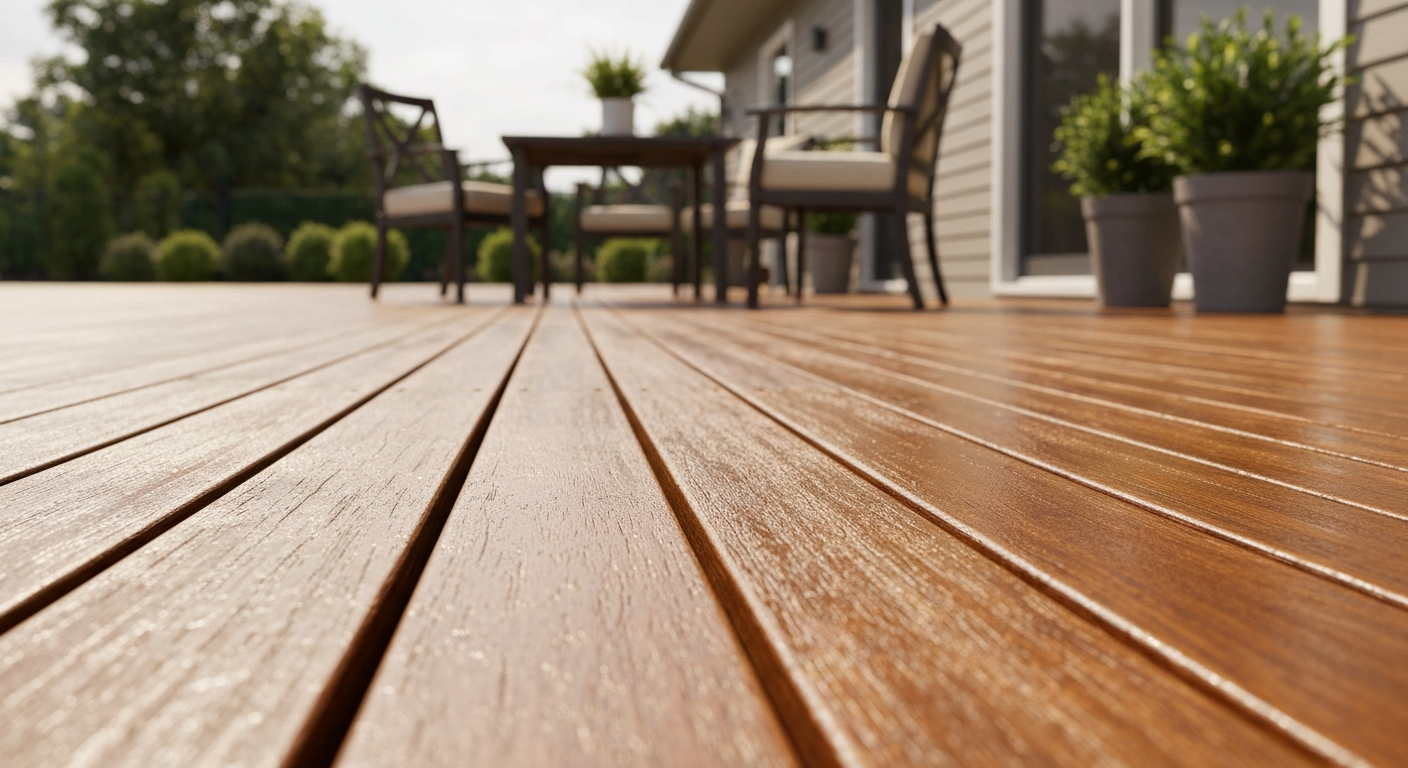
Best Wood Patio Stain: Choosing Durable, Low-VOC Finishes
Compare and choose the best wood patio stain: durability, finish, climate tips, prep, and top product picks.
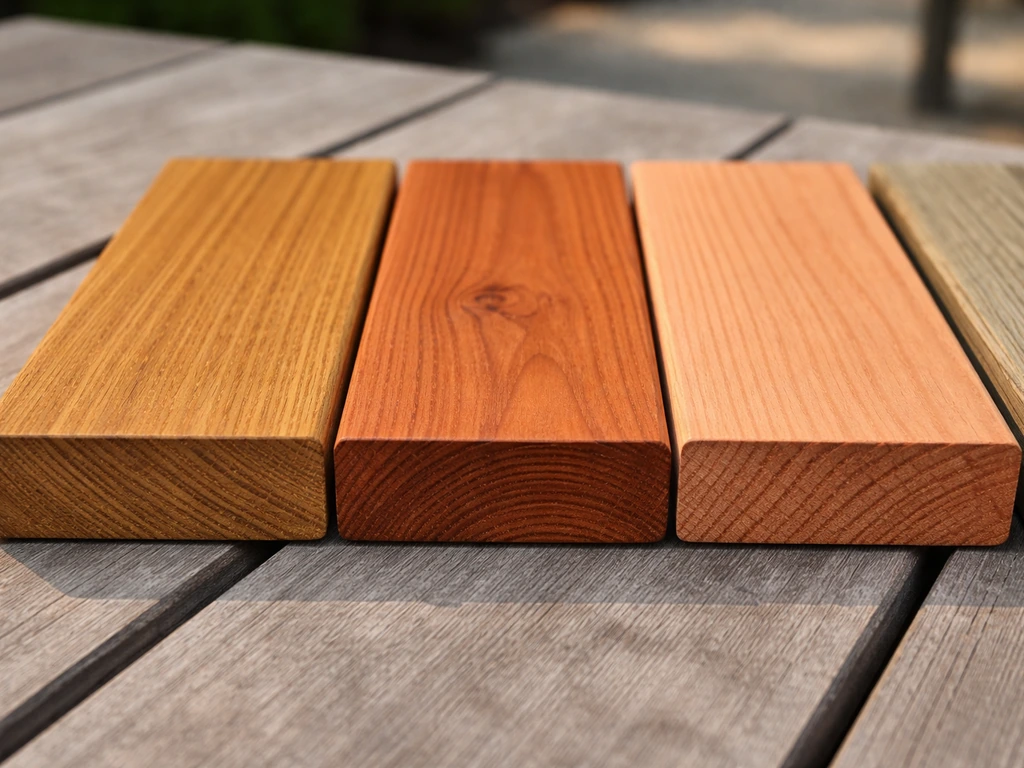
Common Patio Furniture Wood: Teak, Cedar, Redwood and More
Compare common patio woods like teak cedar redwood and pressure-treated: durability, quality checks, and care for long l