
Most patio furniture covers are water-resistant, not truly waterproof. And yes, patio furniture can get wet even when you use a cover, especially if the seams or fit let moisture in water-resistant. That distinction matters a lot when you're counting on a cover to protect a set of cushions or a metal frame through a three-day rainstorm.
Are Patio Furniture Covers Waterproof? What to Know

Theo Tierney
31 May 2026
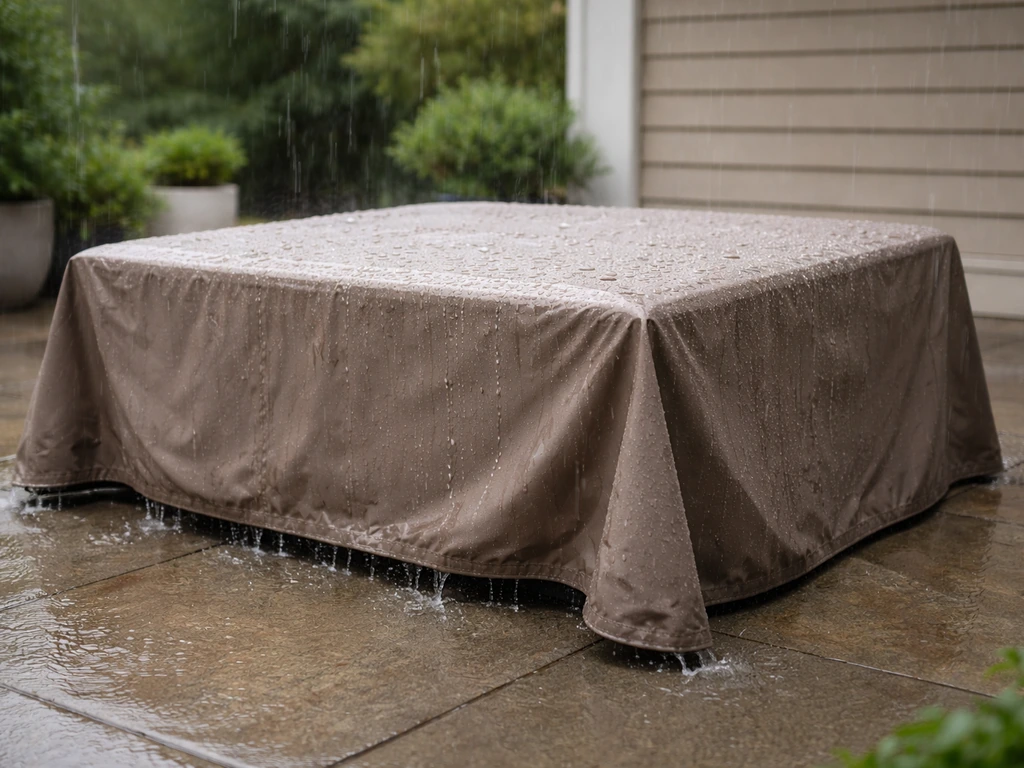
A cover marketed as "waterproof" will shed light rain and morning dew without a problem, but many will let water seep through at the seams, pool on top and sag inward, or wick moisture up from the ground edges. Whether your cover actually keeps furniture dry depends on the fabric, the seam construction, the fit, and how you install it. Here's how to tell the difference and choose one that genuinely performs.
Waterproof vs water-resistant: what the labels really mean
These terms get used interchangeably in product listings, but they describe meaningfully different levels of protection. Water-repellent means the fabric surface has a coating (usually a DWR, or durable water repellent finish) that causes water to bead up and roll off under light rain or drizzle. It is the weakest tier and will fail in prolonged rain or when the coating wears off. Water-resistant means the fabric slows water penetration but will eventually wet through under sustained pressure or heavy rain. Waterproof means water does not penetrate the fabric under pressure, full stop.
The lab method that backs up "waterproof" claims is a hydrostatic head test (standardized as AATCC TM127 or ISO 811), which measures how many millimeters of water column a fabric can hold before moisture pushes through. A fabric rated at 1,000 mmH2O resists light rain; 3,000 mmH2O handles heavy sustained rain; anything above 10,000 mmH2O is considered reliably waterproof in most real-world conditions.
The catch is that the test measures resistance to standing water pressure on the fabric itself. AATCC TM127 hydrostatic testing evaluates a fabric's resistance to water penetration under standing pressure, and results may not match tests designed for rain or spray exposure standing water pressure.
It does not account for rain hitting at an angle, seams, zippers, or bottom edges that aren't sealed. So a cover can carry a high hydrostatic rating and still leak through its own construction.
For patio covers, look for a rating of at least 3,000 mmH2O if you want genuine rain protection. Covers rated below 1,500 mmH2O are water-resistant at best. Many budget covers on Amazon and home improvement store shelves don't publish a rating at all, which is itself a red flag.
What actually makes a cover keep water out
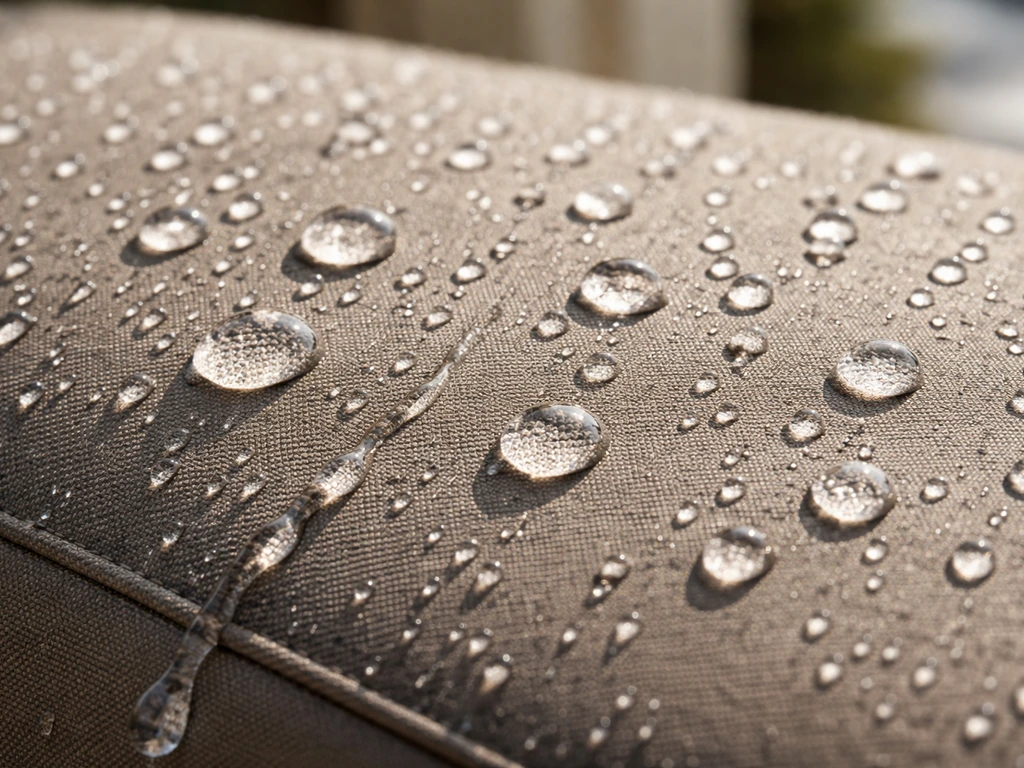
The fabric is just one piece. Here's what separates a genuinely waterproof patio cover from one that only looks heavy-duty on the shelf.
Fabric material
The three main materials you'll encounter are polyester, canvas, and vinyl (PVC). Polyester is the most common. A good patio cover uses 600D polyester (D stands for denier, a measure of thread density) or higher, with a polyurethane (PU) or PVC laminate coating on the underside. The coating is what provides waterproofing.
The denier rating tells you about abrasion resistance and durability, not waterproofing directly. Ripstop polyester with a 2,000+ mmH2O PU coating is a solid all-around choice for most climates. Heavy-duty canvas, usually 300 to 600 gsm, is more breathable but requires an applied waterproof treatment and regular re-treatment to stay effective. Vinyl or PVC covers are inherently waterproof and very tough, but they trap moisture underneath, which creates condensation problems (more on that below).
They also crack in sustained cold below about 40°F.
Seams and seam sealing
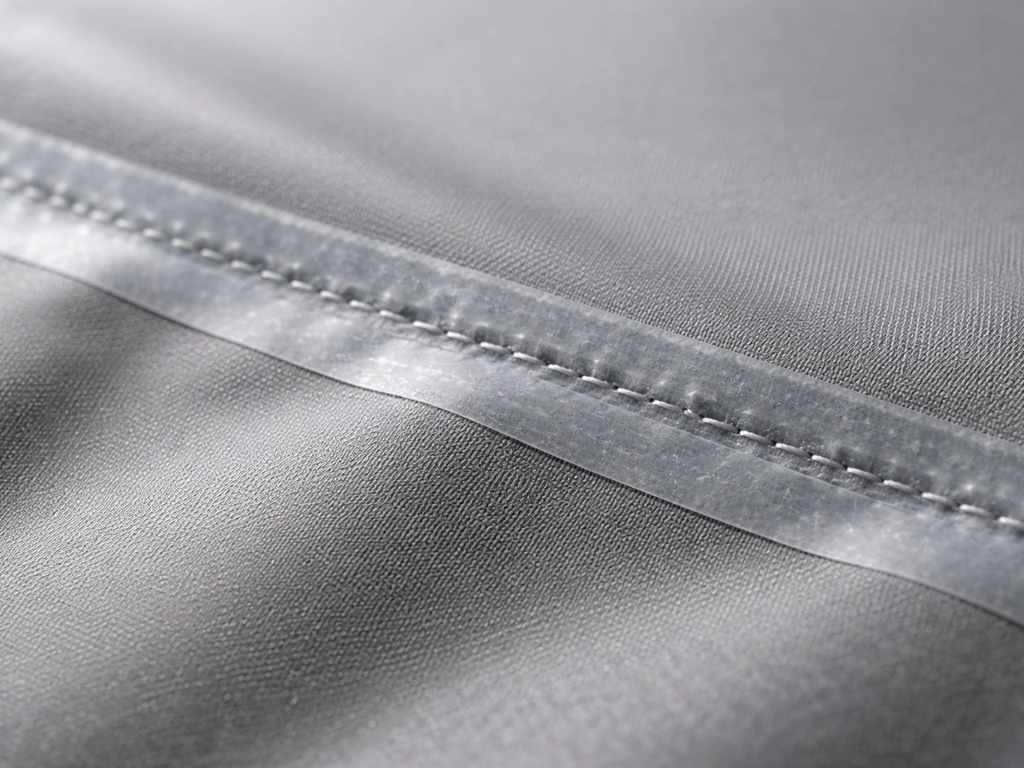
Seams are the biggest vulnerability in any waterproof cover. Every time a needle passes through waterproof fabric during sewing, it creates a small hole. Those holes are entry points for water. Genuine waterproofing requires seam sealing or seam taping, where a waterproof tape or liquid sealant is applied over every stitched seam on the inside of the cover. This is standard practice in quality outdoor gear (it's why GORE-TEX garments use seam tape) and it should be standard in a truly waterproof patio cover too. If a product listing doesn't mention seam sealing or welded seams, assume the seams will eventually leak. Look for the phrase "heat-welded seams" or "taped seams" in the specs.
Closures, hems, and fit
Elastic hems around the bottom edge keep the cover snugged against the furniture so wind can't lift it and rain can't blow in from underneath. Adjustable straps with buckles, particularly ones that cinch under the furniture frame, add another layer of security. Drawstring closures help on covers for chairs and round tables. Look for reinforced corners, which are high-wear points that tend to fray or split first. Zippers on covers are convenient but are often leak points unless they're coated or covered by a fabric flap. If the cover has a zipper, it should have a storm flap over it.
Where waterproof covers fail in the real world
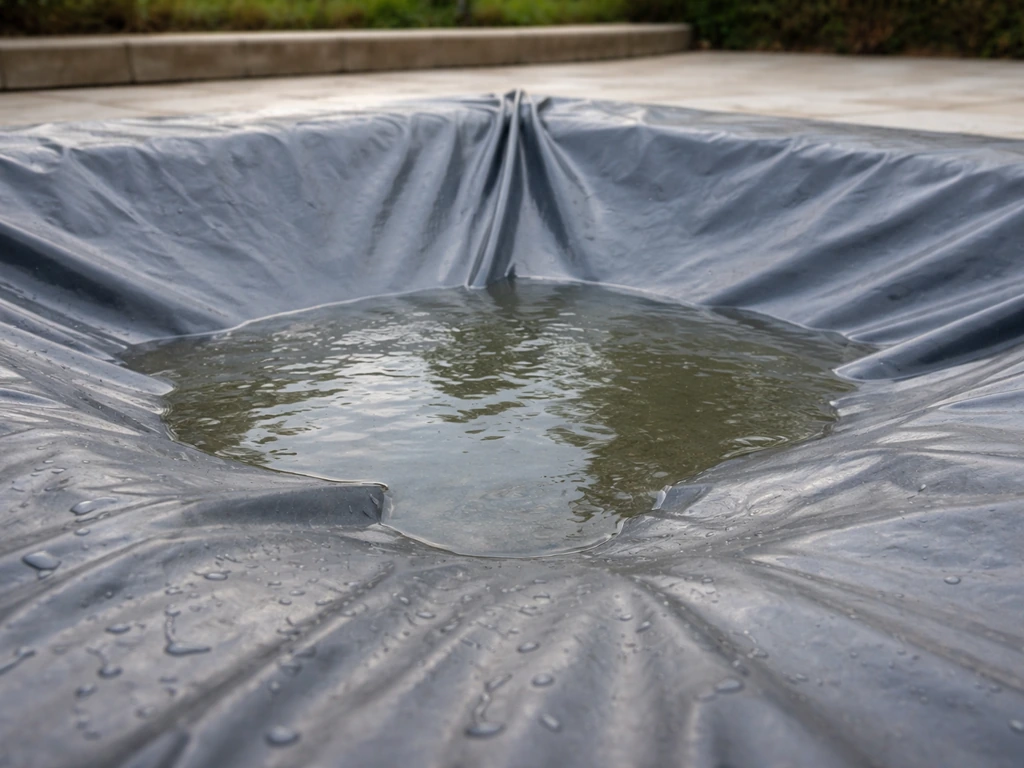
Even a well-made cover has weak spots. Knowing where they are helps you install and maintain the cover in a way that works around them.
- Pooling water: Flat or concave cover profiles allow water to collect on top. The weight of that pooled water eventually pushes through the fabric or seams, or it tips inward and dumps water inside the cover. Always prop up the center of a cover over flat furniture using a cover support pole or even a pool noodle to create a pitch that sheds water.
- Wind-driven rain: The hydrostatic test measures water pushing straight down. Horizontal rain from a coastal storm or thunderstorm hits the fabric at force from the side and bottom edges. Covers that fit loosely are especially vulnerable here. A snug fit with straps secured underneath is the only real defense.
- Bottom-edge wicking: If the cover hem sits on wet pavement, concrete, or wet decking, moisture can wick upward through capillary action into the interior. Keep hems off standing water when possible, and use furniture with legs elevated off a wet surface.
- Condensation under the cover: This is the problem vinyl covers create most aggressively, but it happens with any fully impermeable cover. Warm, moist air gets trapped inside, and when temperatures drop overnight, it condenses on the furniture surface. Cushions left under a non-vented cover in a humid climate like Florida or the Gulf Coast will develop mildew even if the cover is fully waterproof. Look for covers with built-in air vents near the top, or crack the cover open slightly during mild weather to let air circulate.
- Seam failure over time: UV exposure degrades seam tape and coatings. A cover that was genuinely waterproof in year one may leak through its seams by year two if it's been left in full sun. Inspect seams annually and reapply seam sealer as needed.
Choosing the right cover for your furniture type and size
Fit matters as much as material. A cover that's too large will pool water and flap in the wind; one that's too small won't protect the edges. Measure your furniture at its widest, longest, and tallest points including any protruding armrests or umbrella holes. Add about 2 to 4 inches of clearance on all sides for a proper fit.
| Furniture Type | Cover Priority | Key Feature to Look For |
|---|---|---|
| Lounge chairs and dining chairs | Good side coverage to protect legs and frame | Elastic hem or drawstring, adjustable buckle strap underneath |
| Dining table with chairs (stacked) | Height matters since chairs add significant elevation | Cover support pole to prevent pooling on flat table surface |
| Sectional sofa | Multi-piece or L-shape fit is critical; generic rectangles leave gaps | Purpose-built sectional cover with corner fit, or two separate covers with overlapping hems |
| Deep-seat cushioned sets | Cushion moisture protection is the top priority | Fully sealed seams, vented top panel to reduce condensation |
| Cushions stored separately | Compact, tight seal against rodents and moisture | Zippered cushion storage bag with waterproof lining, not a loose cover |
| Fire pit tables | Heat resistance in addition to waterproofing | PVC-lined polyester rated for heat, specific fire pit cover sizing |
For cushions specifically, a furniture cover draped over the full set is usually not enough if you're in a rainy or humid region. If you want the best waterproof patio furniture protection, make sure the cover fully fits your specific seating layout and materials furniture cover. The cushions should come off and go into a dedicated zippered cushion bag, or be stored indoors during heavy rain.
If you’re trying to keep patio furniture cushions waterproof during heavy rain, consider using a dedicated cushion bag and storing cushions indoors when possible zippered cushion bag. A cover over the frame doesn't mean the cushions stay dry if condensation builds up underneath. This is worth keeping in mind separately from how you think about protecting the furniture frame itself.
Sectionals deserve special attention. A single large cover over an L-shaped sectional is almost always too loose at the inner corner and too short on one leg of the L. Purpose-built sectional covers exist for common configurations, but for an unusually sized or custom sectional, two separate covers with overlapping inner edges work better than one ill-fitting single cover.
How to check waterproof claims before you buy

Don't take "100% waterproof" in a product title at face value. Here's how to actually verify the claim before you spend money.
- Look for a published hydrostatic head rating in the product specs, not just the description. A legitimate waterproof cover will list a number in mmH2O. If there's no rating, it's water-resistant at best. Aim for 3,000 mmH2O or higher for rain protection, and 5,000+ if you're in a heavy rain or coastal storm zone.
- Check the fabric weight and construction. For polyester covers, 600D is a reasonable starting point for durability. Look for a PU or PVC backing listed in the materials. If the listing only says "polyester" with no mention of a waterproof coating or backing, the fabric alone won't hold water out for long.
- Search for seam sealing or heat-welded seam language. If the listing doesn't mention it, the seams are likely just stitched, which means they'll leak.
- Read reviews for mentions of pooling, sagging, or water getting through after storms. One-star reviews that describe water puddling inside the cover after rain are more informative than the star rating itself.
- Check thickness of the coating. Some manufacturers list this in microns for the PU layer. Thicker coatings (50+ microns) last longer than thin ones that may delaminate within a season.
- For covers claiming UV resistance, look for a UPF rating. UV degradation destroys waterproof coatings and seam tape over time. A cover without UV protection will lose its waterproofing significantly faster, especially in high-UV climates like Arizona, Texas, or Florida.
How to install and maintain your cover for maximum protection
A great cover installed poorly still leaks. Getting the most out of any waterproof patio cover comes down to installation, tensioning, and routine upkeep.
Installing it right
Start by making sure the furniture is clean and dry before covering. Covering damp furniture traps moisture and accelerates mold growth underneath. Pull the cover down evenly on all sides so the hem is at the same height around the perimeter. Secure all straps under the frame and buckle them snug enough that the cover doesn't shift in wind, but not so tight that you're stretching the fabric and stressing the seams. If the cover spans a flat surface like a table, insert a support pole or improvised prop in the center to create a slope. Even a few inches of pitch is enough to send water running off the edge instead of pooling in the middle.
Seasonal and climate-specific adjustments
In rainy climates like the Pacific Northwest or the Southeast, covers should go on every time you expect more than a few hours of rain, and should come off between storms so the furniture and the cover itself can air out. If you live somewhere wet, choose covers and installation methods that keep patio furniture when it rains protected through the whole storm cycle.
In snowy climates, remove snow accumulation from the cover regularly since snow loads can collapse the cover inward and force water through seams from above. In windy coastal areas, double-check strap tension after every significant wind event. Salt air accelerates coating degradation, so plan to wash and re-treat coastal covers more often. In hot, dry climates, the UV exposure is the bigger enemy.
In Phoenix or Las Vegas, a cover left on a piece of furniture year-round will degrade faster from sun than from water.
Maintenance that actually extends cover life
- Rinse covers with a garden hose every few weeks to remove pollen, dust, and bird droppings. These break down coatings over time if left sitting.
- For deeper cleaning, use mild dish soap and a soft brush. Avoid pressure washers, which can delaminate the waterproof coating or blow out seam tape.
- Let the cover dry completely before folding and storing it at the end of the season. Folding a damp cover into storage bags is how you get mold on the cover itself.
- Inspect seams at the start of each season. If you see any areas where stitching is exposed or where the seam tape is peeling, apply a liquid seam sealer (products like Seam Grip or similar are widely available) before putting the cover back in service.
- Reapply a DWR spray treatment (such as Nikwax or similar fabric waterproofer) to the outer surface every one to two seasons. This restores the bead-off effect on the coating and extends the life of the underlying waterproof layer.
- Store covers in a breathable bag or folded loosely in a dry location during winter rather than compressed tightly in a plastic bag. Compression cracking affects coated fabrics, especially in cold storage.
Realistic expectations matter here too. Even a top-tier waterproof patio cover is not a substitute for bringing cushions inside during multi-day rain events or a full winter. If you're shopping for is hampton bay patio furniture waterproof coverage, focus on the cover's sealing, rating, and fit rather than the label alone. When shopping for waterproof protection, focus on ratings, seam sealing, and how well the cover fits so it actually keeps patio furniture dry top-tier waterproof patio cover.
If you leave patio furniture uncovered, look for options specifically designed as patio furniture that can get wet so cushions and finishes are less likely to suffer damage. A good cover reduces moisture exposure dramatically and protects frames and surfaces from direct weather, but it can't eliminate condensation, and it won't survive a decade of outdoor storage without maintenance.
If you're wondering whether homeowners insurance covers patio furniture, it's best to check the specific policy wording for damage from weather and water. Treat it like any other piece of outdoor gear: clean it, inspect it, and re-treat it regularly, and it will perform the way it's supposed to.
FAQ
If a cover says “waterproof,” will my patio furniture stay dry inside during a heavy rainstorm?
It can, but only if the cover is seam-sealed (taped or heat-welded), the fit is snug enough to prevent gaps at the bottom, and you install it so water runs off instead of pooling. Without seam sealing and good tensioning, water often enters through needle holes at stitches and through zipper areas or umbrella openings.
What causes water to get under a supposedly waterproof cover?
Most “mystery leaks” come from bottom-edge gaps, flapping that lifts the cover in wind, pooled water on flat tops, and unsealed cutouts (like umbrella holes). Even small clearance issues can let rain blow or wick moisture from the ground up under the fabric.
How can I tell if the cover is leaking at seams versus at the bottom edge?
After a rain, check where the first wetting appears. Seam leakage typically shows wet lines aligned with stitched seams or around zippered areas. Bottom leakage usually shows darker dampness around the perimeter and may look like water pulled in from the ground side.
Do waterproof patio covers prevent condensation and dampness?
Not fully. A cover can block rain, but it can still trap humidity and create condensation under the fabric, especially with vinyl or PVC. To reduce this, ventilate between storms (remove and air out when safe) and consider breathable layers or storing cushions in a dedicated cushion bag.
Should I cover cushions and store them under the same cover during rain?
For prolonged or heavy rain, a furniture cover over the set often is not enough by itself. The best approach is to remove cushions and store them in a zippered cushion bag, then cover the frame separately (or fully cover while keeping cushions protected from underside moisture).
Does hydrostatic head (mmH2O) tell me the whole waterproof story?
It tells you how resistant the fabric is to standing water pressure, not whether the cover will block leaks from seams, zippers, and bottom edges. A high mmH2O rating can still fail in real use if seams are not taped or if the cover does not fit correctly.
Is it better to choose canvas, polyester, or vinyl if I need maximum rain protection?
For rainfall protection, polyester with a PU or PVC laminate and seam taping is usually the most reliable choice. Vinyl and PVC are inherently more waterproof but are more likely to drive condensation, and canvas needs ongoing waterproof treatment to stay effective over time.
What are common product-listing red flags for “waterproof” patio covers?
A missing hydrostatic head rating, no mention of seam taping or welded seams, and descriptions that rely on vague terms like “weatherproof” without specifying how seams and closures are handled. Also watch for titles that claim “100% waterproof” while the details do not describe construction.
How should I wash and maintain a waterproof cover so it continues to repel water?
Follow the care instructions, but expect you may need periodic re-treatment if the cover has a water-repellent top layer. Also inspect seams, zippers, and stress points (corners and elastic hems) after cleaning, because damage or coating wear can turn minor leaks into larger ones.
Will snow accumulation on a waterproof cover force water through seams?
Yes, heavy snow load can collapse the cover inward and press water toward seams from above or increase stress on stitched areas. In snowy regions, remove snow regularly and recheck strap tension after storms so the cover remains taut and properly angled for runoff.
Does homeowners insurance typically cover damage if my cover fails in rain?
Sometimes, but it depends on your policy wording and the type of damage. Many policies distinguish between covered sudden losses and excluded wear, mold, or gradual deterioration from moisture, so review the water and weather coverage terms specific to your situation.
Next Articles
Are Patio Furniture Cushions Waterproof? How to Tell
Learn if patio cushion covers are truly waterproof, how to test, and how to clean, dry, and store to prevent soaking.
Is Patio Furniture Waterproof? How to Test and Maintain It
Learn if patio furniture is waterproof, how to test it, and maintenance tips by material to prevent rust, swelling, and
Patio Furniture That Can Get Wet: What to Buy and Do
Buy patio furniture that can get wet: materials, what to check, wet-proof cushions, drying and mildew prevention for you