
Most patio furniture is not waterproof. It is water-resistant at best, meaning it can handle a passing shower without immediate damage, but it will not shrug off prolonged rain, standing water, or coastal humidity the way a waterproofed surface would. Whether your set survives real outdoor exposure depends almost entirely on the material it is made from, the quality of its finish or coating, and how much you do to protect and maintain it over time. Homeowners insurance usually covers patio furniture only in specific situations like theft or certain types of damage, not for ordinary weathering or rain exposure does homeowners insurance cover patio furniture.
Is Patio Furniture Waterproof? How to Test and Maintain It

Theo Tierney
15 May 2026
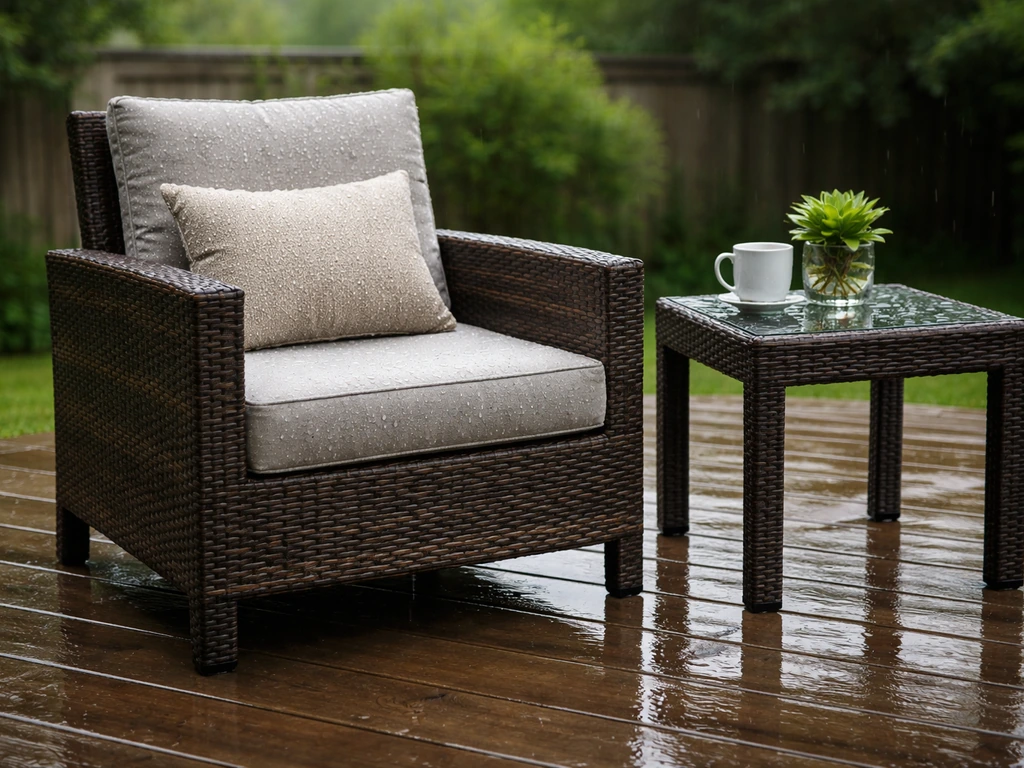
What 'waterproof' actually means for patio furniture
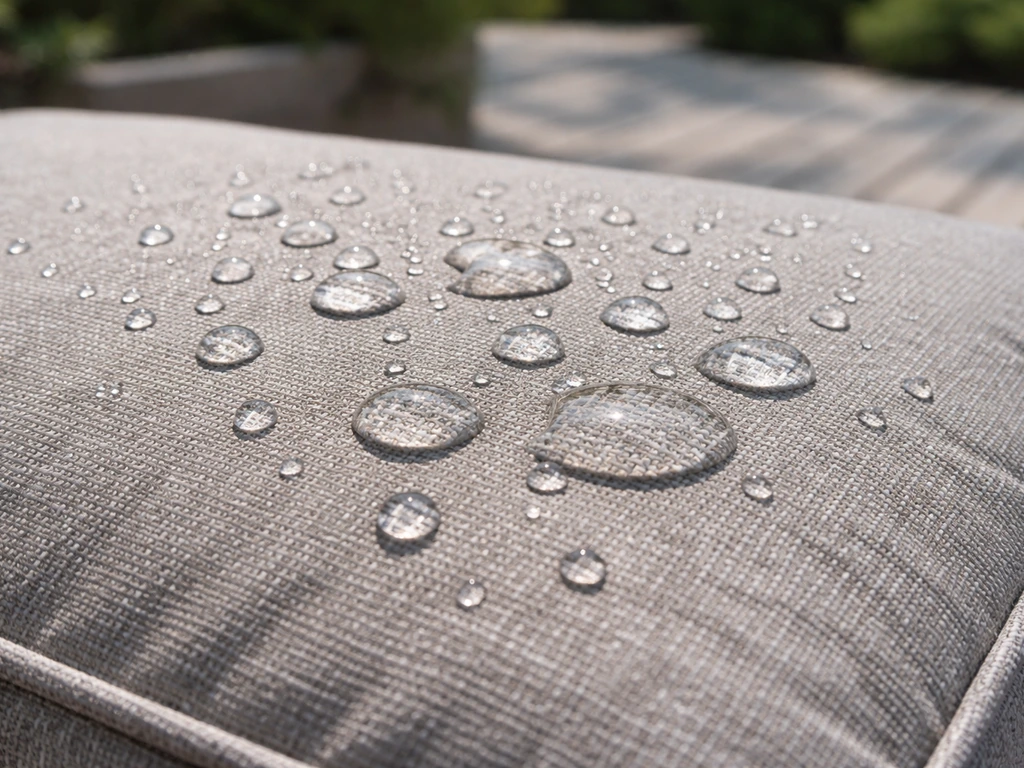
The word waterproof gets thrown around loosely in outdoor furniture marketing, but it has a real technical meaning: a waterproof material is fully impermeable, meaning water cannot penetrate it at all, even under pressure. A water-resistant or water-repellent material slows water absorption or beads water on the surface, but given enough time or pressure, water will eventually get through. Brands like [Classic Accessories explicitly acknowledge this distinction, noting that products labeled water-repellent or water-resistant are not waterproof](https://support. classicaccessories.
com/hc/en-us/articles/360055408212-Are-the-golf-car-enclosures-and-covers-waterproof), meaning they provide partial protection rather than complete impermeability. Classic Accessories also draws this line by explaining that water-repellent and water-resistant products are not waterproof, meaning they only provide partial protection rather than complete water impermeability water-repellent or water-resistant are not waterproof.
Industrial rainwear standards use hydrostatic-head testing (applying increasing water pressure to a fabric until it penetrates) to measure true waterproofness. No patio furniture frame material goes through a test like that.
In practical terms for your backyard: a patio set can handle a 20-minute rainstorm with almost no damage if it drains well and dries quickly. Leave that same set sitting in pooled water for 48 hours, or let it live in a humid, poorly-ventilated corner for a summer, and you will start seeing rust, swelling, mildew, or finish failure depending on the material. That is the gap between marketing language and real-world performance you need to plan around.
How different materials handle rain and standing water
Material is the single biggest factor in how your furniture weathers rain and humidity. Each material has a very different relationship with water, and knowing what yours is tells you exactly how much protection it needs.
Aluminum
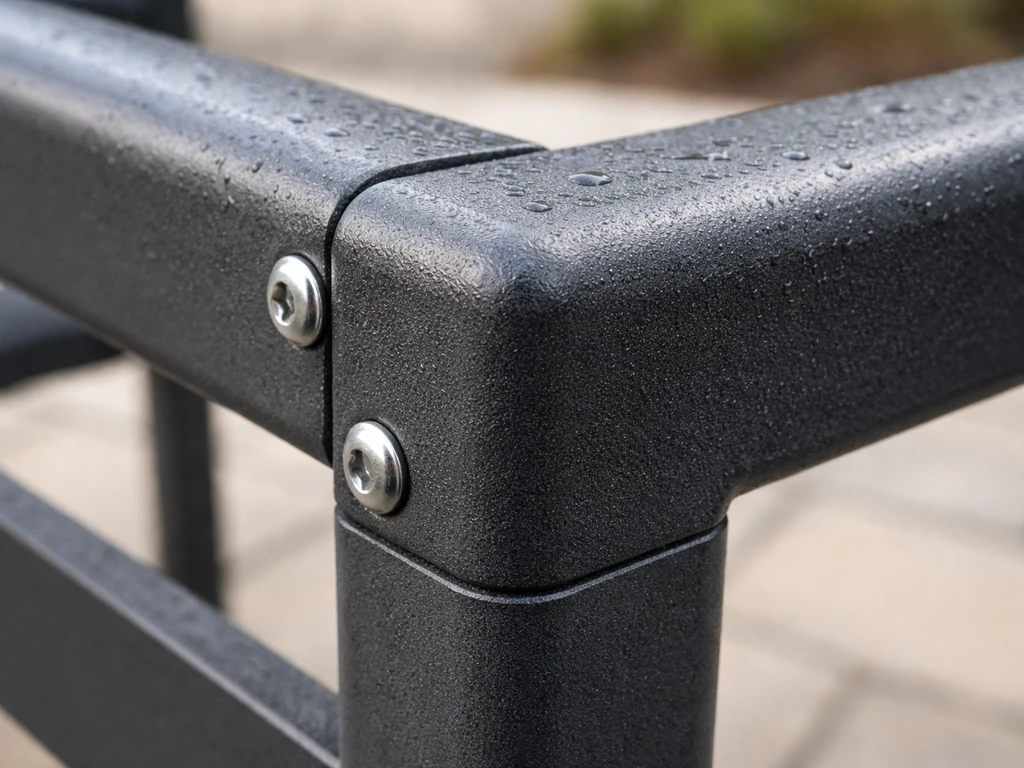
Powder-coated aluminum is about as close to waterproof as patio furniture frames get. Aluminum does not rust, and a quality powder coat adds a fused, sealed layer over the metal that resists corrosion, UV fading, and chipping. The weak points are weld joints and any area where the powder coat gets scratched or chipped, exposing raw aluminum. In coastal climates, saltwater intrusion at those exposed spots can cause pitting over time. For most people, though, quality aluminum furniture left out through rain and humidity performs better than any other frame material with minimal upkeep.
Steel and iron
Steel and cast iron furniture can look beautiful but they are high-maintenance in wet climates. Both rust when their protective coating fails, and that failure happens faster than most homeowners expect, especially at welds, hardware holes, and any area that traps standing water. Galvanized steel adds corrosion resistance, but the galvanization is only as durable as its thickness. In a dry climate with a covered patio, steel furniture can last decades. In Florida or the Pacific Northwest, you will be chasing rust spots within a few seasons unless you are diligent about touch-up paint and dry storage.
Teak and hardwoods
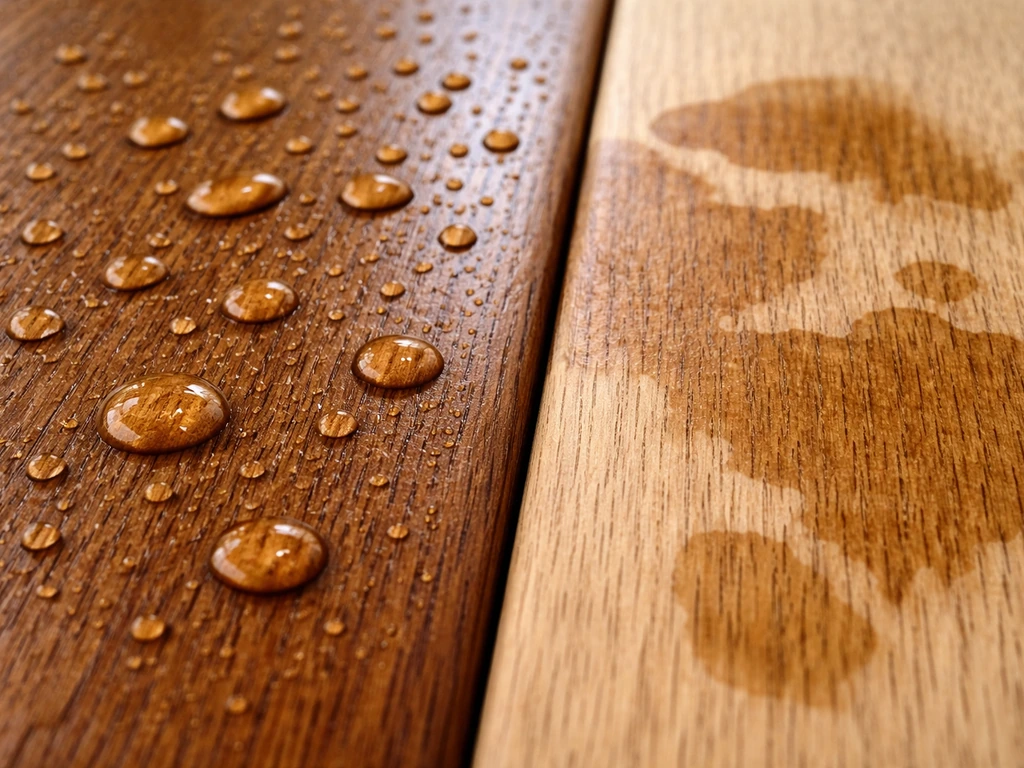
Teak is naturally water-resistant because of its high silica content and dense grain, which limits water absorption significantly compared to softer woods. Left untreated, teak weathers to a silver-gray patina without structurally degrading. Other hardwoods like eucalyptus and ipe behave similarly. Softwoods (pine, cedar) absorb water much more readily and will swell, crack, and rot faster if not sealed regularly. The enemy for all wood furniture is not rain hitting the surface, it is standing water trapped in joints and end grain. Mortise-and-tenon joinery and slatted designs that drain quickly always outlast solid panel or cushioned designs that hold moisture.
Wicker and rattan
Natural rattan wicker is not appropriate for direct rain exposure. It absorbs moisture, swells, warps, and develops mold relatively quickly. All-weather wicker made from high-density polyethylene (HDPE) resin is a completely different material: it is UV-stabilized, does not absorb water, and is structurally unaffected by rain. The distinction matters hugely when shopping. If a product is labeled simply 'wicker' or 'resin wicker' without specifying HDPE, check the material spec carefully.
HDPE lumber and composite
High-density polyethylene lumber, sometimes sold under brand names like Polywood, is genuinely the most rain-tolerant frame material available for patio furniture. It does not absorb water, will not rot, rust, or splinter, and holds up in coastal and tropical environments that destroy other materials. The trade-off is a heavier feel, limited grain aesthetics, and higher upfront cost. If you want truly leave-it-out-all-year furniture with minimal maintenance, HDPE is the honest answer.
Cushion and fabric
Cushions deserve their own consideration because they are almost always the first thing to fail in a wet outdoor environment. Standard foam cushions soak up water and become a mildew incubator. Look for cushions with quick-dry foam cores (open-cell construction that drains), Sunbrella or solution-dyed acrylic covers that resist water absorption, and zippered, removable covers for cleaning. Even the best outdoor fabric cushion covers are water-resistant rather than waterproof, meaning they will bead water initially but soak through under prolonged rain.
Waterproof vs water-resistant: reading product claims without getting fooled
When a product page says 'weather-resistant,' 'all-weather,' 'rust-resistant,' or 'water-repellent,' none of those terms mean waterproof. They mean the material has some degree of protection, usually enough for normal outdoor exposure with reasonable care. 'Rust-resistant' typically means a coating or alloy that slows corrosion, not one that eliminates it. 'All-weather wicker' means HDPE resin, not natural wicker, but only if the spec confirms HDPE. 'Weather-resistant finish' on wood means a surface coating that repels water initially but will need reapplication.
The only material claims worth taking at face value without digging deeper are solid aluminum frames and genuine HDPE lumber, both of which have inherent material properties that resist water regardless of surface treatment. Everything else depends on the quality and integrity of its coating, finish, or fabric treatment, all of which degrade over time.
| Material | Water Resistance Level | Biggest Weakness | Maintenance Need |
|---|---|---|---|
| Powder-coated aluminum | Excellent | Scratches expose raw metal at joints | Low — inspect chips annually |
| HDPE lumber (Polywood) | Excellent / Near waterproof | UV color fade over many years | Very low — soap and water |
| All-weather HDPE wicker | Excellent | Frame joints, not the weave | Low — rinse regularly |
| Teak / hardwood | Good (natural oils) | Joints, end grain, and untreated surfaces | Medium — oil or seal every 1-2 years |
| Galvanized steel | Moderate | Chips, welds, and hardware holes | Medium-high — touch-up paint, dry storage |
| Cast iron | Moderate | Rusts aggressively once coating fails | High — annual sealing, indoor winter storage |
| Cedar / softwood | Low-moderate | Water absorption, joint rot | High — seal every season |
| Natural rattan wicker | Poor | Absorbs water, swells, molds | Very high — not for rain exposure |
Best choices by climate and weather exposure
Climate should drive your material decision more than aesthetics. Here is how to match material to your actual outdoor conditions.
- High humidity and frequent rain (Florida, Gulf Coast, Pacific Northwest): HDPE lumber or powder-coated aluminum are the clear winners. Teak is acceptable with annual oiling. Steel and iron need indoor winter storage or aggressive sealing. Natural wicker is a mistake.
- Coastal and salt air (beachfront, within a mile of the ocean): Aluminum grades matter here — marine-grade 6061 alloy resists salt pitting better than standard alloys. HDPE is ideal. Stainless steel hardware throughout (not just frame material) is critical since zinc or plated fasteners corrode quickly in salt air.
- Hot and dry (Arizona, New Mexico, inland Southwest): UV degradation is the bigger threat than rain. Solution-dyed fabrics and UV-stabilized HDPE hold color longest. Metal furniture performs well but dark powder coats can fade. Teak weathers well in low-humidity heat but may crack if it dries out completely without occasional oiling.
- Snowy and freezing winters (Midwest, Northeast, mountain regions): Freeze-thaw cycles crack porous materials like untreated wood and low-quality resin. Water that seeps into joints and freezes expands and splits them. HDPE and aluminum handle freezing well. Cast iron is vulnerable to cracking if water is trapped inside hollow sections. Storage or full covers are essential for most materials.
- Covered patio or pergola (any climate): You have significantly more options because direct rain and UV exposure are reduced. Steel and iron become viable. Even natural wicker can work. Your main threats shift to condensation, humidity, and bird debris rather than direct rain.
How to protect your furniture: covers, sealing, placement, and maintenance
Even good materials benefit from protection. The biggest performance gains come from a few practical habits rather than expensive treatments.
Furniture covers
A quality patio furniture cover is one of the highest-value investments you can make. Look for covers with a waterproof backing (not just water-resistant outer fabric), reinforced vents to prevent moisture buildup and wind lift, and UV-stabilized material so the cover itself does not degrade in a season. The cover needs to fit snugly: a loose cover traps rain water in pockets and can actually hold moisture against your furniture longer than no cover at all. Covers protect primarily from UV and debris accumulation when furniture is not in use; they are not a substitute for drainage or ventilation.
Sealing and finishing wood
For wood furniture, a penetrating teak oil or marine-grade sealant applied to clean, dry wood every one to two seasons is the most effective protection. Penetrating oils get into the wood fiber and reinforce its natural resistance; film-forming finishes like varnish sit on the surface and can peel or trap moisture when they crack. Pay particular attention to end grain cuts and joinery, where water absorption is highest. Sand lightly before reapplying to ensure adhesion.
Placement and drainage
Where you put your furniture matters as much as what it is made of. Avoid placing furniture on surfaces that pool water. Elevate legs slightly if you are on a solid concrete slab that does not drain well. Position furniture so air can circulate underneath cushions after rain. If you expect frequent rainy spells, prioritize patio furniture placement that limits moisture pooling and helps everything dry quickly patio furniture when it rains. If you have a covered patio, orient pieces so condensation drips away from cushion seams and frame joints. Corners and north-facing walls that stay damp and shaded are the worst spots for mildew-prone materials.
Routine cleaning
Cleaning is maintenance, not just cosmetics. Debris (leaves, pollen, bird droppings) holds moisture against surfaces and accelerates finish degradation and rust formation. For most materials, a mild soap and water rinse every few weeks during the season keeps surfaces clean without stripping protective coatings. Avoid pressure washing metal furniture at close range, which can chip powder coat and force water into joints. For HDPE and resin furniture, pressure washing at a reasonable distance is fine.
DIY tests to check whether your furniture is actually water-resistant
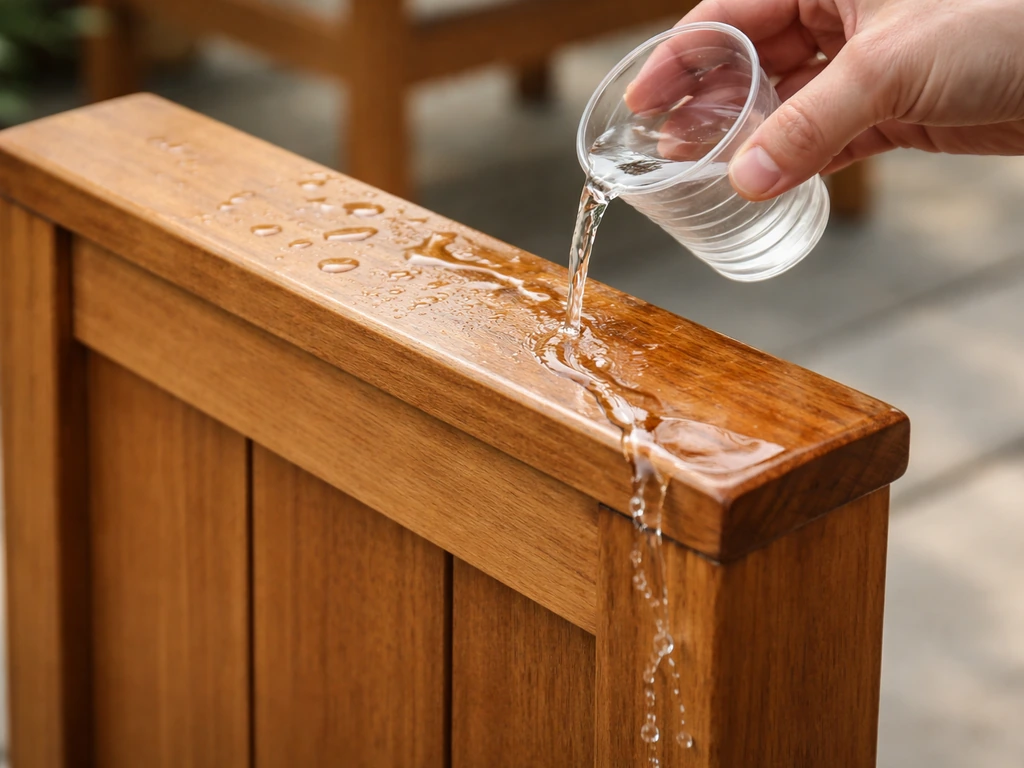
You do not need lab equipment to get a practical read on how well your furniture handles water. These quick checks take a few minutes and give you real information.
- The splash test: Pour a small amount of water on the frame surface and watch what happens. On powder-coated aluminum or HDPE, water should bead up and roll off immediately. On wood, it should bead if recently sealed or oil-treated. If water absorbs into the surface within 30 seconds, the protective treatment has worn off and needs reapplication.
- The paper towel joint check: After a rain or after the splash test, press a dry paper towel into joints, welds, and any overlapping sections. If it comes away wet, water is pooling there and you have a corrosion or rot risk developing. This is where most metal furniture fails first.
- The cushion press test: Press firmly on a cushion that has been rained on. A quick-dry foam cushion should release water and feel damp but not sodden. If water streams out when you press, the foam is saturated and your cover fabric is no longer repelling water effectively. That cushion needs to be dried out completely before storage or mold will follow.
- The fabric bead test: Drip water on your cushion fabric or cover material from about 12 inches up. New or treated solution-dyed acrylic fabric will bead the droplets. If the fabric absorbs them flat within 10-15 seconds, the DWR (durable water repellent) treatment has degraded. A spray-on fabric DWR treatment (available at most outdoor retailers) can restore repellency.
- The rust and stain inspection: After the first heavy rain of the season, do a full visual scan of welds, hardware holes, bolts, and any scratched or chipped areas on metal furniture. Fresh rust looks orange-brown and powdery. Catching it at this stage means a light sand and touch-up paint is all you need. Ignored, it spreads under the coating and becomes structural.
Common failures and how to fix them
Rust on metal furniture
Surface rust on steel or iron is fixable if caught early. Sand the affected area down to bare metal with 120-grit sandpaper, wipe clean, apply a rust-inhibiting primer, and finish with outdoor-rated spray paint or powder coat touch-up paint matched to your frame color. For rust that has spread under the coating (you will see bubbling or lifting paint), you may need to strip a larger area. Rust at structural welds that has been ignored for multiple seasons can compromise the joint's integrity; at that point replacement is more honest than repair.
Wood swelling and joint failure
If wood furniture is swelling or joints are loosening after wet weather, the wood absorbed more water than it should have. Let it dry completely in sun and airflow before doing anything else, and that means days, not hours. Once dry, re-tighten hardware (screws in swollen and then dried wood may need replacement if the hole has stripped), and apply a penetrating sealant to the affected areas. Persistent joint loosening means the wood is cycling through wet and dry repeatedly and the joint has lost its structural fit. Epoxy wood consolidant can stabilize early decay; major structural failure usually means replacement of that component.
Mildew on cushions and frames
Mildew (the gray or black surface growth, not deep rot) on outdoor fabric responds well to a solution of one cup white vinegar per gallon of water, applied with a soft brush and left for 15 minutes before rinsing. For heavier mildew on Sunbrella or solution-dyed acrylics, the manufacturer's recommended cleaner is typically a dilute bleach solution (one cup bleach, one cup dish soap per gallon of water), which is safe for those fabrics but will damage standard fabrics. Mildew on wood frames should be treated with a dilute bleach solution, allowed to dry fully, then followed with a fresh sealant application. The root fix is always airflow and dry storage: mildew does not grow where surfaces dry quickly.
Fading and UV damage
Color fading on powder-coated frames is cosmetic but accelerates when the coating is compromised. You can restore some surface sheen to oxidized powder coat with an automotive plastic restorer or dedicated powder coat polish. For fabric, fading is permanent once it has happened: solution-dyed acrylic resists fading for years, but once the dye is gone, no treatment reverses it. Going forward, UV-rated furniture covers when the furniture is not in use make the single biggest difference in slowing fabric and finish fading.
If you are still deciding what to buy rather than maintaining what you have, the material and climate guidance above applies directly. Cushions specifically get their own set of considerations since even the best frame will feel like a failure if the cushions are soggy after every rain. And covers, while not perfectly waterproof themselves, extend the life of every material significantly when they are sized correctly and vented properly. If you want Hampton Bay patio furniture that truly holds up in wet weather, look for materials like powder-coated aluminum frames or HDPE components rather than relying on loose “water-resistant” claims.
FAQ
If my patio set is “weather-resistant,” can I leave it out during heavy rainstorms or only light showers?
Weather-resistant usually means it slows water for a limited time, not that it can handle prolonged exposure. For heavy, multi-hour rain, plan for faster drying: choose pieces that drain well (slatted wood, frames with no water-trap joints) and keep cushions off the ground or in a ventilated covered area after storms.
Are outdoor furniture covers actually waterproof, and what features matter most?
Look for covers with a waterproof backing layer, not just a water-shedding outer fabric. Also prioritize reinforced vents or vented panel design to reduce moisture buildup, and a snug fit, because loose covers can trap rainwater in pockets and keep furniture wet longer than if you used no cover.
Do outdoor cushions need to be stored away every time it rains?
If you want to minimize mildew risk, yes for frequent rain or humid climates. Choose cushions with quick-dry/open-cell cores and removable zip covers, but still expect standard foam to stay wet longer than frames. In practice, bring cushions in after downpours you cannot fully monitor, especially in shaded corners.
Is HDPE patio furniture truly waterproof, or can it still get water damage?
HDPE frames do not absorb water, so they will not rot, rust, or splinter like many other materials. The caveat is that fabrics and fasteners (like metal screws or hardware) can still corrode if water is trapped at joints, so check and rinse away pooled water after heavy rain.
How long is “safe” for leaving furniture out in rain before problems start?
A short shower around 20 minutes is often survivable for many materials if everything drains and dries quickly. The risk jumps when water sits, for example 48 hours in pooled conditions or overnight humidity in poorly ventilated spots, where rust, swelling, mildew, and coating failure become much more likely.
How can I tell whether a product is really using powder-coated aluminum or just “coated steel”?
Check the material spec for “aluminum” and look for mention of powder coating as the finish. If the listing only says “rust-resistant” or “coated metal” without specifying aluminum, treat it as potentially steel or another base metal, and plan for touch-up and dry-storage needs accordingly.
Will pressure washing damage waterproof-type finishes or frames?
For metal, avoid close-range pressure washing because it can chip coatings and force water into joints, which accelerates corrosion at welds and hardware holes. For HDPE and resin, pressure washing at a reasonable distance is generally fine, but still avoid blasting seams where water can remain trapped.
What’s the best way to test my own furniture’s water resistance at home?
Do a simple exposure test: spray or hose a small hidden area, then check after 30 to 60 minutes for water penetration (darkened spots, swelling at joints, or damp seams). For cushions and wood, also check the next day, because immediate beading does not equal long-term impermeability.
How do I prevent rust if I see it starting on steel or cast iron?
Act quickly. Sand down to bare metal where rust is active, then prime with a rust-inhibiting primer and repaint with outdoor-rated touch-up paint. If paint is bubbling or coating has lifted, you may need to remove more surrounding material, because corrosion often spreads underneath.
What should I do if wood joints loosen after wet weather?
Let the piece dry completely in airflow and sun, then re-tighten hardware after drying. If screw holes have stripped, replace the hardware rather than forcing it. Afterward, apply a penetrating sealant to affected areas, with extra attention to end grain and cut edges.
Is mildew treatment the same for outdoor fabrics and wood frames?
No. Outdoor cushion fabrics typically need fabric-safe cleaners, often a diluted cleaner recommended for Sunbrella or solution-dyed acrylic, while standard fabrics can be damaged by bleach. Wood mildew treatment usually involves cleaning then applying fresh sealant, and the root fix is always faster drying and improved airflow.
Can I use “water-repellent” spray products on my patio furniture to make them waterproof?
Be cautious. Many sprays are water-repellent, not impermeable, so they will eventually wear off and still allow soaking under prolonged rain. If you do use a product, verify compatibility with your material (especially around wood end grain, powder coat, and cushion fabrics) and plan on reapplication rather than assuming permanent waterproofing.
Next Articles
Patio Furniture That Can Get Wet: What to Buy and Do
Buy patio furniture that can get wet: materials, what to check, wet-proof cushions, drying and mildew prevention for you
Can Patio Furniture Get Wet Safely? Material Guide
Learn if patio furniture can get wet and how to protect wood, metal, wicker, and composite from rust, rot, and mildew.
Best Waterproof Patio Furniture: Materials, Picks, Checklist
Best waterproof patio furniture guide: water-resistant vs waterproof, top materials, climate tips, and a buy checklist