
Yes, most patio furniture can get wet, but how well it handles that depends entirely on what it's made of. Does homeowners insurance cover patio furniture? Coverage often depends on what caused the damage, your policy terms, and whether the loss is considered sudden and accidental rather than long-term wear or neglect. A quick rain shower is a non-event for aluminum or HDPE composite furniture. That same shower can start a slow-damage clock ticking on untreated wood, natural wicker, or cushions left to sit in standing water. The material is everything here, and so is the difference between "got rained on" and "has been wet for three days."
Can Patio Furniture Get Wet Safely? Material Guide

Theo Tierney
6 May 2026
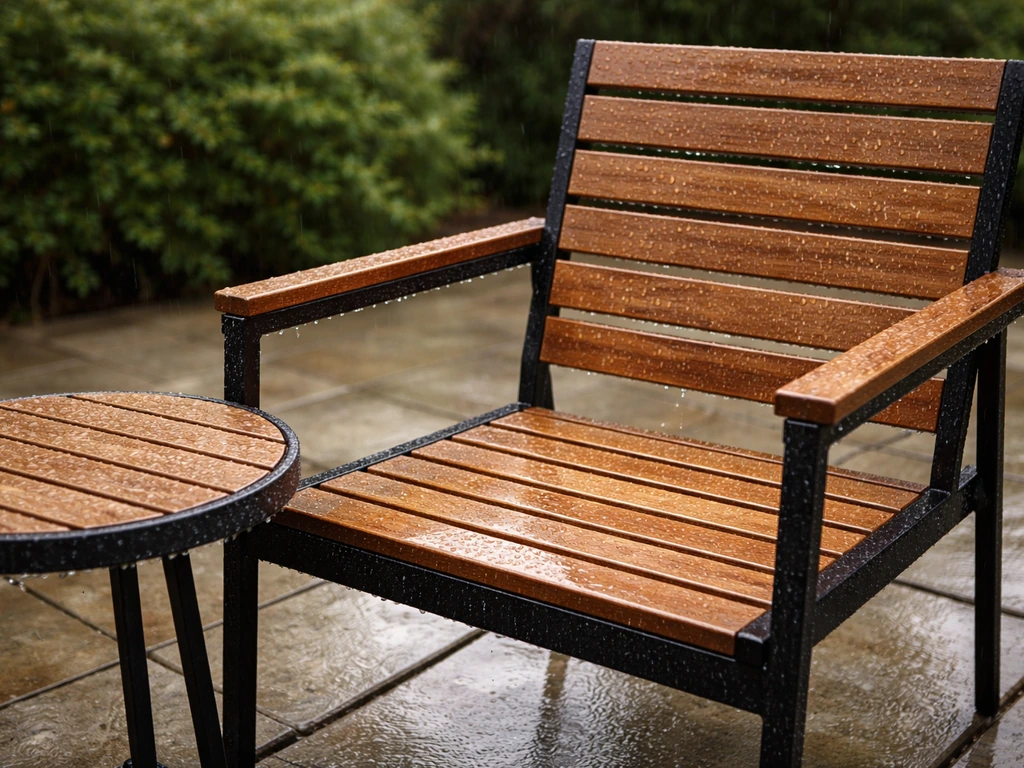
Rain, standing water, and humidity are not the same problem
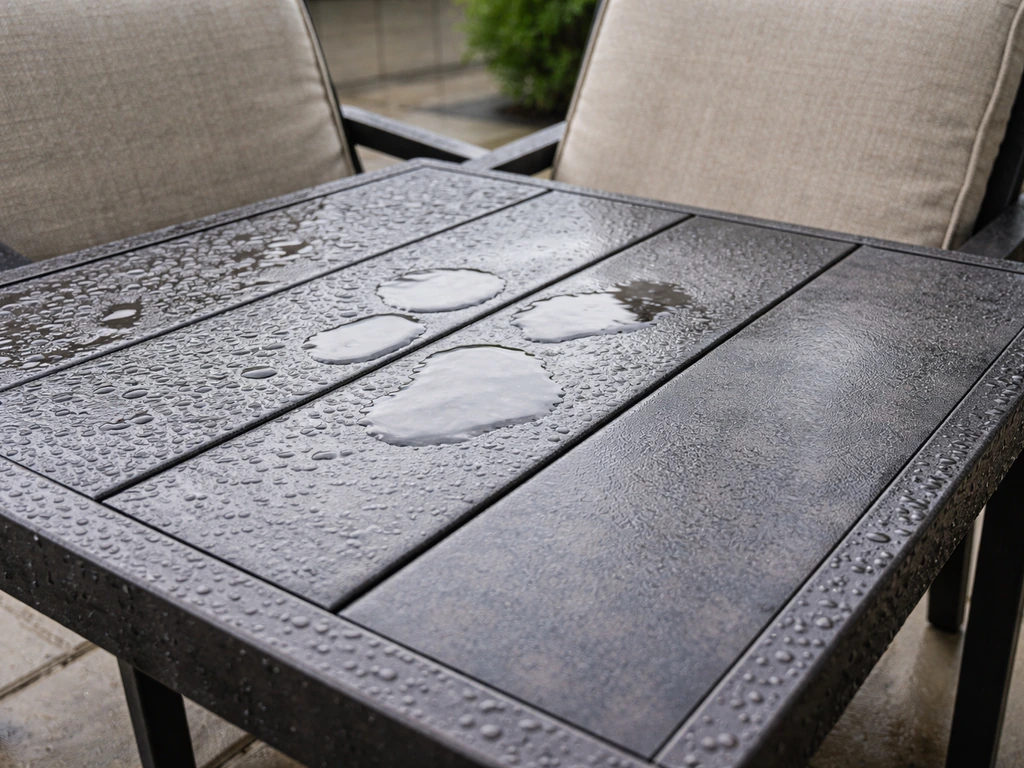
When people ask if patio furniture can get wet, they usually mean one of three different things, and each one matters differently.
- A passing rain shower: Water hits the surface and runs off. Most outdoor-rated frames handle this just fine with no action needed.
- Standing or pooled water: Water collects in joints, cushion seams, or hollow frame sections and stays there for hours or days. This is where rot, rust, and mold get their foothold.
- Long-term humidity: Persistent moisture in the air — common in Florida, the Gulf Coast, or the Pacific Northwest — slowly works into materials over weeks and months, causing warping, corrosion, mildew, and structural breakdown even without direct rain.
The honest answer is that brief exposure to rain is almost never a crisis. Long-term moisture exposure absolutely is. If you live somewhere with frequent rain, high humidity, or freeze-thaw cycles in winter, your maintenance habits need to match that reality, because the furniture that holds up isn't always the most expensive, it's the one that was chosen and cared for with the local climate in mind.
How each material actually handles water
Here's how the four most common patio furniture materials respond to water exposure in the real world, not the marketing version.
Wood
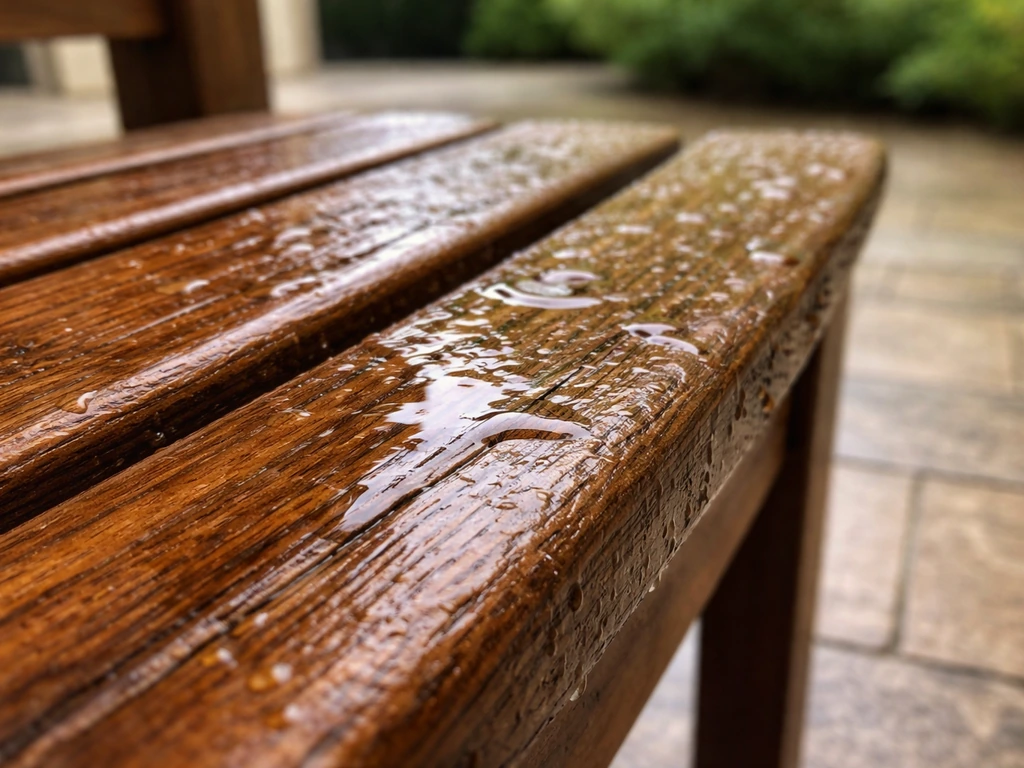
Wood is the most demanding material to manage in wet conditions. Even dense hardwoods like teak, eucalyptus, or ipe can absorb moisture and swell, which then leads to warping, cracking, and joint failure over time. Softer woods like pine or cedar are even more vulnerable. The failure modes are rot, mold growing inside the grain, and fastener corrosion from sustained moisture contact.
If you have untreated wood furniture and it's been sitting in rain for days, that's a problem. The fix is protective sealing or staining applied at least once a year (some woods need it twice), and making sure water doesn't pool anywhere on the frame. Teak naturally contains oils that resist water better than most, but even teak degrades without occasional treatment, it just takes longer.
Metal (aluminum vs. steel vs. iron)
Aluminum is genuinely the low-maintenance winner here. It doesn't rust because it's not iron-based. Instead, aluminum forms a natural oxide layer that actually protects the surface. Powder-coated aluminum (the finish baked on like automotive paint) adds another layer of protection and can handle year-round outdoor exposure without issue.
The catch: if the powder coat gets chipped or scratched, moisture can get under it and cause pitting or oxidation at that spot. Touch up chips promptly with a matching paint pen. Cast iron and wrought iron are a different story entirely, both will rust if the protective coating is compromised, and in humid or coastal climates, that happens faster than you'd expect. Steel furniture is similar: even with powder coating, a scratch means rust starts.
Check your metal frames at least once a season for chips, and apply a rust-inhibiting coating annually.
Wicker and rattan
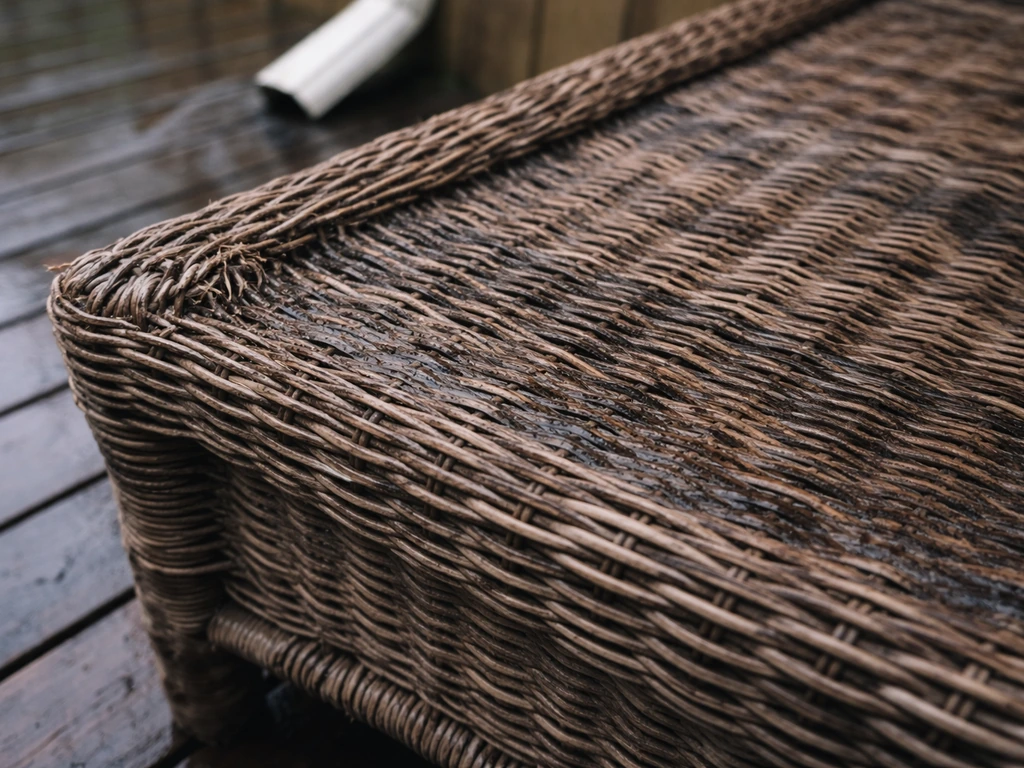
This is where material choice matters most, and where people most often get burned. Natural rattan and reed wicker should not be left in the rain regularly. Long-term wet exposure encourages mold and mildew to grow inside the reed itself, not just on the surface, and once that happens, the structural integrity starts to break down from the inside.
Synthetic resin wicker (the kind you'll find on most modern all-weather sets) is far more water-tolerant, but it still needs to dry out after sustained exposure to prevent mold buildup in the weave gaps and at any joints where moisture collects. If you're not sure whether your wicker is natural or synthetic, run your fingernail along a strand. Synthetic resin will feel smooth and slightly plasticky; natural rattan will have a fibrous, woody texture.
If it's natural, it belongs inside or under cover during wet weather.
Composite and HDPE (like POLYWOOD and Trex)
High-density polyethylene composite furniture, the category that includes POLYWOOD and Trex Outdoor Furniture, is the most water-tolerant frame material available. If you want patio furniture that can get wet with minimal trouble, look for water-tolerant materials like aluminum or HDPE composite frames. It's designed to live outside year-round, doesn't absorb water, won't rot or rust, and is dimensionally stable in freeze-thaw cycles.
After heavy rain, POLYWOOD recommends simply wiping the chairs dry or letting them air out in sunshine to keep mold from forming on the surface (mold can grow on accumulated dirt and organic matter even on a non-porous surface). Trex’s composite care guidance similarly stresses proper cleaning and drying after moisture exposure to help prevent mold or mildew letting them air out in sunshine to keep mold from forming on the surface.
Routine care is just a rinse with clean water and air drying. If you want the lowest-maintenance option in a rainy or humid climate, this category is the right call.
| Material | Handles Brief Rain | Handles Standing Water | Handles Long-Term Humidity | Key Risk | Maintenance Frequency |
|---|---|---|---|---|---|
| HDPE Composite (POLYWOOD, Trex) | Excellent | Good | Excellent | Surface mold on dirt buildup | Low — rinse and air dry |
| Powder-Coated Aluminum | Excellent | Good | Very Good | Pitting/oxidation at chips/scratches | Low — inspect and touch up annually |
| Teak / Hardwood | Good | Fair | Fair | Warping, rot, mold in grain | Moderate — seal/oil 1–2x per year |
| Synthetic Resin Wicker | Good | Fair | Fair | Mold in weave gaps and joints | Moderate — dry thoroughly after rain |
| Cast Iron / Wrought Iron / Steel | Fair | Poor | Poor | Rust from coating damage | High — inspect, recoat annually |
| Natural Rattan / Reed Wicker | Poor | Very Poor | Very Poor | Internal mold, structural breakdown | High — keep dry, cover or store indoors |
What to do with wet cushions and fabric
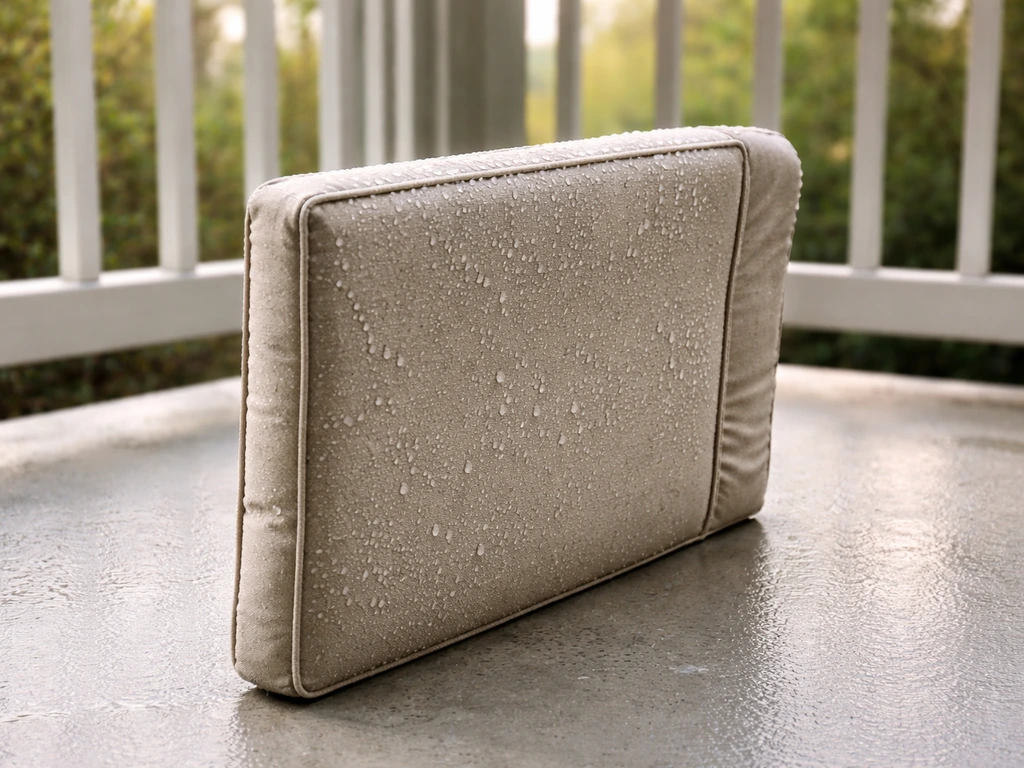
Cushions are the most vulnerable part of any patio set, and the most commonly neglected. Even outdoor-grade Sunbrella fabric, which is water-resistant and highly durable, is not fully waterproof. Cushions labeled water-resistant or quick-dry still need proper drying, and no cushion should be left wet for days waterproof. The fill inside a cushion can absorb water, and that's where mold becomes a real issue. blank" rel="noopener noreferrer">The EPA recommends drying wet furnishings within 24 to 48 hours to prevent mold growth, and that window is not generous in a humid climate.
If your cushions get caught in a rain shower, here's the drill: stand them on their sides with the zipper facing down and unzipped so water can drain and air can circulate through the fill. Don't lay them flat, that traps moisture. Blot excess surface water with a clean towel, or use a wet-vac on the fabric if you have one. Then let them air-dry completely in a sunny, well-ventilated spot before putting them back on the furniture or stacking them in storage. "Completely dry" means the fill, not just the outer fabric. Squeezing a corner should produce no moisture.
For cleaning after a wet event, rinse Sunbrella and similar outdoor fabrics with clean water to remove any soap residue or debris, then air dry. For stubborn mold or mildew spots, a diluted solution of mild soap and water applied with a soft brush works well, but avoid chlorine bleach as routine practice, and never mix bleach with any ammonia-based cleaner. If mold has grown into the cushion fill itself, replacement is often the more practical call than trying to sanitize deeply.
If you're in a climate with frequent rain, consider whether your cushions are truly up to the job, there's a meaningful difference between a cushion that sheds a quick shower and one rated for genuine all-weather exposure. The cushion question is worth thinking about separately from the frame question.
What to do right after a rain event
You don't need to panic after every shower, but a few quick steps after heavier rain protect your investment and add years to your furniture's life.
- Tilt or flip any seating that collects standing water on the seat surface. A quick tip forward lets pooled water run off the frame.
- Remove cushions and stand them on their sides, zipper down, unzipped, to drain and air dry. Don't leave them lying flat on a wet surface.
- Wipe down metal frames, especially around joints, legs, and any scratched areas. These spots are where moisture sits longest and where rust starts.
- Check wood furniture for water sitting in any joints, crevices, or between boards. These spots need to dry fully to prevent rot.
- Look at wicker weave gaps and any areas where the frame meets the ground. Debris and moisture accumulate there and become mold starters.
- If you used furniture covers during the rain, let them dry completely before folding and storing them — a damp cover folded and put away grows mold quickly.
- Once everything is dry, do a quick scan for any new chips, scratches, or damaged finish areas that will need touch-up before the next rain.
Getting ahead of the next storm: covers, storage, and maintenance
Covers: useful but not foolproof
A good furniture cover protects against rain, UV, wind-blown debris, and seasonal conditions. If you want covers to hold up well, look for waterproof patio furniture covers that are also breathable enough to reduce trapped condensation. But covers create their own moisture problem if you choose wrong or use them incorrectly. Non-breathable covers trap condensation underneath, which can be as damaging as rain exposure, sometimes more so, because moisture sits against the surface with nowhere to escape. Look for covers with taped seams and breathable construction that let condensation escape while blocking rain from getting in. Even breathable covers can allow some moisture underneath, so don't assume a cover means zero moisture.
Always let furniture dry completely before putting a cover on it. Covering wet furniture is one of the most common mistakes people make, it turns a temporary moisture event into days of sustained dampness. Secure the cover with ties or clamps so wind doesn't tear it off or let rain blow underneath. And when you take covers off for the season, let them dry completely before folding and storing them.
Sealing and protecting by material
Wood furniture should be cleaned and re-sealed or re-oiled before the wet season, and again in spring if you're in a climate with harsh winters. Teak oil or a quality marine-grade sealer applied annually keeps the surface from absorbing water. For metal, the annual task is inspecting the powder coat or paint finish and touching up any chips or scratches with a rust-inhibiting primer before they spread. For cast iron or steel especially, this is not optional, skip it one year and you'll be dealing with visible rust the next. Aluminum needs less attention but still benefits from an annual wipe-down with a mild automotive wax to protect the surface finish.
Storage and climate-specific considerations
In climates with snowy winters and freeze-thaw cycles, water that has soaked into wood joints or cushion fill can freeze and physically split the material. Get cushions indoors before the first freeze, no exceptions. Wood furniture benefits from indoor or covered storage in winter if possible. In humid year-round climates like Florida or the Gulf Coast, the persistent moisture is your primary enemy, ventilation matters as much as waterproofing. Don't pile furniture in a garage corner with no airflow. Coastal environments add salt air into the mix, which accelerates corrosion on metal finishes significantly, rinse metal furniture with fresh water more frequently (monthly is not excessive) and inspect for coating damage more often.
Common myths and mistakes, and when to cut your losses
There are a few pieces of bad advice that circulate endlessly, and a few mistakes I see people make repeatedly. Here's what to stop believing and stop doing.
- "All outdoor furniture is weatherproof." It's not. Outdoor-rated means it can tolerate some exposure, not unlimited exposure. Natural wicker, unsealed wood, and bare iron are technically sold for outdoor use and will be destroyed by sustained wet conditions.
- "A cover handles everything." Covers help a lot, but a non-breathable cover on damp furniture can make the moisture situation worse, not better. Dry first, then cover.
- "Bleach fixes mold on cushions." The EPA and CDC both advise against bleach as routine practice for mold cleanup on furnishings, and bleach mixed with ammonia-based cleaners creates dangerous fumes. Mild soap, water, and thorough drying are the safer and usually effective approach.
- "The rust spot is just cosmetic." Surface rust on iron or steel progresses quickly, especially with seasonal rain. A small spot treated in spring becomes a structural issue by fall if ignored.
- "I'll dry it out eventually." Mold starts growing in 24 to 48 hours on wet materials according to EPA guidance. "Eventually" is not a safe timeline for wet cushions or soaked wood.
- "Synthetic wicker is fully waterproof." Synthetic resin strands themselves are water-resistant, but the joints, frame underneath, and weave gaps can still hold moisture and support mold growth. Dry it out after sustained rain just like any other material.
- When to replace: if cushion fill has developed a persistent mold or mildew smell that survives cleaning, replace the cushion. If wood shows soft, punky spots when you press on it, that section has begun rotting and may compromise structural integrity. If metal frames show deep rust pitting rather than surface corrosion, touch-up paint won't solve the problem long-term.
The bottom line is that patio furniture and wet weather are not enemies, as long as you match the material to your climate, dry things out promptly after heavy rain, keep protective finishes maintained, and store cushions properly. If you want a quick path to the best waterproof patio furniture, focus on non-porous, all-weather materials like aluminum, composite, or HDPE. If you’re asking, “is patio furniture waterproof,” the key is that only certain materials are truly water-resistant, while others need sealing and drying to prevent damage. A few simple habits done consistently will keep most outdoor sets looking and performing well for a decade or more.
FAQ
Can patio furniture get wet if it’s covered by an outdoor umbrella or pergola most of the time?
Yes, but “mostly dry” isn’t the same as “dry.” Check for pooling under legs and along seams, especially after wind-driven rain, and make sure covers or cushions are not left damp overnight since humidity can still feed mold in cushion fill and on natural fibers.
How long can patio furniture stay wet before damage becomes likely?
For most frames, a short rain shower is fine, but sustained moisture is the trigger. If cushions are wet, treat it like a time-sensitive event and aim to fully dry them within 24 to 48 hours, and if wood is left sitting in rain for days, expect swelling and faster deterioration even if it looks “okay” on the surface.
Is it safe to use patio furniture right after it rains?
Usually yes for non-porous materials like aluminum and HDPE composite, but be cautious with cushions and natural wicker. If the cushion fill still feels damp, sitting on it can compress water deeper into the fabric and slow drying, increasing mold risk.
Can you put furniture covers on during a storm?
It’s better to avoid covering right before or during heavy rain. If you must cover, use breathable, properly secured covers and remove them as soon as conditions allow so moisture can escape. Covering wet furniture is a common mistake because trapped condensation can sit against surfaces for days.
Are all “outdoor” cushions waterproof?
No. Even fabrics labeled water-resistant or quick-dry typically only manage surface water, not water absorbed into the fill. If you cannot dry the cushions quickly after rain, you’ll want truly all-weather cushions or a plan to store them indoors during prolonged wet spells.
What’s the best way to dry wet cushion fill, not just the fabric shell?
Stand cushions on their sides with the zipper facing down and unzipped so water can drain and air can reach the interior. Don’t lay them flat, and test for “complete dry” by pressing a corner or seam to confirm there’s no lingering moisture inside.
Can aluminum patio furniture still corrode if it gets wet?
Aluminum is very resistant to rust, but it can still pit if the protective finish is scratched and moisture gets underneath. Touch up chips promptly, especially near joints and edges, and in coastal or salty air areas, rinse periodically to remove salt residue.
How do I tell whether my wicker is natural or synthetic resin if the label is missing?
Run a fingernail along a strand. Synthetic resin wicker usually feels smooth and slightly plasticky, while natural wicker feels fibrous and woody. Natural wicker should not be left in rain regularly because mold can grow within the reeds.
Can wet wood patio furniture be saved if it already warped or shows discoloration?
Sometimes, but timing matters. If swelling is recent, drying and re-sealing may help, but if joints are failing or you see persistent mold within the grain, replacement or professional assessment may be more practical than repeated spot treatments.
Do I need to rinse furniture after heavy rain in humid or coastal areas?
Rinsing helps more than people expect. Salt air can accelerate corrosion and leave residue that encourages buildup, so rinsing metal furniture with fresh water more frequently and inspecting finishes after storms can prevent small coating chips from turning into rust spots.
What cleaning products should I avoid after wet cushions develop mildew?
Avoid chlorine bleach as a routine cleaner, and never mix bleach with ammonia-based products. If mildew is in the fill, surface cleaning may not stop recurrence, and cushion replacement is often the safer long-term fix.
Next Articles
Best Waterproof Patio Furniture: Materials, Picks, Checklist
Best waterproof patio furniture guide: water-resistant vs waterproof, top materials, climate tips, and a buy checklist
Common Patio Furniture Wood: Best Choices, Care & Tips
Compare common patio furniture wood types, teak, cedar, redwood, oak, with durability, finishes, and care tips.
Best Wood Patio Stain: Choosing Durable, Low-VOC Finishes
Compare and choose the best wood patio stain: durability, finish, climate tips, prep, and top product picks.