Most patio furniture cushions are not truly waterproof. They are water-resistant, which means a light mist or brief drizzle will bead up and roll off, but sustained rain will soak straight through. That distinction matters a lot when you are deciding whether to drag cushions inside every time clouds roll in, or whether you can leave them out and trust the label. The honest answer: unless a cushion is specifically built with a 100% waterproof outer fabric AND sealed seams, water will eventually find its way inside the foam core, and once it does, you are dealing with a slow-drying, mildew-prone mess.
Are Patio Furniture Cushions Waterproof? How to Tell

Theo Tierney
23 May 2026
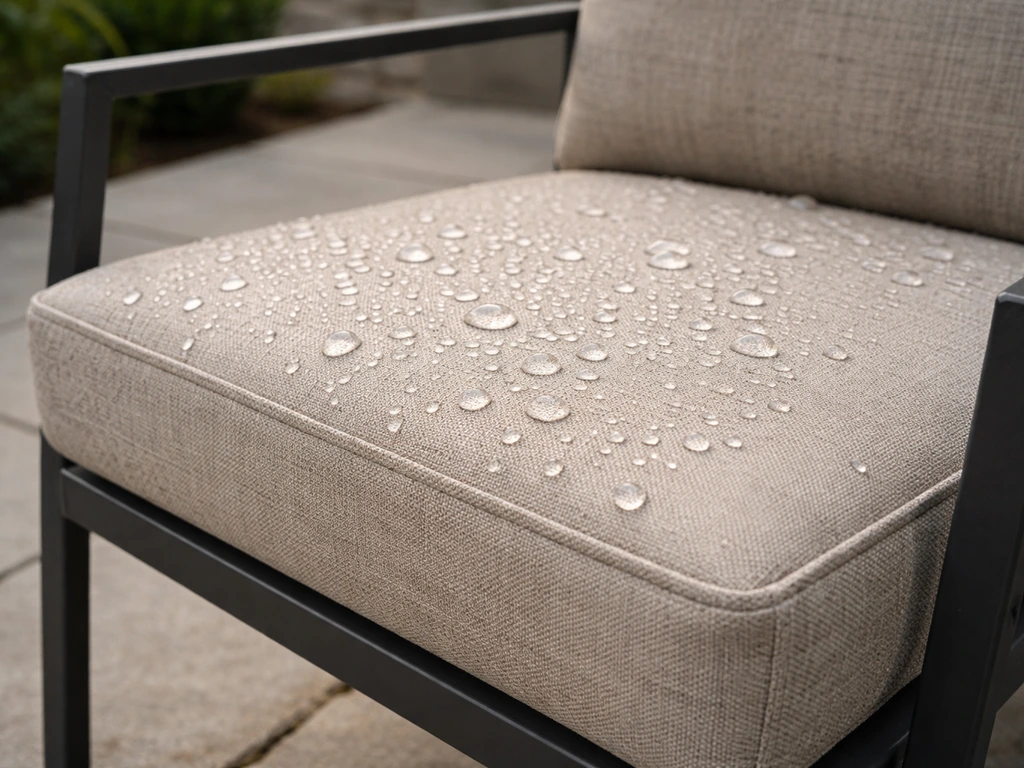
What 'waterproof' on a cushion label actually means
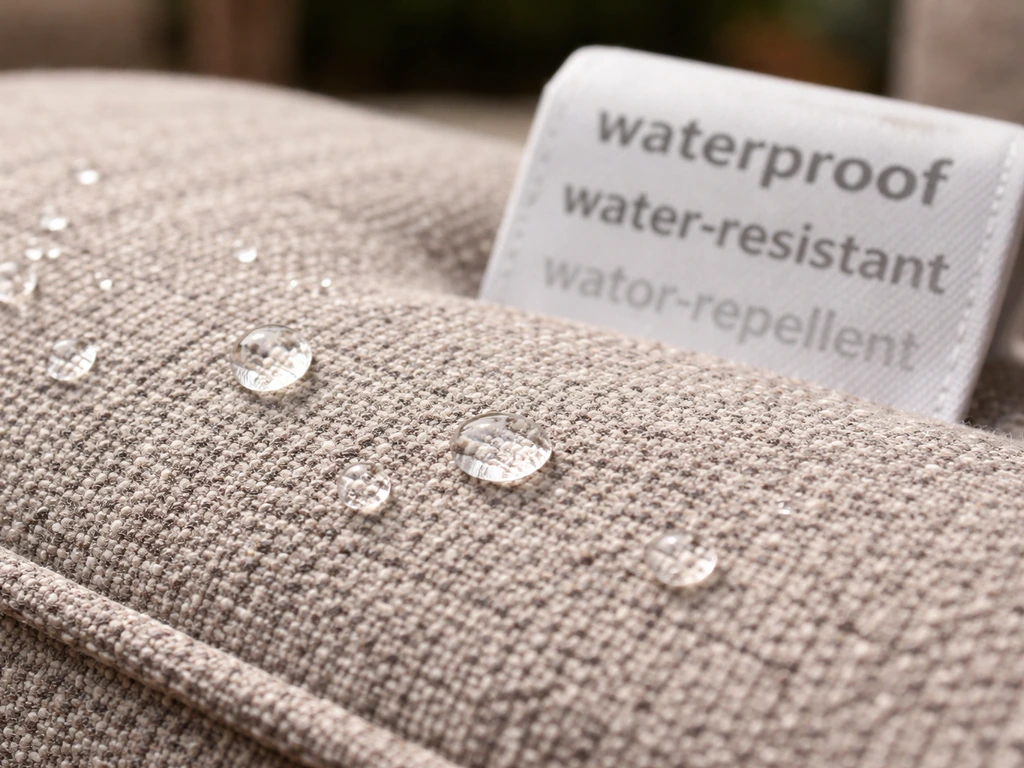
Most outdoor cushion labels use the terms waterproof, water-resistant, and water-repellent almost interchangeably, and that vagueness is worth calling out directly. Classic Accessories, one of the most recognized names in outdoor cushion covers, openly states in their support documentation that their cushion covers are not waterproof, only water-resistant and water-repellent. Gertens Garden Center puts it even more plainly: outdoor furniture cushions are water-resistant but water will penetrate during rain. Even Sunbrella, which makes some of the best outdoor fabric in the business, markets its standard line as water-resistant, not waterproof. The exception is their Sunbrella Rain line, which is specifically engineered with a 100% waterproof fabric coating. That distinction between their standard fabric and Rain line is exactly the gap you need to understand before you buy.
In practical terms, water-resistant means the fabric has a hydrophobic finish or tight weave that causes water to bead up temporarily. That works great for a five-minute sprinkle. But leave those cushions out in a 30-minute downpour and the fabric eventually becomes saturated, water moves through seams and zippers, and the foam inside soaks it up like a sponge. Waterproof, when a brand actually means it, implies a film or coating on the fabric surface that physically blocks water penetration. Even then, as we will get into below, seams are a weak point almost every time.
Test your cushions at home right now
You do not need any special equipment to get a read on how your cushions actually behave. This is a simple two-step test you can do in your backyard today.
- Sprinkle test: Splash or sprinkle a cup of water across the surface of the cushion. If the water beads up and rolls off without darkening the fabric, the water-repellent finish is still working. If the water immediately absorbs and the fabric darkens, the finish is gone and you are left with a cushion that will soak up rain with no resistance at all.
- Sustained soak test: Set the cushion out in the next rain event for 20 to 30 minutes, or simulate it with a garden hose on a gentle spray setting. After that time, press down on the cushion firmly. If you feel or hear water squishing inside, or if squeezing the foam produces drips, water has penetrated the core. A truly waterproof setup will feel dry inside even after sustained exposure.
- Seam and zipper check: Run your finger along the seam lines and zipper after the soak test. Wet seams when the surface fabric still appears intact is a sign the seam stitching is the ingress point, which is extremely common and is actually acknowledged even by brands selling waterproof-fabric cushions.
The beading behavior from step one tells you about the fabric finish. The squeeze result from step two tells you about the overall cushion system including seams, zippers, and foam. Both matter. A cushion can pass the bead test and still fail the squeeze test if the seams are not sealed.
Materials and construction: what actually keeps water out (or lets it in)
Outer fabric
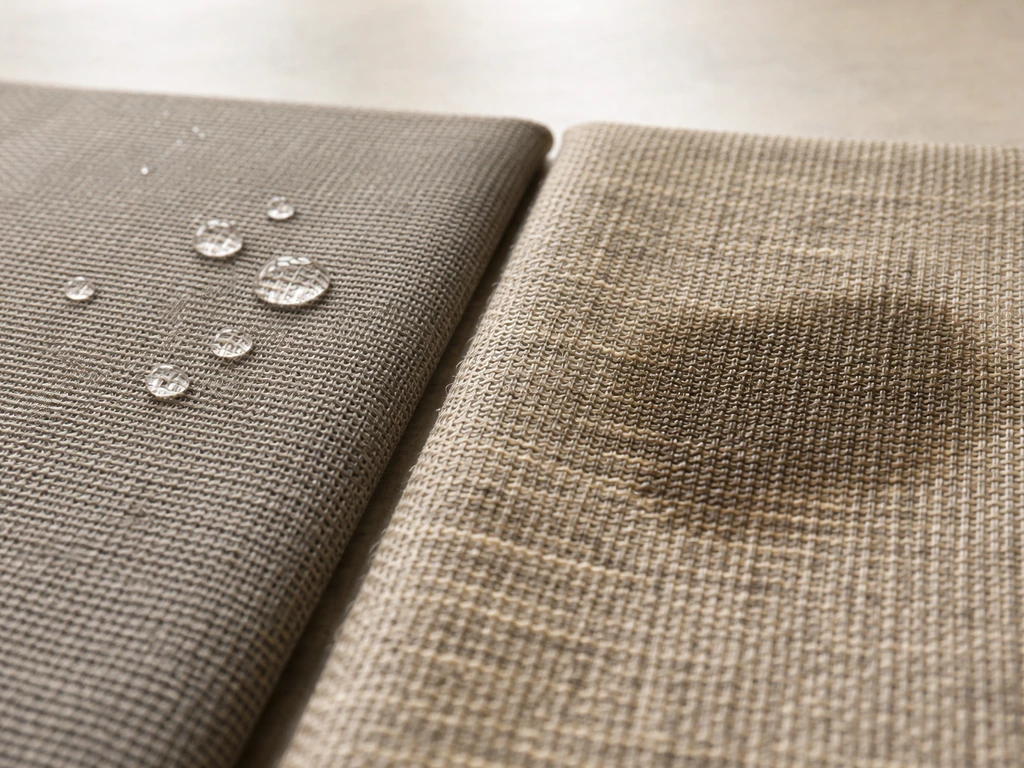
Thread count and weave tightness are the starting point. A higher thread count makes it physically harder for water molecules to pass through the fabric itself. Coated or engineered synthetic fabrics (solution-dyed acrylic, polyester with a PVC or polyurethane backing) perform better than natural fibers. Sunbrella's standard fabric is solution-dyed acrylic with a water-resistant finish. Their Rain line adds a waterproof coating to the back of the fabric. Phifer's research confirms that truly waterproof upholstery fabrics use this kind of coating, but also warns that a fabric that does not breathe can trap any moisture that sneaks in through seams, making the inside of the cushion harder to dry out.
Foam core
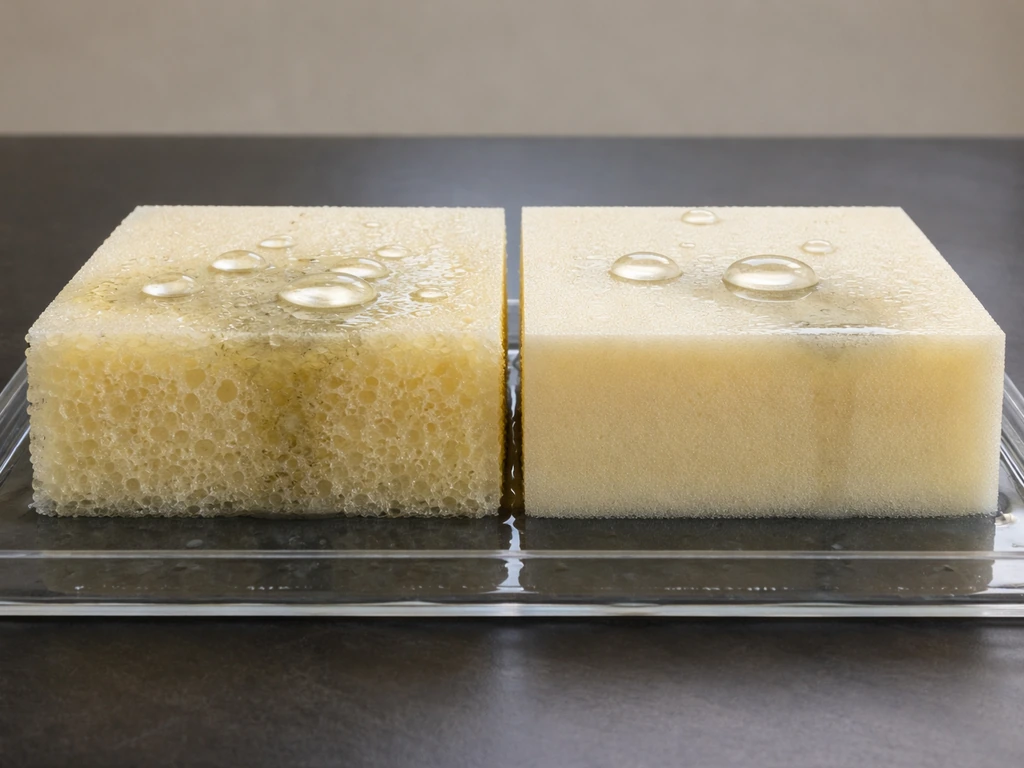
Standard polyurethane foam is highly absorbent. Get it wet and it holds water for days, which is the perfect environment for mildew. Better outdoor cushions use open-cell foam that is designed to allow water to drain through and air to circulate when the sun comes back out. Brafab describes this as 'all-weather foam' that lets water pass through while still providing support. Some high-end cushions wrap the foam in a polyester fiberfill or a water-barrier liner before the outer cover goes on, which adds another layer of protection. If a listing does not specify the foam type, assume it is standard polyurethane and treat it accordingly.
Seams, zippers, and backing
This is the weak link in almost every cushion, including expensive ones. Every needle hole from sewing creates a potential entry point for water. Even Outdoor Textiles, a retailer that sells Sunbrella Rain products, acknowledges that manufacturing holes from sewing create an opportunity for moisture to penetrate inside the cushion. Sealed seams (where a waterproof tape or coating is applied over the stitching from the inside) dramatically reduce this. Waterproof zippers or zipper plackets with a flap cover help too. If neither of those construction details appears in a product listing, assume seams are not sealed.
What to look for when buying cushions
Use this checklist before committing to any purchase. Labels matter less than construction details.
- Fabric type: Look for solution-dyed acrylic (Sunbrella is the benchmark), or polyester with a PVC or polyurethane waterproof coating. Avoid cotton or cotton blends for anything staying outside.
- Fabric rating: 'Water-resistant' means it handles light rain temporarily. 'Waterproof fabric' (like Sunbrella Rain) means the outer layer itself blocks water. Know which you are buying.
- Seam sealing: Look for 'sealed seams' or 'taped seams' in the product specs. This is rare and worth paying more for if you want true waterproofing.
- Zipper quality: YKK or marine-grade zippers with a lapped cover over the zipper placket are far better than cheap exposed zippers at the back of a cushion.
- Foam type: 'Open-cell,' 'quick-dry,' or 'all-weather' foam means water can drain out rather than pooling. This is critical for cushions left outdoors.
- Interior liner: A waterproof barrier layer between the foam and outer cover adds protection even if the outer seams let some moisture through.
- Brand transparency: Brands that explicitly say 'water-resistant, not waterproof' (as Classic Accessories does) are being honest. Treat vague 'waterproof' claims with skepticism unless seam sealing and foam type are also specified.
| Feature | Water-Resistant Cushion | Waterproof Cushion |
|---|---|---|
| Outer fabric | Hydrophobic finish or tight weave (standard acrylic/polyester) | Coated or laminated waterproof fabric (e.g., Sunbrella Rain) |
| Seams | Standard sewn seams, not sealed | Sealed or taped seams to block needle-hole ingress |
| Zipper | Standard zipper, may have flap | Marine-grade or waterproof zipper with full coverage placket |
| Foam core | Standard polyurethane (absorbs and holds water) | Open-cell or quick-dry foam with drainage and airflow |
| Interior liner | Usually none | Waterproof barrier liner between foam and cover |
| Real-world rain performance | Fine for light drizzle; soaks through in heavy or sustained rain | Resists sustained rain; moisture stays near surface or drains through foam |
| Mildew risk if left out | High if regularly rained on | Low if construction is complete (fabric + sealed seams + foam) |
| Price range | Budget to mid-range | Mid-range to premium |
Keeping cushions in good shape: cleaning, drying, and storage
Even the best cushion will fail faster without basic maintenance. Here is what actually works.
After a rain event
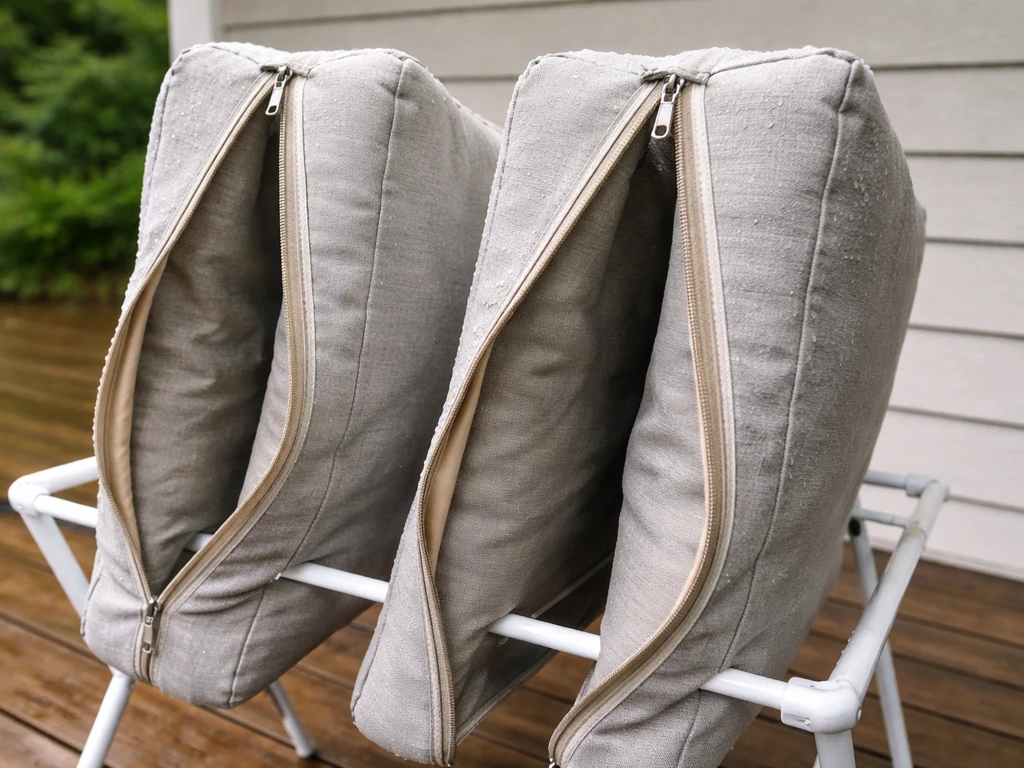
If your cushions got soaked, do not leave them flat on the furniture. Bob Vila's guidance nails this: open the zipper and stand the cushions on end so water can drain and air can circulate. Laying a wet cushion flat traps moisture against whatever surface it is resting on. If there is any sun or breeze, lean them upright against the furniture frame or a wall in a spot where both sides get airflow. For standard polyurethane foam, expect 24 to 48 hours of drying time in good conditions, longer in humidity. Restoration Hardware's care instructions make the same point: if cushions get wet, tilt them with the zipper facing down to let gravity help drain the inside.
Routine cleaning
Mildew starts from moisture sitting on or in fabric, combined with dirt and organic debris. Clean cushions quarterly (more often in humid climates) with a mild soap and water solution, a soft brush, and a thorough rinse. Sunbrella recommends rinsing completely to remove all soap residue, which can attract dirt if left behind. Spot-treat mildew early with a diluted bleach solution (check fabric compatibility first) before it spreads into the foam. Always let cushions dry completely before stacking or covering them. Lowe's outdoor fabric guidance reinforces this: storing damp cushions accelerates mildew and significantly shortens cushion life.
Re-treating the water-repellent finish
The factory water-repellent finish on most cushion fabrics degrades over time from UV exposure, washing, and use. You can restore it with a fabric guard spray like 303 Fabric Guard. The key, as Gold Eagle (the maker of 303) specifies, is that the fabric must be completely dry before application. If you apply it to a damp cushion, it will not bond correctly. Clean the fabric, let it dry fully (a full day in sun is ideal), then apply the spray evenly and let it cure. This is one of the simplest and most effective things you can do to extend the life of water-resistant cushions.
Off-season storage
Store cushions in a breathable container or bag, not in a sealed plastic bin unless they are bone dry and you are in a dry climate. Breathable storage bags allow residual moisture to escape. In humid climates, adding a few silica gel packs to the storage area helps prevent mildew during winter. Stack cushions vertically if possible, or lay them flat with nothing heavy compressing them.
How climate changes what you need
Not every outdoor cushion problem looks the same. Where you live should directly influence what kind of cushion you buy and how aggressively you protect it.
Occasional rain or light drizzle
If you are in a climate with infrequent rain and mostly dry summers, a standard water-resistant cushion with a well-maintained hydrophobic finish will probably serve you fine. The key is keeping the finish renewed annually and not leaving cushions out through a full rainstorm. This is the classic scenario where 'water-resistant' is genuinely enough.
Heavy or frequent rain
If you are in the Pacific Northwest, the Gulf Coast, or anywhere that sees sustained rainfall regularly, a water-resistant cushion will spend a lot of time saturated unless you are diligent about bringing them in. For patio furniture when it rains, that means you will want sealed seams, waterproof coatings, and a reliable drying routine after storms a water-resistant cushion. In these climates, investing in cushions with a waterproof fabric (like Sunbrella Rain), sealed seams, and quick-dry foam pays off quickly in avoided replacement costs. Curran's guidance for standard outdoor cushions is blunt: they should not be left out in heavy rain, which is the honest expectation for most cushions on the market.
Sprinkler overspray
Daily sprinkler contact is more damaging than a single rain event. The repeated wetting and drying cycle degrades the hydrophobic finish faster, and the mineral content in tap water can leave residue that attracts dirt and further compromises the fabric. If sprinklers hit your patio furniture regularly, either reposition the sprinkler heads or use cushion covers specifically when the irrigation runs. If you are wondering whether homeowners insurance covers patio furniture, the answer often depends on what type of damage happened and whether it could be tied to weather-related causes or poor maintenance homeowners insurance cover patio furniture. If you are dealing with this kind of constant wetting, you may be asking can patio furniture get wet without ruining the cushions patio furniture regularly.
Coastal humidity and salt air
Coastal environments are brutal for cushions even without direct rain. High ambient humidity keeps fabric from drying fully between dew cycles, and salt air degrades coatings and promotes mildew. In these conditions, solution-dyed acrylic fabric is a must (the color goes all the way through the fiber, so fading and fiber breakdown from salt are minimized), and the cushion foam needs to be quick-drain. Cushion covers left on year-round in salt air climates will need the water-repellent finish re-treated more frequently, sometimes every season.
When your cushions are not waterproof enough: practical fixes
If you already own cushions that are not holding up to your climate or your lifestyle, here are the most effective options without replacing everything immediately.
Use cushion covers or furniture covers
A well-fitted, breathable patio furniture cover placed over the whole seating set when not in use is the single most effective protective strategy for cushions that are not waterproof. The emphasis on breathable is important: non-breathable covers can trap moisture and condensation underneath, creating the mildew conditions you are trying to avoid. Look for covers with vented panels. This is a relatively inexpensive way to extend the life of standard cushions significantly.
Re-treat with a water-repellent spray
If your cushions have lost their hydrophobic finish, products like 303 Fabric Guard restore it at a fraction of the cost of new cushions. This is not a one-time fix but a seasonal maintenance step, especially in climates with heavy UV or frequent rain. Clean the cushions, let them dry completely, and apply the spray per the manufacturer's directions. Reapplication once a year is typical; more often if the cushions see daily use in harsh conditions.
Swap to a genuinely waterproof cushion
If you are tired of babysitting standard cushions through every rainstorm, upgrading to a cushion built on waterproof fabric (Sunbrella Rain is the most widely available benchmark) with quick-dry foam is worth doing once rather than repeatedly replacing cheaper cushions. The upfront cost is higher but the long-term math usually favors it, especially in wet or coastal climates. When shopping, confirm that the construction includes sealed seams and quality zippers, not just the waterproof fabric, because the fabric alone is not enough if the seams are open. For example, Hampton Bay patio furniture is typically not truly waterproof unless the specific cushion covers are engineered with waterproof fabric and sealed seams.
Consider cushion-free furniture for high-exposure spots
For areas with zero cover where furniture stays out year-round and cushions would be constantly soaked, it is worth considering furniture that does not rely on cushions at all: teak with natural oil finish, powder-coated aluminum with sling or textilene seating, or resin wicker with mesh seating surfaces. These options sidestep the cushion waterproofing problem entirely for pieces that live in fully exposed spots.
FAQ
If my patio cushions say they are water-resistant, can I leave them out in heavy rain?
Not reliably. If the label only says water-resistant, expect saturation during a sustained storm, especially through zipper seams and needle holes. If you need truly “left out” protection, look for sealed seams plus a waterproof fabric coating (not just a water-repellent finish on the outside).
Can I store water-resistant cushions under a plastic cover to keep them dry?
Yes, but only in a narrow “dry climate, bone-dry cushion” scenario. In humid or coastal areas, plastic-style covers can trap moisture and create condensation, even when it is not raining. Use a breathable, vented cover, and remove cushions from under the cover as soon as they dry after a storm.
How can I tell when my cushions are actually dry enough after getting wet?
You should, because the outer fabric can stay damp inside the foam. When you open the zipper, if the cushion feels cool or heavy, it is likely still holding water. Dry upright with the zipper facing down, and only re-cover or re-stack when the inside feels fully dry (often 24 to 48 hours for standard foam in good conditions).
What specific product details should I look for beyond the word “waterproof”?
Look for explicit construction details. “Waterproof fabric” alone is not enough if seams are exposed or sewn through without an internal waterproof barrier. Confirm sealed seams (waterproof tape or coating over stitching) and check for zipper plackets or waterproof zippers designed to shed water.
What should I do if my cushions get soaked and I can’t bring them inside right away?
Remove them promptly and drain them first. Leaving wet cushions flat can trap water against furniture surfaces and slow drying. If you cannot bring them inside immediately, stand them on end and improve airflow by placing them with space around both sides.
Can I spray mildew with bleach to fix it quickly?
It depends on the material, but chlorine or bleach can damage or discolor many outdoor fabrics and can weaken finishes. Spot-treat mildew early with diluted bleach only after checking compatibility with the fabric type and testing in an inconspicuous area. For ongoing prevention, quarterly cleaning and fast drying usually beats aggressive chemical use.
Does washing patio cushions affect their waterproofing performance?
Tap water can leave mineral residue that attracts dirt and can reduce how well the fabric sheds water over time. Rinsing thoroughly after cleaning matters, and if you can, use a gentle rinse that removes soap completely. Soap leftovers can also attract grime, which makes mildew more likely.
Are sprinkler systems harder on cushions than rain?
Yes. If you regularly get sprinkler spray, the repeated wetting can degrade the hydrophobic finish faster than occasional rain. The practical fix is repositioning heads or using irrigation-timed covers, because the “few minutes of mist” protection can turn into constant saturation.
If the fabric beads water, will the foam still get wet?
Generally, yes. In most cushions, the foam is the slow part because standard polyurethane is highly absorbent. Quick-drain foam and open-cell designs reduce soak time, but you still need airflow to dry what gets through seams.
How do I know when it is time to reapply fabric guard or water repellent?
If you see water staining, persistent dampness, or mildew returning after you thought you dried the cushions, it is time to reapply a fabric protector, typically once a season in harsh sun or frequent wet conditions. The key is applying only to fully dry cushions and cleaning first so the spray can bond evenly.
Will covering cushions when not in use extend the life of water-resistant fabric?
Often, yes. If you use a breathable cover and cushions are kept bone-dry, the fabric stays cleaner and the water-repellent finish degrades more slowly. But if the cover is non-breathable or leaves cushions slightly damp, mildew risk increases, so the “breathable” requirement is not optional.
Why do my cushions leak through one spot even though the rest beads water?
Yes, and it usually comes down to where water can enter. Zippers, stitching rows, and needle holes are common entry points. If one side gets wet more often, check the furniture tilt, whether the cushions are aligned to shed water, and whether water pools near seam lines.
What’s the best way to remove excess water before drying outdoors?
It can help, but test first and avoid soaking. Wet vacuuming or gentle blotting can reduce the time the foam spends saturated, but you still need airflow to fully dry. For stuck-in-water situations, prioritize upright draining (zipper down) before any deep cleaning.
Next Articles
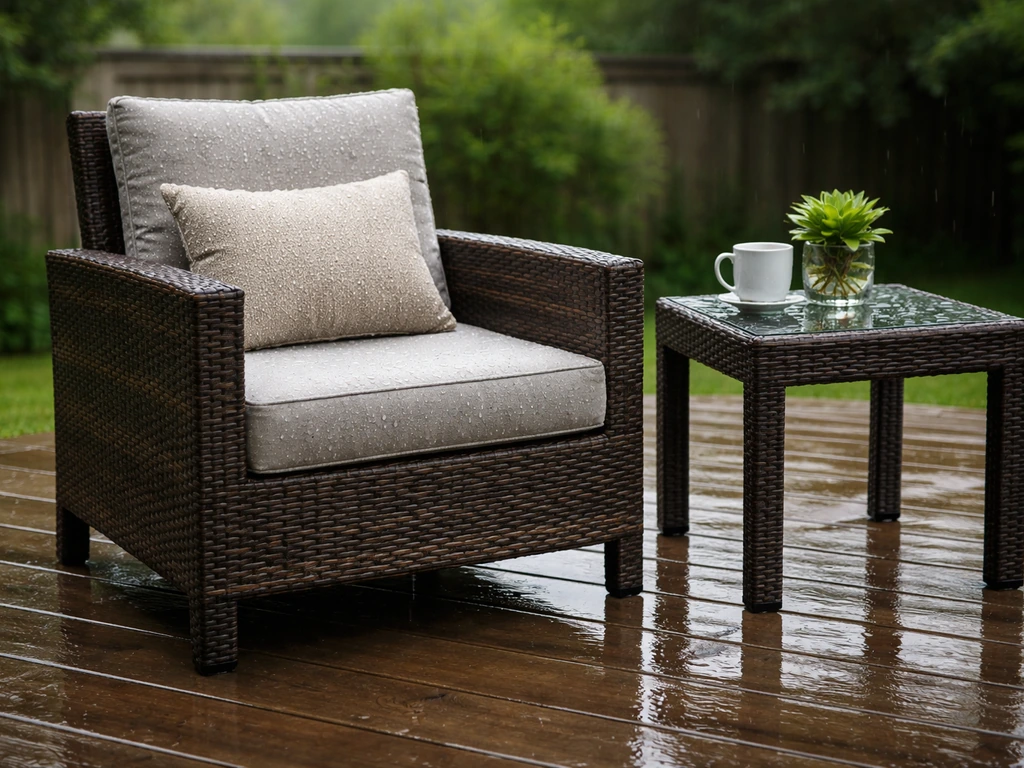
Is Patio Furniture Waterproof? How to Test and Maintain It
Learn if patio furniture is waterproof, how to test it, and maintenance tips by material to prevent rust, swelling, and
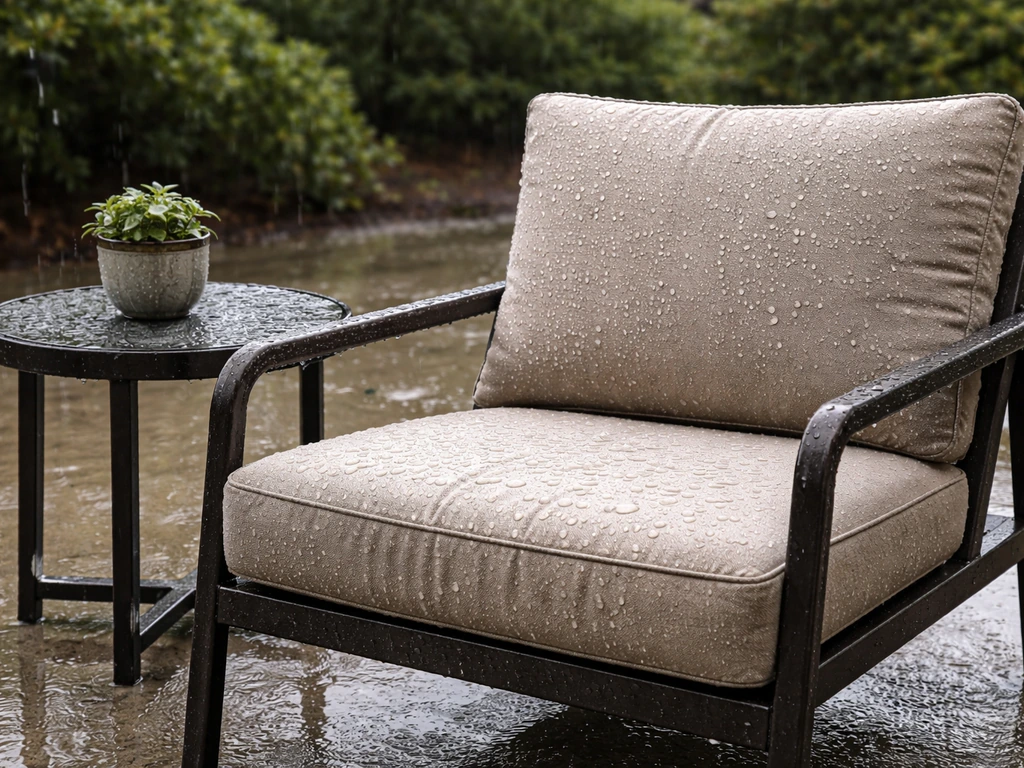
Patio Furniture That Can Get Wet: What to Buy and Do
Buy patio furniture that can get wet: materials, what to check, wet-proof cushions, drying and mildew prevention for you
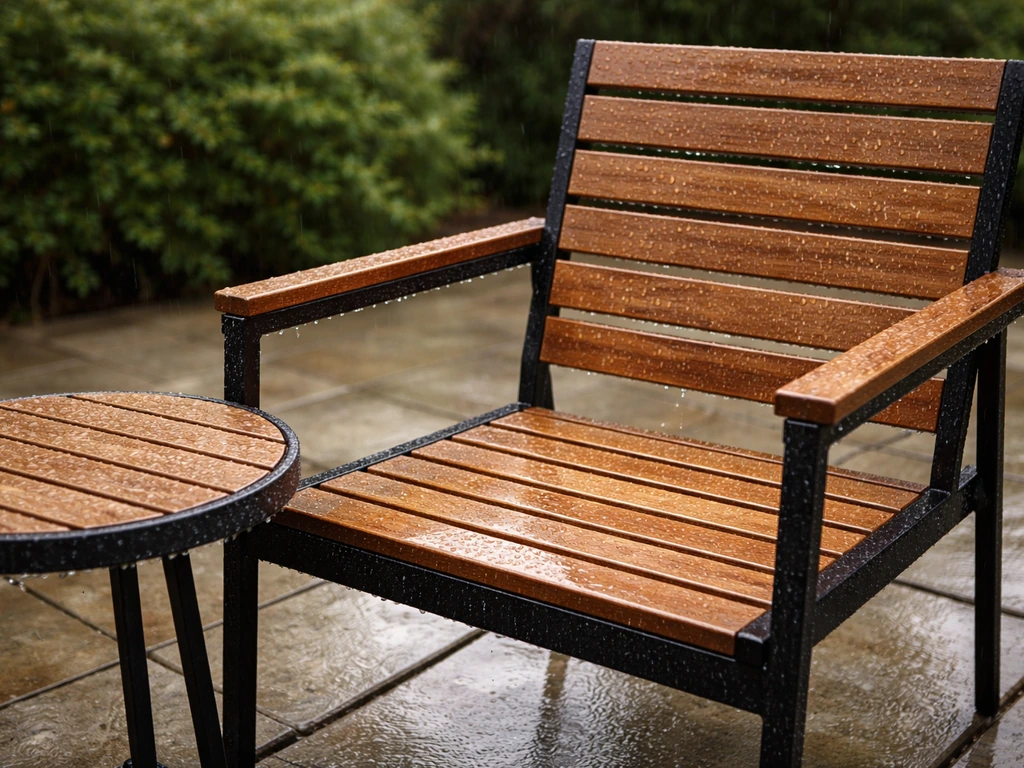
Can Patio Furniture Get Wet Safely? Material Guide
Learn if patio furniture can get wet and how to protect wood, metal, wicker, and composite from rust, rot, and mildew.