
Most patio furniture marketed as 'waterproof' is actually water-resistant, and that distinction matters a lot when you're spending real money on pieces that will sit through full seasons of rain, humidity, and coastal salt air. If you are shopping for Hampton Bay pieces, focus on water-resistant construction and quick-drying cushions rather than expecting true waterproofing Hampton Bay patio furniture waterproof.
Best Waterproof Patio Furniture: Materials, Picks, Checklist

Theo Tierney
3 May 2026
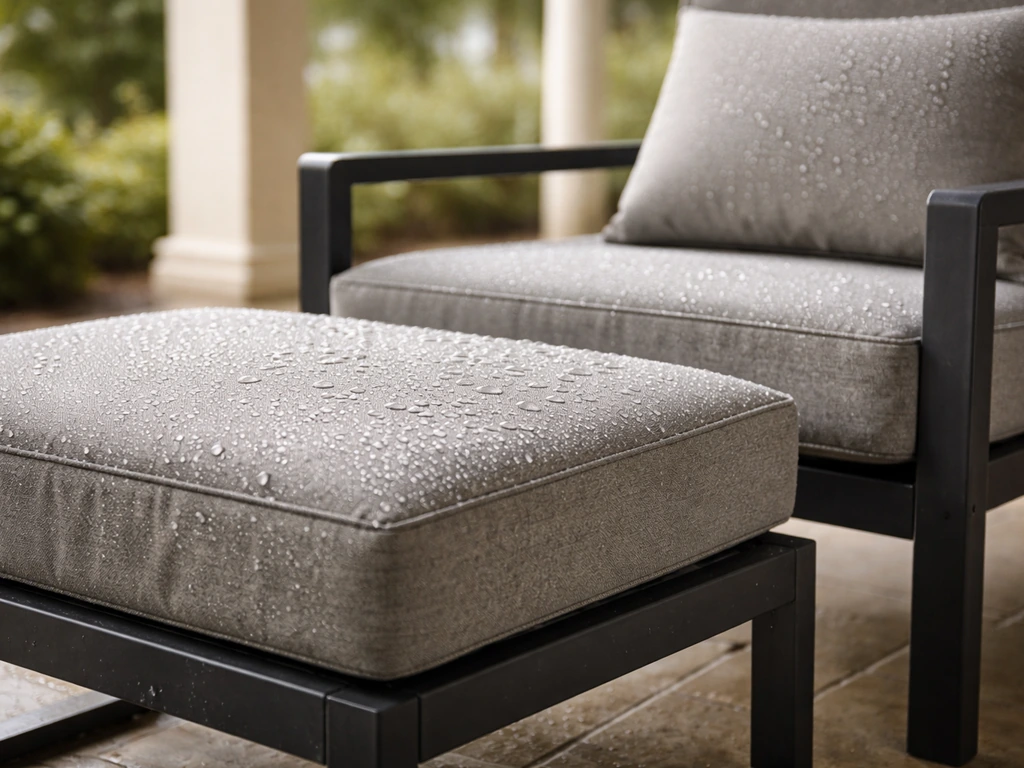
The genuinely best options for wet conditions are powder-coated aluminum frames, Grade 316 stainless steel, teak wood with proper maintenance, synthetic resin wicker, and composite/resin furniture bodies paired with Sunbrella or similar solution-dyed acrylic cushions. Get those materials right, add a breathable cover, and your outdoor setup can handle years of serious weather exposure without rusting, molding, or falling apart.
patio furniture that can get wet performs far better when you choose materials like powder-coated aluminum, Grade 316 stainless, teak, synthetic resin wicker, or HDPE composite, and then make sure cushions and covers dry properly after rain.
Waterproof vs. Water-Resistant: What the Labels Actually Mean
In patio furniture, 'waterproof' is almost always a marketing word, not a technical certification. True waterproofing means water cannot penetrate the material at all under any conditions. Very few outdoor furniture materials meet that bar because wood swells, weaves have gaps, and even sealed metals have joints and fasteners. What you're really shopping for is water-resistant furniture: materials and finishes that shed water quickly, resist corrosion, don't absorb moisture into their cores, and dry out fast enough that mold and rot can't get a foothold.
For fabrics and cushion covers, the standard test most manufacturers reference is AATCC 22, a spray test that simulates rain exposure and grades how well a textile sheds water from its surface. AATCC TM22 (often referred to as AATCC 22) is a standardized spray test used to evaluate textile water repellency by assessing how well a fabric sheds water surface wetting. A fabric passing this test resists surface wetting but is not truly sealed against sustained soaking.
For metal frames, salt spray testing under ASTM B117 or ISO 9227 is the benchmark: a coating rated to 1,000 hours in salt fog is meaningfully different from one rated to 200 hours. When a brand makes a waterproof or rust-proof claim, ask which standard they tested to and at what exposure level. If they can't answer, treat the claim skeptically.
The practical question isn't 'is this waterproof?' but 'how does this material behave after it gets wet?' Does it dry quickly? Does the finish stay intact when exposed to UV plus moisture? Does the core material absorb water or shrug it off? Those are the questions that predict real-world performance better than any label.
Materials That Actually Hold Up Outside
Powder-Coated Aluminum
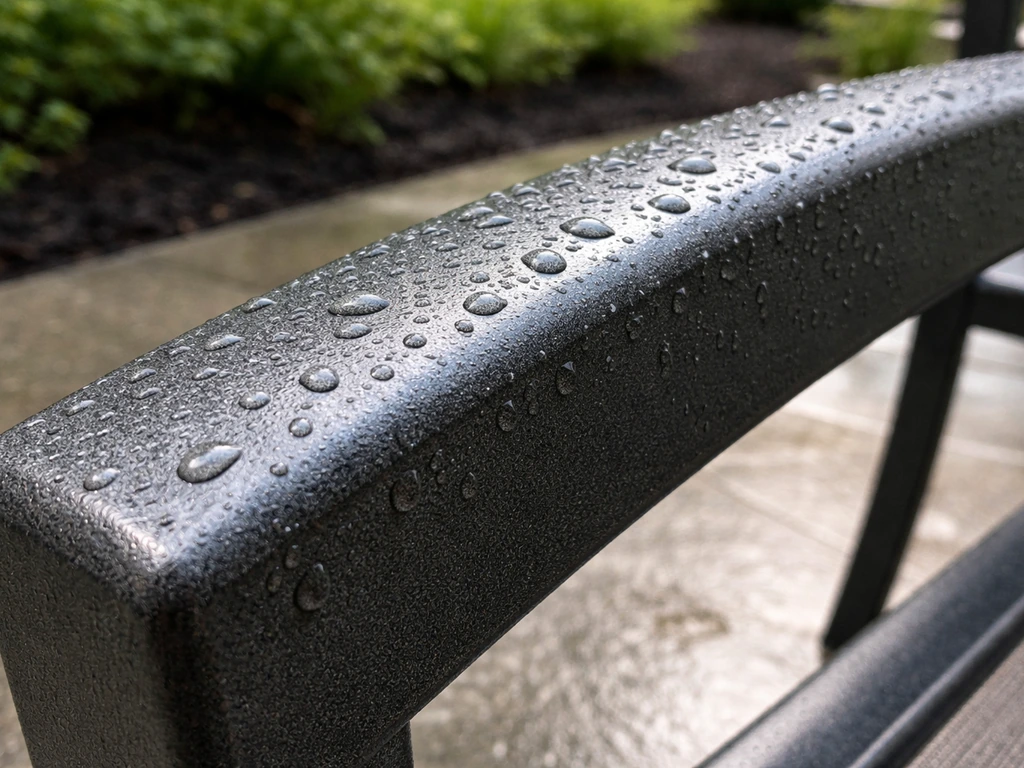
Aluminum is the single most practical frame material for wet climates. It doesn't rust, it's lightweight, and a quality powder-coat finish bonds electrostatically to the metal and then cures in an oven, creating a hard shell that resists chips, moisture, and UV degradation far better than paint. The catch is coating quality: poor application or curing shortcuts show up as bubbling, peeling, or chalking within a season or two, especially in coastal environments.
Look for furniture from brands that specify QUALICOAT or similar certified coating processes, and visually inspect welds and joints because those are the failure points, not the flat surfaces. QUALICOAT explains that it has earned industry certifications and accreditations, including ISO 9001, which relates to its role as a quality system for certified coating processes QUALICOAT certified coating processes.
Stainless Steel
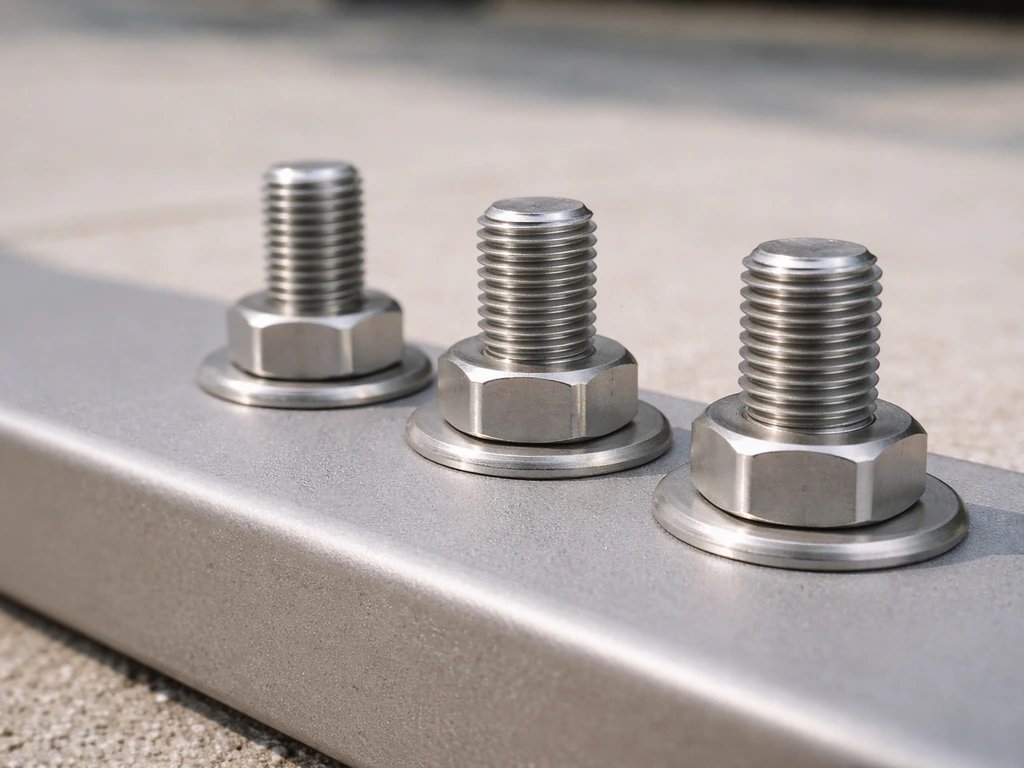
Stainless steel looks premium and is genuinely corrosion-resistant, but grade matters enormously. Type 316 stainless contains molybdenum, which gives it significantly better resistance to chloride corrosion (salt air, pool splash, coastal spray) than the more common Type 304. Even 316 isn't corrosion-proof in all conditions, but for most residential patio use within a few miles of the coast, it holds up well. For non-coastal use, 304 is usually fine. Stainless steel is heavy and more expensive than aluminum, so it's best suited for smaller accent pieces, dining table bases, or fasteners rather than large lounging sets.
Teak Wood
Teak's natural oils make it one of the few woods that genuinely resists moisture, rot, and insect damage without constant treatment. Left untreated, it weathers to a silver-gray patina but stays structurally sound for decades. If you want to preserve the warm honey color, you'll need to clean it and apply teak oil or a quality sealer regularly. One critical rule: teak can take up to 48 hours to fully dry after rain, and covering it or applying oil before it's completely dry creates conditions for mildew to grow between the wood surface and the cover. Teak is expensive, but it's one of the few materials where the long-term cost of ownership genuinely justifies the price.
Synthetic (Resin) Wicker
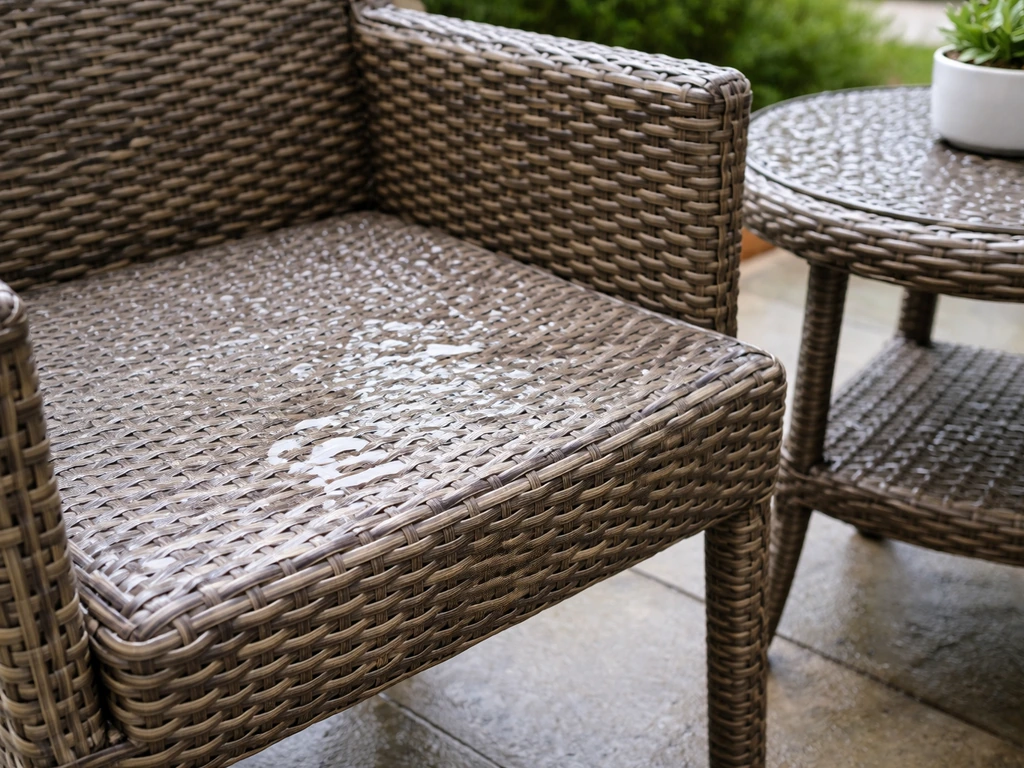
Natural rattan wicker will fall apart outdoors. Synthetic resin wicker, woven over a powder-coated aluminum or steel frame, is a different animal entirely. The HDPE or resin strands don't absorb moisture, won't crack in normal temperature ranges, and resist UV fading reasonably well when the resin quality is high. The frame underneath is the weak link: look for aluminum frames rather than steel, because even with a powder coat, steel frames in wicker furniture tend to rust at joints and welds over time. Good synthetic wicker sets are one of the better-looking weather-resistant options available today.
Resin and Composite (HDPE)
High-density polyethylene (HDPE) composite furniture, the kind made from recycled plastic lumber, is about as close to truly waterproof as outdoor furniture gets. It won't absorb water, won't rot, won't rust, and doesn't need sealing or painting. Brands like Trex Outdoor Furniture use this material, and their care guidance essentially amounts to rinse it off and let it air dry. The trade-off is aesthetics: it can look plasticky at lower price points, though premium manufacturers have gotten much better at mimicking wood grain textures. For pool decks, beach houses, or anyone who genuinely wants near-zero maintenance in a wet climate, HDPE composite is the most practical choice.
Best Picks by Furniture Type
| Furniture Type | Best Material Choice | What to Watch For |
|---|---|---|
| Full patio sets | Powder-coated aluminum frame + Sunbrella cushions | Check weld quality and cushion zipper covers |
| Dining sets | Aluminum or teak frame + solution-dyed acrylic fabric seats | Ensure table surface drains and doesn't pool water |
| Lounge chairs / chaises | HDPE composite or aluminum + quick-dry foam cushions | Elevated off ground; look for drainage slots in seat |
| Outdoor cushions | Sunbrella or solution-dyed acrylic with removable covers | Must be stored or dried before stowing; covers zip off for washing |
| Umbrellas | Aluminum pole + solution-dyed acrylic canopy | Check vent design for wind and look for UV-rated fabric rating |
| Storage benches / deck boxes | HDPE resin or powder-coated aluminum with gasketed lid | Look for a lid that seals or at least overhangs to shed rain |
Cushions deserve special attention because they're the most common failure point in any patio set. Sunbrella fabric, which is a solution-dyed acrylic, doesn't promote mildew growth on its own, but dirt and organic debris left on the fabric absolutely can. The fabric resists surface wetting but will eventually become saturated in a prolonged downpour. Storing cushions while they're still even slightly damp is one of the fastest ways to ruin them. Always let them dry fully before zipping them into storage bags or a deck box.
Features That Actually Prevent Water Damage
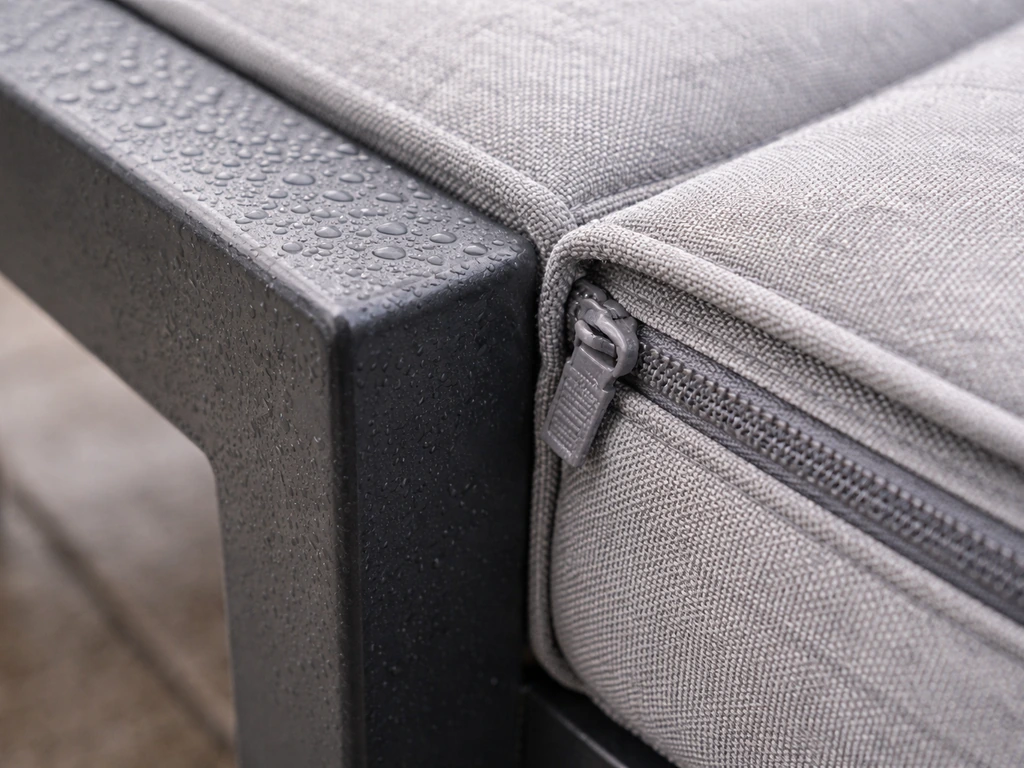
Beyond material selection, specific construction features make a significant difference in how well furniture survives wet conditions. Here's what to look for when you're evaluating a piece before buying:
- Sealed or powder-coated surfaces with no exposed bare metal, especially at welds, joints, and screw holes
- Drainage design: slatted or curved seat surfaces that don't pool standing water after rain
- Elevated construction: feet, legs, or glides that keep the frame off wet decking surfaces to prevent trapped moisture underneath
- Rust-resistant or stainless hardware throughout, including bolts, screws, and hinges (not just the main frame)
- Quick-dry cushion foam: open-cell foam wrapped in a breathable fabric dries in hours rather than days
- Removable, machine-washable or hose-off cushion covers with quality YKK or equivalent zippers
- Compatibility with manufacturer-specific covers or standard-size covers, because not all furniture dimensions fit off-the-shelf covers well
On covers specifically: breathable covers beat non-breathable plastic tarps every time. A non-breathable cover traps condensation underneath, which creates exactly the warm, damp, dark environment where mildew thrives. Manufacturers like Gloster design their covers with breathable construction specifically to reduce condensation buildup and mold risk. Even breathable covers allow some moisture in, so they're not a substitute for properly drying cushions before covering, but they're far better than sealing everything under a plastic sheet.
What to Buy Based on Your Climate
Rainy, Humid Climates (Pacific Northwest, Gulf Coast, Florida)
In climates with frequent rain and high ambient humidity, the enemy is sustained moisture exposure and mildew. Powder-coated aluminum and HDPE composite are the strongest frame choices because neither absorbs water. Teak works but requires more diligent drying and re-sealing in high-humidity environments. For cushions, prioritize quick-dry foam and solution-dyed acrylic covers, and get into the habit of standing cushions on edge after rain so both faces can air out. That same approach works when you need patio furniture when it rains, because fast-drying cushions and proper airflow help prevent mildew after downpours. In Florida-style heat and humidity, mildew can colonize a damp cushion in under 48 hours, so drying speed is non-negotiable.
Coastal and Salt-Air Environments
Salt air is the most aggressive environment for outdoor furniture. It accelerates corrosion of even well-coated metals and degrades lower-grade stainless steel. For frames, powder-coated aluminum or Grade 316 stainless steel are the correct choices. Avoid any steel frame, even with a powder coat, because salt eventually finds its way through joints and welds and starts corrosion from the inside out. HDPE composite is also excellent for coastal use since it's essentially inert to salt. Rinse all metal and composite furniture with fresh water regularly (weekly in very exposed locations) to remove salt deposits before they can do damage. Teak handles salt air well structurally but will need more frequent cleaning to remove salt residue.
Freeze-Thaw and Snow Climates (Midwest, Northeast, Mountain Regions)
In regions where temperatures cycle above and below freezing, water that gets into cracks, joints, or porous surfaces expands when it freezes and can physically split materials apart over time. Resin wicker, HDPE composite, and aluminum are the most freeze-thaw tolerant because they don't absorb water in the first place. Teak can handle it but needs to be fully dry before temperatures drop. Cushions should always come inside during winter: even 'weatherproof' foam and fabric shouldn't be exposed to freeze-thaw cycles for months at a time. A breathable cover over your frame plus indoor cushion storage is the standard protocol for cold-climate patio furniture.
Hot, Dry Climates with Occasional Rain (Southwest, Arizona)
In dry climates, UV degradation is usually a bigger threat than moisture, but monsoon season brings intense short-duration rain. The priority here is UV-stable materials: powder-coated aluminum with a high-quality UV-resistant finish, and solution-dyed acrylic fabrics rather than screen-printed or dyed-after fabrics. HDPE composite handles UV and rain well. Teak can dry out and crack in very low humidity, so it needs more frequent oiling in desert climates than it does elsewhere.
Keeping It in Top Shape Year After Year
The best furniture in the world degrades without basic maintenance. The good news is that water-resistant materials are also generally easy to maintain. Here's the routine that keeps patio furniture performing well across seasons:
- After rain: stand cushions on edge to drain and air out; wipe down metal frames with a dry cloth at joints and welds where water collects
- Monthly cleaning: hose off frames and scrub with mild soap and water; for Sunbrella and similar fabrics, brush off dry debris first then rinse thoroughly
- Mold and mildew: if you spot it early, a diluted bleach solution (typically 1 cup bleach per gallon of water with a small amount of mild soap) cleans most fabrics and resin surfaces; rinse completely afterward
- Teak re-sealing: clean with a teak cleaner and apply a quality teak sealer or oil once or twice a season, always on completely dry wood; skip re-sealing if you want the silver-gray patina and just clean it instead
- Powder-coat touch-up: if you find chips or scratches exposing bare metal, clean the area and apply a matching touch-up paint rated for outdoor metal use before rust can start
- End-of-season storage: clean and fully dry all cushions before storing; cover frames with breathable covers; store cushions indoors or in a sealed, ventilated deck box in cold climates
- Annual hardware check: inspect and tighten all bolts, screws, and fasteners; replace any showing rust with stainless equivalents
One thing that trips people up: the 48-hour dry time for teak after rain. If you get into the habit of covering wet teak furniture overnight because it looks tidy, you're setting up conditions for mildew to form between the wood surface and the cover. Give teak time to breathe and dry before covering it, especially in humid conditions.
How to Judge Value and Brand Claims Before You Buy
The outdoor furniture market is full of products that look good in showroom lighting and fall apart within two seasons. Here's how to cut through the noise and evaluate whether a specific product or brand is worth the price:
- Pay for: frame material quality (ask specifically whether the aluminum is cast or extruded and what wall thickness), coating certification or standard referenced, quick-dry foam in cushions, and quality fabric from known suppliers like Sunbrella
- Pay for: a real warranty that covers structural defects and finish failure under normal outdoor use, with clear exclusions you can actually read before buying
- Skip: vague 'weatherproof' or 'waterproof' claims with no test standard cited; these are marketing terms, not specifications
- Skip: steel frames sold as 'rust-resistant' without specifying the coating type and standard; in wet or coastal climates, a low-grade powder coat on steel is a ticking clock
- Verify cushion fabric: look for 'solution-dyed acrylic' rather than 'polyester' or unlabeled fabric; solution-dyed fabrics hold color and resist mildew better than polyester alternatives
- Read the warranty exclusions carefully: some brands exclude mildew, fading, or moisture damage in ways that effectively void the warranty for normal outdoor use; Trex's warranty language around environmental factors is an example of what to look for
- Check brand-specific cover availability: furniture that comes with or is designed for matching covers stays in better condition longer; if a brand sells covers for their pieces, that's a sign they've thought about long-term outdoor performance
- For coastal buyers: ask explicitly about salt spray testing results; a coating rated to 1,000 hours under ASTM B117 salt fog testing is meaningfully different from one that hasn't been tested at all
Budget options can work for covered patios in mild climates with minimal rain. But if you're in a genuinely wet, coastal, or freeze-thaw environment and you buy the cheapest option, you'll be replacing it in two to three years. Spending 40 to 60 percent more on quality aluminum, HDPE composite, or teak often delivers three to five times the usable lifespan, which is the better value even on a tight budget when you look at cost per year of use.
Whether you're also thinking about whether patio furniture cushions are truly waterproof, how to handle furniture covers for rain protection, or what happens to your furniture in a storm, the underlying logic is the same: materials and construction details matter far more than any marketing claim. Get the frame material right for your climate, pair it with quality quick-dry cushions, use a breathable cover consistently, and follow a basic maintenance schedule. That combination will outperform any product sold purely on the strength of a 'waterproof' label. In most cases, homeowners insurance does not cover damage just because patio furniture got wet, since it’s typically treated as wear and tear or lack of maintenance does homeowners insurance cover patio furniture.
FAQ
How do I know if a waterproof patio furniture cover will actually prevent mildew, not just keep water out?
Look for zippers, seams, and vent holes that still allow airflow when closed. A cover can be fully waterproof at the fabric layer but fail if it holds condensation against cushion backs. If possible, choose covers with an anchored fit and a design that lets water run off the edges instead of pooling on top.
Can I put cushions into a closed storage container as soon as the rain stops?
Yes, but only if the frame and cushion are truly dry first. Solution-dyed acrylic is much slower to support mildew than many other fabrics, but damp foam or trapped moisture inside a deck box can still drive mold growth. For storage, let cushions air out until both faces are dry, then store with some airflow if your bin has vents.
What matters more for wet-weather performance, the fabric top or the cushion foam?
For most wet climates, choose quick-dry foam plus a solution-dyed acrylic cover, then treat the foam as the priority. Even if the outer fabric sheds water well, prolonged downpours can saturate inner layers. If your cushions have removable covers, dry the covers separately and fully, and avoid reassembling while the foam is still cool or damp inside.
Are all solution-dyed acrylic cushions equally good in heavy rain?
Not all “solution-dyed” acrylic performs the same. The key practical point is how quickly the fabric and seams release water and how resistant the underlying foam or batting is to absorbing moisture. If a brand cannot describe cushion fill type (quick-dry, open-cell, or similar) and drying guidance, assume it will behave worse than higher-end Sunbrella-style setups.
How often should I rinse patio furniture in coastal salt air?
After salt air, rinsing matters more than occasional wiping. Use fresh water to flush joints and underside surfaces, then let everything dry completely. In very exposed areas, weekly rinses help prevent salt from accumulating in welds, fasteners, and hidden crevices where corrosion starts.
Should I seal teak immediately after it gets rained on to keep it from absorbing water?
Avoid the temptation to “seal everything.” Teak oil and sealers can help preserve color and reduce water uptake, but applying a product on damp wood or before full drying increases mildew risk under covers. If you oil, do it on dry teak during calm weather, then allow the finish to cure fully before covering.
Is it safe to leave cushions outside through winter if I use a patio cover?
If you store cushions outside, they will still get humidity cycles and trapped condensation. Bring cushions fully inside for winter or use a breathable cover on the furniture plus a dry-only cushion storage plan indoors, garage, or a ventilated shed. “Weatherproof” ratings rarely account for months of freeze-thaw and dampness.
What’s the safest way to clean best waterproof patio furniture so I don’t damage the protective finish?
With HDPE composite and quality powder-coated aluminum, hand-cleaning is usually enough, mild soap and water, then thorough rinsing. For stubborn grime, use non-abrasive cleaners, avoid metal-bristle brushes (they can damage coatings), and inspect for any scratches. Touch-ups on powder coat are sometimes possible, but if coating is cracked or blistered, replacement is safer than patching.
At what point do signs of powder-coat wear mean the frame is no longer reliably water-resistant?
If you see bubbling, peeling, or chalky residue on powder coat, treat it as a sign of coating failure, not just cosmetic wear. That’s especially urgent in coastal regions because corrosion can begin at joints and under lifting edges. Stop using that piece in heavy rain until you confirm whether the coating can be restored or the frame should be replaced.
Which parts of a patio set should I inspect after a rainstorm to judge drying speed?
Inspect where water concentrates: chair backs, underside of arms, table edges, and any seams or weld transitions. Use a simple after-rain check, wipe a paper towel across joints and seams, if it stays wet longer than nearby flat areas, the piece likely won’t dry quickly enough for humid climates.
Does homeowners insurance cover damage if my “waterproof” patio furniture rusts or mildews after a storm?
Usually, no. Most homeowners policies treat rain-related damage to outdoor items as exclusions or wear-and-tear unless damage is tied to a named peril like a windstorm with specific causes. Before you assume coverage, document the material condition and event details, and check your policy’s personal property and “off-premises” or “outdoor property” language.
Next Articles
Common Patio Furniture Wood: Best Choices, Care & Tips
Compare common patio furniture wood types, teak, cedar, redwood, oak, with durability, finishes, and care tips.
Best Wood Patio Stain: Choosing Durable, Low-VOC Finishes
Compare and choose the best wood patio stain: durability, finish, climate tips, prep, and top product picks.
Common Patio Furniture Wood: Teak, Cedar, Redwood and More
Compare common patio woods like teak cedar redwood and pressure-treated: durability, quality checks, and care for long l