
Most patio furniture sits between 15 and 19 inches off the ground at the seat, which is lower than a typical indoor sofa or kitchen chair. That's not a defect, it's a deliberate design choice built around outdoor lounging posture, weather stability, and the visual scale of open-air spaces. But if your specific set feels unusually low, it might also be sagging cushions, sunken legs on soft ground, or a mismatch between your chair height and your table height. The fix depends on which problem you actually have.
Why Is Patio Furniture So Low to the Ground? Fix and Choose

Theo Tierney
29 May 2026
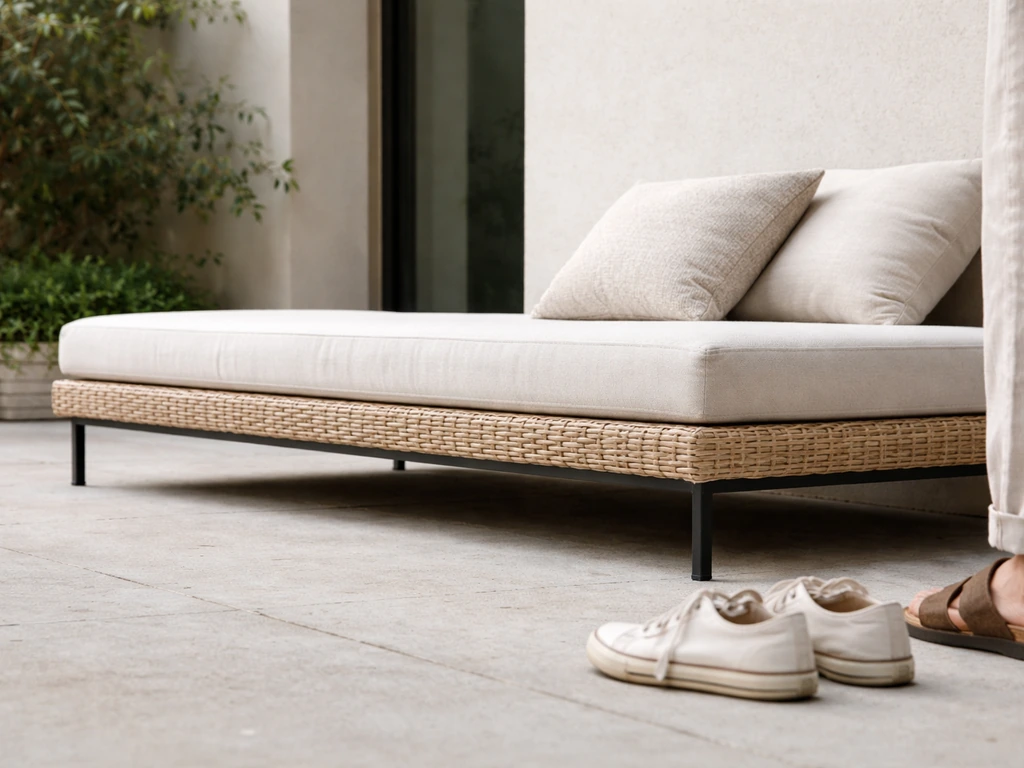
What 'low to the ground' actually means in patio furniture terms
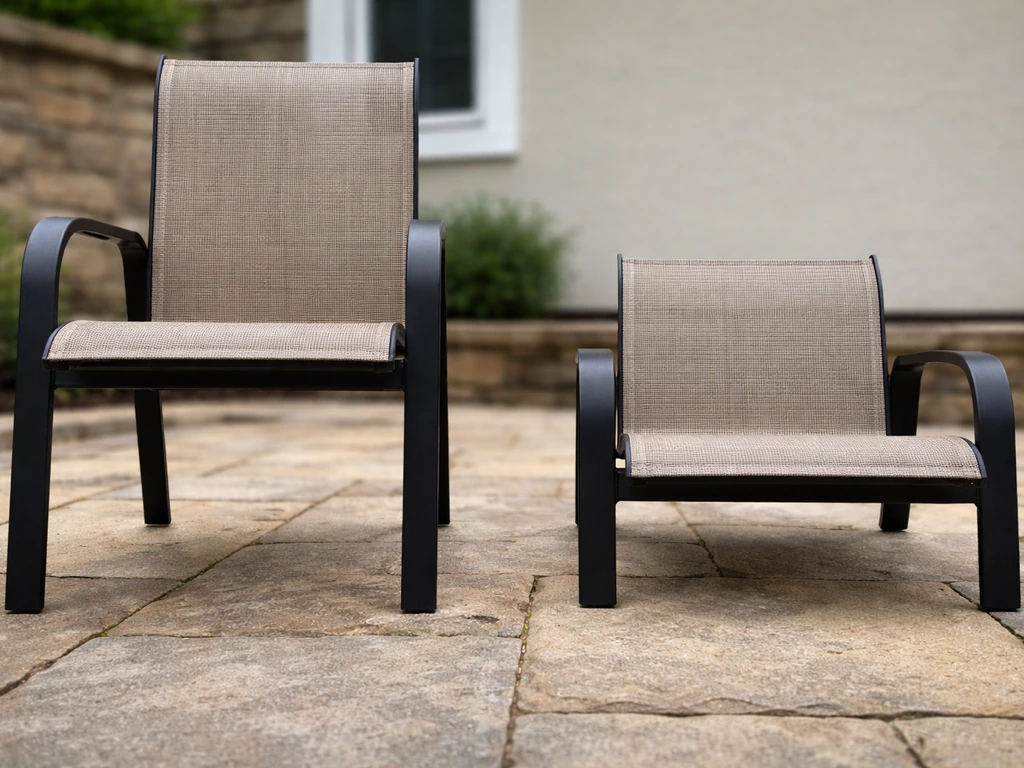
When people say patio furniture feels low, they're almost always talking about seat height, the distance from the floor to the top of the seat surface (or cushion). Overall furniture height, including the back, can look tall even when the seat is low. That distinction matters because a chair with a blank" rel="noopener noreferrer">16-inch seat height and a high back can feel like a throne visually but still be hard to get out of.
Standard outdoor dining chairs typically land in the 17 to 19 inch seat height range, which pairs with outdoor dining tables at 28 to 30 inches tall. That leaves roughly 10 to 12 inches of clearance between the seat and the tabletop, enough to sit comfortably without hunching. Deep-seating lounge chairs and outdoor sofas drop even lower, often to 15 to 17 inches at the seat when cushions are included.
A Restoration Hardware Greystone aluminum lounge chair, for example, specs out at a 16-inch seat height with cushion, that's intentionally low by design, not a flaw. For example, Restoration Hardware's Greystone aluminum seating spec lists a lounge chair seat height with cushion at about 16 inches [16-inch seat height with cushion for a Greystone aluminum lounge chair](https://images. restorationhardware. com/content/catalog/us/en/tearsheets/FurnitureGreystoneAluminum_Seating.
pdf).
Why outdoor furniture is designed to sit low
There are real structural and ergonomic reasons designers keep patio seating closer to the ground than indoor furniture.
Lounging posture and outdoor relaxation

Outdoor furniture is built for a more reclined, relaxed posture than office chairs or dining room seats. A lower seat naturally tilts your hips back, encourages you to stretch your legs out, and keeps you in a position suited for long, leisurely time outside. That 16 to 17 inch deep-seating height isn't a mistake, it's optimized for sitting with a drink for two hours, not eating a quick meal.
Wind, weight, and center of gravity
Outdoor furniture lives in the wind. A lower center of gravity makes chairs and sofas far more resistant to tipping or blowing over, which matters especially on exposed decks, rooftops, and open patios. Heavier materials like cast aluminum and teak benefit from being lower because it reduces the leverage wind has on the piece. This is a practical engineering choice that gets ignored in most buying guides.
Airflow and heat management
Outdoor cushions and frames need airflow underneath them to dry out after rain and prevent mold buildup. A lower profile design with ventilated framing under the seat cushion dries faster than a thick, enclosed base. This is less about seat height and more about overall frame construction, but it's one reason designers avoid raising outdoor seating frames with enclosed wooden skirts or solid bases.
Outdoor design aesthetics and scale
Open-air spaces are visually different from interior rooms. Low, horizontal furniture keeps sight lines open, makes a patio feel more expansive, and fits the landscape-oriented scale of an outdoor environment. Sectional outdoor sofas, in particular, are deliberately low-profile to blend with ground-level decking, fire pit seating, and pool areas. This is partly trend-driven, but it's been the dominant direction in patio design for well over a decade.
When it's low for the wrong reasons
Not all low patio furniture is low by design. Several common problems can make furniture that was once comfortable feel like you're sitting on the ground.
- Sagging or compressed cushions: Outdoor cushion foam compresses over time, especially if cushions are stored wet or left in direct sun. A cushion that originally added 4 inches can compress to 2 inches after a couple of seasons, dropping your effective seat height noticeably.
- Sunken legs on soft ground: Patio furniture legs, especially thin aluminum or wrought iron legs, can sink into soft soil, grass, or even soft rubber decking tiles. This can drop the seat 1 to 2 inches without you noticing it gradually.
- Wrong chair for the table: If you mixed and matched chairs and a table, or replaced chairs without checking specs, you might have dining chairs at 17 inches paired with a bar-height or counter-height table at 34 to 36 inches. That mismatch makes the chairs feel impossibly low.
- Missing or wrong leg glides: Many patio chair frames come with rubber or plastic leg glides that add a small amount of height and level out minor surface variations. If these are missing or worn down, the chair sits lower than it was spec'd.
- Frame warping or joint failure: Wood frames can warp downward over time, especially in humid climates without proper sealing. Wicker and resin wicker frames can develop soft spots where the internal frame has corroded or cracked, causing the seat platform to sag.
A quick diagnosis you can do right now
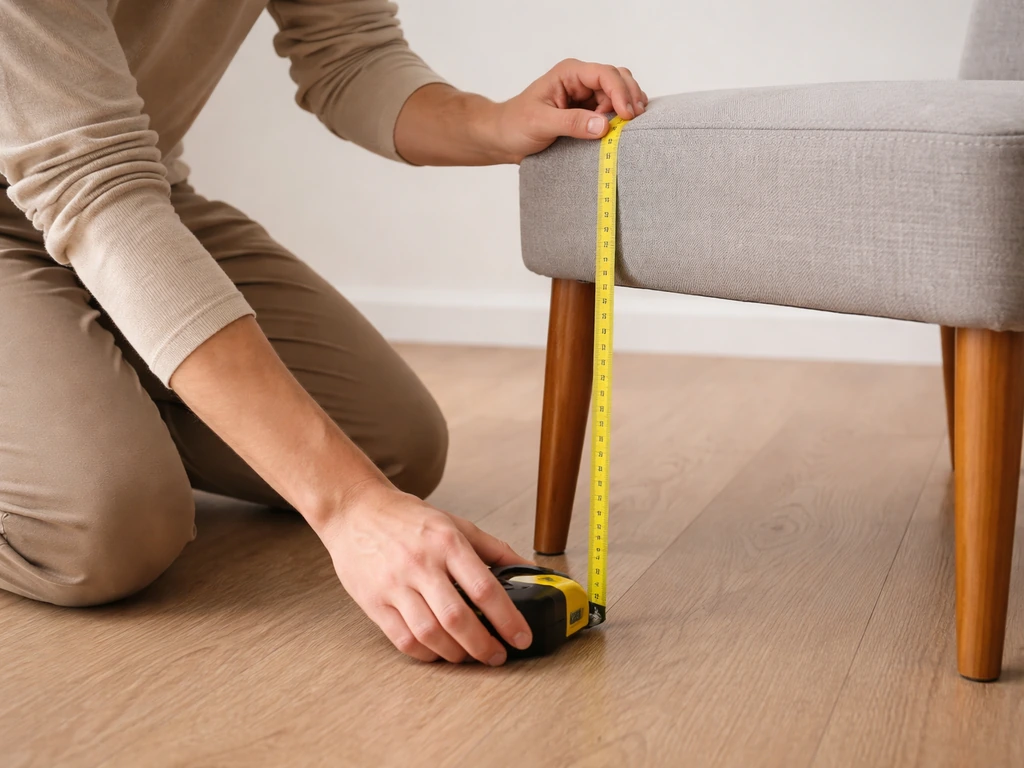
Before you buy anything new or make any changes, spend five minutes checking these things. You'll know exactly what's happening.
- Measure seat height: Grab a tape measure and measure from the ground to the top of the seat surface (not the cushion). If you have cushions, measure with and without them. For dining chairs, you want 17 to 19 inches. For lounge seating, 15 to 17 inches is normal.
- Check the table-to-chair clearance: Measure your table height, then subtract your chair seat height. You want 10 to 12 inches of clearance. Less than 9 inches and you'll be cramped; more than 13 inches and reaching the table becomes awkward.
- Look at leg contact with the ground: Get down and look at each leg. Are any legs sinking into the surface? Are leg glides present and intact? Is the frame level or rocking?
- Inspect cushion thickness: If your chairs have cushions, check the manufacturer spec for cushion height if you can find it. Compare it to what you're actually sitting on. Flat or compressed foam is often the culprit.
- Check frame joints and corners: Sit in the chair and push side to side gently. Any flex or creaking in the frame joints means the structure has loosened or warped. On wood frames, look for downward bowing in the seat rails.
- Compare your furniture's spec to what you bought: If you still have the purchase paperwork or can find the model online, look up the official seat height. Then measure what you have. A meaningful difference confirms the problem is physical degradation, not original design.
How to fix it today
Level the surface first
If legs are sinking into soil or grass, the fastest fix is furniture pads or wide leg caps that distribute weight over a larger area. For patio tiles or deck boards that are uneven, plastic shims under specific legs will stop the rocking and restore the correct seat height. A level ground surface makes a bigger difference to perceived comfort than most people expect.
Add risers
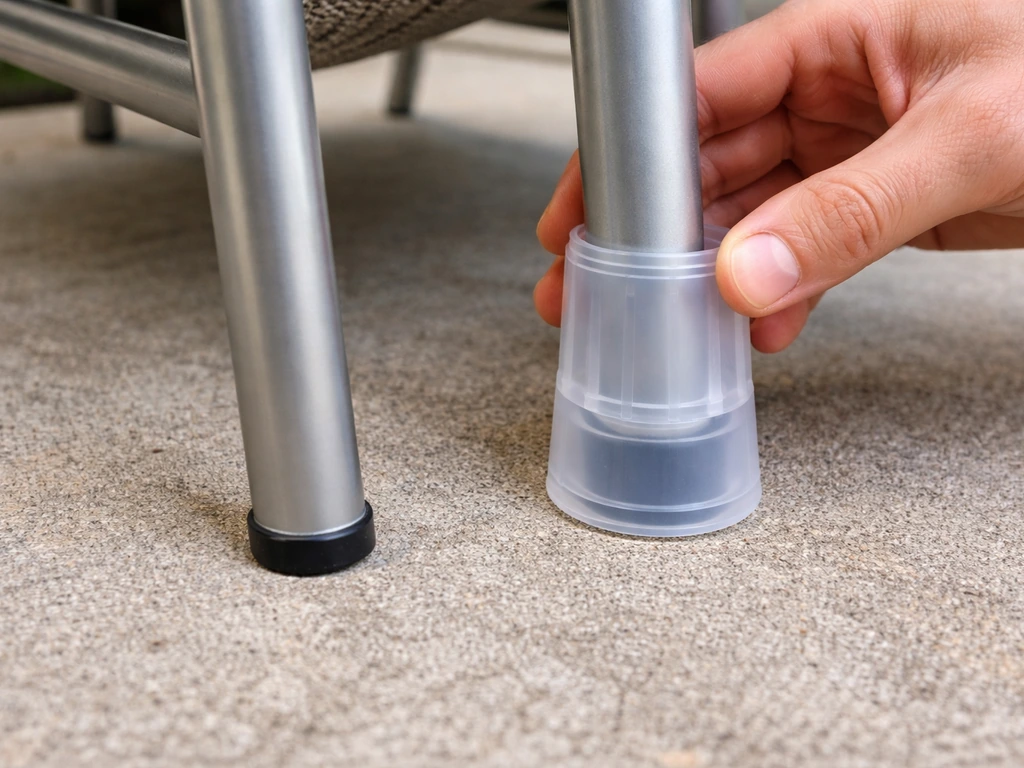
Furniture leg risers are inexpensive plastic or rubber caps that slip over existing legs and add 1 to 4 inches of height. They work well on aluminum and steel tube-leg frames. Make sure the interior diameter matches your leg size, most outdoor furniture uses round tube legs in 1-inch, 1.25-inch, or 1.5-inch diameters. Measure your legs before ordering.
Replace or upgrade cushions
If compressed foam is the issue, you have two options. You can replace the cushions entirely with new ones that match the original height spec, or you can buy replacement foam inserts cut to the same dimensions but with higher-density foam (2.0 lb density or higher for outdoor use). Higher-density foam holds its shape longer and is worth the extra cost. Make sure any replacement cushion uses quick-dry foam or an open-cell foam designed for outdoor use, regular indoor foam holds moisture and will mold.
Tighten hardware and reinforce joints
Go around the entire frame with the appropriate tool, usually a hex key or Phillips screwdriver, and tighten every bolt, screw, and connector. On wood furniture, check for loose dowels or split mortise-and-tenon joints and re-glue with exterior-rated wood glue. A frame that has loosened at the joints will feel lower and less stable even if the actual seat height hasn't changed.
Match the chair to the table
If your chairs and table are mismatched, the easiest fix is to raise the chairs with risers as described above. If you're deciding between sling and cushion patio furniture, remember that seat height and sag can affect how low the seating feels over time raise the chairs with risers. If the gap is more than 4 inches, you may need to replace one or the other. It's generally easier to swap chairs than tables, since chairs are less expensive and come in more height variations.
Choosing the right height next time you buy
The biggest buying mistake people make is not checking seat height before they order, especially online. Height is rarely the hero stat in product photography. Here's how to approach it by furniture category.
| Furniture Type | Typical Table Height | Ideal Seat Height | Best For |
|---|---|---|---|
| Outdoor dining set | 28–30 inches | 17–19 inches | Meals, everyday use, accessibility |
| Counter-height patio set | 34–36 inches | 24–26 inches | Bar areas, raised decks, taller users |
| Bar-height patio set | 40–42 inches | 28–30 inches | Outdoor bars, kitchen pass-throughs |
| Deep-seating lounge | No table pairing needed | 15–17 inches | Relaxed lounging, conversation areas |
| Outdoor sectional sofa | Coffee table at 14–18 inches | 15–17 inches | Large patio spaces, casual entertaining |
If you or someone in your household has mobility limitations, knee problems, or just finds low seats hard to get out of, stick to dining-height sets at the higher end of the range (18 to 19 inch seat height) and look for chairs with armrests, which make standing up significantly easier. Deep-seating and sectional furniture is genuinely difficult for some people to use comfortably, that's a real trade-off worth thinking through before you buy based on looks alone. If this is a concern, the considerations around patio furniture for tall people and accessibility overlap significantly with what you're solving for here.
How material choice affects how low furniture feels over time
Different materials degrade in different ways, and some of those ways make furniture feel lower over time even when the original design was fine.
Wood (teak, eucalyptus, acacia)
Solid wood furniture is heavy and stable but vulnerable to moisture cycling. In humid climates like coastal Florida or the Pacific Northwest, untreated wood absorbs moisture, swells, and can bow downward at the seat rails over several seasons. Teak is the most dimensionally stable of the outdoor hardwoods because of its natural oil content, but even teak needs an annual treatment to prevent surface cracking. Acacia and eucalyptus are budget-friendly alternatives but warp faster without regular oiling. A warped seat rail can drop the center of the seat by half an inch to a full inch, not enormous, but enough to notice.
Aluminum (cast and extruded)
Aluminum doesn't rust, doesn't warp, and holds its shape extremely well. It's the most dimensionally reliable outdoor frame material over time, which is why it dominates the mid-range and premium patio furniture market. The main risk with aluminum is powder coat failure, once the coating chips, oxidation pitting can weaken the wall of a tube-leg frame. In salt air environments (within a mile of the ocean), inspect aluminum furniture annually for pitting at joints and leg bottoms. A structurally compromised leg can collapse under weight, not just sink.
Wicker and resin wicker
Natural wicker is an outdoor furniture material that honestly shouldn't be outside except in covered, dry environments. It absorbs moisture, weakens the weave, and the internal frame (usually mild steel) rusts. Resin wicker is far better, the wicker itself is UV-stabilized polyethylene and won't absorb water. But most resin wicker furniture uses a steel internal frame, and if that frame corrodes, it can cause localized collapse of the seat platform. In humid or rainy climates, this is a legitimate failure mode after 5 to 8 years on budget pieces. Premium resin wicker with an aluminum internal frame avoids this entirely.
Composite and recycled plastic lumber
High-density polyethylene (HDPE) composite furniture, like brands built on recycled plastic lumber, is extremely resistant to warping, moisture, and UV degradation. The seat height stays consistent over years because the material doesn't move meaningfully with temperature or humidity. In Arizona heat or Florida humidity, composite furniture holds its dimensions better than any natural material. The downside is weight, heavy composite chairs don't tip easily in wind, but they're hard to move around.
Maintenance habits that prevent sinking, sagging, and warping
Most patio furniture height problems are preventable with basic seasonal maintenance. Here's what actually matters.
- Store or cover cushions when not in use: Even outdoor-rated foam degrades faster when left exposed to UV and moisture year-round. Bring cushions inside or use a covered storage box during months you're not regularly using the patio. This is the single highest-impact thing you can do to preserve cushion height.
- Re-level furniture every spring: Ground settles, pavers shift, and leg glides wear down. Spend five minutes each spring checking that all legs are making solid contact with the surface and the frame is level.
- Tighten all hardware annually: Outdoor furniture goes through significant thermal cycling — hot days, cold nights, wet and dry cycles. Bolts and screws back out over time. A quick annual tightening keeps joints rigid and prevents the frame flex that makes chairs feel unstable and low.
- Oil or seal wood frames once a year: For any wood patio furniture, apply teak oil, linseed oil, or an exterior-rated penetrating sealer at the start of the outdoor season. This prevents moisture absorption that leads to warping. In Florida or Gulf Coast climates, do this twice a year.
- Inspect leg bottoms and glides each season: Check for missing glides, cracked leg caps, and any signs of corrosion or pitting at leg bottoms. Replace glides before they wear completely through — they're cheap, and a missing glide drops one corner of the frame.
- Keep furniture off bare soil if possible: If you're placing furniture on grass or dirt, use pavers, tiles, or a deck pad under the legs. Direct ground contact accelerates corrosion on metal frames and moisture absorption on wood legs.
The bottom line is that low patio furniture is mostly by design, and for lounging and casual outdoor use it's the right call. But if your set feels lower than it should, the problem is almost always fixable with a tape measure, some cushion foam, or a set of leg risers, no new furniture required. Balcony height and patio furniture seat height should be aligned so you have safe clearance and comfortable lounging without awkward reach. When you are ready to buy something new, check the seat height spec before anything else, match it to your table height, and think about who actually needs to get in and out of it comfortably.
FAQ
How can I tell if my patio furniture is “low” because of design or because it has sagged?
Measure the seat height from the ground to the top of the seat surface at two spots, left and right. If it is consistently low compared with the product’s listed seat-height spec (not just the back height), it may be by design. If one side is lower, rocking is present, or the difference changes after tightening/air-drying, it is likely sagging cushions, loose frame joints, or uneven ground.
Do patio furniture cushions usually settle in the first weeks, and does that make the set feel lower?
Yes, especially with softer outdoor foam or thicker cushion builds. A cushion can drop noticeably after repeated use, then rebound slightly after drying. If the seat height loss feels significant, check foam density and replace with higher-density outdoor foam inserts (about 2.0 lb density or higher) rather than just adding additional cushion thickness.
What is the correct way to measure seat height for comparing to online listings?
Use the top of the seat surface with the cushion installed, and measure to a hard, flat point directly beneath it (not to grass or a soft mat). Do the measurement when no one has just sat in the chair, since freshly compressed cushions can give a false “extra low” reading.
Will adding a cushion topper change the “low to the ground” comfort problem, or can it make things worse?
It can help for seat feel, but it may also throw off the clearance to the table height and make standing up harder if the chair becomes too high at the front while the back support stays low. If you use a topper, recheck chair-to-table gap, and consider leg risers instead of stacking soft layers if you need consistent, structural height.
How do I match patio dining chairs to my table height if I already own both?
Aim for a comfortable gap of roughly 10 to 12 inches between the top of the chair seat surface (with cushion if applicable) and the underside or top working surface of the table. If your gap is much smaller, raising the chairs with properly sized risers is usually easier than changing the table.
Are furniture leg risers safe on all patio furniture materials and leg shapes?
They work best on round tube legs with known diameters (commonly 1-inch, 1.25-inch, or 1.5-inch). For square legs, irregular cast legs, or legs that taper, measure carefully or use wide leg caps meant for that geometry. Also confirm risers do not contact hardware or prevent chairs from sitting flat.
My patio furniture rocks slightly even on “level” ground. What should I check first?
Start with uneven deck boards or patio tiles. Then verify legs are all in full contact with the surface (no bent leg, no missing pad). If the rocking persists, use small plastic shims under the specific low legs, but only after confirming the frame is tight and not sagging at joints.
Can tightening bolts and re-gluing joints really affect perceived seat height?
Yes. When frames loosen at connectors or wood joints, the seat platform can settle and the furniture may feel lower and less stable even if the legs are not sinking. Re-tighten all hardware (with the right tool) and, for wood, inspect and repair compromised joinery using exterior-rated adhesive.
Is it better to raise low patio seating with risers or to replace cushions?
Choose risers if the seat height is structurally low due to leg sinking, uneven ground contact, or original hardware height. Choose cushion replacement if the chair height is correct but the seat surface sinks due to compressed foam. If the seating feels low while leaning or the cushion “bottoms out,” foam replacement tends to be the more direct fix.
What should I look for if my aluminum patio legs look fine but the chair still feels lower?
Inspect powder coat chips and check for pitting at joints and leg bottoms, especially near salt air. Structural weakness can develop even when the chair’s appearance looks mostly intact. If you see oxidation pitting, corrosion, or deformation, stop using the piece as-is and have the affected legs replaced or serviced.
Is natural wicker ever a good option if I want stable seat height over time?
It is usually not ideal outdoors in humid or rainy climates. Natural wicker absorbs moisture, can weaken over time, and the internal frame may rust, leading to localized seat collapse that feels like gradual lowering. If you want consistent seat height, resin wicker with an aluminum internal frame or other moisture-resistant materials are more reliable.
Next Articles
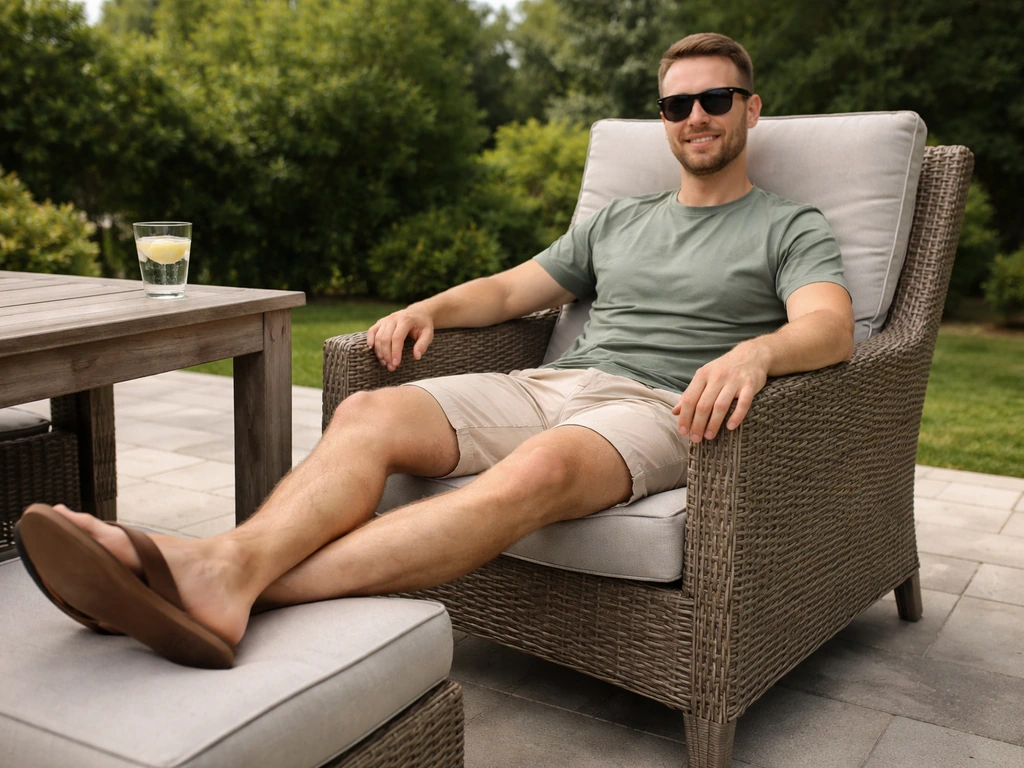
Best Patio Furniture for Tall People: Fit, Comfort, Durability
Get the best patio furniture for tall people: exact sizing, comfort tips, durable materials, and climate-proof maintenan
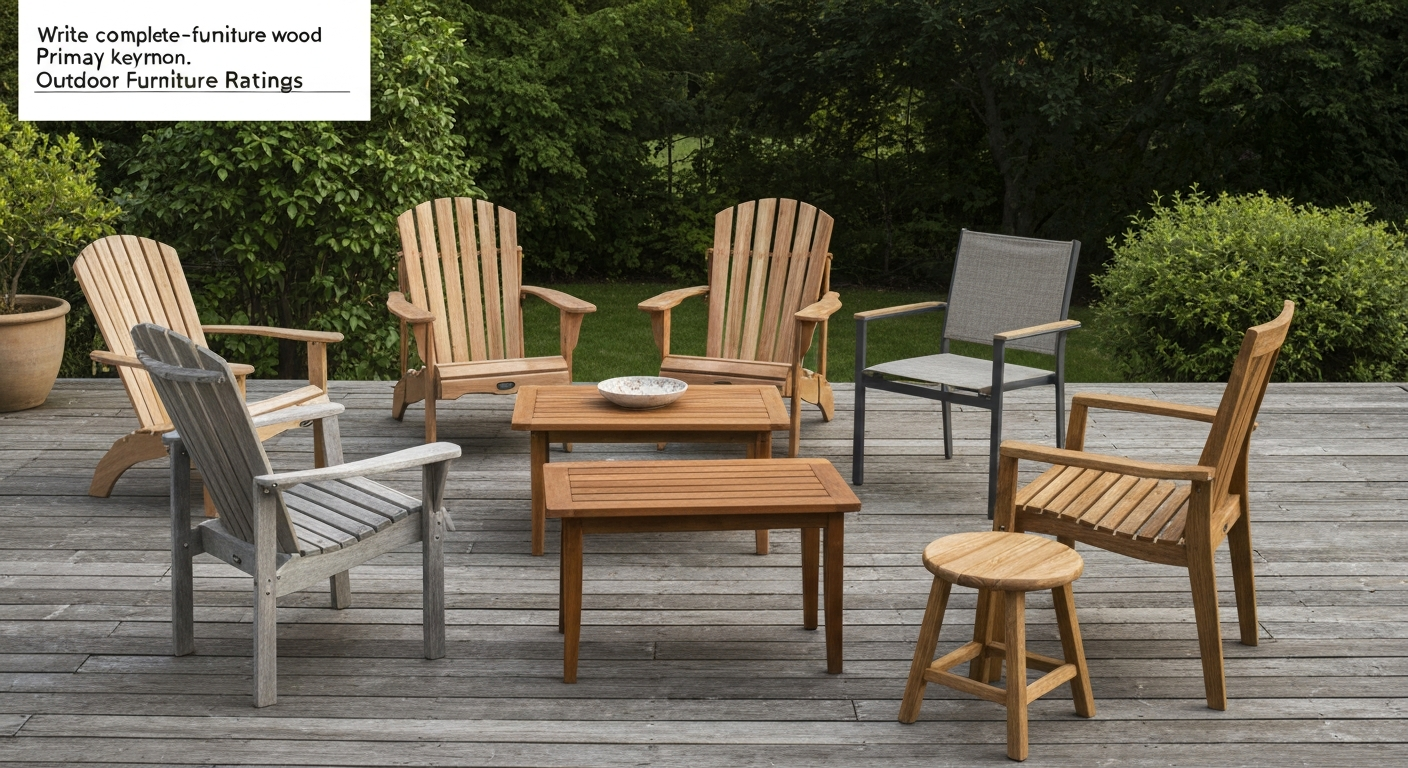
Common Patio Furniture Wood: Best Choices, Care & Tips
Compare common patio furniture wood types, teak, cedar, redwood, oak, with durability, finishes, and care tips.
Best Wood Patio Stain: Choosing Durable, Low-VOC Finishes
Compare and choose the best wood patio stain: durability, finish, climate tips, prep, and top product picks.