
"Balcony-height patio furniture" is not a standard retail category with one fixed meaning. When people search it, they usually want to know one of two things: what furniture height works on a raised balcony without blocking sightlines or fighting with railings, or whether they need bar-height or counter-height pieces instead of standard dining height. The honest answer is that your balcony's specific floor-to-railing measurement, the size of the space, and how you want to sit all drive the decision more than any label does. Get those three numbers right, and picking furniture becomes straightforward.
What Is Balcony Height Patio Furniture? Sizing Guide

Theo Tierney
3 Jul 2026
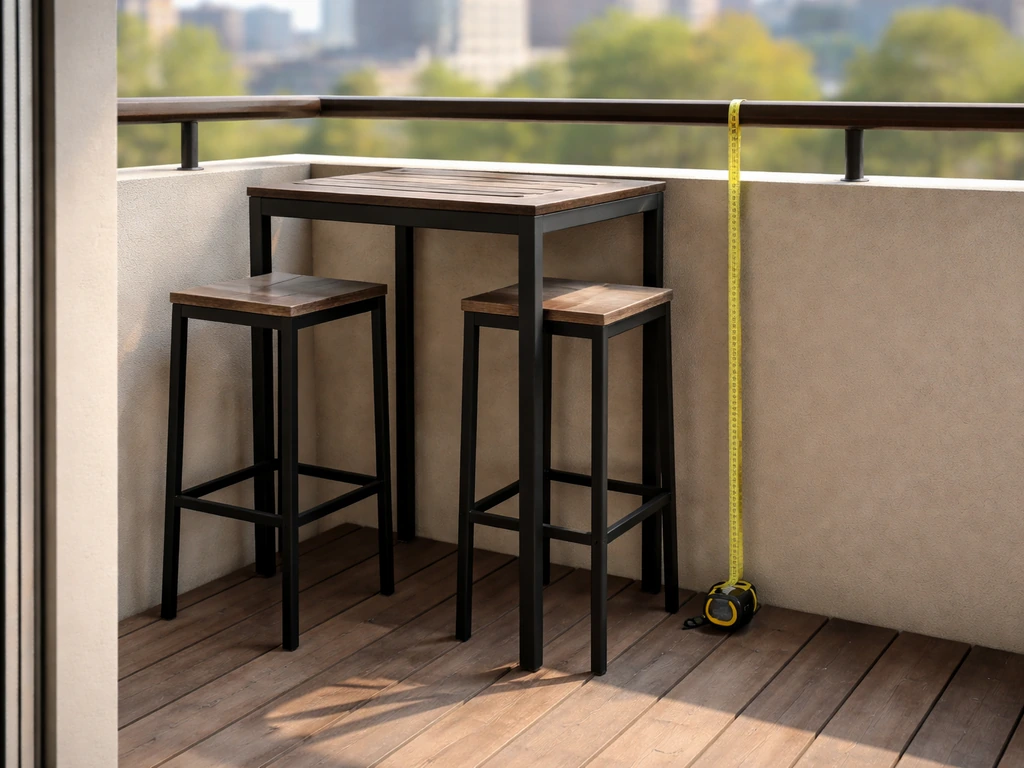
What "balcony height" actually means in furniture shopping
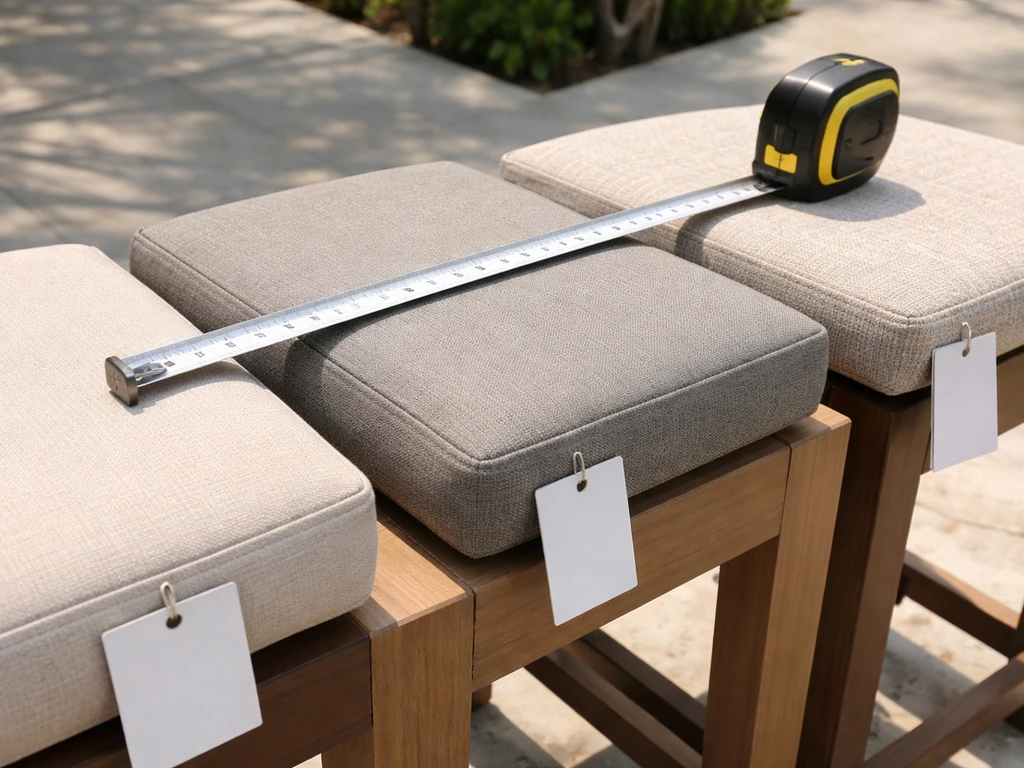
Retailers organize outdoor seating into three main height categories, and "balcony height" typically refers to counter-height or bar-height furniture, the taller-than-standard options that elevate you above a railing so you can actually see the view. Here are the three categories you'll encounter:
| Category | Table Height | Seat Height | Best Use |
|---|---|---|---|
| Standard Dining | 28–30 inches | 18–20 inches | Ground-level patios, large decks |
| Counter Height | 34–37 inches | 24–27 inches | Balconies with mid-height railings, compact spaces |
| Bar Height | 40–43 inches | 28–30 inches | Balconies with tall railings or when you want a sightline above the rail |
The seat-to-tabletop gap is what makes a set feel comfortable. You want roughly 10 to 12 inches between the seat surface and the table surface, regardless of which category you choose. A counter-height stool at 24 inches paired with a 36-inch table gives you 12 inches of clearance, which is the sweet spot. Go outside that range and you get the classic problem: knees hitting the underside of the table or feeling like you're hovering too far above it.
One thing worth knowing: bar height and counter height are often used interchangeably by retailers, but they are different. Counter height is shorter (34–37-inch tables, 24–26-inch stools) and often fits balconies better because the proportions stay manageable in tighter spaces. True bar height (40–43-inch tables, 28–30-inch stools) puts you quite high up and can feel precarious on a small balcony with a lot of wind exposure.
Measure your balcony before you buy anything
This is the step most people skip, and it's why furniture ends up looking wrong or feeling uncomfortable. Take five measurements before you start shopping. You can do all of this with a standard tape measure in about ten minutes.
- Floor to top of railing: This is your most important number. If your railing is 42 inches high (a common code-compliant height), a standard 18-inch dining chair puts your eye line well below the rail. A counter stool at 26 inches gets your seated eye level to roughly 44–48 inches, which typically clears a 42-inch railing.
- Usable floor area: Measure the length and width of your balcony, then mentally subtract at least 18–24 inches from any railing side to keep furniture safely away from the barrier. A 6x10-foot balcony has less usable furniture space than it looks.
- Doorway clearance: Measure the height and width of any sliding door or threshold you'll need to carry furniture through. Bar-height sets are often tall and awkward to maneuver.
- Overhead clearance: If you're thinking about an umbrella, measure from the floor to any overhead obstruction (a deck above, a soffit, or a pergola beam). Most patio umbrellas need 7–8 feet of vertical clearance when open.
- Back height of chairs you're considering: A chair with a 30-inch back sitting on a 6-inch table base can poke above a railing or interfere with it. Product listings almost always list seat height, but back height is less common. Look for it specifically or ask the retailer.
The railing rule you should not ignore
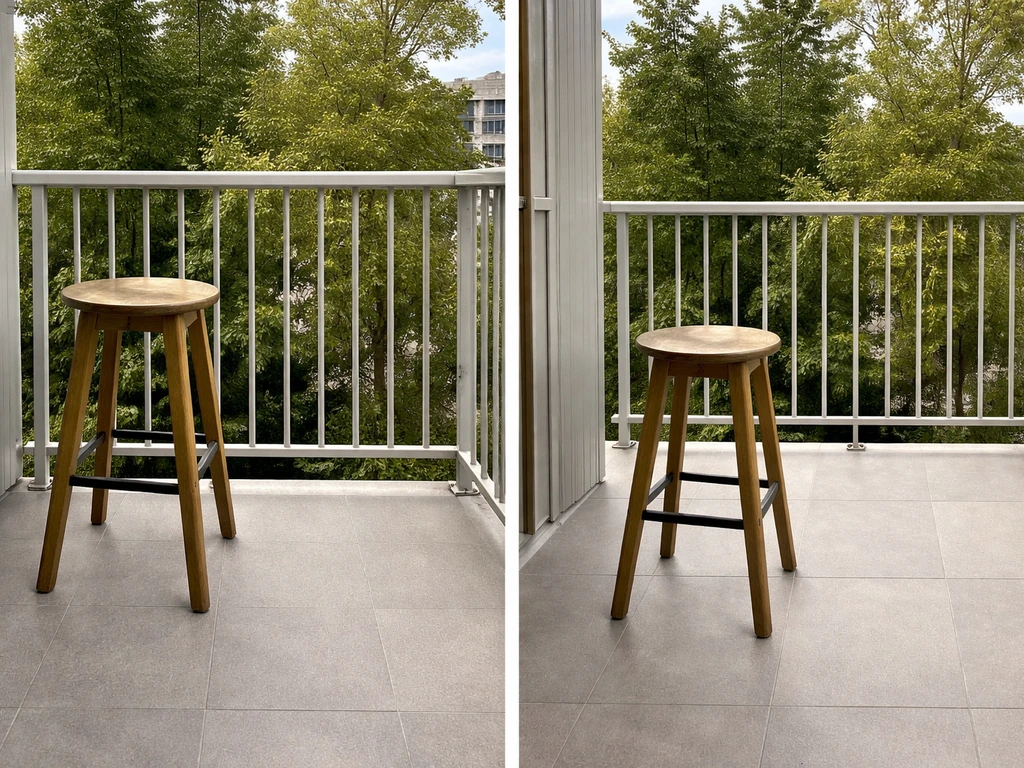
North American balcony safety guidance is clear on this: keep furniture away from the balcony barrier. Placing a bar stool directly against a railing creates a step-up hazard, especially for kids, and puts lateral stress on the railing that it is not designed to handle. Leave at least 18 inches between any seat and the balcony rail. This also protects the furniture itself from wind-driven contact that scratches finishes and loosens joints over time.
Furniture height basics: what the numbers mean for real comfort
Standard dining height furniture (28–30-inch tables, 18-inch chairs) works perfectly on ground-level patios and wide decks, but on a balcony with a 36-inch or taller railing, you're basically sitting below the barrier and looking at a wall of metal or glass instead of your view. That's the whole practical reason counter and bar height exist in this context.
Counter height is almost always the better choice for balconies. Deep seating patio furniture usually means pieces sized for higher, balcony-height setups so you can sit above a railing comfortably. Here is why: the 24–26-inch stool seat puts most adults at a comfortable position to see over a 36–42-inch railing while seated. Bar height pushes you to 28–30 inches of seat height, which does clear taller railings, but it also shortens your base of support, makes the furniture taller and more wind-vulnerable, and limits which tables are compatible since not all bar-height tables include umbrella holes.
If your railing is below 36 inches or you don't care about the view, standard dining height furniture is perfectly valid and gives you more stability, more material and style choices, and generally better pricing. The height premium for counter and bar sets is real.
Which furniture styles actually work on a balcony
Bistro sets
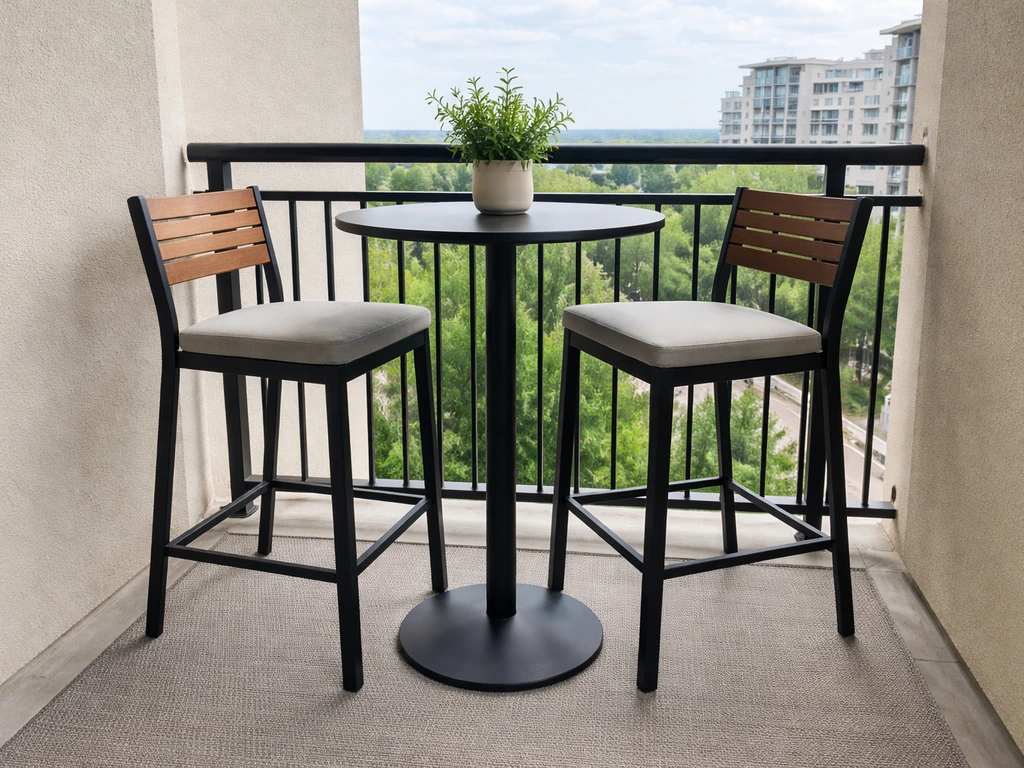
A bistro set, typically a small round table and two chairs, is the default answer for balconies under 60–80 square feet. The table is usually standard dining height (28–30 inches) but the small footprint (most bistro tables are 24–30 inches in diameter) means two chairs still leave walking room. If your railing is under 36 inches or the view doesn't matter, a bistro set is simple, affordable, and stores easily. For taller railings, look for counter-height bistro sets specifically.
Counter-height and bar-height dining sets
For balconies with 80 or more square feet and railings over 36 inches, a counter-height set with a 36-inch table and two to four stools is the most practical upgrade. You get a view, comfortable dining, and the table doubles as a work surface. Stick with sets that include matching stools, not mix-and-match pieces, to ensure the 10–12 inch seat-to-surface gap is built in. Verify that the stools have footrests, because sitting at counter height without one gets uncomfortable fast.
Lounge chairs and sofas
Low lounge furniture (seat heights around 15–16 inches) is comfortable for relaxing but puts you well below most balcony railings, turning the space into more of a private nook than a view-forward setup. That is fine if the balcony is your reading or coffee spot rather than a dining one. If you go this route, check the chair's back height too. A lounge chair with a 30-inch back height will need clearance from the railing and from any wall behind it. Deep seating furniture, which generally has even lower, more reclined seat positions, is better suited to large decks than compact balconies.
Folding and stackable options
On balconies under 50 square feet, folding or stackable furniture is not a compromise, it's the smart choice. Folding counter-height stools exist, and they let you set up for dinner and fold everything flat when guests leave. Look for steel or aluminum folding frames rather than plastic-jointed ones. The pivot points on cheap plastic folding furniture wear out within a season or two outdoors.
If your balcony is X, choose Y: quick scenarios
| Balcony Type | Best Furniture Choice | What to Avoid |
|---|---|---|
| Small (under 60 sq ft), railing under 36" | Standard-height bistro set, folding chairs | Deep seating sofas, large dining sets |
| Small (under 60 sq ft), railing 36–42" | Counter-height bistro set or two counter stools + small counter table | Bar-height sets (too tall, unstable in wind) |
| Medium (60–100 sq ft), railing 36–42" | Counter-height 4-seat dining set or bistro + two lounge chairs | Full sectionals, large umbrellas without clearance |
| Medium (60–100 sq ft), railing over 42" | Bar-height set or counter-height with tall stools (28") | Standard dining (view blocked by railing) |
| Large (100+ sq ft), any railing height | Mix of standard dining + lounge zone, or full counter-height dining set | Bar-height without overhead clearance check for umbrellas |
Materials that hold up on elevated, exposed spaces
Balconies are harder on furniture than ground-level patios. You get more wind, more direct sun exposure (especially on upper floors with no tree shade), more temperature swings, and if you're near the coast, salt air. The material choices that survive these conditions are not the same as what works in a sheltered backyard.
Powder-coated aluminum
This is my first recommendation for most balconies. Aluminum doesn't rust, it's lightweight enough to move around and store easily, and good powder coating holds up to UV, rain, and humidity for years. The caveat: if the powder coat gets chipped or scratched, the exposed aluminum can oxidize. Restoration Hardware’s care sheet notes that blank" rel="noopener noreferrer">powder-coated aluminum can oxidize if the coating is chipped or scratched. It won't rust like steel, but you'll see a dull white chalking at the damage site. Touch up chips with outdoor metal paint early. For coastal or salt-air environments, rinse aluminum furniture monthly with fresh water and check for coating damage after any wind event.
Teak and hardwoods
Teak is legitimately excellent outdoors, and it's one of the few woods I'd put on a balcony without reservation. Its natural oils make it resistant to moisture, insects, and warping even without treatment. The trade-off is cost and weight. Teak furniture is heavy, which is actually a small advantage on a windy balcony, but it makes seasonal storage harder. If you're in a rainy climate or the Pacific Northwest, teak will gray naturally within a season. That's fine structurally, but if you want the warm honey color, you'll need to apply teak oil annually.
HDPE and composite materials
High-density polyethylene (HDPE) furniture, sold under brand names like POLYWOOD, is the low-maintenance pick for people who want durability without upkeep. It doesn't absorb moisture, won't fade the way painted wood does, and can be left out year-round in almost any climate. It's also available in bar and counter heights, which matters for balconies. The downside is that it looks like plastic because it is. Some people are fine with that, especially in modern or coastal aesthetics. Others aren't.
All-weather wicker and resin wicker
Resin wicker over an aluminum frame is decent for most climates, but it's not my first choice for a fully exposed balcony. The wicker weave can fade, crack, and fray faster in direct sun than the marketing suggests, especially in Arizona or Florida heat. In a covered or partially shaded balcony, it holds up much better. If you buy resin wicker, check that the frame underneath is aluminum, not steel. Steel frames rust through the weave and are nearly impossible to repair.
Steel
Plain steel is the one I'd skip for a balcony. It's heavier than aluminum, it rusts, and even galvanized or powder-coated steel eventually corrodes when coating breaks down in humidity and salt air. Wrought iron has a classic look but the same rust problem at a much higher weight. If you're in a dry, inland climate with mild winters, it's more manageable. Everywhere else, aluminum or HDPE outperforms it over a 5-plus year horizon.
| Material | Rust/Rot Risk | Wind Performance | Best Climate | Maintenance Level |
|---|---|---|---|---|
| Powder-coated aluminum | Low (oxidizes if chipped) | Excellent (lightweight, secure when anchored) | All climates, especially coastal | Low (rinse + touch up chips) |
| Teak | None (oils resist moisture) | Good (heavy) | Wet/rainy climates, temperate | Medium (oil annually if desired) |
| HDPE/Composite | None | Good (moderate weight) | All climates, UV-heavy zones | Very low (soap and water) |
| Resin wicker over aluminum | Low (frame only) | Fair (weave can fray) | Covered/shaded balconies | Medium (clean weave regularly) |
| Steel/Wrought Iron | High (rusts through coating) | Very good (very heavy) | Dry, inland climates only | High (sand, repaint, seal) |
Keeping it in good shape: covers, cleaning, and storage
Balcony furniture takes more abuse than ground-level stuff, so maintenance isn't optional if you want it to last more than two or three seasons. The good news is that the basics are simple and genuinely low-effort if you stay on top of them.
Covers
Use a breathable cover, not an airtight tarp. This is one of the most common mistakes people make. An airtight cover traps humidity underneath, creating a dark, damp environment that grows mold and mildew on cushions, wood, and even metal faster than leaving furniture uncovered. Sling vs cushion patio furniture comes down to how the material handles sun, moisture, and regular ventilation on elevated patios and balconies. Look for covers labeled "breathable" or "ventilated," typically with a woven polypropylene top layer and ventilation grommets. For bar-height and counter-height sets, verify the cover height dimensions before buying since many standard covers are sized for dining height.
Cleaning
Mild dish soap and warm water handles routine cleaning on every material, including aluminum, teak, HDPE, and resin wicker. Rinse with a garden hose or a bucket, not a pressure washer, which can chip powder coat and force water into wicker seams. For aluminum, skip abrasive cleaners entirely. For teak, a soft brush removes mildew and debris from the grain without gouging the wood. Do a full clean at the start and end of each outdoor season, and a quick rinse after any major storm.
Wind and adverse weather
Before any serious wind event (forecasted sustained winds over 30 mph), move furniture inside or stack and strap it. This isn't just about protecting the furniture. A bar stool launched off a balcony is a genuine safety hazard to people below. Balcony safety guidance explicitly recommends removing or securing items before adverse weather. If bringing furniture in is not practical, consider furniture anchors or clips designed for balcony railings, available at most hardware stores.
Storage in winter
If you're in a climate with freezing temperatures (anything north of Zone 7 in the USDA map), storing cushions indoors over winter is non-negotiable. Foam cushion fill absorbs moisture, freezes, and breaks down the outer fabric over repeated freeze-thaw cycles. Frames can stay covered outdoors in most cases if they're aluminum or HDPE. For teak and wicker, indoor or covered storage is better. HDPE furniture can stay out year-round in most climates without any degradation.
What to look for when you're ready to shop
Before you add anything to a cart, confirm these specs against your measurements: seat height (floor to top of seat), table height (floor to tabletop), back height (floor to top of chair back), and overall footprint dimensions. Most retailers list seat height, but back height is often buried or missing entirely. If it's not in the listing, contact the retailer directly or look for a spec sheet link. Getting this wrong on a balcony is a harder fix than on a patio since you can't just shuffle furniture around as easily.
- Confirm seat height matches your railing height goal (counter: 24–27", bar: 28–30")
- Verify the seat-to-tabletop gap is 10–12 inches on any set you're considering
- Check that stools include footrests if you're buying counter or bar height
- Measure chair/stool back height and compare to your railing height to avoid interference
- Look for aluminum or HDPE frames specifically for exposed or coastal balconies
- If you want an umbrella, verify the table has an umbrella hole (many counter and bar tables do not)
- For small balconies, measure the folded or stacked dimensions of any folding furniture before buying
- Read the cover dimensions before buying a cover, not after
One last thing worth knowing: the "why does patio furniture feel so low" problem and the tall-person fit problem are related to all of this. Standard dining height (18-inch seats) does feel low, especially if you're used to indoor dining chairs. Counter height is often the fix that people who've struggled with low outdoor furniture have been looking for without knowing the terminology. If you've ever felt like outdoor dining sets feel awkward or cramped, it's almost always a seat height mismatch, not a comfort problem with the cushion or style.
FAQ
How do I measure my balcony height correctly so I can choose the right furniture height?
Measure from the floor to the highest point of the railing barrier (top rail, not the post base), then check seat height from the floor to the top of the seat, not the cushion bottom. If your seated eye line still hits the rail, you may need counter-height rather than dining height even if the label says “balcony height.”
Can I mix counter-height stools with a standard dining-height table on a balcony?
Yes, you can use counter-height on a balcony even if you keep standard dining tables, but you must verify the seat-to-table distance and stool clearance. Look for a table height that matches the stool category, aim for that 10 to 12 inch gap, and make sure the stool frame does not interfere with the table apron or umbrella base.
Do I need to consider chair back height, or is seat height enough?
If your chair back is above or near the railing height, you need extra clearance because winds can push you and the chair back closer to the barrier. Also check whether the chair back hits a wall behind you, which is common on narrow balconies.
Will a counter-height set always feel comfortable for dining, or can table height still be wrong?
Often, yes. Some counter-height sets are sized so the seat clears the rail, but the table may still be too low for comfortable elbow position if you pick the wrong table height for the set. Use the table height spec from listings and confirm it keeps the seat-to-table gap in the comfort range.
What’s the most common fit problem with bar or counter-height stools besides seat height?
Yes. If the railing is close, a footrest can become the limiting factor because it can press into the railing area or reduce your ability to slide in. When checking fit, do a dry test with the stool positioned where it will sit, and confirm you can pull it slightly under the table without the footrest contacting the barrier.
Do cushions and seat pads change the height calculations for balcony furniture?
If you place cushions or pads permanently at the top of a stool or chair, you effectively raise seat height. Measure with the actual cushions you plan to use, and re-check the seat-to-table gap, because adding height can push you out of the comfortable range and make under-table clearance worse.
How can I avoid buying a beautiful set that blocks movement on a small balcony?
Consider where you will enter and exit. If your balcony is narrow, two chairs at counter or bar height may look fine but still block foot traffic due to chair backs and stool overhang. Before buying a set, confirm the chair footprint does not intrude into your walking line when people pull stools in and out.
Are bar-height pieces more likely to tip or feel unstable than counter height on windy balconies?
A good test is to check both the furniture height and the wind exposure. Taller bar-height pieces have less stability and are more likely to rack in gusts, especially with hollow frames. If your balcony gets frequent strong wind, prioritize sturdier bases and aluminum or HDPE over lighter-looking options.
When should I choose a counter-height bistro set instead of a dining-height bistro set?
Replace dining-height bistro sets with counter-height specifically when the rail is high enough that you cannot see over the barrier while seated. If your railing is below about 36 inches and you do not care about sightlines, dining-height bistro can still work well and typically feels steadier.
What should I know before buying balcony furniture anchors or railing clips?
Use anchors or clips designed for balcony railings only if the product is rated for your railing type and load. Never rely on tie-downs that are meant for interior furniture. If you are unsure about weight ratings or attachment strength, ask the retailer or a hardware store for balcony-rail specific anchors.
Why do “airtight” or non-breathable covers cause problems for balcony furniture?
Breathable covers usually have ventilation features and do not fully seal moisture in. Avoid covers that trap humidity when wet, especially for cushion sets. Also confirm the cover sizing for the table and stool heights you bought, since standard covers can be too short for counter or bar sets.
What’s the safest cleaning method for painted or powder-coated balcony furniture?
Pressure washing can damage powder coating and force water into seams, which accelerates corrosion or mildew. Instead, use a hose rinse and mild soap, then let furniture dry fully before covering. For stubborn grime, use a soft brush rather than abrasive tools.
Do I need to bring the frames and cushions inside during winter, and for which materials?
Seasonal storage depends on your climate and the material. Foam cushions should be stored indoors in freezing climates, but aluminum frames and HDPE frames can usually stay covered outdoors. Teak and wicker benefit from protected storage if you want to slow graying or reduce mildew.
How do I avoid being misled by the “balcony height” wording on product pages?
The “balcony height” label can be misleading because retailers use it inconsistently. Use the specs, seat height (floor to top of seat), table height (floor to tabletop), and overall footprint. If a listing omits back height or stool footrest details, confirm with the retailer before ordering.
Next Articles
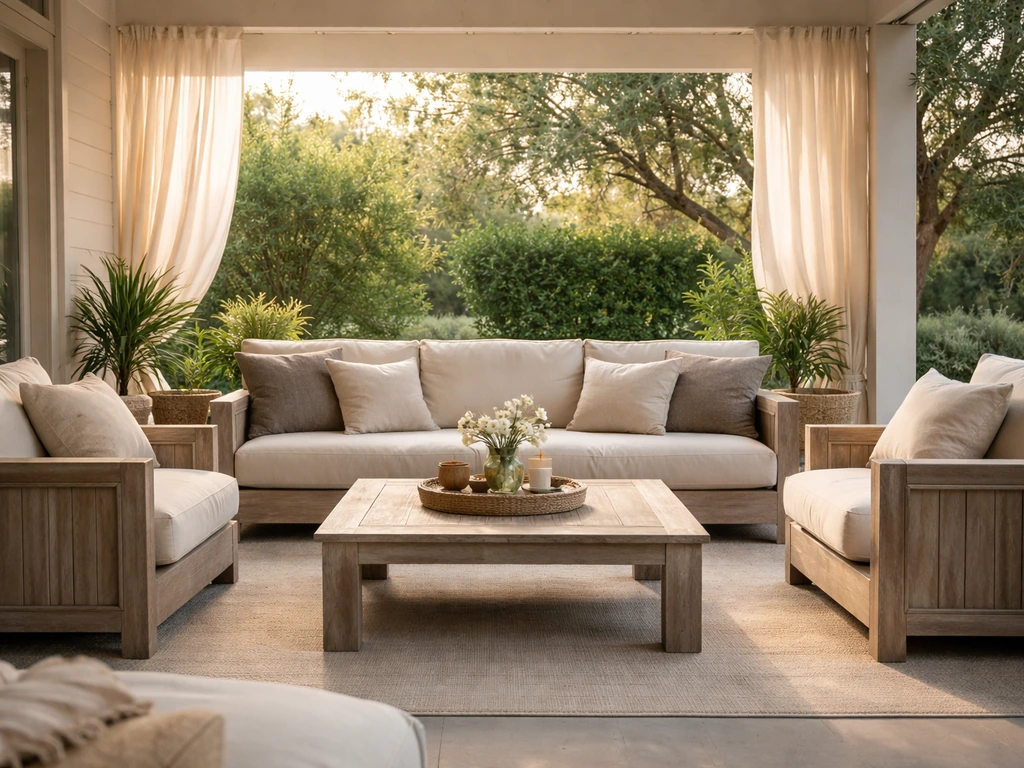
What Does Deep Seating Patio Furniture Mean? How to Spot It
Learn what deep seating patio furniture means, how to spot it in listings, and choose durable, comfy sets for outdoors.
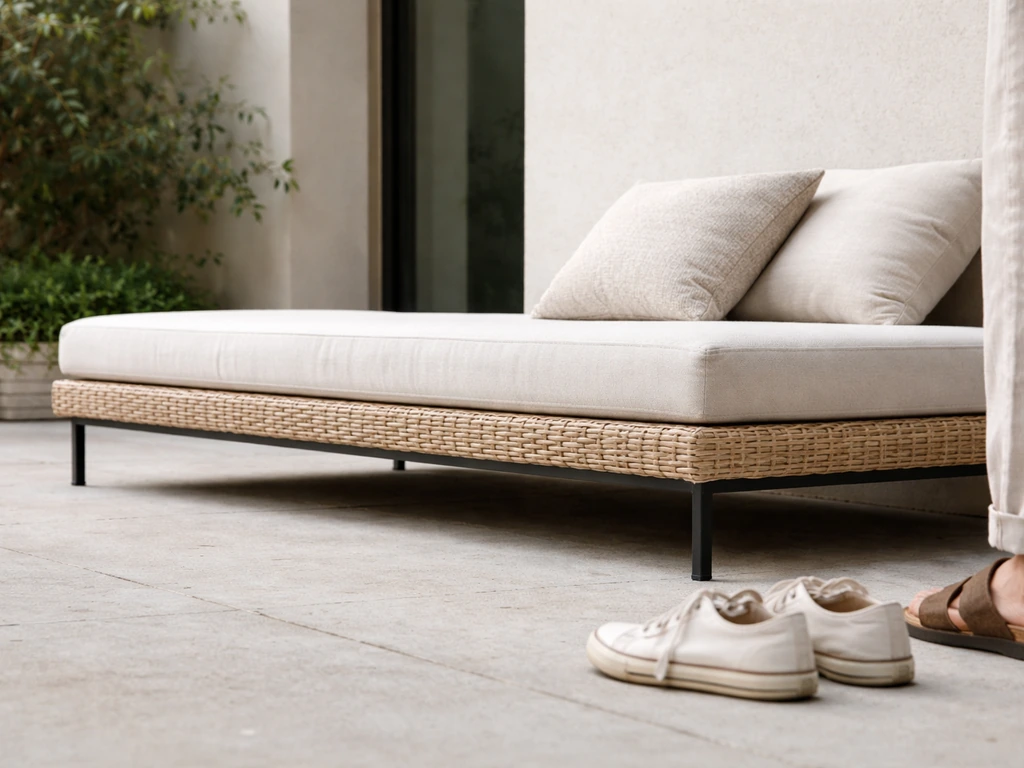
Why Is Patio Furniture So Low to the Ground? Fix and Choose
Learn why patio furniture sits low, how to measure and fix fit issues, and choose the right height for comfort.
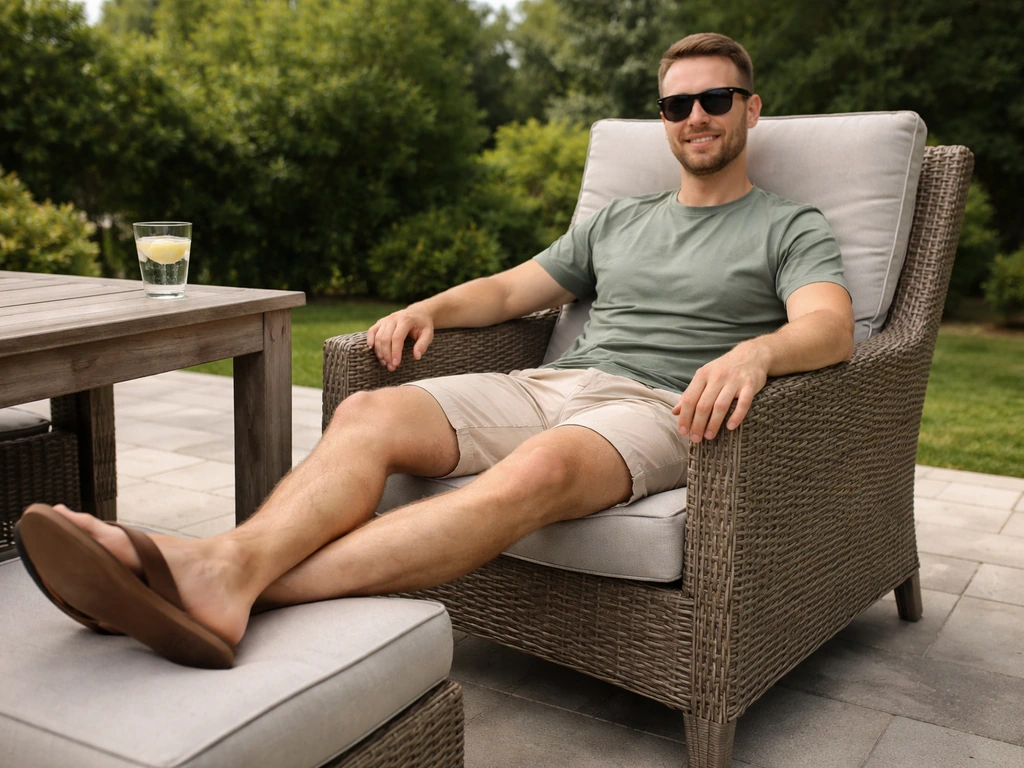
Best Patio Furniture for Tall People: Fit, Comfort, Durability
Get the best patio furniture for tall people: exact sizing, comfort tips, durable materials, and climate-proof maintenan