
Deep seating patio furniture means furniture built for lounging rather than upright sitting. The defining features are a seat depth of roughly 24 to 28 inches front to back, cushions that are 5 to 8 inches thick, a lower seat height (typically around 16 to 17 inches off the ground), and a reclined back angle that lets you sink in rather than perch. Think of it as outdoor furniture that behaves more like a sofa than a dining chair.
What Does Deep Seating Patio Furniture Mean? How to Spot It

Theo Tierney
22 Jun 2026
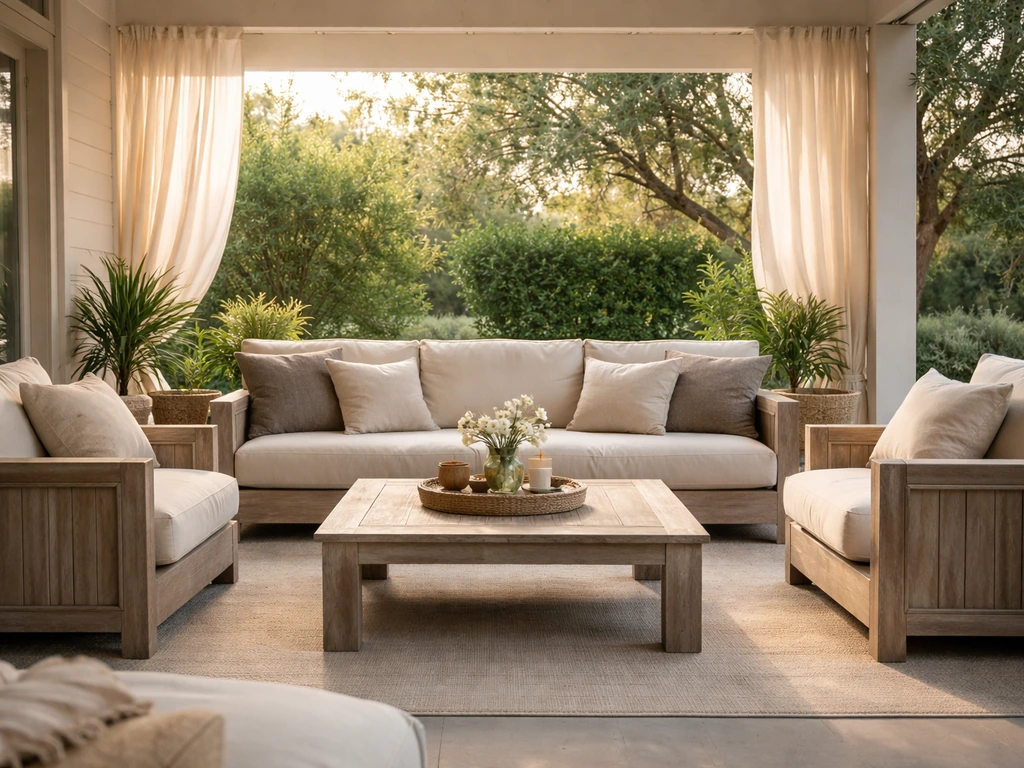
What deep seating actually means (beyond the marketing label)
The term "deep seating" gets slapped on a lot of products that don't fully earn it, so it helps to know exactly what the category is supposed to deliver. True deep seating is defined by three things working together: seat depth, cushion thickness, and frame geometry.
Seat depth is the big one. A standard outdoor chair might have a seat depth of 18 to 20 inches. Deep seating starts at around 24 inches and often runs to 28 inches or more. That extra depth is what positions you farther back in the seat, so your knees end up lower than your hips and your weight shifts onto the backrest rather than your thighs. It's a fundamentally different posture, closer to how you'd sit on a living room sofa than on a patio dining chair.
Cushion thickness matters just as much. In standard outdoor furniture, the cushion is almost decorative, a thin pad over a solid frame. In genuine deep seating, the cushion does most of the comfort work. That's why deep seating cushions run 5 to 8 inches thick. If a set is marketed as deep seating but ships with 2-inch seat pads, the frame might have the right dimensions but the seating experience won't be there.
Frame geometry ties it together. Deep seating frames typically have a lower seat height (around 16 to 17 inches is standard, versus 18 to 20 inches for regular lounge or dining chairs), a back height tall enough to support your shoulders, and a back angle that tilts slightly rearward. Balcony height matters when choosing patio furniture because the right seat height helps you stay comfortable and supported while sitting outdoors. Some sets also angle the seat platform itself a degree or two toward the back to keep you settled in the cushion. When all three elements line up, the result is a chair or sofa that you genuinely relax in rather than just sit on.
Why people choose deep seating for their patio
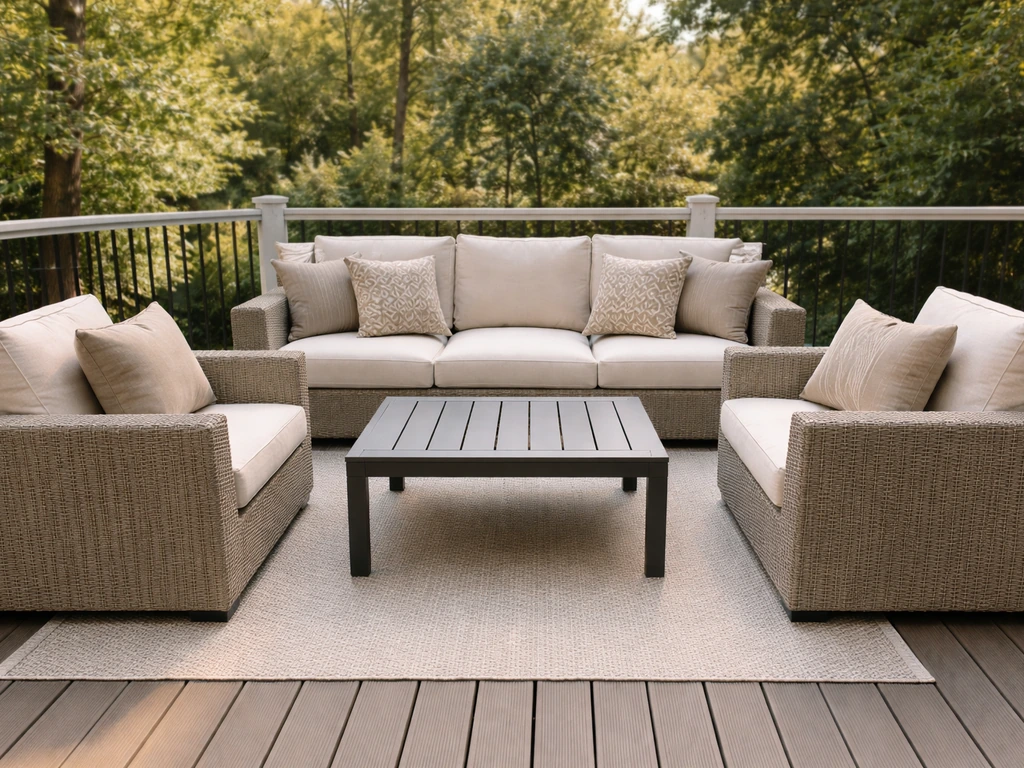
The obvious reason is comfort, but it goes deeper than that (pun intended). Deep seating is the right format when your outdoor space is more about entertaining and unwinding than eating. If your patio is where you host casual gatherings, read on weekend mornings, or watch the kids play in the yard, a deep seating conversation set makes far more sense than a dining table and chairs. If you are also wondering why is patio furniture so short in general, the proportions and seat height standards help explain the difference from true deep seating.
Layout-wise, deep seating sets are designed to anchor a space. A sofa, two club chairs, and a coffee table create an outdoor living room that signals "stay awhile" rather than "eat and leave." The proportions are closer to indoor furniture, which is why deep seating works especially well on covered patios, screened porches, and pergola spaces where the furniture is somewhat protected and treated as a real extension of the home.
There's also a practical size consideration. Because deep seating pieces are genuinely large (a two-seat loveseat in this style might be 55 to 60 inches wide and nearly 35 inches deep), they fill a space properly without looking sparse. That said, this is worth measuring before you buy. A set that looks perfect in a showroom can overwhelm a small 8x10 patio and leave no room to walk around. If you're also curious about why standard patio furniture often feels low or short to begin with, that's a separate but related sizing issue worth understanding before you shop. If you’re wondering why patio furniture feels low to the ground, it often comes down to seat height and frame geometry, not just comfort preferences.
How to spot true deep seating when you're shopping
Product listings are inconsistent. Some retailers use "deep seating" to mean almost anything with a cushion. Here's how to verify you're actually looking at the real thing.
Check the seat depth first
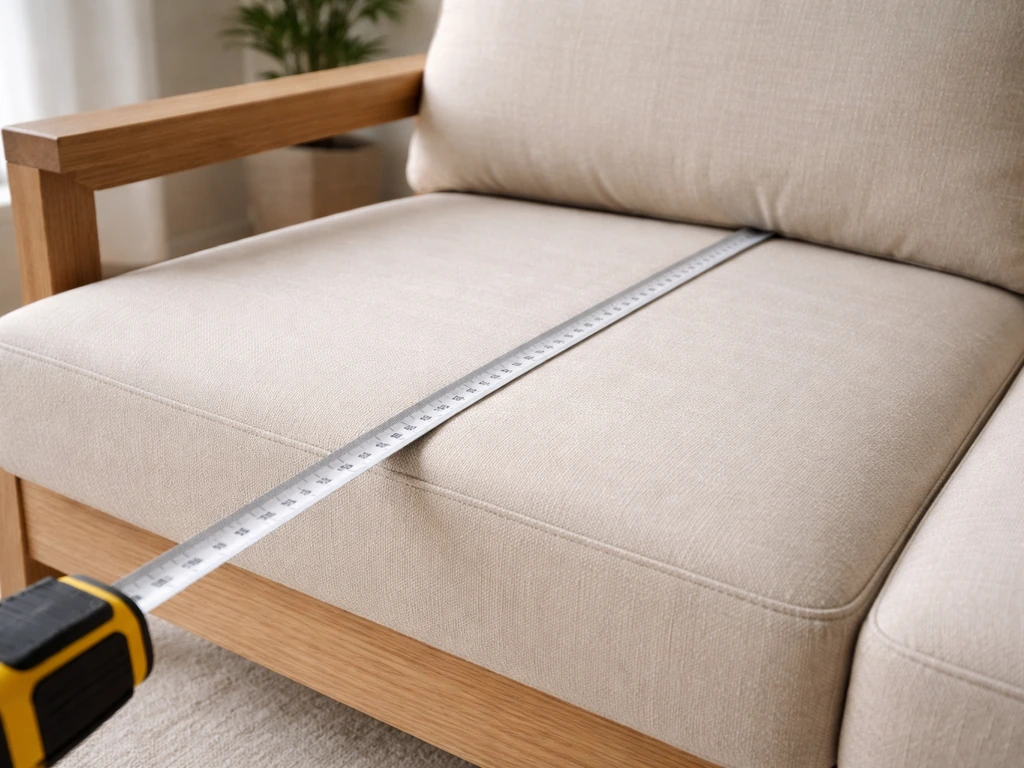
Look for the "seat depth" dimension in the product specs, not the overall furniture depth. Overall depth includes the frame overhang at the back. You want to see 24 inches minimum, ideally 26 to 28 inches. If the spec sheet only lists overall depth, subtract about 4 to 6 inches as a rough estimate, but try to find the actual seat depth before buying.
Verify cushion thickness
Good deep seating cushions are 5 to 8 inches thick. This should be listed in either the furniture specs or the cushion specs if they're sold separately. If the listing doesn't mention cushion thickness at all, that's usually a sign the cushions are thinner budget pads, not proper deep seating cushions. Also check whether cushions are included or sold separately, some frames at the lower price point ship without them, and replacement cushions at this depth can add $200 to $600 to the cost depending on fill quality.
Look at seat height and back height
Seat height in the 15 to 17 inch range (measured with the cushion in place) is the target zone. Much higher than 18 inches and the piece starts to behave more like a regular outdoor chair. Back height should clear your shoulders, look for an overall back height above 30 inches on the frame. Low backs look modern but don't support you for extended lounging.
Confirm removable, replaceable cushions
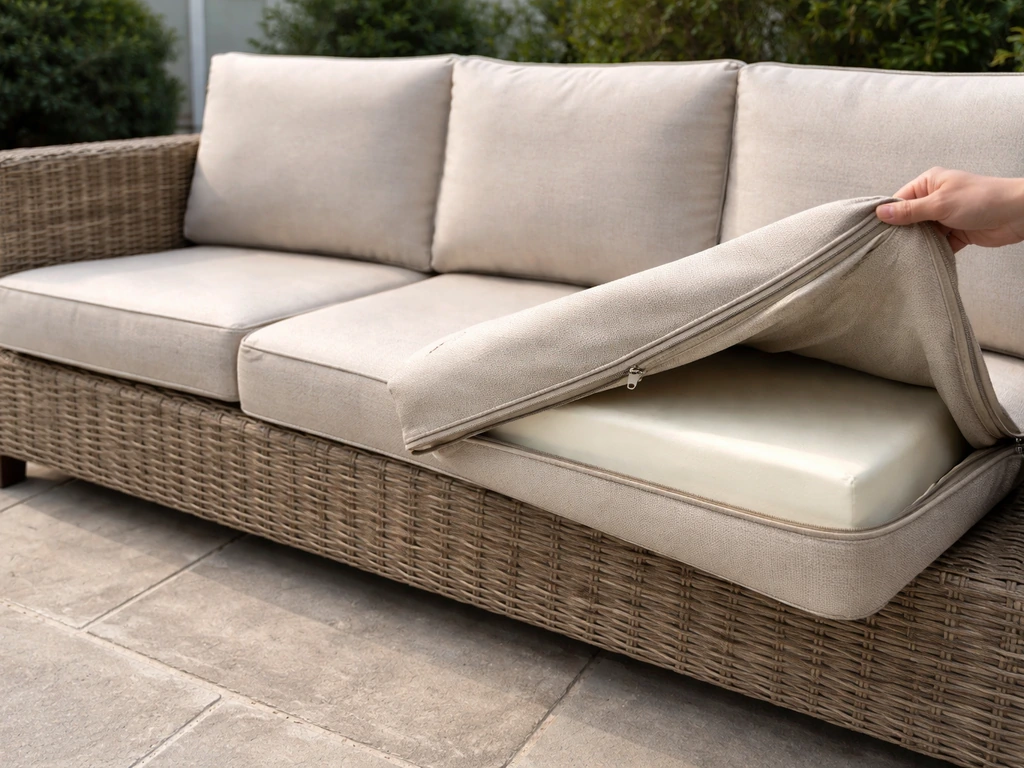
Outdoor furniture takes a beating, and cushions wear out before frames do. Make sure the cushions zip off for cleaning or replacement. Fixed or sewn-on cushions are a maintenance nightmare outdoors. Also check whether the brand sells replacement cushions for that specific frame, if they don't, you'll eventually be stuck hunting for custom-cut replacements, which gets expensive.
Distinguish lounging pieces from dining pieces
Deep seating chairs and sofas are not the same category as dining chairs or even sling chairs. Dining chairs are typically 17 to 19 inches high with a more upright back. Sling furniture uses a fabric panel stretched across a frame instead of a thick cushion. If you're comparing options and considering sling versus cushion styles, it's worth understanding those differences clearly because they're designed for completely different uses and have different maintenance profiles.
What to look for when evaluating quality (by material)
Material choice is where deep seating gets complicated, because it affects weight, durability, maintenance, and how well the furniture handles your specific climate. There are four main families to consider.
| Material | Weight | Durability | Best Climate | Maintenance Level | Typical Price Range |
|---|---|---|---|---|---|
| Aluminum (powder-coated) | Light to medium | Very good — won't rust | All climates, especially coastal | Low | $$–$$$ |
| Steel (powder-coated) | Heavy | Good, but rust-prone if finish chips | Dry climates, covered patios | Medium | $–$$ |
| HDPE (recycled poly lumber) | Heavy | Excellent — UV and moisture resistant | All climates, especially humid/coastal | Very low | $$$–$$$$ |
| Teak (solid hardwood) | Heavy | Excellent if maintained; good if left to silver | All climates; best with some shade | Medium (if oiling) to Low (if silvering) | $$$–$$$$ |
| All-weather wicker (resin) | Light to medium | Good — better than natural rattan | All climates except extreme UV deserts | Low to medium | $$–$$$ |
Aluminum is the most versatile frame material for deep seating. It doesn't rust, it's light enough to rearrange without straining your back, and a quality powder-coat finish holds up to rain, humidity, and salt air. Look for welded joints rather than bolted assemblies, welded frames resist racking (the gradual loosening that makes furniture feel wobbly) far better over time. Thicker-walled aluminum tubing (1.5 to 2mm wall thickness) is a good indicator of a quality build. Brands like Polywood, Brown Jordan, and Telescope Casual use aluminum frames that genuinely hold up for 10-plus years.
HDPE (high-density polyethylene, often sold as "poly lumber" or under brand names like Polywood) is the most weather-proof frame material available. It's made from recycled plastic, doesn't absorb moisture, and won't crack, splinter, or fade under UV. The downside is weight, a deep seating sofa in HDPE can weigh 80 to 100 pounds, which makes rearranging difficult. But if you're setting up a permanent outdoor living area and want virtually zero maintenance on the frame itself, HDPE is hard to beat.
Teak is the gold standard in solid wood for outdoor use because its natural oils repel water and resist rot. A good teak deep seating set will last decades. The honest trade-off is cost (quality teak starts around $2,000 to $3,000 for a basic set) and the decision about whether to maintain the honey-brown color (requires annual oiling) or let it weather to a silver-gray (requires no maintenance but isn't everyone's taste). Avoid "teak-style" sets made from lower-grade tropical hardwoods, they look similar but won't hold up the same way.
All-weather resin wicker stretched over an aluminum frame is a popular choice for deep seating because it looks warm and residential. The key word is aluminum frame inside, some cheaper sets use steel frames that rust from the inside out, which you won't notice until the wicker weave starts to push apart from underneath. Ask about or look up the inner frame material before buying. The wicker itself (if it's HDPE resin, not natural rattan) handles moisture well, but it can fade in intense direct UV after several seasons.
How materials hold up in different climates
Climate is probably the single factor most people underweight when buying outdoor furniture, and it matters especially for deep seating because these pieces are larger investments and harder to move indoors.
- Florida/Gulf Coast humidity and salt air: Aluminum or HDPE frames are the clear choice. Avoid steel entirely — even powder-coated steel will start to rust within a few years in high-salt, high-humidity environments. Cushion fabrics should be solution-dyed acrylic (Sunbrella is the benchmark) to resist mold and UV.
- Arizona/Southwest desert heat: Intense UV is the main enemy here. HDPE fades less than most plastics, but even HDPE benefits from shade cover. Aluminum with a high-quality powder coat handles heat well. Avoid black or dark frame colors if the furniture sits in direct sun — they'll get uncomfortably hot to the touch.
- Pacific Northwest (rain, mild temps): Rust protection matters here. Aluminum or teak are both excellent. Resin wicker holds up fine if it drains well and doesn't sit in pooled water. Cushion storage is important — in consistently wet climates, pulling cushions inside or covering them when not in use extends their life significantly.
- Northern winters (snow, freeze-thaw cycles): HDPE and aluminum are the most freeze-resistant materials. Teak handles cold well too. Steel frames with any chippped finish will rust aggressively in freeze-thaw conditions. Plan for cushion storage during winter regardless of material — no outdoor cushion fill handles months of wet snow well.
One thing I'll say plainly: furniture covers are not a substitute for good material choices, but they do meaningfully extend the life of any set. A well-fitted cover over a quality aluminum or HDPE frame with solution-dyed cushions is a combination that should give you 10 to 15 years without major headaches in most climates.
What to measure before you buy
Deep seating pieces are large. Before you fall in love with a set online, take 10 minutes and measure your space. Here's what you need to know:
- Overall floor footprint: Measure your patio and mark out the furniture's footprint with painter's tape before buying. A three-piece deep seating set (sofa plus two chairs) typically needs a minimum 12x12-foot area to feel comfortable, with at least 18 inches of walkway clearance around the pieces.
- Coffee table height relative to seat height: Deep seating chairs sit low (15 to 17 inches). A standard 18-inch coffee table will feel too tall. Look for coffee tables in the 14 to 16-inch range, or adjustable-height options.
- Doorway and gate clearance: Deep seating sofas can be 80 to 90 inches wide and very deep. Make sure they'll actually fit through your gate or side yard access before delivery.
- Overhead clearance for umbrellas: If you plan to add a patio umbrella, measure the center hole on your coffee table and confirm the umbrella pole height works with the lower seating position.
- Cushion storage space: Decide now where you'll store cushions off-season or during heavy rain. A deck box or garage shelf space for cushions that are 5 to 8 inches thick adds up quickly — three seat cushions plus three back cushions can fill a large deck box entirely.
Keeping your deep seating set in good shape long-term
The most common way a deep seating set falls apart isn't the frame, it's the cushions. Investing in good cushion care from day one is worth it.
Cushion care
Solution-dyed acrylic fabrics (Sunbrella, Outdura, or Recacril are the main ones) can be cleaned with a mild soap and water solution, apply it, let it sit for 15 minutes, then rinse with a hose. For mold or mildew spots, a diluted bleach solution (1 cup bleach per gallon of water) is safe on solution-dyed acrylic but should be tested on other fabric types first. Let cushions air dry completely before storing or recovering, trapping moisture inside foam fill is how mildew starts from the inside out.
The foam fill inside outdoor cushions compresses over time. Quality sets use high-resiliency (HR) foam or polyester wrap over foam, which bounces back better than basic polyurethane foam. If your cushions start to feel flat after two or three seasons, you can often replace just the foam insert without buying new cushions, just unzip the cover and measure the insert dimensions. This is a good reason to keep the original packaging specs.
Frame maintenance by material
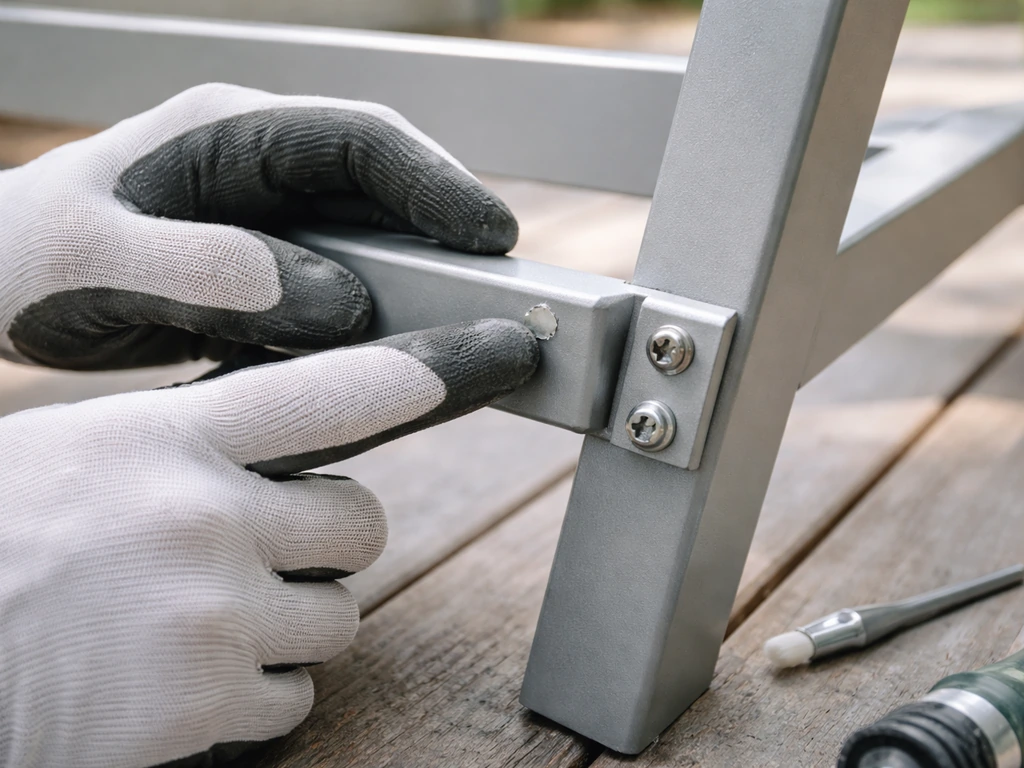
Aluminum frames need almost nothing, rinse off salt or pollen with a hose a couple of times a year and inspect the powder coat for chips. Touch up any chips with a color-matched spray paint to prevent oxidation from spreading. HDPE frames just need an occasional soap and water wash. Teak needs annual teak oil if you want to keep the original color, or you can simply let it go gray and wash it once a year with a teak cleaner to remove mildew. Resin wicker frames benefit from a UV protectant spray (303 Aerospace Protectant is a reliable option) once a season to slow fading.
Hardware and structural checks
Once a year, ideally at the start of the outdoor season, go over all the bolts and hardware connections on your set and tighten anything that has worked loose. Stainless steel or galvanized hardware is what you want to see; standard zinc or uncoated steel hardware will rust and become difficult to adjust within a couple of seasons. If your set uses webbing or sling components alongside cushions, inspect those for fraying or UV brittleness annually. Sling patio furniture is another popular patio seating style that uses fabric slings for support, so it can feel different from deep seating even when both are built for outdoor comfort sling components. Replacing a single webbing strip or a sling panel is cheap; replacing an entire frame because the hardware failed is not.
Covers and off-season storage
A fitted furniture cover rated for outdoor use (look for 300D or heavier polyester with a waterproof backing) adds meaningfully to frame life even for weather-resistant materials. The goal isn't waterproofing so much as keeping debris, bird droppings, and UV off the surfaces during periods of non-use. For deep seating sets left outdoors year-round in northern climates, I'd strongly recommend bringing cushions inside by late October and covering frames through winter. Most frames will survive the cold just fine; it's the cushions and any untreated hardware that suffer most from freeze-thaw cycles.
Bottom line: deep seating is a specific, well-defined format, not just a cushioned patio chair. When you know what to look for (seat depth around 24 to 28 inches, 5 to 8-inch cushions, lower seat height, proper back support), you can cut through the marketing language and actually compare what you're buying. Match the frame material to your climate, invest in quality cushion fabric, measure your space before ordering, and build in a simple annual maintenance routine. Do those four things and a good deep seating set will reward you for a decade or more.
FAQ
Can deep seating patio furniture work in a small balcony or narrow patio?
Yes, but only if the listing gives real deep seating measurements. Focus on seat depth (24 to 28 inches) and seat height with the cushion installed (about 16 to 17 inches). If a product only provides overall depth or shows a tall seat, it usually won’t deliver the “sink in” lounge posture.
How do I measure correctly before buying a deep seating set?
A common mistake is buying the right-looking set and then discovering it blocks walkways or door access. Measure your usable path, then compare it to the furniture’s true footprint, including how far the back cushions extend when you lean back. If you’re tight on space, choose a loveseat or one club chair plus a smaller coffee table rather than a full sectional-style set.
What should I check if my deep seating furniture feels uncomfortable instead of lounge-like?
For deep seating, the comfort issue is posture, not just softness. Thicker cushions help, but you should also confirm the back angle and back height so your shoulders rest on the backrest. If your knees feel higher than your hips when seated, that usually means the seat depth is too short or the cushions are too thin.
If I buy a deep seating frame, can I add different cushions later?
Not always. Many “deep seating” frames are designed for thick cushions, so if you mix compatible cushions that are thinner or not the right size, the recline effect and weight distribution change. If you replace cushions, verify both the seat depth/height dimensions and the cushion thickness the frame was built for (typically 5 to 8 inches).
How can I tell whether the cushions are truly replaceable and easy to maintain?
If the cushions are not removable, maintenance becomes harder, especially for mold-prone regions. Look for zippered covers or at least covers that can be removed, and confirm the brand offers replacement cushions for that exact system. Without replacement options, even a good deep seating frame can become unusable once cushions wear out.
Will deep seating furniture require different table or outdoor bar heights?
Yes. Deep seating usually uses a lower seat height and thicker cushions, which often changes how it lines up with side tables, coffee tables, or fire pits. Measure the distance from the top of the cushion to the table surface, and make sure the table height matches how you want to reach while seated (for conversation sets, you generally want table surfaces accessible without leaning forward).
Do furniture covers replace the need to bring cushions indoors in rainy or humid climates?
Covers help, but they don’t solve cushion moisture problems. If the cushions stay outside in humid conditions, bring them in or ensure they fully dry before covering. Also confirm the cover has enough airflow so trapped condensation doesn’t build up under the cover.
What’s the safest way to clean deep seating cushions without damaging them?
Deep seating can be easier to clean than you think, but only if the fabric supports it. For solution-dyed acrylic fabrics, mild soap and water plus a rinse works for routine dirt. Avoid aggressive scrubbing that can distort cushion seams, and always let cushions dry completely, especially before storing in a shed or garage.
Why do some deep seating sets feel wobbly even when the cushions are thick?
It can, especially if the set uses cheaper cushions or a frame designed for standard seating depth. If a sofa or chair feels “wobbly,” check for loosened hardware yearly and look for frame construction like welded joints on aluminum. Also press on the back and arm structures, if they flex more than expected, the frame geometry may be off for true deep seating.
Next Articles
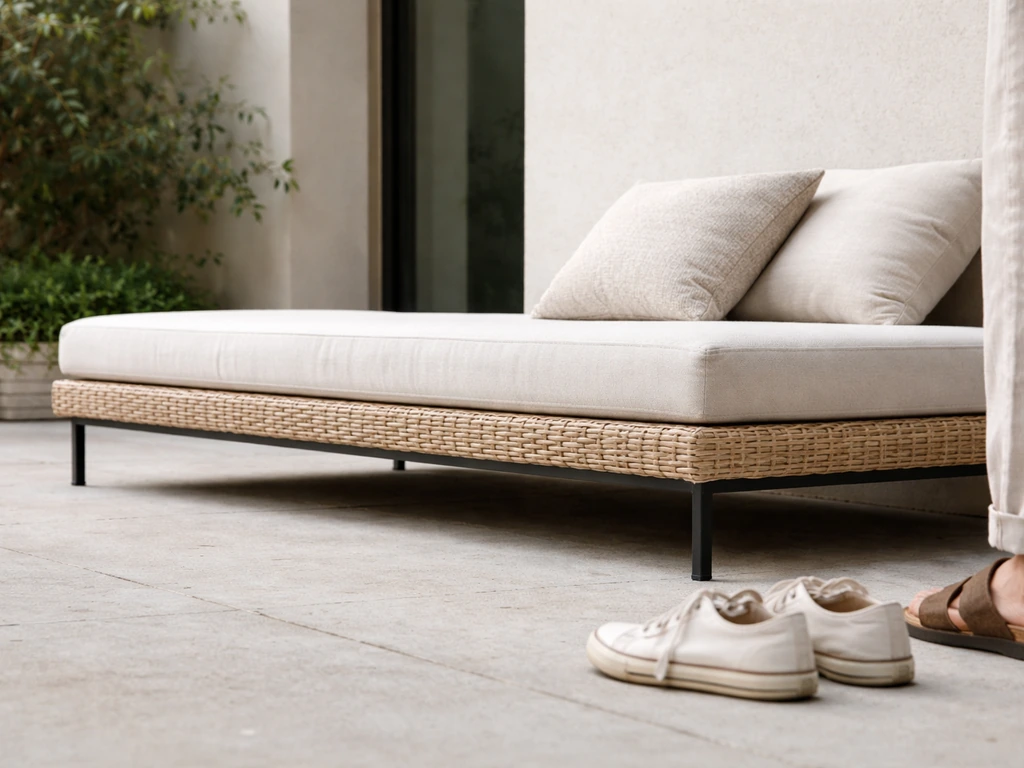
Why Is Patio Furniture So Low to the Ground? Fix and Choose
Learn why patio furniture sits low, how to measure and fix fit issues, and choose the right height for comfort.
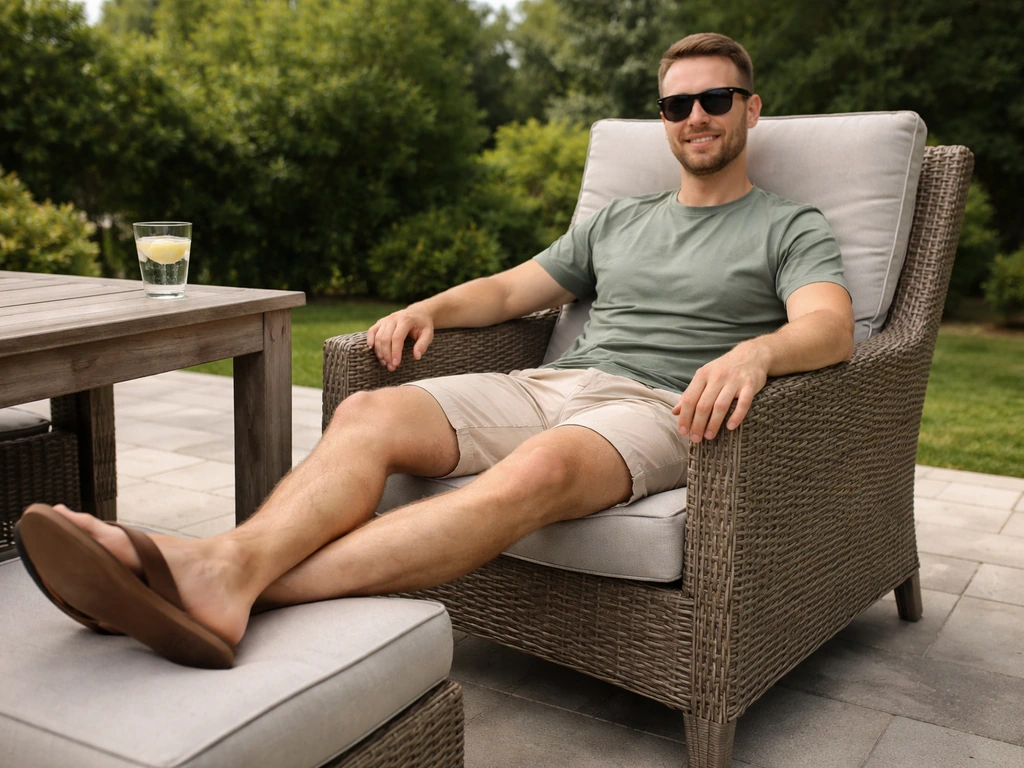
Best Patio Furniture for Tall People: Fit, Comfort, Durability
Get the best patio furniture for tall people: exact sizing, comfort tips, durable materials, and climate-proof maintenan
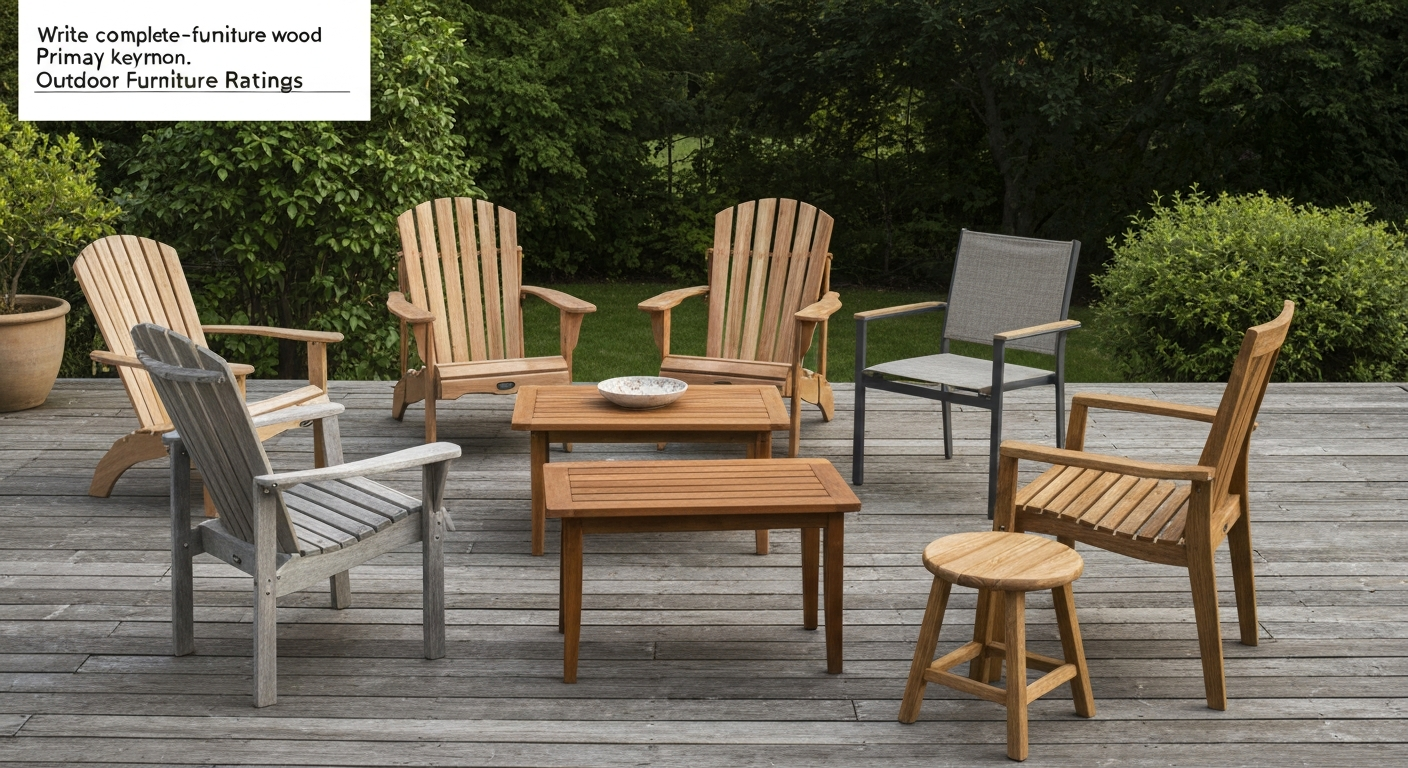
Common Patio Furniture Wood: Best Choices, Care & Tips
Compare common patio furniture wood types, teak, cedar, redwood, oak, with durability, finishes, and care tips.