
If you want low maintenance, fast drying, and a chair that can take whatever weather throws at it without much effort, go with sling patio furniture. If you want plush, padded comfort and are willing to do a bit more upkeep (or live somewhere dry enough that it's a non-issue), cushion furniture is the better call. Neither one is universally "better", the right answer depends on your climate, how often you actually use your patio, and whether you're the type to bring cushions in before a storm or just let things ride. Patio furniture often seems shorter when cushions, sling fabric, or even the frame sit lower than standard seating, plus wear and heat can change how it looks over time why is patio furniture so short.
Sling vs Cushion Patio Furniture: Which Is Better?

Theo Tierney
4 Jul 2026
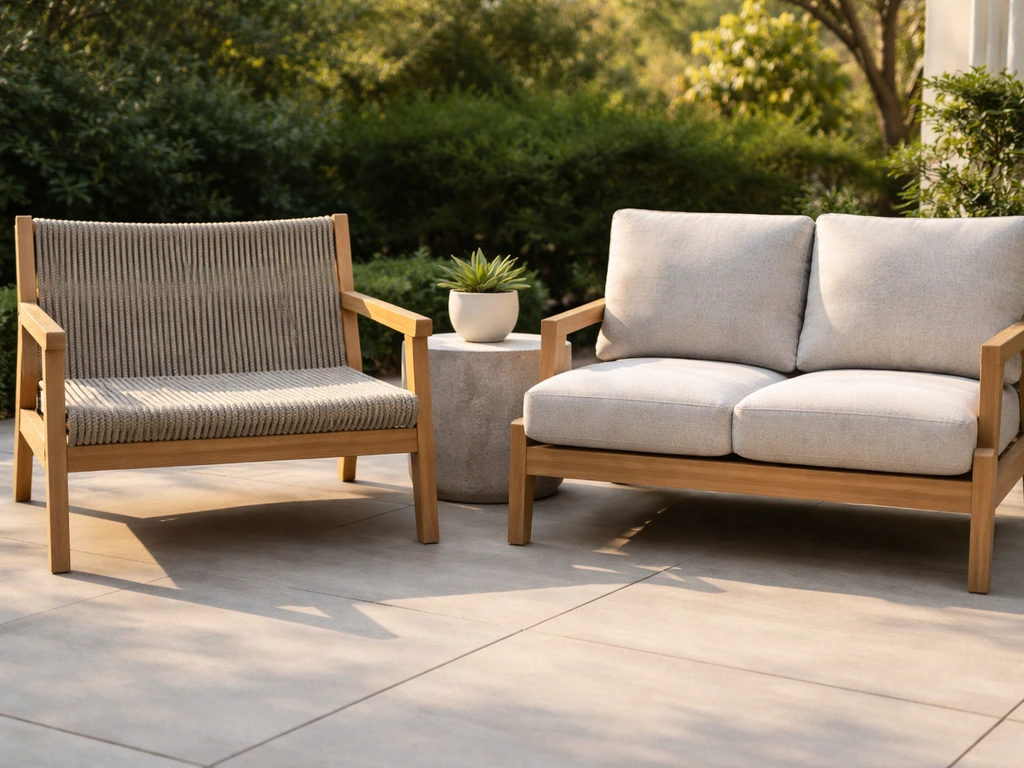
What sling and cushion patio furniture actually are (and how they feel)
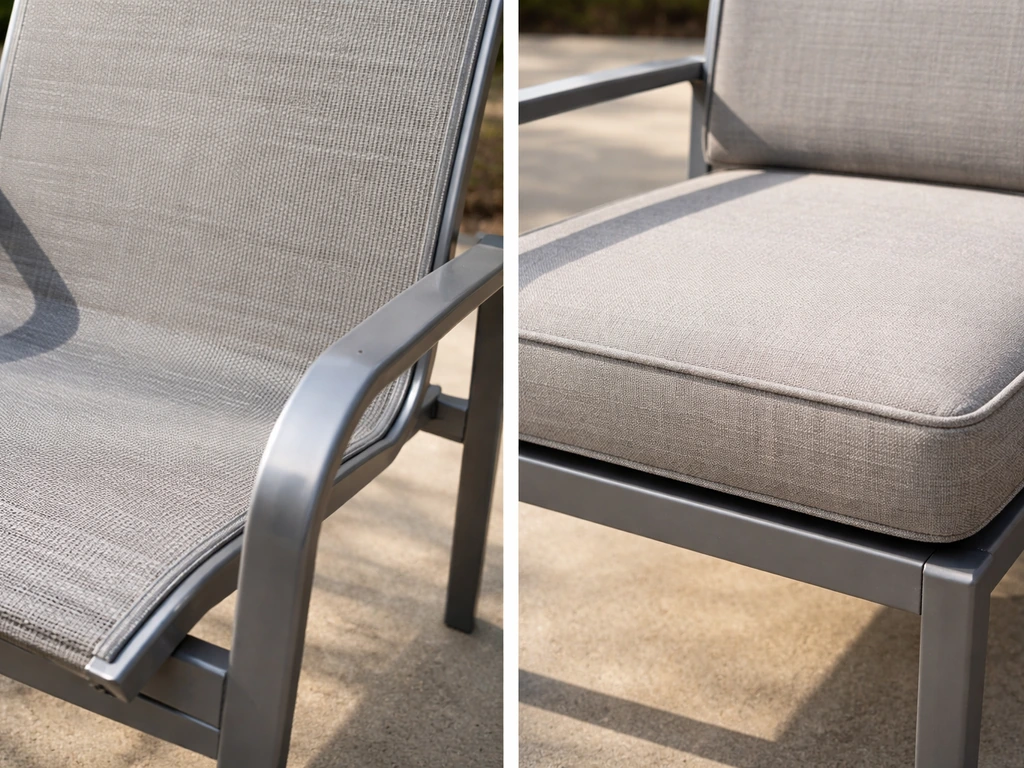
Sling furniture uses a taut, flexible fabric panel stretched between a frame, usually aluminum or steel, to form the seat and back in one continuous piece. The fabric does all the structural work. There's no cushion, no padding to remove, no zipper to fuss with. You sit directly on the sling material, which flexes slightly under your weight and contours to your body. It has a lean, modern look and is most common in dining chairs, lounge chairs, and chaises.
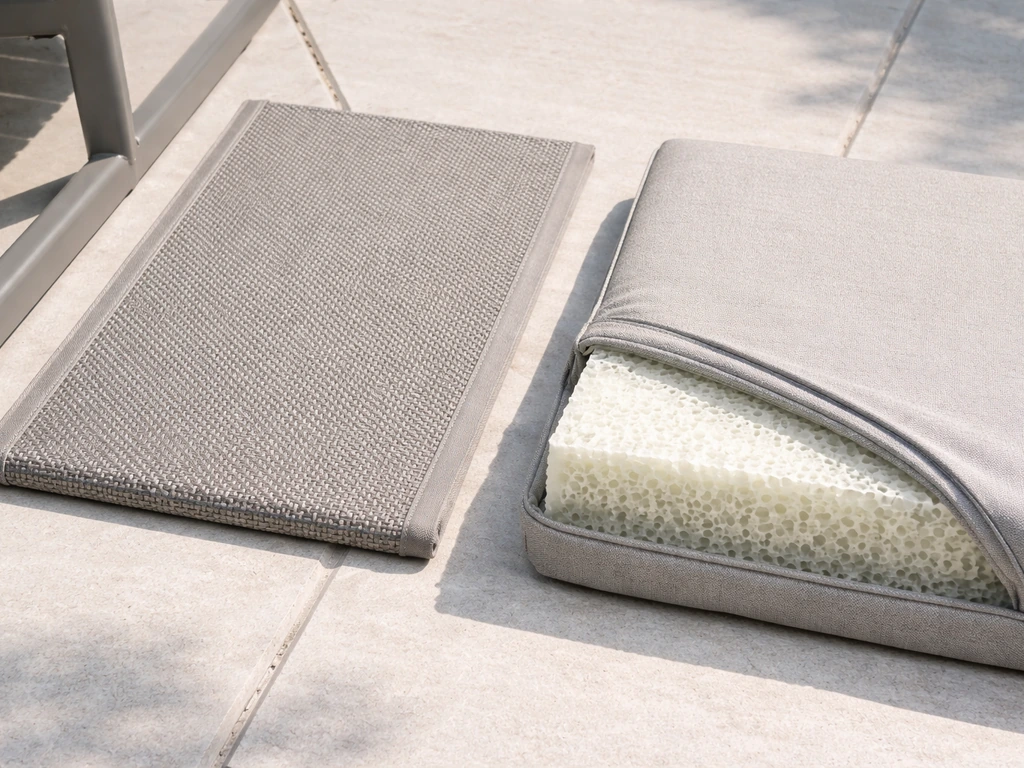
Cushion furniture has a rigid frame (again, usually aluminum, steel, teak, or all-weather wicker) with separate padded cushions sitting on top. The cushions are the comfort layer. They vary enormously in quality, from cheap polyester-filled pads that flatten in a season to thick, solution-dyed acrylic-covered pieces filled with reticulated open-cell foam that can last years. Cushion furniture dominates the deep-seating category: sofas, sectionals, and lounge chairs where you want that "sink in" feel rather than an upright dining posture. Deep seating patio furniture usually refers to sofas, sectionals, and lounge chairs designed to let you sink lower for a lounge-style posture deep-seating category.
Comfort differences: heat, airflow, support, and posture
Sling fabric wins on heat and airflow, full stop. Because the material is thin and breathable, air circulates around you while you sit. On a 95-degree afternoon, that matters a lot. The tradeoff is that sling chairs tend to seat you in a more reclined, hammock-like position.
Many sling dining chairs blank" rel="noopener noreferrer">sit around 17 inches off the ground, which works fine for most people at a standard dining table, but the slight give in the fabric means your posture is more relaxed than rigid. Seat height can affect posture and comfort, which is one reason many patio chairs are designed to sit low to the ground why is patio furniture so low to the ground.
If you want true lumbar support or a firmer, upright seat, sling fabric alone won't give you that without an additional back cushion.
Cushion furniture is noticeably more comfortable for extended sitting, reading, hosting a long dinner party, lounging with a drink for a couple of hours. A thick cushion with quality foam supports your back and redistributes pressure in a way that stretched fabric can't. The downside: cushions absorb heat. Dark-colored cushions under direct sun can get uncomfortably warm to sit on, and even light ones hold more heat than sling fabric. If your patio gets afternoon sun with no shade, that's worth thinking about.
How each type handles rain, sun, humidity, and mildew
This is where the two options diverge most sharply, and it's the section most relevant to people in humid or rainy climates.
Sling furniture in wet weather
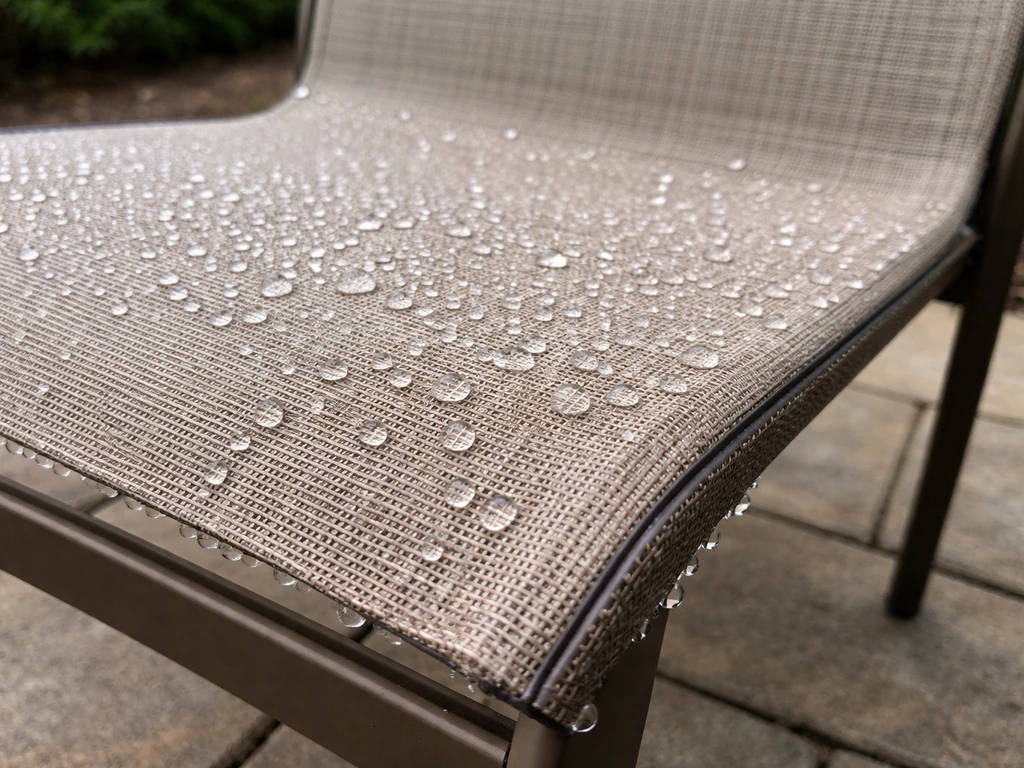
Sling fabric dries extremely fast after rain, typically within minutes. Water doesn't pool on it the way it can on a cushion, and because there's nothing to absorb moisture, there's very little surface area for mold to take hold. Quality sling materials like PVC-coated polyester are specifically engineered to resist fading, mildew, and staining. That said, mildew can still develop if it's left unchecked too long, and if it's allowed to sit, it can permanently stain the fabric. The fix is to clean it early, before it sets.
Cushion furniture in wet weather
Cushions are more complicated. The outer fabric matters a lot: solution-dyed acrylic (Sunbrella is the benchmark) is rated at 8 out of 8 for UV color fastness to ISO 105 B02, and it sheds water well. But water can still enter through seams, stitching, and zippers, meaning the foam inside matters just as much as the cover. Standard polyurethane foam absorbs water and stays damp, sometimes for days, which creates a reliable environment for mildew.
Reticulated open-cell foam (often called "dry fast" foam) is a completely different situation: water passes through the open cell structure and drains out through the cushion base, and cushions can be effectively dry within minutes after rain. If you're buying cushion furniture for a humid or rainy climate, dry-fast foam and drainage holes in the cushion base are non-negotiable specs to look for.
UV and sun exposure
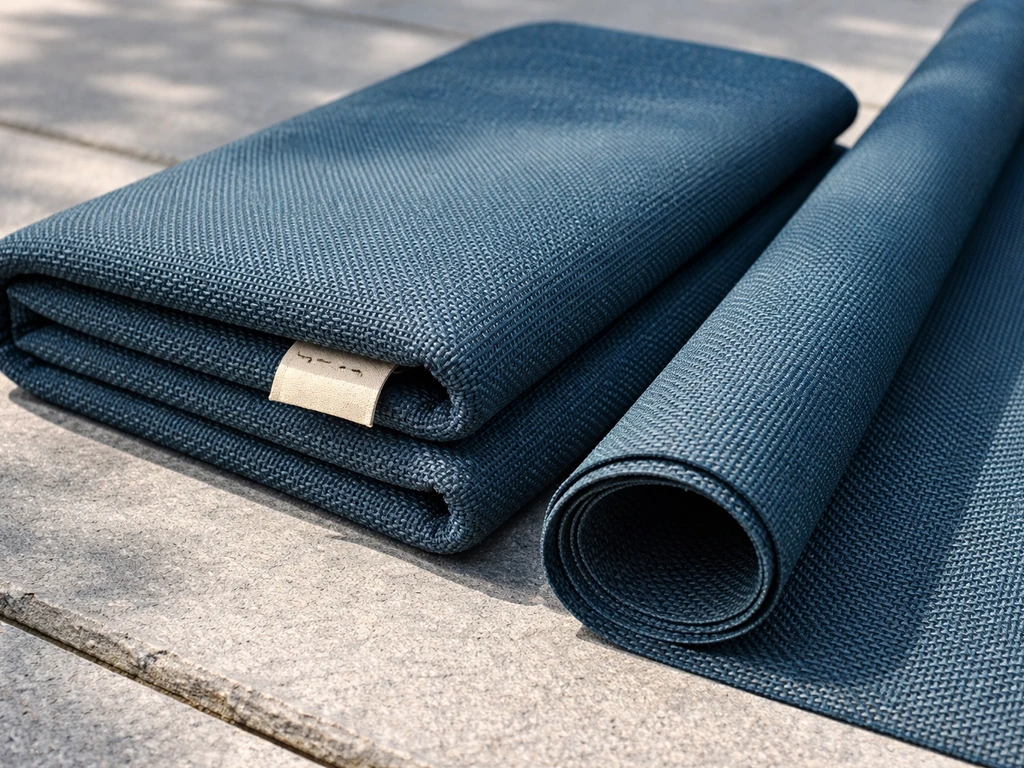
Both options can fade under prolonged UV exposure if you buy cheap materials. Solution-dyed acrylic fabrics (whether used for sling fabric or cushion covers) achieve light fastness grades of 7 to 8 on the ISO 105-B02 scale, compared to piece-dyed interior fabrics that clock in around 4 to 5. UltraFabrics’ spec cheat sheet summarizes relevant standardized tests for outdoor fabrics, including [ISO 105 B02 for light fastness and AATCC 106 for resistance to sea water](https://www. ultrafabricsinc.
com/-/media/Project/UltraFabricsTenant/UltraFabricsSite/Resource-PDFs/General-Reference/SpecCheatSheet_3-23-2. pdf? hash=C94EBF60CAD0D60250E294DDDA1C0A2C&rev=87bf66a4-2996-4749-9173-7c6eb6bea140). That gap is enormous in practice, it's the difference between a chair that looks good in year five and one that's visibly washed out by year two.
For Arizona or Florida sun exposure, verifying that a fabric is solution-dyed acrylic is the single most important spec to check.
Durability and long-term longevity
Sling fabric does stretch and sag over time, that's just physics. A sling under constant tension will eventually lose its tautness, especially if the frame flexes or if the fabric isn't high-quality. The good news is that sling fabric is replaceable. You don't have to throw out the whole chair when the fabric wears out; you can order replacement sling material and re-lace it to the frame, which makes the total cost of ownership more favorable than it looks at first. The longevity of the frame itself, usually powder-coated aluminum, is often 10 to 15 years or more with basic care.
Cushion longevity is directly tied to foam density and how the cushions are treated. Higher-density dry-fast foam can last 5 to 8 years even with constant exposure to salt water, according to foam manufacturers. Standard lower-density foam compresses and breaks down much faster, especially if it gets wet regularly. The outer fabric is usually the second thing to fail after the foam, and solution-dyed acrylic covers hold up dramatically better than printed or piece-dyed polyester. Budget cushion sets from big-box stores often use cheap foam and cheap covers, and they show it within one or two seasons.
| Factor | Sling Furniture | Cushion Furniture |
|---|---|---|
| Drying time after rain | Minutes (fabric sheds water) | Minutes with dry-fast foam; hours/days with standard foam |
| Mildew risk | Low (minimal surface area, quick dry) | Moderate to high without dry-fast foam and proper care |
| UV/fade resistance | High with solution-dyed acrylic sling | High with solution-dyed acrylic cover; lower with polyester |
| Comfort for extended sitting | Moderate (good for dining/lounging short-term) | High (especially deep seating with thick foam) |
| Heat retention in direct sun | Low (breathable, minimal heat retention) | Moderate to high depending on fabric color and thickness |
| Longevity (fabric/cushion) | Sling replaceable; frame 10–15+ years | 5–8 years with quality foam; less with standard foam |
| Maintenance effort | Low (wipe down, inspect periodically) | Moderate (clean covers, dry foam, store off-season) |
| Storage requirements | Frame stays out; no seasonal storage needed | Cushions should be stored indoors/dry off-season |
What maintenance actually looks like week to week and season to season
Caring for sling furniture
Weekly care for sling furniture is minimal: wipe down the fabric with mild soap and water, rinse, and let it air dry. The main thing to stay on top of is mildew, if you see early signs, clean it right away with a mild solution (diluted vinegar works) before it has a chance to set permanently. Seasonally, inspect the sling tension and look for any fraying at the attachment points where the fabric wraps around the frame. Sling fabric is a wear item that should be checked periodically, not ignored for years. The frame typically just needs a rinse and occasional touch-up on any scratches in the powder coat to prevent corrosion.
Caring for cushion furniture
Weekly brushing or shaking off debris keeps dirt from working into the fabric weave and reduces the need for heavy cleaning later. When cushions get wet from rain, stand them vertically with the zipper open and facing down, this lets water drain out through the opening and gravity does the work. Applying a fabric protector spray (one that repels water and inhibits mold and mildew) seasonally extends both the cover and the foam underneath.
Jensen Outdoor’s Sunbrella cushion care recommends using a fabric protector that repels water and dirt while inhibiting mold and mildew to help prevent stains fabric protector spray seasonally extends both the cover and the foam underneath. At the end of the season, don't store cushions outdoors under a furniture cover, that traps moisture and is one of the most common causes of mildew damage.
Bring cushions inside to a dry, ventilated space or use a breathable storage bag. Do not store them compressed or in sealed plastic.
Choosing for your climate and how you actually use your patio
Here's a practical checklist. Run through it before you buy, and your decision should become pretty clear.
- Hot and humid (Florida, Gulf Coast, Southeast): Sling furniture is the stronger default here. Fast drying, mildew-resistant, and breathable. If you want cushions, only buy dry-fast foam with drainage holes and solution-dyed acrylic covers. Never leave standard foam cushions out uncovered.
- Dry and sunny (Arizona, Southern California desert, New Mexico): Both work well. Cushions are comfortable and won't sit wet. Prioritize UV resistance — solution-dyed acrylic for either sling fabric or cushion covers. Avoid dark colors if afternoon sun is intense.
- Rainy and mild (Pacific Northwest, mid-Atlantic): Sling is easier to manage. If you choose cushions, dry-fast foam is essential, and you'll need to be diligent about standing cushions upright to drain after rain and storing them properly at season's end.
- Coastal/salt air (beach towns, oceanfront): Look for frames that are marine-grade aluminum or high-quality powder-coated steel. For sling fabric, check that it's rated for salt water resistance (AATCC 106 is the standard test to ask about). Cushion covers and sling fabrics should both be solution-dyed acrylic.
- Freeze/thaw climates (Midwest, Northeast): Frames can usually stay out, but cushions must come inside before freezing temps — foam that freezes and thaws repeatedly breaks down faster. Sling furniture handles winter storage more easily; just cover the frames or bring them in.
- Daily use with kids or pets: Sling is more forgiving — you can wipe it down quickly and it doesn't hold pet hair or crumbs the way fabric cushions do. If you choose cushions, removable, washable covers are a must.
- Occasional use / entertaining only: Cushions make more sense here. You can store them between uses and bring them out when you need them, so the extra care they require is less of a burden.
- You won't remember to bring things in: Go with sling. It's designed to stay outside.
What to look for when you're actually buying
Frame materials
Powder-coated aluminum is the best all-around frame material for most climates, lightweight, rust-proof, and it holds up to salt air better than uncoated steel. If you're looking at steel frames, verify the coating quality and inspect welds, as these are the first places corrosion starts. Teak is excellent for cushion furniture and ages beautifully, but it's heavier and more expensive. Avoid frames labeled simply as "steel" with no coating details in humid or coastal environments.
Sling fabric specs to verify
- Material: PVC-coated polyester or solution-dyed acrylic (not printed polyester)
- UV/fade resistance: Look for ISO 105 B02 rating or a Sunbrella-branded sling fabric specifically
- Mildew resistance: Should be explicitly stated by the manufacturer
- Tension system: How the sling attaches to the frame matters — spline-in-channel systems are more replaceable than glued or riveted connections
- Seat height: Most sling chairs run around 17 inches, which works for standard dining tables but check against your specific table height
Cushion specs to verify
- Foam type: Reticulated/open-cell (dry-fast) foam is the baseline for any climate with rain or humidity — avoid standard polyurethane foam for furniture that stays outside
- Foam density: Higher density means longer life; ask the manufacturer or retailer for the foam density rating in PCF (pounds per cubic foot)
- Cover fabric: Solution-dyed acrylic (Sunbrella is the gold standard) for UV and fade resistance; avoid piece-dyed polyester for furniture that will see strong sun
- Drainage: Cushions should have drainage holes in the base so water can exit the foam
- Removable covers: Zipper closures allow you to remove covers for washing and replacement without replacing the whole cushion
- Cushion thickness: For deep seating, 4 to 5 inches of foam is typical; thinner than 3.5 inches and you'll feel the frame underneath after the foam starts compressing
- Waterproof liner: Some premium cushions have a waterproof liner inside the cover — useful, but check whether it slows drying if water does get in through seams
A word on seat dimensions and fit
Whether you're shopping sling or cushion furniture, measure your intended space before buying and check the seat depth. Sling chairs vary, some are shallow and upright for dining, others are deep and reclined for lounging. Cushion deep-seating pieces (sofas, sectionals) typically have seat depths of 24 inches or more. If you're taller or have mobility considerations, seat height matters too, standard outdoor dining seats run roughly 16.
If you're tall, prioritize seat height, supportive back positioning, and overall sizing so you can relax without feeling cramped If you're taller or have mobility considerations. 5 to 21. 5 inches depending on the category. These dimensions get covered in more depth in related guides on seating height and deep seating definitions, but the short version: always sit in the chair before buying if you can, or check the exact spec sheet dimensions rather than relying on marketing photos.
Bottom line: sling furniture is the practical, lower-maintenance choice for most climates and most homeowners who want something that can handle real outdoor life without much fussing. To get the right comfort and clearance, also consider balcony height and how much space you have around the patio furniture balcony height patio furniture. Cushion furniture delivers more comfort and is the right call for covered patios, drier climates, or anywhere you're willing to manage storage and upkeep properly. Buy either type cheap and you'll be replacing it in two seasons. Buy quality, solution-dyed acrylic fabric, dry-fast foam, aluminum or quality powder-coated frames, and either option can last a decade or more.
FAQ
Can I mix sling and cushion pieces in the same outdoor set without it looking or feeling mismatched?
Yes, but plan around two variables: seat height and sink depth. Sling dining chairs often feel higher and more upright (even when they flex), while cushion deep seating sinks more. If you’re pairing types, match approximate seat height and use a set that shares the same frame style, then expect comfort differences to be most noticeable during long sitting.
Do sling chairs really have “enough” back support, or will I feel my lower back after an hour?
Most people feel fine for dining-length sitting, but for extended lounging you may notice less lumbar support because the sling is a soft, hammock-like surface. If you want sling aesthetics plus support, consider an additional removable back cushion or a supportive outdoor lumbar pad that straps on, rather than switching to full cushion seating.
What should I do if my sling fabric stretches and starts sagging noticeably?
Don’t ignore it. Check tension at the frame attachment points and look for fraying, loosened fasteners, or uneven sag. If the fabric is replaceable, re-lacing with the correct replacement panel can restore the intended tightness without replacing the entire chair, which is typically the most cost-effective fix.
If I live in a rainy climate, is sling always safer than cushions for mildew risk?
Sling is generally lower risk because it doesn’t hold water in the way foam can, but mildew can still happen if you leave it wet for too long. In consistently wet climates, the key is early cleaning when you see early discoloration (before it sets) and regular rinsing after storms, so residue does not build up.
What cushion features matter most if I want them to survive humidity and frequent rain?
Prioritize dry-fast foam plus drainage. Look for reticulated open-cell foam and a cushion base designed to let water exit quickly. Also ensure seams and zippers are well-made, since water entry through hardware can still keep foam damp even if the cover is water-shedding.
Is “solution-dyed acrylic” worth paying for on both sling and cushion products?
Usually yes, especially if your patio gets strong sun. Solution-dyed acrylic holds color far better than printed or piece-dyed options, and the difference becomes obvious over time. If you’re choosing only one upgrade, pick solution-dyed acrylic for whichever fabric layer you’ll be exposed to most, sling fabric or cushion covers.
Do I need to store cushions indoors, even if I use a patio cover?
Often yes. A furniture cover can trap moisture, especially if it’s not breathable. If you expect repeated humid nights or frequent rain, store cushions in a dry, ventilated space and keep them uncompressed; if you must cover them outside, use breathable storage and avoid sealed plastic.
How quickly should I dry cushions after rain, and what’s the correct way to dry them?
Stand them vertically with the zipper open and facing down so water drains out through the opening and the foam can release moisture. Avoid laying cushions flat outdoors to “soak dry,” since trapped moisture takes longer and increases mildew risk.
Can cushions be left out if they’re made with dry-fast foam?
They dry quickly, but “quickly” is not the same as “never.” In long rain events, heavy humidity, or overnight dampness, prolonged wet periods can still lead to mildew or odor. A good rule is to treat them like a water-handling item, dry them promptly after storms, and don’t rely on extended outdoor wet exposure.
Will sling furniture get uncomfortable in winter, or is it only a hot-weather option?
Sling seats can feel cooler in chilly weather because the fabric is thin and doesn’t insulate like thick cushions. For cold-season use, add a removable outdoor seat pad or consider cushioning only on the seat, keeping the sling benefits for airflow.
Which frame materials should I choose for coastal or salt-air environments?
Powder-coated aluminum is the safest all-around choice. If you choose steel, verify coating quality and inspect welds, because those spots are early corrosion points. For teak with cushions, it can work beautifully, but expect higher cost and heavier handling.
Next Articles
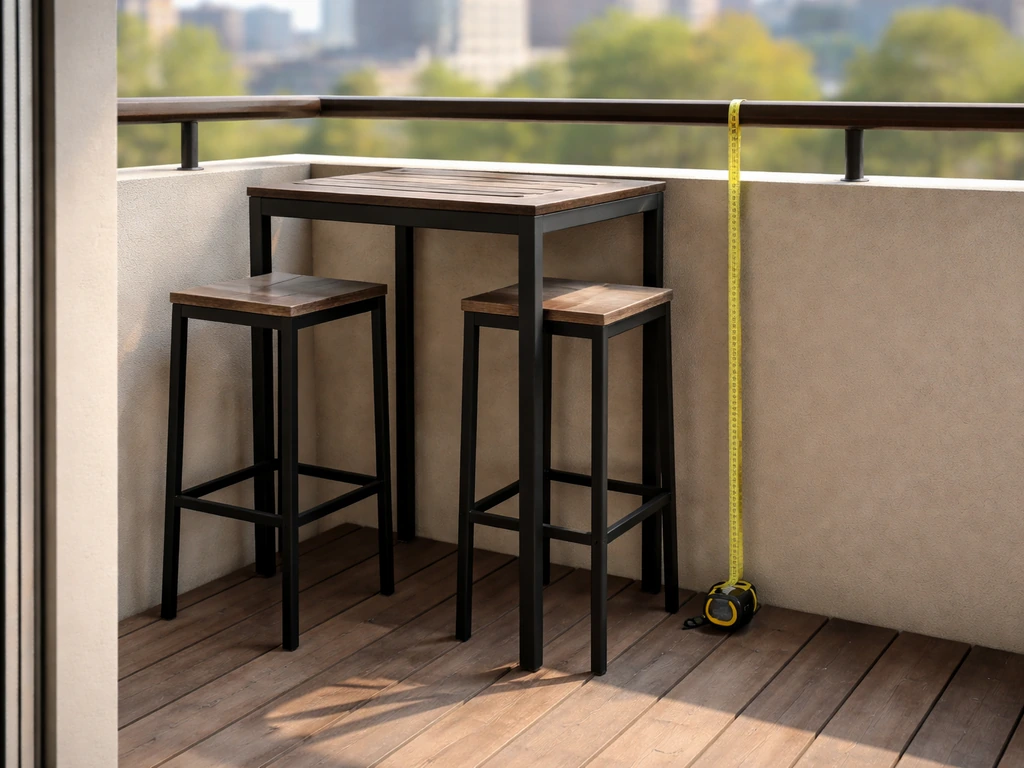
What Is Balcony Height Patio Furniture? Sizing Guide
Learn what balcony-height patio furniture means and measure for the right seat, table, and safety fit range.

What Does Deep Seating Patio Furniture Mean? How to Spot It
Learn what deep seating patio furniture means, how to spot it in listings, and choose durable, comfy sets for outdoors.
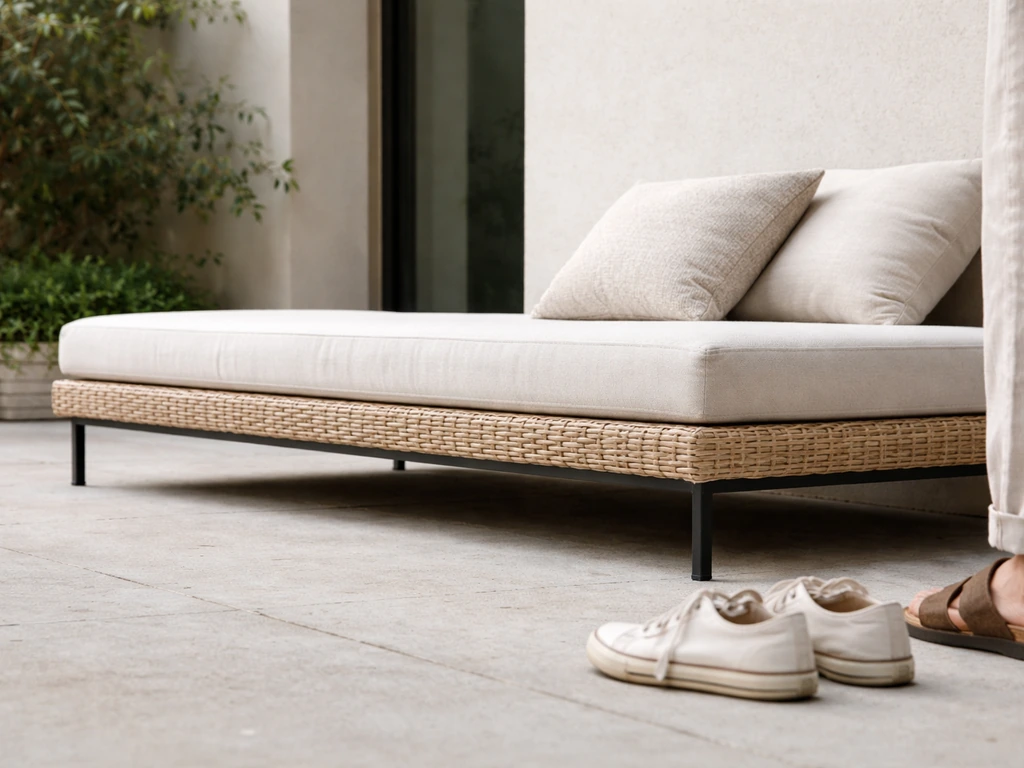
Why Is Patio Furniture So Low to the Ground? Fix and Choose
Learn why patio furniture sits low, how to measure and fix fit issues, and choose the right height for comfort.