
Most patio furniture feels short because outdoor seating, especially conversation sets and lounge chairs, is deliberately built lower than indoor furniture. Standard outdoor dining chairs typically land at blank" rel="noopener noreferrer">17–19 inches of seat height, while lounge chairs often drop to 14–16 inches. That is not a defect. It is a deliberate design choice rooted in stability, aesthetics, and how most people actually use outdoor space. But 'short' can also mean something is going wrong with the furniture you already own, and figuring out which problem you have changes everything about what you do next.
Why Is Patio Furniture So Short? Fix Height and Fit

Theo Tierney
5 Jul 2026
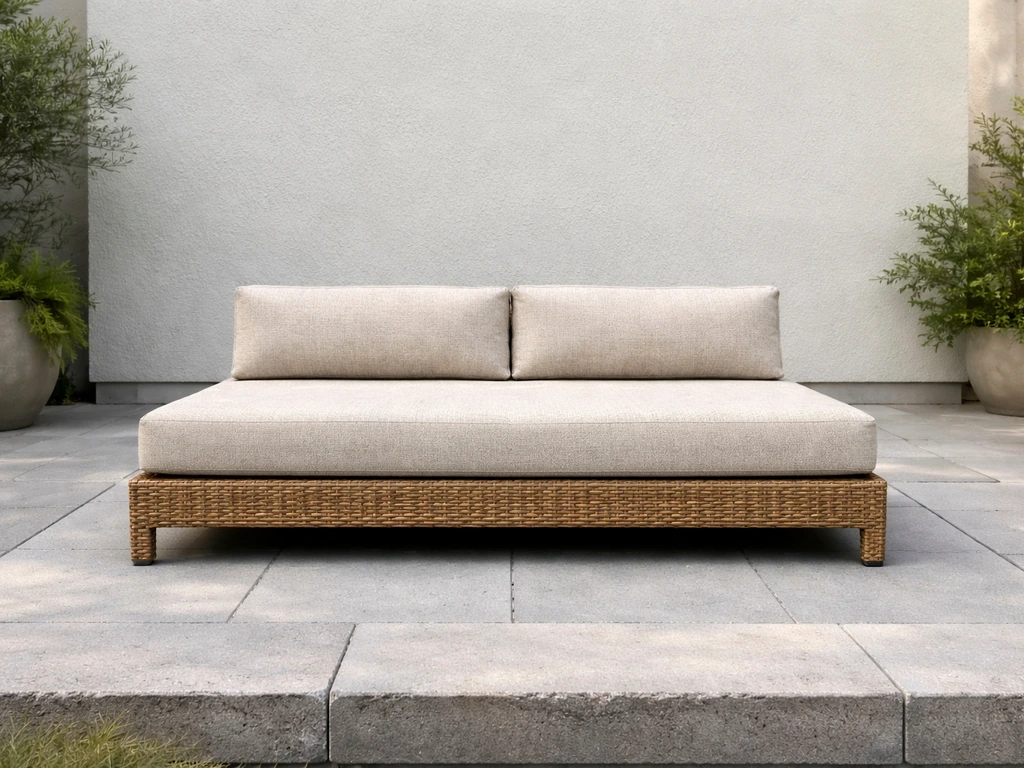
What 'short' actually means (and why it matters which one applies to you)
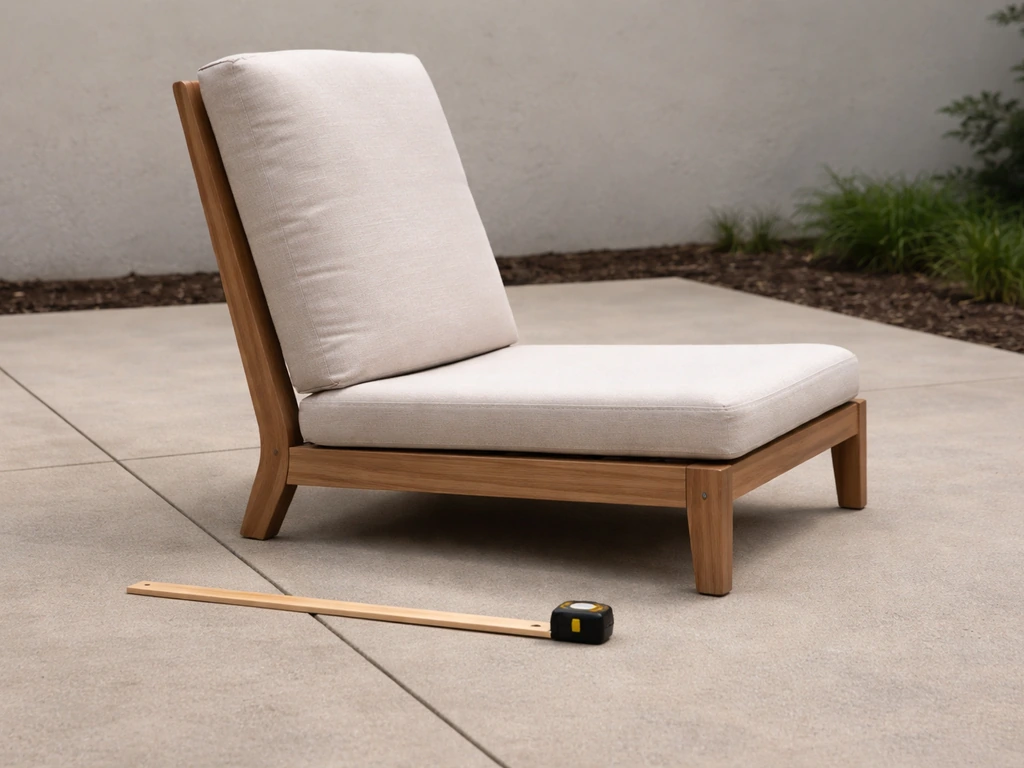
When homeowners say patio furniture is too short, they usually mean one of three distinct things, and they are worth separating because each has a different fix.
- Seat height is too low: You feel like you are sinking into the chair or struggling to stand back up. This is the most common complaint, especially for taller users or older adults.
- Back height is too short: The chair back ends somewhere around your shoulder blades and provides no neck or head support. This shows up most with lounge-style chairs.
- Overall scale is off: The entire piece looks squat on a large deck or underneath a tall pergola. The furniture is technically fine but it reads visually small in the space.
- It used to feel right and now feels lower: This is a wear problem, not a sizing problem, and it usually means the cushion foam has compressed or the frame has shifted.
For taller users (roughly 6 feet and above), even 'standard' seat heights of 17–18 inches can feel uncomfortably low because your knees end up higher than your hips. That is a genuine ergonomic mismatch. For petite users, the same chair might feel fine or even ideal. So the word 'short' is always relative to who is sitting in it and what the furniture is supposed to do.
Why manufacturers build outdoor furniture lower than you might expect
Outdoor furniture has converged around lower seat heights for several reasons that have nothing to do with cutting corners. Most of them make genuine sense once you understand the context.
Stability against wind and tipping
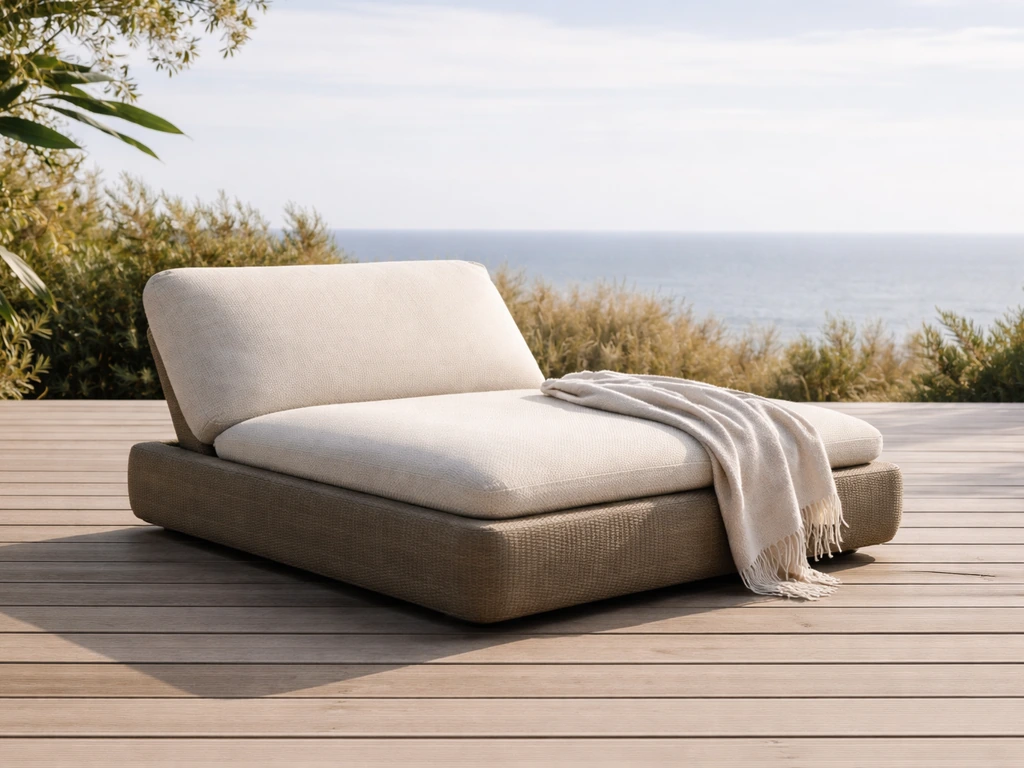
A lower center of gravity makes chairs and sofas significantly more stable in wind. Tall, lightweight frames act like sails. Manufacturers who build for coastal climates, open decks, and commercial use know this, which is why low-profile conversation sets are the dominant outdoor format. A chair that blows over and cracks is a warranty claim and a return. A chair that stays put is not.
The lounge and conversation category is built around relaxed seating angles
Outdoor lounge chairs are a separate category from dining chairs, and they are intentionally low. If you are trying to determine what balcony height patio furniture should be, the key is matching lounge or dining seat height to how you plan to sit and recline. blank" rel="noopener noreferrer">Lounge seat heights typically run 14–16 inches (about 35–40 cm) with deeper seat pads (60–70 cm) precisely because you are meant to recline, not sit upright. People often compare lounge chairs to dining chairs and feel cheated by the height, but that comparison is like complaining that your couch is shorter than your kitchen stool. They are different products designed for different body positions.
Industry sizing norms and design trends favor low silhouettes
Modern outdoor design has leaned heavily toward low, horizontal silhouettes for roughly the past 15 years. Sectionals sit close to the ground, coffee tables are minimal, and the visual language of a contemporary patio is deliberately flat and wide rather than tall and upright. That looks sharp in a photo but it is not always comfortable for taller users or people with mobility limitations. Some manufacturers prioritize the Instagram aesthetic over the ergonomic reality.
If the furniture you are looking at has deep cushions and a seat height under 16 inches, that is a design decision, not a measurement mistake. If you are comparing sling vs cushion patio furniture, seat height can vary a lot depending on how the fabric or cushion is built.
Stacking, storage, and cushion compatibility
Many dining chairs are built to stack, which constrains how the frame is shaped and how high the seat can realistically sit while still stacking cleanly. Cushion sizing is also a factor: standard outdoor seat pads are often 2–4 inches thick, so manufacturers build seat height into the calculation expecting the cushion to add that height back. Buy the chair without a cushion or swap to a thinner pad and suddenly it feels 2–3 inches lower than expected.
How your furniture can get shorter over time
This is where material and construction knowledge becomes genuinely useful. If your patio set felt fine two seasons ago and now feels noticeably lower, the furniture has changed. Here is what is most likely happening.
Cushion foam compression
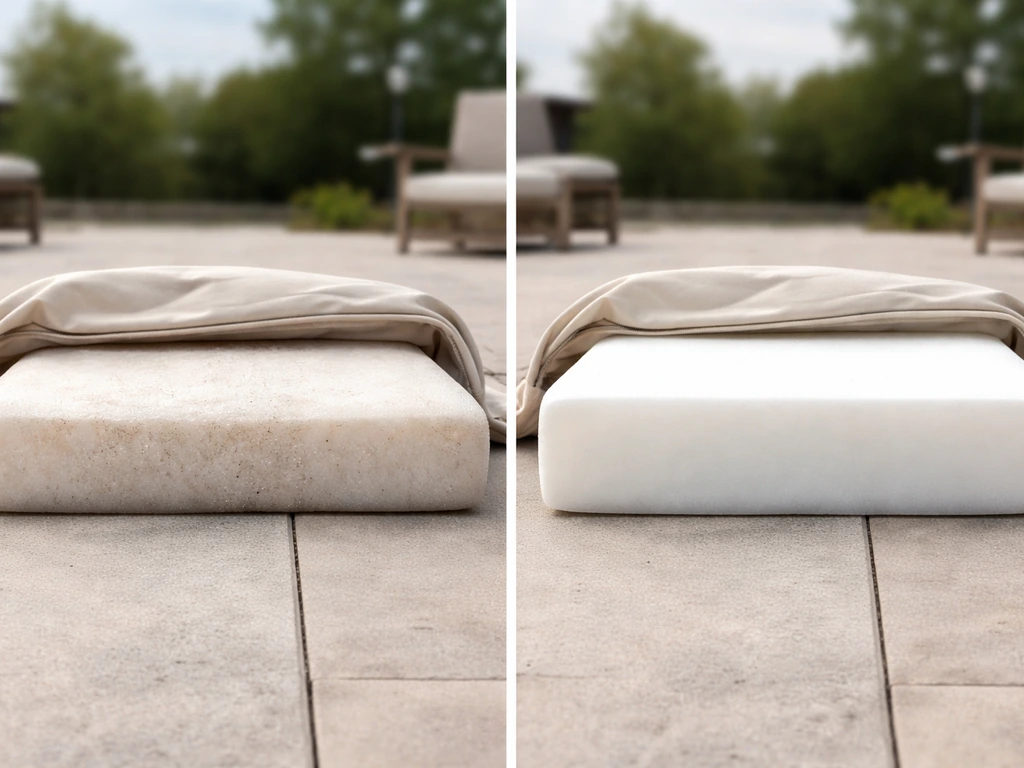
This is the most common culprit. Outdoor cushion foam compresses with repeated use, UV exposure, and moisture cycling (wet and dry, wet and dry, season after season). A cushion that started at 4 inches can compress to 2.5 inches in two or three seasons, dropping your effective seat height by 1.5 inches. That is enough to go from comfortable to noticeably low. Budget cushions with low-density foam compress fastest. Quick-dry polyester fill is more resilient but still compresses. If your cushion feels noticeably thinner or has a permanent body-shaped depression in it, foam replacement is the fix, not a new frame.
Frame changes by material
Wood frames, especially lower-cost teak alternatives and eucalyptus, can warp, swell, or shrink with seasonal moisture changes. A warped back rail can change how the entire seat sits, making it feel lower or tilted. Aluminum frames are far more dimensionally stable but can develop flex at joints over time, especially if fasteners loosen. Steel frames in humid or coastal climates can corrode at the joinery points, causing structural sag that is not obvious until you actually sit down and feel the frame give slightly. Wicker (especially synthetic resin wicker over a steel or aluminum frame) can develop frame issues underneath the weave that are hard to see until the seat visibly sags or the weave separates.
Loosened hardware and assembly shifts
Outdoor furniture takes thermal stress every day. Metal fasteners expand and contract with heat cycles, and joints that were tight on assembly can work loose over a season or two. When the frame joints loosen, the chair can shift slightly, changing the geometry of how the seat sits. A chair that wobbles even slightly is usually one where the back-to-seat angle has shifted, and that can make the whole piece feel lower and less supportive than it should. Check every bolt and screw, not just the obvious ones.
How to measure your furniture and find the real problem
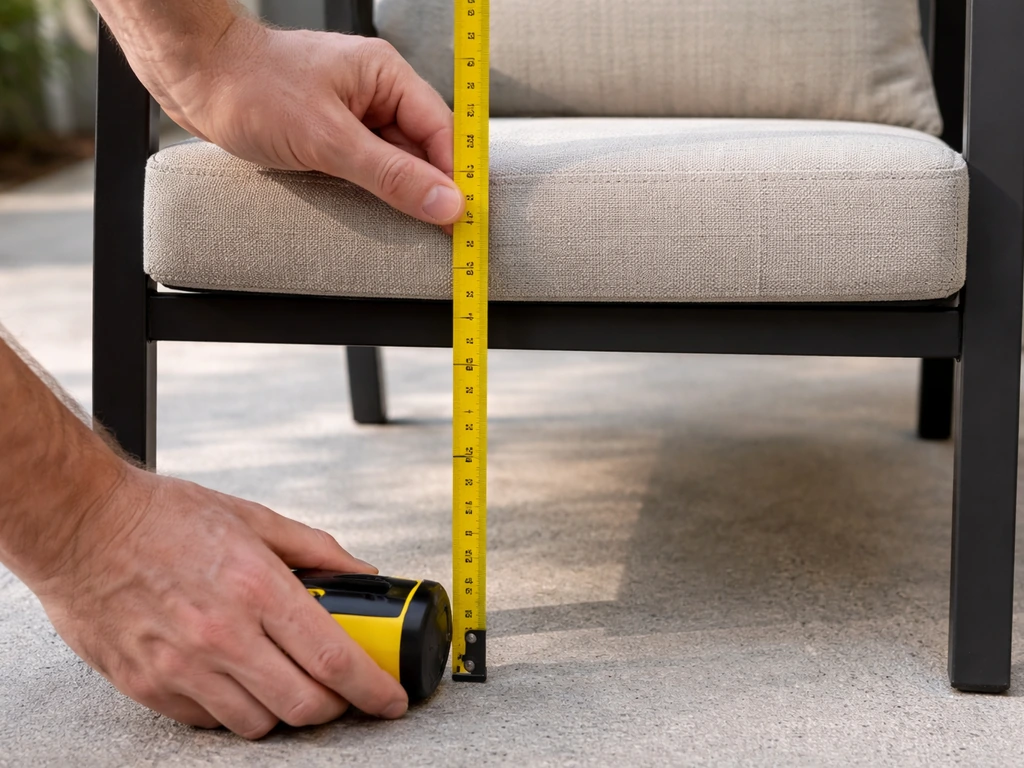
Grab a tape measure and spend ten minutes doing this before you spend any money. You need three measurements and one hands-on check.
- Seat height: Measure from the floor to the top of the seat cushion at its center (not the edge, which may be higher). A comfortable seat height for most adults is 17–19 inches. If you are over 6 feet tall, you want the high end of that range or above. Below 17 inches and most average-height adults start to feel the strain.
- Seat depth: Measure front edge to back of the seat cushion. Deep seating (24 inches or more) makes a chair feel lower even at standard heights because your legs extend farther out and your body reclines more.
- Cushion condition: Set the cushion aside and measure the frame seat height without it. Then measure the cushion thickness. If the cushion is under 3 inches at its center, it has compressed and is no longer performing as designed.
- Frame integrity check: Sit in the chair, shift your weight side to side, and check for any wobble or give. Tighten any hardware you can access. If tightening eliminates the wobble, this was a loose-joint problem. If the frame still moves after tightening, check for corrosion or cracked welds.
Once you have those four data points, you know whether you are dealing with a sizing mismatch (seat height was never right for your body), wear-and-tear (foam or hardware), or a material failure (frame damage). Each path forward is different.
Fixes you can make today
Replace or upgrade the cushions
If your seat height measurement revealed that the cushion has compressed, replace the foam insert rather than the whole cushion cover if the cover is still in good shape. Look for outdoor-rated high-density foam (2.0 lb density or higher) cut to your seat dimensions. You can also buy complete replacement cushions in standard sizes (18x18, 20x20, 24-inch deep, etc.) from most outdoor furniture retailers and mail-order suppliers. Upgrading to a thicker cushion (going from a 2-inch to a 4-inch pad) will add 2 inches of effective seat height without touching the frame. This is the cheapest and fastest fix available.
Tighten hardware and re-level the frame
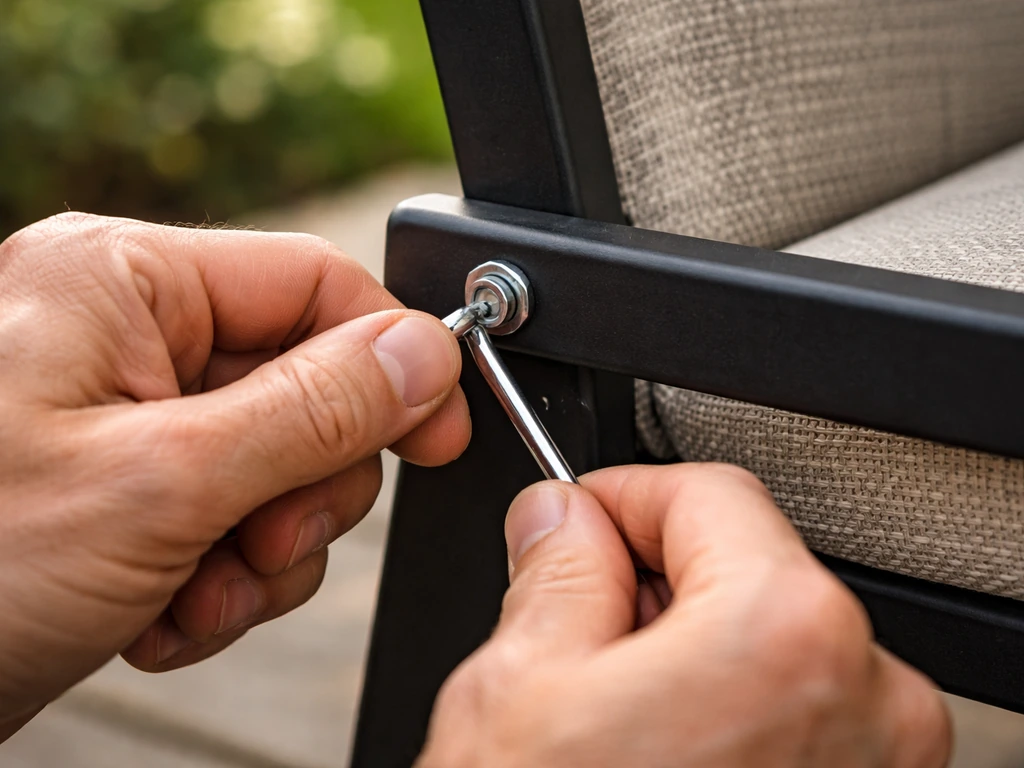
Go around every joint on the frame with the appropriate tool (usually an Allen wrench or socket set). Outdoor furniture bolts work loose from thermal cycling and should be checked every season. If the frame sits on an uneven surface, add furniture leveling feet or furniture pads under the lower legs. A chair that sits unevenly feels unstable and tends to feel lower than it actually is because you shift toward the lower side.
Add riser feet or furniture leg extenders
For chairs and sofas with tubular or block-style legs, screw-in or slip-on leg extenders can add 1–3 inches of height to the entire frame. These work best on aluminum or steel frames where the leg end is a consistent diameter. They are less practical on sled-base frames or wicker pieces with wrapped bases, but they are a genuinely useful quick fix for dining chairs and occasional chairs.
For wood frames: check and correct warping
If you have a wood frame that has visibly warped or cupped, lightly sand the joinery areas and apply a fresh coat of teak oil, outdoor wood sealer, or appropriate finish for the species. For minor warps, allowing the piece to fully dry in a consistent climate for a week or two (indoors if possible) can help the wood normalize. Severe warping that changes how the seat sits usually means the affected rail or leg needs replacement, which is possible on high-quality solid-wood frames but often not economical on budget pieces.
Choosing higher-profile pieces when it is time to replace
If the frame is the problem, or the furniture was simply never the right height for your needs, replacement is the right answer. Here is what to look for across the main material categories, including how each holds up in different climates.
| Material | Typical Seat Height Range | Height Stability Over Time | Best Climate | What to Watch |
|---|---|---|---|---|
| Teak / Hardwood | 18–21 inches | High if sealed seasonally | Humid, tropical, coastal | Warping and cracking without annual oiling; look for Grade A teak |
| Powder-coated aluminum | 18–21 inches | Very high; dimensionally stable | All climates including coastal | Joint flex over time; check fastener quality on budget frames |
| Steel (powder-coated) | 18–20 inches | Moderate; rust risk at joints | Dry or low-humidity climates | Avoid in coastal/high-humidity without marine-grade coating |
| Resin wicker over aluminum | 17–20 inches | Good if frame is aluminum | Humid, UV-heavy climates (Florida, Arizona) | Budget sets use steel frames that rust under the weave |
| HDPE / composite lumber | 18–21 inches | Very high; no swelling or warping | All climates; excellent in harsh conditions | Heavier than aluminum; less variety in high-profile styles |
| Cast aluminum (deep seating) | 16–18 inches | Very high | All climates | Deep seating category runs lower; confirm seat height before buying |
What to specifically look for when buying for height
Ask for or look up the seat height measurement before you buy, not just the overall height. Many product listings bury this number or leave it out entirely. A dining chair listed at 36 inches overall height might have a seat height of only 18 inches because the back is very tall.
For tall users (6 feet and above), look specifically for chairs marketed as 'counter height' or 'bar height' in outdoor dining settings, which typically run 24–26 inches of seat height. If you want a quick starting point, check the best patio furniture for tall people that are marketed with higher seat heights and better knee-to-hip ergonomics. For standard seating, target 19–21 inches of seat height with a cushion if you are above average height.
Outdoor sofa fit guides often cite seat height around 17, 19 inches (measured to the top of the seat cushion) and armrest height around 7, 10 inches above the cushion, which can help you compare options seat height of 19–21 inches. Deep seating sectionals by design run lower and are better suited to lounging than conversation, so be deliberate about which format you choose.
Climate should shape your material choice as much as height preference. In Florida or Gulf Coast climates with year-round humidity, HDPE composite and powder-coated aluminum frames outlast wood and steel significantly. In the Arizona desert, UV degradation is the main threat: look for solution-dyed acrylic fabric (not polyester) and UV-stabilized resin wicker. In snowy northern climates, any material that holds standing water in joints, like raw steel or untreated wood, will fail faster than aluminum or composite. If you are replacing a set that failed early, the material and climate mismatch is often the real culprit, not just the height.
High-profile and deep-seating: knowing the difference
If you have been looking at what is marketed as 'deep seating,' be aware that this term describes the seat depth (how far back you sit), not the height off the ground. Deep seating pieces often have lower seat heights (16–18 inches) paired with very deep seats (24–28 inches), which is comfortable for lounging but not for upright conversation or easy getting up and down. If you want a piece that is both comfortable and easy to rise from, look for conversation sets that specify a seat height of 18–20 inches and a seat depth of 20–22 inches rather than the deeper lounge-forward proportions.
The bottom line is this: most patio furniture is not defective when it feels low, it is just sized for a style of use that may not match yours. But if your set has changed over time, the cushion foam or the frame hardware is almost always the cause and both are fixable without replacing the whole piece. Know what you are measuring, fix what is fixable, and when you do replace, put seat height on your must-check list before you buy.
FAQ
If my patio chair feels short, should I replace the cushion or the whole chair?
Yes, but only in certain situations. If the chair feels low because the cushion has permanently thinned or has a body-shaped depression, replacing the foam insert (not the cover) is usually the best value. If the frame geometry has changed (wobble, sagging joints, warped rails), swapping cushions alone will not restore proper seat support.
Should I measure seat height with the cushions on or off?
Measure with the cushion in place and also note the cushion thickness at its flattest spot. Seat-height listings assume a typical pad thickness, but your specific cushion may have compressed 1–2 inches over time, which is why the same chair can feel noticeably different year to year.
How can I tell if it is the furniture height or the patio surface causing the chair to feel low?
Check whether the furniture is “short” in only one direction. If the seat feels lower on one side, it is often an uneven-surface problem or a loose joint, not a true seat-height mismatch. Add leveling feet or furniture pads, then retighten hardware before deciding it is a sizing issue.
Can “deep seating” patio furniture be the reason my set feels too short even if the seat looks fine?
Yes, especially if you sit with a more upright posture. A lounge-style chair can have a lower seat height by design, paired with deeper seating that encourages reclining. If you want conversation-style comfort and easier standing up, prioritize seat height (about 18–20 inches) and avoid pieces marketed primarily as deep seating for lounging.
What if my chair seat height is correct, but it still feels shorter after I changed cushions?
Sometimes the cause is that the chair is the right height, but you are sitting on a cushion that is thinner than expected (for example, using a different pad, a pad with lower loft, or a missing cushion). Compare your current pad thickness to the original spec, and remember that outdoor seat pads often compress faster than you would expect.
When do leg extenders actually work, and when are they a bad idea?
If you need more height quickly and your chair has consistent leg diameters, leg extenders can add about 1–3 inches. Avoid them if the base is wrapped wicker, has a nonstandard sled base, or if extenders would interfere with how the chair sits on uneven ground, because that can worsen wobble.
What product terms should I search for if I am tall and standard outdoor dining seats feel low?
For taller users, “counter height” and “bar height” outdoor dining are the safest terms to look for, because they commonly target higher seat heights suitable for knee-to-hip ergonomics. For typical conversation seating, aim for the higher end of the standard range (around 19–21 inches) rather than relying on overall chair height.
Does the reason patio furniture feels short vary by climate or material?
Look for materials that resist the specific failure mode in your climate. In coastal humidity, focus on corrosion-resistant frames and fasteners. In very sunny regions, prioritize UV-stabilized fabrics and resins to prevent sagging from deterioration. A material that survives your climate will often feel “the right height” longer because the frame geometry stays stable.
What are common mistakes people make when shopping for taller-feeling patio seating?
The biggest “gotcha” is buying by overall height instead of seat height. Another frequent mistake is ignoring seat depth and foam type, especially when comparing sling versus cushion styles, because the way you sink into the seat can effectively lower your posture even if the measurement is similar.
Next Articles
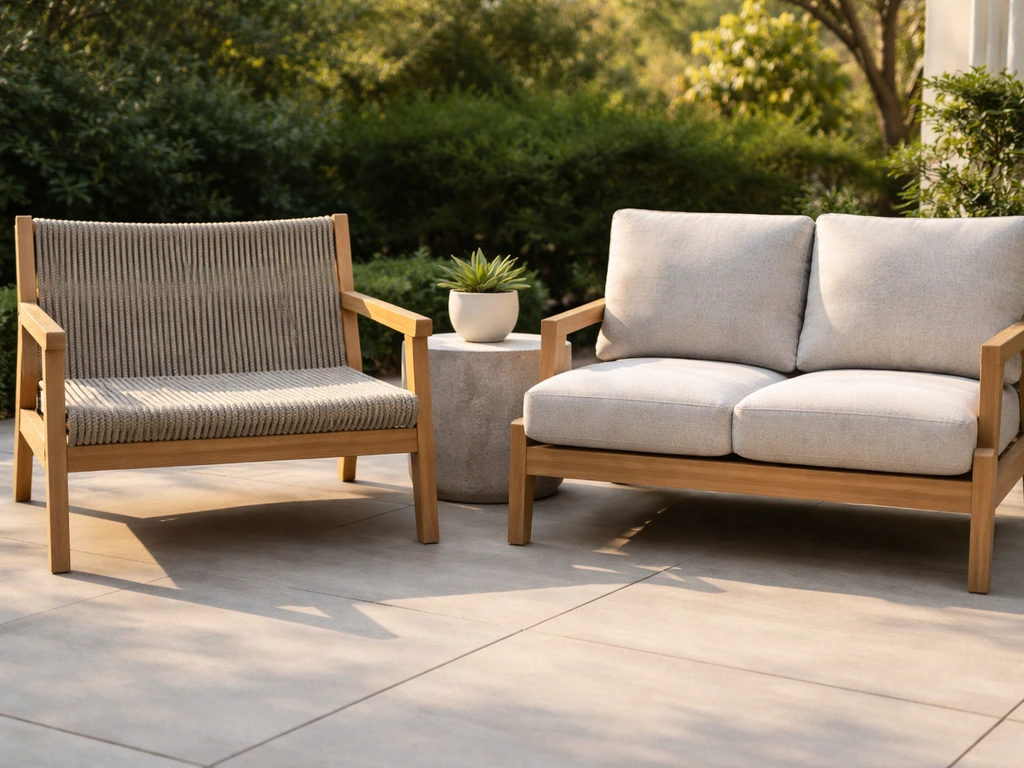
Sling vs Cushion Patio Furniture: Which Is Better?
Compare sling vs cushion patio furniture on comfort, durability, weather care, cost, and climate fit to choose confident
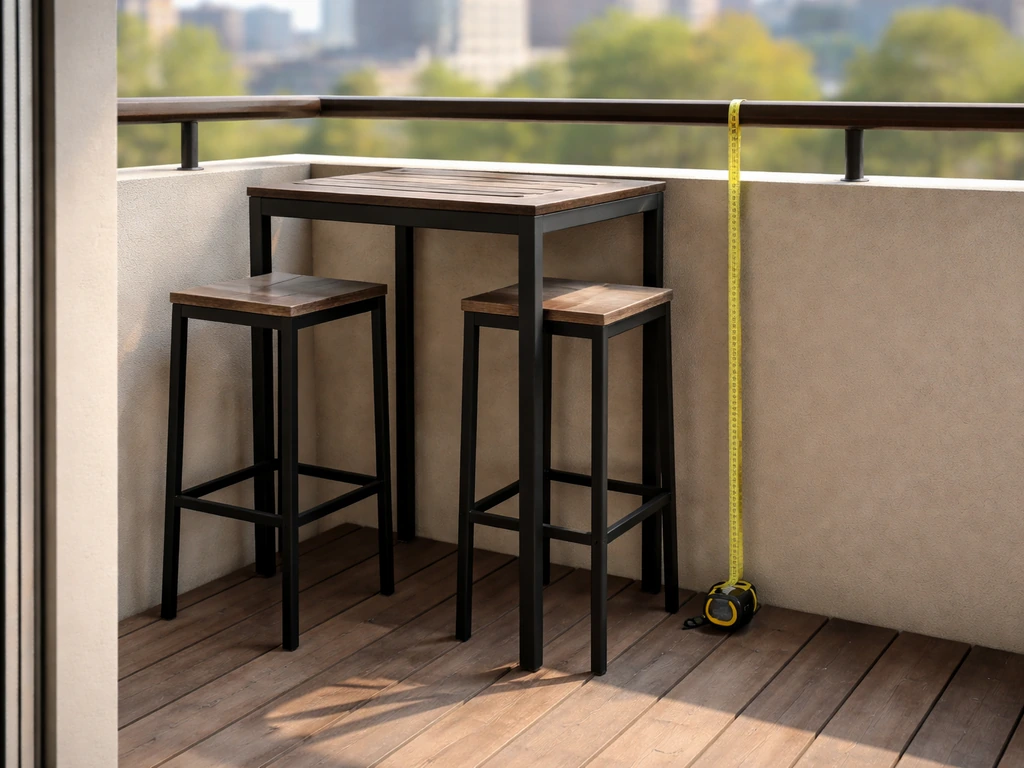
What Is Balcony Height Patio Furniture? Sizing Guide
Learn what balcony-height patio furniture means and measure for the right seat, table, and safety fit range.
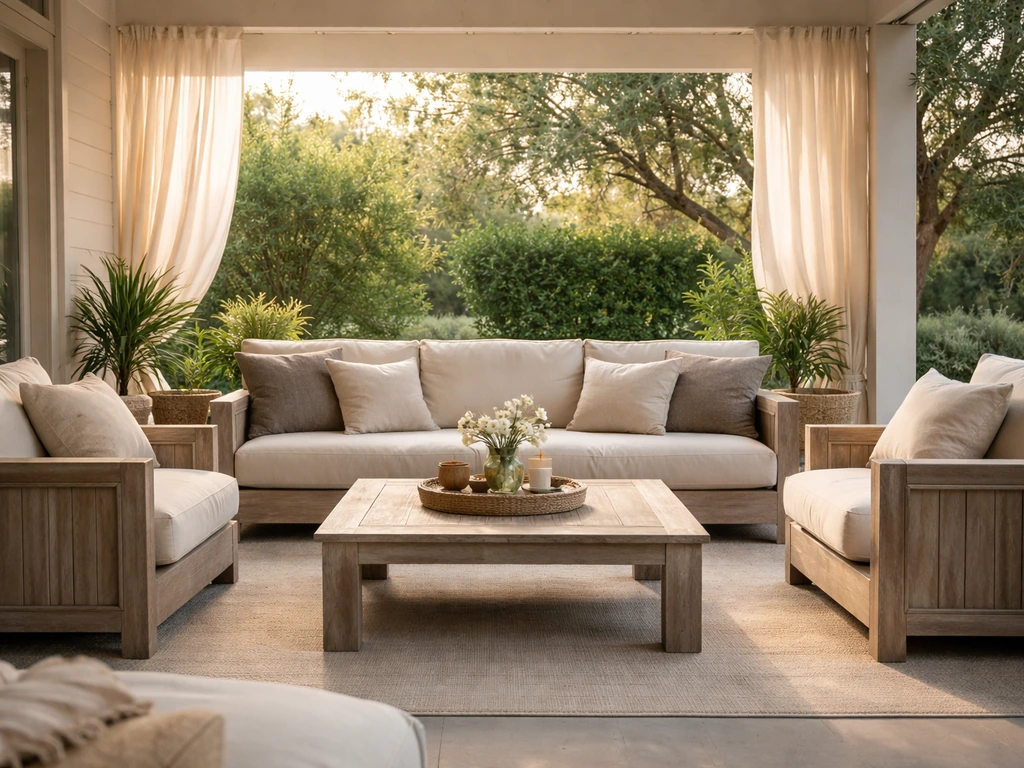
What Does Deep Seating Patio Furniture Mean? How to Spot It
Learn what deep seating patio furniture means, how to spot it in listings, and choose durable, comfy sets for outdoors.