
Patio chairs are made from five main materials: wood (teak, acacia, eucalyptus, cedar), aluminum, steel or wrought iron, synthetic wicker (resin woven over a metal frame), and composite/resin/HDPE plastic. Each one handles sun, rain, salt air, and freezing temperatures very differently, and the material determines how much work you'll do every season just to keep chairs looking decent. Here's what's actually inside each type and what that means for you.
What Are Patio Chairs Made Of? Materials and Care Guide

Theo Tierney
4 Jun 2026
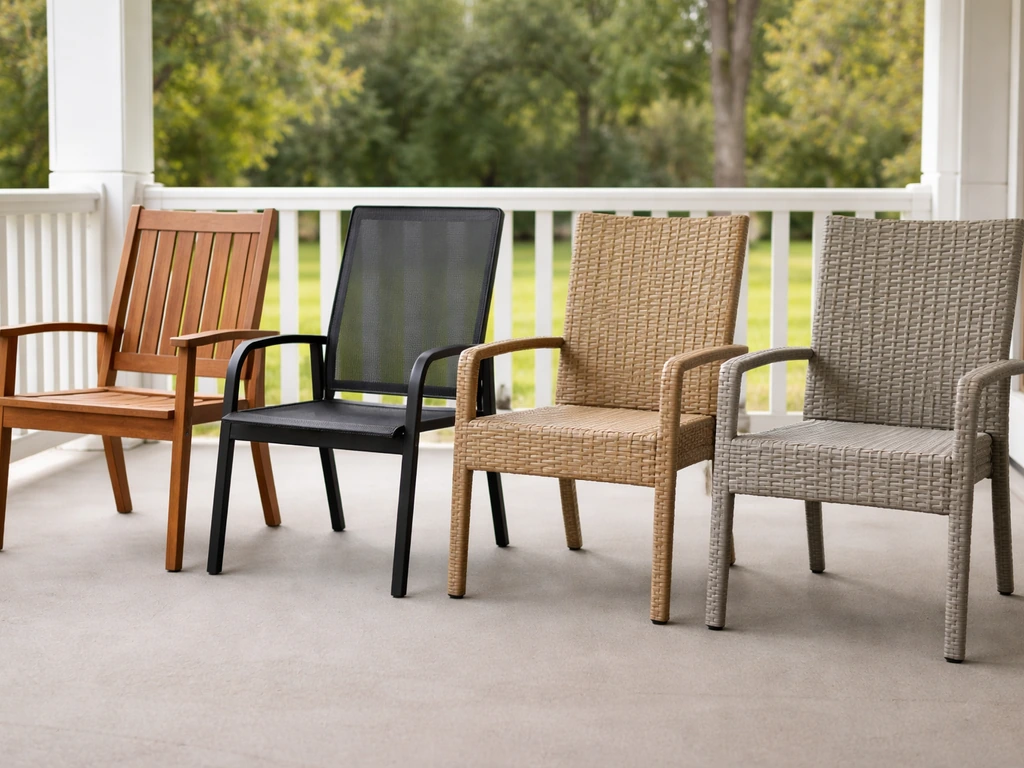
The main patio chair materials at a glance
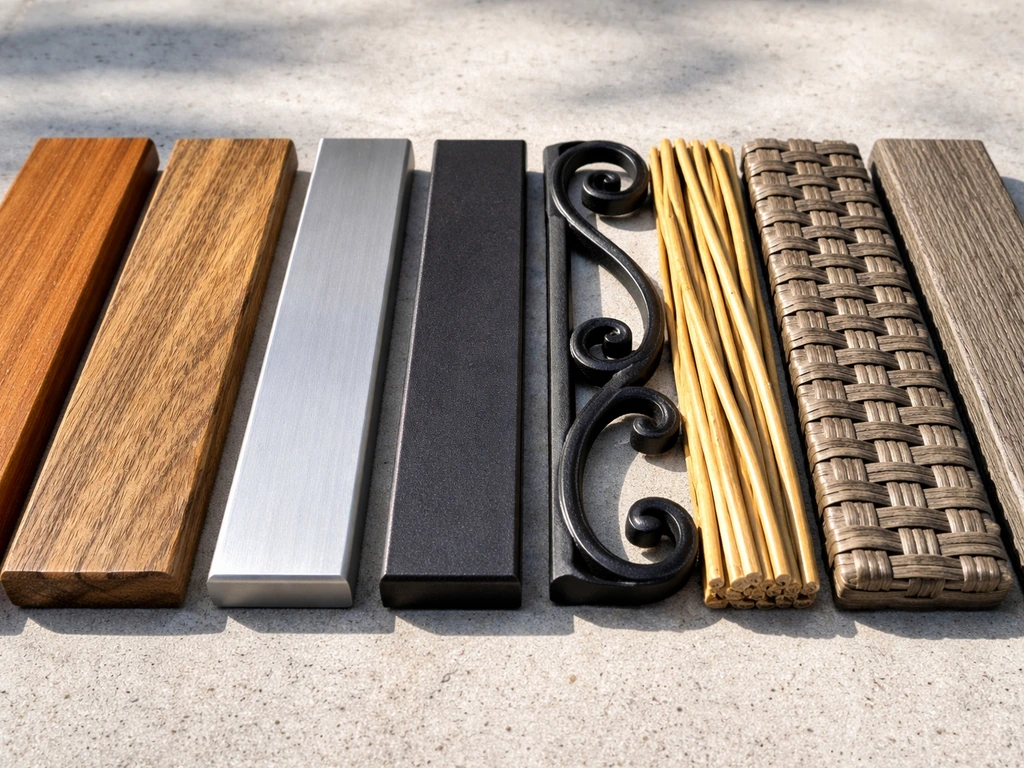
| Material | What it's made from | Best climate fit | Maintenance level |
|---|---|---|---|
| Teak wood | Dense tropical hardwood with natural oils | Coastal, humid, all climates | Low to moderate |
| Acacia/eucalyptus wood | Tropical hardwoods, often less dense than teak | Mild to moderate climates | Moderate |
| Cedar/pressure-treated | Softwoods; PT uses preservative chemicals | Dry to moderate; PT for wet climates | Moderate to high |
| Aluminum | Extruded or cast aluminum, usually powder coated | All climates; best for coastal/humid | Low |
| Steel / wrought iron | Carbon steel or cast iron, powder coated or galvanized | Dry, mild climates; avoid salt air | Moderate to high |
| Synthetic wicker | Resin strands woven over aluminum or steel frame | All climates; UV-rated versions preferred | Low |
| Natural wicker/rattan | Palm stem cores (rattan) or grass, willow, raffia | Indoor or covered outdoor only | High |
| HDPE/resin composite | High-density polyethylene, molded with UV stabilizers | All climates including snow/salt air | Very low |
Wood patio chairs: species matter more than the "wood" label
Not all wood patio chairs are created equal, and the species is the single biggest factor in how long one will last outside. Teak is the gold standard. Its natural oil content makes it dense, heavy, and highly resistant to rot, fungus, termites, and wood-boring insects. It can be left outside year-round in most climates and will weather to a silver-gray patina if you don't oil it. That gray color is harmless, just aesthetic. If you want to keep the original honey-brown tone, apply teak oil once or twice a year. Avoid sanding annually though, as over-sanding thins the wood and removes the very material you're trying to preserve.
Acacia and eucalyptus are popular because they're much cheaper than teak while still being tropical hardwoods with decent oil content. They'll perform well for a few years, but they're less dense and more prone to checking (surface cracking) over time if they dry out. Seal or oil them at least once a year. Cedar is a North American softwood that resists rot reasonably well through natural oils, but it's softer and will show dents and scratches more easily. Pressure-treated pine is the budget option, using chemical preservatives to resist rot, but it can warp and splinter in heat cycles and typically needs a deck stain or sealer annually to look decent.
Wood construction details to look for
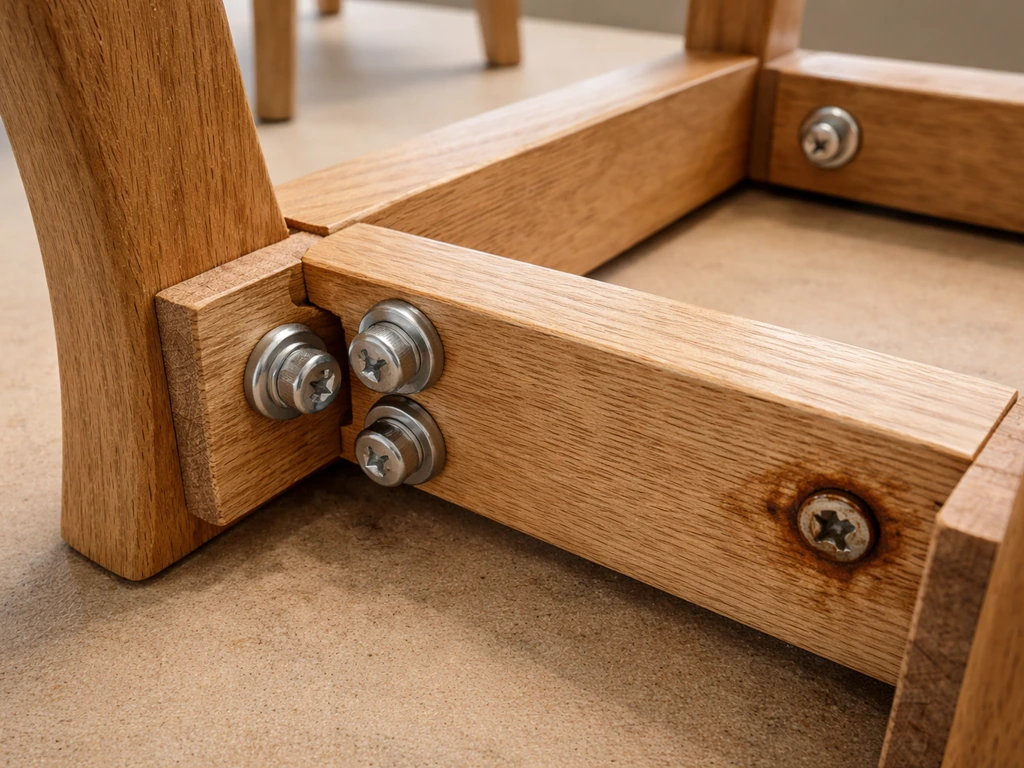
- Check that joinery uses stainless steel or marine-grade hardware, not zinc-plated screws that will rust and stain the wood
- Mortise-and-tenon joinery is stronger than simple dowel or screw construction at stress points like armrests
- Slats should be thick enough (at least 3/4 inch) and evenly spaced so water drains freely and doesn't pool
- Look for furniture-grade lumber (kiln-dried, smooth) rather than construction-grade, which has more knots and inconsistencies
Metal patio chairs: aluminum vs steel vs wrought iron
"Metal" patio chairs covers a lot of ground. Aluminum, steel, and wrought iron behave completely differently outdoors, and picking the wrong one for your climate is an expensive mistake.
Aluminum
Aluminum is my top pick for most climates, especially coastal and humid ones. It doesn't rust, it's lightweight (easy to move, rearrange, and store), and when it's powder coated it holds up extremely well to sun, rain, and salt air. Powder coating is a baked-on polymer finish that's much more durable than paint. When maintaining aluminum chairs, stick to mild soap and water, rinse with a garden hose, and towel-dry promptly rather than letting water sit in crevices. Avoid steel wool or abrasive scrubbers, which scratch the coating and open the surface to corrosion. Cast aluminum is thicker and heavier than tubular extruded aluminum, so it tends to feel more substantial and last longer.
Steel and wrought iron
Steel and wrought iron are heavy, sturdy, and look great, but they will rust if their protective coating gets compromised. Most outdoor steel chairs use a powder coat over bare steel or a galvanized (zinc-coated) steel underneath the powder coat. That galvanized plus powder coat combination, sometimes called a duplex coating system, is genuinely excellent for corrosion resistance. The zinc layer sacrificially protects the steel even if the surface gets scratched. But in saltwater coastal environments, even well-coated steel deteriorates faster than aluminum. Touch up any chips or scratches quickly with rust-inhibiting primer and matching paint before corrosion takes hold. For snowy climates, store steel chairs or cover them in winter, because road salt and snowmelt accelerate rust.
Metal chair comparison
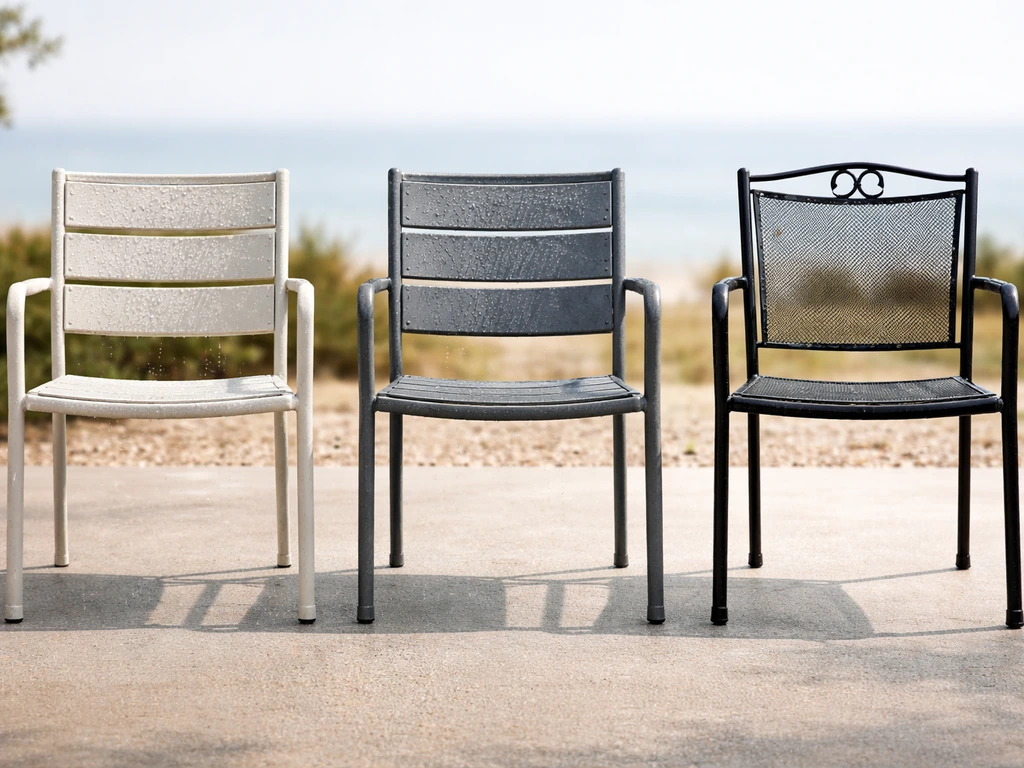
| Metal type | Rust risk | Weight | Coastal suitability | Maintenance |
|---|---|---|---|---|
| Aluminum (powder coated) | None | Light | Excellent | Low — rinse and dry |
| Galvanized + powder coated steel | Low if coating intact | Heavy | Moderate | Moderate — watch for chips |
| Bare or painted steel | High | Heavy | Poor | High — frequent touch-ups |
| Wrought iron | Moderate to high | Very heavy | Poor to moderate | Moderate to high — seal annually |
Wicker and rattan chairs: what "wicker" actually means
Here's a point of confusion worth clearing up: wicker is a weaving technique, not a material. You can weave rattan, willow, sea grass, raffia, or synthetic resin strands to create what people generically call "wicker" furniture. Rattan specifically is the stem core of a tropical palm (Calamus rotang), and it's what most natural wicker furniture is made from. The frame of a wicker chair is typically a stiffer structural material like wood or metal, with the woven material filling in the panels.
Natural wicker and rattan: beautiful, but keep it covered
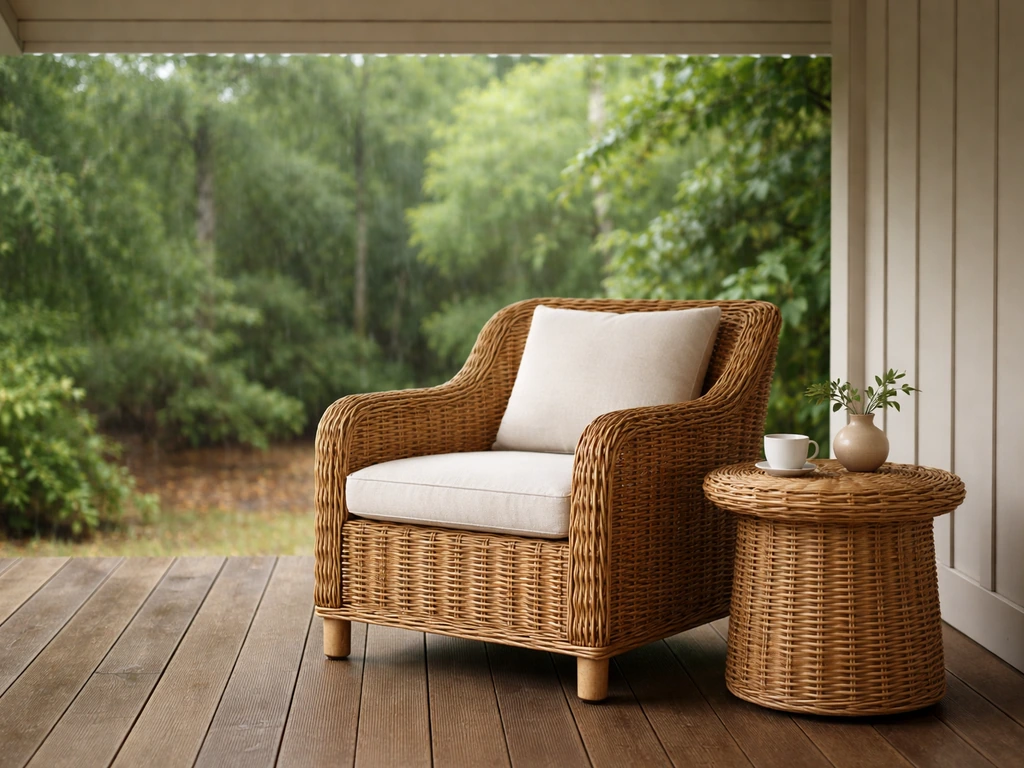
Natural wicker and rattan belong indoors or under a covered patio, full stop. They absorb moisture, and high humidity conditions invite mold and mildew. Prolonged sun exposure dries them out and causes cracking and brittleness. If you love the look and have a well-shaded, covered porch in a mild climate, natural rattan can work well, but you need to bring it in or cover it when rain is coming and monitor for mold in humid summers.
Synthetic wicker: the outdoor-ready version
What's sold as "outdoor wicker" today is almost always synthetic resin wicker, which is a completely different animal. These are engineered polymer strands (sometimes called poly-resin or all-weather wicker) woven over an aluminum or powder-coated steel frame. Quality synthetic wicker is genuinely weatherproof and can stay outside year-round in most climates, cushions excluded. When shopping, look for UV-resistance ratings. Some brands list specific figures like 2,000 UV-resistant light hours compared to an industry standard of 1,000. That kind of spec matters for preventing the strands from becoming brittle and cracking under sustained sun exposure. No sanding, staining, or refinishing is required. Rinse it off, let it dry, and consider a UV-protective spray for outdoor plastics to extend the color life. Store or cover the cushions when not in use.
Composite, resin, and HDPE plastic chairs
The technical name for most high-quality outdoor resin furniture is HDPE, or high-density polyethylene. Brands like POLYWOOD have made this material well-known by calling it "all-weather lumber," but the base material is the same: recycled or virgin HDPE shaped into boards or structural profiles. The critical thing to understand about HDPE is that the raw plastic itself has poor UV resistance. Manufacturers counter this by mixing in UV inhibitors, light-stable pigments, and stabilizers during production, before the material is shaped. Done correctly, this gives the furniture solid colorfastness and prevents the brittleness and cracking that kills cheaper plastic chairs within two or three seasons.
HDPE that's properly UV-stabilized can realistically last 5 to 10 years or more in full sun exposure. Non-stabilized or cheaply made resin chairs may fail visibly in two to three years through fading, surface crazing, and cracking. The recycling story is also worth noting: HDPE is infinitely recyclable in theory, and production scrap is reground and remolded. However, municipal recycling pickup for large furniture items is rarely available, so end-of-life recycling usually requires manufacturer take-back programs or specialized facilities.
What to look for on the label
- Look for "UV-stabilized" or "UV-inhibited" in the product description, not just "UV-resistant"
- HDPE (high-density polyethylene) is the better grade; polypropylene (PP) is lower cost and less durable
- Check that hardware is stainless steel or marine-grade, not zinc-plated, which corrodes
- Avoid hollow-walled cheap resin chairs that flex noticeably when you press the seat, as they'll crack sooner
- Heavier chairs of the same size usually indicate thicker walls and longer lifespan
Choosing by climate: the real deciding factor
Your climate should drive your material choice more than aesthetics. Here's how to think about it by condition.
Coastal and salt air
Salt air is the most aggressive outdoor environment for patio furniture. It corrodes steel quickly, degrades cheaper coatings, and attacks hardware. Your best bets are aluminum (powder coated), teak, HDPE/poly furniture, or high-quality synthetic wicker with an aluminum frame. If you're within a mile or so of the ocean, skip steel and wrought iron entirely unless you're committed to frequent inspections and touch-up painting.
Hot, sunny climates (Arizona, Nevada, Southern California)
Intense UV is the main threat here. Natural wicker dries and cracks fast. Cheaper resin fades within a season. Look for UV-stabilized HDPE, high-quality powder-coated aluminum, or teak treated with a UV-blocking oil finish. Light-colored furniture also absorbs less heat, which matters for comfort if you're sitting on metal or resin chairs in 100-degree weather.
Humid climates (Florida, Gulf Coast, Pacific Northwest)
Moisture and mold are the enemies. Natural wood needs more frequent sealing. Natural wicker should stay covered or indoors. Steel rusts faster. Aluminum, quality synthetic wicker, and HDPE hold up best. Teak with its natural oils is excellent here, weathering the humidity without rotting. For any material, make sure chairs have drainage so water doesn't pool in crevices or seat slats.
Cold and snowy climates (Midwest, Northeast)
Freeze-thaw cycles crack any material that absorbs water. HDPE/poly is genuinely frost-resistant, making it one of the best choices here. Aluminum doesn't rust in snowmelt but should be covered or stored to avoid scratching from snow removal. Teak handles freezing well if it's sealed going into winter. Steel and wrought iron need to come inside or be covered with waterproof covers to prevent road salt and snowmelt from starting corrosion. Natural wicker and cheap resin should be stored indoors over winter.
How to identify your chair's material at home
If you already own chairs and aren't sure what they're made of, here are quick ways to tell. Tap the frame: a hollow, slightly tinny sound usually means aluminum or thin steel; a dull thud suggests cast aluminum or iron. Use a magnet: aluminum and HDPE won't attract it, but steel and iron will. For wood, look at the grain and feel the weight. Teak is very heavy, dense, and has a smooth, slightly oily feel even when dry. Cedar is lighter and has a distinct aromatic smell. For wicker, look closely at the strands: natural rattan has slight irregularities and a matte, organic surface, while synthetic resin wicker looks more uniform, slightly shiny, and perfectly consistent.
Maintenance reality check: what each material actually needs
Maintenance is where a lot of buyers get surprised. The material choice determines how much seasonal work you're signing up for. Here's the honest breakdown.
Wood chairs
Teak is low-maintenance compared to other woods, but not zero maintenance if you want to preserve its color. Clean with mild soap and water, let it dry thoroughly, and apply teak oil once or twice a year if you want to maintain the golden-brown tone. Don't oil it if it's still damp, as trapped moisture causes mold. Acacia and eucalyptus need sealing or oiling annually. Cedar and pressure-treated wood need a penetrating deck oil or stain each year to keep from looking weathered and to control cracking.
Metal chairs
Powder-coated aluminum needs the least work of all the metals. If you want a wider patio furniture material comparison across wood, metal, wicker, and plastic, use the climate-based section to match your surroundings to the right option powder-coated aluminum needs the least work of all the metals. Rinse with a hose, wash with mild soap and water, and towel-dry to prevent mineral deposits and water spotting. Inspect annually for chips in the powder coat. For steel or wrought iron, inspect every season for rust spots, especially at joints and hardware. Spot-treat any bare metal with rust-inhibiting primer before it spreads. Both aluminum and steel benefit from a car-paste wax applied to the powder coat annually to extend the finish life.
Synthetic wicker chairs
Rinse with a garden hose to clear debris from the weave, scrub gently with mild soap and a soft brush, and let it air dry completely. Apply a UV-protective spray for outdoor plastics once or twice a season to slow color fade and keep the strands from becoming brittle. Use a breathable furniture cover when chairs won't be used for extended periods, especially in humid climates where trapped moisture between cover and furniture can cause issues. Always store or bring cushions indoors when not in use.
HDPE and resin chairs
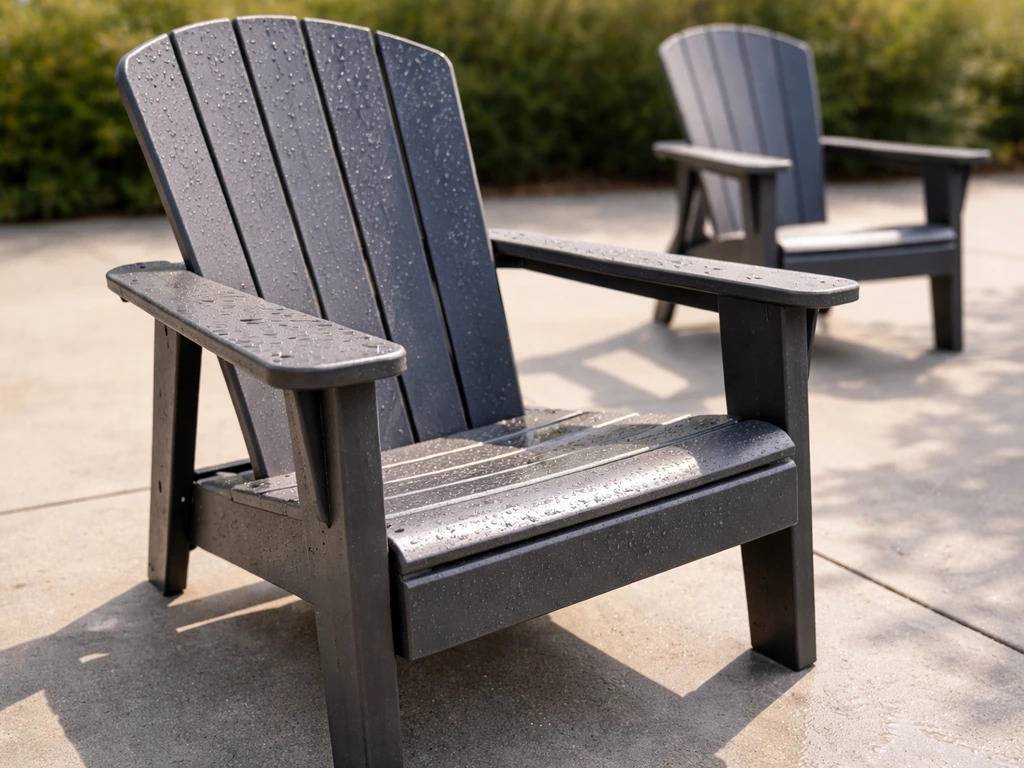
HDPE is genuinely low maintenance. Wash with mild soap and water, rinse off, done. It won't rot, splinter, or rust. If the color fades over many years on budget resin, there's not much you can do. On quality UV-stabilized HDPE, the color is built into the material rather than sitting on the surface, so it holds much longer. A UV-protective spray can still extend the life of the surface appearance. In snowy climates, HDPE can stay outside, but a cover reduces the scrubbing you'll need to do in spring.
A note on cushions and fabric
The chair frame material is only part of the comfort story. The cushion fill and cover fabric matter a lot for how the chair feels and how long it holds up. Outdoor cushion performance is its own topic, but the short version is this: look for solution-dyed acrylic or polyester fabrics with UV and moisture resistance ratings, quick-dry foam cores, and removable covers you can actually wash. Outdoor cushion fabric is what you touch every day, so choosing solution-dyed acrylic or polyester with UV and moisture resistance matters as much as the chair frame material solution-dyed acrylic or polyester fabrics. Look for solution-dyed acrylic or polyester fabrics designed for outdoor use, since they handle UV exposure and moisture better. Patio cushions are often made with solution-dyed acrylic or polyester fabrics, UV- and moisture-resistant covers, and quick-dry foam cores Outdoor cushion performance. Whatever frame material you choose, bring cushions in when rain is coming or invest in a proper outdoor storage solution. Even weatherproof synthetic wicker brands specifically exclude cushions from their year-round outdoor claims.
Quick selection guide by priority
| Your priority | Best material choice | Runner-up |
|---|---|---|
| Zero maintenance | HDPE/poly lumber | Powder-coated aluminum |
| Coastal salt air | Powder-coated aluminum or teak | UV-stabilized HDPE |
| Hot sun / UV exposure | UV-stabilized HDPE or aluminum | Teak with UV oil |
| Cold winters / freeze-thaw | HDPE/poly lumber | Powder-coated aluminum |
| Classic wood look | Teak | Acacia (with regular sealing) |
| Woven texture aesthetic | Synthetic resin wicker (aluminum frame) | Not natural wicker for outdoor |
| Budget-conscious | Powder-coated aluminum | UV-stabilized polypropylene resin |
| Maximum durability investment | Teak or cast aluminum | HDPE/poly lumber |
FAQ
If patio chairs are “wood,” does that always mean they use teak or another tropical hardwood?
No. Many brands market “wood” while using cheaper softwoods like pine or engineered lumber. Check whether the chair is solid wood or plywood, whether it is pressure-treated, and what finish is applied (oil vs. stain vs. paint). If it is pressure-treated pine, expect more frequent staining and a higher risk of warping in hot summers.
What’s the difference between powder-coated aluminum and just painted aluminum?
Powder coating is a baked-on coating that bonds as a thicker, more durable polymer layer, it resists chips and corrosion far better than typical paint. If the listing only says “painted” or “finished,” treat it as higher maintenance, especially near coastal air or places where water collects on joints.
Can I leave steel patio chairs outside year-round if I live inland?
Often, yes, but rust risk is still tied to coatings and upkeep. If you live inland but have hard water, heavy humidity, or frequent rain, inspect joints, armatures, and hardware every season and touch up scratches quickly with rust-inhibiting primer and matching topcoat.
Is synthetic resin wicker truly weatherproof, or does it need protection?
The woven resin strands can be left outside, but quality varies. Even with UV-resistant synthetic wicker, cushions are commonly the weak point, and most manufacturers exclude cushions from year-round claims. For best results, cover or store cushions when not in use, and use a breathable cover to reduce trapped moisture.
Is HDPE the same as “plastic patio furniture,” and will it always be UV-resistant?
Not necessarily. HDPE is the material, but UV resistance depends on how the plastic is stabilized and colored during manufacturing. Some budget resin looks similar but can fade and crack quickly. If you want longevity in full sun, look for UV-stabilized HDPE and any stated UV test info.
How can I tell natural wicker from synthetic resin wicker without reading the label?
Look for uniformity. Natural rattan strands tend to look slightly irregular with a more matte organic surface, while synthetic resin wicker often looks consistent in thickness and texture and can appear faintly shiny. Also check the frame, natural wicker commonly uses a wood frame, while synthetic wicker is usually woven over aluminum or powder-coated steel.
Do I need to oil teak, or can I skip it?
You can skip oiling if you do not mind the silver-gray weathered look. Oiling is mainly for preserving the original honey-brown tone. If you oil, apply to fully dry wood and avoid over-oiling, trapped moisture under oil can lead to discoloration and mildew.
What’s the most common mistake with patio chair maintenance?
Letting water sit in crevices or between chair parts. For example, do not leave wet aluminum or synthetic wicker to air-dry in place after washing, towel-dry prompty and ensure slats or joints can drain. For covers, choose breathable options so trapped condensation does not encourage mold.
If my chair is already outdoors and I’m unsure what material it is, what’s the quickest test?
Use two fast checks together: a magnet and a tap test. Steel and wrought iron attract magnets, aluminum and HDPE do not. For feel and sound, aluminum often gives a lighter, slightly higher-pitched tap, while cast aluminum and iron tend to sound more dull and heavier.
Which materials handle freezing temperatures best?
HDPE and properly UV-stabilized resin-poly blends generally handle freeze-thaw cycles well because they absorb less water and resist cracking. Teak can tolerate freezes, but only if it is dry when winter hits. Steel and wrought iron need protection from road salt and snowmelt, ideally stored or covered to prevent corrosion from starting in joints.
Next Articles
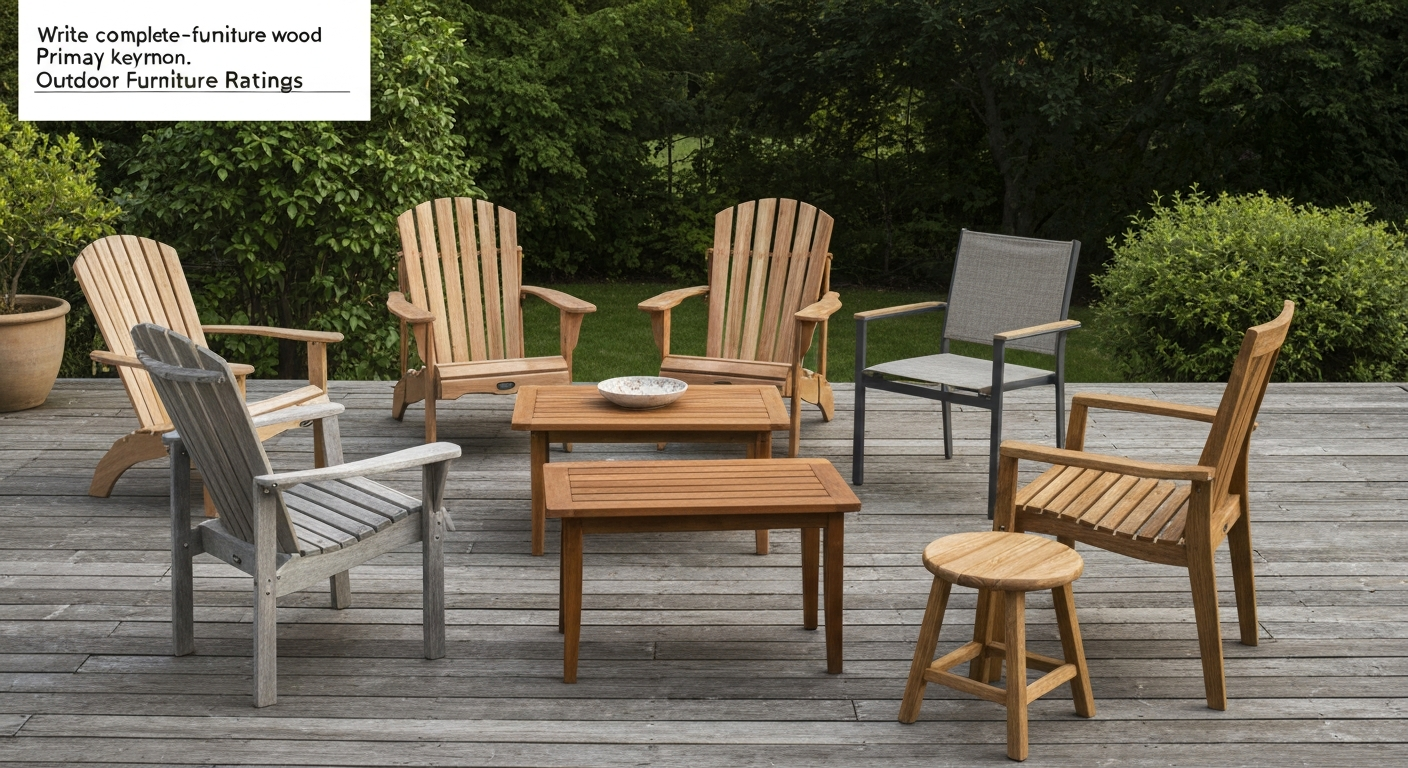
Common Patio Furniture Wood: Best Choices, Care & Tips
Compare common patio furniture wood types, teak, cedar, redwood, oak, with durability, finishes, and care tips.
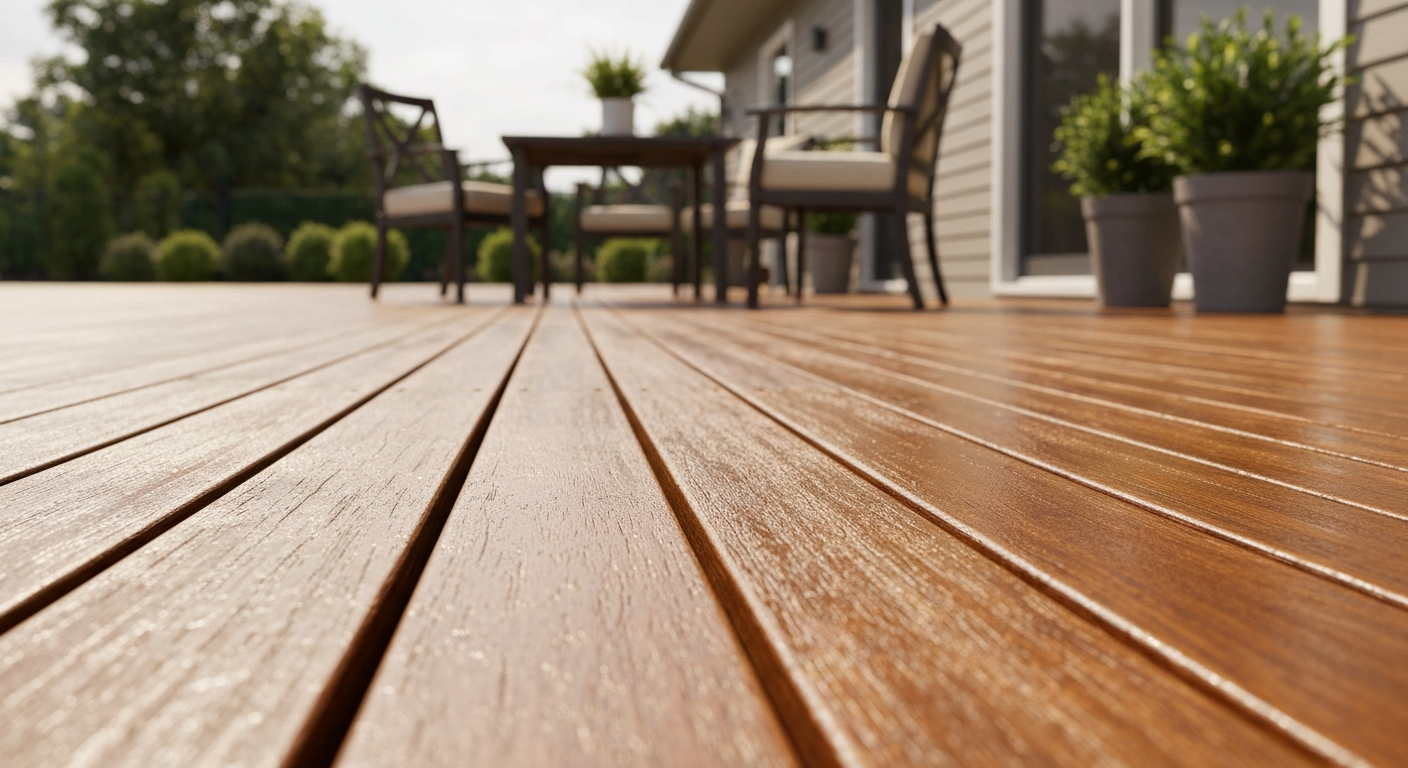
Best Wood Patio Stain: Choosing Durable, Low-VOC Finishes
Compare and choose the best wood patio stain: durability, finish, climate tips, prep, and top product picks.
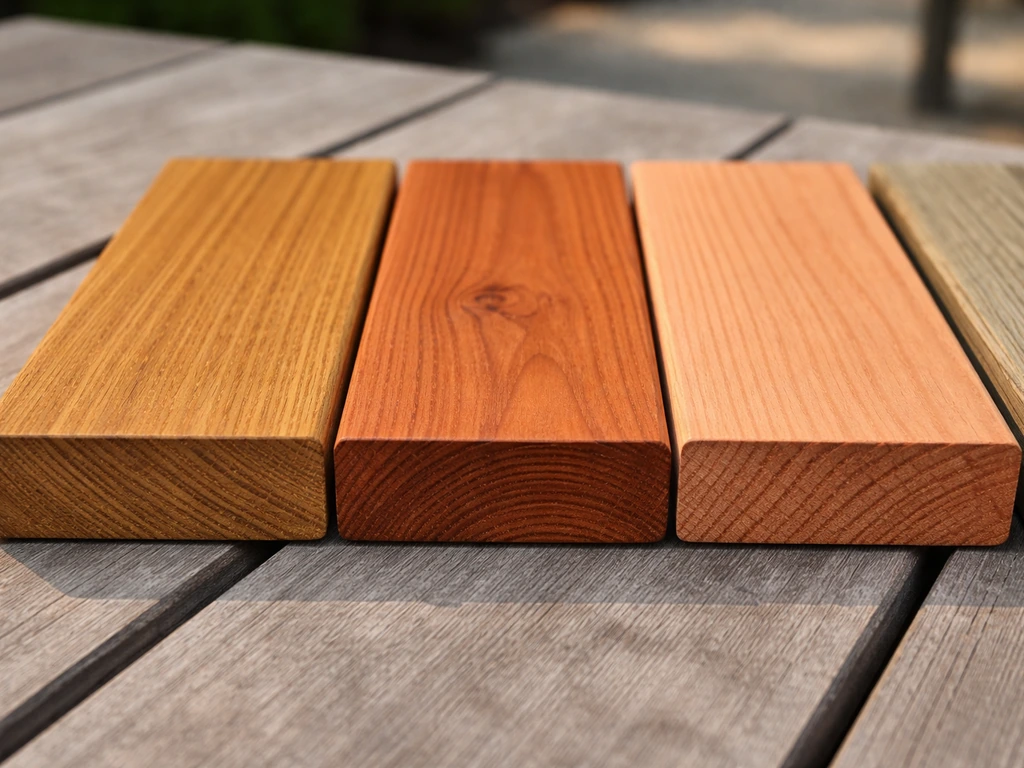
Common Patio Furniture Wood: Teak, Cedar, Redwood and More
Compare common patio woods like teak cedar redwood and pressure-treated: durability, quality checks, and care for long l