
Solution-dyed acrylic is the best all-around fabric for patio chairs. It resists UV fading, mold, mildew, and water better than any other mainstream outdoor upholstery option, and it holds up across climates from humid Florida to dry Arizona. That said, it is not the only right answer. Mesh and sling fabrics beat acrylic on breathability and quick-drying. Budget polyester blends work fine in shaded or mild climates. Canvas-style fabrics hold up well in dry areas but struggle with long-term mildew in wet zones. Your climate, sun exposure, and how much you actually want to maintain your chairs will determine which fabric is genuinely the best choice for you.
Best Fabric for Patio Chairs: UV, Mold, and Cleaning Guide

Theo Tierney
11 Jul 2026
How your climate changes everything
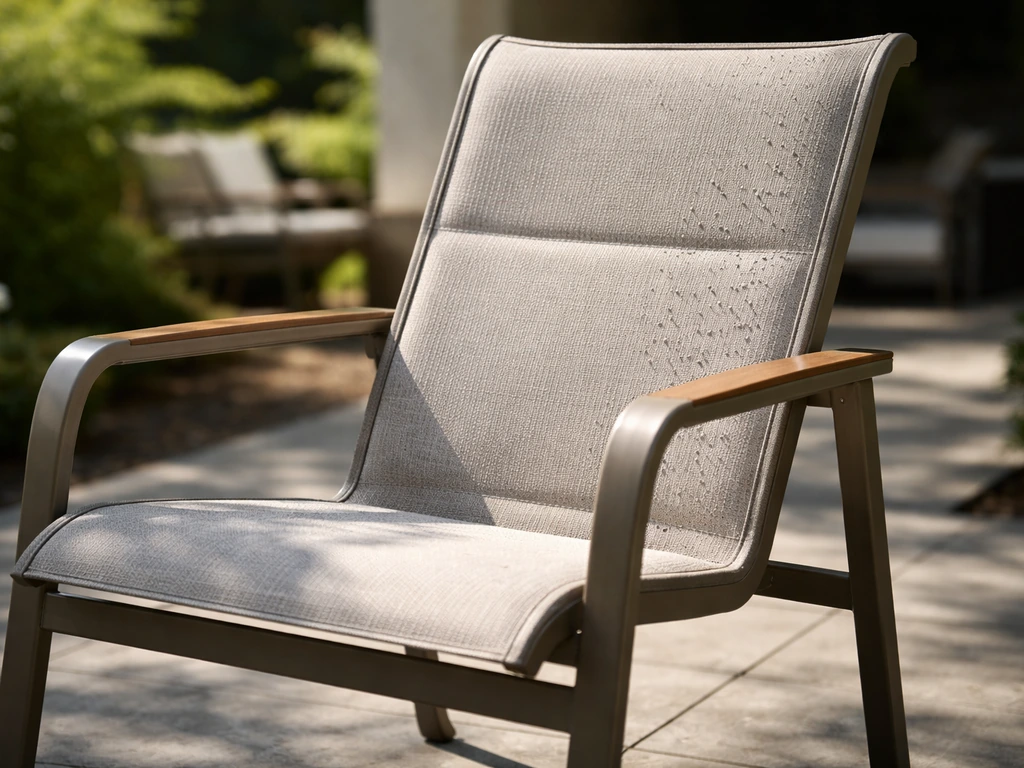
There is no single best outdoor fabric independent of where you live. A fabric that performs beautifully on a shaded Pacific Northwest porch will fail fast on a Florida pool deck in full sun. Before picking anything, honestly assess two things: how much direct sun your chairs get and how wet they get on a regular basis.
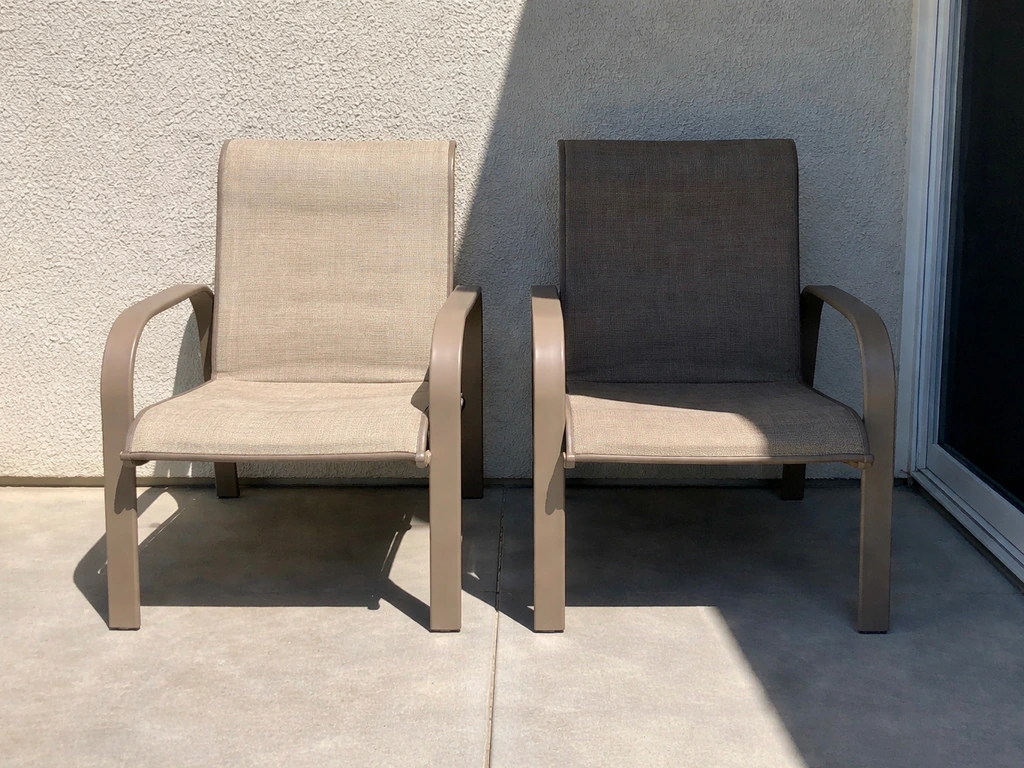
Full sun exposure is the most punishing condition for any fabric. UV radiation breaks down dye molecules and fiber structure over time. Standard pigment-dyed fabrics, even ones marketed as outdoor-rated, can fade visibly within a single season in direct sun. If your chairs sit in full sun for most of the day in a hot climate, UV resistance is your top priority and solution-dyed acrylic is the clear winner.
Moisture exposure drives mold and mildew problems. Humid climates like the Gulf Coast, Florida, or the Pacific Northwest, combined with cushions that stay damp, create ideal conditions for mildew growth. This is where fabrics that dry quickly and resist mold at the fiber level matter most. Sling and mesh fabrics drain and dry fastest. Solution-dyed acrylic resists mold well because the fiber itself is not a food source for mildew spores. Heavy cotton canvas is the worst performer here: it holds moisture and mildew can root into the fibers.
In dry, hot, low-humidity climates like Arizona or Southern California, UV fading and heat tolerance matter more than mildew resistance. Salt air environments like coastal areas add another layer of corrosion and degradation risk, and solution-dyed fabrics with tight weaves hold up better against salt particle abrasion. In cold climates with hard winters, the freeze-thaw cycle is less about the fabric itself and more about whether you store cushions properly, which we cover later.
The main fabric types compared
Here is a direct breakdown of the most common patio chair fabrics and where each one earns its place. Most patio chairs are made from a mix of frame materials and outdoor upholstery fabrics, and the exact material choice affects comfort, durability, and maintenance patio chairs are made of.
Solution-dyed acrylic
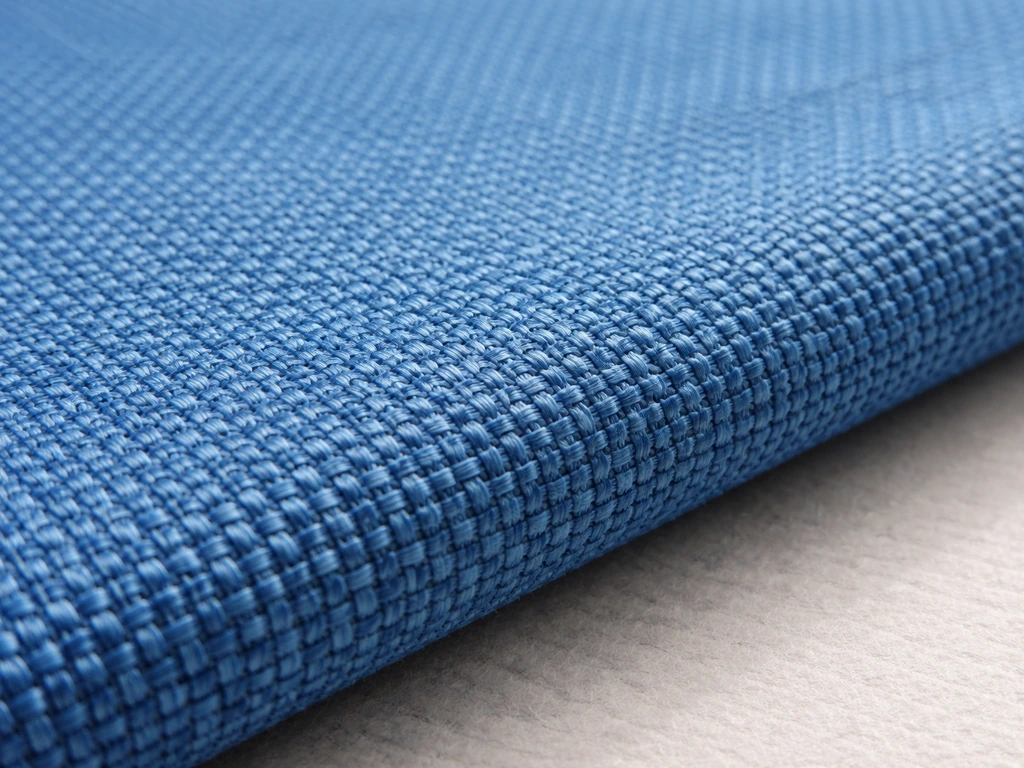
This is the gold standard for cushioned outdoor upholstery. Brands like Sunbrella use 100% solution-dyed acrylic, meaning the color pigment is locked into the fiber during manufacturing before the thread is even spun. The dye is not applied to the surface of a finished fabric, it is part of the fiber itself. This is why solution-dyed acrylic resists fading so effectively: there is no surface dye layer to bleach out. It also cleans up well because soil and stains sit on the fiber rather than bonding to it. The downside is cost. Genuine solution-dyed acrylic upholstery fabric runs significantly more than polyester alternatives. For chairs that live outside year-round in full sun, that cost premium is absolutely worth it.
Solution-dyed polyester
Solution-dyed polyester is the smart mid-range option. It uses the same dye-in-the-fiber process as acrylic, so it has meaningfully better fade resistance than standard pigment-dyed polyester. Polyester is less UV-stable than acrylic at the fiber level, so even solution-dyed versions will fade faster than solution-dyed acrylic over multiple seasons in harsh sun. But in partial shade or milder climates, solution-dyed polyester gives you a lot of performance at a noticeably lower price. If someone tells you a fabric is just outdoor polyester without specifying solution-dyed, be skeptical. Standard pigment-dyed polyester can look faded and tired within one or two seasons of real sun exposure.
Mesh and sling fabrics
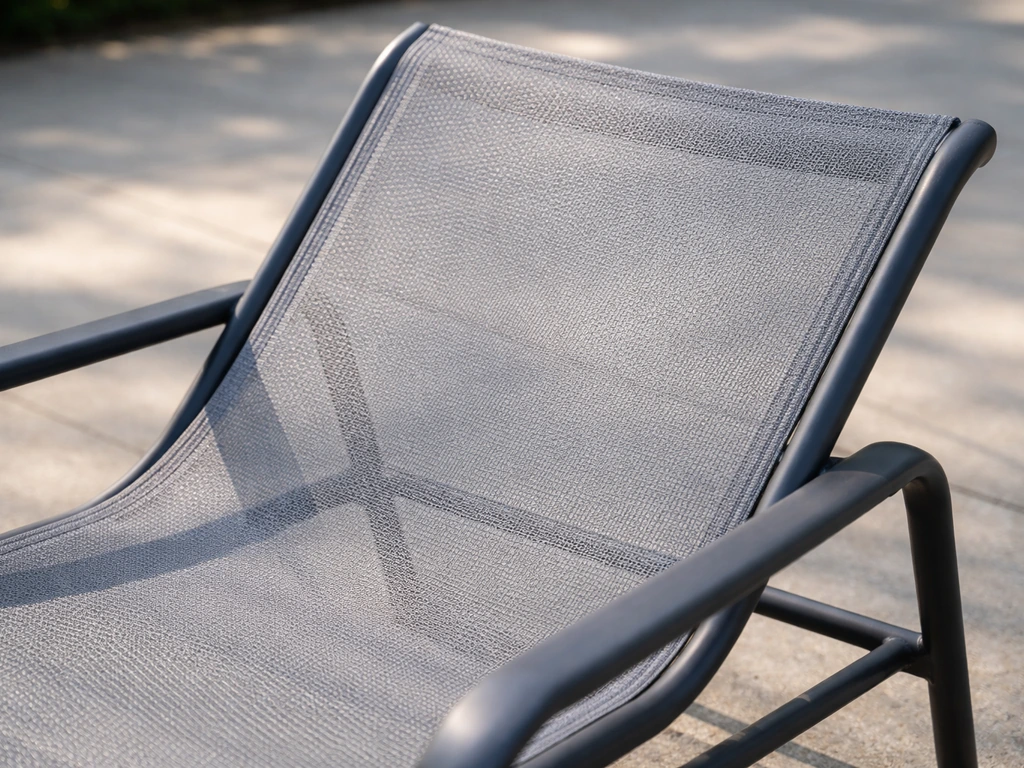
Mesh and sling fabrics are woven or knitted synthetic materials (usually PVC-coated polyester or vinyl-coated yarns) stretched directly across a chair frame with no cushion needed. They are the best choice if comfort in hot weather is the priority. The open weave lets air circulate, prevents heat buildup, and water drains and dries almost instantly. For pool decks, humid climates, and anyone who hates dealing with cushion maintenance, sling chairs are genuinely practical. The tradeoff is that slings eventually sag and stretch over years of use and require replacement rather than cleaning. They also offer less padding comfort for extended sitting.
Canvas-style outdoor fabrics
Outdoor canvas is a heavier woven fabric, typically a cotton-polyester blend treated with a water-resistant coating. It has a classic, substantial look and feels more like indoor upholstery. In dry climates with good sun protection, treated canvas holds up reasonably well. The problem is that the water-resistant treatment degrades over time and needs to be reapplied, and cotton-content canvas is vulnerable to mildew in wet or humid environments. I would not put canvas cushions on chairs that sit in full outdoor exposure in a humid climate. In a covered patio in a dry area, it can work fine and costs less than premium acrylics.
How these fabrics actually perform outdoors
| Fabric Type | UV/Fade Resistance | Mold/Mildew Resistance | Water Resistance | Drying Speed |
|---|---|---|---|---|
| Solution-dyed acrylic | Excellent | Excellent | Good (with treatment) | Moderate |
| Solution-dyed polyester | Good | Good | Good | Moderate |
| Pigment-dyed polyester | Fair | Fair | Fair | Moderate |
| Mesh/Sling (PVC-coated) | Good | Excellent | Excellent (drains freely) | Very fast |
| Treated outdoor canvas | Fair to Good | Fair (degrades over time) | Fair (treatment wears) | Slow |
UV resistance is where solution-dyed acrylic separates itself most clearly. Because the pigment is part of the fiber structure rather than applied to the surface, UV radiation has far less effect on perceived color over time. Standards like ASTM G155 and ISO 105-B02 are used in lab testing to simulate years of sun exposure in a controlled environment, and solution-dyed acrylics consistently outperform surface-dyed alternatives in those tests. ASTM G154 also provides a fluorescent UV exposure practice with defined conditions used to evaluate material property changes under controlled UV laboratory settings blank" rel="noopener noreferrer">ASTM G155. blank" rel="noopener noreferrer">ISO 105-B02:2014 specifies the xenon-arc lamp test method used to evaluate color fastness to artificial light representative of natural daylight such as D65. If you see a fabric claiming outdoor UV resistance, ask whether it is solution-dyed or pigment-dyed. The difference in real-world performance is substantial.
Mold and mildew resistance depends on both the fiber type and how quickly the fabric dries. Synthetic fibers like acrylic, polyester, and PVC-coated mesh do not feed mold the way natural fibers do. Mildew can still grow on surface dirt and organic debris even on synthetic fabrics, but it does not root into the fibers and is easier to clean off. Acrylic and mesh fabrics with tighter weaves that are cleaned regularly will resist mildew well. Canvas with any cotton content is the most vulnerable.
Comfort and everyday practicality
Breathability matters a lot if you live somewhere hot and humid and the chairs get afternoon sun. Solid cushion fabric in direct sun can feel like sitting on a hot pad. Mesh and sling chairs win here by a large margin because air moves through the seat. Solution-dyed acrylic cushions trap more heat but are more comfortable for longer sitting and cushioned support. If you run a ceiling fan above a covered patio or the chairs are in partial shade, the breathability gap narrows significantly.
Stain resistance is genuinely good with solution-dyed acrylic and polyester because the fiber surface does not readily absorb liquids. Sunscreen, wine, food, and chlorinated water wipe off far more easily than from natural fabrics. Most stains can be handled with mild soap and water before they set. The key is to clean promptly rather than letting stains dry and bond to surface dirt.
Stretch matters for sling chairs. Quality sling materials use tight vinyl-coated polyester yarns that maintain tension over time. Cheaper sling fabrics made with lower-grade materials will sag noticeably within a couple of seasons, especially with regular heavy use. For cushion fabrics, stretch is less of a concern, though a well-fitted removable cover requires fabric with enough give to install and remove cleanly without distorting.
Frame compatibility: sling chairs vs cushioned chairs
The type of fabric you need depends heavily on whether your chair is a sling design or a cushioned frame. These are two completely different applications, and mixing them up is a common mistake.
Sling chairs use fabric stretched across a rigid frame, typically aluminum, with the fabric doing the structural work of supporting the sitter. Replacement sling fabric needs to be rated for that tensile load, which is why you should not substitute a random outdoor fabric. Purpose-made sling replacement fabrics are vinyl-coated or PVC-coated polyester mesh designed to handle stretching and sustained weight. Many manufacturers sell replacement sling kits for their chair models, and matching the original weave and tension rating is important.
Cushioned chairs use fabric as upholstery over foam or fiber fill. Here, solution-dyed acrylic or polyester is the right call. The key practical decision is whether to use cushions with removable covers or fixed covers. Removable covers are far easier to clean and replace, and they extend the life of the cushion significantly because the foam and fill stay clean. Fixed covers save a little on initial cost but create a real problem when the fabric ages or stains set in. For any cushion that lives outside, removable zippered covers are worth the extra investment. You can machine-wash many solution-dyed acrylic covers on a gentle cycle, which dramatically reduces maintenance effort.
If you are considering new cushion sets, it is worth understanding not just the upholstery fabric but what the fill material is made from, since the fill affects both comfort and how well the cushion handles moisture from the inside. If you are also wondering what patio cushion covers are made from, start by looking at the upholstery fabric and the fiber structure behind it materials used for patio cushions more broadly. That topic connects closely to the materials used for patio cushions more broadly.
Cleaning, maintenance, and storage
Regular cleaning
The single most effective thing you can do to extend fabric life is rinse cushions and sling chairs with clean water after heavy use or rain. This removes chlorine, sunscreen residue, pollen, and surface dirt before they become embedded problems. For a deeper clean, mild soap and water with a soft brush handles most grime on both acrylic and polyester fabrics. Avoid bleach on colored fabrics unless the manufacturer explicitly permits it. Solution-dyed acrylic handles diluted bleach better than most other outdoor fabrics because the color is inside the fiber, but always test a hidden area first and rinse thoroughly afterward.
Mildew treatment
If you see mildew spots (usually dark gray or black dots), address them immediately before they spread. A mixture of one cup of bleach and one cup of mild soap per gallon of water applied with a brush and left for 15 minutes, then rinsed completely, is the standard approach for solution-dyed acrylic. For polyester or canvas, use milder solutions and check manufacturer guidance because some finishes are bleach-sensitive. After mildew treatment, let the fabric dry completely in open air before folding or storing.
Off-season storage
The most common mistake is storing cushions while they are even slightly damp. Moisture trapped in storage encourages mildew and can permanently stain fabrics. Before storing, clean the cushions thoroughly, let them dry for at least 48 hours in open air (not direct harsh sun if you can avoid it), and then store in breathable bags or a dry storage chest. Airtight plastic bags trap residual moisture and create exactly the warm, dark, damp environment mildew loves. In climates with harsh winters, bringing cushions fully indoors or into a dry garage extends their useful life by years.
UV protective sprays and fabric treatments
Solution-dyed acrylic does not need a UV protectant spray because the UV resistance is built into the fiber. Polyester fabrics, especially budget grades, can benefit from a fabric UV protectant spray reapplied each season. Canvas fabrics should have their DWR (durable water repellent) treatment reapplied annually using a spray-on product designed for outdoor fabrics. Apply after cleaning when the fabric is dry, and cure it according to product instructions.
Matching fabric to your budget and what you are actually trading away
Here is the honest picture on budget versus performance for outdoor chair fabrics.
Premium solution-dyed acrylic costs significantly more upfront, sometimes two to three times the price of a standard polyester fabric. But in full sun, harsh-climate, or year-round outdoor exposure, it will last noticeably longer and look better doing it. If your chairs sit in full sun in a hot or humid climate and you plan to keep them for five or more years, the premium fabric pays for itself by not needing replacement. This is the segment where investing more genuinely saves money over time.
Solution-dyed polyester is the sweet spot for most homeowners with partial shade, mild climates, or chairs that get used seasonally rather than year-round. You get the dye-in-fiber benefit at lower cost, accepting some reduction in long-term UV performance. For a covered patio or a chair under a pergola, this is a sensible choice.
Budget pigment-dyed polyester makes sense only for chairs in consistently shaded locations, temporary setups, or situations where you plan to replace cushions regularly anyway. You will see fading within one to two seasons in direct sun and you should go in expecting that. It is not a bad choice if you know what you are buying.
Sling and mesh fabric replacement is relatively affordable and the chairs themselves tend to be low-maintenance and long-lasting when the frames are aluminum. The fabric cost is low and the comfort and quick-dry benefits in hot or humid climates are real. For pool-side seating specifically, sling chairs are often the most practical overall system.
When reading labels and product listings, look for the specific terms: solution-dyed acrylic, solution-dyed polyester, or the Sunbrella brand name as a benchmark. Words like UV-resistant, outdoor-rated, or weather-resistant without specifying solution-dyed usually mean a surface treatment on a standard fiber, which will degrade faster. If you want fabric that will genuinely hold its color after years of sun and cleaning cycles, solution-dyed is the spec to look for, not marketing language about outdoor performance.
One final note: the fabric choice and the frame material are connected decisions. A premium fabric on a poorly constructed frame is a waste of money, and vice versa. If you are upgrading chair cushions, it is worth also assessing the frame condition and whether it is suited to your climate, which connects to the broader question of how different patio furniture materials compare in real outdoor conditions. If you want the quickest way to narrow options, use this patio furniture material comparison to match fabric, frame, and climate to your needs how different patio furniture materials compare.
FAQ
Is solution-dyed acrylic the best fabric for patio chairs if my chairs sit in full sun year-round?
Usually yes, especially for cushions. If the chairs are in intense sun, prioritize solution-dyed acrylic over surface-treated fabrics, and also check that the fabric has a solution-dyed label or equivalent spec (not just “outdoor” or “UV-resistant”). For extra protection, confirm your cushions can be removed so you can rinse and fully dry them after storms.
Can I use bleach on solution-dyed acrylic to remove mildew safely?
Yes, but only with care. Use diluted bleach and always spot-test a hidden area first, then rinse extremely well. After treatment, let the fabric dry completely before storing, because trapped moisture can cause recurring dark spots even if the mildew is gone.
What’s the fastest way to prevent mildew on patio chair fabric in humid climates?
Rinse after rain or heavy dew and keep fabric from staying damp in storage or during normal use. If your cushions have removable covers, wash or rinse the covers promptly, and keep the foam and fill dry underneath by using good ventilation between uses.
If my patio chair cushions are removable, should I wash the covers or the cushion inserts?
In most cases, wash only the removable covers unless the manufacturer explicitly allows cleaning the foam or fill. Covers can be machine-washed on gentle if the label allows, but soaking inserts often prolongs drying time and increases mildew risk.
Are sling chairs truly lower maintenance than cushioned chairs?
Often, yes for day-to-day care because they drain and dry quickly, but they trade maintenance type. Sling fabric can sag and lose tension over time, so you should periodically inspect tension and, if needed, replace sling material using a kit matched to your chair model.
How do I choose sling replacement fabric when mine starts to sag?
Do not substitute random outdoor fabric. Look for the exact chair model or replacement kit so the weave and vinyl or PVC-coated backing match the original tensile load and stretch characteristics.
Is outdoor canvas a good choice near a pool in a wet, chlorinated environment?
Generally no for long-term use in splash-prone areas, especially if the canvas includes cotton. Even with water-resistant treatment, repeated exposure to chlorinated water and humidity can shorten the life span and promote stubborn staining or mildew.
Do I need to apply a UV protectant spray to solution-dyed acrylic?
Usually no, because color stability is built into the fiber. If you do use a spray for added stain resistance or water repellency, choose a product compatible with solution-dyed acrylic and test a small area first, since some coatings can change texture or leave residue.
What’s the best approach for cleaning sunscreen, wine, or food stains before they set?
Act quickly and clean while the spill is still fresh. Mild soap and water with a soft brush works for most stains on acrylic and solution-dyed polyester, and rinsing afterward prevents residue buildup that can attract dirt over time.
Will polyester solution-dyed fabric last as long as acrylic in harsh climates?
Not quite. Solution-dyed polyester improves fade resistance, but acrylic typically holds color better over multiple seasons of strong sun. If the chairs will be exposed year-round in full sun, acrylic is the safer long-life choice.
How long should patio chair cushions dry before storing them?
Dry them until there is no detectable dampness, then wait at least 48 hours of open-air drying when possible (not airtight storage). Moisture trapped during storage is one of the most reliable causes of permanent staining and recurring mildew.
What should I look for on labels if I want the best fabric for outdoor color retention?
Use the specific terms “solution-dyed acrylic” or “solution-dyed polyester.” If a listing only says “UV-resistant,” “weather-resistant,” or “outdoor-rated” without specifying solution-dyed, assume it is likely surface treatment and plan for faster fading in direct sun.
Is frame material as important as fabric for fabric longevity?
Yes. A well-chosen fabric can still wear faster if the frame traps water, has sharp edges, or flexes in ways that stress the upholstery. When upgrading cushions, inspect the frame for corrosion, alignment, and any rubbing points that could abrade the fabric.
Next Articles
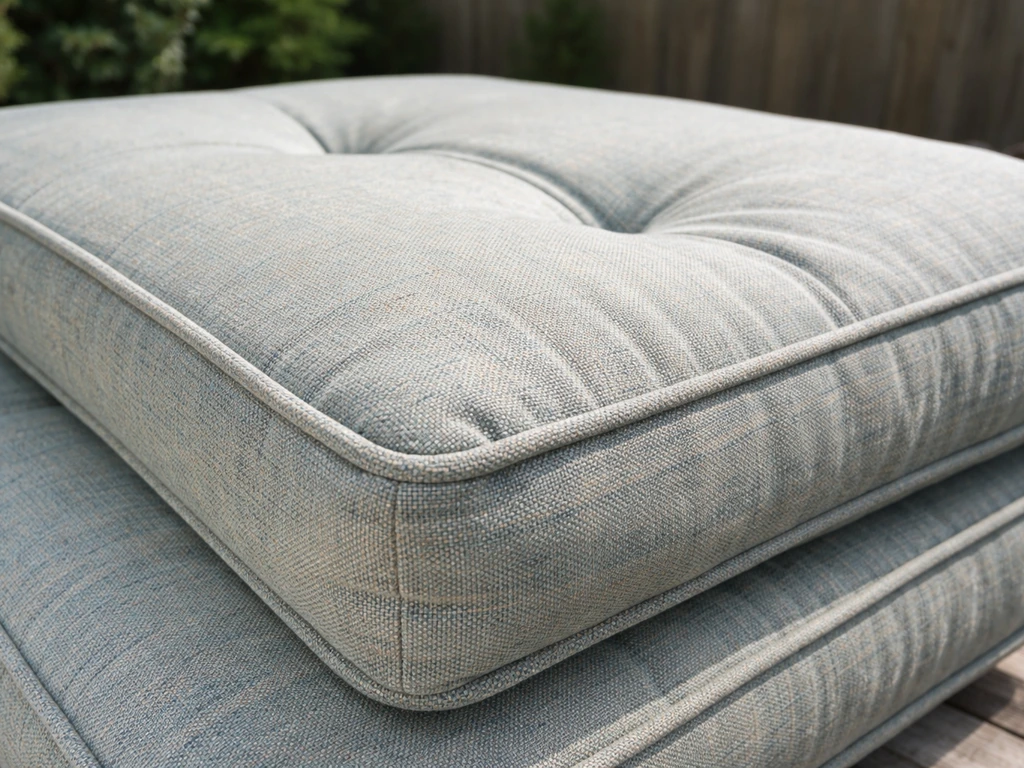
What Type of Fabric Is Used for Patio Furniture
Learn which outdoor fabrics power patio cushions and upholstery, plus how to choose for sun, rain, mold, and climate.
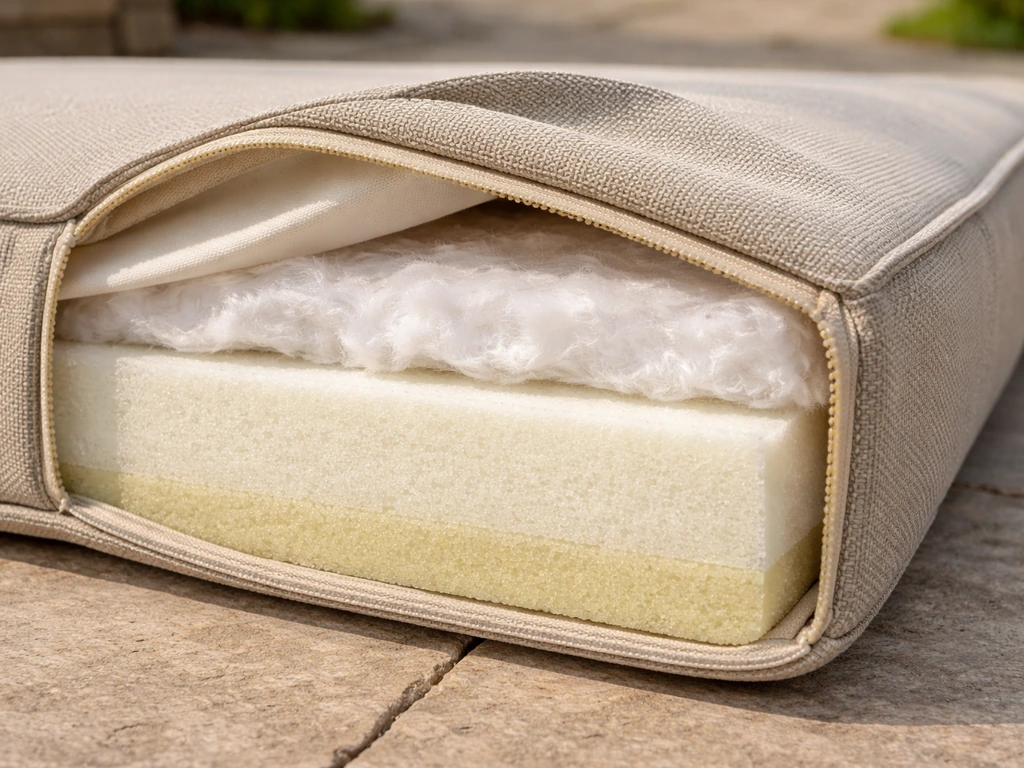
What Are Patio Cushions Made Of Cover and Fill Materials
Learn what patio cushions are made of: weatherproof cover fabrics, foam or fiber fills, and how each resists UV and mild
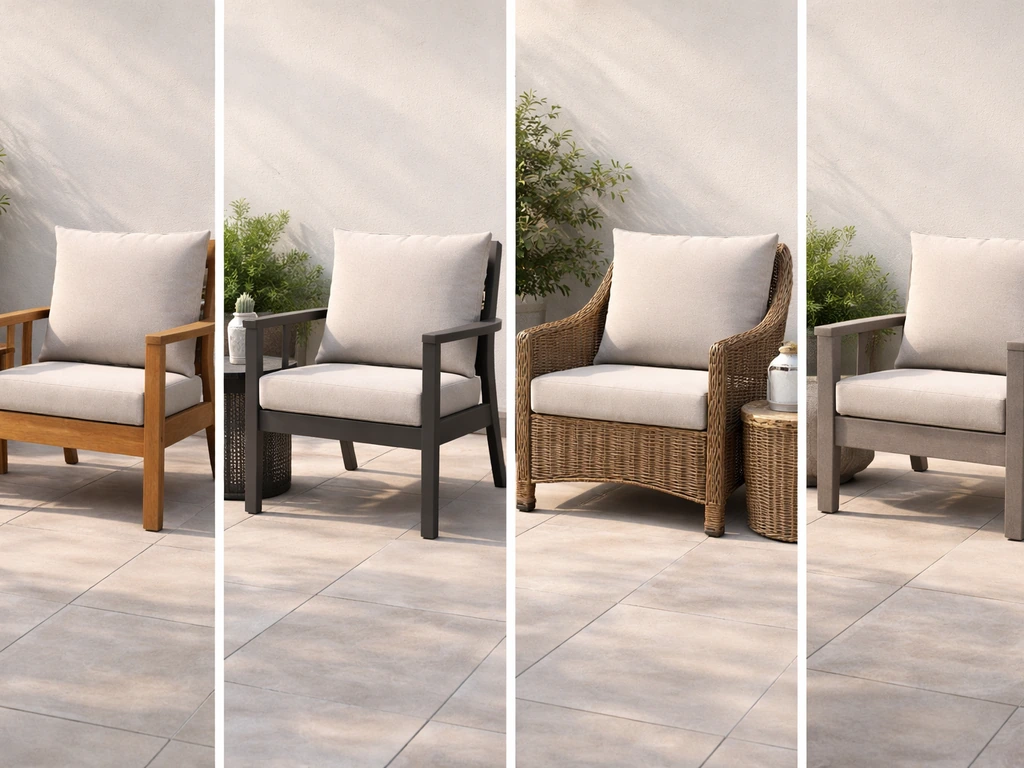
Patio Furniture Material Comparison: Wood, Metal, Wicker, Composite
Compare wood, metal, wicker and composite patio furniture on durability, weather resistance, rust, rot, fading, and upke