
If you want the single most durable, low-maintenance patio furniture material for most climates, powder-coated aluminum or Grade A teak will outlast almost everything else. But "best" depends heavily on where you live, how much upkeep you're willing to do, and what you're actually buying, a dining set, a lounge chair, or a full outdoor living room. This guide breaks down every major material category with honest trade-offs so you can confidently narrow it down to a shortlist before you spend a dime.
Patio Furniture Material Comparison: Wood, Metal, Wicker, Composite

Theo Tierney
30 Jun 2026
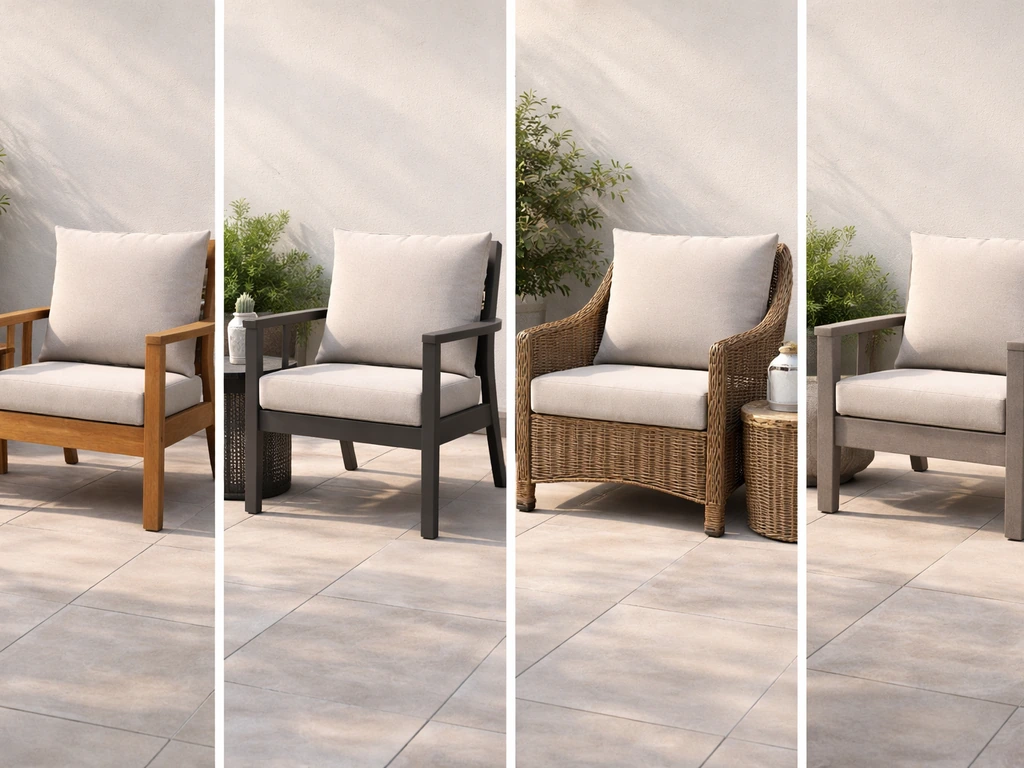
How to pick a material for your climate and how you use the furniture
Before comparing materials, think about three things: your climate's biggest threat, how much sun exposure the furniture will get, and whether you'll store or cover it off-season. A material that thrives in coastal Florida can rot or corrode quickly in a snowy Midwest winter, and vice versa. Climate threats break down pretty cleanly: coastal salt air attacks bare metal; UV and heat destroy plastics and natural wicker faster than anything else; moisture and freeze-thaw cycles crack and warp wood; and high humidity accelerates rust on any unprotected steel or iron.
Use case matters just as much. Dining sets take a lot of daily contact, spills, and movement, so you want something rigid and easy to wipe down. Lounge furniture benefits from some flex or cushioning, which pushes you toward synthetic wicker frames or sling-style aluminum. Lightweight portability (moving chairs around a deck or storing them in a shed) favors aluminum or resin. If the furniture stays put year-round uncovered, you need the most weatherproof option in each category. If you cover it seasonally, your options open up considerably.
Wood options: teak, cedar, eucalyptus, and pressure-treated
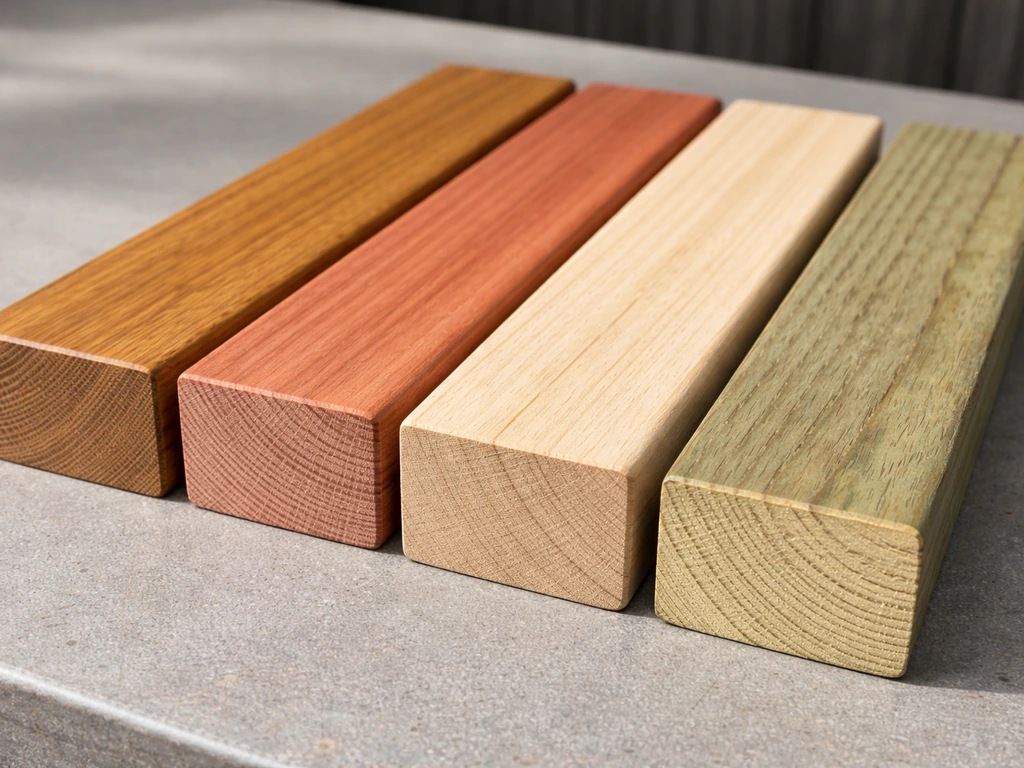
Wood is the classic choice, and when you pick the right species and maintain it properly, it genuinely earns that status. The differences between species are significant though, and the marketing around "outdoor wood" tends to gloss over them.
Teak
Teak is the gold standard for outdoor furniture wood, and the price reflects that. Its natural oil content and tight grain make it resistant to rot, insects, and moisture without any treatment at all. Grade A teak (from the heartwood of mature trees) can last 25 to 50 years outdoors. It will silver gracefully to a gray patina if you leave it alone, or you can oil it annually to maintain the warm honey color. The main catch: good teak is expensive, and there's a lot of lower-grade or mislabeled teak on the market. Look for Grade A certification and joinery quality, not just the word "teak" on the tag.
Cedar
Western red cedar is a budget-friendlier wood that has real natural rot resistance from its extractives, though it's softer and less dense than teak. Expect 10 to 15 years with proper maintenance: cleaning annually and applying a penetrating oil or sealant every one to two years. Cedar is lightweight and easy to work with, which makes it popular for DIY projects. It's a decent choice for dry or temperate climates but struggles in high-humidity coastal environments without diligent upkeep.
Eucalyptus
Eucalyptus is often sold as a teak alternative at a lower price point, and honestly it performs reasonably well. It has similar oil content to teak and good natural weather resistance. The key difference is density and grain consistency, which makes it slightly more prone to checking (small surface cracks) over time. With annual oiling, you can realistically get 15 to 20 years out of quality eucalyptus furniture. It's a strong value pick if you want the look of hardwood without the teak price tag.
Pressure-treated lumber
Pressure-treated pine is almost exclusively a DIY or budget-build material for outdoor furniture. It resists rot because it's chemically treated, not because of natural durability. The trade-off is that it can warp, check, and look rough relatively quickly, and it needs painting or sealing to look presentable. It's fine for a built-in bench or table base where looks matter less, but for finished furniture you're buying retail, skip it in favor of a real hardwood or composite.
| Wood Type | Natural Rot Resistance | Expected Lifespan (maintained) | Maintenance Frequency | Best Climate Fit | Cost |
|---|---|---|---|---|---|
| Teak (Grade A) | Excellent | 25–50 years | Oil annually (optional) | All climates | High |
| Eucalyptus | Good | 15–20 years | Oil every 1–2 years | Temperate to humid | Medium |
| Cedar | Moderate | 10–15 years | Seal every 1–2 years | Dry to temperate | Low–Medium |
| Pressure-Treated Pine | Moderate (chemical) | 8–12 years | Paint/seal every 1–2 years | Dry climates, covered use | Low |
Metal options: aluminum, wrought iron, and steel
Metal furniture has a reputation for lasting forever, and that's partially deserved, but only if the right metal is used and the finish is properly applied and maintained. The differences between aluminum, wrought iron, and steel matter a lot more than most buyers realize.
Aluminum
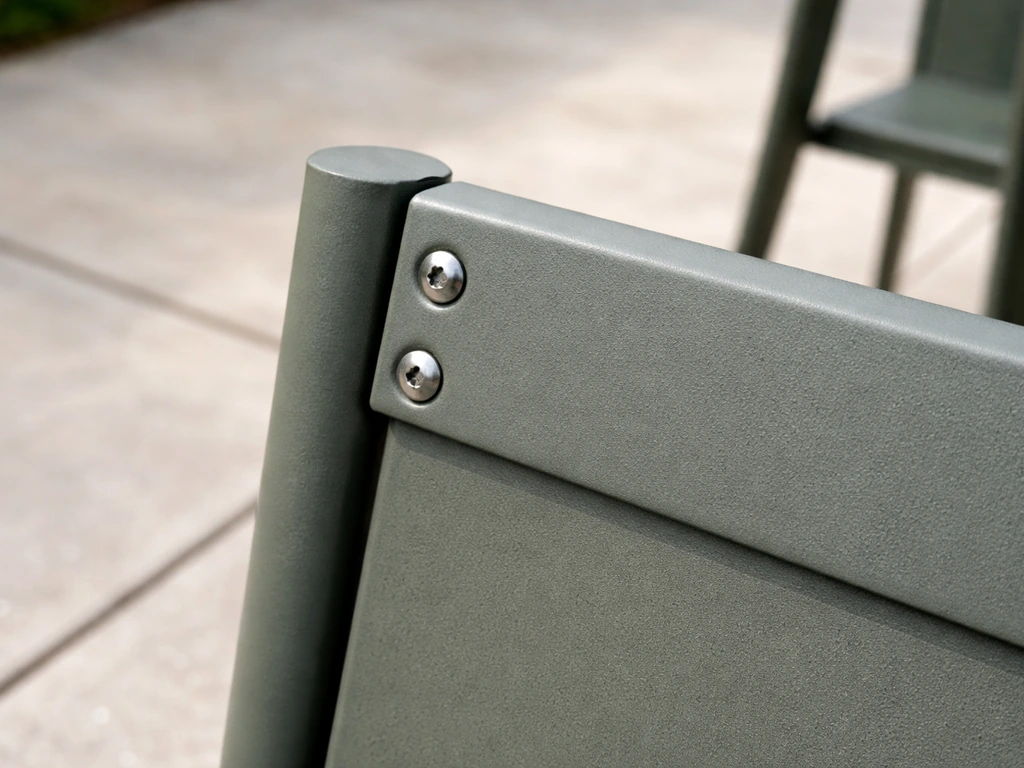
Cast or extruded aluminum is my top recommendation for most homeowners because it doesn't rust, it's lightweight, and when powder-coated properly it handles UV and moisture very well. Cast aluminum (poured into molds) is heavier and more ornate; extruded aluminum (pushed through dies) is sleeker and lighter. Both are rust-proof because aluminum naturally forms an oxide layer that protects the base metal. For coastal or humid climates, aluminum is the clear metal winner. Look for thick-walled extruded frames (at least 1.5 to 2mm wall thickness) and a high-quality powder coat finish.
Wrought iron
Wrought iron is heavy, ornate, and genuinely beautiful, but it requires real commitment. It will rust if the protective coating chips or scratches, and left unaddressed, rust spreads under the coating (a process called under-film corrosion) until you have structural damage. The weight is also a practical issue: moving wrought iron furniture is a two-person job, and it will crush lawn grass or scratch deck surfaces if dragged. For a covered patio in a dry climate where you want that traditional look, wrought iron works well. For anywhere coastal or rainy, it's the wrong pick unless you're prepared to touch up the finish regularly.
Steel (powder-coated)
Steel furniture sits between aluminum and wrought iron in terms of cost and durability. It's stronger than aluminum and lighter than wrought iron, but it rusts if the coating is compromised. Powder coating is the critical variable here. Well-specified powder coatings are tested with salt spray protocols (ISO 9227 / ASTM B117), and for general outdoor use you want a coating rated for at least 500 to 1000 hours; for coastal environments, look for 1500 to 3000 hours. If a manufacturer can't give you this spec, assume the coating is budget-grade. Galvanized steel adds another layer of protection before the powder coat and is worth paying for in humid or coastal environments.
| Metal Type | Rust Risk | Weight | Coastal Suitability | Maintenance Level | Cost |
|---|---|---|---|---|---|
| Aluminum (cast/extruded) | None (rust-proof) | Light–Medium | Excellent | Low | Medium–High |
| Wrought Iron | High if coating damaged | Very Heavy | Poor | High | Medium–High |
| Powder-Coated Steel | Moderate if chipped | Medium | Fair (with quality coating) | Medium | Low–Medium |
Wicker and rattan: natural vs synthetic
"Wicker" is a weave style, not a material. What's woven can be natural rattan, natural reed, or synthetic polyethylene resin. This distinction is everything when it comes to outdoor performance.
Natural wicker and rattan
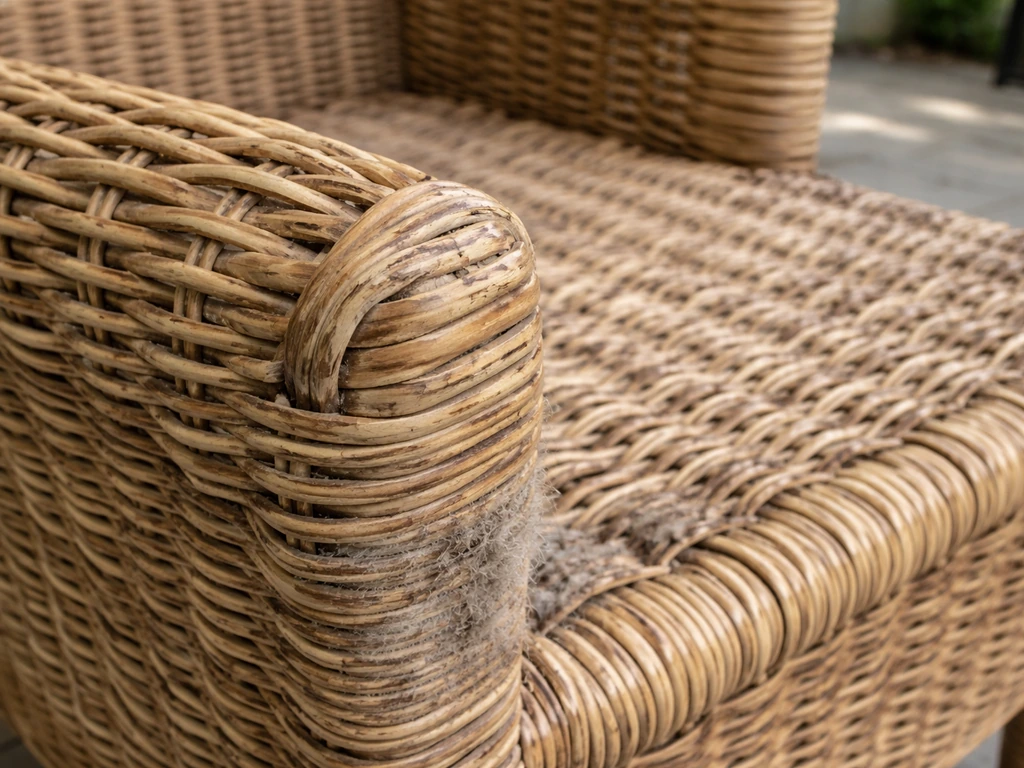
Natural wicker (woven rattan, reed, or seagrass) belongs indoors or in a covered, dry patio only. It absorbs moisture, molds quickly in humidity, cracks in direct UV exposure, and is not designed to handle rain. You'll see it sold as "patio furniture" but the honest answer is it will degrade within a season or two if left exposed. Reserve natural wicker for a screened porch or sunroom.
Synthetic (all-weather) wicker
High-density polyethylene (HDPE) resin wicker is a completely different animal. It's UV-stabilized, moisture-resistant, doesn't crack or mold, and looks convincingly like natural wicker. Quality matters here though. Budget synthetic wicker uses thinner strands with minimal UV inhibitors and will fade, crack, and unravel within two to four years.
Premium HDPE wicker from reputable manufacturers is tested to 2000 UV hours or higher (some brands like KETTLER claim above-industry-standard ratings), and some high-end resin products are tested to 4000 hours with UV inhibitor protocols four times the industry standard. That difference translates directly to a chair that looks good after five years versus one that's falling apart. The frame underneath the weave matters just as much, look for aluminum frames, not steel, in synthetic wicker furniture.
Composite and plastic resin: performance vs cost
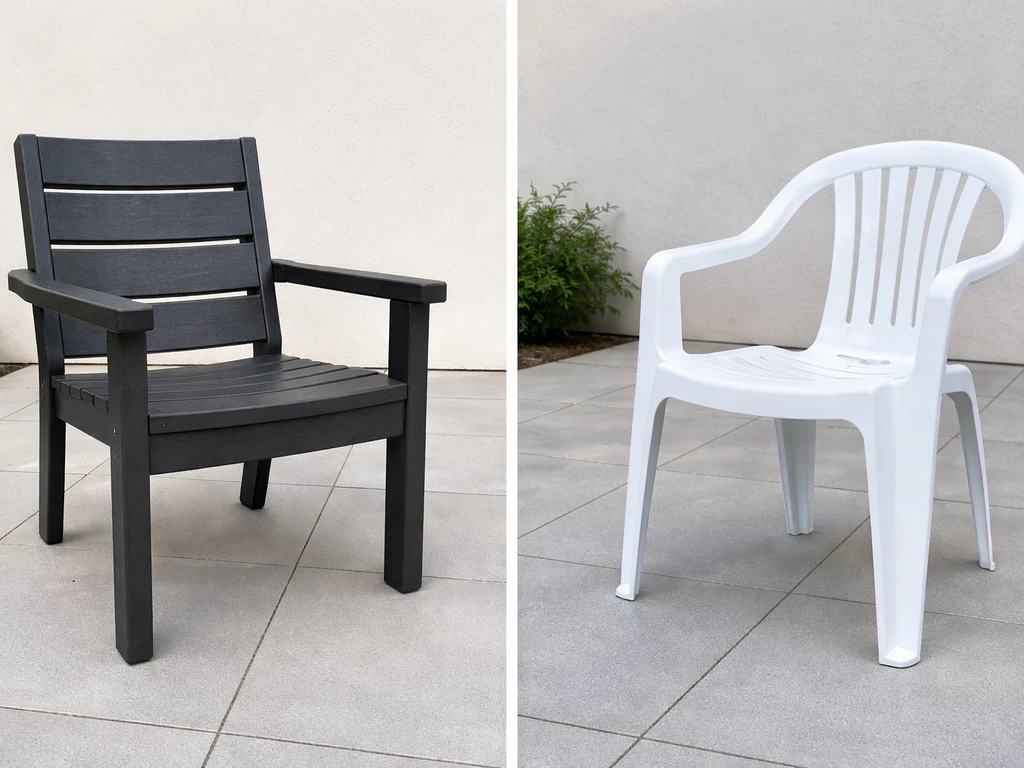
Composite and plastic resin furniture covers a wide spectrum, from cheap injection-molded resin chairs to high-end HDPE lumber made from recycled plastic. Don't lump them together.
Basic polypropylene or resin chairs (the classic stackable patio chair) are genuinely useful for their price: they're waterproof, lightweight, and easy to clean. For patio chairs specifically, look for an all-weather option that can handle your local sun and rain without degrading all-weather patio chair fabric. But they fade noticeably within a few seasons in direct sun, become brittle in freezing temperatures, and feel cheap because they are cheap. They work fine as supplemental seating or for a rental property where longevity isn't the priority.
HDPE lumber (recycled high-density polyethylene) is a different story. It looks and feels like painted wood, it's made from recycled plastic, and it's essentially maintenance-free. It won't rot, rust, splinter, or fade significantly. Many HDPE furniture brands offer 20-year warranties. It handles coastal salt air, high humidity, UV, and freezing temperatures without complaint. The downside is cost (comparable to mid-range hardwood) and aesthetics, it's a good-looking product but lacks the warmth of real wood grain. For anyone who genuinely wants zero maintenance and long-term durability, HDPE lumber is hard to argue with.
| Composite/Plastic Type | Durability | UV Resistance | Maintenance | Best Use | Cost |
|---|---|---|---|---|---|
| Basic resin/polypropylene | Low–Moderate | Poor–Fair | Very low | Supplemental/budget seating | Low |
| HDPE lumber (recycled) | Excellent | Very Good | Near zero | Any climate, any use | Medium–High |
| Synthetic HDPE wicker | Good–Excellent | Good–Very Good (varies by brand) | Low | Lounging, covered/open patios | Medium–High |
How long each material actually lasts and what upkeep looks like
Here's the honest maintenance reality check for each material, because most buying guides understate how much time and money upkeep adds to the total cost of ownership.
- Teak: Rinse with mild soap and water seasonally. Apply teak oil or sealant once a year if you want to maintain the golden color. Otherwise, let it silver and just keep it clean. Inspect joinery annually for loose stainless fasteners.
- Cedar/eucalyptus: Clean in spring and fall. Apply penetrating oil or UV-protective sealant every one to two years. Watch for checking (surface cracks) and lightly sand before re-oiling if they appear.
- Aluminum (powder-coated): Wash with mild soap and water once or twice a season. Inspect the powder coat for chips annually, especially at weld points and hardware holes. Touch up chips with matching paint to prevent oxidation from forming under the film.
- Wrought iron/steel: Same wash routine as aluminum, but chip inspection is critical. Any bare metal must be treated quickly. Sand rust spots to bare metal, prime, and paint. In coastal climates, plan to do this every one to two years.
- Synthetic wicker (HDPE): Rinse with a hose or wipe down with soapy water. That's essentially it. Inspect the frame underneath annually for coating damage, especially if the frame is steel.
- HDPE lumber: Wash with soap and water. No sealing, painting, or oiling ever required. Inspect hardware (stainless or aluminum fasteners) every few years.
- Basic resin/polypropylene: Wash with soapy water or a mild bleach solution for mold. Nothing else, because there's not much you can do about UV fading once it starts.
UV and moisture don't just fade furniture, they structurally break down organic materials from the surface inward over time. This is why even rot-resistant timbers like teak benefit from UV protection, and why even good synthetic wicker needs to have genuine UV inhibitors built into the material itself, not just a surface coating. If a manufacturer can't give you specific UV test data (hours to significant fading or cracking), assume the worst.
What you'll actually notice after one to three seasons
Durability specs matter, but so does the day-to-day experience of sitting on and living with the furniture. Here's what actually shows up in the first few seasons of real use.
Heat retention in full sun is a real comfort issue. Dark metal furniture (especially wrought iron and steel) gets uncomfortably hot in direct sun in warm climates. Aluminum stays cooler than steel or iron. Wood stays relatively cool to the touch. Synthetic wicker and resin don't get as hot as metal but can feel warm. If you're in a hot climate and the furniture gets afternoon sun, cushions help with all of these, but the frame material matters for armrests and table surfaces.
Comfort without cushions varies a lot. Aluminum sling chairs (fabric stretched across an aluminum frame) are genuinely comfortable without cushions and are one of the best ergonomic options for lounging. Rigid metal and wood chairs need cushions for any extended sitting. Synthetic wicker has some flex in the weave that makes it slightly more comfortable than rigid materials.
If you're relying on cushions for comfort, pay attention to the cushion fabric and fill, that's a whole topic on its own, but outdoor-rated fabrics like solution-dyed acrylic (Sunbrella is the best-known brand) dramatically outlast polyester cushion covers. Look next at what the cushions are made of, since the cover fabric and the cushion fill drive comfort and how well they resist sun and moisture.
Storing or covering cushions when not in use is important regardless of fabric quality, as prolonged sun exposure accelerates fading for even premium outdoor upholstery.
Aesthetics are personal, but there are real patterns. Teak and hardwood furniture develops character over time, the patina and grain look more natural and warm than any synthetic. High-end synthetic wicker convincingly mimics natural materials and stays consistent-looking year after year rather than aging. Aluminum furniture can look sleek or ornate depending on the style but tends to look the same in year one and year ten, which is either a positive or a negative depending on your taste. HDPE lumber looks cleanly painted and tidy but never has the warmth of real wood grain up close.
Value over three seasons often surprises people. A cheap resin chair at $30 that fades and cracks in two years costs more per year of use than a $200 aluminum chair that lasts 15 years. The math on quality outdoor furniture almost always favors buying better once rather than replacing budget pieces repeatedly.
Smart material pairings and your buying checklist
Some of the best outdoor furniture setups mix materials strategically. A teak dining table pairs naturally with powder-coated aluminum chairs (you get wood warmth at the table surface with low-maintenance seating). Synthetic wicker lounge chairs work well alongside an aluminum or HDPE side table. Avoid mixing materials with very different maintenance needs, pairing a wrought iron table with cedar chairs means two completely different upkeep schedules.
Climate-specific quick picks
- Coastal salt air (Florida, Gulf Coast, Pacific Coast): Aluminum (cast or extruded) or HDPE lumber are the top picks. Avoid bare steel and wrought iron. If using synthetic wicker, confirm the frame is aluminum, not steel.
- Hot, dry climates (Arizona, Southwest): Nearly anything holds up to heat, but UV resistance matters most. HDPE, teak, or aluminum with quality powder coat all perform well. Avoid natural wicker and budget resin.
- High humidity (Southeast, Gulf States): Teak, aluminum, HDPE lumber, or premium synthetic wicker. Avoid wood species with lower natural rot resistance unless you commit to sealing schedules.
- Snowy winters with freeze-thaw cycles (Midwest, Northeast): Store or cover furniture seasonally if possible. HDPE lumber, aluminum, and quality teak handle freeze-thaw well. Avoid wrought iron and cedar left uncovered outdoors.
- Mild, temperate climates (Pacific Northwest, moderate Southeast): Most materials perform reasonably well, but moisture from rain and overcast skies makes mold a concern for cushion fabrics and natural wood surfaces.
What to check before you buy
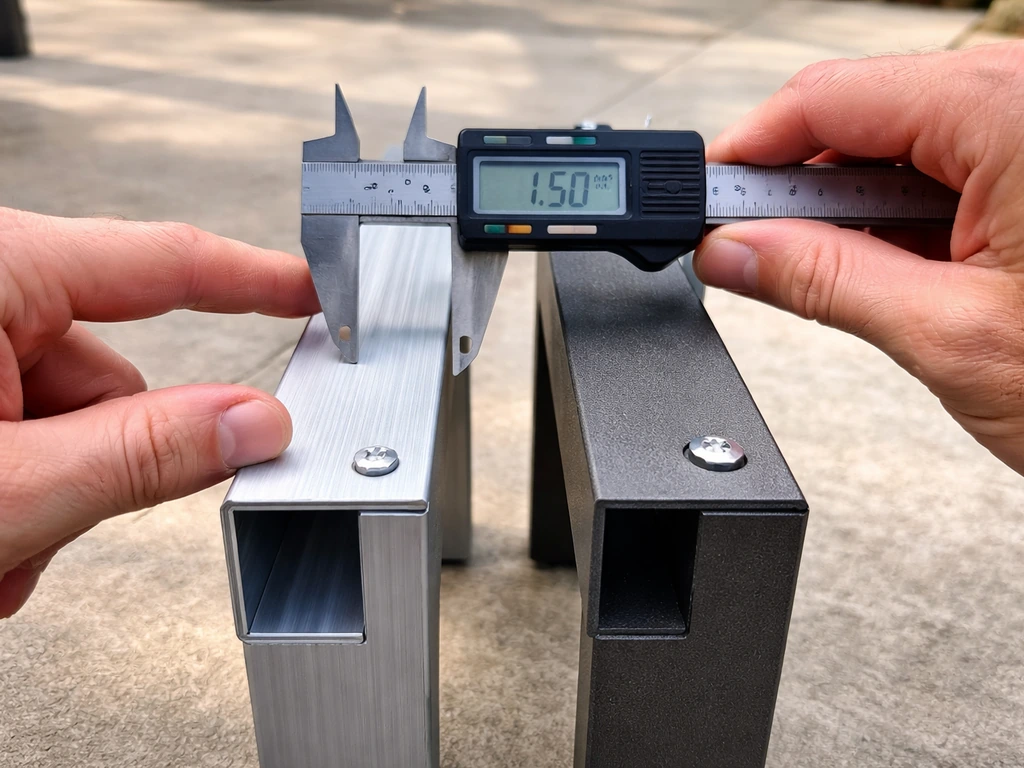
- Frame material and thickness: For aluminum, look for at least 1.5–2mm wall thickness on extruded pieces. For steel, ask about powder coat salt spray rating (500–1000 hours minimum; 1500+ for coastal).
- Joinery and fasteners: Mortise-and-tenon or bolted joints outlast stapled or glued ones. Stainless steel fasteners (grade 304 or 316 for coastal) won't rust into the frame.
- Powder coat quality: Look for even coverage, no thin spots at corners, and a matte or satin finish (glossy finishes show scratches faster). Ask if the metal was pre-treated (phosphate or zinc primer) before coating.
- UV test data for synthetic wicker and resin: Ask for specific UV exposure hours (look for 2000+ hours as a baseline; premium products hit 4000 hours).
- Wood grade: For teak, specify Grade A. For eucalyptus, look for FSC certification and kiln-dried lumber to reduce checking.
- Slat or seat thickness: For wood furniture, slats should be at least 3/4 inch thick (1 inch or more is better). Thin slats flex, crack, and feel cheap.
- Cushion fabric compatibility: Solution-dyed acrylic (like Sunbrella) or 100% outdoor-rated polyester for cushion covers. Check fill for quick-dry foam rather than standard foam.
- Weight and moveability: If you'll move furniture frequently, aluminum or resin wins. If it stays put, weight becomes less important.
- Warranty terms: A quality outdoor furniture manufacturer should offer at least a 3-year structural warranty; HDPE lumber brands often offer 15 to 20 years. Short warranties on expensive furniture are a red flag.
The material you choose for the frame of your patio furniture is only part of the equation. How the chairs are constructed at the joints, what hardware holds them together, and whether the cushion fabric can handle your climate's sun and moisture load all determine whether you're happy with your purchase three seasons from now.
Common fabric choices for outdoor patio furniture include solution-dyed acrylic, polyester, and breathable mesh, and the best option depends on how much sun and rain your patio gets. Take the checklist above into the store or use it to evaluate online specs before you order. The right material for your climate, maintained properly, should give you a decade or more of use without major drama, and that's the only benchmark that actually matters.
FAQ
Can I leave natural wicker outside if I use a cover?
Yes, but only in specific situations. If your patio is sheltered from direct rain and you can fully close covers (including during storms), you can extend the life of natural wicker. However, once you expect frequent wetting or high-humidity conditions, switch to synthetic resin wicker with a UV-inhibitor rating, not natural rattan or reed.
What should I look for to know if powder coating is actually high quality?
For metal, look beyond the word “powder-coated.” Confirm whether the manufacturer specifies coating testing in salt-spray hours and whether the frame is aluminum, galvanized steel, or bare steel under the coat. In coastal or heavy-rain areas, absence of those specs is a strong warning sign.
Do outdoor cushions last longer if I cover them, or do they still need to be stored?
Use a simple rule: store cushions in a dry place when they are not in use if you want maximum lifespan. If you must leave them out, choose breathable covers and keep them from pooling water, since trapped moisture accelerates mildew and breaks down cushion fills faster than sun alone.
Is synthetic wicker always rust-proof, even if the chair frame is hidden?
Not always. If the piece uses a steel or iron subframe under a resin weave, the frame can rust where coatings get scratched. The article recommends checking the frame underneath, but the practical takeaway is to inspect for how the weave is attached and whether exposed fasteners are corrosion-resistant.
How can I avoid buying mislabeled or low-grade teak?
Teak performance depends heavily on starting quality. “Teak” labels can be inconsistent, and lower-grade boards, poor joinery, or thin sections can shorten lifespan. If you want the full benefit, buy from sellers who document grading and show construction details like mortise-and-tenor joinery, not only the wood type.
Which materials are best for patio dining sets that get daily use?
For dining sets, prioritize rigidity and cleanability. Aluminum and high-quality synthetic wicker frames tend to handle daily contact better than soft or moisture-prone options. Also consider tabletop height and whether chairs rock or flex, since structural movement increases wear at joints.
Do dark-colored resin or composite pieces fade faster than lighter ones?
Color retention is largely driven by UV inhibitors in the material, not by paint or surface coatings. If a manufacturer cannot provide UV test or durability numbers (for fading or cracking), assume shorter service life, especially for dark colors that absorb more heat and light.
Will aluminum or wrought iron furniture be too hot to sit on in summer?
Heat affects comfort differently by material and design. Metal frames can become uncomfortable to touch in direct sun, even if the seat itself is shaded. If you are buying for afternoon sun, prioritize lighter-colored frames, sling designs, and use cushions with outdoor-rated fabric and proper fill.
What’s the difference between HDPE lumber and cheaper “resin” patio furniture?
Composite categories can be misleading because “composite” and “plastic” are used broadly. The safest approach is to treat HDPE lumber and high-quality HDPE resin products as separate from cheaper injection-molded resin. Ask the seller what the resin is (for example, HDPE) and whether there are UV performance claims.
Which patio furniture materials handle freeze-thaw winters best?
If you have freezing winters, avoid materials that are prone to cracking from moisture and temperature cycling, such as low-quality natural wicker. HDPE lumber and properly built powder-coated aluminum are usually the most forgiving. Wood can work well too, but only with ongoing sealing and good ventilation under covers.
Next Articles
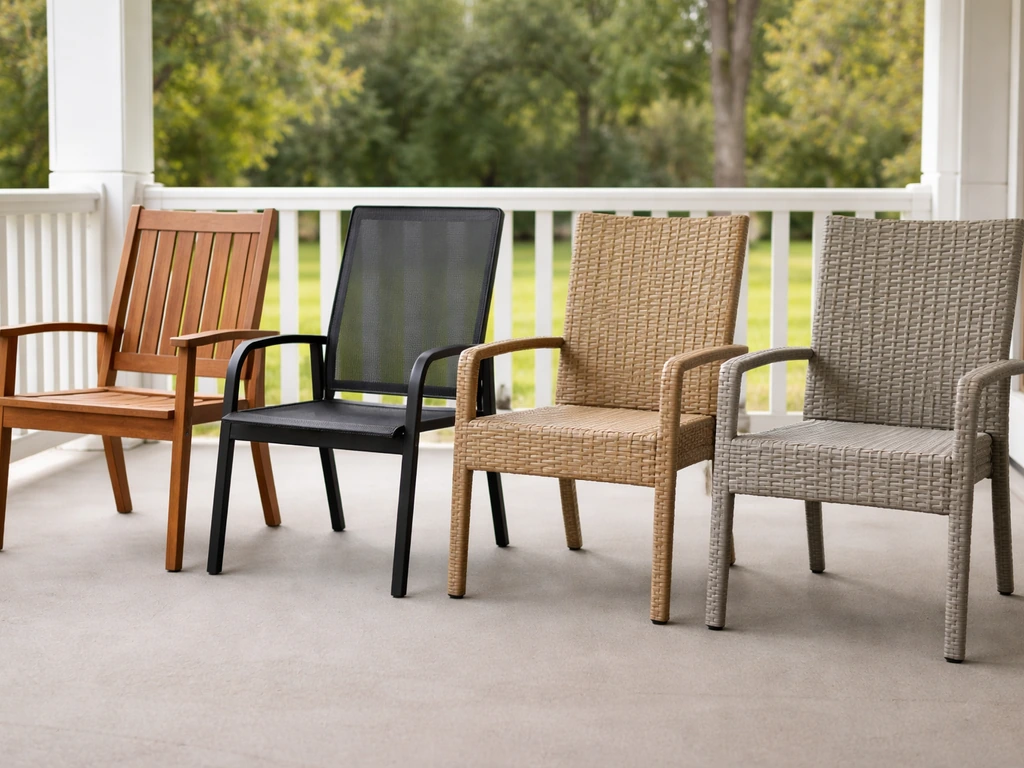
What Are Patio Chairs Made Of? Materials and Care Guide
Learn what patio chairs are made of and how wood, metal, wicker, and resin affect durability and care in your climate.
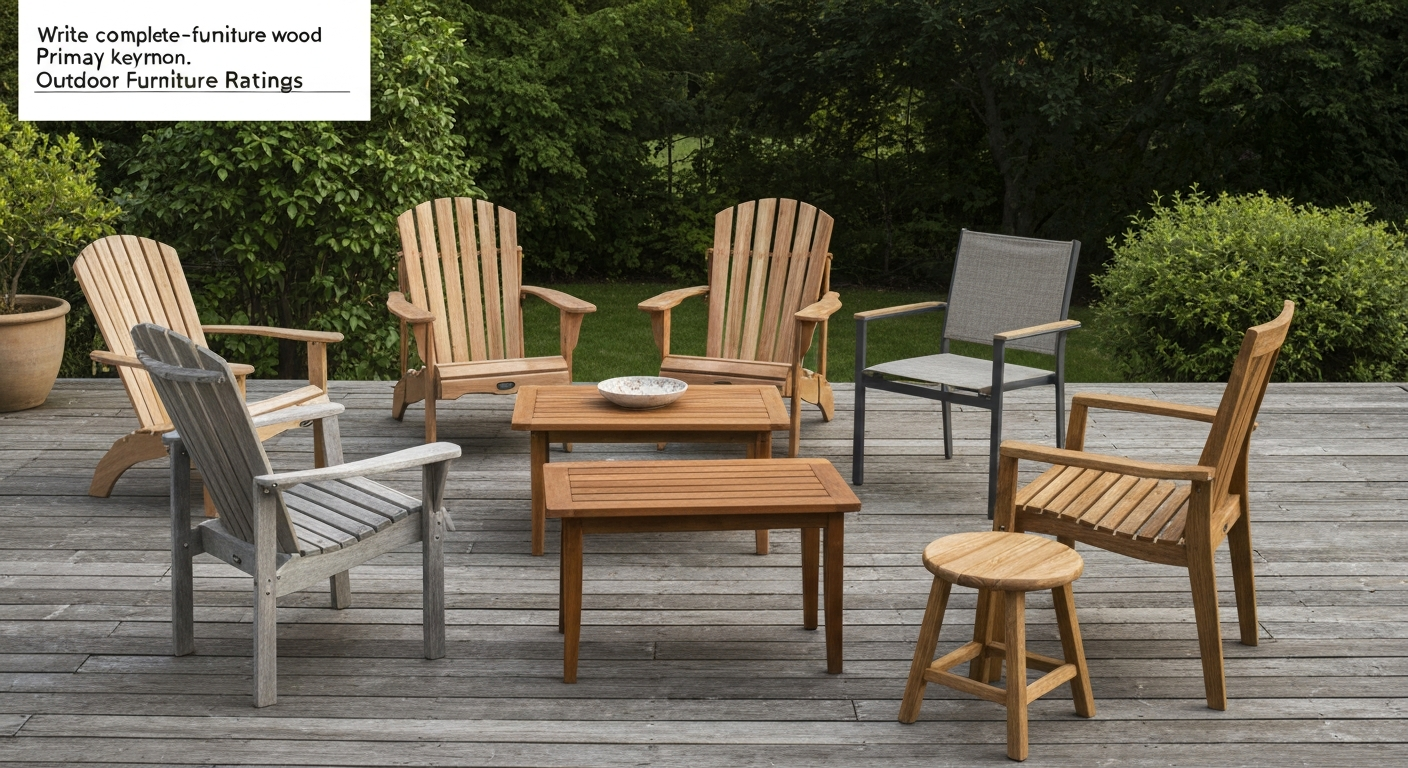
Common Patio Furniture Wood: Best Choices, Care & Tips
Compare common patio furniture wood types, teak, cedar, redwood, oak, with durability, finishes, and care tips.
Best Wood Patio Stain: Choosing Durable, Low-VOC Finishes
Compare and choose the best wood patio stain: durability, finish, climate tips, prep, and top product picks.