
Buy patio furniture that matches your climate first, your space second, and your style third. Most people do it in reverse, which is why so many sets end up warped, rusted, or mildewed within two seasons. If you nail the material choice for your specific weather conditions, measure your space before you shop, and run a quick quality inspection before you swipe your card, you'll end up with furniture that lasts a decade or more instead of something you're replacing every few years.
Tips on Buying Patio Furniture: A Practical Checklist

Theo Tierney
4 Jun 2026
Start with your space, budget, and how you actually use your patio
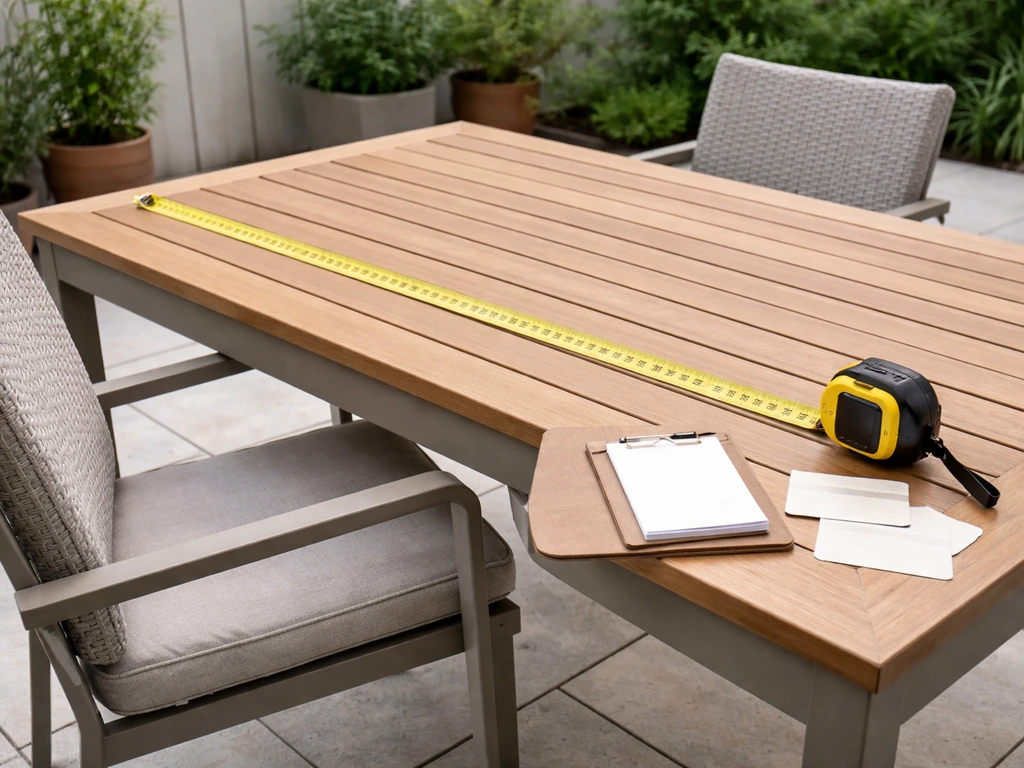
Before you look at a single product listing, get clear on three things: how much usable space you have, how many people you're regularly seating, and whether this is a dining setup, a lounging setup, or both. These answers will eliminate 80% of your options immediately and save you from buying something that doesn't fit or doesn't match how you live.
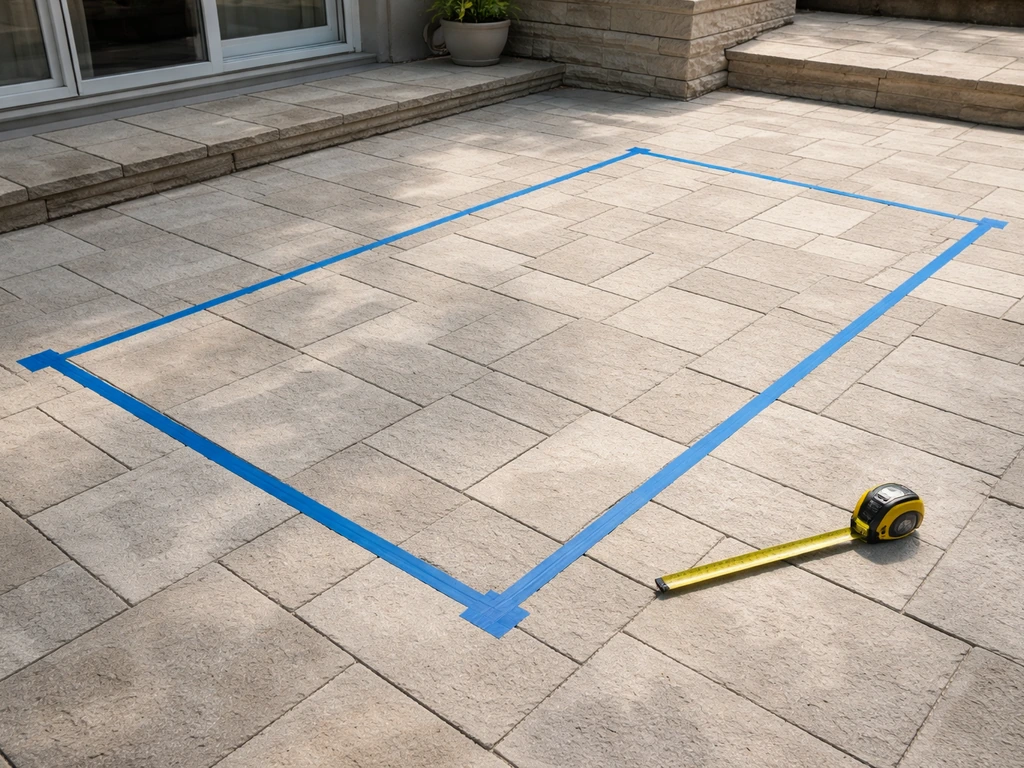
Measure your patio and note any obstacles: steps, doors that swing outward, planters, or fixed structures. A good rule of thumb for dining arrangements is to allow about 36 inches of clearance around the table perimeter so people can move comfortably. For a more formal dining setup, 60 inches between table edges gives you the most comfortable flow, leaving about 26 inches of working clearance once chairs are occupied. That sounds like a lot of space, but it adds up fast on a 10x12 patio.
Budget is equally important to nail down upfront, not as an afterthought. Entry-level sets under $500 are mostly steel frames with thin paint and standard polyurethane cushions that will likely need replacing within three to four years. Mid-range sets in the $800 to $2,000 range in powder-coated aluminum or quality resin wicker offer a much better value proposition over five to eight years. Premium teak or commercial-grade aluminum starts at $2,000 and goes well above that, but a well-maintained teak set can genuinely last 25 to 30 years. Think in cost-per-year terms, not sticker price.
Choosing the right material for real-world outdoor use
This is the most important decision you'll make, and it's where most buyers go wrong by defaulting to what looks good in a showroom rather than what survives outdoors. Here's an honest breakdown of the four main categories.
Teak and hardwood
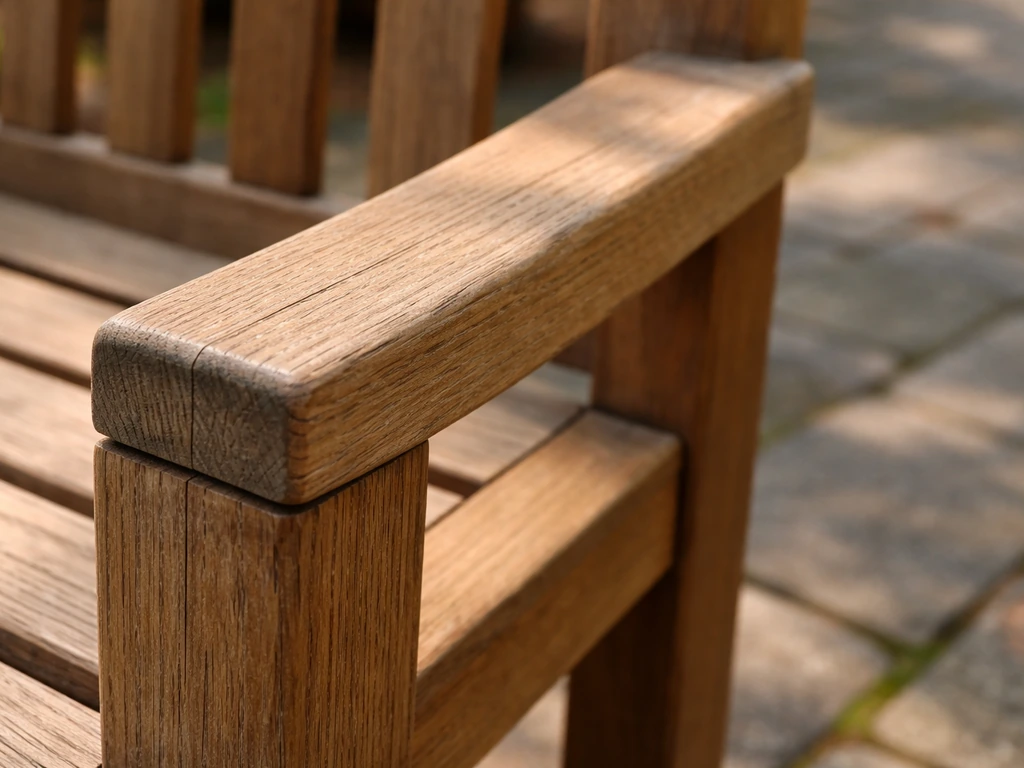
Teak is the gold standard for outdoor wood because of its natural oil content and tight grain, which resist rot, insects, and warping without aggressive treatment. A quality teak set realistically lasts 15 to 25 years, and with proper care some sets hit 25 to 30 years. The trade-off is cost and maintenance. Left untreated, teak weathers to a silver-gray patina, which many people actually like.
If you want to maintain the warm honey color, you'll need to clean and oil it several times per year, especially in the first season. One important note: not all teak oils are appropriate for every finish. Check the manufacturer's guidance before applying anything, because some finished teak furniture specifically warns against oil treatments. Other tropical hardwoods like shorea or eucalyptus are more affordable alternatives but generally don't match teak's longevity.
Aluminum (especially powder-coated)
Powder-coated aluminum is the most practical all-around choice for most homeowners. It doesn't rust, it's lightweight, and commercial-grade powder coating creates a hard shell that resists corrosion, fading, and scratching over years of outdoor exposure. Look for furniture labeled as cast aluminum (thicker, heavier, more rigid) rather than tubular aluminum with thin walls. The powder coating matters as much as the aluminum itself: a thicker, even coat without holidays or thin spots is what separates a 10-year set from a 3-year set. For coastal environments, aluminum outperforms steel significantly, but even aluminum benefits from the occasional rinse to remove salt deposits.
Resin wicker
Real rattan wicker belongs indoors. What you're buying for outdoors is resin wicker, which is a synthetic polyethylene or PVC strand woven over a frame. The two failure points for resin wicker are UV degradation of the resin strands and the frame underneath. Cheap resin wicker uses steel frames that rust through the weave from the inside out, which is a death sentence for the piece. Quality resin wicker uses aluminum frames and UV-stabilized resin strands. You can't always tell from photos, so ask directly or check spec sheets. When you can inspect in person, flex the weave slightly at a corner and look for brittleness or cracking in the strand material, which signals poor UV stabilization.
Wood-plastic composite (WPC)
Composite furniture is made from wood fiber combined with thermoplastics like polyethylene, polypropylene, or PVC. It mimics the look of wood without the maintenance demands, doesn't rot or splinter, and holds up well in wet climates. It's heavier than aluminum and can fade or get hot in intense direct sun, but it's genuinely low-maintenance compared to natural wood. It's a solid choice if you want a wood aesthetic without the oiling schedule.
| Material | Best Climate Fit | Typical Lifespan | Maintenance Level | Relative Cost |
|---|---|---|---|---|
| Teak | Any; especially humid or wet | 15–30 years | Medium to high (oiling, cleaning) | High |
| Powder-coated aluminum | Any; excellent coastal | 10–15 years | Low (occasional rinse) | Medium to high |
| Resin wicker (aluminum frame) | Mild to moderate; not extreme cold | 7–12 years | Low to medium | Medium |
| Wood-plastic composite | Wet/humid; moderate sun | 10–20 years | Very low | Medium |
Weather resistance: matching your furniture to your actual climate
Your climate should drive your material choice more than anything else. Here's how to think about it by region and condition.
- High humidity and frequent rain (Southeast US, Pacific Northwest): Teak, powder-coated aluminum, or composite are your best bets. Avoid steel frames entirely. If you go with resin wicker, verify it has an aluminum frame and UV-stabilized strands. Use open-cell (dry-fast) foam cushions that drain quickly rather than standard polyurethane foam, which absorbs water and stays damp, causing early deterioration and mildew.
- Coastal and salt air environments: This is the most corrosive environment for outdoor furniture. Aluminum is significantly better than steel here. If you want metal that handles salt spray exceptionally well, marine-grade 316 stainless steel is the standard, though it's expensive. Protect any coatings, welds, or scratches immediately because once rust starts at a breach point, it progresses quickly. Rinse furniture regularly to remove salt deposits.
- Intense sun and heat (Southwest US, desert climates): UV degradation is your primary enemy. Look for solution-dyed fabrics with documented UV resistance ratings. Some cushion fabrics carry a 2,000-hour UV resistance rating with a 5-year warranty covering colorfastness, and that's the kind of verifiable spec to look for rather than vague marketing claims. Sunbrella's 5-year limited warranty covers actual color and strength loss under normal outdoor exposure, which is a useful benchmark. Aluminum frames hold up well in heat; dark powder coatings get very hot in direct sun, which is worth factoring in if kids are using the furniture.
- Freeze-thaw climates (Midwest, Northeast, mountain regions): Expanding and contracting through freeze-thaw cycles is hard on finishes and joints. Aluminum and teak handle this better than painted steel or low-grade composites. Store cushions indoors during winter without exception. If you can't store frames, choose sets that come with fitted covers rated for UV and moisture, not just decorative covers.
Comfort, ergonomics, and how to plan your seating layout
Comfort isn't just cushion thickness. It starts with the chair geometry. For outdoor dining chairs, look for a seat height between 16.5 and 19 inches to pair properly with a standard dining table, a seat width of 18 to 20 inches for adequate hip room, and a back angle of around 100 to 110 degrees. That slight recline is the difference between a chair you stay in for a two-hour dinner and one you're shifting around in after 20 minutes.
Seat depth matters too. Shallower seats around 16 to 18 inches suit upright dining posture; deeper seats of 20 inches and beyond are better for lounging. Mixing a deep lounge chair at a dining table is a comfort mistake that's easy to make when shopping from photos online.
For layout, use the table dimensions plus the chair footprint and how far chairs pull out when occupied. Don't just divide the table perimeter by chair width. Allow about 18 inches per seated person along the table edge for comfortable elbow room. Crow Works Table and Seating Size Guide recommends allowing about 18 inches between each occupied chair for comfortable spacing allow about 18 inches per seated person along the table edge. On a round table that looks like it seats six on paper, those numbers often actually produce four or five comfortable seats. Measure it out on your patio with tape before you commit.
Cushion construction is where a lot of mid-range sets cut corners. Dry-fast (reticulated open-cell) foam lets water drain through quickly and dries fast after rain, which dramatically extends cushion life. Standard polyurethane foam absorbs water, stays damp, and becomes a mildew factory within a season or two. If you're investing in quality frames, match them with quality cushions that use dry-fast cores or, at minimum, outdoor-rated foam with drainage holes. Textilene sling fabric is a good cushion-free alternative for hotter climates: it's polyester woven around an acrylic thread, designed to be colorfast and shape-retaining with a simple soapy wipe-down for maintenance.
How to check durability and construction quality before buying
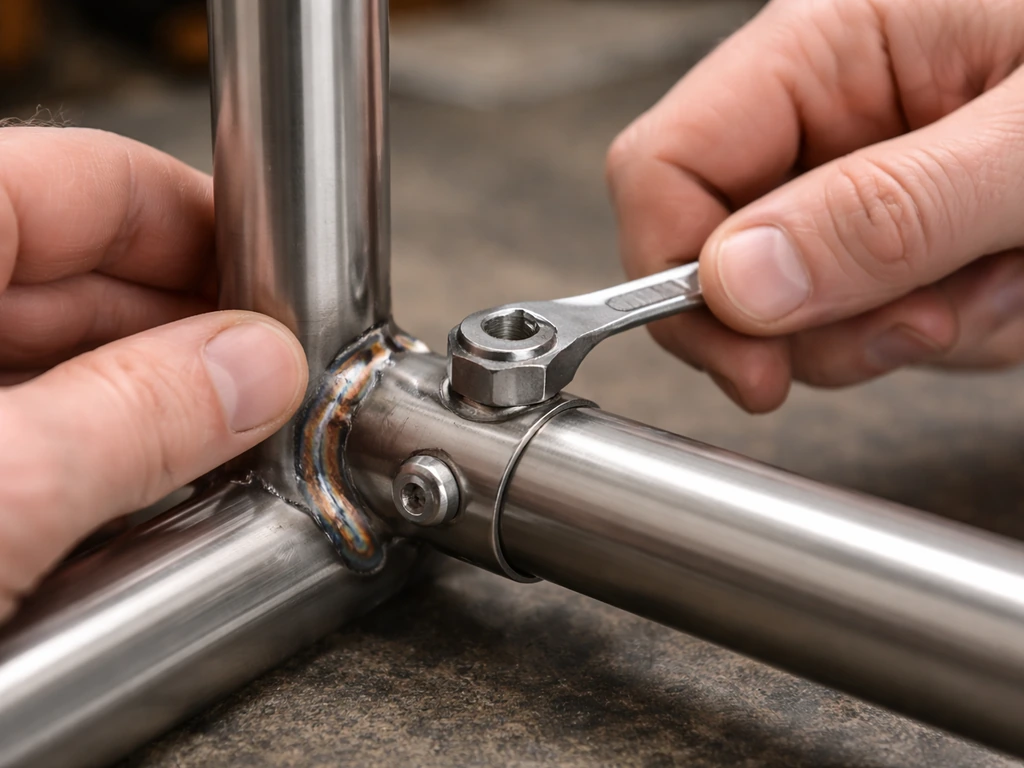
Marketing language means almost nothing. What matters is what you can see, feel, and verify. Here's what to actually check.
- Frame joints and welds: Look for clean, fully-fused welds without gaps, pitting, or excess material. On bolted joints, check that hardware is stainless or coated, not bare steel. Flex the frame gently at stress points. There should be no flex or creaking in a quality frame.
- Powder coating coverage: Look closely at corners, edges, and undersides. Thin or uneven coating in these spots is where corrosion starts. Run your finger along an edge: a good powder coat feels uniformly thick.
- Cushion fabric and seams: Pull the seam lightly. Double-stitched and welted seams on outdoor cushion covers hold far longer than single-stitched. Check that zippers are rust-resistant. Look for fabric specs: a documented UV resistance value in hours and a warranty covering colorfastness are meaningful; a vague claim of being 'fade resistant' is not.
- Resin wicker frame: Ask if it's steel or aluminum underneath. If it's steel, pass. Check strand flexibility at corners and look for any cracking or brittleness.
- Foot caps and glides: Cheap plastic glides fall off and expose the frame to moisture from the ground up. Look for rubber or felt glides that are secured, not just press-fitted.
- Teak grade: First-grade teak has a tight, uniform grain with minimal knots. Lower grades have more sapwood (lighter colored) and are more prone to cracking and staining over time.
Style, design fit, and coordinating materials with your space
Style matters, but it's the last filter to apply, not the first. Once you've narrowed down to materials and construction quality that fit your climate and budget, then look at aesthetic fit. The most common mistake is buying a set that looks great as a standalone product but clashes with the architecture, flooring, or existing outdoor elements of your space.
Think about the primary surface of your patio first. Warm-toned pavers or wood decking pair naturally with teak or wicker in earth tones. Concrete or stone patios take aluminum and modern silhouettes well. If your home exterior has strong colors, pull a neutral from those tones for your furniture finish rather than introducing a competing color. Dark gray powder coats and warm teak finishes are reliable anchors that work in most settings.
Cushion color is the easiest element to swap out, so don't let it drive your frame choice. Buy a frame that's structurally right and aesthetically neutral, then update cushions as your taste or space evolves. Cushions wear out faster than frames anyway, so you'll be replacing them regardless.
Also consider visual weight. A small urban balcony benefits from slim-profile aluminum chairs that don't overwhelm the space. A large suburban patio can carry heavier cast aluminum or substantial teak. Mixing materials can work well, such as a teak table with powder-coated aluminum chairs, but keep finishes in a complementary range (warm wood tone with warm bronze or matte black, for example) rather than contrasting temperatures.
Care, maintenance, and storage after you buy
The biggest factor in how long your patio furniture lasts is what you do after you buy it, not just what you buy. Most people neglect this entirely and then blame the furniture when it fails early.
Frame care by material
Aluminum needs the least attention: rinse it a few times per season to remove dirt, pollen, and in coastal areas, salt. Inspect powder coating annually for chips or scratches and touch up immediately with matching paint to prevent corrosion from taking hold at the breach. Teak should be cleaned with mild soap and water periodically. If you're maintaining the warm color, apply a teak oil or sealer on the schedule the manufacturer recommends for that specific product and finish; some finished teaks specifically caution against traditional teak oil, so read the care instructions before you apply anything. Composite furniture needs the least maintenance overall: clean with soap and water and you're mostly done.
Cushion care and storage
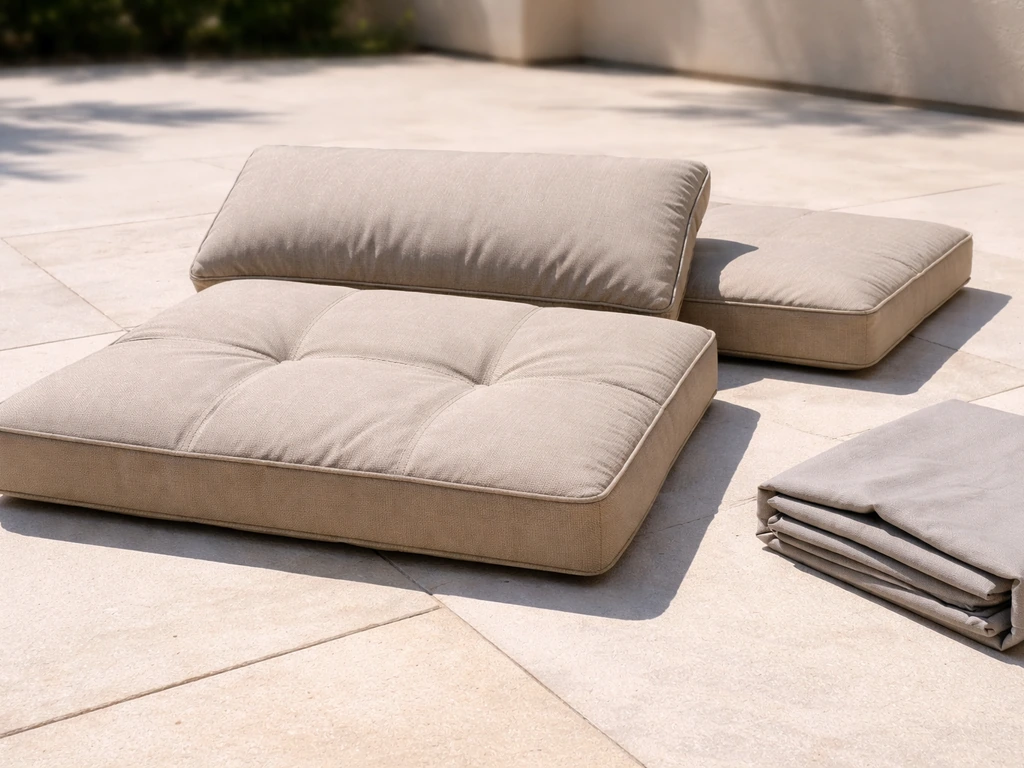
Cushions are the highest-maintenance element of any set. Let them air dry completely in the sun after they get wet, and do not put damp cushions back in a pile or in a storage bin. Trapped moisture is the cause of virtually every mildew problem. During extended wet spells or winter months, store cushions indoors. A dry garage shelf or an indoor storage bin is fine. Do not store them in an outdoor deck box that lets in moisture without adequate ventilation, as that creates the exact conditions that promote mildew.
Off-season storage for frames
If you live in a freeze-thaw climate, storing frames in a garage or covered area over winter significantly extends their finish life. At minimum, use high-quality fitted covers designed for UV and moisture resistance, not thin polyester covers that let condensation form underneath. Stack and cover chairs rather than leaving them exposed through multiple freeze cycles.
Practical buying tips: measurement, sourcing, and mistakes to avoid
These are the things that trip up even experienced buyers. Run through this checklist before you finalize any purchase.
Measurement checklist before you shop
- Measure your patio and note the exact usable footprint, including any doors, steps, or traffic paths that reduce usable area.
- Mark your planned furniture zone with painter's tape on the patio surface before ordering anything. This is the single most useful step most buyers skip.
- For a dining table, add the table dimensions plus the chair depth when pulled out (typically 18 to 24 inches on each end and side), plus your clearance buffer. Do the math before you fall in love with a specific table size.
- Note ceiling height if you're working under a pergola or covered area: oversized umbrellas or tall chair backs can interfere with overhead structures.
- Measure doorways and gate widths if furniture needs to be moved in and out seasonally. Many large sectionals or dining tables won't fit through standard gates.
Sourcing and shopping guidance
Specialty outdoor furniture retailers and direct-to-consumer brands with a track record in specific materials (aluminum specialists, teak importers) generally offer better construction than big-box generalists at the same price point. If you're buying online, look for brands that publish actual material specs (alloy grade, powder coat thickness, foam type, fabric UV rating) rather than marketing adjectives. A brand that tells you the foam is 'outdoor-grade' without specifying the foam type is telling you nothing useful.
Read warranty terms carefully and take them literally. A 5-year warranty on cushion fabric covering colorfastness and strength under normal outdoor exposure is meaningful. A warranty that excludes UV damage or requires specific care steps to stay valid is much weaker than it appears. Look for what's actually covered, not just the number of years on the headline.
Common buying mistakes to avoid
- Buying the wrong size: The most common mistake. Always measure and tape out your space. A table that seats eight looks great in a warehouse showroom and overwhelming on a 12x14 patio.
- Choosing aesthetics over material fit: A set that looks beautiful but uses a steel frame in a humid coastal climate will rust through in two seasons. Material choice for your climate is non-negotiable.
- Underestimating cushion quality: A great aluminum frame with cheap standard foam cushions is a medium-lifespan set. Invest proportionally in cushion quality; look for dry-fast foam or Textilene sling fabric in wet climates.
- Ignoring the frame inside resin wicker: Steel-framed wicker is a known failure mode. Always confirm aluminum frames when buying wicker.
- Treating 'outdoor' as a single category: A set rated for light rain on a covered patio is not the same as one engineered for full coastal exposure. Read the actual specs, not just the product category label.
- Skipping storage planning: If you don't have a plan for where cushions go when it rains or when winter hits, you'll lose them to mildew within a few seasons. Factor storage into your purchase decision.
If you want to go deeper on any specific angle, related areas worth exploring include patio furniture recommendations organized by use case and budget, a closer look at patio furniture alternatives for non-traditional materials, and expanded patio furniture tips covering installation and arrangement. The core advice here holds regardless of where you shop: match the material to your climate, verify construction quality before you commit, and build in a maintenance habit from day one. If you're still unsure which option to choose, use these patio furniture recommendations as a starting point, then narrow by your space, budget, and climate. That combination is what actually separates furniture that lasts from furniture that frustrates.
FAQ
Does covered vs uncovered patio exposure change what material I should buy?
If your patio is under a roof or covered most of the year, you may tolerate materials that would struggle in full sun, but you still need outdoor-ready cushions and frames. For covered spaces, prioritize moisture handling (cushion drainage, quick-dry foam) and pest resistance where humidity builds, then choose aluminum or resin wicker if coastal salt is not an issue.
How do I account for obstacles like steps and outward-swing doors when planning patio layout?
Before you order, subtract the space occupied by doors that swing, gates, and any fixed objects (planters, posts, grill) from your usable footprint. If you have to choose, give priority to clearance in the main circulation path, then use the table-specific clearance only after you confirm the chairs can fully pull out without hitting obstacles.
What should I check on cushions beyond thickness, especially for mildew prevention?
Look for a dry-fast foam core (reticulated open-cell) or outdoor-rated foam with drainage features. Also check whether the cushion covers are removable and breathable, since zip-off covers can be dried or replaced without discarding the entire cushion set.
How can I verify a brand’s “outdoor” claims when shopping online?
Do not rely on generic “outdoor” labels. Ask for the fabric’s UV rating or specifications, then confirm the base frame material is compatible with that fabric, for example aluminum for resin wicker. If the seller will not provide material specs (not just marketing claims), treat that as a quality red flag.
What is the right winter storage approach if I live where it freezes?
For freeze-thaw regions, avoid leaving cushions in place all winter outdoors, even if they are covered. Use covers that are breathable and fit close enough to reduce condensation, and store cushions indoors on shelving where air can circulate.
Can I mix materials like teak and aluminum, and what color mistakes should I avoid?
Yes, but only when the finish temperatures and maintenance demands make sense together. A common safe mix is warm wood or teak for tables with powder-coated aluminum for chairs, then keep undertones aligned (warm bronze, matte black, or neutral earth tones) so the colors read cohesive rather than conflicting.
Why do some thick cushions still wear out quickly?
A “thicker” cushion is not always better if it holds water. Place your focus on foam structure (drainage), cover fabric, and whether the cushion has a design that sheds moisture. If the cushion cannot dry quickly after rain, it will fail early even if it looks plush at purchase.
What changes when I buy patio furniture in a coastal or salt-air location?
If you are near the ocean or have salty air, prioritize cast or high-quality powder-coated aluminum, then rinse periodically. For wood, teak can work but you must stay consistent with cleaning and care, salt residue tends to accelerate dulling and buildup, and some treatments can interfere with finishes.
Is it safe to oil teak, or do I need to match my treatment to the furniture’s finish?
When buying teak, confirm whether the set is finished or unfinished and follow the manufacturer’s care guidance for that specific finish. Some finished teaks explicitly warn against traditional oiling, applying the wrong product can darken unevenly or reduce the intended protective behavior.
How should I evaluate warranty terms so I do not get stuck paying for early failures?
Warranty coverage is usually most valuable when it clearly states what failures it covers, for example rust-through, frame cracking, or cushion fabric fading under specified exposure. Be wary of warranties that require strict “care” steps you cannot realistically maintain, and keep proof of purchase and photos of any defects.
What should I check for comfort and durability if I am heavier than average?
Do not assume weight capacity will scale with comfort. For heavier users, verify chair construction (frame thickness, arm strength) and the fabric or sling’s tension and stitching quality, then test stability by gently shifting your weight in-store when possible.
Why does a round table that claims seats six feel cramped on a patio?
If your “seats six” round table often feels tight, redo the plan using realistic seat pull-out space and elbow room per person, then confirm chair depth so people are not bumping into the table edge. In many small patios, four chairs plus one bench or occasional chairs can be more comfortable than a full six.
Next Articles
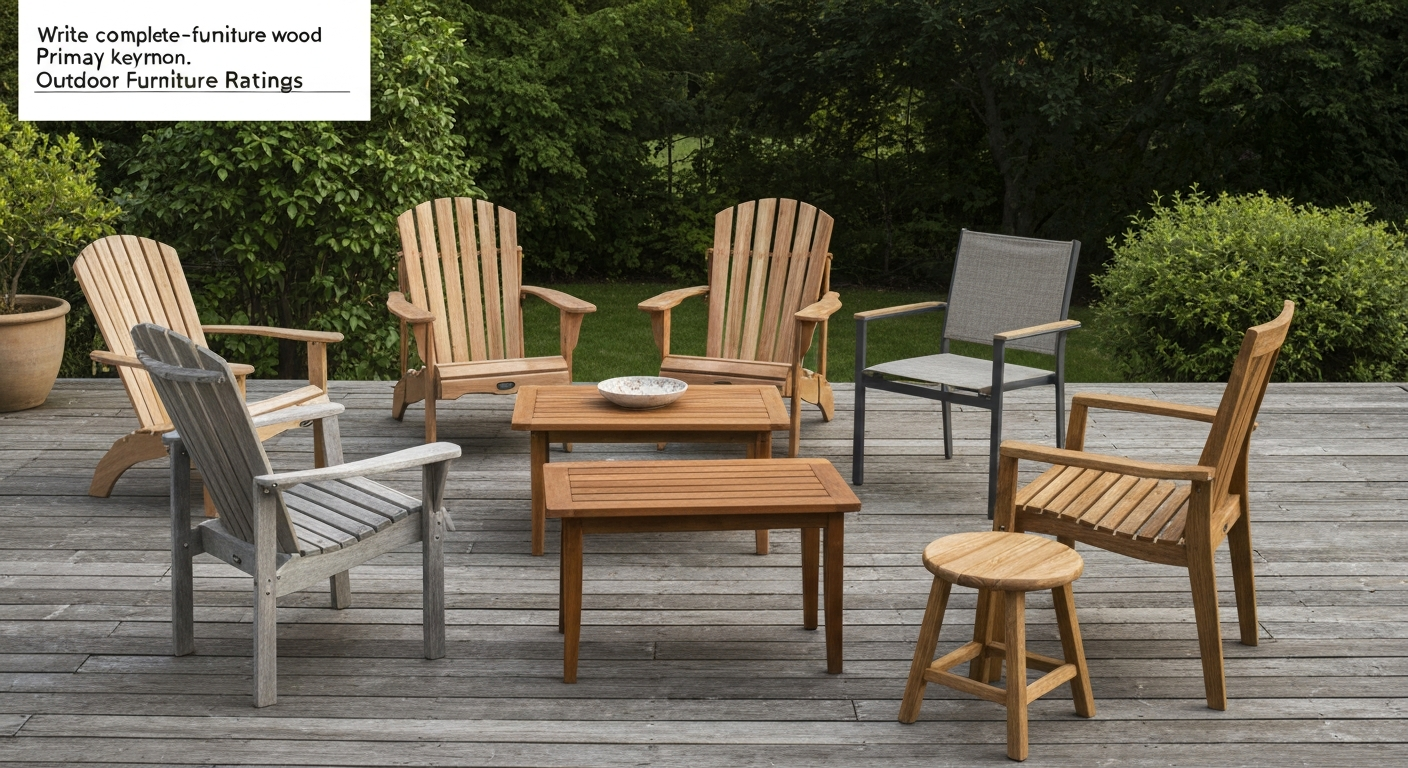
Common Patio Furniture Wood: Best Choices, Care & Tips
Compare common patio furniture wood types, teak, cedar, redwood, oak, with durability, finishes, and care tips.
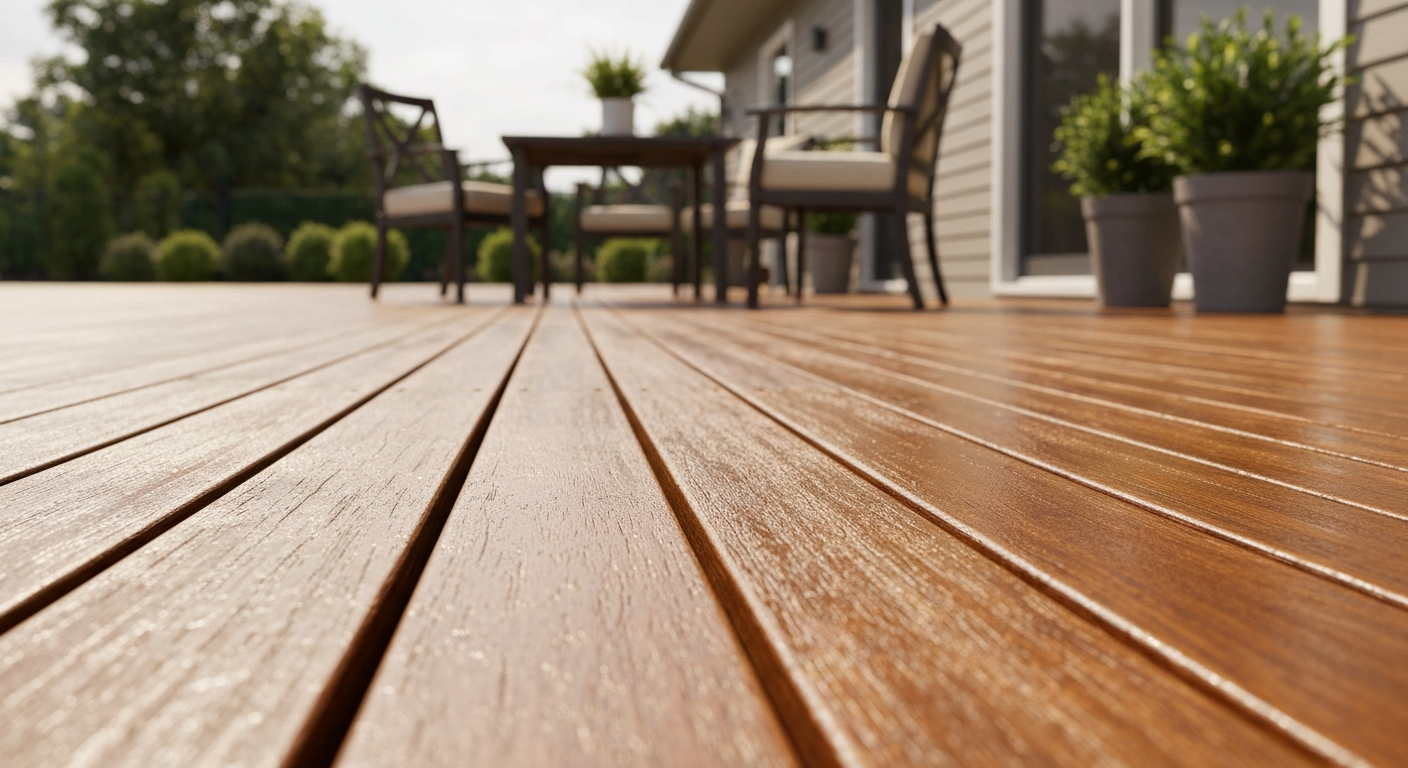
Best Wood Patio Stain: Choosing Durable, Low-VOC Finishes
Compare and choose the best wood patio stain: durability, finish, climate tips, prep, and top product picks.
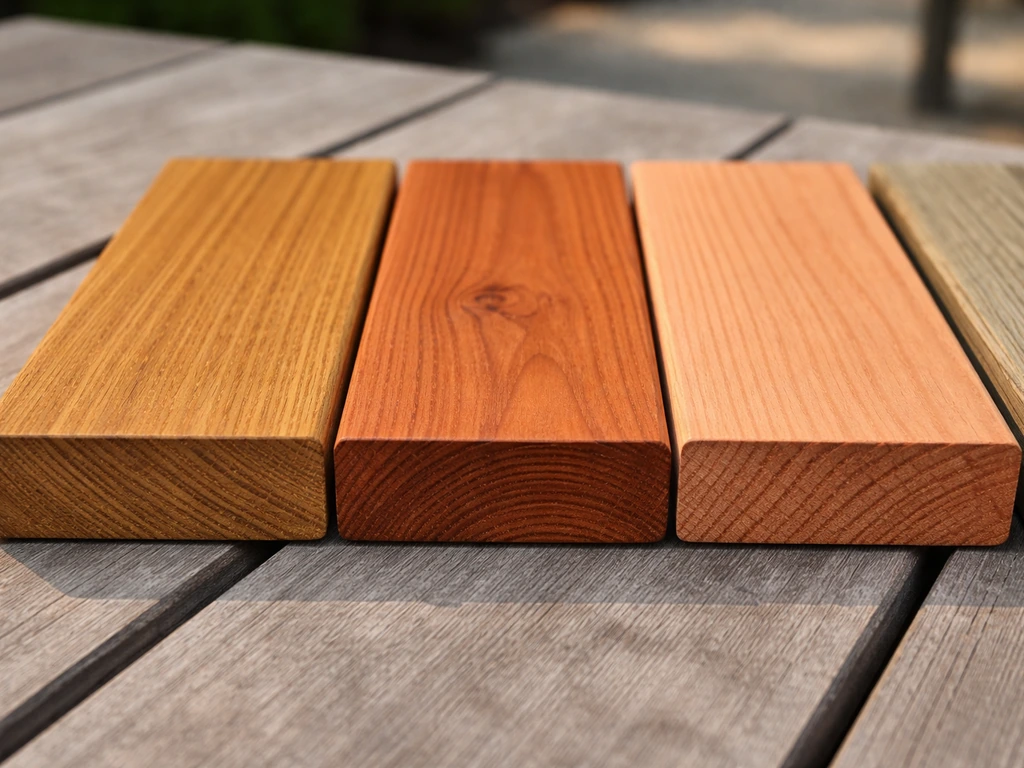
Common Patio Furniture Wood: Teak, Cedar, Redwood and More
Compare common patio woods like teak cedar redwood and pressure-treated: durability, quality checks, and care for long l