
The right patio furniture comes down to three things: your climate, how you actually use the space, and how much upkeep you're willing to do. La différence entre les types de mobilier dépend aussi du matériau, du climat et de l'entretien que vous êtes prêt à faire différence patio furniture. Get those three right and you can buy once, maintain minimally, and have furniture that still looks good a decade from now. Get them wrong and you'll be replacing warped wood or rusted frames every couple of years.
Patio Furniture Tips: Choose Materials, Fit, and Care

Theo Tierney
1 Jul 2026
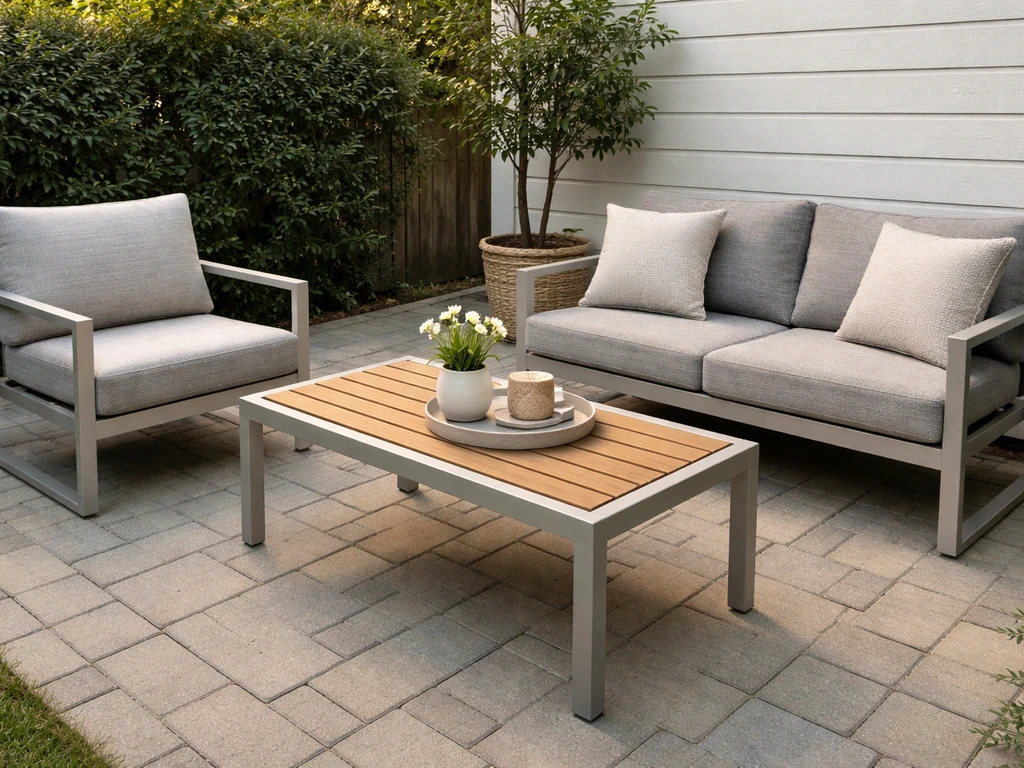
Start by Figuring Out Your Space and How You'll Use It
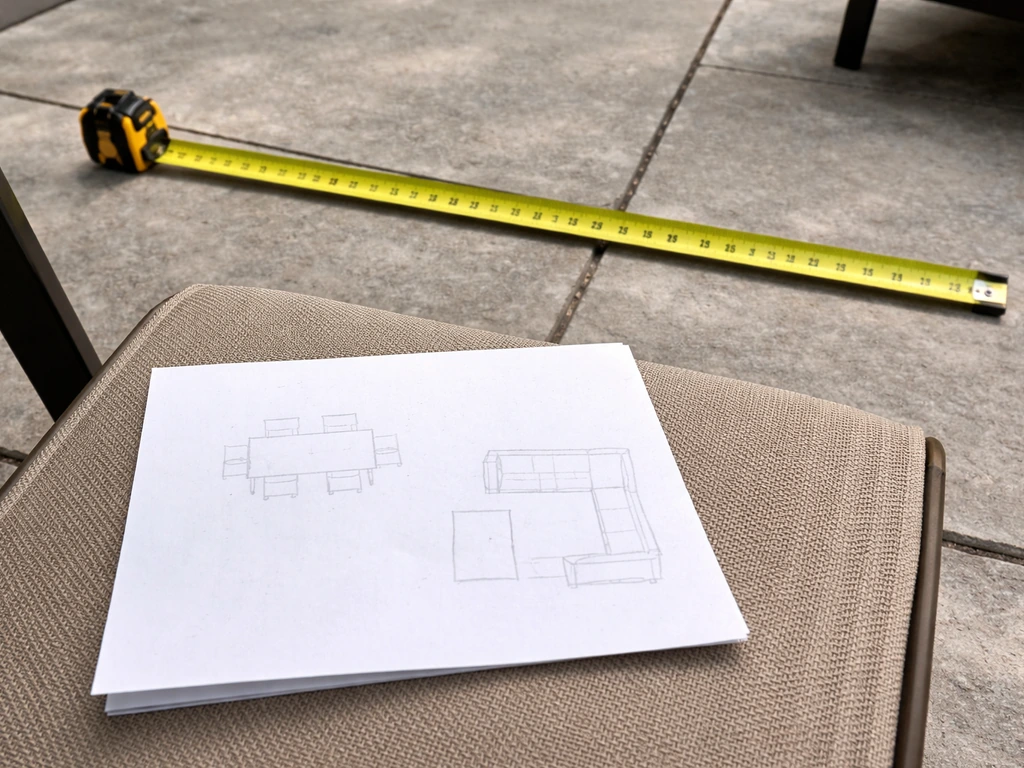
Before you look at a single product listing, measure your patio. This sounds obvious, but it's the step most people skip, and it's why so many patios end up with furniture that's either crammed in or floating in empty space. Measure the full usable area, then subtract for walkways and clearance. A good rule of thumb: leave at least 36 inches around a dining table so chairs can pull out without hitting a wall or railing. If you want comfortable through-traffic, bump that to 48 inches. Standard outdoor dining chairs run about 22–26 inches in their overall footprint, so add that to your table width and depth to get the real floor space you need.
Beyond size, decide upfront whether the space is for dining, lounging, or both. A dining setup needs chairs with seat heights in the 17–19 inch range to match a standard 28–30 inch table and keep leg room comfortable. A lounge setup has different priorities: deeper seats, lower profiles, and armrests positioned for reclining rather than sitting upright over a meal. Trying to make one set do both usually means it does neither well. If your patio is versatile, consider a sectional or modular set for lounging paired with a separate small bistro table for coffee and casual meals.
When evaluating chairs in person, do a quick comfort test: sit fully back against the backrest and check that your thighs are supported without pressure behind the knees. If you're buying online, look for seat depth and seat height in the product specs and compare them to your own body. Arm height matters too, especially if you plan to use the furniture for hours at a stretch.
Material Comparison: What Each Option Actually Delivers
Every material has a climate and use case it excels in, and one where it fails faster than the marketing suggests. Here's the honest breakdown.
| Material | Best For | Weak Points | What to Inspect at Purchase |
|---|---|---|---|
| Teak / Hardwood | All climates with proper sealing; classic aesthetic | High cost; needs annual oiling; heavy to move | Tight grain, minimal knots, mortise-and-tenon joinery, stainless steel hardware |
| Aluminum | Coastal, humid, and rainy climates; lightweight use | Can dent; cheaper alloys feel flimsy; powder coat can chip | 6000-series alloy, thick-wall tubing, powder-coat finish thickness |
| Steel | Budget-friendly strength; covered patios | Rusts if finish is compromised; heavy; bad for coastal salt air | Galvanized or powder-coated finish, weld quality at joints |
| Synthetic Wicker (Resin) | Warm/humid climates; low maintenance; casual look | UV degradation over time; cheaper weaves crack and unravel | HDPE resin over powder-coated aluminum frame, tight weave, UV inhibitors |
| Natural Wicker / Rattan | Covered porches only; dry climates | Cannot handle rain or prolonged humidity; will rot and break | Consistent weave, no loose strands, sealed finish |
| Composite / HDPE Lumber | Wet climates, waterfront properties, low-maintenance goals | Higher upfront cost; limited style variety; can fade without UV stabilizers | Virgin HDPE (not recycled filler), UV stabilizers, stainless steel fasteners |
Wood: Worth It When You Buy the Right Kind
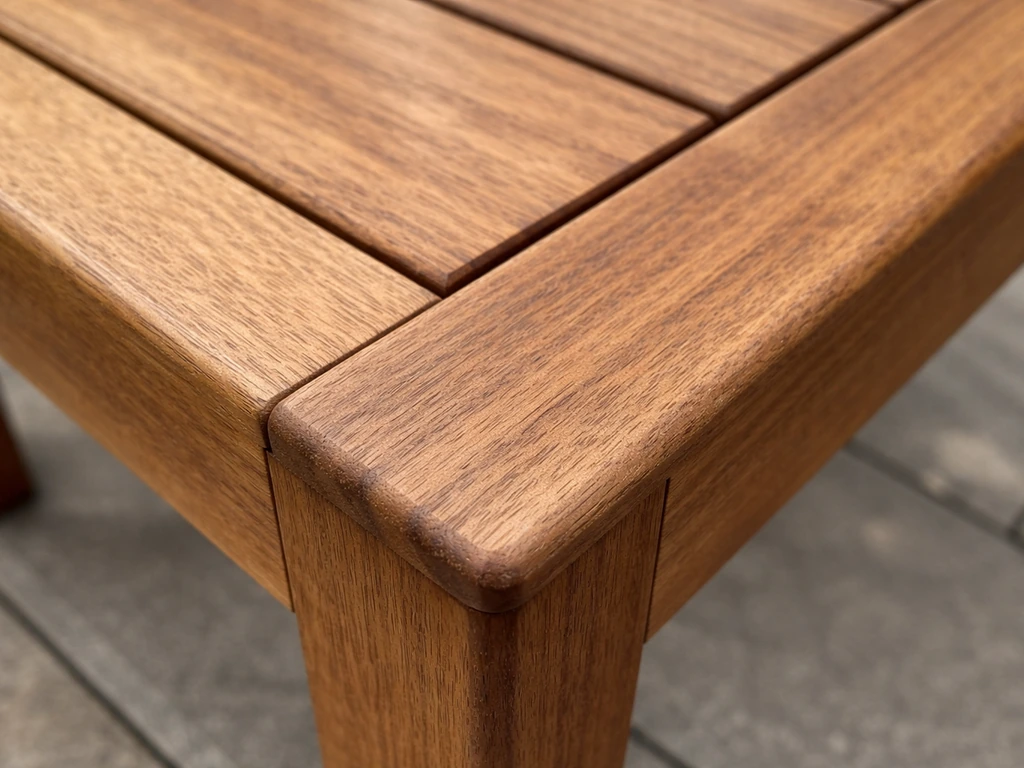
Teak is the gold standard for outdoor wood, and the price reflects that. Its natural silica content and dense grain resist moisture, insects, and UV fading without much intervention. If left untreated, teak weathers to a silver-grey patina that many people actually prefer. If you want to maintain the warm brown tone, apply teak oil once a year. Avoid cheaper tropical hardwoods marketed as "teak-style" or "plantation hardwood" without species verification. Shorea and eucalyptus can work, but they need more maintenance. What to check: look for tight, consistent grain, minimal knots, and joints that use mortise-and-tenon construction rather than just bolts. Stainless steel hardware is non-negotiable.
Metal: Aluminum Beats Steel for Most Outdoor Use
Aluminum doesn't rust, which immediately puts it ahead of steel for anything exposed to rain, humidity, or coastal air. The quality difference in aluminum is mostly about alloy grade and wall thickness. Look for 6000-series aluminum and tubing that feels substantial, not hollow and thin. Powder-coat finish should be even and thick enough that it doesn't scratch off with a fingernail. Cast aluminum is heavier and more ornate-looking; extruded aluminum is sleeker and lighter. Steel is fine for covered patios or dry climates where you're diligent about touching up chips and scratches before rust starts, but for anything exposed, aluminum is the smarter long-term choice.
Wicker: Only Buy Synthetic
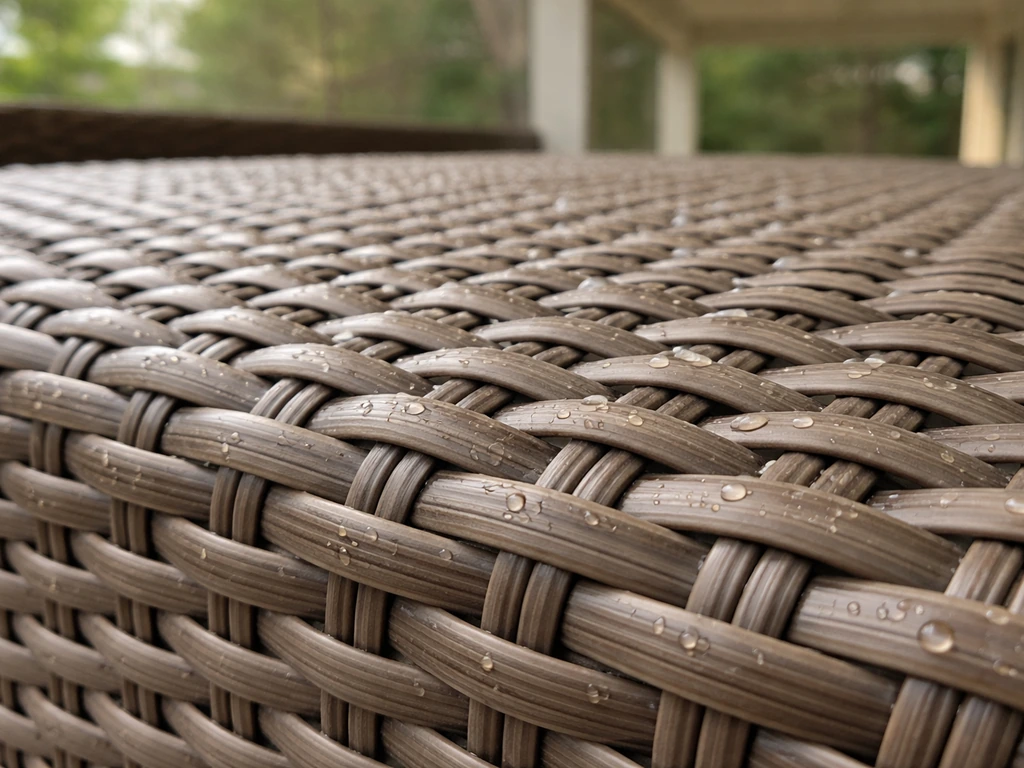
Natural rattan wicker belongs on a covered porch in a dry climate, nowhere else. Outdoors in rain or humidity, it absorbs moisture, swells, weakens, and eventually falls apart. Synthetic resin wicker made from HDPE (high-density polyethylene) over a powder-coated aluminum frame is a completely different product. It handles moisture, UV, and temperature swings well, cleans easily with soap and water, and can last 10 or more years if the weave is tight and the frame is solid. The cheap versions use lower-grade PVC or thin steel frames that rust through the weave over time. Feel the weave tightness and check the frame weight before buying.
Composite / HDPE Lumber: The Low-Maintenance Winner
HDPE lumber made from recycled or virgin high-density polyethylene is basically impervious to moisture, salt, insects, and mildew. It doesn't splinter, warp, or need sealing. It's the material I'd recommend first to anyone with a waterfront property, a rainy climate, or minimal desire to do seasonal maintenance. If you want to move beyond wood, aluminum, or wicker, patio furniture alternatives like HDPE lumber and other low-maintenance materials can cut upkeep without sacrificing comfort. The trade-off is cost and aesthetics: it costs more upfront than most wood or metal options, and the style variety is narrower. Make sure you're buying virgin HDPE or high-quality stabilized recycled HDPE with UV inhibitors, not a filler-heavy composite that will fade and chalk in the sun.
Matching Your Material to Your Climate
Climate is the single biggest factor that separates furniture that lasts a decade from furniture you replace in three years. Here's how to think about it by condition.
- Intense sun and heat (Arizona, inland California, desert Southwest): UV degradation is your main enemy. Prioritize powder-coated aluminum, HDPE composite, or teak. Avoid cheap resin furniture and any fabric not rated for UV resistance. Sling chairs with UV-rated mesh fabrics are excellent in high-heat climates because they don't trap heat like foam cushions do.
- Heavy rain and humidity (Florida, Gulf Coast, Pacific Northwest): Aluminum and HDPE composite are the top picks here. Teak works with annual sealing. Steel rusts, natural wicker fails, and wood that isn't sealed well will swell and crack at the joints. Cushions need quick-dry foam with solution-dyed acrylic fabric (Sunbrella is the category benchmark) and should store or drain fast after rain.
- Freezing winters and snow (Midwest, Northeast, mountain regions): Most furniture can handle cold itself, but freeze-thaw cycles are rough on unsealed wood and on paint/powder coat that's already compromised. Furniture that absorbs water and then freezes will crack. HDPE composite is genuinely freeze-resistant. Aluminum handles cold well. If you leave steel or wood out through winter, sealing before first freeze is important.
- Coastal salt air: Salt accelerates corrosion on anything with metal components. Marine-grade aluminum (type 5000 or 6000 series), HDPE composite, and teak are the materials that hold up. Avoid steel entirely. Even "rust-resistant" galvanized steel will pit and degrade faster than expected near the ocean. Rinse furniture with fresh water regularly (at least monthly) to clear salt deposits.
- High wind: Weight and structure matter more than material here. Cast aluminum and HDPE composite furniture tends to be heavier and more stable. Sling chairs without cushions won't catch wind the way cushioned pieces do. Anchor or store lightweight aluminum pieces when storms are expected.
Getting Comfort and Layout Right
A patio that's uncomfortable to sit in doesn't get used, which means every dollar you spent on it is wasted. Comfort starts with the right seat height: 17–19 inches from floor to seat top pairs correctly with a 28–30 inch dining table. Go lower than that and you're hunching over your plate; go higher and you're on a bar stool. For lounge chairs and sectionals, the priorities shift to seat depth (deeper is better for reclining) and lumbar support.
For cushions, foam density is the thing most buyers ignore. Cheap cushions use low-density foam that compresses flat within a season and never bounces back. Look for outdoor cushions with at least 1.8 lb/ft³ density foam, ideally wrapped in a quick-dry polyester fill. The outer fabric should be solution-dyed acrylic: this means the color goes all the way through the fiber rather than sitting on the surface, so UV fading is dramatically slower. Olefin is a more budget-friendly alternative with decent UV and moisture resistance. Avoid anything labeled just "polyester" for outdoor use unless you want faded, mildewed cushions by year two.
For layout, the 36–48 inch clearance rule around your dining table is the practical minimum. On a smaller patio, fold-away chairs or stackable chairs let you reclaim the space. Leave at least 18 inches between a lounge chair and a side table so there's room to set down a drink and pick it up without leaning awkwardly. If you have a fire pit or outdoor heater, position seating at least 3 feet away from the heat source, and use furniture without synthetic fabric or cheap resin components near open flame.
Durability and Cleaning: What You Actually Need to Do
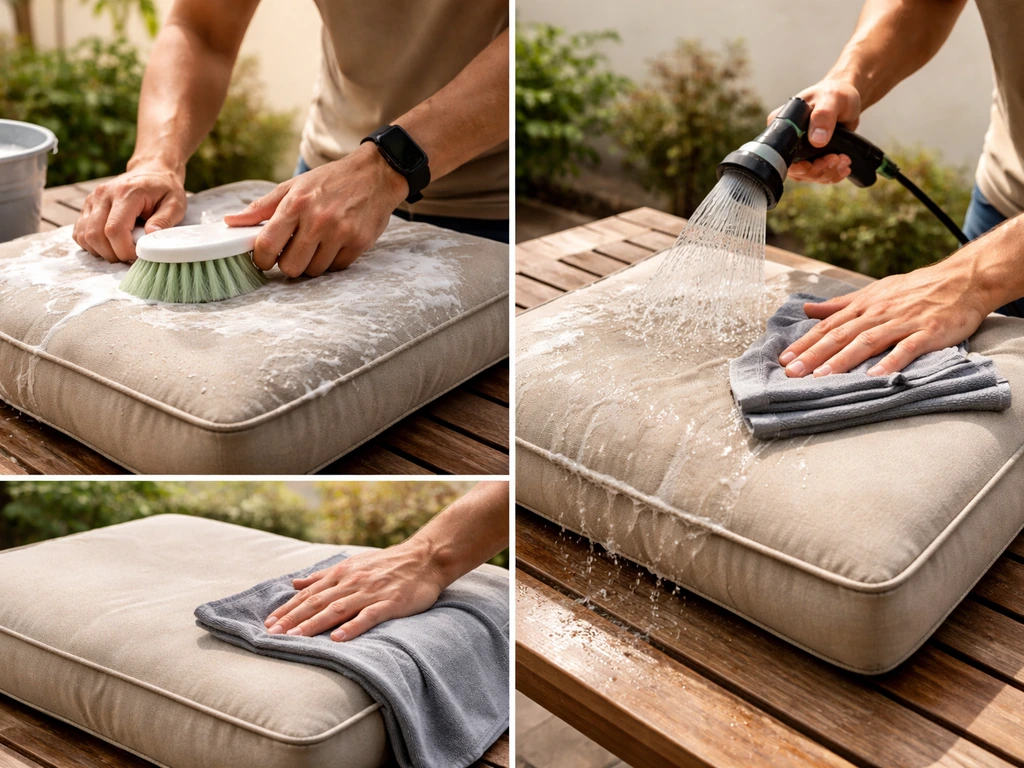
Most patio furniture fails not because of bad materials but because of neglected maintenance. The good news: the routines are simple and don't take much time.
Regular Cleaning
For almost all materials, mild dish soap and warm water applied with a soft brush is enough for routine cleaning. Do this monthly in active season. Rinse thoroughly because soap residue attracts grime and can degrade some finishes. For aluminum and metal frames, check joints and welds during cleaning for any chips in the powder coat. Touch up chips immediately with a color-matched spray paint rated for metal to prevent rust from starting. For teak and hardwood, scrub along the grain with a soft-bristle brush, never across it.
Mold and Mildew on Cushions
Mildew on cushions is the most common maintenance complaint. It's almost entirely preventable by letting cushions dry fully before storing or stacking them. If mildew does appear, mix one part white vinegar with four parts water and scrub the affected area. For stubborn mold on solution-dyed acrylic fabric, a diluted bleach solution (1/4 cup bleach per gallon of water) is safe and won't damage the color the way it would on other fabrics. Don't use bleach on olefin or polyester. Always air-dry cushions flat rather than leaning them, which traps moisture in folds.
Rust Prevention on Metal
Rust on steel or iron furniture starts at joints, welds, and any spot where the finish has chipped or scratched. Inspect annually and touch up paint before rust can set. If rust does appear, sand it back to bare metal, treat with a rust converter product, prime, and repaint. Never leave rusting metal unaddressed because it spreads and undermines the structural integrity of joints over time. Aluminum doesn't rust but can corrode through oxidation in coastal air; wipe aluminum down with a car wax or furniture-specific protective wax once a season to slow oxidation.
Wood Sealing and Oiling
Unsealed wood absorbs moisture, which leads to warping, checking (surface cracking), and joint failure. Teak needs oil once a year if you want to maintain its color. Other hardwoods and softwoods typically need a penetrating sealer every one to two seasons depending on climate exposure. Apply sealer on a dry day after cleaning and let it cure fully before use. Don't over-oil teak: excess oil sits on the surface and turns grey and sticky. One thin coat per year is enough.
A Simple Maintenance Schedule
- Monthly (active season): Soap-and-water wash of all frames and cushion covers. Rinse thoroughly. Check for loose hardware and tighten.
- Every 3 months: Inspect metal for paint chips or rust. Touch up immediately. Wipe aluminum with protective wax.
- Start of season: Apply teak oil or wood sealer if applicable. Deep-clean cushions. Check all structural joints.
- End of season: Full cleaning before storage. Apply any protective coatings. Store cushions indoors or in a waterproof deck box.
Covers, Waterproofing, and Seasonal Storage
Furniture covers are worth buying, but only if you buy good ones. Cheap polyethylene covers trap moisture underneath, which creates exactly the humid, dark environment mold loves. Look for covers made from solution-dyed polyester or acrylic with air vents built in. A cover that breathes protects against rain and debris while allowing moisture to escape. Use covers during extended periods you're away from home, during the off-season, or when a major storm is expected.
For seasonal storage, the priority order is: cushions first, then wood pieces, then metal. Cushions should always come inside (a basement, garage, or deck storage box works fine) because even weather-resistant fabric degrades faster when left out all year. Wood furniture left outdoors in freezing climates should be cleaned, sealed, and covered. Metal furniture can generally stay outside through winter if it's in good condition and covered, but teak and other hardwoods benefit from being stored upright in a dry space to prevent moisture pooling on horizontal surfaces.
Waterproofing products matter most for wood and for cushion fabric. A teak sealer or a waterproofing spray for outdoor fabric adds meaningful protection and extends the time between deep cleanings. On metal, the powder coat is your waterproofing layer, which is why maintaining it is so important. Don't apply waterproofing sprays to powder-coated metal: they don't add much and some solvents can soften the finish.
How to Spend Smart and Avoid the Common Traps
The biggest budget mistake in patio furniture is buying cheap twice instead of mid-range once. A $200 resin set from a big-box store will need replacing in two or three years. A $700 powder-coated aluminum set with quality cushions lasts a decade or more with basic care. If you want easier choices, use patio furniture recommendations as a starting point and then confirm the specs match your climate and measurements. The math is obvious, but the upfront number still catches people. If budget is genuinely tight, the smart approach is to buy quality frames and skip cushions initially (or use basic cushions), then upgrade cushions when funds allow. Frames last; cheap cushions don't.
When evaluating brand quality, look past lifestyle photography and focus on construction specs. A brand that lists alloy grade, wall thickness, foam density, and fabric composition is a brand confident in their product. A brand that only talks about "premium materials" and "handcrafted quality" without specifics is covering for corners cut in the supply chain. Ask for or look up the actual specs before buying. If a retailer can't tell you what alloy the aluminum is or what density the foam is, that's a signal.
Common buying mistakes worth calling out specifically:
- Buying for looks without checking measurements first. Measure the patio, measure the furniture, account for clearance. Do this before you fall in love with a set.
- Choosing natural wicker or rattan for an exposed patio. It will fail. Buy synthetic HDPE resin wicker instead.
- Skipping frame weight as a quality indicator. Heavy frames (within the same material category) almost always mean thicker walls and better construction.
- Ignoring hardware. Cheap zinc hardware on an otherwise solid wood or aluminum set is a structural weak point. Look for stainless steel fasteners.
- Buying a matching set when you don't need one. Mixing a quality dining table with more affordable chairs, or a solid lounge frame with upgraded aftermarket cushions, is a legitimate way to optimize a limited budget.
- Assuming "outdoor-rated" means weather-proof. It means weather-resistant to a degree. Even the best outdoor materials last longer with basic seasonal care.
If you're working through patio furniture recommendations or weighing specific alternatives, the material and climate framework here gives you a foundation for comparing what you're actually looking at. If you need tips on buying patio furniture, use that same framework to compare materials, sizing, and upkeep before you check out patio furniture recommendations. The best purchase is the one that matches your real outdoor conditions, your actual use patterns, and a maintenance routine you'll genuinely follow. Start with those three things and the right furniture becomes a much easier decision.
FAQ
What’s the best way to prevent mildew on outdoor cushions if my patio is humid?
For outdoor cushions, prioritize breathable, quick-dry designs and washability, but verify the foam density and fabric type first. In rainy climates, even “water-resistant” cushions can mildew if you store them damp, so plan to bring them inside after storms or use a covered, ventilated storage box.
Can I ignore clearance if I push chairs closer to the wall or railing?
Replace or add a small gap spacer rather than pushing furniture tight to walls or planters. Even with the 36 to 48 inch clearance rule, leave a few extra inches where airflow is blocked, because trapped moisture speeds up corrosion on metal and mildew on cushions.
How do I know whether outdoor cushion fabric will actually resist fading?
Check for UV inhibitors and solution-dyed acrylic, and confirm the cushion fabric is labeled as outdoor-rated. Regular indoor polyester can fade quickly and can also hold onto moisture, so “water repellent” alone is not enough.
Is it okay to use lounge chairs for dining on a small patio?
Yes, but only if you match the size to your real table and allow the same clearance you would for dining. If you use loungers for meals, ensure seat height and arm height don’t force you to lean forward, and verify that chair pull-out space still exists.
What patio furniture tips apply when placing seating near a grill or outdoor heater?
If you use furniture near a grill, fire pit, or heater, avoid synthetic fabrics and low-quality resin components within the stated heat distance. Also keep cushions farther back than the metal seat, because cushion materials warm up and can become brittle over time.
How often should I oil teak, and what happens if I overdo it?
For teak, one thin coat per year is a safe target if you want to maintain color. If your teak is already silver-grey, apply oil only after cleaning and drying fully, and wipe off any surface excess to avoid a sticky film.
Can I apply waterproofing spray on powder-coated aluminum for extra protection?
Powder-coated aluminum usually needs cleaning and inspection, not extra waterproofing sprays. If the coating is nicked, touch up chips promptly with color-matched spray paint rated for metal, then keep an eye on coastal oxidation.
Are patio furniture covers always helpful, or can they make mildew worse?
Don’t assume a cover solves moisture problems. A cover must breathe, with vents and a fit that doesn’t trap puddles, and it should be used with fully dry cushions and furniture, otherwise you create the same humid conditions mold needs.
What should I do differently for patio furniture storage in freezing winters?
If your area freezes, treat storage like a moisture management project. Bring cushions inside, clean and dry wood, seal if the climate requires it, and store wood pieces upright when possible to prevent pooling water and freeze-thaw damage.
How can I tell if a patio furniture brand is overselling without relying on marketing photos?
A faster way is to compare the listed specs and the “construction truth” rather than the price alone. If the brand won’t provide alloy grade and foam density, or the resin details are vague, treat it as a higher failure risk and budget for replacement.
Next Articles
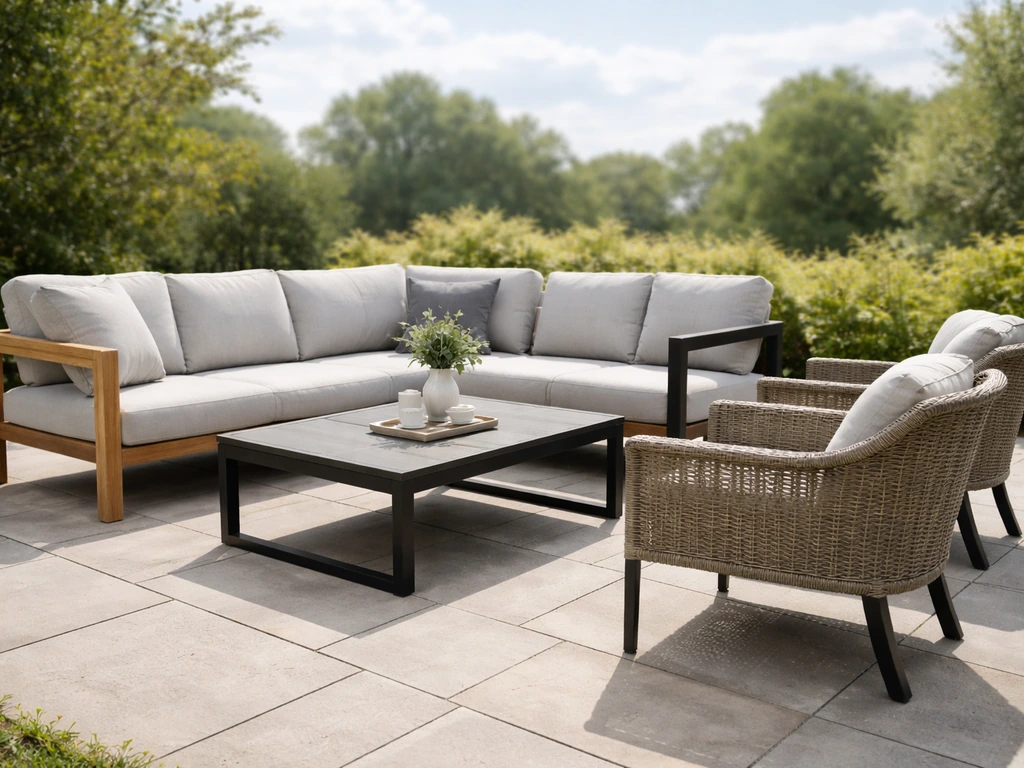
La différence patio furniture: materials, styles, and fit
Compare patio furniture materials and types to pick the right set for sun, rain, wind, and coastal humidity, with care t
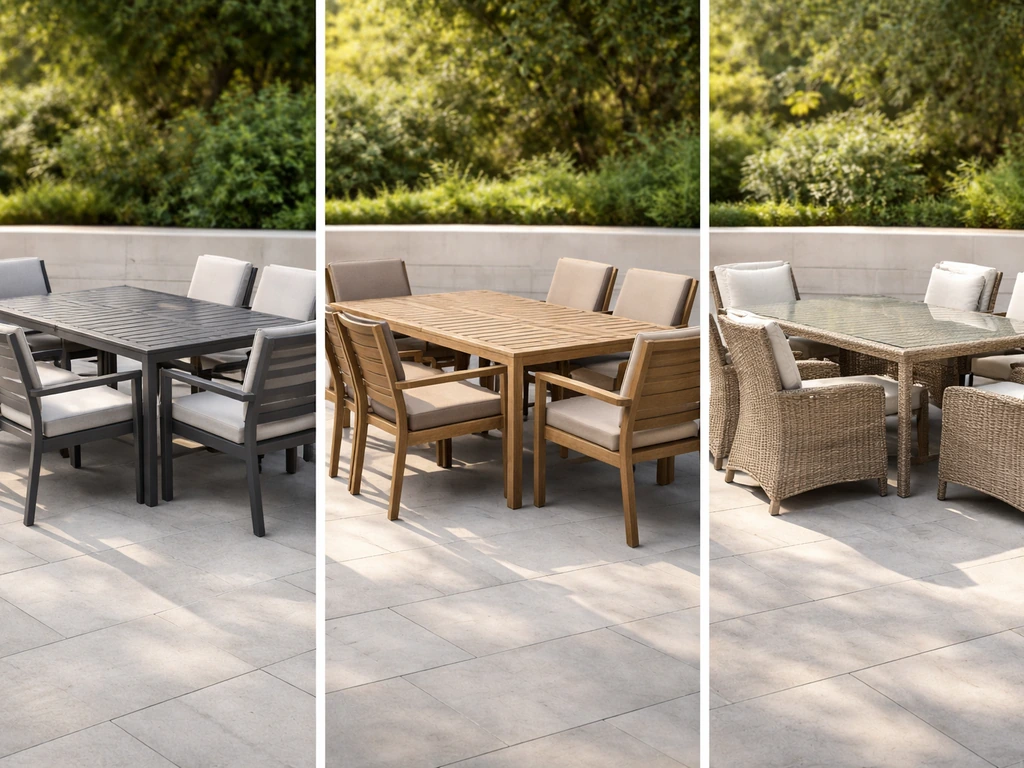
Patio Furniture Alternatives: Buyer’s Guide by Material
Material-by-material patio furniture alternatives with durability, comfort, and maintenance tips for rust, rot, mold, an
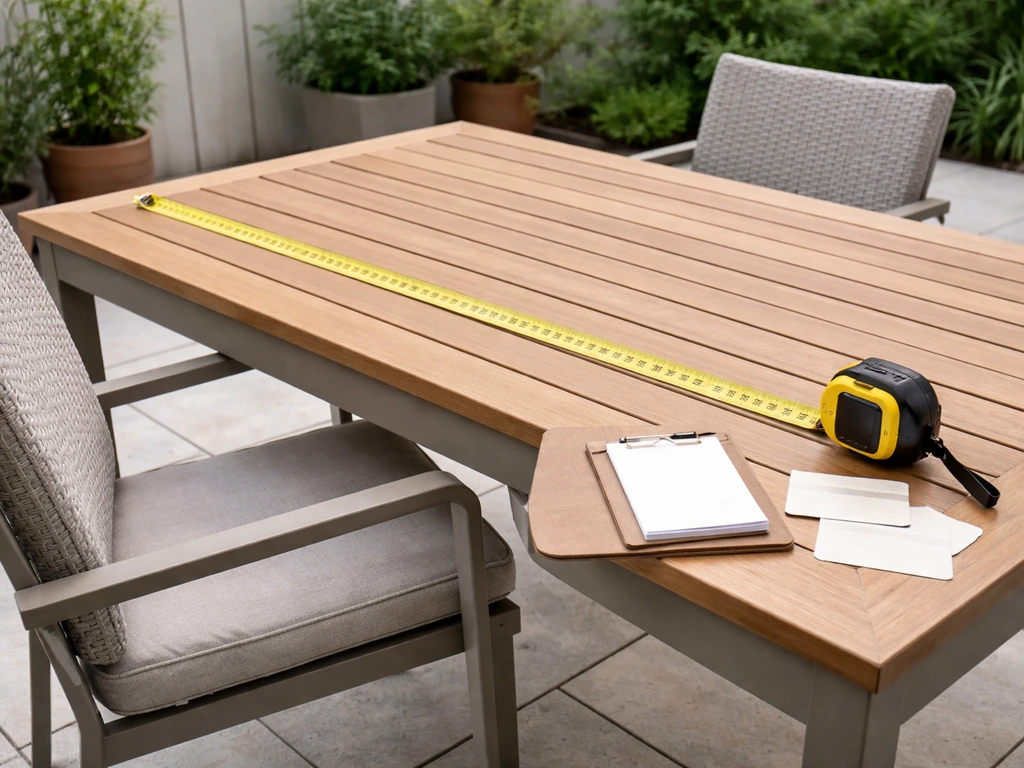
Tips on Buying Patio Furniture: A Practical Checklist
Practical checklist for buying patio furniture: size, best materials for your climate, quality checks, and long-term car