
The best patio furniture alternative for most homeowners is powder-coated aluminum with solution-dyed fabric cushions, or HDPE composite (recycled plastic) if you want near-zero structural maintenance. Both outlast wood and steel in most climates without the rust, rot, or constant refinishing headaches that drive people to start searching in the first place. Which one is right for you depends on your climate, how much comfort matters versus durability, and how much you want to spend upfront versus over a decade.
Patio Furniture Alternatives: Buyer’s Guide by Material

Theo Tierney
8 Jun 2026
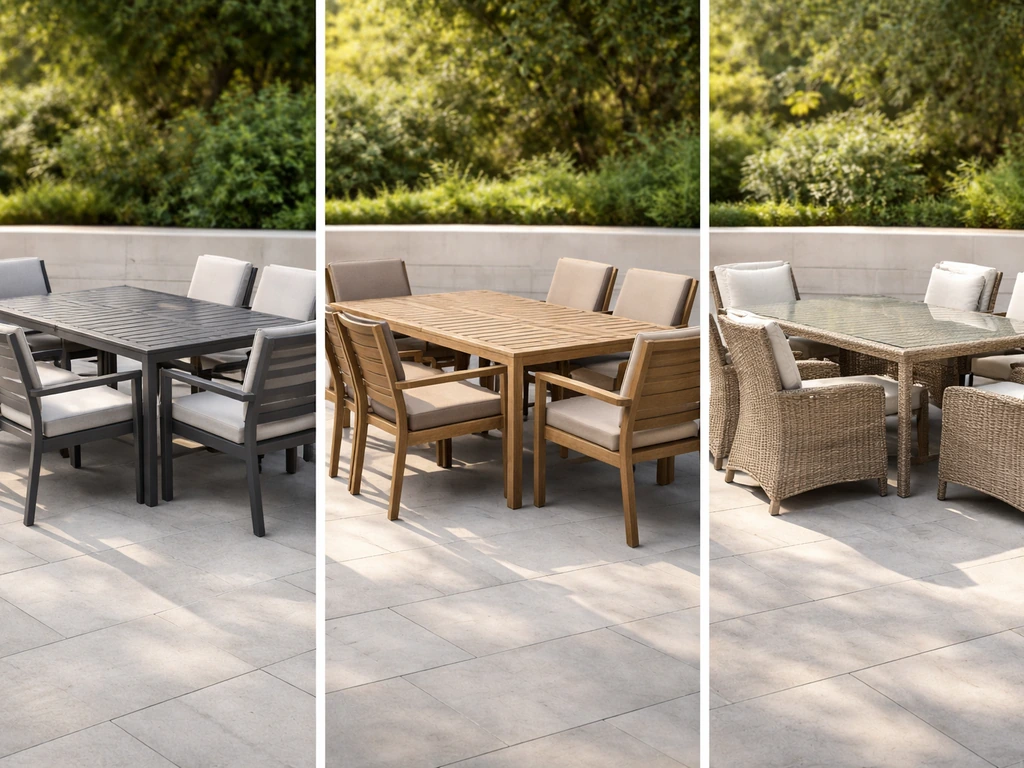
Why you're looking for an alternative in the first place
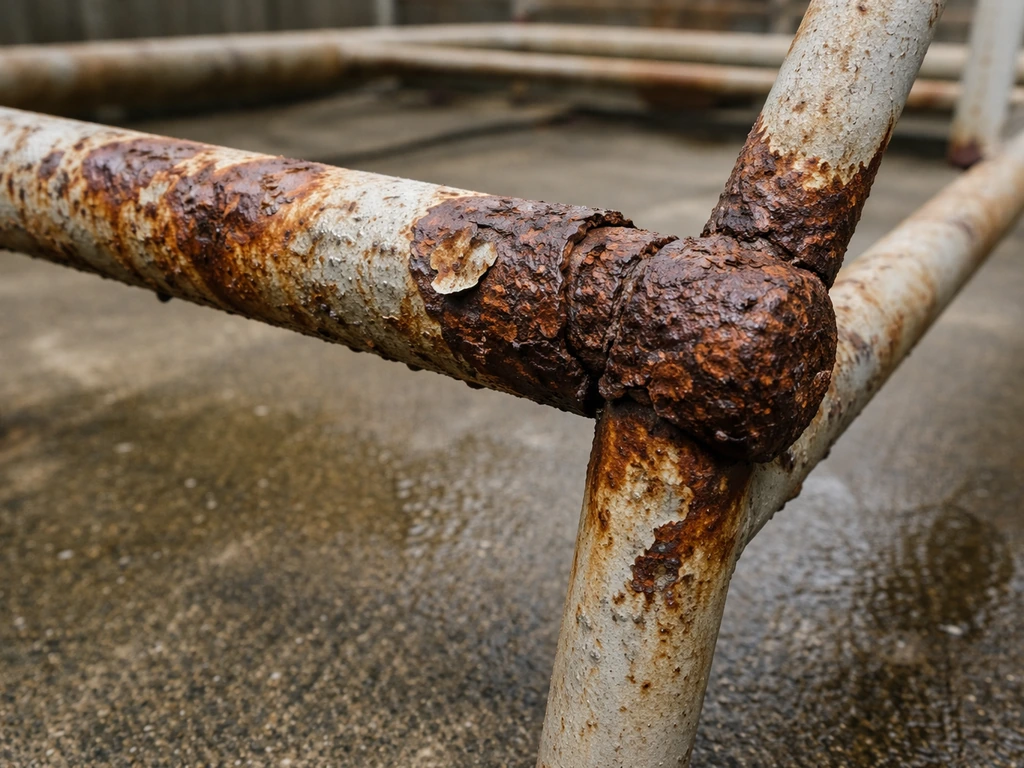
Most people land on this topic because something failed. The frame rusted through. The cushions went flat or grew a colony of mildew after one rainy season. The teak or cedar started cracking and needed sanding and re-oiling every spring. Or the cheap set from a big-box store looked great in the showroom and turned into a faded, wobbly mess by year two. These are the four most common failure modes: metal corrosion, UV fabric fading, wood rot or warping, and cushion compression or mildew. The alternative you pick should directly fix whichever of these broke you.
High humidity is a particular accelerator. It speeds up mold and mildew on any organic material, including wood frames, foam cushion fill, and untreated fabric. It also promotes corrosion at joints and beneath finishes where moisture gets trapped and sits. If you're in a humid climate and your old set failed fast, the material you replace it with matters a lot more than it would in a dry Arizona backyard.
Your main material options and what they actually offer
Here's an honest look at each major material category. Skip straight to the one that matches what you had before and failed, or read through to compare.
Powder-coated aluminum
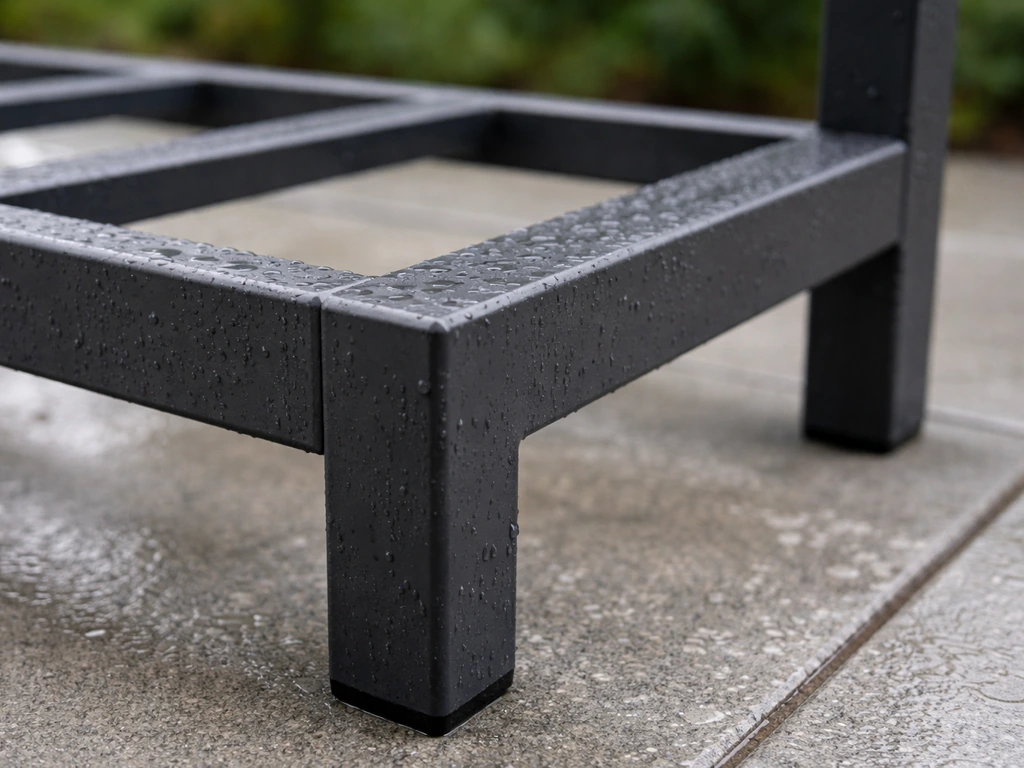
Aluminum doesn't rust, which is its single biggest advantage over steel. The frame is lightweight, so you can rearrange it without help, and it handles rain and humidity without corroding through. The quality question is all about the coating. Look for powder-coated finishes that meet AAMA 2604 or AAMA 2605 standards. AAMA 2604 requires at least 50% PVDF resin content and typically carries about a 5-year chalk and fade warranty in coating contexts. AAMA 2605 requires 70% PVDF content and supports longer color retention expectations, closer to 10 years. Most budget aluminum furniture uses a cheaper liquid paint or a low-grade powder coat that chips at weld points, and that's where oxidation starts. Once the coating is breached, the aluminum underneath starts to pit and corrode. When buying, also check the hardware: stainless steel fasteners (316-grade for coastal environments) make a real difference versus zinc-plated screws that corrode and stain.
HDPE composite (recycled plastic)
High-density polyethylene composite, the material POLYWOOD made famous, is what happens when you engineer plastic to behave like wood without any of wood's failure modes. It doesn't rot, doesn't splinter, doesn't crack, won't attract insects, and holds up in freeze-thaw cycles that would destroy untreated wood. POLYWOOD backs its structural material with a 20-year residential warranty against defects including rot, cracking, and peeling under normal use. That's a strong signal. The trade-off is that HDPE composite has a plastic look that some people find too casual, and it's heavier than aluminum. It's also typically more expensive upfront than comparable aluminum sets, though the long-term cost case is easy to make.
Resin wicker
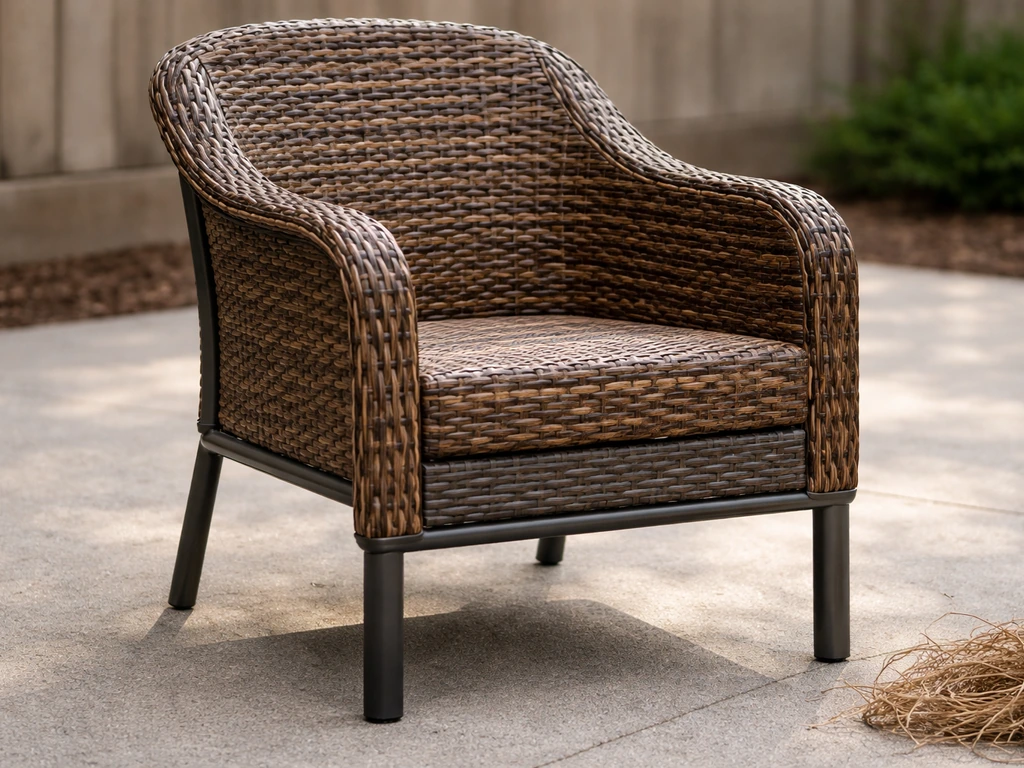
Natural rattan wicker is an outdoor disaster in most climates because it dries out, cracks, and mildews. Resin wicker (synthetic wicker woven over an aluminum or steel frame) solves the rot problem and gives you the organic, textured look many people want. Quality varies a lot. Look for all-weather resin wicker woven over an aluminum frame rather than steel, and check whether the weave is tight and UV-stabilized. POLYWOOD warranties its resin wicker woven inserts for 5 years against cracking, unraveling, excessive fading, and rot. Cheaper resin wicker starts to look ratty at the edges within two to three seasons. Maintenance is simple: warm water, mild soap, and a soft-bristle brush. Skip anything abrasive because it degrades the surface finish and accelerates aging.
Treated wood alternatives (teak, ipe, and FSC-certified hardwoods)
If you had cheap pine or cedar and want to stick with wood, the upgrade path is teak or ipe. These are dense, naturally oil-rich hardwoods that resist moisture, insects, and rot far better than softwoods. Teak can be left untreated to weather to a silver-gray patina or oiled annually to keep its warm gold tone. The downside is cost: quality teak is genuinely expensive, and responsibly sourced ipe can be harder to find. They're heavy, which matters for small balconies or if you need to move furniture seasonally. But if you love the look of real wood and are willing to do occasional oiling, teak is the one wood alternative that earns its price over 15 to 20 years.
Steel (tubular or wrought-look)
Steel gives you a heavier, more solid feel than aluminum and can be formed into ornate shapes that aluminum can't match easily. The problem is that steel rusts when the coating is compromised. In humid, rainy, or coastal climates, steel is genuinely hard to maintain long-term. If you choose steel, look for galvanized steel underneath the powder coat and check the finish quality at welds, since that's where coatings fail first. Steel is a reasonable choice in dry climates where rain is infrequent. In wet climates, aluminum or HDPE is a better call.
Budget polypropylene and injection-molded plastic
Basic plastic patio furniture is light, cheap, and easy to stack. UV exposure is its enemy: it makes polypropylene brittle and faded within a few years. If your budget is tight and you need something temporary or for a secondary space, it works. But don't confuse cheap plastic with HDPE composite. The construction and longevity are completely different. Resin stacking chairs from brands like Lifetime or Rubbermaid sit in a different category than cheap folding sets; they use thicker, UV-stabilized plastic and hold up much better.
How climate changes everything
| Climate | Best choices | Avoid |
|---|---|---|
| Humid / rainy (Southeast, Pacific Northwest) | Powder-coated aluminum, HDPE composite, resin wicker over aluminum | Untreated wood, steel without galvanizing, cheap polypropylene |
| Freeze / snow / ice (Midwest, Northeast) | HDPE composite, powder-coated aluminum, teak | Steel (freeze-thaw accelerates coating failure), cheap plastic (brittles in cold) |
| Coastal / salt air (beachfront, within 1 mile of salt water) | Marine-grade aluminum with AAMA 2605 coating + 316 SS hardware, HDPE composite | Steel (corrodes fast), natural rattan, budget aluminum |
| Hot / dry / high UV (Southwest, desert) | Powder-coated aluminum with PVDF coating, HDPE composite, UV-stabilized resin wicker | Untreated wood (cracks in heat), cheap plastic (brittles and fades) |
| Mild / temperate (most of California, Pacific Coast) | Almost anything quality works; aluminum or teak are ideal | Budget steel if near fog or coast |
For coastal environments specifically, the combination that holds up best is powder-coated aluminum with AAMA 2605-rated finish plus 316-grade stainless hardware, or HDPE composite. Marine-grade 316 stainless is meaningfully more corrosion-resistant than 304-grade in salt air environments. Quick-drying textiles also matter at the coast because salt combined with trapped moisture is what accelerates fabric and frame degradation.
Durability, comfort, and style: what you trade away
No material wins on all three dimensions. Here's the honest version of what each gives up.
| Material | Durability | Comfort | Style flexibility | Main trade-off |
|---|---|---|---|---|
| Powder-coated aluminum | High (no rust) | Moderate (needs cushions) | High (many finishes and designs) | Coating quality varies widely by brand |
| HDPE composite | Very high (20-yr warranty) | Moderate (slat seating, needs cushions) | Limited (plastic look, fewer styles) | Heavier, higher upfront cost |
| Resin wicker over aluminum | Good (5-yr weave warranty at quality brands) | High with cushions, decent without | High (organic, versatile look) | Weave degrades faster than frame |
| Teak / dense hardwood | High if maintained | High (ergonomic contours possible) | High (premium, natural look) | Cost, weight, occasional oiling required |
| Steel | Moderate (coating-dependent) | Moderate | High (ornate forms) | Rusts when coating breaks; heavy |
| Budget plastic (polypropylene) | Low (UV brittles it) | Low | Low | Short lifespan, not a real alternative |
One thing people underestimate is the cushion lifespan separate from the frame. Even on a top-quality aluminum or composite frame that lasts 15 to 20 years, the cushions may need replacing every 3 to 5 years depending on climate and care. Foam compression and mildew are the usual culprits. Plan for cushion replacement as a recurring cost, not a one-time purchase.
Maintenance reality check for each material
Aluminum frames
Aluminum needs almost no structural maintenance. Wipe it down with mild soapy water a few times per season. The one thing to watch is the powder coat: if it chips at a weld or edge, touch it up with a matching outdoor spray paint before oxidation gets a foothold. Once you see white pitting forming, you're fighting a losing battle. Store aluminum cushioned frames under covers or indoors during heavy winter snow to prevent coating stress from freeze-thaw cycles.
HDPE composite frames
HDPE composite is about as low-maintenance as outdoor furniture gets. Hose it down, use soap and water for anything stubborn, and you're done. No need to sand, stain, seal, or worry about rot. You can leave it out year-round in most climates without covers, though covers do reduce cleaning frequency and UV exposure on light-colored pieces.
Resin wicker
Clean resin wicker with warm water and mild soap, using a soft-bristle brush to work into the weave where dirt collects. Rinse thoroughly and let it dry completely before putting cushions back on or storing. Avoid abrasive scrubbers or harsh cleaners because they degrade the resin surface finish, which then chalks and becomes brittle faster. Check the frame underneath annually: if the wicker is over a steel frame rather than aluminum, look for rust spots at any exposed points.
Teak and hardwood
If you want to keep teak's golden color, apply teak oil or a dedicated teak sealer once a year, or twice if you're in a wet climate. Sand lightly before oiling if the surface has started to gray. If you're fine with the silver-gray weathered look, you can leave teak completely untreated. Either way, inspect joints and hardware annually for moisture traps. Avoid pressure washing, which forces water into grain and joints.
Cushions: the part that actually needs the most attention
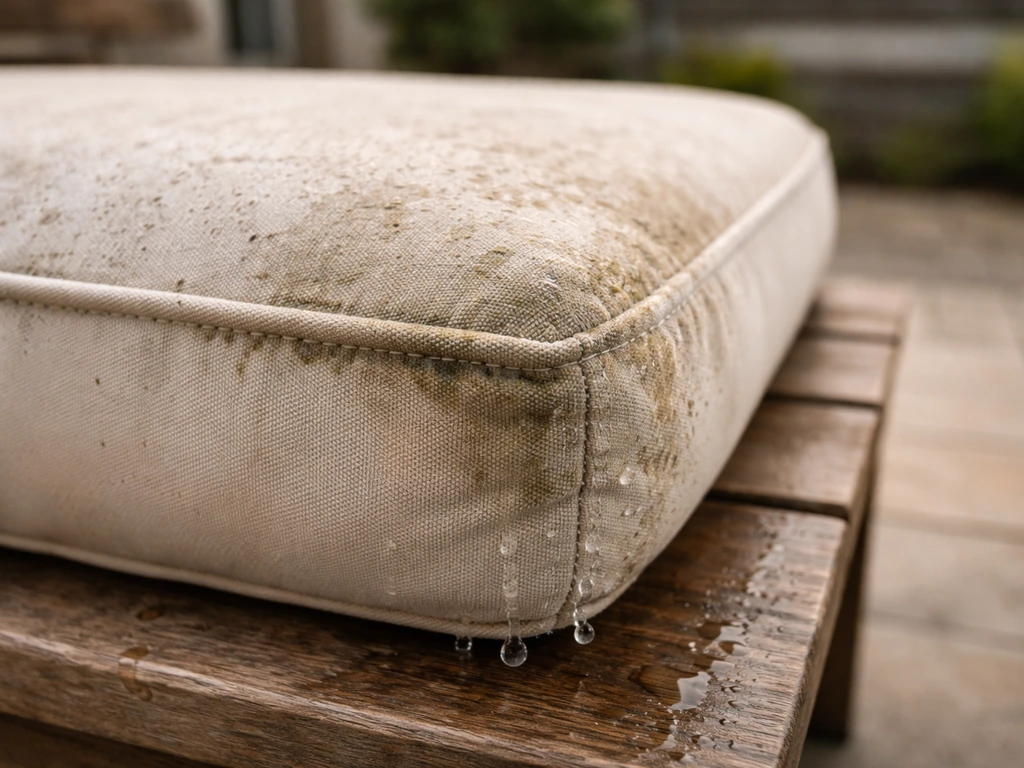
Mildew on cushions starts when moisture gets trapped inside the foam core and doesn't dry out between rain events. The prevention is simple but requires discipline: after rain, blot the cushions, stand them on edge, and let them air-dry fully before laying them flat again. For cleaning mildew, use a mild solution appropriate for the fabric type and rinse thoroughly, then let it dry completely in the sun. For cushions you're investing in, look for solution-dyed fabrics with explicit mildew and fade warranties. Sunbrella-brand fabric carries a 10-year limited warranty against fading on shade and marine fabrics, which is the strongest coverage available in consumer outdoor textiles. Store cushions in a dry location (not a wet deck box where moisture can concentrate) during the off-season.
Choosing the right setup for your specific space
Before you pick a material, nail down your space requirements. Measure your patio and leave at least 36 inches of clearance around chairs for comfortable movement. For dining sets, account for chairs being pulled out: a 48-inch round table with four chairs needs roughly a 10x10 foot footprint minimum. For deep-seating or lounge sets, allow more depth for ottomans and traffic flow.
For seating comfort on sling or mesh chairs (common on aluminum frames), the quality of the sling fabric matters. High-quality slings are made of vinyl-coated polyester or PVC-free textilene mesh that breathes better in heat and dries faster than foam cushions. They're a smart choice for pool surrounds and hot climates where you don't want the cushion-care burden. Deep-seating frames with thick cushions (4 inches or more of high-density foam) are more comfortable for lounging but require more active cushion maintenance.
- Small balcony or rooftop: Lightweight aluminum bistro sets or folding chairs that can be stored vertically; avoid heavy HDPE or teak
- Pool or spa surround: Aluminum sling chairs or HDPE composite (water pooling is constant); skip cushion-heavy deep seating unless you're committed to drying them after every swim
- Large covered patio: Any material works well here; prioritize comfort and style since weather exposure is reduced
- Exposed backyard in a humid climate: HDPE composite or aluminum with drainage-friendly slat or mesh seating; choose quick-dry cushion fabric
- Coastal deck: Marine-grade aluminum plus 316 SS hardware or HDPE; keep cushions with mildew-warranty fabrics and store them aggressively during off-season
What things actually cost over time
The upfront price tells you almost nothing useful about long-term value. A $600 steel dining set that rusts and needs replacing in four years costs more over a decade than a $1,400 powder-coated aluminum set that lasts 15 years with minimal upkeep. HDPE composite from a brand like POLYWOOD costs more upfront than most alternatives but eliminates structural replacement entirely for most residential use cases, and the warranty backs that up in writing.
The real recurring cost in any outdoor furniture setup is cushions. Plan on refreshing cushion fabric every 3 to 5 years in most climates, or sooner in coastal or very humid environments. Budget cushions with no warranty fade and mildew fast; paying more for Sunbrella or comparable solution-dyed fabric genuinely extends the replacement cycle and is worth it. POLYWOOD's cushion and pillow fabric warranty covers mildew and excessive fade for one year, which is typical for included cushions. Going directly to aftermarket Sunbrella cushions with 10-year fade coverage is a legitimate upgrade strategy.
When evaluating brands, use warranty terms as a filter rather than a guarantee. A 20-year structural warranty on composite or a 10-year fabric warranty on Sunbrella tells you the manufacturer is confident in the product's performance under real conditions. Vague language like 'built to last' or 'weather-resistant' with no stated warranty duration is a red flag. Also check what the warranty covers: structural defects are different from cosmetic fading, and most warranties exclude damage from misuse, improper storage, or normal wear.
For anyone also comparing specific sets and brands before buying, thinking through your patio layout, seating needs, and material priorities ahead of time saves a lot of second-guessing. These tips on buying patio furniture will help you narrow down the right materials, warranties, and setup for your climate before you spend money. The research you do now on materials and construction quality pays off more than chasing sales or brand names alone.
The bottom line: which alternative to choose
If you want the least maintenance and the longest structural life, HDPE composite is the answer, especially in wet, freezing, or coastal climates. If you want more style flexibility and lighter weight without sacrificing durability, powder-coated aluminum with AAMA 2604 or 2605 finish is the right call. For more specific patio furniture recommendations by space and climate, start with the material guidance above and narrow it down from there. If you want practical patio furniture tips beyond the material callouts, measure your space and plan for cushion care year to year powder-coated aluminum. Understanding the difference patio furniture makes by material is key to choosing the setup that will last in your climate la difference patio furniture. If you want the warmth of an organic look without full wood upkeep, quality resin wicker over an aluminum frame is a solid middle ground. Teak earns its place if you genuinely want real wood and are willing to oil it occasionally. Steel and budget plastic are worth avoiding unless you're in a mild, dry climate or need something genuinely temporary. Whatever frame you pick, invest in the cushion fabric because that's where the comfort and the maintenance burden will live for the life of the set.
FAQ
What should I replace first, the frame or the cushions, when my patio set fails?
If the frame is still solid but cushions look compressed or mildewed, replacing cushions usually fixes the comfort and health issues without re-buying the whole set. Look for mildew trapped in the foam core, and plan to replace every 3 to 5 years even on long-lasting frames, especially in humid or coastal areas.
How can I tell whether my aluminum furniture issue is the frame or a coating problem?
Check welds and edges for chips or gaps in the powder coat, then look for early pitting (white spots) around those areas. If oxidation starts at the breach, the frame can deteriorate faster, so touch up chipped areas quickly and confirm you have outdoor-rated paint that matches the coating color.
Is HDPE composite furniture actually safe to leave uncovered year-round?
In most climates it can be left out, but covers still help by reducing UV exposure and dirt buildup, which can speed up fading on lighter pieces. If you live where summers are intense or winters are wet with freeze-thaw, using breathable covers during the harshest seasons can extend the look and reduce cleaning frequency.
What’s the practical difference between AAMA 2604 and AAMA 2605 finishes?
Both are designed for long-term color and chalk resistance, but 2605 uses higher PVDF content and is typically associated with better long-term color retention expectations. If you’re buying for a sunny, high-UV patio (or coastal light-reflected UV), leaning toward 2605 reduces the odds of faster fade on both frames and lighter sling colors.
Do I need stainless steel hardware even if I’m not directly on the coast?
If you get frequent rain, high humidity, or your patio is near salt air (even a few blocks away), stainless hardware becomes more worthwhile because joints and concealed fasteners trap moisture. For truly inland dry climates it matters less, but it’s still a good upgrade because zinc-plated screws can corrode and stain around fastener points.
Can I wash mildew off outdoor cushions with bleach?
Avoid harsh, bleach-heavy cleaners unless the product label explicitly says they’re safe for your specific cushion fabric. Better approach is a mild mildew solution matched to the fabric type, then thorough rinsing and complete drying in sun, because trapped moisture is what restarts mildew.
How should I dry sling or cushion seating after a storm to prevent mildew?
After rain, blot excess moisture, then stand cushions on edge or allow cushions to fully air-dry upright before laying them flat. Flat storage right after wet weather is the common mistake that traps moisture inside foam cores and restarts mildew growth.
Are resin wicker patio sets maintenance-free or do they need protection?
They’re low maintenance, but the common failure is using abrasive tools or harsh cleaners that degrade the resin surface and make it brittle faster. Use warm water, mild soap, and a soft-bristle brush, then rinse well and let it dry completely before putting cushions back on.
Is steel ever a good patio furniture alternative, or should I always avoid it?
Steel can work well in dry climates where rain exposure is limited, but in humid, rainy, or coastal settings it often needs more vigilant coating care because rust starts where coatings fail. If you choose steel, prioritize galvanized steel under the coating and inspect weld areas regularly for finish breaches.
What’s the biggest “hidden cost” people miss when budgeting patio furniture alternatives?
Cushion replacement and fabric maintenance, not the frame. Even durable frames often require cushion refresh every 3 to 5 years, sooner in coastal or very humid locations, so budget for replacement fabric or aftermarket cushions with fade and mildew coverage.
Which upholstery type is best for hot climates, mesh/sling or cushions?
If you want faster drying and less cushion-care work, vinyl-coated polyester or breathable textilene mesh slings are often the better choice near pools and in high heat because they don’t hold water like foam. If you prefer deep lounging comfort, choose thick high-density cushions, but expect more active drying discipline after rain.
How do I choose outdoor fabrics if I want the set to survive intense sun?
Prioritize solution-dyed fabrics with explicit fade and mildew warranties, because generic “outdoor” fabric often fades without defined coverage. For very sunny or coastal patios, aftermarket solution-dyed options with longer fade warranties can be a smarter upgrade than buying a full new frame set.
What patio layout measurements matter most before I buy?
Plan for chair pull-out space, not just the footprint of the table, and keep clear walkways around seating (around 36 inches of clearance is a practical minimum). For round tables, ensure the area accounts for chairs pulled out, which can easily push your real footprint far beyond what looks right in the showroom.
Next Articles
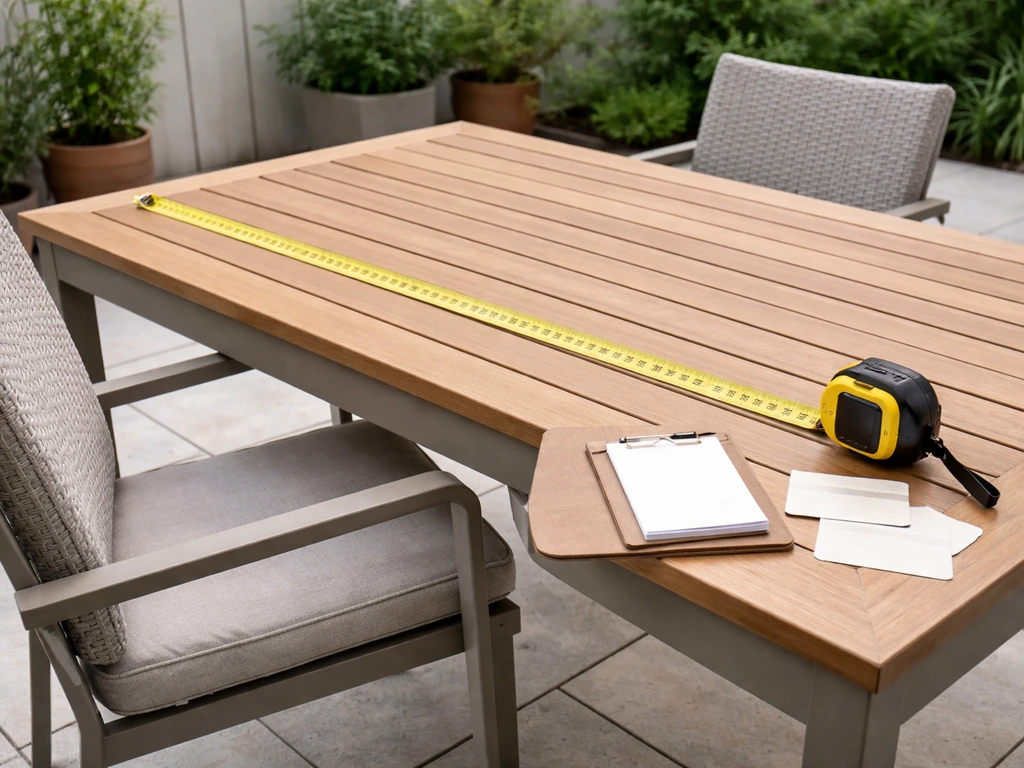
Tips on Buying Patio Furniture: A Practical Checklist
Practical checklist for buying patio furniture: size, best materials for your climate, quality checks, and long-term car
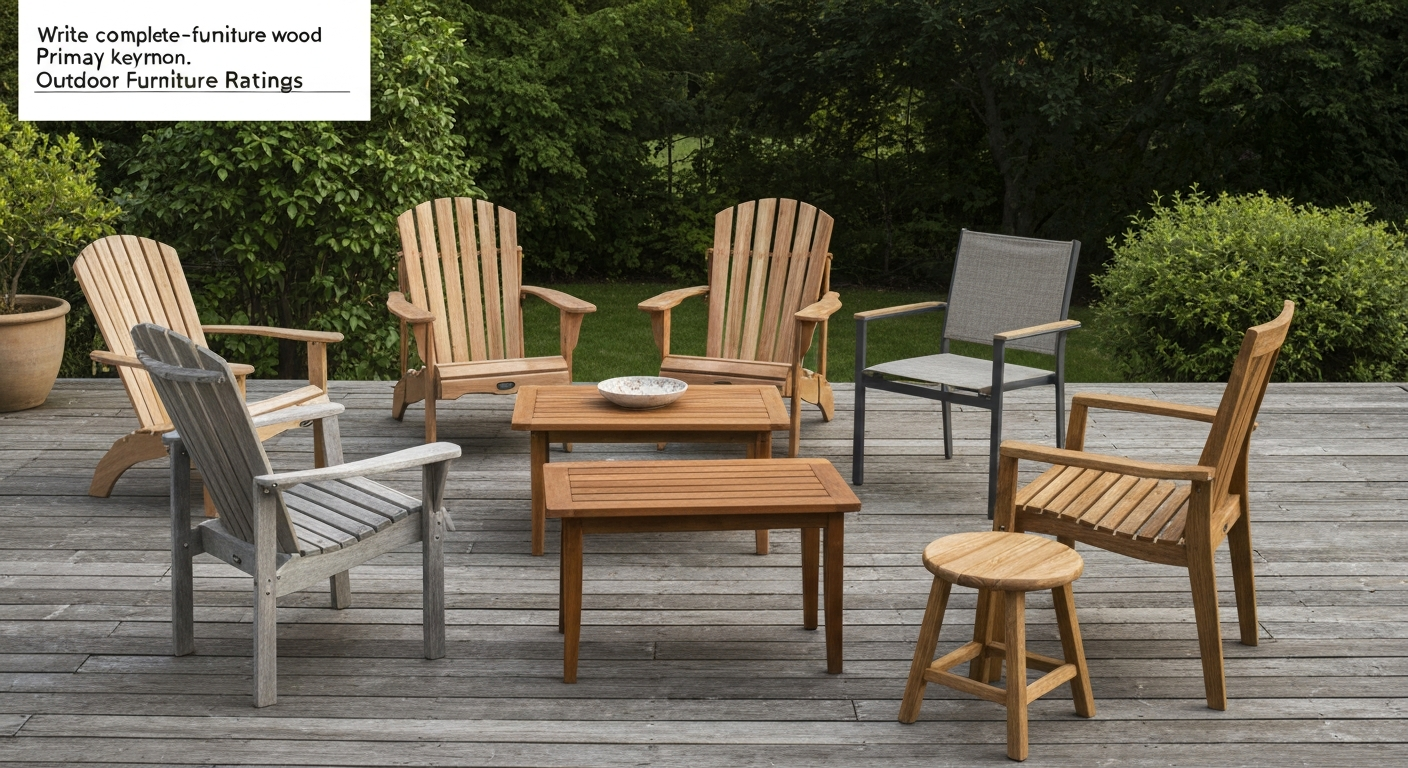
Common Patio Furniture Wood: Best Choices, Care & Tips
Compare common patio furniture wood types, teak, cedar, redwood, oak, with durability, finishes, and care tips.
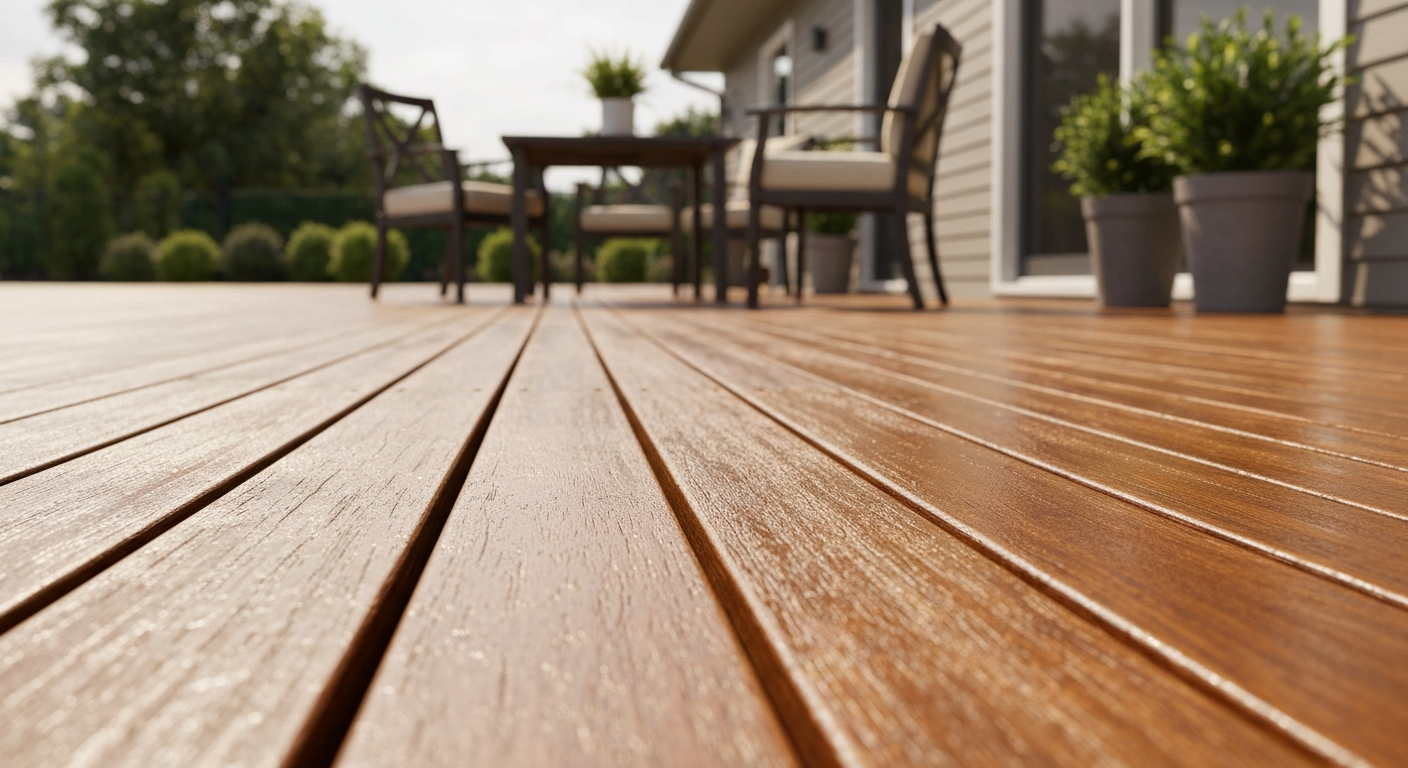
Best Wood Patio Stain: Choosing Durable, Low-VOC Finishes
Compare and choose the best wood patio stain: durability, finish, climate tips, prep, and top product picks.