
The real difference in patio furniture comes down to four things: material, construction quality, climate fit, and how much maintenance you're actually willing to do. If you want patio furniture recommendations based on your budget and local weather, focus first on material and construction quality. Get those four aligned and you'll end up with furniture that lasts 10 to 20 years. Get them wrong and you'll be replacing a set in three. This guide breaks down every major material, explains the construction details that separate furniture that holds up from furniture that falls apart, and gives you a practical checklist so you don't get fooled by marketing language at the store or online.
La différence patio furniture: materials, styles, and fit

Theo Tierney
25 Jun 2026
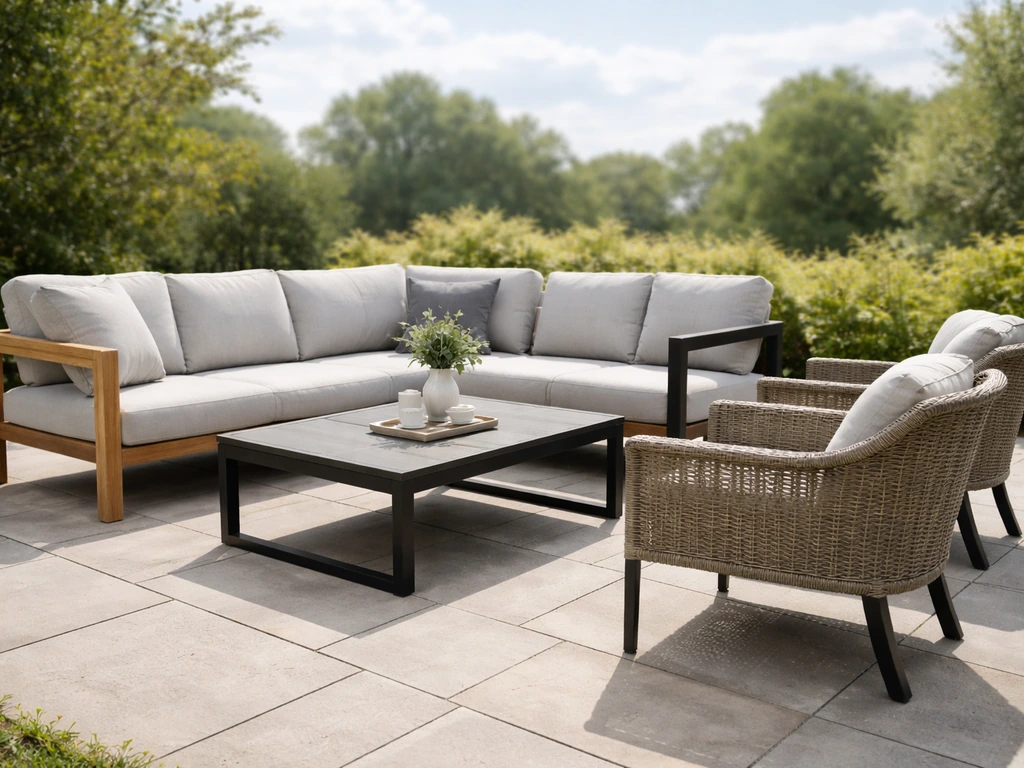
The difference that actually matters before you buy anything
When people search for "the difference" in patio furniture, they usually mean one of two things: the difference between materials (teak vs. aluminum vs. wicker vs. composite), or the difference between style types (sectional vs. dining set vs. deep-seating lounge). Both matter, but material decides almost everything else. It controls how long the furniture lasts, how heavy it is, how much upkeep it needs, and whether it survives your specific climate. Style is secondary. You can find a dining table in teak, aluminum, resin wicker, or composite, so the material question has to come first.
The other difference most buyers miss is the gap between the purchase price and the true cost per year. A $300 aluminum set that lasts 15 years with almost no maintenance costs you $20 a year. A $200 resin set that fades and cracks in four years costs $50 a year, and you have to deal with the hassle of replacing it. Running that math before you buy changes what counts as a good deal. Keep that "value per year" lens in mind throughout this whole article.
Material showdown: wood, metal, wicker/rattan, and composite
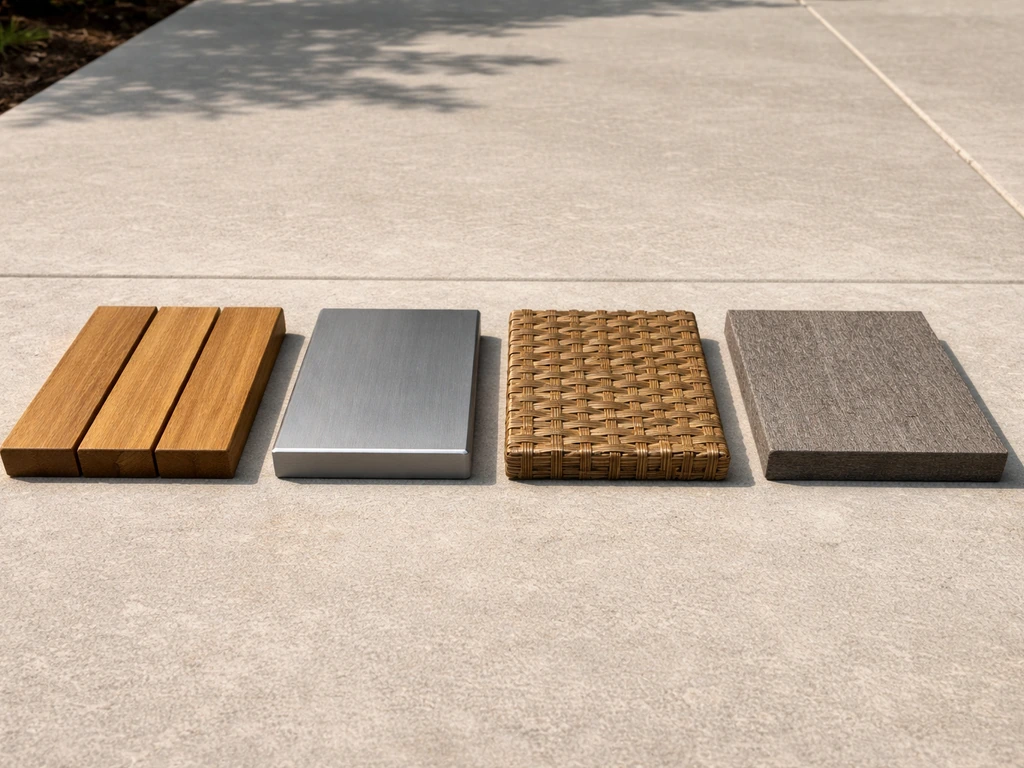
Every major material has a real use case and a real set of trade-offs. Here's an honest breakdown of what each one actually delivers.
Wood (teak, eucalyptus, cedar, acacia)
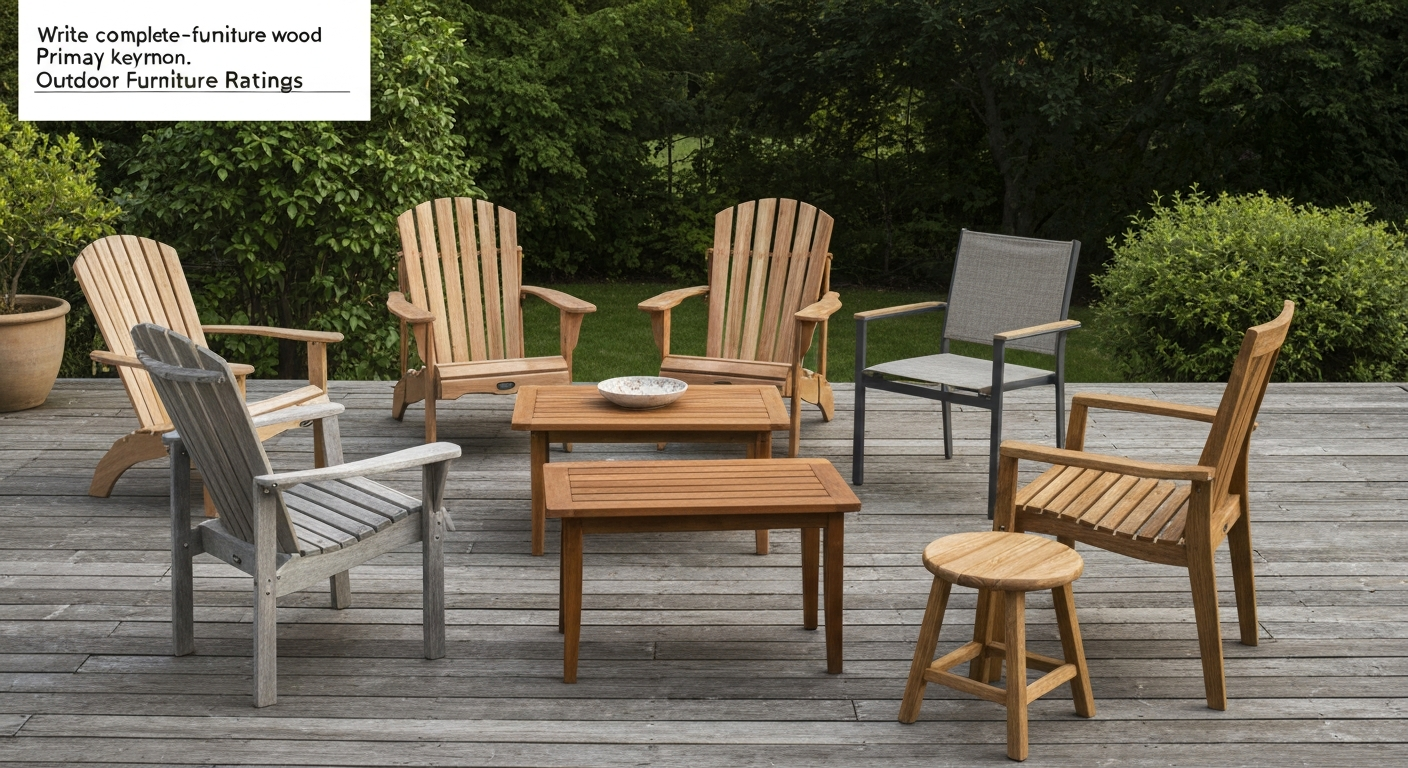
Teak is the benchmark for outdoor wood. Its natural oil content makes it highly resistant to moisture, rot, and insects without any treatment at all. Left untreated, teak weathers to a silver-gray patina in six to twelve months. If you want to keep the warm golden tone, you apply teak oil once a year, which is a light job.
Beyond that, cleaning is simple: a soft brush, mild soap, and water. The downside is cost. Quality teak furniture made from Grade A teak (tight grain, from the heartwood) runs significantly more than most alternatives, but a teak dining set can realistically last 20 to 30 years. Eucalyptus and acacia offer similar looks at a lower price but require more consistent oiling and are less dense, meaning they're more vulnerable to cracking in dry climates.
Cedar is light and smells great but is soft wood, so it dents and scratches easily and needs regular sealing.
Metal (aluminum vs. steel vs. wrought iron)
Aluminum is the best all-around metal for outdoor use. It doesn't rust, it's lightweight (easy to move and store), and a quality powder-coat finish holds up to UV and moisture well. When you do get chips or scratches, touching them up with matching paint is straightforward. Cast aluminum is thicker and heavier than extruded aluminum tubing, which makes it more rigid and longer-lasting for dining chairs and tables.
Steel is cheaper but rusts aggressively unless it's galvanized or powder-coated, and even then, chips in the coating start a rust clock. Wrought iron is extremely durable and heavy, but it absolutely rusts if the coating fails and it's not ideal if you need furniture you can move. For coastal areas, aluminum is the clear winner among metals because salt air destroys steel finishes fast.
Wicker, rattan, and resin wicker: know the difference
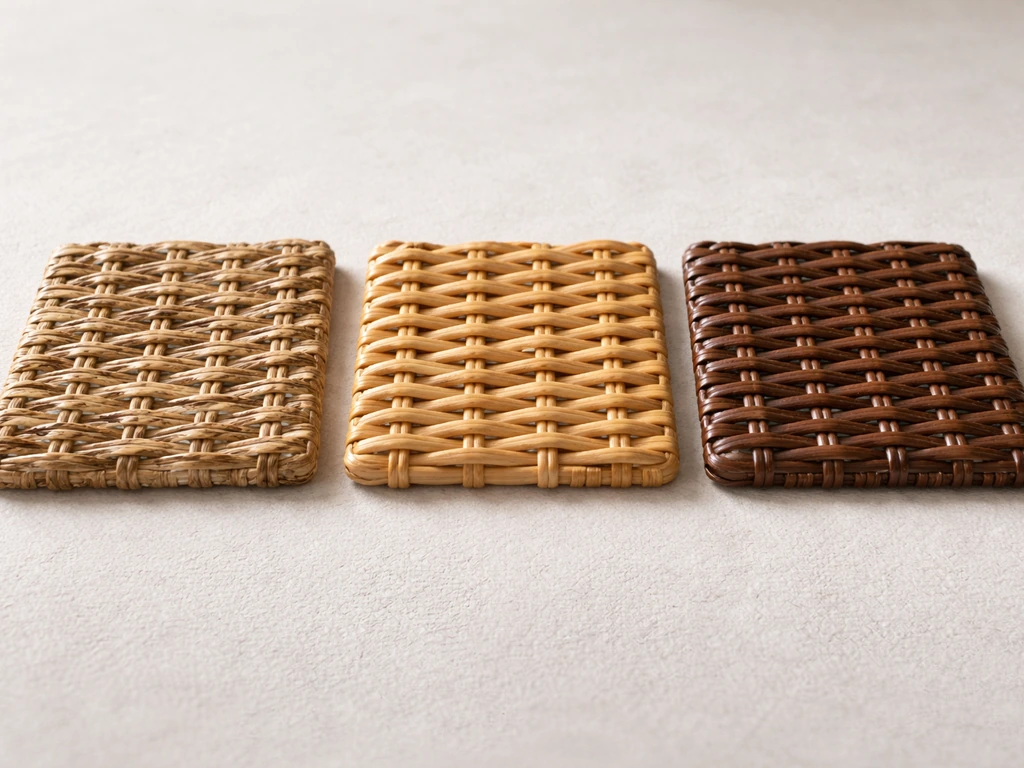
This is one of the most common style confusions. Natural rattan and natural wicker are plant-based materials. They look beautiful but cannot handle prolonged moisture or UV exposure outdoors. Direct sun bleaches them, humidity warps and cracks them, and rain will destroy them.
If you see "wicker" furniture marketed for outdoor use, check the spec sheet. Real outdoor wicker is synthetic resin wicker, which is a polyethylene or PVC strand woven over a frame (usually aluminum or steel). High-quality resin wicker uses HDPE (high-density polyethylene), which resists UV fading and doesn't crack in cold temperatures nearly as well as cheaper PVC versions. The frame underneath matters as much as the weave.
An HDPE weave over an aluminum frame is a genuinely durable outdoor combination. A PVC weave over a steel frame will give you rust-stained weave gaps within a few years.
Composite and HDPE lumber
HDPE lumber (sometimes branded as poly lumber or composite lumber) is made from recycled high-density polyethylene. It looks like painted wood, doesn't rot, doesn't splinter, doesn't absorb water, and holds color well. It never needs sealing, staining, or painting. Brands like POLYWOOD have built their entire line around this material, and the real-world durability is strong. The trade-off is that it can flex slightly under heavy loads compared to solid wood or cast aluminum, and in very hot climates it can feel warm to the touch. But for a low-maintenance, long-life option that handles moisture without complaint, composite lumber is hard to beat.
| Material | Typical Lifespan | Rust/Rot Risk | UV Fade Resistance | Maintenance Level | Best Climate Fit |
|---|---|---|---|---|---|
| Teak (Grade A) | 20–30 years | None | Excellent | Low (oil annually if desired) | All climates, especially humid |
| Cast Aluminum | 15–25 years | None (no rust) | Good (powder coat) | Very low | All climates, coastal-friendly |
| Steel / Wrought Iron | 10–20 years | High if coating chips | Moderate | Medium-high | Dry, low-humidity climates |
| HDPE Resin Wicker | 10–20 years | Low (depends on frame) | Good (HDPE) | Low | Humid, rainy, moderate cold |
| Natural Rattan/Wicker | 2–5 years outdoors | Warps/rots | Poor | High | Covered patios only |
| HDPE Composite Lumber | 15–25+ years | None | Very good | Very low | All climates, moisture-heavy zones |
| Cedar / Acacia | 8–15 years | Moderate rot risk | Moderate | Medium (seal/oil) | Dry to moderate climates |
Matching furniture to your climate
Climate is the factor that most buying guides gloss over, but it's the one that determines whether your furniture makes it to year five or year twenty. Here's how to think about it by region type.
Hot sun and UV-heavy climates (Southwest, high altitude)
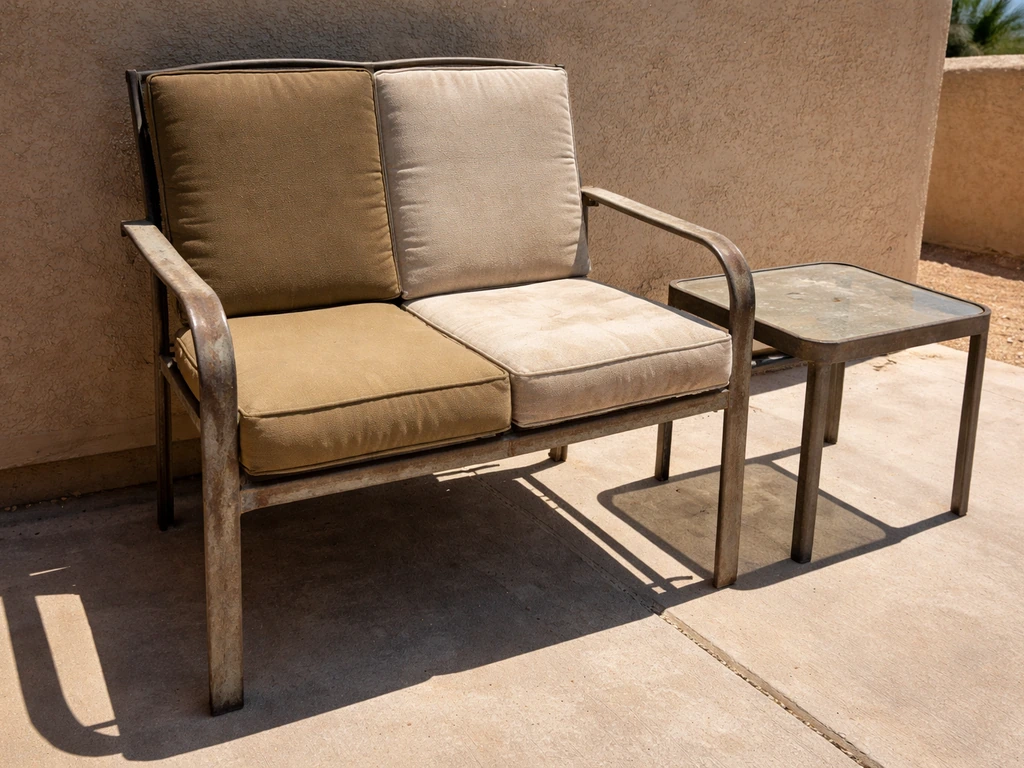
In Arizona, New Mexico, or anywhere with relentless sun, UV degradation is your biggest enemy. Cheap plastics turn brittle and chalky. Fabric cushions fade to nothing. Powder-coat finishes on thin aluminum tube frames can blister. Here you want HDPE composite lumber or cast aluminum with a quality powder coat, paired with solution-dyed acrylic fabric (more on that in the cushion section). Avoid anything described as "UV-treated" or "UV-resistant" without specifics. That's marketing language that tells you nothing about how long the resistance actually lasts.
High humidity and rain (Southeast, Gulf Coast, Pacific Northwest)
Moisture is the killer here, and it comes in several forms: rain, standing water, condensation, and the persistent humidity that never lets things dry. Teak handles this better than almost anything. HDPE composite lumber and aluminum are also excellent. Steel and natural wood species like cedar need consistent attention to sealing. Mold and mildew will grow on cushion surfaces that stay damp, so fabric choice and cushion foam type matter a lot in these climates. Open-cell "Dry Fast" foam that drains rather than absorbs water is a smart investment in wet regions.
Freeze-thaw winters (Midwest, Northeast, Mountain West)
The freeze-thaw cycle is brutal. Water seeps into micro-cracks in wood, resin, or coating, freezes, expands, and widens the crack. Over several winters this destroys furniture that might have lasted years in a warmer climate. If you're in a four-season climate, your best strategy is to buy furniture you can store during winter or cover properly, and choose materials that handle thermal cycling well. Aluminum and HDPE composite lumber both handle freeze-thaw well. Teak does too, but lower-grade woods crack. Cheap injection-molded plastic furniture, regardless of how it's marketed, almost always shows stress cracking by year three in a cold climate.
Coastal salt air
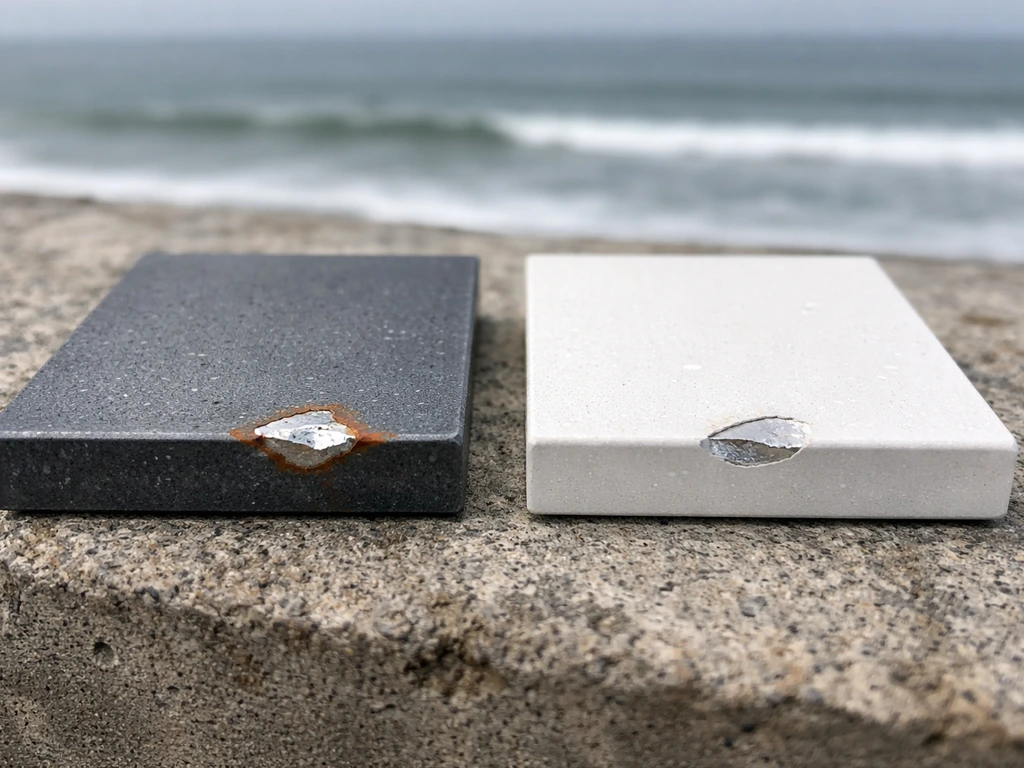
Salt air is extremely corrosive to metal finishes. Steel, even powder-coated steel, will start showing rust at any chip or weak spot within one season near the ocean. Aluminum is the metal of choice here, and even then, coastal homeowners should rinse aluminum frames with fresh water regularly to remove salt deposits. POLYWOOD and similar HDPE composite pieces require essentially no special treatment in salt environments. Teak holds up well too. If you're within a mile of the coast and you buy a steel-framed wicker set without understanding that risk, you'll be dealing with rust stains in the weave by year two.
Construction details that separate furniture that lasts from furniture that doesn't
Material quality can be undone by poor construction. These are the specific things to check before you commit to a purchase.
Frames and joinery
On wood furniture, look for mortise-and-tenon joints or stainless steel hardware. Joinery held together only with screws into end grain will loosen and fail. On aluminum furniture, cast aluminum joints are more durable than welded thin-tube joints, which can crack over time with heavy use. Look for thick wall tubing (at least 0.06 inches / 1.5mm) on extruded aluminum frames. On resin wicker, check that the frame is aluminum, not steel, and that the weave is tightly wrapped at the joints with no visible gaps.
Finishes and coatings
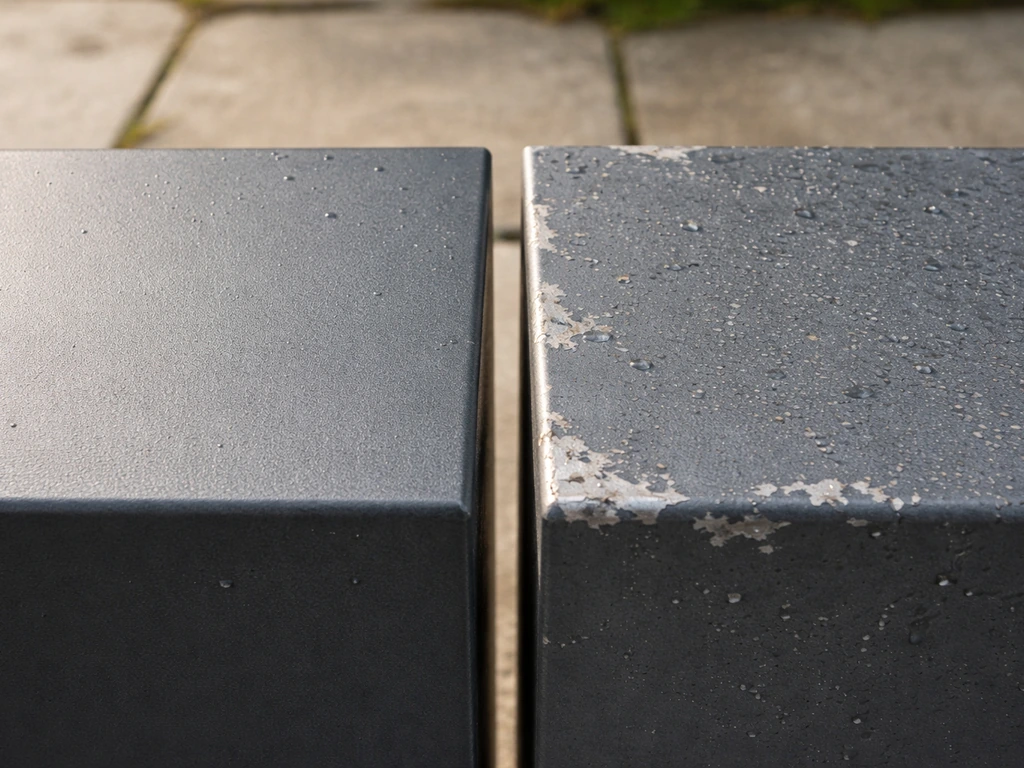
Powder coating on metal is far superior to liquid paint for outdoor use. It bonds electrostatically and cures into a thick, hard layer that resists chips better than spray paint. The quality varies though. Thicker powder coat (measured in mils) lasts longer. Ask about coating thickness if you're buying from a specialty retailer. For wood furniture, finishes that penetrate the grain (like teak oil or Danish oil) outperform surface-only sealers that can peel and trap moisture underneath. On composite lumber, no finish is needed, which is one of its genuine practical advantages.
Glides, feet, and hardware
Plastic glides on chair legs protect your patio surface and prevent moisture wicking up into wood or metal legs. Check that they're replaceable. All outdoor hardware (bolts, screws, brackets) should be stainless steel or marine-grade aluminum. Zinc-plated or standard steel hardware will rust and stain the surrounding material within a couple of seasons, and replacing hardware mid-life is often harder than it should be.
Cushions, fabrics, and covers: comfort meets weather reality
Cushions are often the first thing that fails on otherwise solid outdoor furniture. The fabric and foam choices you make here have a bigger impact on long-term satisfaction than most people expect.
Fabric: solution-dyed acrylic is the standard to aim for
The best outdoor fabric is solution-dyed acrylic. The color is embedded through the entire fiber during manufacturing, not printed on the surface, which means UV light and washing can't strip it out the way it strips surface-dyed fabric. Sunbrella is the most recognized brand in this category. Their fabrics are 100% solution-dyed acrylic, carry a UPF 50+ rating on many products, and are tested to ISO 105 B02 standards for UV color fastness.
The five-year limited warranty covers color loss and strength loss from normal use and sun exposure, including mildew under normal conditions. That's a meaningful real-world guarantee, not just a marketing badge. The fabric itself doesn't support mildew growth, though dirt and debris sitting on the surface can harbor it. Regular cleaning prevents that.
Generic "weather-resistant" polyester fabric degrades noticeably faster and fades in one to two seasons of direct sun.
Foam: Dry Fast and open-cell options
Standard upholstery foam is completely wrong for outdoor cushions. It absorbs water, stays wet for days, and becomes a mold incubator. Outdoor-specific foam comes in two types. Reticulated (open-cell) foam, often sold as Dry Fast foam, is engineered to let water pass straight through and drain out. It dries hours faster than closed-cell alternatives. The other option is closed-cell foam with a water-resistant cover, which prevents water from getting in but means if water does get in through a seam or zipper, it can't get out either. Open-cell foam is the better choice for rainy climates. In dry climates, either works, but open-cell still handles accidental spills better.
Covers: waterproof but breathable
Patio furniture covers are worth using, but the wrong cover can do more damage than no cover. A fully waterproof, non-breathable cover traps moisture underneath, creating exactly the warm, damp, dark environment where mold thrives. To avoid [condensation under covers](https://www. wettertuete.
de/en/abdeckung-lexikon-a-z/feuchtigkeit-unter-abdeckungen/), reference guidance advises not to cover furniture that is not completely dry and to prioritize ventilation, including allowing airflow for non-breathable covers. Good covers are water-resistant on the outside but allow vapor to escape. Always cover furniture only when it's completely dry. If you cover furniture while it's still wet from rain, condensation builds up underneath as temperatures change.
Vented covers or covers with draw-cord closures that allow some airflow at the bottom are better choices than tight sealed bags for most furniture.
How to shop without getting tricked: a practical checklist
Outdoor furniture marketing is full of terms that sound reassuring but mean almost nothing. Here's how to cut through it and evaluate what you're actually buying.
- Measure your space first, including clearance for chair pull-out, before looking at any furniture. A dining set that physically doesn't fit your layout wastes money regardless of quality.
- Ask for the specific material: "aluminum" means nothing without knowing if it's cast or extruded tubing, and what wall thickness. "Wicker" means nothing without knowing if it's HDPE or PVC over what frame material.
- Ignore vague claims like "weather-resistant" or "UV-treated" unless there's a specific test standard or warranty behind it. Solution-dyed acrylic with a named warranty is a real spec. "Weather-resistant polyester" is not.
- Check the hardware. Flip a chair over or look at the underside of a table. If you see standard zinc-plated screws or bolts with obvious plating rather than brushed stainless, that's a warning sign about overall component quality.
- Calculate value per year. Divide the purchase price by a realistic lifespan estimate for the material in your climate. A $1,200 teak set lasting 25 years = $48/year. A $400 steel-wicker set lasting 5 years in a coastal climate = $80/year. The expensive set is cheaper.
- Sit in it. For dining chairs especially, comfort and stability matter. Wobble tests, armrest height relative to the table height, and seat depth for your body size are things no product page tells you.
- Ask about replacement parts. Can you buy replacement cushions, replacement glides, or replacement hardware? Brands that don't support their products with spare parts force you into a full replacement when one component fails.
One more thing: be skeptical of "sale" pricing at big-box retailers during holiday weekends. Many manufacturers produce a lower-specification version of their popular lines specifically for mass-market retail. The name might be the same but the frame gauge, foam density, and fabric quality are often stepped down. Buying the same-named product direct from the manufacturer or a specialty outdoor retailer frequently gets you a better-built version for a similar or only slightly higher price.
Maintenance and storage: keeping furniture out of early retirement
Even the best furniture fails early without basic upkeep. The good news is that for most quality materials, the maintenance routine is genuinely simple. Here's what each material actually needs.
Aluminum
Rinse aluminum frames with clean water periodically, especially after storms or if you're near the coast. Dry the frames immediately after rinsing rather than letting water pool in joints and crevices. If the powder coat chips, touch it up with matching paint as soon as possible. A chip left unaddressed in a humid or coastal environment can spread under the coating edge and cause broader finish failure. Beyond that, aluminum is about as maintenance-free as outdoor furniture gets.
Teak and other hardwoods
For everyday maintenance, rinse teak furniture with clean water and let it dry completely. For deeper cleaning, a soft cloth or brush with mild soap and water handles most buildup. The decision to oil or not to oil teak is purely aesthetic. Teak oil (applied once a year) preserves the warm golden-brown color. Without it, teak turns silver-gray over about six to twelve months, which many people prefer. Both are perfectly valid and the furniture is equally protected either way. If you have acacia or eucalyptus, oil more consistently because those species have less natural oil content and dry out and crack without it.
Resin wicker and composite lumber
Both HDPE resin wicker and composite lumber need almost no maintenance. If you want to explore patio furniture alternatives beyond traditional wood or metal sets, resin wicker and composite lumber are strong options to consider. Soap and water once or twice a season removes dirt and grime. Neither material needs sealing, oiling, or painting. On resin wicker, occasionally check the weave at the joints for any separation, and check the frame for any coating chips that would expose steel (if the frame is steel rather than aluminum). On composite lumber, a gentle pressure wash once a year keeps the surface clean without damaging the material.
Cushion care through the seasons
Bring cushions inside whenever they'll be exposed to prolonged rain or when you're not using the furniture for more than a few days. For solution-dyed acrylic fabrics like Sunbrella, mold and mildew can be removed with a dilute bleach-and-soap solution applied to the affected area, rinsed thoroughly, and air-dried. Never machine-dry outdoor cushion covers. For winter storage in cold climates, store cushions in a dry indoor location, not in a damp shed or garage where humidity stays high. Keeping them dry during storage is more important than keeping them warm.
End-of-season storage for cold climates
In climates with hard winters, bringing furniture indoors or into a covered, ventilated storage area extends its life significantly. For furniture that stays outside year-round (HDPE composite and aluminum are the best candidates for this), breathable covers secured against wind are your main tool. Furniture that stays outside in a freeze-thaw climate should be positioned so water doesn't pool on horizontal surfaces. Tilt chairs against the table or stack them so the seat surface drains rather than holds standing water that will freeze and expand.
Getting the material-climate-construction combination right before you buy is the single best maintenance decision you can make. From there, the upkeep is genuinely manageable. If you want to go deeper on specific buying strategies, material comparisons, or how different styles of outdoor furniture perform across climates, there's a lot more ground to cover in the related guides on this site. If you want more tips on buying patio furniture before you commit to a set, use this guide's checklist and material guidance to shop smarter.
FAQ
What should I pick if I live in a very sunny desert climate and want the least fading?
If you want color to stay stable through heavy sun, prioritize solution-dyed acrylic cushions (and not just “fade resistant” claims) plus a frame finish designed for outdoor UV exposure. For the furniture itself, choose HDPE composite lumber or cast aluminum in desert-like climates, and avoid thin powder coat on light-duty aluminum tubing.
How do I spot marketing claims like UV-treated fabric when shopping online?
“UV-treated” and “UV-resistant” labels are vague unless the spec includes the finish type, fiber type, or warranty duration. A practical approach is to check whether the cushion fabric is solution-dyed acrylic, and verify warranty wording related to color loss from sun rather than general “resistance.”
Is natural wicker ever a good outdoor choice?
Wicker is the biggest trap. Only treat “outdoor wicker” as a true outdoor material when the weave is resin wicker (HDPE or comparable synthetic) and the frame is compatible (ideally aluminum for coastal and humid areas). Natural wicker, even if sold as outdoor, will not survive prolonged moisture or direct UV.
What’s the better cushion foam for frequent rain: open-cell or closed-cell?
For rainy regions, open-cell reticulated foam is usually the safer bet because it drains and dries quickly. If you choose closed-cell foam, rely on the cover’s water barrier, but understand that if water gets in through seams or zippers, it can get trapped and promote mildew.
Are patio furniture covers always a good idea, and what cover mistakes should I avoid?
A fully waterproof, non-breathable cover can worsen mildew by trapping humidity. Look for covers described as water-resistant on the outside and vapor-permeable or vented, and use them only when the furniture is completely dry. If you must store long term, choose a cover with airflow at the bottom.
How should I protect patio furniture through a freeze-thaw winter?
You can buy covers, but the winter strategy matters more for long-life. In freeze-thaw climates, either store furniture indoors or choose materials that handle cycling well (aluminum and HDPE composite). Also position pieces so water drains and does not pool on flat surfaces where freezing can widen cracks.
What should I check about hardware and chair feet before buying?
Replaceable plastic glides sound minor, but they prevent moisture wicking into legs and help reduce staining. Choose glides that can be swapped easily after wear, and for higher durability use stainless or marine-grade hardware on cushions and mounting points.
How do I calculate the real value per year when two sets have different lifespans?
Yes, because your total “value per year” depends on longevity and upkeep. To compare fairly, estimate expected lifespan in your climate, add realistic maintenance costs (including touch-up paint, re-oiling wood, and cushion replacement intervals), then divide total cost by years. This often flips the decision between a cheaper set and a higher-grade set.
What’s the best option for patio furniture near the ocean?
For coastal areas, aluminum is typically the safest metal choice and you should rinse frames with fresh water periodically to remove salt residue. If your “wicker” is steel-framed, plan for rust-staining risk in the weave, even if it looks intact at purchase.
Which materials are the lowest maintenance overall for everyday homeowners?
If you want minimal upkeep, composite lumber (HDPE) and high-quality resin wicker with an aluminum frame generally require the least. The next-best low-maintenance path is cast aluminum furniture with good powder coating and solution-dyed acrylic cushions, since those resist sun-driven degradation more consistently than many budget alternatives.
Next Articles
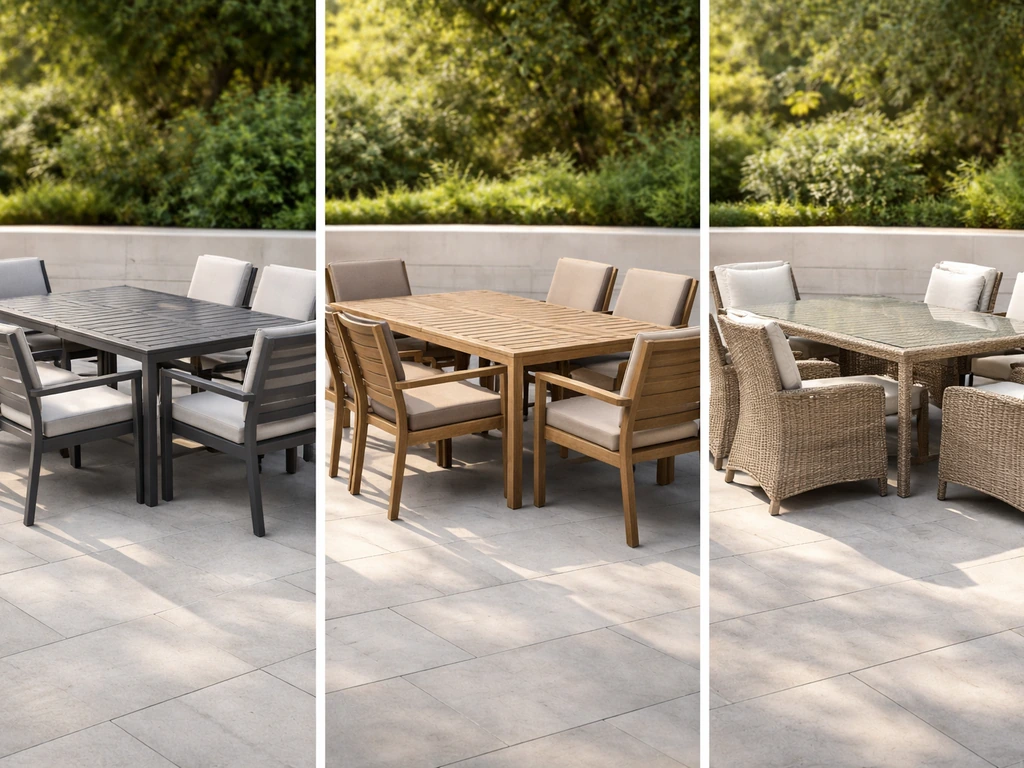
Patio Furniture Alternatives: Buyer’s Guide by Material
Material-by-material patio furniture alternatives with durability, comfort, and maintenance tips for rust, rot, mold, an
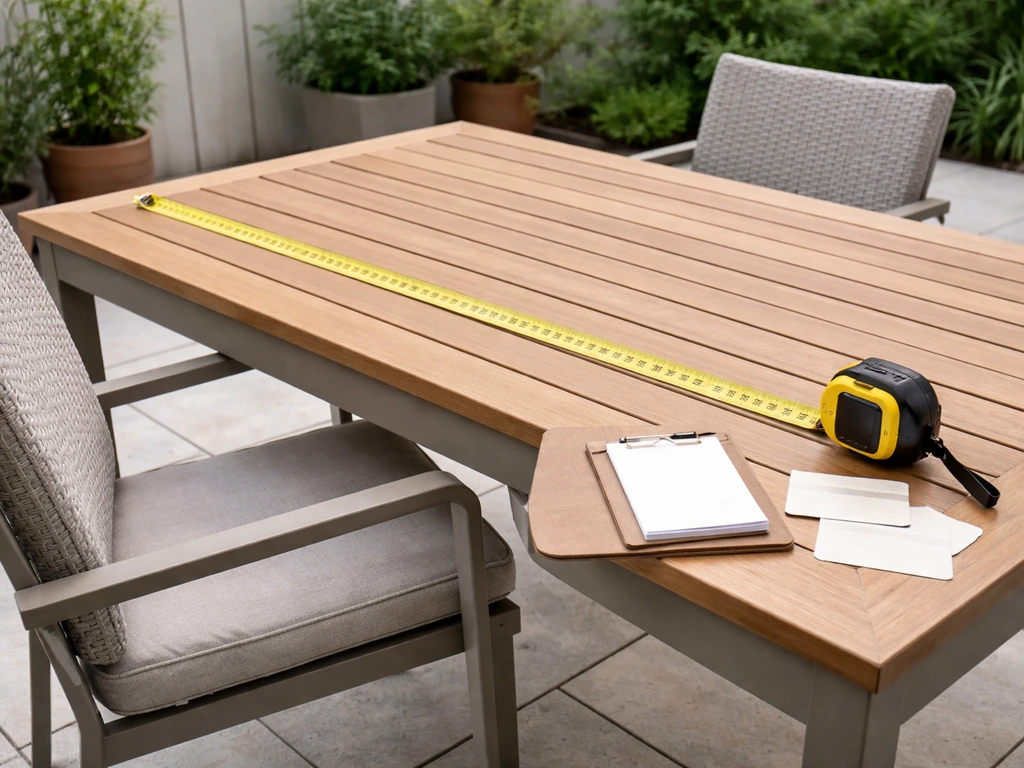
Tips on Buying Patio Furniture: A Practical Checklist
Practical checklist for buying patio furniture: size, best materials for your climate, quality checks, and long-term car
Common Patio Furniture Wood: Best Choices, Care & Tips
Compare common patio furniture wood types, teak, cedar, redwood, oak, with durability, finishes, and care tips.