
The must-have patio furniture for most homeowners comes down to four things: a primary seating group, a surface to set things on (coffee table or dining table depending on how you use the space), at least two to four comfortable chairs or a sofa, and weather-appropriate materials that will actually hold up in your climate without rotting, rusting, or fading into garbage in three seasons. Everything else is optional. Get those four things right and you have a patio that works every day, not just in photos.
Must Have Patio Furniture: Buying Checklist and Guide

Theo Tierney
16 Jun 2026
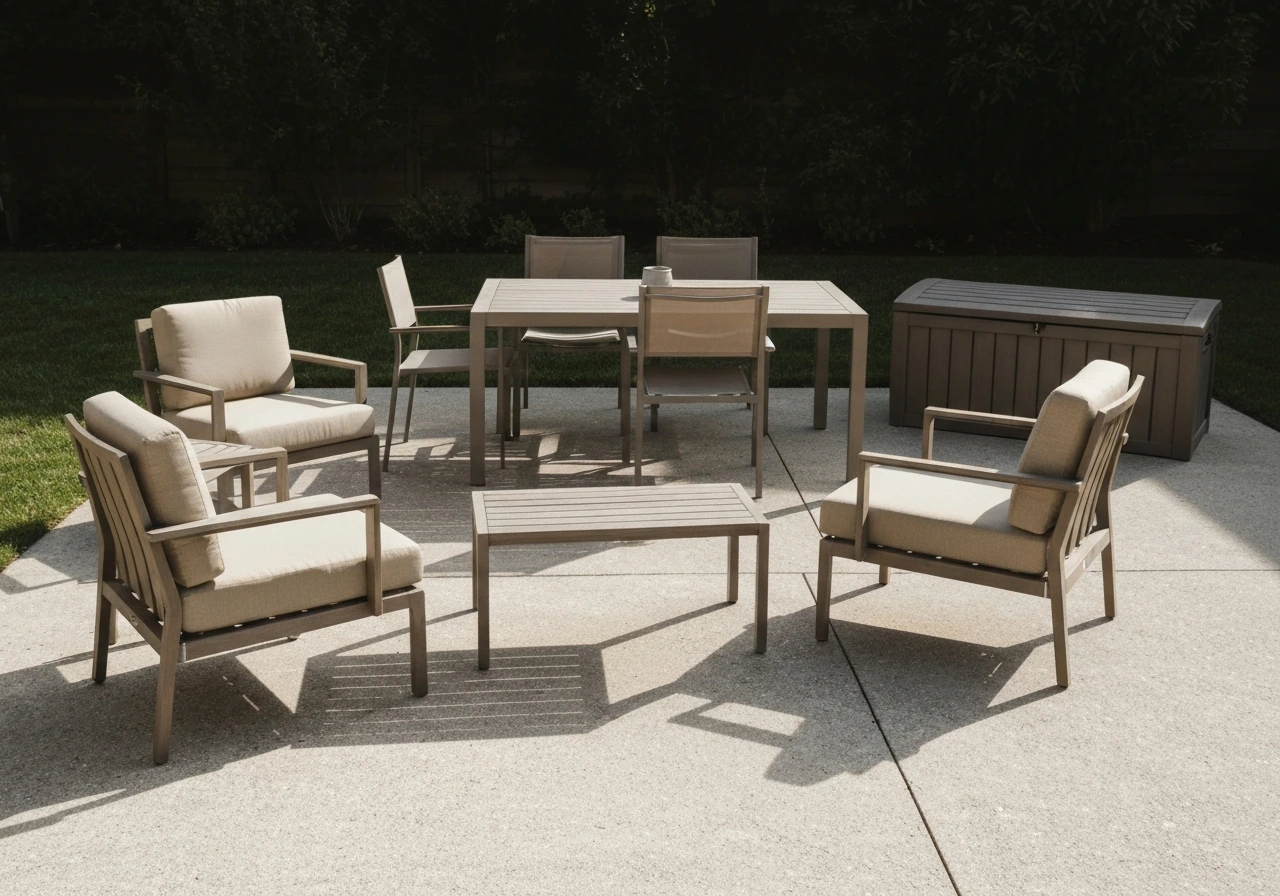
Start with your patio purpose and actual square footage
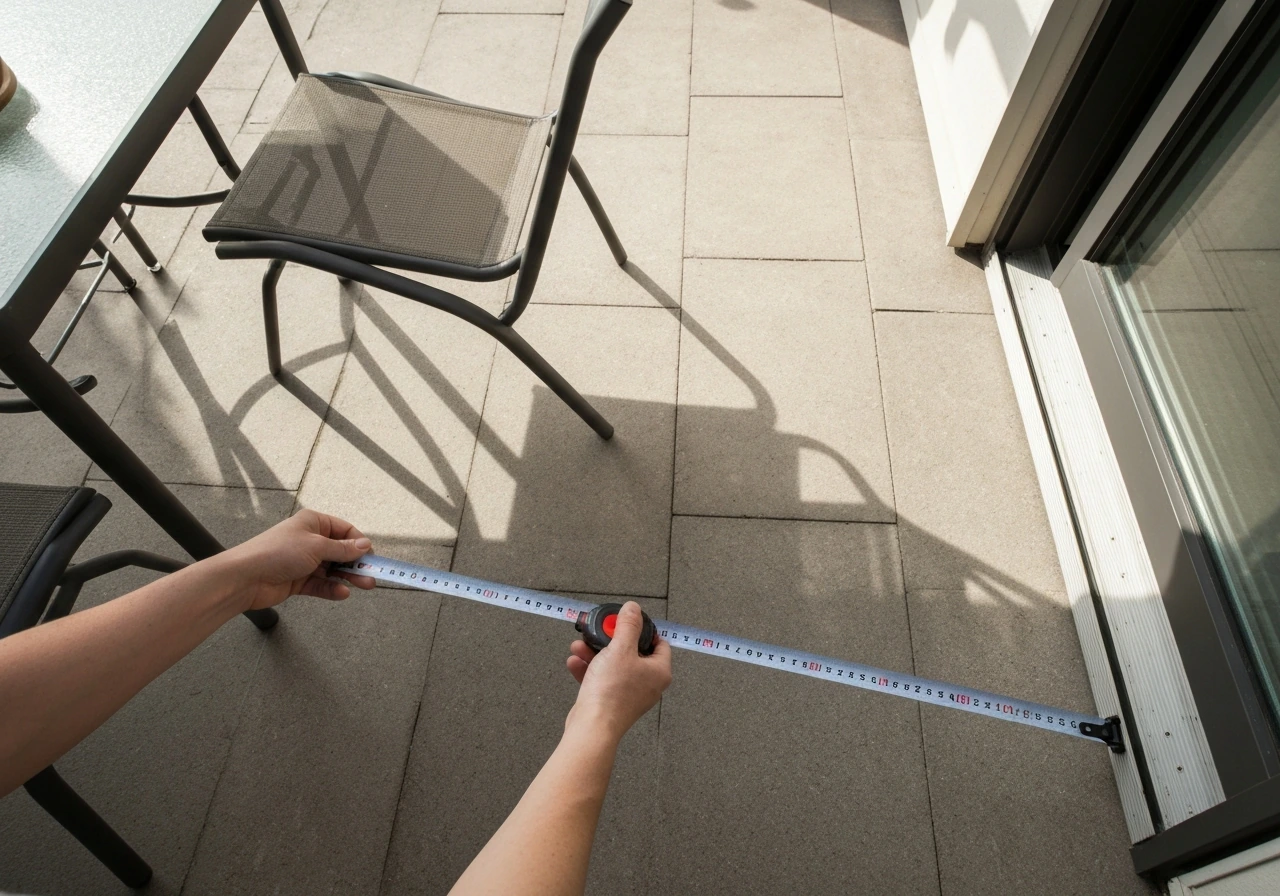
Before you spend a dollar, stand in your outdoor space and decide honestly how you use it. To find the best patio furniture UK brands, start by matching the seating and dining setup to how you actually use your space patio purpose. Do you eat meals outside most nights? Do you mostly lounge with a drink and a book? Do you entertain groups? Your answer changes the entire shopping list. A dining-focused patio needs a table and chairs as the anchor. A lounging patio is built around a sofa or deep-seat chairs and a low coffee table. Trying to do both in a small space usually means doing both badly.
Sizing is non-negotiable. A common mistake is buying furniture that technically fits the patio but leaves no room to move around it. A good rule: keep at least 36 inches of clear walkway between furniture zones and along any entry-to-exit path. For dining specifically, plan on blank" rel="noopener noreferrer">24 inches of table width per person as your minimum per place setting. A 48 to 60-inch rectangular table handles four adults comfortably; if you go round, a 42 to 48-inch round table seats four, and you need to get up to about 60 inches to comfortably seat six. Measure your space, subtract your 36-inch clearance paths, and whatever is left is your furniture footprint. Most people overestimate how much space they actually have.
The core pieces you actually need
Seating first, always
A two- or three-seat outdoor sofa plus one or two armchairs, arranged around a low coffee table, is the most versatile seating setup you can buy. It works for two people on a Tuesday evening and eight people at a weekend gathering if you add a few extra side chairs. Deep-seat cushion furniture is more comfortable than sling or strap styles for long sessions, but it requires more maintenance and storage consideration (more on that in the materials section). If you are tight on space, two to four armchairs around a small square coffee table does the same job in a significantly smaller footprint.
Dining setup if you eat outside
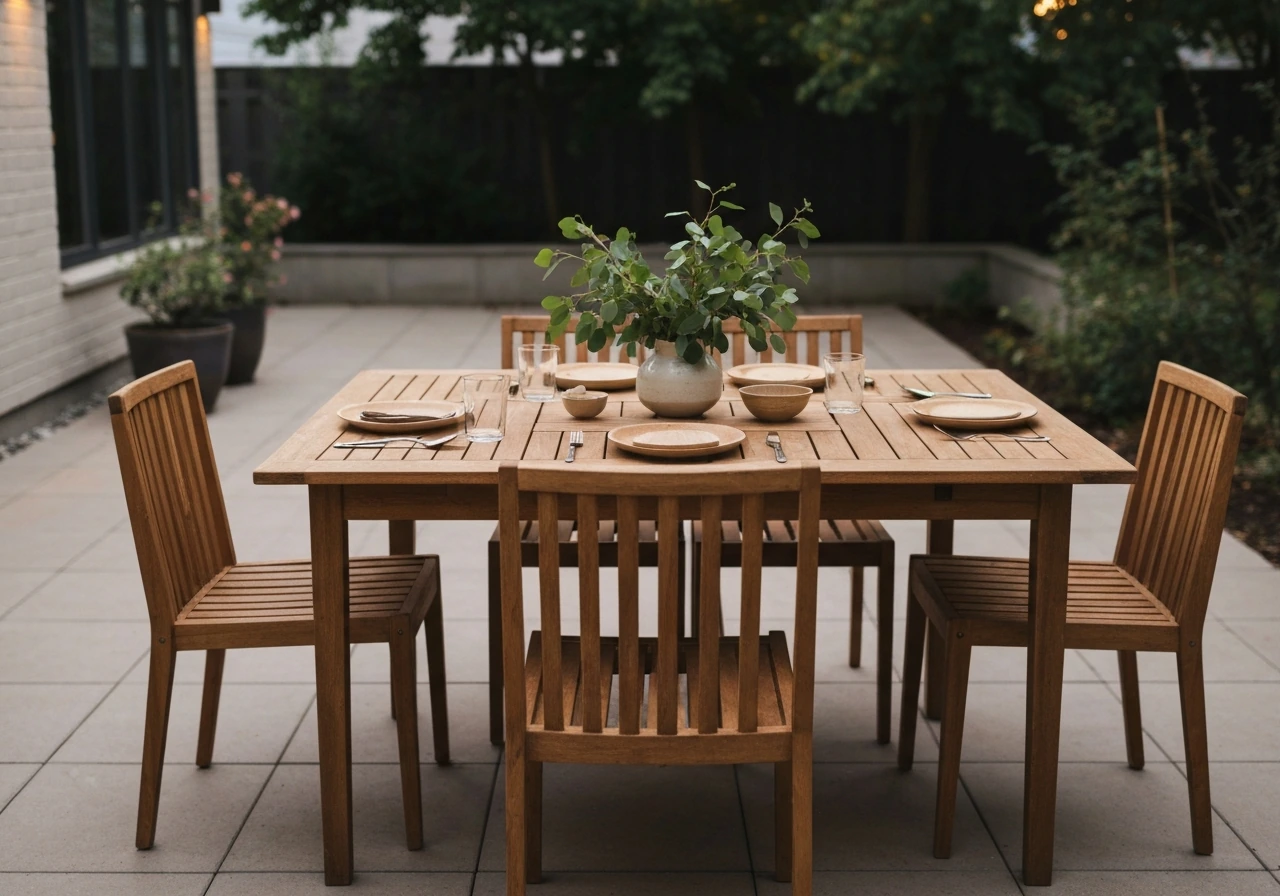
If outdoor dining is a regular part of your life, a dedicated dining table and chairs are non-negotiable. For help choosing the latest patio furniture that suits your space and guest count, focus on the dining set size and material durability first. Size it to your realistic guest count, not your holiday count. Most households eat outside as two to four people; buy for that. A 48-inch rectangular or 42-inch round table with four chairs is a complete dining setup for the average homeowner. Stackable dining chairs are worth considering if storage is limited during winter months. Skip benches unless you specifically prefer them; they are harder to move, harder to store, and less flexible for mixed-height guests.
Tables and surfaces
Every seating area needs at least one surface. For a lounge setup, a coffee table at 16 to 18 inches high pairs with deep-seat cushion furniture. Side tables (one per chair is ideal) keep drinks and books off the ground. For a dining area, the table is your surface. The one piece most people skip and regret: a small side or accent table next to a lounge chair. It sounds minor but makes the space dramatically more functional.
Functional add-ons worth having
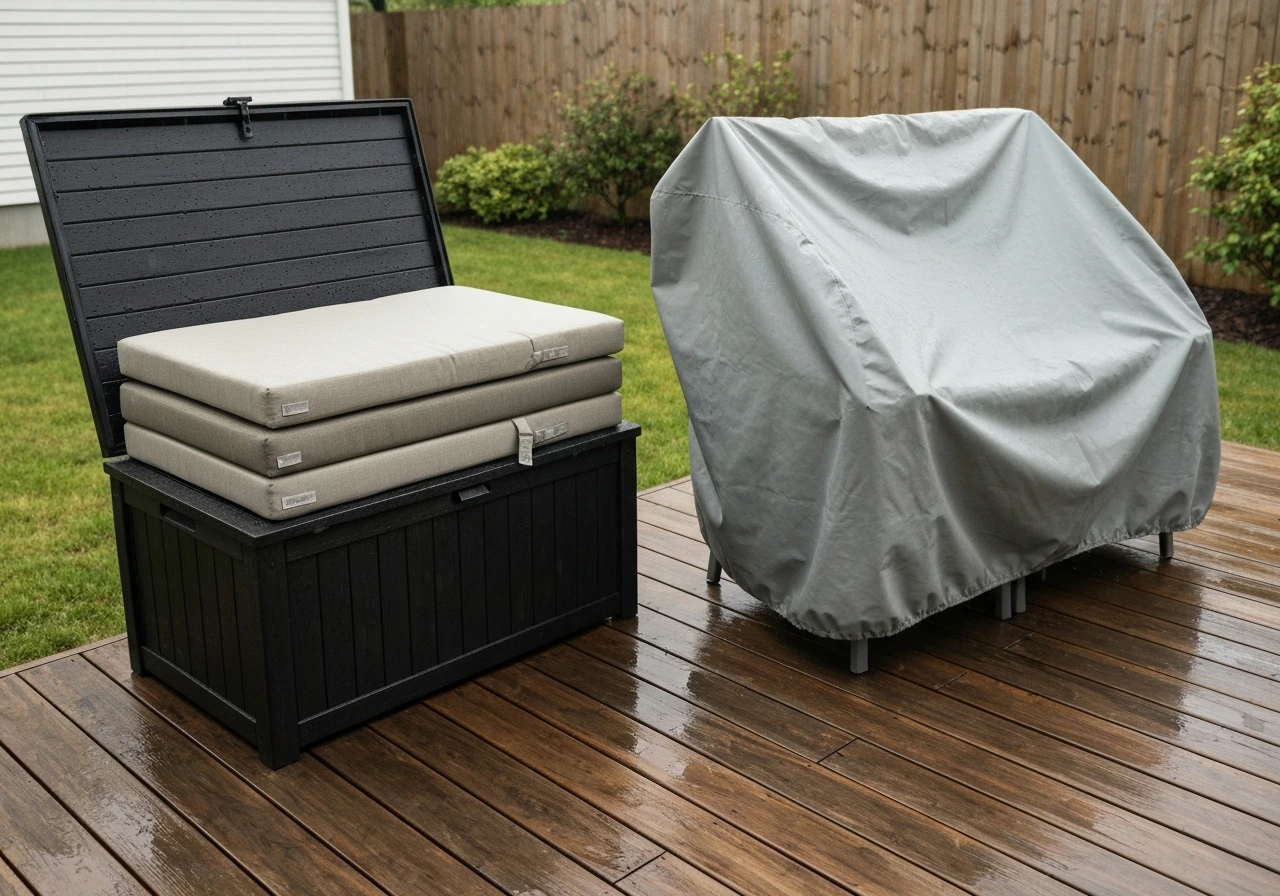
- Outdoor cushion storage box or deck box: keeps cushions dry and extends their life significantly
- Furniture covers: even good furniture lasts longer with covers during off-season or heavy rain periods
- A market-style patio umbrella: purpose-built for outdoor use, provides shade and makes the space usable more hours of the day
- Outdoor rug: defines the space visually, reduces glare from concrete, and makes the setup feel like a real room
Wood, metal, wicker, or composite: what actually holds up
This is where most buying decisions go wrong. People choose material based on looks in a showroom photo, not on how that material behaves after two summers of rain, UV, and temperature swings. Here is what each material actually delivers.
| Material | Durability | Best Climate | Worst Climate | Maintenance Level | Cost Range |
|---|---|---|---|---|---|
| Teak/Hardwood | Excellent (decades if cared for) | Moderate humidity, mild rain | High humidity + neglect; freeze/thaw cycles | Medium: annual oiling or sealing | High upfront |
| Aluminum | Excellent (rust-proof) | All climates including coastal | None; handles most conditions well | Low: rinse and wipe | Mid to high |
| Steel | Good (powder-coated) | Dry climates, covered patios | Coastal salt air, heavy rain, freeze/thaw | Medium: inspect/touch up chips annually | Low to mid |
| All-weather wicker (resin) | Good to very good | Sun, moderate rain | Extreme UV without UV stabilizers | Low: wipe clean | Mid |
| WPC/Composite | Good (varies by brand) | Sun, moderate rain | Sustained moisture without drainage | Low to medium | Mid to high |
| Natural rattan/wicker | Poor outdoors | Dry covered patios only | Any direct rain, humidity, or sun | High and often futile | Low to mid |
Wood: honest assessment
Teak is the benchmark for outdoor hardwood because its natural oil content resists rot and insects without much intervention. But it is expensive, heavy, and it will silver-gray within a season if you do not oil it annually (which is fine functionally, just an aesthetic choice). Eucalyptus and shorea are cheaper teak alternatives that perform reasonably well if properly sealed. Avoid pine, cedar, and most softwoods for anything other than a covered porch: they absorb water, swell, crack, and rot faster than most people expect. The key quality indicator for any outdoor wood furniture is whether the joinery is mortise-and-tenon or stainless steel hardware, not just wood screws that will rust and back out within a few years.
Metal: aluminum wins, steel is fine with caveats
Cast aluminum is the most maintenance-friendly outdoor furniture material available. It does not rust, it handles freeze/thaw cycles well, and a simple rinse keeps it clean for years. If you are storing aluminum furniture for winter, keep pieces upright on their feet rather than stacking them upside down: water can collect inside hollow frames and freeze, which can crack welds or deform joints over time.
Powder-coated steel is heavier and cheaper, and it performs fine in dry climates under cover. The moment that powder coat gets chipped and you ignore it in a humid or coastal environment, rust starts immediately and spreads fast. Wrought iron looks great, weighs a ton, and needs the same vigilance as steel.
For anyone in Florida, the Gulf Coast, Pacific Northwest, or anywhere with salty air or heavy rain, aluminum is not just the better choice; it is the only sensible one.
Wicker: only buy all-weather resin
Natural rattan and wicker belong on covered porches at best and indoor sunrooms at worst. They absorb moisture, swell, crack, and grow mold outdoors within a season or two in any climate with real weather. All-weather wicker (also called resin wicker or synthetic wicker) is a different product entirely: it is HDPE or polyethylene resin woven over a powder-coated aluminum frame. Quality matters here. Cheap resin wicker uses brittle plastic that becomes chalky and cracks with sustained UV exposure. Better versions use UV-stabilized resin that holds color and flexibility for five to eight years or more. Check that the frame underneath is aluminum, not steel, and that the weave is tight and even without loose ends.
Wood-polymer composite (WPC): good but know the limits
Composite furniture made from wood fiber and recycled plastic (WPC) resists rot better than solid wood and avoids the rust risk of metal. The trade-off is that sustained moisture and inadequate drainage can still allow mold and staining, as the wood fiber component can support fungal growth if the material stays wet. USDA Forest Service research on composite materials confirms that both UV exposure and fungal mechanisms are real degradation factors in outdoor use. Good composite furniture uses a high plastic-to-wood ratio and UV stabilizers in the surface layer. Look for pieces with drainage channels or gaps in seat slats rather than solid panels that pool water.
Matching your material to your climate
Climate is not a secondary consideration; it is the primary filter. Buy the wrong material for your weather and you will be replacing furniture in two to three years instead of ten.
- Hot and sunny (Arizona, Nevada, inland California): UV resistance is your top priority. Cast aluminum with powder coat, UV-stabilized resin wicker, or teak all hold up. Cheap plastics, dyed cushion fabrics without UV inhibitors, and low-grade composites will fade and crack fast.
- Hot and humid (Florida, Gulf Coast, Hawaii): Rust-proof aluminum frames are essential. Look for solution-dyed acrylic fabrics (like Sunbrella) for cushions; they resist mold far better than polyester fill. Avoid steel and natural wood unless you are ready to maintain them seriously.
- Coastal salt air (any ocean-facing patio): Salt accelerates rust and corrosion dramatically. Marine-grade aluminum or stainless steel hardware only. Rinse furniture regularly. Teak handles salt air better than most woods but still needs annual maintenance.
- Rainy and temperate (Pacific Northwest, New England spring/fall): Drainage matters. Slatted seats, open weave frames, and quick-dry cushion foam (open-cell reticulated foam that lets water drain rather than staying saturated) are all meaningful features, not marketing extras.
- Freeze/thaw climates (Midwest, mountain regions, Northeast winters): Water that gets into hollow frames or joints and freezes will crack them eventually. Store furniture properly, cover it, or bring cushions inside. Cast aluminum handles this better than steel; solid wood handles it better than composites with poor drainage.
- Mild year-round (Pacific coast cities, parts of the Southwest): You have the most flexibility. Almost any quality material works; focus on UV and aesthetics over weather-proofing.
How to evaluate quality and get real value
Marketing language around outdoor furniture is almost entirely useless. Every product claims to be "weather resistant" and "built to last." Here is what to actually look for.
- Frame construction: For metal, look for welded joints not just bolted connections. Welds should be smooth and continuous, not gapped or pitted. Bolted connections are fine if the hardware is stainless steel or galvanized, not zinc-plated steel that will rust.
- Powder coat thickness and finish: Tap on metal furniture. Thin hollow-sounding sections often mean thin gauge steel with a thick paint coat to disguise it. Good aluminum furniture feels solid and has an even powder coat that does not scratch easily with a fingernail.
- Cushion quality: Outdoor cushions should use either quick-drain open-cell foam (reticulated foam that water passes through and drains out) or closed-cell foam with drain holes. Fabric should be solution-dyed, not printed, because printed colors fade and the dye does not penetrate the fiber.
- Hardware: Every screw, bolt, and bracket on the piece should be stainless steel or aluminum. If you see zinc-plated or painted steel hardware on an otherwise decent frame, that hardware will rust and fail first.
- Weight as a proxy: This is rough but useful. Genuinely cast aluminum furniture is heavier than thin-gauge aluminum tube furniture. Solid teak weighs more than hollow wood or softwood. A chair or sofa that feels surprisingly light is usually telling you something about material thickness.
- Warranty reality: A five-year frame warranty from a brand with an actual customer service line means something. A "lifetime warranty" from an uncontactable importer means nothing. Research whether the brand has a real replacement parts program.
On price: the outdoor furniture market has a wide middle ground where you genuinely get what you pay for. Budget sets under $400 can work for a few seasons in mild climates if you cover and store them properly. Mid-range sets ($600 to $1,500) from established brands are typically the best value sweet spot for most homeowners. Premium sets ($2,000 and up) from well-regarded manufacturers make sense if you plan to stay in the house long-term, have a harsh climate, and will not enjoy the maintenance required by cheaper options. The math usually favors spending more once, rather than replacing cheap furniture every few years.
Maintenance and seasonal care by material
Every material has a maintenance rhythm. The biggest mistake homeowners make is buying furniture that requires more upkeep than they are realistically willing to do. Be honest with yourself before you buy.
Wood (teak, hardwood)
Clean with mild soap and water at the start and end of each season. Apply teak oil or a purpose-made hardwood sealer once a year if you want to maintain the golden-brown color; skip it if you prefer the natural silver-gray patina (which is fine structurally). Check hardware annually for rust. Sand lightly and re-oil any areas where the wood has dried or cracked. Store or cover during winter in freeze-thaw climates.
Aluminum and powder-coated steel
Aluminum needs almost no work: rinse with a garden hose and wipe down with mild soap a couple of times per season. For steel, inspect the powder coat once a year, especially at joints and edges. Touch up any chips or scratches immediately with outdoor touch-up paint before rust gets a foothold. For coastal environments, rinse both aluminum and steel monthly during peak salt season. Store aluminum pieces upright on their feet rather than inverted, to prevent water from collecting inside hollow frame sections and freezing.
All-weather resin wicker
Wipe down with a soft cloth and soapy water. A soft brush gets into the weave to remove dirt and debris that accumulates over a season. Avoid pressure washers on resin wicker: the pressure can work under the weave and loosen the strands from the frame. Cover or store during winter; UV-stabilized resin lasts longer when not exposed to full-season UV year-round in harsh sun climates.
Composite (WPC)
Clean with soap and water and a stiff brush. Watch for mold or mildew growth in damp areas; a diluted white vinegar or composite-specific cleaner handles early-stage growth well. Keep drainage channels clear of debris so water does not pool. UV protection sprays formulated for composite materials can help slow fading in high-sun climates. Inspect annually for any surface checking or cracking that might allow water deeper into the wood fiber layer.
Cushions and fabric
Bring cushions inside or store them in a covered deck box during rain and off-season. Solution-dyed acrylic fabric (Sunbrella and equivalent brands) can be cleaned with a diluted bleach solution without damaging the color, which is a meaningful advantage over cheaper printed polyester covers. Even good outdoor cushions last longer when stored dry, so do not let them stay soaked after rain if you can avoid it.
Your buying checklist and next steps
Work through this list in order before you buy anything. Skipping steps is how people end up with furniture that does not fit, does not last, or does not match how they actually use the space. Once you know the material and size basics, you can narrow down who has patio furniture that will actually fit and last in your climate.
- Measure your patio and subtract 36-inch clearance paths on all main walkways. Your furniture footprint is what remains.
- Decide your primary use: dining, lounging, or both. If both, decide which is primary and allocate more space to that function.
- Choose a dining table size that matches your realistic everyday guest count (not holiday count): 48-inch rectangular or 42-inch round for four people is the most common right-sized choice.
- For a lounge zone, anchor it with a sofa or two to four armchairs and a coffee table. Add side tables next to each seating position.
- Pick your frame material based on your climate first, then your aesthetic preference. Aluminum is the safest all-climate default. Teak is the best wood option. All-weather resin wicker works in most climates with quality UV-stabilized resin. Avoid steel in coastal or high-humidity environments.
- Verify cushion quality: open-cell reticulated foam that drains, solution-dyed acrylic fabric, and removable/washable covers.
- Confirm all hardware is stainless steel or aluminum, not zinc-plated.
- Add a storage solution for cushions (deck box) and covers for the frames if you are in a seasonal climate.
- Set a realistic maintenance budget: 30 minutes once or twice a season for aluminum, a few hours annually for wood. If you will not do more than rinse it off, buy aluminum and skip teak.
- Compare across brands and price points with the quality checklist above, not marketing claims. Mid-range from an established brand with real warranty support is usually the right call for most homeowners.
If you are still deciding between specific retailers or brands, comparing options side by side on material quality, warranty terms, and customer service track record is a useful next step before committing. When you compare patio furniture, focus on materials, maintenance needs, and warranty terms rather than just the photos. The pieces you buy now should still be on your patio in eight to ten years if you choose the right material for your climate and do basic seasonal maintenance. That is the standard to hold them to.
FAQ
Can I buy one set that works for both dining and lounging, or do I need separate furniture?
Yes, but only if you size and anchor it correctly. Use the 36-inch clearance rule around each seating and dining zone, and avoid a “fully loaded” layout where you need to squeeze past planters or a grill. If you host meals and lounge in the same spot, choose either a deep-seat set with side tables (for lounging) or a dining set with fewer accessories, then add portable items like a small ottoman or serving cart rather than full extra furniture.
How do I avoid buying a dining set that fits the table but not the chairs?
For dining, measure for chair clearance separately from the table footprint. A common miss is buying a table that fits, but chairs do not when people pull them back. Keep clearance from the edge of pulled chairs to any wall, planter, or door, and remember umbrella stands and grill distances count as fixed “no-fit” areas.
Should I size patio dining furniture for my real life, or for my largest guest count?
Start by writing down how many people you realistically host most weeks (not holidays). Then plan seating to that number, and treat extras as “optional” only for special occasions. If you often have only two to four people, a 48-inch rectangular or 42-inch round with four chairs is the practical sweet spot, then add two lightweight stackable chairs or folding side chairs when you need them.
What is the best material if I have winters plus limited indoor storage space?
It depends on your climate and storage options. If you have freeze-thaw winters and limited indoor storage, prioritize maintenance-light materials like cast aluminum, and choose cushions you can keep dry in a covered box. For wood, teak can work well if you commit to yearly oiling if you care about appearance, but humidity, coastal salt, and poor storage shorten the lifespan of softwoods.
Do weatherproof covers mean I can leave patio furniture outside all winter?
Yes, but you should use covers strategically. Covers do not replace seasonal cleaning and they can trap moisture if they are not breathable. For cushions and sling-style seats, keep them dry, store them in a deck box or indoors when possible, and avoid wrapping wet cushions, because trapped moisture increases mold risk.
How strict is the “store aluminum upright” advice?
If you cannot store upright, use a cover that allows airflow and keep the underside of the cover off standing water. For aluminum specifically, the key risk is water collecting inside hollow frames and freezing, which can stress joints. If you must store on its side, do it only in a way that prevents water pooling and rotate the position after storms if you can.
What should I check to make sure “all-weather wicker” is actually good quality?
Resin wicker only works when the frame and resin are genuinely outdoor-grade. Check that the underframe is aluminum (not steel), look for tight, even weave with no loose strands, and avoid bargain sets where resin feels chalky or brittle during warm-season handling. Also assume it will last longer if you do not leave it in full-season UV year-round when you can provide shade.
Is it okay to mix materials, like aluminum frames with wood tops or mixed seating?
Yes, mixing materials can be a smart way to improve comfort and longevity, but be intentional. Pair aluminum or powder-coated steel frames with weather-appropriate seat cushions, and match the maintenance level you can realistically keep up with. A common mistake is combining attractive wood pieces with metal hardware that is not corrosion resistant, causing premature failure at joints.
What are the earliest signs my furniture material is failing, and what should I do first?
If you see rust at joints or chips in powder coating, fix it immediately, because those are the starting points. For steel with powder coat, inspect edges and joints yearly, touch up chips quickly with outdoor touch-up paint, and in coastal areas rinse regularly during peak salt exposure. Waiting a season allows corrosion to spread under the coating.
Are deep-seat cushion sofas always the best choice, or are there situations where sling-style makes more sense?
Not necessarily. Deep-seat cushion furniture is comfortable for long sessions, but it also tends to require better off-season storage. If you cannot bring cushions in or store them dry, you may prefer sling or simpler outdoor seating, or pick deep-seat pieces with removable cushions you can keep covered and moisture-free.
How do I interpret vague marketing like “weather resistant” or “built to last” when shopping?
If a set is “weather resistant,” that phrase is not enough. Focus on actual build details: for wood, mortise-and-tenon joinery and corrosion-resistant hardware, for metal, whether the coating is robust at joints and edges, and for composite, whether it has drainage features to prevent pooling. Then confirm the warranty covers the specific issues you care about (rust, structural cracking, fading) rather than vague “damage” language.
Next Articles
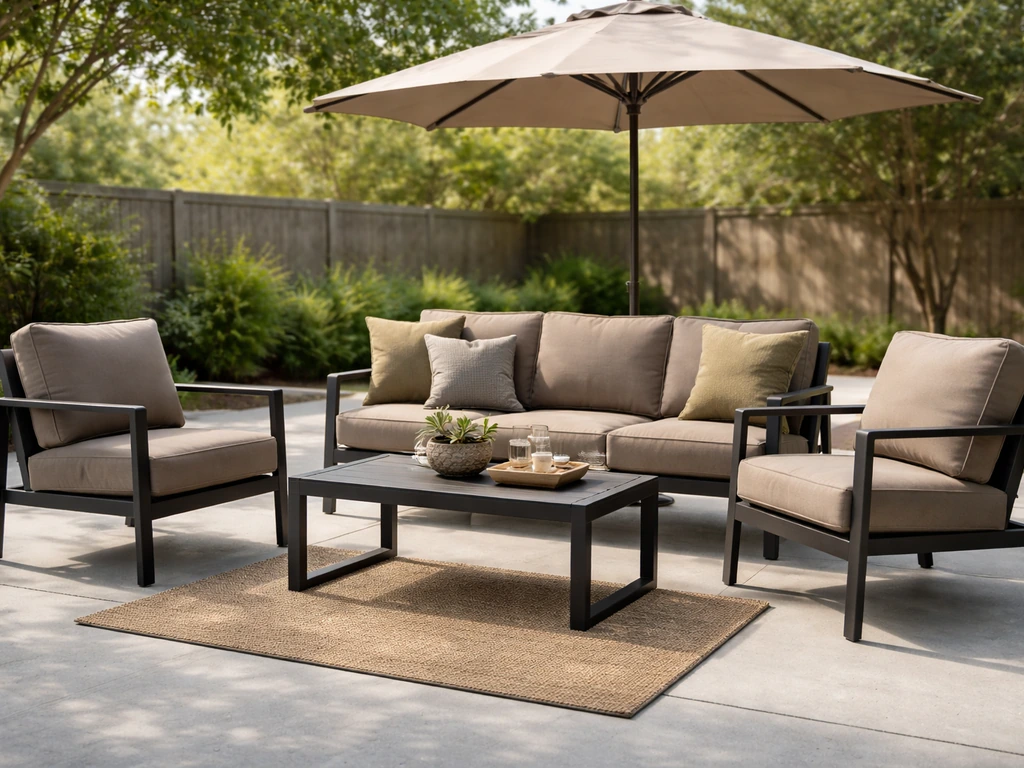
Do It Best Patio Furniture Guide: Choose the Right Set
Choose do it best patio furniture with climate-fit tips, material comparisons, and weatherproof checklists for lasting c
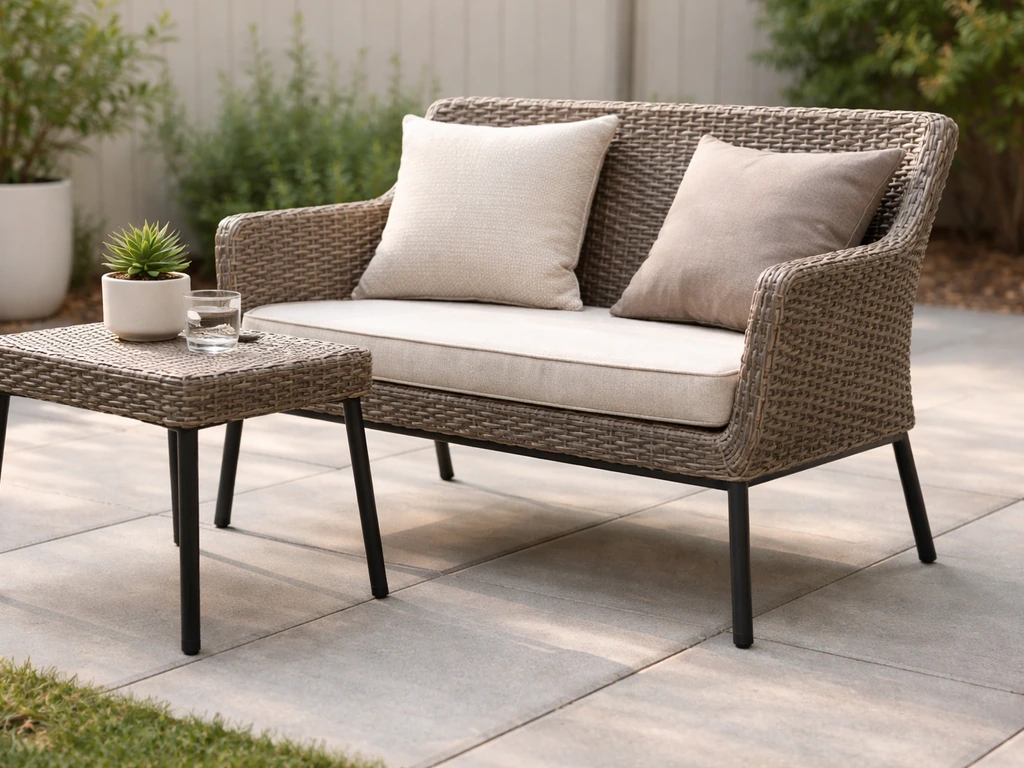
Who Has Patio Furniture: Best Places to Buy and Compare
Find who sells patio furniture: compare stores, brands, and materials to pick durable sets for your climate fast.
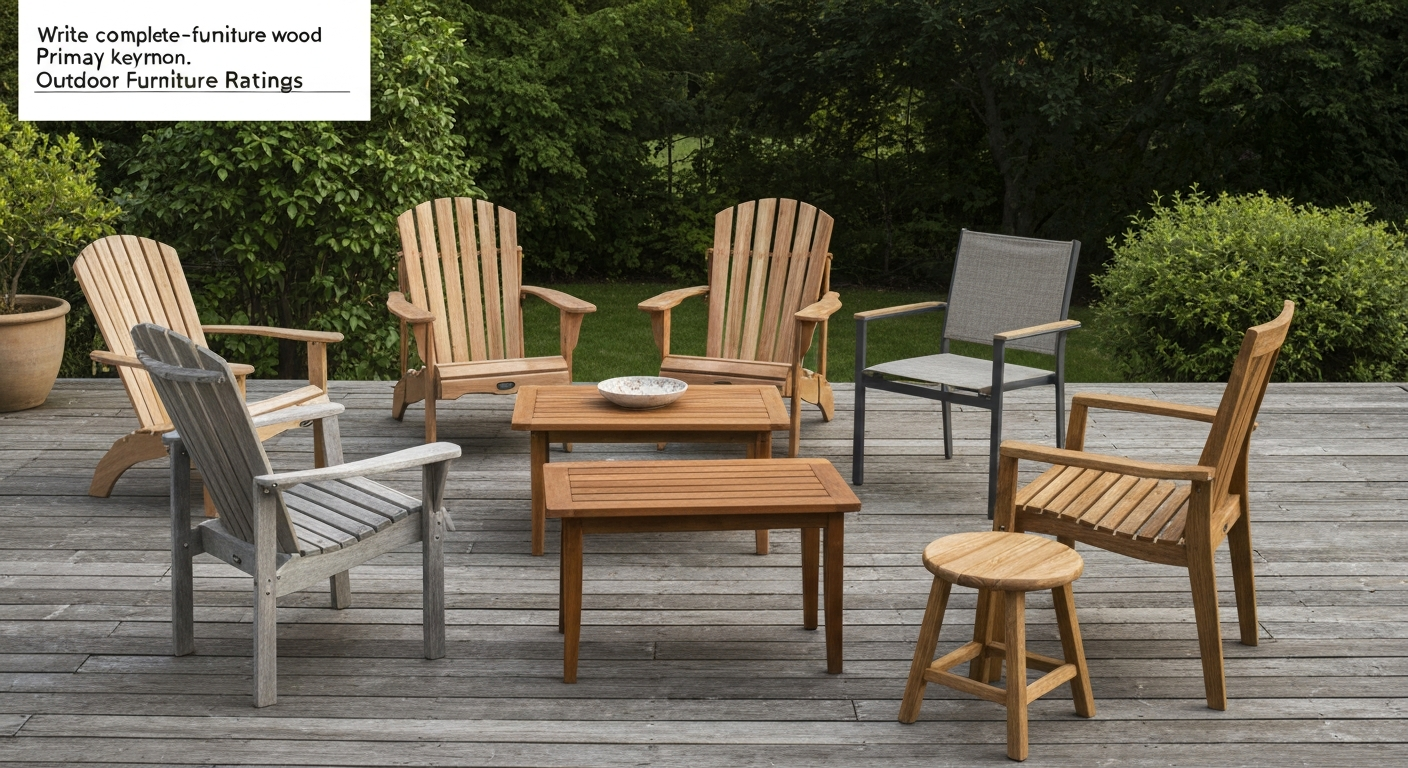
Common Patio Furniture Wood: Best Choices, Care & Tips
Compare common patio furniture wood types, teak, cedar, redwood, oak, with durability, finishes, and care tips.