
For most UK patios, powder-coated aluminium frames with solution-dyed acrylic cushions are the best all-round choice. Aluminium doesn't rust, holds up to rain and coastal salt air, and a quality powder coat keeps it looking decent for years with minimal effort. Pair that with cushions made from solution-dyed acrylic fabric over open-cell foam, and you've got furniture that actually dries out after a downpour rather than turning into a mould farm. That's the core recommendation. Everything below will help you dial it in for your specific space, budget, and how hard the British weather hits you.
Best Patio Furniture UK Buying Guide for British Weather

Theo Tierney
26 Jun 2026
What 'best' actually means for a UK patio
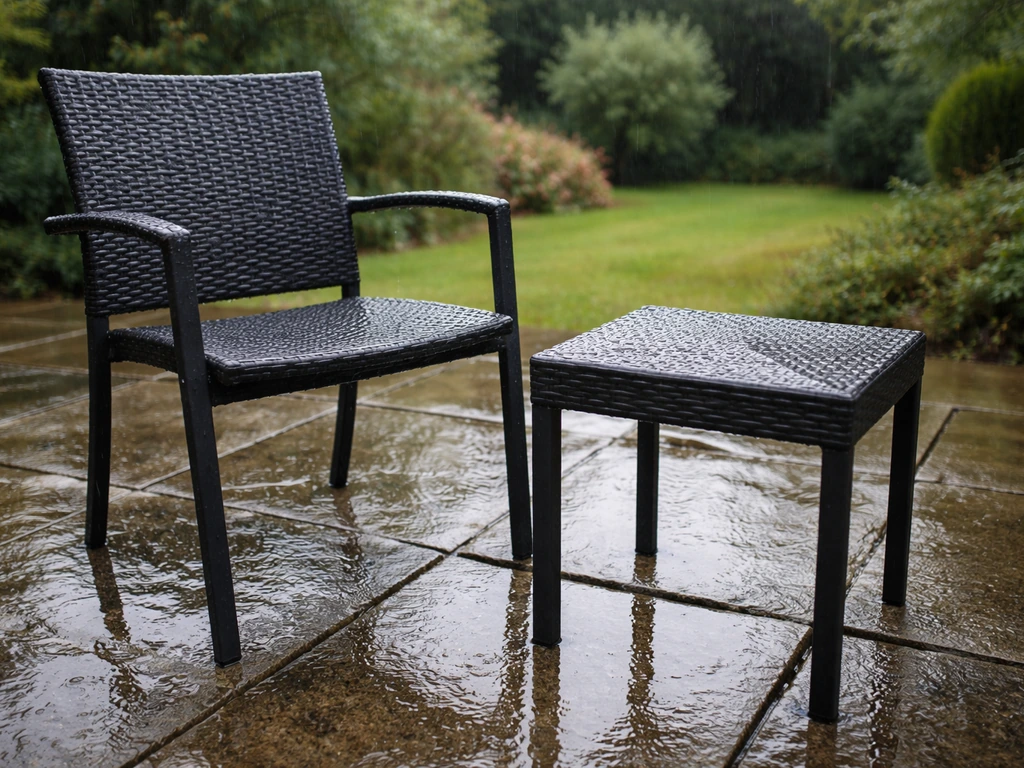
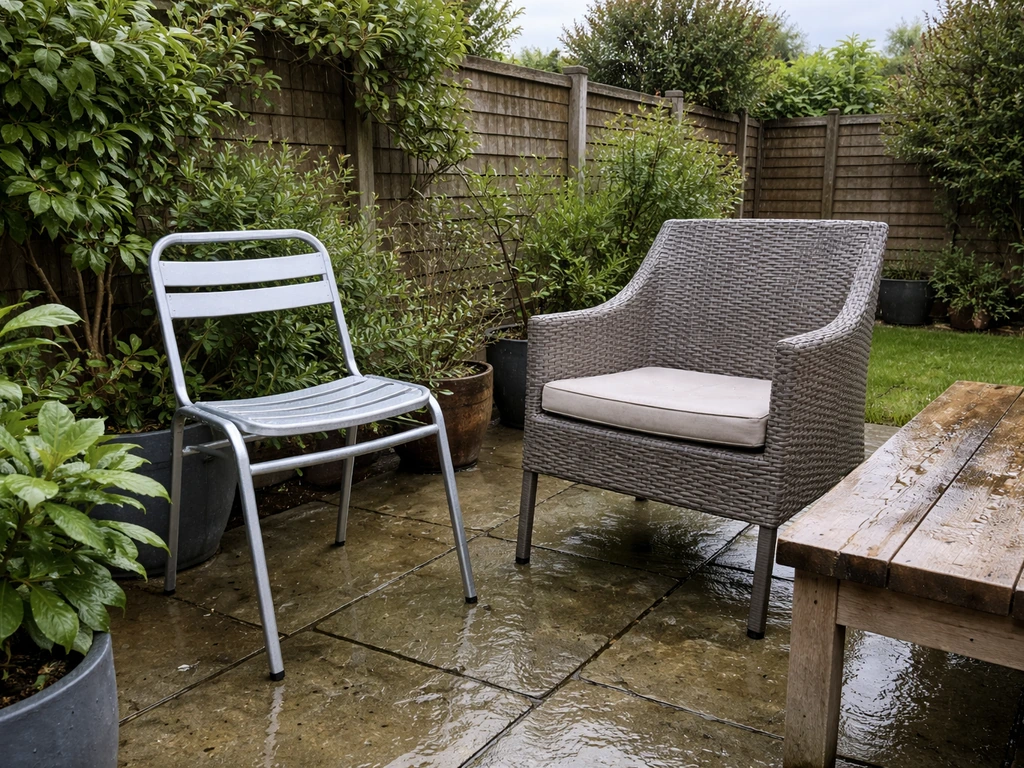
UK weather is not extreme by global standards, but it is relentlessly awkward for outdoor furniture. You're dealing with persistent damp, UV in summer (more than people think), wind, and temperature swings from near-freezing to 30°C within the same year. So 'best' here means something specific: it has to resist rust and rot without requiring constant attention, it has to dry out quickly after rain, it has to hold its colour and structural integrity across several seasons, and it has to be practical to clean. Aesthetics matter, but a beautiful set that's riddled with mould by October is not the best anything.
The real failure modes UK buyers run into are: rust at joints and chips in coatings, mould in cushion foam that never fully dried, UV bleaching on cheap synthetic fabrics, and wobbly frames where joinery was cut to save cost. If you use those four things as your filter when shortlisting, you'll already be ahead of most buyers. Warranty length is also a useful signal: a brand like Hartman offering a three-year warranty on rattan sets is putting its money where its mouth is in a way that a generic importer often won't.
Match the furniture to your space and how you'll use it
Before you look at a single product, answer two questions: how much usable space do you have, and will you mainly be dining outdoors or lounging? These two decisions cut your shortlist in half immediately. Once you know your layout and whether you will be dining outdoors or lounging, it becomes much easier to figure out who has patio furniture options that will actually suit your weather.
Small patios and balconies
If you've got a balcony or a compact patio under about 15 square metres, a full dining set is usually a mistake. If you want the easiest way to compare patio furniture options, start by matching the set size to your available floor space and daily layout. You'll spend more time navigating around chairs than enjoying the space. A folding bistro table and two chairs, or a compact modular lounging set that can be reconfigured, gives you far more flexibility. Think modular: pieces that stack or fold flat when not in use are genuinely worth paying a small premium for in a tight space.
Dining vs lounging
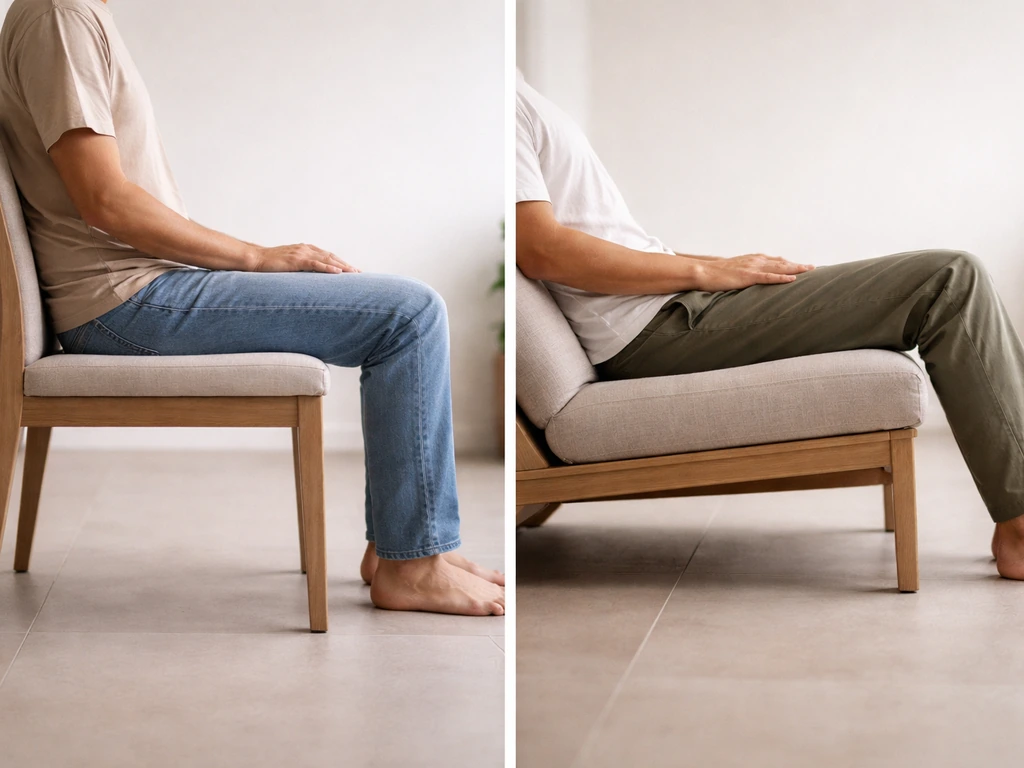
For dining, sizing really matters. UK garden dining tables typically sit at 72 to 76cm high, and chairs should have a seat height of around 44 to 46cm to work comfortably with them. Don't assume a chair that looks right will be right: check the actual seat height in the spec. You also need clearance around the table so chairs can actually be pulled out, around 70cm in front of the table edge is a reasonable working figure for a dining area. If your patio is tight, measure it out with tape before buying anything.
For lounging, the priority shifts to comfort, reclining options, and whether the set can stay out through the season or needs to come in regularly. Deep-seated lounge sets with thick cushions are great for warm evenings but they're also the sets most likely to suffer from cushion mould if you're not careful about drying and storage. If you want a low-maintenance lounge setup, lean towards sets with quick-dry cushions or ones where the cushions can be stored easily indoors.
Material guide: what actually lasts in British weather
This is the most important section for long-term value. The material family you choose determines your maintenance load, your longevity expectations, and frankly whether the furniture is still standing in five years.
| Material | Rust/Rot Risk | Weight (wind stability) | Maintenance Level | Best UK Use Case |
|---|---|---|---|---|
| Hardwood (teak, iroko) | Low rot risk | Heavy, stable | Annual oiling recommended | Classic look, sheltered or exposed gardens |
| Softwood (pine, spruce) | Higher rot risk | Medium | Regular treatment needed | Budget builds, covered/sheltered only |
| Powder-coated aluminium | Essentially none | Light (consider anchoring) | Low, touch up chips | All-round, coastal, low-maintenance |
| Galvanised/powder-coated steel | Low if intact, rust at chips | Heavy, stable | Monitor and touch up coatings | Exposed or windy patios |
| Synthetic PE rattan (aluminium frame) | Low | Light-medium | Low, wipe clean | Casual dining and lounging |
| Natural rattan | High moisture risk | Light | High, not for outdoor use | Indoor/very sheltered only |
| Composite/resin | None | Medium | Very low | Low-maintenance, modern look |
Wood: hardwood earns its price, softwood needs work
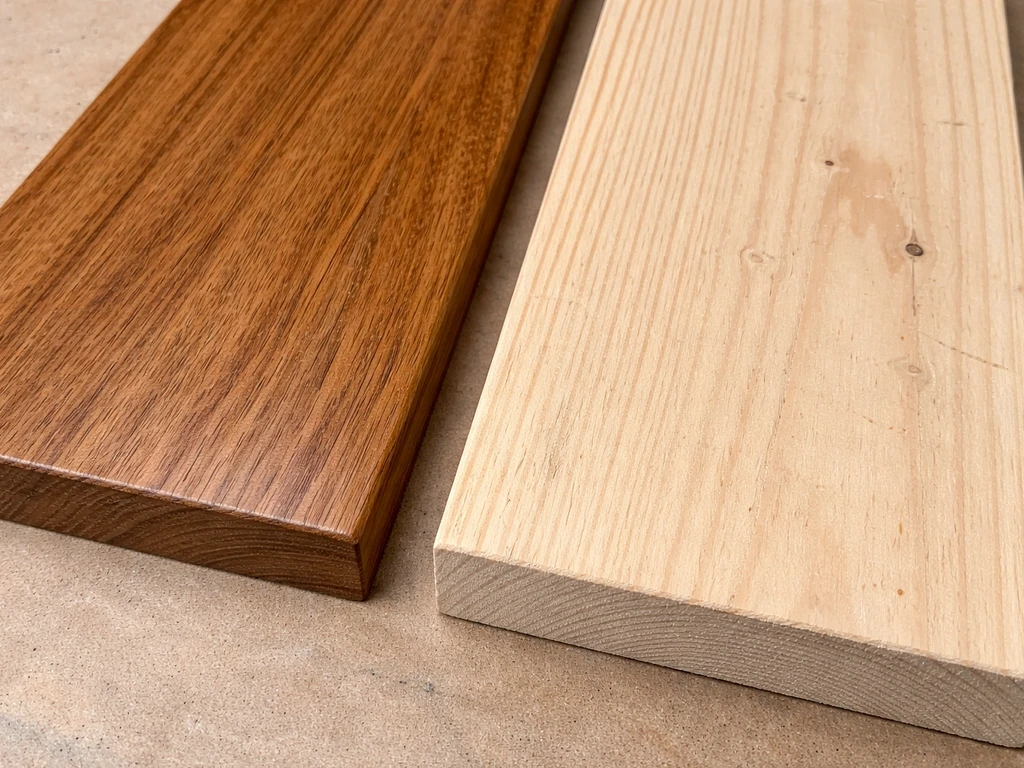
Hardwoods like teak and iroko are genuinely excellent in UK conditions. Teak's natural oil content makes it highly rot-resistant, and it weathers to a pleasant silver-grey if you don't oil it, or stays warm-toned if you do. The catch is cost: decent teak furniture is expensive, and cheap 'teak-look' sets are often plantation softwood with a thin stain that degrades quickly. If you're buying wood, check whether it's FSC-certified and ask specifically whether it's a true hardwood species. Softwood sets (pine, spruce) can work well if kept under cover or treated regularly with a quality outdoor wood oil or preservative, but they're a higher-maintenance commitment.
Metal: aluminium wins for most people, steel for weight
Aluminium is the clear practical winner for most UK buyers. It doesn't rust, it's light enough to move around but not so light it blows over in mild wind, and a quality powder coat holds up well to rain and damp. The thing to check is the powder coat quality, not just the label. Good powder coating involves proper substrate preparation and a full coating system, and the finish at joints and welded areas matters most: that's where cheap sets fail first. Where coatings do chip, touch them up promptly with outdoor metal paint rather than leaving bare metal exposed.
Steel sets are heavier (which can actually be useful on a windy, exposed patio) but they carry more rust risk, especially at joints, edges, and anywhere the coating is damaged. Hot-dip galvanising (to EN ISO 1461 standard) provides a thick zinc layer that offers genuine long-term corrosion protection, significantly more than a thin electroplated finish. If a steel set claims to be rust-resistant, find out whether it's hot-dip galvanised or just powder coated over bare steel: the difference in longevity is substantial.
Rattan and wicker: synthetic only, and check the frame
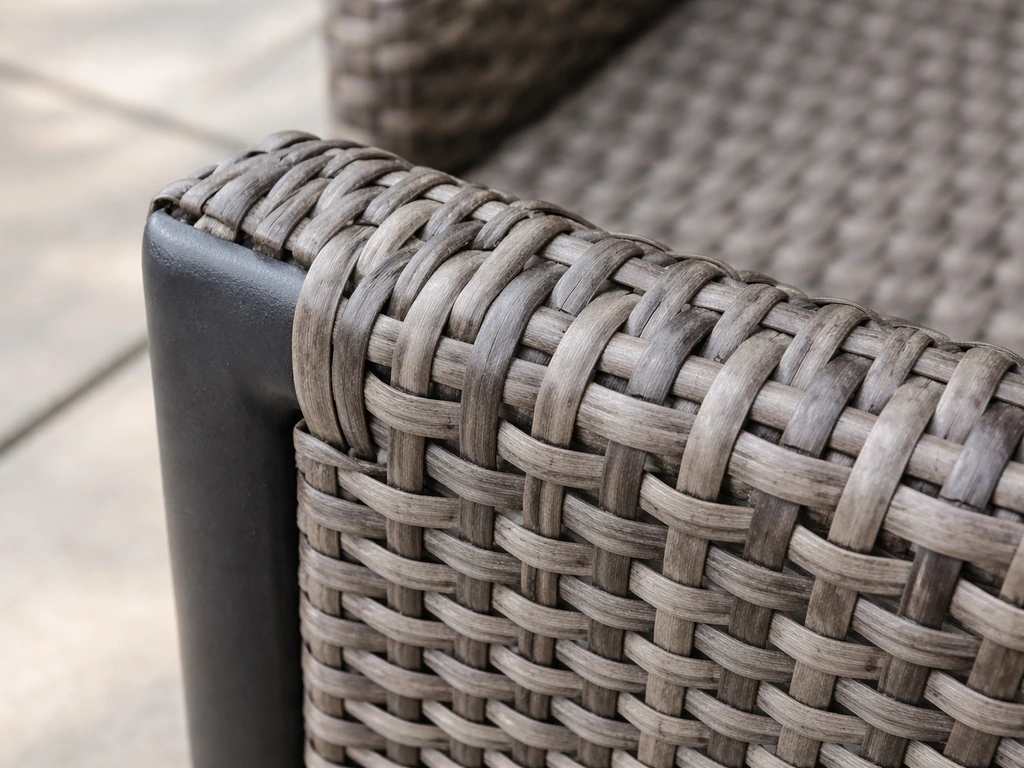
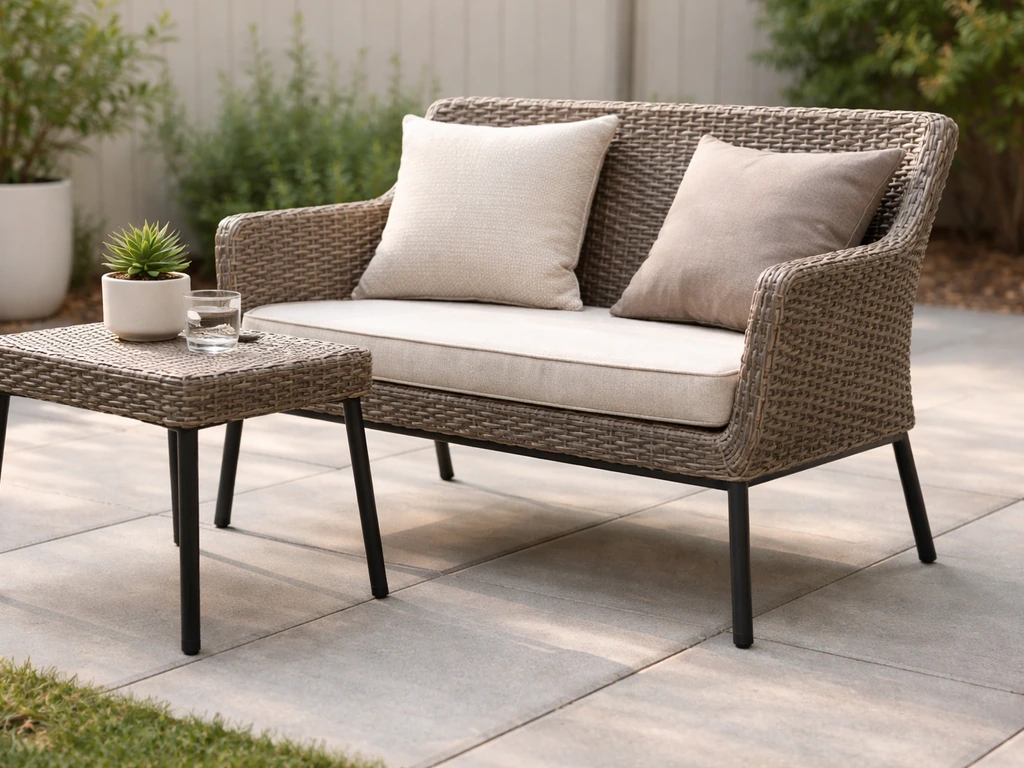
When UK retailers talk about 'rattan garden furniture,' they almost always mean PE polyrattan: synthetic woven strips over a metal frame. This is the right choice for outdoors. Natural rattan absorbs moisture and deteriorates quickly in British conditions, so it belongs inside or in a very sheltered conservatory, not on an exposed patio. With PE rattan sets, the frame material is what matters most. An aluminium-framed PE rattan set will outlast a steel-framed equivalent by several years in damp conditions. Look for this in the spec before buying, it's often buried in the small print.
Composite and resin: genuinely low-maintenance
Composite and resin furniture doesn't rot, doesn't rust, and can be cleaned with a hose. The trade-off is that cheaper resin sets can look plasticky and may fade or become brittle after a few years of UV exposure. Better-quality composite sets (using high-density polyethylene or reinforced materials) are a real option for people who want to leave furniture out year-round with minimal fuss. They're particularly good for coastal locations where salt air attacks metal finishes aggressively.
Weatherproofing details that separate good sets from bad ones
Frames get most of the attention, but the cushions and fabrics are actually where most UK sets let people down. Here's what to check on each element.
Cushion fabrics
blank" rel="noopener noreferrer">Solution-dyed acrylic is the fabric standard worth paying for. In solution-dyed acrylic, the colour is part of the fibre itself rather than a surface dye, which means UV exposure doesn't bleach it out over a season or two. Sunbrella is the most well-known brand for this, but there are others. Look for fabrics that are explicitly labelled solution-dyed acrylic, water-repellent treated, and washable (ideally at 40°C). If you're shopping for the latest patio furniture, this is one of the key cushion specs to look for so colour and performance last season after season solution-dyed acrylic fabric. Removable covers matter too: if you can't take the covers off and wash them, mould and staining become permanent problems.
Cushion foam and drying
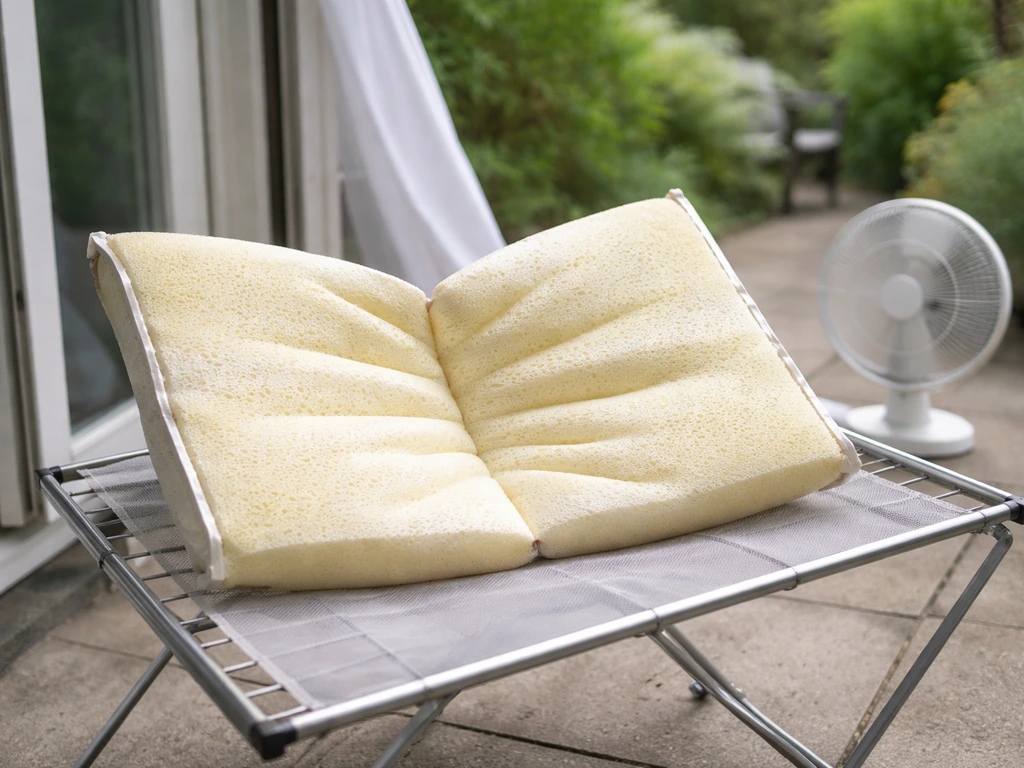
This is where cheap cushions fail. Standard upholstery foam holds water and takes days to dry, which means mould in UK conditions. Good outdoor cushion foam uses open-cell construction with a breathable but water-resistant inner barrier: moisture can escape, drying happens in hours not days. If a product spec doesn't mention anything about the foam construction or drying performance, assume it's standard foam and plan accordingly (bring it in when it rains, or buy separate dry-storage for cushions).
Frame coatings and joint quality
Look at how the joints are finished, not just the flat surfaces. Welds, screws, and connection points are where water pools and where coatings are thinnest. On cheap sets, the powder coat at welded joints is often thin or poorly adhered, and rust starts there within the first winter. Good sets will have consistent coating thickness across joints, and some will use stainless steel fixings at connection points rather than plated steel screws.
What to check before you buy
Use this as a checklist when you're shortlisting sets, whether you're in a showroom or reading product specs online.
- Frame material: aluminium for rust-free longevity, galvanised steel if you want heavier weight; avoid bare mild steel
- Coating type and quality: look for powder coating with a quality finish at joints, not just on flat tube surfaces
- Cushion fabric spec: solution-dyed acrylic, water-repellent finish, removable and washable covers
- Cushion foam: open-cell or quick-dry construction; check if the product mentions drying performance
- Table and chair height compatibility: table 72 to 76cm, chair seat height 44 to 46cm for dining
- Spacing and clearance: measure your patio before buying; allow around 70cm in front of a dining table for chair pull-out
- Weight and wind stability: lighter aluminium sets may need weighted feet or anchoring on exposed patios
- Warranty: three years or more on structural components is a reasonable baseline for a quality set
- Fixings and hardware: stainless steel or zinc-plated fixings are more durable than standard plated screws
On sizing, also check the actual footprint of a dining set with chairs pulled out, not just the table dimensions. A 176cm table sounds generous until you realise the chairs add another 60cm on each side and your patio is 3.5 metres wide.
Covers, cleaning, and surviving winter
Furniture covers: worth it, but use them correctly
A good cover is worth buying, but a bad cover used badly can cause more damage than no cover at all. The failure mode is condensation: if you cover furniture that isn't fully dry, or if you use a non-breathable cover in mild weather, you're creating a warm, humid microclimate where mould thrives. The cover needs to be breathable and waterproof, not just waterproof. Products like the AeroCover range are designed specifically with this in mind. The practical rule: remove the cover on sunny days to let moisture escape, and never cover cushions that are still damp.
Cleaning through the season
For metal and composite frames, a bucket of warm soapy water and a soft brush is usually enough for regular cleaning. For cushion fabric with mould spots, a 50/50 mix of white vinegar and water works well as a first pass. If covers are removable, machine wash them on a cool or low cycle with mild detergent, then rinse thoroughly and dry completely before refitting. Residue left in the fabric traps dirt and degrades the water-repellent finish over time.
Winter storage strategy
Cushions should always come inside for winter, ideally into dry, ventilated storage rather than a damp garage or shed. Frames can often stay out if they're aluminium or quality composite, covered with a breathable waterproof cover. Hardwood furniture benefits from being brought into a dry space or at minimum laid flat and covered to keep water off end-grain joints. The priority for any stored furniture is keeping the underside and joints off damp ground: stack on feet or place on dry boards to avoid moisture wicking up from below.
The right choice for your situation
Here's where the general advice becomes specific. Your best option genuinely depends on your climate exposure, budget, and how much maintenance you're willing to do.
Budget buyers (under £400 for a set)
At this price point, powder-coated aluminium bistro sets and compact PE rattan sets on aluminium frames are your best options. Avoid cheap steel sets that claim to be 'rust-resistant' without any specification detail. Buy cushions separately if the included ones feel thin or don't have removable covers: a decent set of outdoor cushions is an investment that lasts longer than the foam that often ships with budget sets.
Mid-range buyers (£400 to £1,200)
This is where the range opens up meaningfully. You can get a quality PE rattan dining or lounge set with an aluminium frame and decent cushion fabric, or a solid hardwood bistro set. Brands with genuine warranties (three years or more) are accessible at this price. Look for solution-dyed acrylic cushion fabric and open-cell foam as a non-negotiable at this level: there's no excuse for cheap cushions at mid-range prices.
Premium buyers (£1,200 and above)
At this level, you're buying teak or premium aluminium sets from established brands, often with five-year or longer structural warranties. If you're shopping for earl may patio furniture, compare those premium aluminium and teak-style options for the best long-term colour and build quality teak or premium aluminium sets. Cushions should come with Sunbrella or equivalent solution-dyed acrylic fabric as standard. The difference you're paying for is build quality at the joints, aluminium grade, and long-term colour stability on both frames and cushions. If you're making a genuine long-term investment in the space, it's worth it.
Coastal and exposed locations
Salt air is aggressive on any metal coating, and it finds every imperfection. For coastal patios, aluminium or composite/resin frames are strongly preferable over steel. If you're on an exposed site with regular wind, heavier furniture is genuinely worth the trade-off in weight: steel or solid hardwood sets are harder to blow over. For lightweight aluminium sets in exposed positions, weighted base inserts or anchor straps are worth the small extra cost.
Sheltered urban gardens and patios
If you're in a sheltered city garden or walled courtyard, you have more flexibility. The UV and damp risks are still real, but wind and salt are less of a factor. PE rattan sets work well here, and lighter aluminium bistro sets are fine without anchoring. You can also get away with a more maintenance-intensive hardwood set if you enjoy that kind of seasonal upkeep.
Your decision framework for today
If you want to make a decision today, work through this in order: first, decide whether you're primarily dining or lounging outdoors. Second, measure your patio and check whether a full set actually fits with clearance. Third, pick your frame material based on your location: aluminium for coastal or low-maintenance preference, steel or hardwood if you want weight and can handle the maintenance. Fourth, confirm the cushion spec before committing: solution-dyed acrylic fabric, removable covers, open-cell or quick-dry foam. Fifth, check the warranty length as a proxy for build quality confidence.
From there, the shortlist paths are straightforward. For low-maintenance all-rounder: powder-coated aluminium frame with PE rattan weave, solution-dyed acrylic cushions, from a brand with at least a three-year warranty. To get do it best patio furniture, focus on powder-coated aluminium frames and solution-dyed acrylic cushions so the set stays looking good with minimal upkeep. For a classic long-term investment: FSC-certified teak or iroko with a quality outdoor oil finish, paired with Sunbrella or equivalent cushions that you store inside over winter. For a budget-conscious compact patio: a folding aluminium bistro set or a modular PE rattan two-seater with quick-dry cushions, no fixed dining table needed.
FAQ
Can the best patio furniture UK sets stay outside all year in the UK?
Yes, but only if you choose the right cushion and cover setup. Even the best solution-dyed acrylic fabric can still get musty if foam stays wet, so buy open-cell or quick-dry/low-water-absorption cushions (or cushions with removable washable covers) and use a breathable cover. Avoid covering damp cushions and, on mild days, remove the cover to let moisture escape.
What should I look for in a patio furniture cover to prevent mould?
A cover can extend life, but it can also create condensation if used wrong. Look for a cover that is both waterproof and breathable (vented fabric), keep it off the cushion surfaces when they are damp, and remove it on sunny days. If your cover is fully non-breathable, you often trade rain protection for trapped humidity, which accelerates mould.
How can I tell if a steel set is actually rust-proof enough for a UK winter?
Check for hot-dip galvanising, not just “rust resistant”. Ask whether the steel is hot-dip galvanised to EN ISO 1461, then confirm the coating coverage at joints, edges, and any welded or drilled areas. If the retailer only mentions powder coating without substrate details, assume joints are the likely failure point over time.
How do I confirm dining chair sizing before buying?
Do not assume the chair seat height is correct from the overall chair appearance, even when the set is sold as matching. Measure seat height (to the top of the cushion, and again without the cushion if they are removable) and aim for roughly 44 to 46 cm for UK dining tables at about 72 to 76 cm high. Then check your clearance for pulling chairs out.
What’s the best way to stop wobbly patio furniture on uneven or exposed ground?
Stability is not just about weight, it is about how the legs attach and how the set sits on uneven ground. On exposed patios, look for wider feet, level-adjustable glides, and options to add weighted base inserts or anchor straps for lightweight aluminium. If your patio is sloped, uneven contact points can make even sturdy frames wobble.
How should I wash outdoor cushions to keep them water-repellent and colourfast?
For solution-dyed acrylic cushions, the “40°C wash” guidance is usually about preserving water-repellent finishes. Use mild detergent, rinse thoroughly, and dry completely before refitting. If you treat cushions like indoor laundry and leave residue, you can reduce water beading and increase how quickly stains set.
Where should I store cushions and frames during winter if I have limited space?
If the set is stored in a damp shed or garage, you can still get mould even with good fabrics, because moisture can wick from the underside and joints. Store cushions in dry, ventilated conditions, and for frames keep underside and joints off damp ground (use feet-on-boards or stack with spacers). If you must store frames outside, keep them covered with breathable protection.
Will solution-dyed acrylic cushions still fade in the UK sun?
Solution-dyed acrylic helps, but it does not eliminate fading from dirt buildup and sun exposure on the surface. Place the set where it gets less harsh midday UV if possible, rinse off salt or airborne grime periodically, and keep cushions dry before covering. This reduces both colour shift and the chance of mould starting in seams.
Which is more practical long-term in the UK, teak or aluminium with PE rattan?
It depends on your weather exposure and whether you are willing to manage upkeep. Teak and iroko are long-lasting but require occasional outdoor oiling if you want to maintain tone. If you are cost-sensitive or not keen on seasonal maintenance, premium powder-coated aluminium with PE rattan and solution-dyed cushions is typically less work year to year.
Can I use the best patio furniture UK options on a small balcony without creating a drying problem?
Yes, but you need the cushion layer to match. For a compact patio, choose stackable or fold-flat pieces so furniture can be stowed to improve drying. Also prioritise quick-dry or open-cell foam, since narrow balconies often have less airflow and rainwater can linger around cushions.
How do I spot cushion quality when the spec is vague or missing?
Not automatically. Even premium cushions can fail if the included foam is standard upholstery foam that holds water for days. If the spec does not clearly mention open-cell construction, quick-dry performance, or how the foam manages moisture, treat it as a risk and plan to bring cushions in after rain or replace the cushions.
What should I do if my aluminium or metal patio furniture gets a small chip in the coating?
Yes, especially for exposed or coastal locations where salt finds coating chips first. If you see any coating damage, touch it up promptly with outdoor metal paint designed for the substrate, then monitor that spot after rain. Waiting lets bare metal start oxidising, and joints usually become the next weak points.
Next Articles
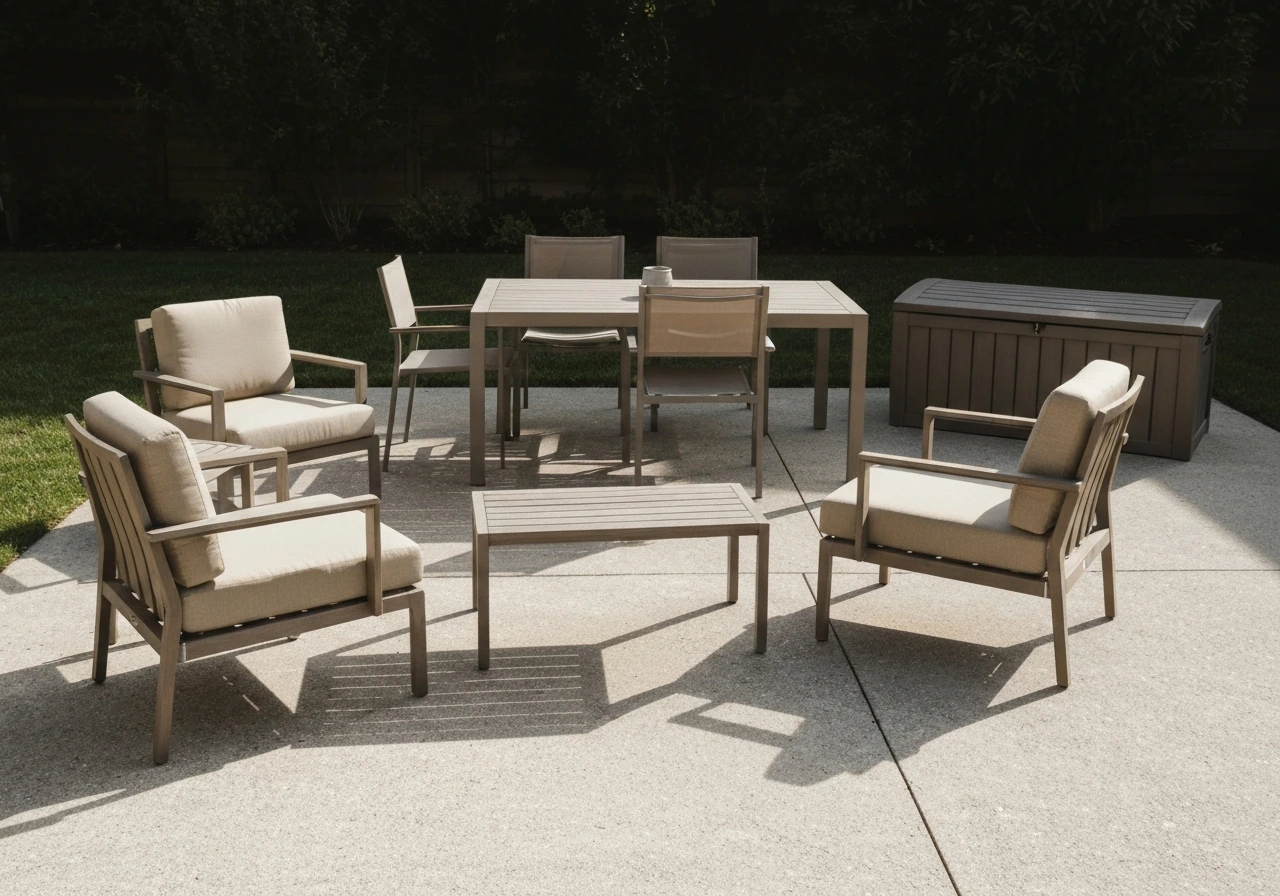
Must Have Patio Furniture: Buying Checklist and Guide
Must have patio furniture checklist with picks for seating, dining, tables, storage, plus material durability and mainte
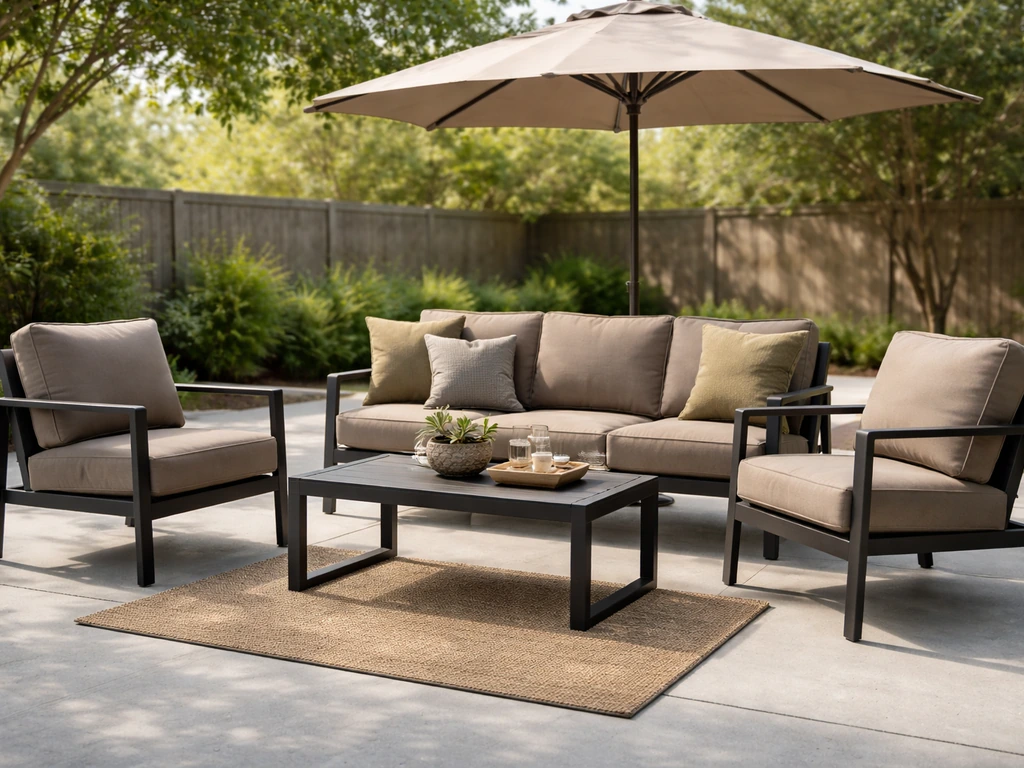
Do It Best Patio Furniture Guide: Choose the Right Set
Choose do it best patio furniture with climate-fit tips, material comparisons, and weatherproof checklists for lasting c
Who Has Patio Furniture: Best Places to Buy and Compare
Find who sells patio furniture: compare stores, brands, and materials to pick durable sets for your climate fast.