
Earl May is a regional garden-center chain with 28 stores across Iowa, Nebraska, Kansas, and Missouri. Its outdoor furniture lineup spans casual dining sets, lounge chairs, Amish-made hardwood pieces, umbrellas, and accent items, available both in-store and through an online shop that supports ship-to-store and direct shipping. Prices on the current product pages range from mid-hundreds to well over a thousand dollars per piece (one listed oval dining table runs $1,255; a dining chair $495), which puts Earl May squarely in the mid-to-premium tier. Whether that's the right place to spend your money depends entirely on your climate, how you'll use the space, and which materials actually survive your local weather.
Earl May Patio Furniture Guide: Buying, Materials & Care

Theo Tierney
17 Jul 2026
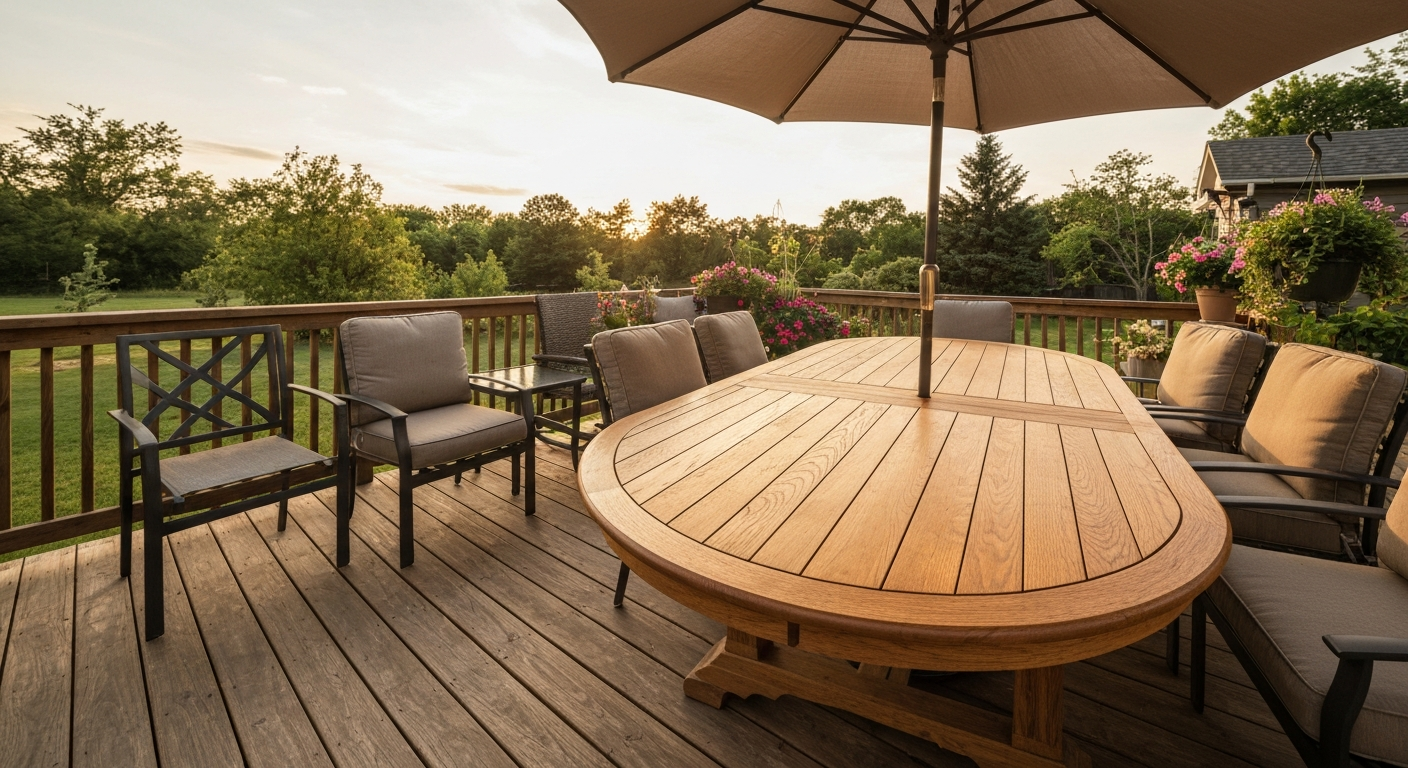
What this guide will help you decide
This guide answers the practical questions: What does Earl May actually stock, how does it compare to Do it Best, Lowe's, Home Depot, Walmart, and online marketplaces, and is the price premium worth it? If you want to compare patio furniture side-by-side, see our detailed compare patio furniture guide for a head-to-head look at materials, warranties, and price tiers. Beyond the retailer comparison, it walks you through every major material category (wood, metal, wicker, synthetic, cushions), explains what holds up in specific climates, gives you honest budget-tier expectations, and ends with a seasonal maintenance plan so whatever you buy lasts as long as possible. If you're also cross-shopping UK options or want to understand the latest trends before committing, those angles are covered too.
What Earl May sells: product range and typical styles
Earl May's Outdoor Living category lists more than 100 products across multiple pages, with inventory varying by location. The assortment covers casual dining tables and chairs, lounge seating, sectional-style arrangements, umbrellas, and outdoor accent pieces. The standout differentiator from pure big-box retailers is the Amish Outdoor Furniture line, which Earl May promotes with a dedicated 'Amish Furniture Book.' Amish-built pieces are typically constructed from hardwoods like oak, cherry, or hickory using traditional joinery, a meaningfully different product than the mass-produced aluminum or resin sets you'll find at Lowe's or Walmart.
Stylistically, Earl May leans toward traditional and transitional aesthetics: classic dining sets, Adirondack-style chairs, and slatted hardwood benches rather than ultra-modern powder-coated geometrics or rattan-wrapped modular sofas. That fits the Midwestern customer base, but it does mean the selection is narrower if you want a contemporary look. The online storefront shows 'Ship' and 'Pick up in Store' labels on individual items, so availability varies, some pieces may only be available for in-store pickup at specific locations, which matters a lot if you're not near one of the 28 stores.
How Earl May's offerings compare to competitors
Earl May's closest structural analog is Do it Best, another independent-retailer cooperative network that carries patio furniture including its own 'Outdoor Expressions' private label alongside recognized brands. Do it Best lists and markets its Outdoor Expressions private label and a wide patio assortment on its brand page, which is useful for cross-checking pricing, warranty/return terms, and product types independent garden centers might carry Outdoor Expressions (brand page) — Do it Best. Do it Best products sold through its network include POLYWOOD pieces backed by a 20-year warranty, which is a hard benchmark to match. Earl May defers entirely to manufacturer warranties on furniture ('Patio furniture and umbrellas are guaranteed as stated in the manufacturer's warranty,' per their Get MORE Guarantee policy), so the warranty quality depends entirely on which brand you're buying from them.
Big-box retailers like Lowe's and Home Depot offer the widest assortment by volume, Lowe's patio table category alone spans $20 to $2,299, and Home Depot lists 1,000-plus items with a dedicated buying guide. Their private labels (Hampton Bay at Home Depot, Style Selections at Lowe's) fill the mid-range at aggressive price points. Walmart anchors the entry tier, with most sets under $500 and frequent rollbacks. What Walmart and big-box stores can't offer is the regional expertise and curated Amish-built hardwood assortment that Earl May provides, or the hands-on garden-center service experience.
Where to buy patio furniture: who has what
Earl May is the right starting point if you're in Iowa, Nebraska, Kansas, or Missouri and want in-person service, Amish-built hardwood options, and a garden-center environment where staff can pair furniture with plantings and outdoor design advice. Outside of that region, your options expand considerably. Do it Best member stores serve rural and suburban markets across the country and carry a comparable mid-range to premium mix. Do it Best patio furniture is widely available through member stores nationwide, offering brands like POLYWOOD and the Outdoor Expressions private label for mid-to-premium buyers. Home Depot and Lowe's are accessible nationwide and competitive on price, especially for aluminum and resin sets. Walmart is hard to beat for budget sets if longevity isn't the primary concern. See our guide who has patio furniture for retailer-by-retailer availability and pickup/shipping notes.
Online marketplaces (Wayfair, Amazon, and direct-brand sites) give you the broadest selection and often ship free on large orders, but you're buying blind on comfort and build quality. UK shoppers face a different market entirely, brands like Hartman, Kettler, and Alexander Rose dominate the mid-to-premium UK outdoor furniture space, and garden centre chains like Dobbies carry curated ranges. Earl May does not ship internationally, so UK readers need to focus on domestic UK retailers rather than trying to source from Earl May's online shop. For comparisons and buying tips tailored to the UK market, see our guide to the best patio furniture UK.
Retailer comparison: Earl May vs. Do it Best vs. big-box vs. online
| Retailer | Price Range | Key Materials | Styles | Warranty Approach | Availability |
|---|---|---|---|---|---|
| Earl May | $200–$2,000+ | Amish hardwood, metal, resin | Traditional, transitional | Manufacturer warranty (deferred) | 28 stores, IA/NE/KS/MO; online ship + pickup |
| Do it Best | $150–$2,500+ | HDPE (POLYWOOD), aluminum, resin | Classic, contemporary | Brand warranty (e.g., POLYWOOD 20-year) | Nationwide via member stores + online |
| Lowe's / Home Depot | $20–$2,299+ | Aluminum, steel, resin, wicker | Wide range, modern to classic | 30–90 days store return; brand warranties vary | Nationwide in-store + delivery |
| Walmart | $50–$800 | Steel, resin, low-grade wicker | Entry-level, casual | Store return 90 days; minimal brand coverage | Nationwide in-store + delivery |
| Online (Wayfair, Amazon) | $50–$5,000+ | All materials including specialty | Every style | Seller/brand dependent; read carefully | Ship-to-home; no in-person preview |
How to compare patio furniture: a decision checklist
Before you spend a dollar, run through these criteria in order. Skipping any one of them is how people end up with a beautiful set that rusts, molds, or simply doesn't fit the space they bought it for.
- Size and layout: Measure your usable outdoor space and subtract at least 3 feet of clearance around all sides of a dining table. A 6-person table needs roughly a 12x12-foot minimum footprint.
- Primary use: Daily dining versus occasional lounging versus hosting guests requires different furniture categories and durability levels.
- Comfort: Seat depth, back angle, and cushion thickness matter more than looks. A chair that looks elegant but forces an upright 90-degree posture will go unused.
- Material match to your climate: More on this in detail below, but this is the single biggest driver of longevity.
- Maintenance reality: Be honest about whether you will actually cover, store, or oil furniture seasonally. If the answer is no, choose low-maintenance materials like HDPE or powder-coated aluminum.
- Budget (total cost of ownership): A $300 steel set that rusts in three years costs more over a decade than a $900 aluminum or HDPE set that lasts 15-plus years.
- Style and scale: Furniture should scale to your home's architecture. Oversized sectionals look wrong on narrow townhouse patios; spindly bistro chairs disappear on large decks.
Materials breakdown
Wood: teak, cedar, and treated pine
Teak is the gold standard for outdoor wood furniture because its natural oil content resists moisture, insects, and cracking without annual treatment. Left untreated, it weathers to a silver-grey patina that many people find attractive; oiled annually, it holds its warm honey-brown color. Expect to pay $800 to $3,000-plus for quality teak dining sets. Cedar is lighter, less expensive ($300–$1,000 for chairs and benches), and naturally rot-resistant, but it requires more frequent sealing, every one to two years in humid climates. Treated pine (pressure-treated or ACQ-treated) is the entry-level wood option; it resists rot well but is prone to splitting, checking, and surface discoloration, and it's heavy. The Amish-built pieces Earl May sells typically use domestic hardwoods like oak or poplar with traditional mortise-and-tenon joinery, which produces furniture that's genuinely built to last decades if kept dry or seasonally covered.
Metal: aluminum, steel, and powder-coating
Cast and extruded aluminum is my first recommendation for most climates. It doesn't rust, it's light enough to move easily, and powder-coating locks in color while providing a hardened surface that resists chipping and UV fading. Quality aluminum sets from mid-tier brands carry 3-to-5-year structural warranties; premium brands go longer. Steel is heavier and stronger, which is useful for windier exposed settings, but it must be galvanized or powder-coated to prevent rust, and any chip or scratch in the finish becomes a rust entry point within a season in humid or coastal environments. Always check that steel pieces use galvanized hardware, not just coated hardware, at joints and connection points. Wrought iron is beautiful and extremely durable structurally, but at 40-plus pounds per chair, moving it is a workout, and it will rust if the coating is compromised.
Wicker, rattan, and woven materials: natural vs. synthetic
Natural rattan wicker looks gorgeous and is a genuinely traditional material, but it has no place outdoors in climates with real weather. It dries out and cracks in direct sun and molds rapidly in humidity. If you see 'natural wicker' marketed for outdoor use, walk away. Synthetic resin wicker, typically woven around an aluminum frame using UV-stabilized polyethylene or PVC, is a completely different product. Good-quality synthetic wicker handles sun, rain, and temperature swings well, with a realistic 8-to-15-year lifespan depending on UV intensity. Look for round-strand wicker (smoother, more durable) over flat-strand, and confirm the frame is aluminum rather than steel. Flat weaves like Textilene (a PVC-coated polyester mesh) are easier to clean and dry faster than traditional wicker, making them better for rainy or humid climates.
Synthetic and composite: HDPE, resin, and recycled plastics
High-density polyethylene (HDPE) lumber, the material POLYWOOD uses, is the most genuinely low-maintenance outdoor furniture material available. It doesn't rot, splinter, crack, fade significantly, or require any sealing or painting. It's made from recycled milk jugs and similar post-consumer plastic, which is an honest environmental positive. The trade-offs are a plastic appearance that some people find less attractive than wood, and a higher upfront cost ($600–$2,500 for quality sets). The POLYWOOD products sold through Do it Best with a 20-year warranty are a real benchmark here. Standard injection-molded resin (like basic Adirondack chairs under $50) is a different, much lower-grade product, functional for a few years but prone to brittleness and UV yellowing after prolonged sun exposure.
Cushions and fabrics: what actually holds up
Cushion quality is where mid-range furniture sets frequently disappoint. The fill matters: open-cell polyester foam absorbs water and takes days to dry, leading to mold and mildew. Look for quick-dry polyester fill (also called Dacron or fiberfill clusters) or closed-cell foam wrapped in a moisture-barrier batting. The cover fabric is equally important: solution-dyed acrylic (Sunbrella is the dominant brand, but several good alternatives exist) is UV-stable, fade-resistant, and mold-resistant in a way that polyester-printed covers simply are not. Solution-dyed means the color goes all the way through the fiber, not just on the surface. Even Sunbrella cushions should be stored indoors or under a waterproof cover when not in use for extended periods, the fabric resists moisture but the fill underneath still needs to dry out between uses. Budget cushions with polyester covers and foam fill typically last two to three seasons before fading, flattening, or developing a mildew smell.
Climate-specific buying recommendations
Hot and humid climates (Southeast, Gulf Coast)
Humidity is wood's worst enemy and metal's second worst (salt is first on the coast). In Florida, Louisiana, Georgia, or similar climates, HDPE lumber or powder-coated aluminum are your safest material choices. If you want wood, teak or ipe (a dense tropical hardwood) can handle the moisture load if oiled regularly, but cedar and pine will rot within a few years without diligent maintenance. For cushions, nothing except solution-dyed acrylic covers with quick-dry fill should be considered, standard polyester will mildew within a season. Synthetic wicker on an aluminum frame is also viable, but inspect it annually for frame corrosion at any exposed metal points.
Coastal climates (salt air exposure)
Salt air accelerates corrosion on any ferrous metal aggressively and attacks aluminum's oxide layer over time too. Within a mile or two of the ocean, the material hierarchy is: HDPE lumber first, marine-grade aluminum second (6061 or 6063 alloy rather than standard 6000-series extrusions), teak third, and synthetic wicker on an aluminum frame fourth. Avoid steel entirely, even galvanized steel hardware corrodes visibly within two to three years at close ocean proximity. Rinse metal furniture with fresh water monthly to remove salt buildup, and inspect powder-coated surfaces every spring for chips or bubbling that indicate under-coating corrosion. Stainless steel fasteners are worth paying extra for in coastal settings.
Rainy climates (Pacific Northwest, Midwest spring/fall)
Sustained moisture and grey skies without intense UV create a mold and mildew problem more than a UV-fading or salt problem. Aluminum and HDPE again win here. For wood lovers, teak's natural oil content makes it the only wood I'd recommend in genuinely rainy climates without aggressive maintenance. Cushions need to drain and dry between rain events, sling-style seating (a mesh or Textilene sling stretched across an aluminum frame) is genuinely the most practical choice for frequently wet environments because there's no cushion to mold. If you want cushions, ensure they have drainage holes in the bottom seam and store them inside during extended rain periods.
Snowy and freezing climates (Upper Midwest, Northeast)
Freeze-thaw cycles are hard on porous materials, water gets into micro-cracks, freezes, expands, and makes the crack bigger every winter. Concrete and ceramic tabletops crack. Softwoods like treated pine check and split. Resin wicker can become brittle in sustained sub-zero temperatures. The practical approach: buy weather-resistant materials (aluminum, HDPE, teak), plan to cover or store pieces during the off-season, and bring cushions inside by October. Furniture covers rated for below-freezing temperatures (look for UV-treated, waterproof, breathable polyester covers with vents to prevent condensation buildup) protect both the finish and the structure. Earl May's Midwestern customer base lives with exactly these conditions, which is one reason their Amish-built hardwood furniture, typically stored or covered in winter, is a genuinely appropriate product for the region.
Budget and value-tier guidance
Entry-level ($50–$400) covers basic resin and steel sets from Walmart, Home Depot, and similar. Expect a 3-to-5-year lifespan with normal use and no winter storage. These are fine for renters, vacation properties, or situations where you genuinely don't want to invest more. The trade-off is heavier maintenance, faster finish degradation, and comfort that's usually mediocre.
Mid-range ($400–$1,200) is where the market gets interesting. Powder-coated aluminum sets, synthetic wicker on aluminum frames, and cedar or treated-wood sets from brands with 3-to-5-year warranties all live here. This tier includes most of what Earl May carries in its standard casual furniture catalog and what Do it Best stocks through Outdoor Expressions. With reasonable seasonal care (covering, cleaning), expect 8-to-12 years of use. Comfort improves meaningfully at this tier, and style options expand.
Premium ($1,200 and up) is where teak, quality cast aluminum, HDPE lumber brands like POLYWOOD, and Amish-built hardwood pieces live. The Earl May Amish furniture and the $1,255 oval dining table on their product pages fall here. At this tier, 15-to-25-year lifespans are realistic with proper care. The 20-year POLYWOOD warranty sold via Do it Best is a good benchmark. For most homeowners who own their home and plan to be there long-term, buying once at this tier is cheaper over a decade than buying twice in the mid-range.
Latest patio furniture trends and must-have pieces
The dominant trend as of 2026 is the outdoor room concept: treating the patio or deck as a genuine living space with area rugs, defined seating zones, and integrated shade structures rather than a scattering of mismatched chairs. See a curated shopping checklist of must have patio furniture (destination ID 2b0fd1bb-cbc9-4efc-84ed-3a96bad47e09). For a regularly updated roundup of the latest patio furniture and seasonal releases, see our latest patio furniture guide. Modular sectionals that can be reconfigured, L-shapes, U-shapes, or individual components mixed, continue to gain share because they adapt to different gatherings without buying separate pieces. Fire pit tables (propane or natural gas) have transitioned from a novelty to a mainstream mid-to-premium purchase, particularly in the Upper Midwest and Northeast where they extend the usable season.
Material-wise, the trend I find genuinely substantive (rather than just aesthetic) is the growth of HDPE and recycled-content furniture. Brands that were once niche (POLYWOOD being the best-known) are now mainstream at multiple retail tiers, and the quality has improved as competition has increased. Teak furniture is also staging a comeback in the premium segment, partly as a reaction against the ubiquity of grey powder-coated aluminum. On the trend side I'm more skeptical of: ultra-thin aluminum tabletop frames that look modern but flex noticeably, and 'boho' natural rattan marketed for outdoor use, beautiful for six months, a mold problem after that.
Shopping logistics: online vs. in-store, shipping, and UK notes
Earl May's online shop supports both direct shipping and in-store pickup, but check availability per item, some pieces may only be available at certain store locations. Earl May’s Our Guarantee page links to its Shipping & Returns information, which documents delivery options, store pickup availability, return windows, and related policies See Our Guarantee (links to Shipping & Returns) — Earl May for details on delivery options and returns.. For large items like dining sets, in-store pickup avoids damage-in-transit risks and lets you inspect before accepting. Earl May's home office is in Shenandoah, Iowa (712-246-1020), and the corporate contact form is the right route for requesting spec sheets, warranty documentation, or high-resolution product information before a large purchase.
For online-only purchases anywhere: add a delivery surcharge to your total cost calculation. Large furniture items often incur freight or threshold delivery fees of $50–$200. Read the return window carefully, most retailers give 30 to 90 days, but large items requiring freight return are a practical nightmare. UK buyers should focus on domestic retailers rather than attempting transatlantic freight: Dobbies, RHS Garden Centres, John Lewis, and dedicated outdoor furniture retailers like Kettler's own website offer ranges comparable to what North American mid-to-premium buyers see, with appropriate UK sizing and warranty terms.
Warranties and what to inspect on delivery
Earl May's policy is explicit: furniture and umbrella warranties are the manufacturer's responsibility, not Earl May's. That means you need to identify the brand on the piece you're buying and look up that brand's warranty before purchase. The ShopEarl e-commerce platform that powers Earl May's online store follows a 30-day minimum vendor warranty baseline, but individual manufacturers may and often do extend that significantly. POLYWOOD's 20-year warranty (available through Do it Best) is the strongest in the mainstream market. Compare warranty terms before deciding between two similar-priced sets.
When your order arrives, inspect it before the delivery driver leaves or within 24 to 48 hours for shipped items. Check for these specific issues:
- Visible shipping damage: dents, cracks, or bent frame members — photograph before unpacking fully
- Powder-coat chips or scratches exposing bare metal, especially at weld points and corners
- Wobble in table or chair legs — indicates a bent frame that won't be fixed by tightening bolts
- Missing hardware: count all bolts, washers, and caps against the assembly instructions immediately
- Cushion cover seams: check for loose stitching, uneven piping, or zipper pulls that don't seat correctly
- Wicker or woven fabric: look for loose strands, unraveling at corners, or strands not seated in the track groove
- Tabletop surfaces: check for voids in resin fills, hairline cracks in tempered glass, or delamination on composite tops
Seasonal maintenance and care plan
Spring: setup and inspection
Bring furniture out of storage and inspect all frame joints and weld points for rust or corrosion. Touch up powder-coat chips with matching automotive touch-up paint or outdoor metal paint before rust can establish. Re-oil teak or cedar surfaces if they've dried out over winter, use a teak oil or natural linseed oil, applied with a cloth and wiped off after 15 minutes, not left to pool. Re-tighten all bolts and hardware; freeze-thaw cycles work them loose. Wash cushion covers per the manufacturer's instructions before first use.
Summer: regular use care
Rinse metal furniture with fresh water monthly (more often in coastal or humid environments) to remove salt, pollen, and bird debris that hold moisture against surfaces. Wipe synthetic wicker down with mild soap and water, avoid pressure washing, which can force water under strands and saturate the frame. Keep cushions off the furniture during extended rain or when not in use for several days; even quick-dry fills benefit from air circulation. Reposition umbrellas to avoid prolonged direct sun on cushion fabric from a single angle.
Autumn: end-of-season preparation
Clean everything thoroughly before covering or storing, debris left under covers over winter traps moisture and accelerates mold and finish damage. Apply a final coat of teak oil or wood sealer to wooden pieces. Store cushions and fabric pieces indoors, not in a garage or shed where temperature swings promote condensation. Cover metal and resin furniture with breathable covers (not plastic tarps, which trap condensation), look for covers with vents and tie-down straps. Bring lightweight aluminum pieces inside if storage is available; it meaningfully extends finish life.
Winter: storage and monitoring
Check on covered outdoor furniture after major storms, heavy snow load can crush covers and damage frames, and standing water under covers creates exactly the mold environment you're trying to prevent. If a piece is left outdoors under a cover, lift the cover once mid-winter to check for condensation buildup and allow it to air out briefly. Keep cushions in a dry interior location (a sealed storage bin with a silica desiccant pack is ideal for high-humidity storage areas like basements). Do not stack heavy items on top of wicker or resin furniture in storage.
Image suggestions for this article
- Earl May store exterior or outdoor furniture display area showing a typical showroom floor layout
- Close-up of Amish-built hardwood furniture joint (mortise and tenon or dovetail) to illustrate craftsmanship quality
- Side-by-side material samples: teak board, powder-coated aluminum tubing, HDPE lumber plank, and synthetic wicker strand — labeled
- Cushion cross-section illustration: open-cell foam vs. quick-dry wrapped fill vs. solution-dyed acrylic cover
- Powder-coat chip with visible rust development at a weld point — a real-world damage example for the inspection checklist
- Seasonal maintenance sequence: spring re-oiling of teak, summer rinse-down, autumn cover application, winter covered storage
- Outdoor dining set styled in a Midwestern context (covered porch or open deck with mixed sun exposure) showing scale relative to space
- Comparison shot of natural rattan wicker (weathered, cracked) vs. synthetic resin wicker (clean condition) after equivalent outdoor exposure
Final recommendations and quick buying checklist
Earl May is a genuinely good option if you're in their service area and want mid-to-premium furniture, especially if Amish-built hardwood pieces fit your aesthetic and budget. The regional expertise and in-store experience are real advantages over buying blind online. Their warranty structure puts the responsibility on manufacturers rather than Earl May itself, so confirm manufacturer warranty terms before committing to any specific piece. For Midwestern climates specifically, where furniture faces both humid summers and hard winters, the Amish hardwood or premium powder-coated aluminum options from Earl May make practical sense as long-term investments.
If you're outside Earl May's footprint, Do it Best member stores and mid-to-premium online brands offer comparable quality. Big-box retailers win on price and convenience but require you to do more homework on specific materials and warranties to avoid disappointment.
- Measure your space before browsing — minimum 3 feet clearance around all dining furniture
- Choose your material based on your actual climate, not just appearance
- Confirm the specific manufacturer's warranty on any piece over $400
- For humid, rainy, or coastal climates: HDPE or marine-grade aluminum first, teak second
- For Midwestern winters: plan for seasonal storage or covering — budget for furniture covers at purchase
- Cushions: solution-dyed acrylic covers and quick-dry fill only for outdoor use
- Inspect all items within 24–48 hours of delivery and photograph any damage immediately
- At the mid-range and above, buying once at higher quality beats replacing budget sets every 3–5 years
FAQ
What primary factual details about Earl May patio furniture must I research before writing the guide?
Verify Earl May’s product assortment, geographic footprint, and online capabilities: store count and locations; Outdoor Living/catalog PDFs and SKU lists; in-stock vs. shipable items and pricing; any exclusive lines (e.g., Amish Outdoor Furniture); and corporate warranty language (Earl May guarantee defers to manufacturers). Source categories: Earl May corporate site (Locations, Outdoor Living category, Casual Furniture Book PDF, Our Guarantee, Shipping & Returns), product pages for SKU-level names/prices, and direct corporate contact for spec sheets and permissions.
Which manufacturer and warranty information do I need to confirm, and where should I look?
Document manufacturer names per product, explicit warranty terms on each product page, whether Earl May provides additional coverage, and platform/vendor warranty policies (ShopEarl). Ask: which manufacturers supply specific collections; warranty length and coverage (frame, finish, cushions); procedures for claims and returns; does Earl May handle returns or defer to manufacturer. Source categories: Earl May product detail pages and Our Guarantee; manufacturer's websites and warranty PDFs; ShopEarl/commerce platform warranty docs; direct vendor or Earl May corporate contact for written warranty copies.
What product‑level data is required to compare Earl May offerings to competitors?
Collect SKU names, materials, dimensions, assembly needs, cushion specs (fabric type, foam density), finish/coating info, MSRP/retail price, shipping/availability labels (Ship vs. Pickup), and images. Use this to build price and spec comparisons against Do it Best, Lowe’s, Home Depot, Walmart, and POLYWOOD examples. Source categories: Earl May product pages and Casual Furniture Book; competitor product pages (Do it Best, Lowe’s, Home Depot, Walmart); manufacturer spec sheets; third‑party review sites for performance reports.
What comparative criteria should I research to evaluate patio furniture options objectively?
Establish decision criteria: material (wood, metal, wicker/rattan, synthetic/composite), corrosion and UV resistance, structural durability (frame thickness/weld quality), cushion fabric (solution‑dyed acrylic, olefin), warranty length, maintenance needs, price per seat/area, style match (traditional, modern, farmhouse), lead time and delivery options, and ecosystem (matching accessories/umbrellas). Source categories: industry buying guides (Home Depot editorial, independent garden-center guides), manufacturer technical specs, materials science literature for outdoor durability, and retailer warranty/return pages.
Which material-performance questions need answers for the article’s climate-specific recommendations?
For each material type ask: expected lifespan in hot/humid, coastal (salt air), rainy, and snowy climates; common failure modes (corrosion, rot, UV fading, mold); recommended protective finishes and maintenance cadence; cushion fabric and foam considerations (drainage, mildew resistance). Source categories: manufacturer care guides, materials/engineering sources (e.g., metal corrosion and rot prevention), outdoor‑furniture care pages from Home Depot/Do it Best, and academic or extension service publications on wood and metal weathering.
What competitor‑comparison research should be done (retailer and product tiers)?
Compare Earl May to: cooperative independents (Do it Best), big‑box retailers (Lowe’s, Home Depot), and value channels (Walmart). Research assortment breadth, private-label options (Outdoor Expressions, Hampton Bay), price ranges for entry/mid/premium tiers, warranty benchmarks (e.g., POLYWOOD 20-year), delivery/installation services, and seasonal promotions. Source categories: competitor category pages, brand pages (Outdoor Expressions, POLYWOOD, Hampton Bay), competitor buying guides, and price-comparison snapshots across retailers.
Next Articles
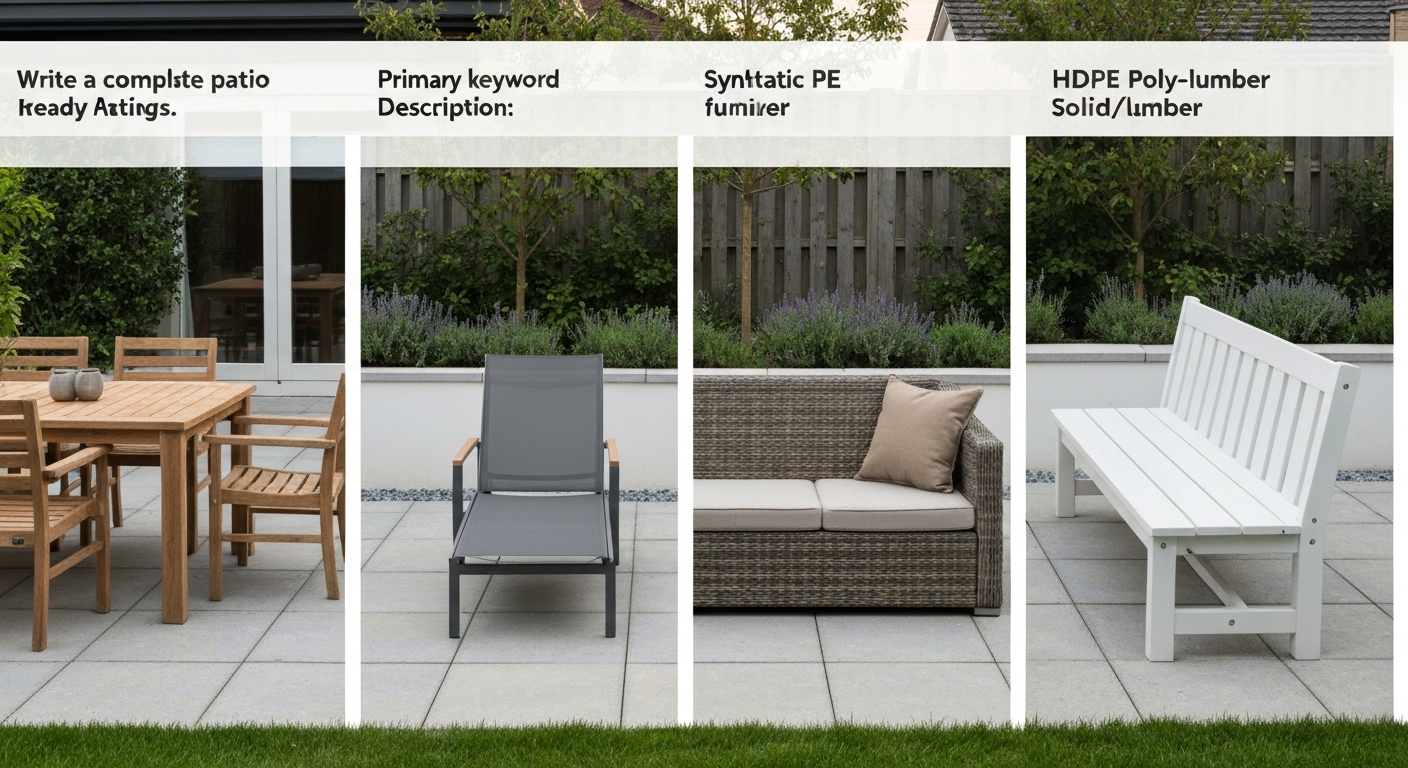
Compare Patio Furniture: Materials, Brands, Climate Picks
Compare patio furniture: side-by-side materials, durability, climate picks, budgets, care tips & buying checklist.
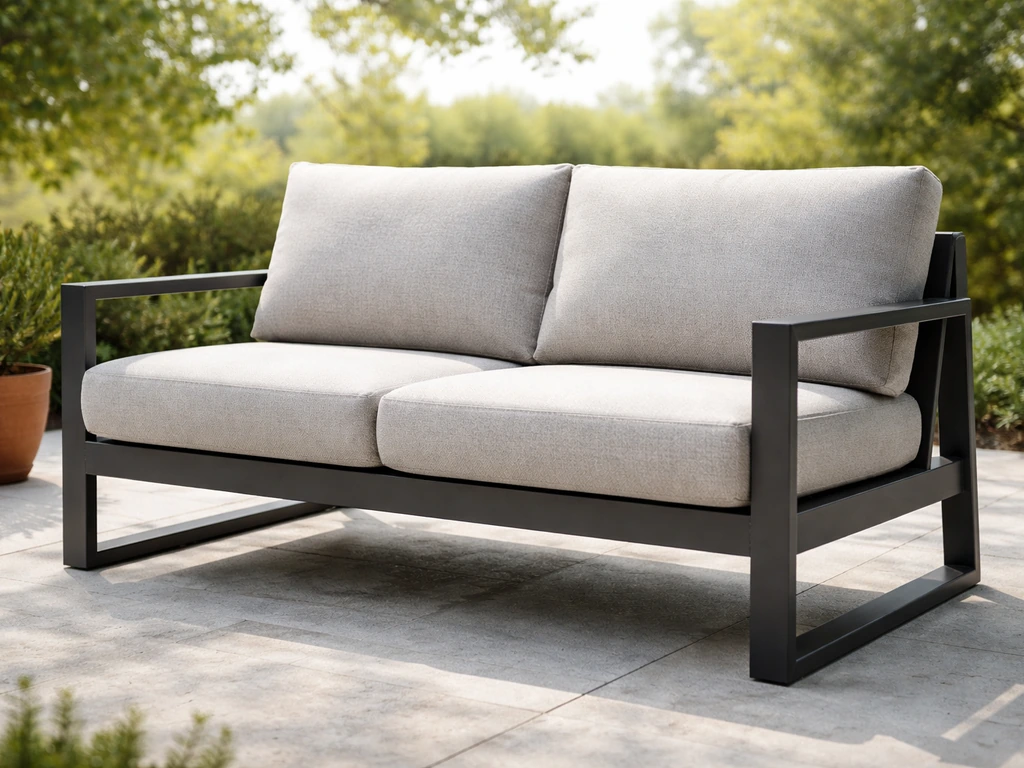
Latest Patio Furniture Buying Guide: Trends, Materials, Durability
Durability-first guide to the latest patio furniture trends, materials, cushions, and care by climate and budget
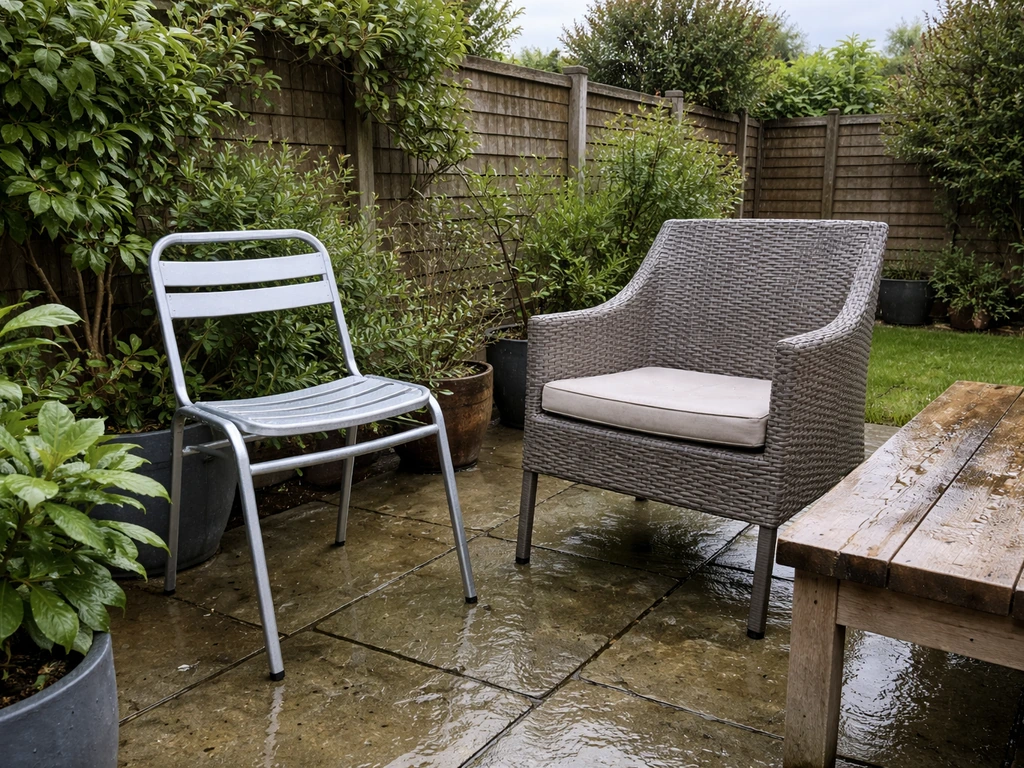
Best Patio Furniture UK Buying Guide for British Weather
UK patio furniture guide for rain and wind: choose the best wood, metal, rattan or composite, durable and comfy.