If you want patio furniture that can genuinely stay outside for long stretches, your best bets are Grade A teak, powder-coated aluminum, HDPE resin wicker, and textilene or sling-mesh seating. These materials handle rain, sun, temperature swings, and general neglect better than anything else on the market. Cushions are the weak link in any outdoor setup, but choosing quick-dry foam with solution-dyed acrylic fabric (Sunbrella being the benchmark) and removable covers gets you close to a realistic leave-it-out setup. The right answer for your specific situation still depends on your climate, but the materials above cover the vast majority of homeowners.
Best Patio Furniture to Leave Outside Year-Round

Theo Tierney
27 May 2026
What 'leave outside' actually means for your situation
Leaving furniture outside year-round means something very different in Phoenix than it does in Minneapolis or coastal Maine. Before you buy anything, be honest about four things: how much direct sun the set will get, how much rain and moisture it will see, whether you're dealing with snow and freezing temperatures, and whether you're anywhere near salt air. Each of those variables eliminates certain materials and favors others.
Sun is the silent destroyer. UV radiation breaks down finishes, bleaches fabrics, and degrades lower-grade plastics faster than most people expect. In a full-sun location in the Southwest or Florida, inferior wicker or cheap powder-coated finishes can start showing damage within a single season. Rain and humidity create a different problem: moisture that sits in cushion filling, accumulates in joints, or pools on flat surfaces causes mold, mildew, and corrosion. Coastal environments layer on salt air, which accelerates corrosion on any metal surface with even a pinhole in its protective coating.
Snow and hard freezes matter less for the frame materials discussed here (teak, aluminum, and HDPE all handle cold well) and more for cushions and any accessories like glass tabletops. Grade A teak, for example, can be left outdoors year-round even in climates with regular snowfall without structural damage. Whether you plan to use a furniture cover changes the calculus on cushions and finish longevity significantly. A breathable, fitted cover during periods of non-use buys you years of extra life even on already-durable materials.
The best materials for furniture that lives outdoors
Teak wood
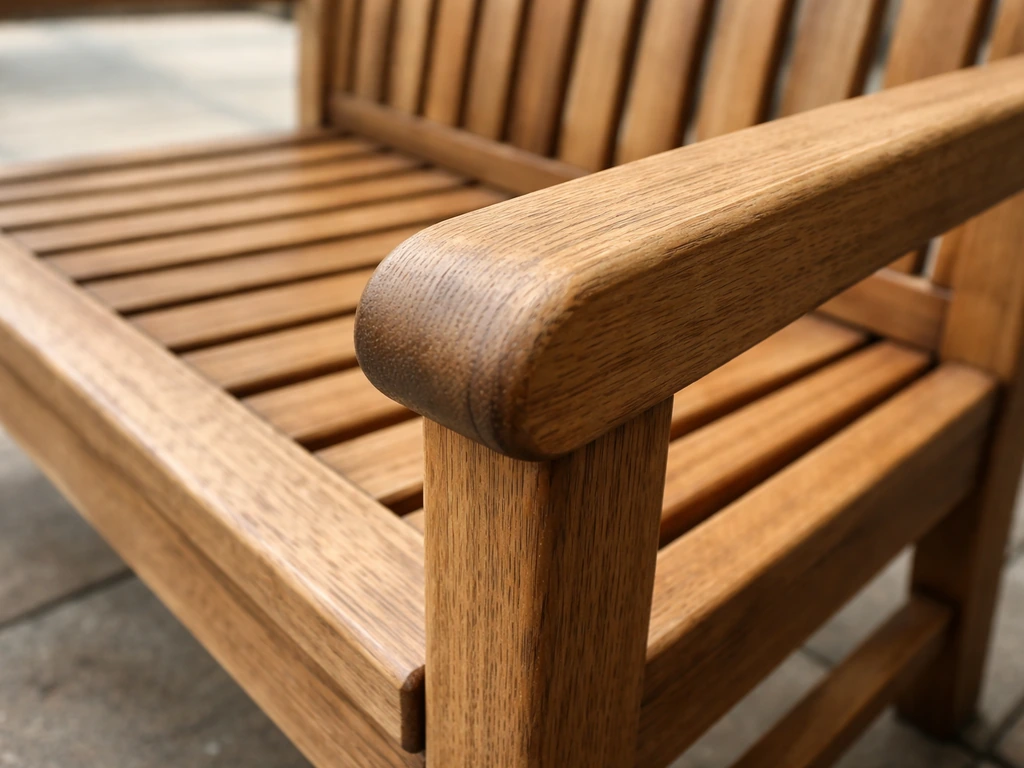
Teak is the gold standard for outdoor wood furniture, and Grade A teak (cut from the heartwood of mature trees) earns that reputation. Its natural oils make it inherently resistant to moisture, insects, and rot without any treatment. Grade A teak can be left outside year-round in harsh climates, including snow, and the main consequence is cosmetic: it weathers from honey-brown to a silver-gray patina over roughly a year of full sun exposure.
If you want to maintain the original color, you can apply teak oil, though some manufacturers actually advise against it, noting that teak's own oils are sufficient and added oil can trap dirt. If you love the silver look, you don't have to do anything at all. For longevity without maintenance, very few materials compete with Grade A teak.
The trade-off is price. Grade A teak sets are expensive, and the market is flooded with lower-grade teak furniture that won't perform the same way. If budget is a real constraint, the other materials below offer strong alternatives.
Powder-coated aluminum
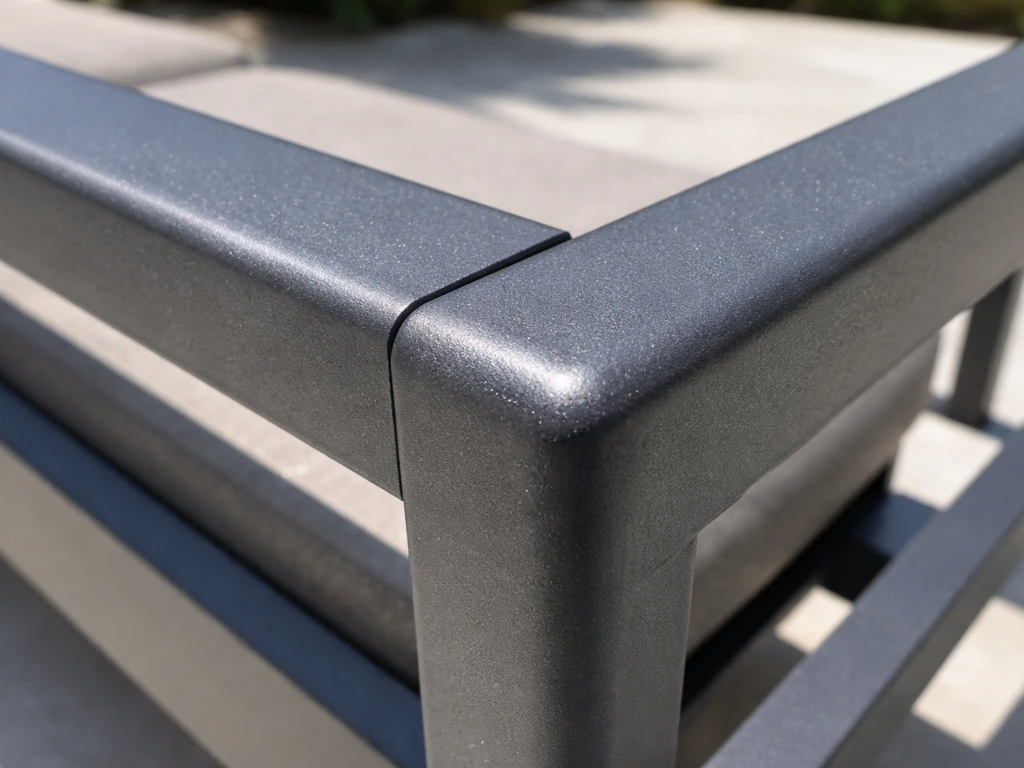
Aluminum is the most practical metal for outdoor furniture because it doesn't rust. Steel and wrought iron are heavier and have more visual weight, but they require more maintenance to keep corrosion at bay. Aluminum frames are lightweight (which can be a wind-stability issue in exposed areas, addressed below), and when finished with a quality powder coat, they handle UV, rain, and temperature changes with minimal upkeep.
The powder coat is what you need to evaluate: look for thickness, adhesion quality, and whether it's been applied to properly pretreated aluminum. Chips and scratches are the enemy, because bare aluminum exposed to the elements will eventually oxidize and pit. If you're anywhere near the coast, look for powder coatings that meet the QUALICOAT Seaside standard, which requires enhanced pretreatment and salt-spray corrosion testing specifically for marine environments.
QUALICOAT describes SEASIDE as designed for preventing filiform corrosion of powder-coated finishes in marine or salt-air proximity environments QUALICOAT SEASIDE.
HDPE resin wicker
Natural wicker has no business being outdoors year-round. Sun, moisture, mold, and mildew will destroy it relatively quickly, and it was simply never designed for outdoor exposure.
Resin wicker, on the other hand, specifically HDPE (high-density polyethylene) wicker, is a genuinely different product that just mimics the aesthetic. HDPE resin wicker resists UV degradation, water damage, and natural decomposition. It can handle snow without structural damage, and because it's a synthetic, mold has nothing to grip as long as you keep it reasonably clean.
Lower-grade resin wicker made from inferior plastics can still fade or become brittle over time, so HDPE specifically is the one to look for. Brands like Polywood position their woven furniture around this material, and the durability claims are largely legitimate.
Textilene and sling-mesh systems
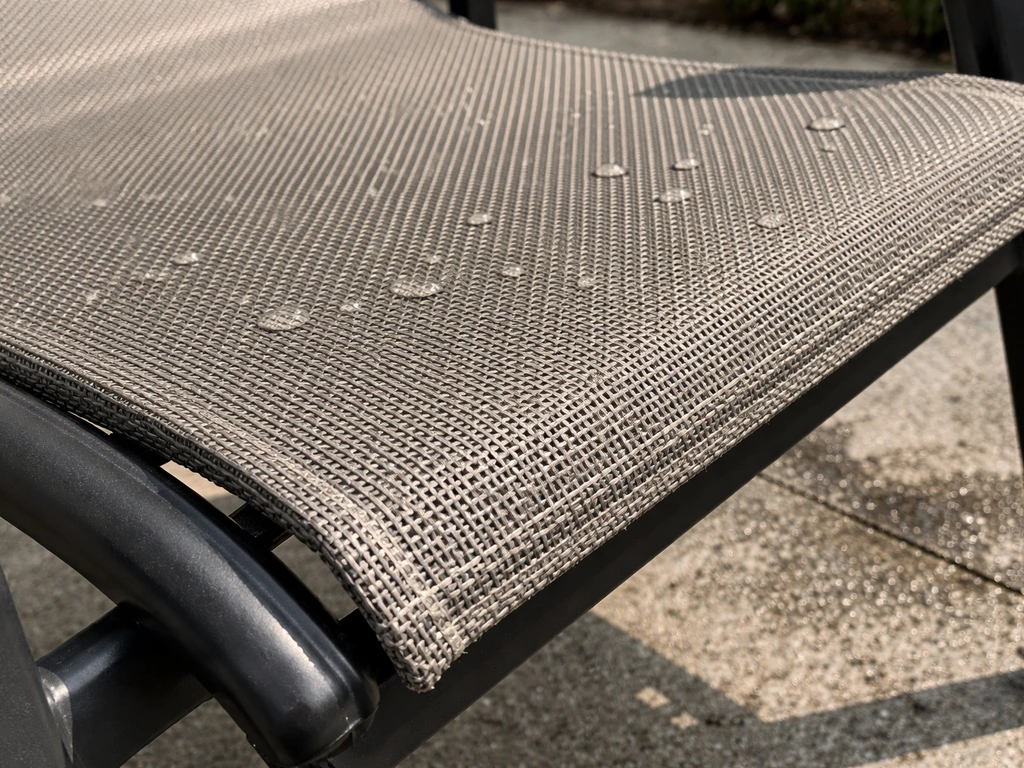
Textilene and similar PVC-coated mesh fabrics used in sling chairs are genuinely excellent for leave-it-out furniture. They're waterproof, quick-drying, breathable, mold-resistant, and don't require cushions at all, which eliminates the biggest maintenance headache in outdoor furniture. Sling systems are stretched between the frame, so there's nowhere for water to pool. After rain, they're dry almost immediately. This makes sling and mesh seating the lowest-maintenance seating category overall, and it's worth considering even if you normally gravitate toward cushioned chairs.
Cushions: the honest assessment
Outdoor cushions are water-resistant, not waterproof. This distinction matters a lot. The fabric surface beads and rolls water off reasonably well, but if cushions are repeatedly soaked or left sitting in pooled water, moisture eventually penetrates into the foam filling, which is typically not water-resistant. Once the filling is wet and stays wet, mold and mildew become a real problem.
The best outdoor cushions use quick-dry foam or open-cell foam designed to drain and dry fast, paired with solution-dyed acrylic fabric like Sunbrella. Solution-dyed acrylic doesn't promote mildew growth on its own, though mildew can still grow on accumulated dirt and pollen on the surface. Removable, machine-washable covers are non-negotiable for any cushion you plan to leave outside.
If mildew does develop, a solution of one cup of bleach and a quarter cup of mild soap per gallon of water handles it on Sunbrella-type fabrics. For cushions that truly stay outside long-term, tilt them upright or store them in a cushion box when you know a stretch of rain is coming.
Which furniture types hold up best outdoors
Not all outdoor furniture categories handle exposure equally well. Here's how the main types break down for leave-it-out use.
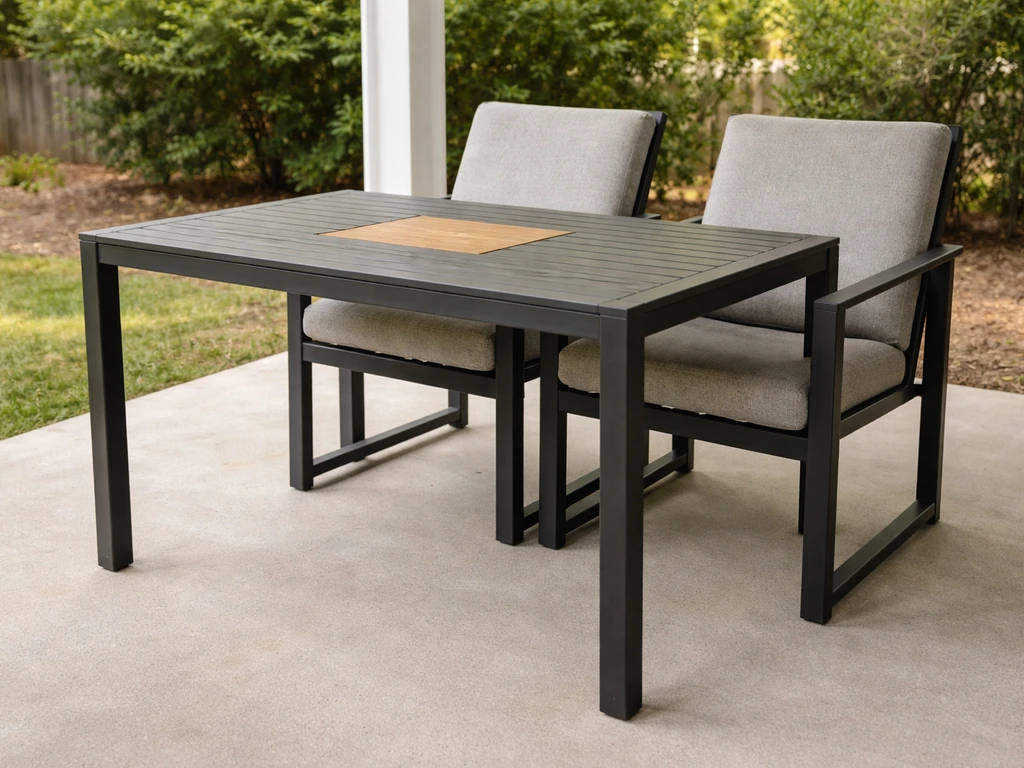
- Dining sets: Look for slatted tabletops rather than solid surfaces. Slats allow water to drain rather than pool, which matters for both wood and metal tables. Aluminum frames with teak or HDPE tops are a particularly durable combination.
- Conversation and sectional sets: These almost always come with cushions, which makes them the most maintenance-demanding category. Resin wicker or aluminum frames paired with Sunbrella cushions and a cover when not in use is the most realistic approach here.
- Lounge chairs and chaises: Sling and textilene mesh versions are the easiest to leave out. Teak loungers are also excellent. Cushioned versions are comfortable but require the same discipline around covering and drying as sectional sets.
- Side tables and ottomans: These are the easiest furniture category to leave outside. Solid teak, cast aluminum, and HDPE-based side tables need almost nothing from you. Avoid glass tabletops if you're in a windy location or get heavy snow.
- Sectionals: The large size makes covering them easier with a single furniture cover, which helps a lot. Frame material matters more here because sectionals are harder to bring in. Aluminum or HDPE frames are the right choice.
Features that actually determine whether furniture survives outside
Hardware and fasteners
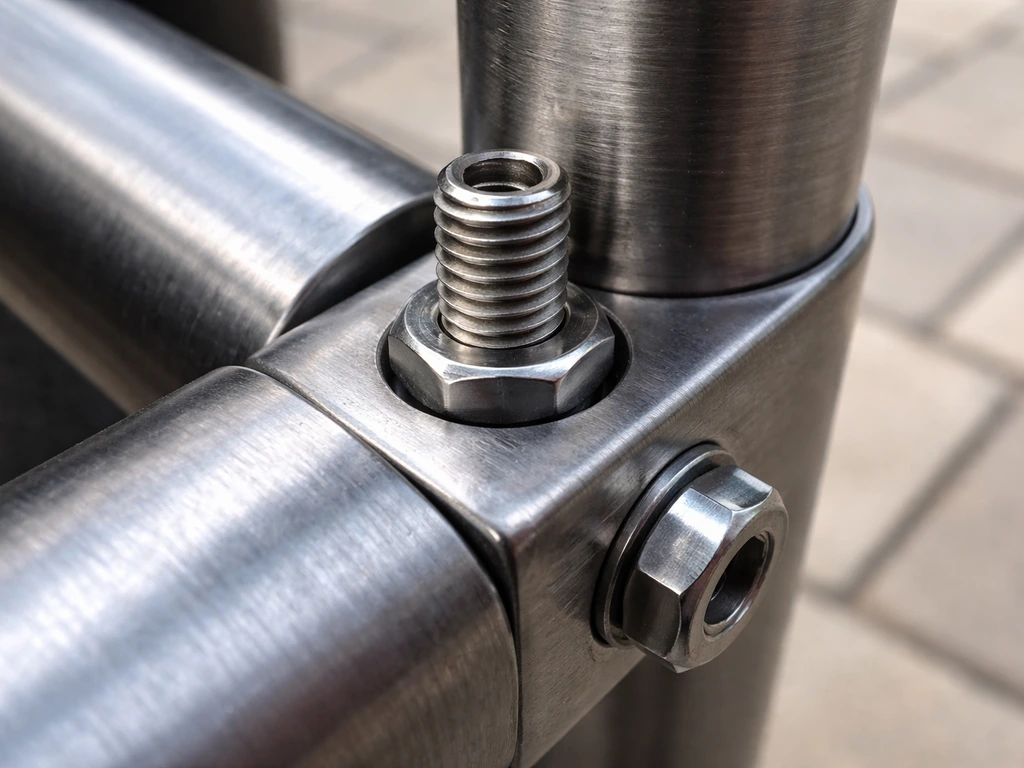
Stainless steel hardware is the minimum standard for outdoor furniture meant to stay outside. Galvanized or zinc-plated screws and bolts will eventually rust, and rust bleeds onto frames and decking surfaces. Even on aluminum frames, if the fasteners are steel, you'll see rust staining over time. Check the product specs before buying, not just the frame material description.
Frame construction and weight
Thicker aluminum tubing (look for 1.5mm to 2mm wall thickness or better) holds up to physical stress and wind far better than thin-walled tube. Welded joints are generally stronger than bolted joints at the connection points most exposed to stress. For wind-prone patios or rooftop spaces, heavier furniture is actually better: wrought iron or heavy cast aluminum won't blow over in a gust. If you're buying lightweight aluminum for convenience, make sure you have a plan to anchor or store pieces when storms roll through.
Powder coat quality and UV stability
A good powder coat should resist chalking, color shift, and loss of gloss for several years in normal sun exposure. When it does chip or crack, the damage needs to be addressed quickly because exposed aluminum will begin to pit. Look for furniture from brands that specify their powder coat thickness and pretreatment process. The warning signs of failing powder coat (chalking, blistering, peeling) are predictable failure modes you should know to watch for.
Slat spacing and drainage
Any flat surface that holds water, whether a tabletop, chair seat, or bench, will age faster and accumulate mold more readily. Slatted designs with gaps allow water to run off rather than pool. This is especially important for wooden furniture, where standing water is the primary enemy of long-term finish integrity.
Fade resistance in fabrics
Solution-dyed fabrics, where the color is locked into the fiber during production rather than applied as a surface dye, are significantly more fade-resistant than piece-dyed alternatives. This is the technology behind Sunbrella, Ottertex, and similar performance outdoor fabrics. If a cushion fabric's spec sheet doesn't mention solution-dyed construction, treat it as a lower-durability option.
Practical weatherproofing and placement tips
Where you place furniture on your patio affects how long it lasts almost as much as the material itself. Positioning chairs and tables under a pergola or overhang reduces direct UV exposure dramatically, which slows fading and finish degradation. If you have a fully exposed patio, this is where covers earn their keep. A breathable, fitted furniture cover during stretches of heavy rain or winter non-use can add years to any outdoor set, including teak and aluminum.
Airflow matters for mold prevention. Don't push furniture flush against walls or into corners where moisture can't escape. Leave a few inches of clearance behind chairs and sofas when possible. For cushions, standing them on edge rather than laying flat after rain lets both sides dry. If you have a cushion storage box, make sure it has drainage holes or ventilation so condensation doesn't accumulate inside.
On decks, use furniture feet or rubber caps under legs to prevent staining and to allow a small air gap between the leg and the deck surface. Trapped moisture at the contact point is where both the furniture leg and the deck material tend to degrade first. For furniture on grass or pavers, the same logic applies.
A realistic maintenance plan to keep it looking good
Aluminum and powder-coated frames
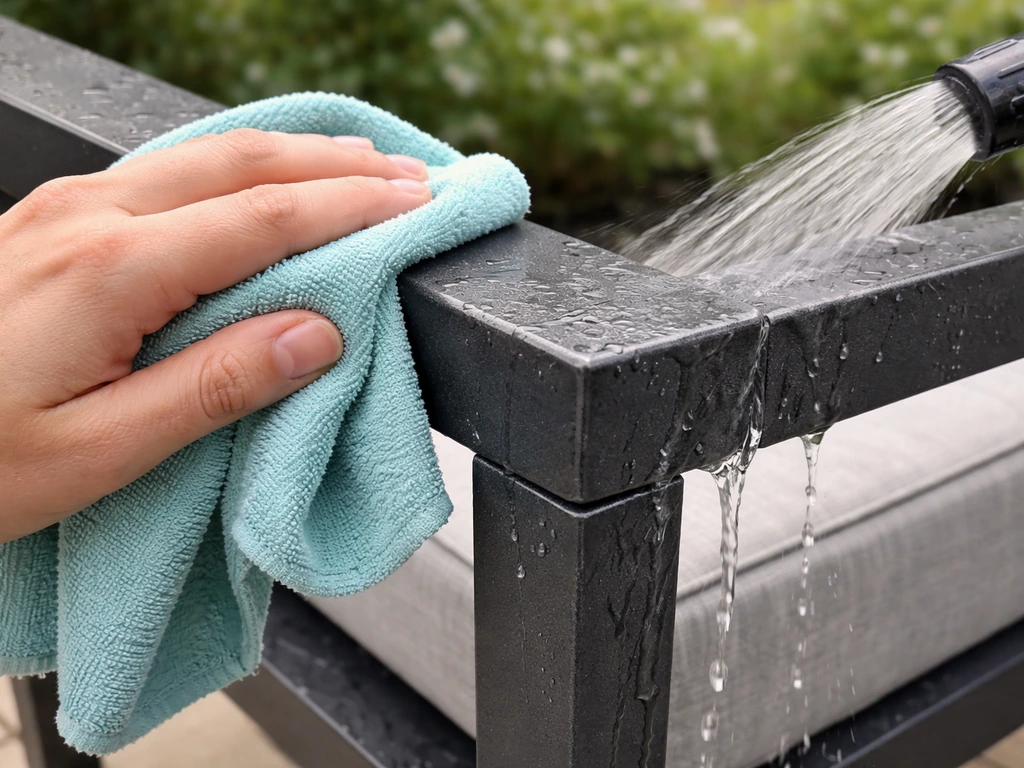
Wash with mild soap and water two to three times per season. Rinse thoroughly to prevent soap residue buildup, especially in joints where it can trap moisture. Inspect for chips and scratches annually and touch up with a matching powder coat touch-up paint or automotive primer. If you're near the coast, increase inspection frequency and consider applying a protective wax to the frame surface to supplement the powder coat.
Teak furniture
If you want to maintain the golden color, apply teak sealer (not oil, which some teak brands specifically advise against) once or twice a year. If you're happy letting it go silver-gray, do nothing structural. Either way, clean it with mild soap and water seasonally. Teak cleaner products can restore color before re-sealing if the patina has gone further than you'd like. The wood itself will not rot or fail structurally from being left outside.
Resin wicker and HDPE frames
These are genuinely low-maintenance. Rinse with a garden hose when dirty. For stubborn grime caught in the weave, use a soft brush with mild soapy water. No sealing, oiling, or coating needed. HDPE doesn't absorb water, so drying is fast. If you want to read more on this approach, the topic of best low-maintenance patio furniture covers this category in depth.
Cushions and fabrics
Brush off loose debris regularly, because accumulated dirt and pollen is what mildew actually grows on, not the fabric itself. For solution-dyed acrylic fabrics, clean with mild soap and water. For tougher stains or mildew spots, use a bleach solution of one cup bleach and a quarter cup of mild soap per gallon of water, apply, let sit, rinse thoroughly, and allow to air dry completely before replacing.
After cleaning, applying a fabric guard product like 303 Fabric Guard restores water repellency and stain resistance. Remove covers and wash them separately if they're machine-washable. For winter or extended non-use, storing cushions indoors or in a sealed cushion box is the single most impactful thing you can do to extend their life.
Sling and mesh seating
Rinse with water. Mild soap for anything more serious. Slings stretched too tight or left permanently in extreme tension over years can eventually sag, but quality sling systems are designed for this and are replaceable if needed. Inspect the attachment points at the frame annually for any corrosion or stress cracking.
Budget vs. longevity: where to spend and where to save
The furniture market is full of products priced to sell, not to last. The honest framework here is to think in cost-per-year rather than sticker price. A $300 patio set that needs replacing in three years costs more per year than a $900 set that runs for twelve.
| Material | Upfront Cost | Realistic Lifespan (left outside) | Maintenance Level | Best Climate Fit |
|---|---|---|---|---|
| Grade A Teak | High ($$$) | 20+ years | Low to moderate | All climates including snow and coastal |
| Powder-coated Aluminum | Moderate ($$) | 10–15 years | Low | All climates; coastal needs Seaside-grade coating |
| HDPE Resin Wicker | Moderate ($$) | 10–15 years | Very low | All climates; UV-stabilized grades for full sun |
| Textilene/Sling Mesh | Low to moderate ($–$$) | 8–12 years | Very low | All climates; ideal for rain-heavy or humid areas |
| Steel/Wrought Iron | Moderate ($$) | 10–15 years (with maintenance) | Moderate to high | Dry climates; avoid coastal without extra protection |
| Natural Wicker | Low to moderate ($) | 2–4 years outdoors | High (and often futile) | Not recommended for outdoor use |
Where budget pressure is real, powder-coated aluminum and HDPE resin wicker give you the best value for money in the leave-it-outside category. They're meaningfully cheaper than teak and durable enough to justify the purchase. If you go budget aluminum, the red flags to avoid are thin-walled frames (under 1.2mm), painted rather than powder-coated finishes, and non-stainless hardware. Those three shortcuts are how low-cost sets fall apart in two to three years.
On cushions specifically, this is one place where spending more is worth it. Cheap polyester cushion fabric fades, pills, and deteriorates fast. Spending the extra money on Sunbrella or equivalent solution-dyed acrylic cushions means you're not replacing them every other year. Cushion replacement costs add up quickly and often exceed the cost difference between budget and quality fabric at initial purchase.
If you prefer furniture that requires no cushions at all, sling and mesh systems and solid teak seating both eliminate that recurring cost entirely. For readers who want to go further down the cushion-free path, the topic of best patio furniture without cushions digs into that approach specifically. And if your goal is the absolute minimum ongoing effort, the best maintenance-free patio furniture topic is worth reading alongside this one. If you want a quick checklist of the top no-fuss outdoor options, see the best maintenance-free patio furniture guidance next.
What to do next
Start by matching your climate to the material column above. If you're in a wet or coastal climate, aluminum quality and fabric type matter most. If you're in a snowy climate, teak or HDPE is your most worry-free frame choice. If you're in a full-sun location, UV stability in fabric and frame finish is the priority.
Then set a realistic budget using the cost-per-year lens rather than sticker price. Finally, decide upfront whether you'll commit to bringing cushions in or covering the set during extended rain or winter, because that single habit makes more difference to furniture lifespan than almost any material upgrade. If you're shopping specifically for the best patio furniture for rain, prioritize quick-dry cushions, sling or mesh options, and powder-coated aluminum or HDPE resin wicker.
FAQ
Can I really leave patio cushions outside year-round?
“Leave outside” usually means the frame stays out, not that cushions are ignored. If you cannot bring cushions in, prioritize sling or mesh seating (no cushions) or use removable, quick-dry cushions with a breathable fitted cover during every extended rain or winter stretch.
What type of furniture cover works best if I’m leaving my set outside?
Sun and moisture both matter, so a cover is only useful if it’s breathable. Choose a fitted cover that vents moisture (so condensation does not build underneath), and remove or prop it after heavy rain so trapped water can escape.
If the frame is aluminum, do I still need to worry about rust?
Look at exposed metal fasteners, not just the frame material. Even an aluminum set can stain and corrode if bolts are steel, so confirm the hardware is stainless (or at least explicitly corrosion-rated) in the product specs.
How do I prevent mildew when rain keeps soaking my cushions?
If cushions get repeatedly soaked, foam can stay wet long enough for mold to form. The practical workaround is tilt cushions upright (or store them in a cushion box with ventilation), and use removable covers that you wash separately so fabric and foam can fully dry.
Is it better to store cushions in a sealed container or take them indoors?
Avoid stacking wet cushions flat in a closed space. After rain, stand cushions on edge and give them airflow, then cover only once they’re dry. If you use a cushion storage box, verify it has drainage holes or built-in vents.
Will powder-coated aluminum blow over in strong wind?
Yes, but it depends on wind and exposure. For rooftop or high-wind patios, choose heavier furniture or ensure the design supports anchoring, because lightweight aluminum can shift and wear finishes faster at joints.
Does Grade A teak still last if it gets snow and freezing temperatures?
Not if it is truly Grade A teak. Grade A heartwood teak can handle year-round outdoor exposure with cosmetic color change (honey-brown to silver-gray). What you should avoid is relying on lower-grade teak that may be more prone to uneven wear.
What warning signs mean my powder-coated aluminum is starting to fail?
If the powder coat fails, bare aluminum can pit and the damage spreads. Check annually for chalking, blistering, peeling, and chips, then touch up quickly with a matching powder coat or automotive-grade primer and topcoat intended for outdoor aluminum.
How can I tell whether fading is normal UV wear or actual finish damage?
If you see fading, chalking, or loss of gloss, clean first and then evaluate the finish. A breathable cover under full-sun conditions can slow UV-driven breakdown, but do not assume a cover fixes chips, scratches, or corrosion at exposed fasteners.
Can I use bleach on Sunbrella-type outdoor fabric, and what’s the safest way?
For solution-dyed acrylic fabrics, mildew often comes from dirt and pollen, not from the dye system itself. Before using bleach, clean with mild soap and water, then spot-treat mildew, rinse thoroughly, and air-dry completely before putting cushions back.
What changes if I live near salt air or the ocean?
Stainless steel or properly corrosion-rated hardware is the baseline. If you’re near the coast, also prioritize enhanced pretreatment on powder coat and look specifically for marine-grade performance claims tied to salt-spray testing.
Does where I place the furniture on my patio affect durability?
Yes, but placement is a longevity multiplier. Keep furniture out of constant pooling areas and choose slatted designs with gaps when water can sit after rain, because standing water accelerates mildew and finish degradation.
What should I look for besides “powder-coated” on aluminum furniture?
Not always. Thin-walled aluminum can flex under wind and everyday stress, which increases wear at joints. A thicker tube and stronger joint construction (often welded at stress points) improves long-term stability for exposed patios.
What’s the most maintenance-light option, cushions or sling/mesh?
If your top priority is zero cushion maintenance, choose sling or mesh seating, since it dries almost immediately and has no cushion foam to hold moisture. If you prefer plush seats, plan a routine for drying and washing covers instead of treating cushions as maintenance-free.
Should I oil teak to keep it from turning silver-gray?
Yes, using teak oil can be counterproductive if your goal is structural longevity, some manufacturers advise against it because added oil can trap dirt. If color maintenance matters to you, follow the product guidance for sealer or teak cleaner timing rather than oiling on a schedule.
Next Articles
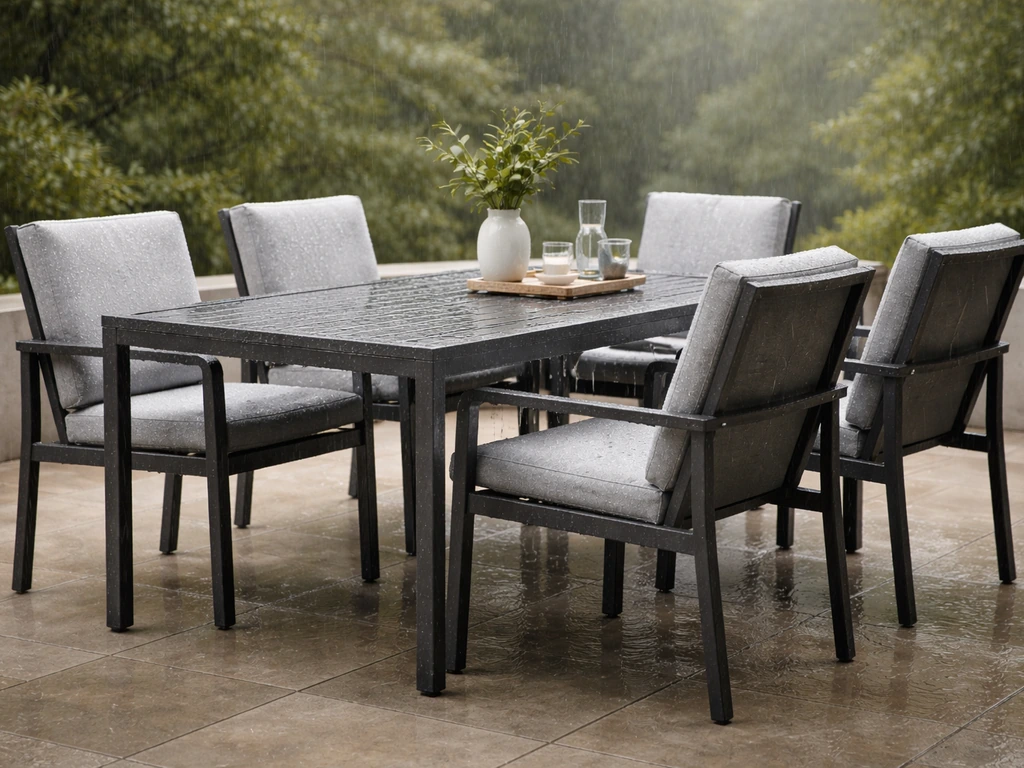
Best Patio Furniture for Rain: What to Buy and Why
Shop the best patio furniture for rain with material picks, must-have features, and maintenance tips for wet climates.
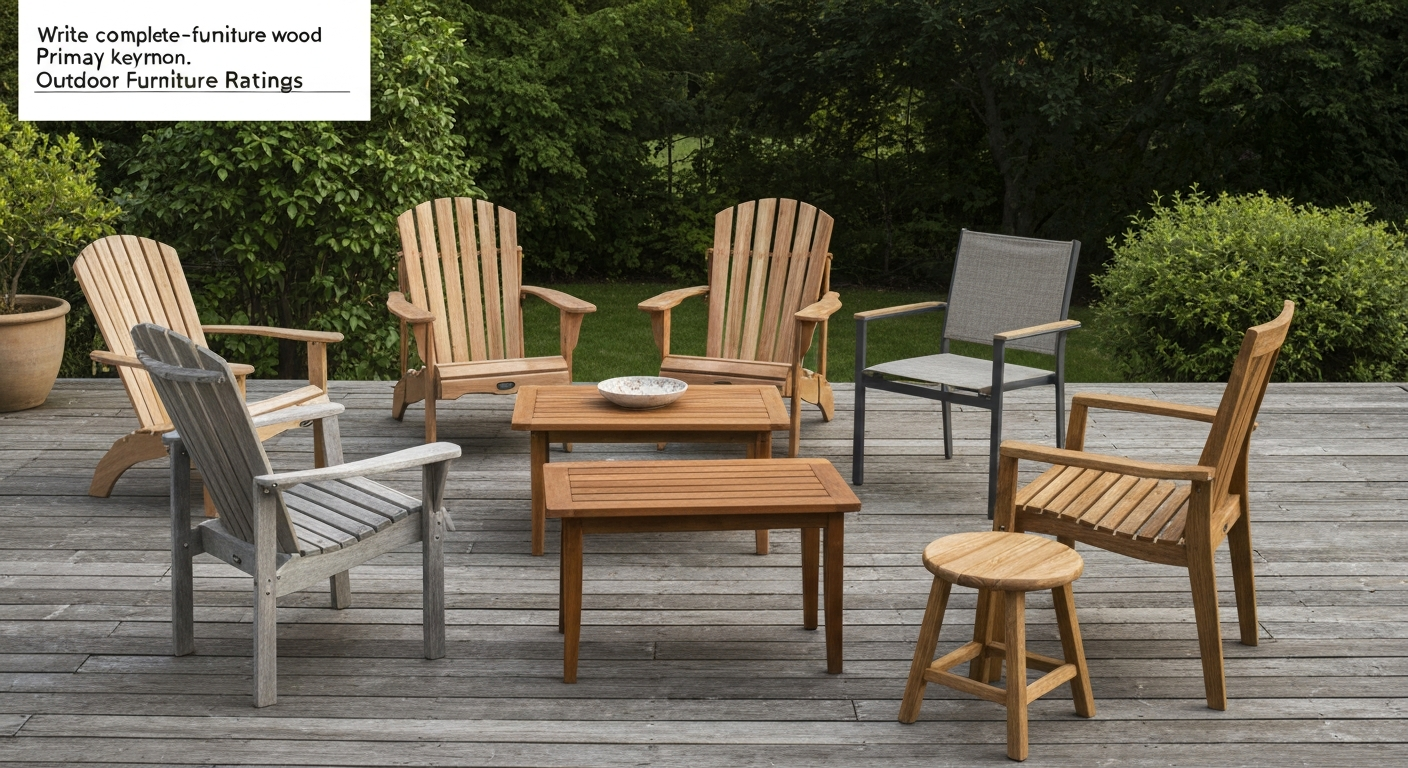
Common Patio Furniture Wood: Best Choices, Care & Tips
Compare common patio furniture wood types, teak, cedar, redwood, oak, with durability, finishes, and care tips.
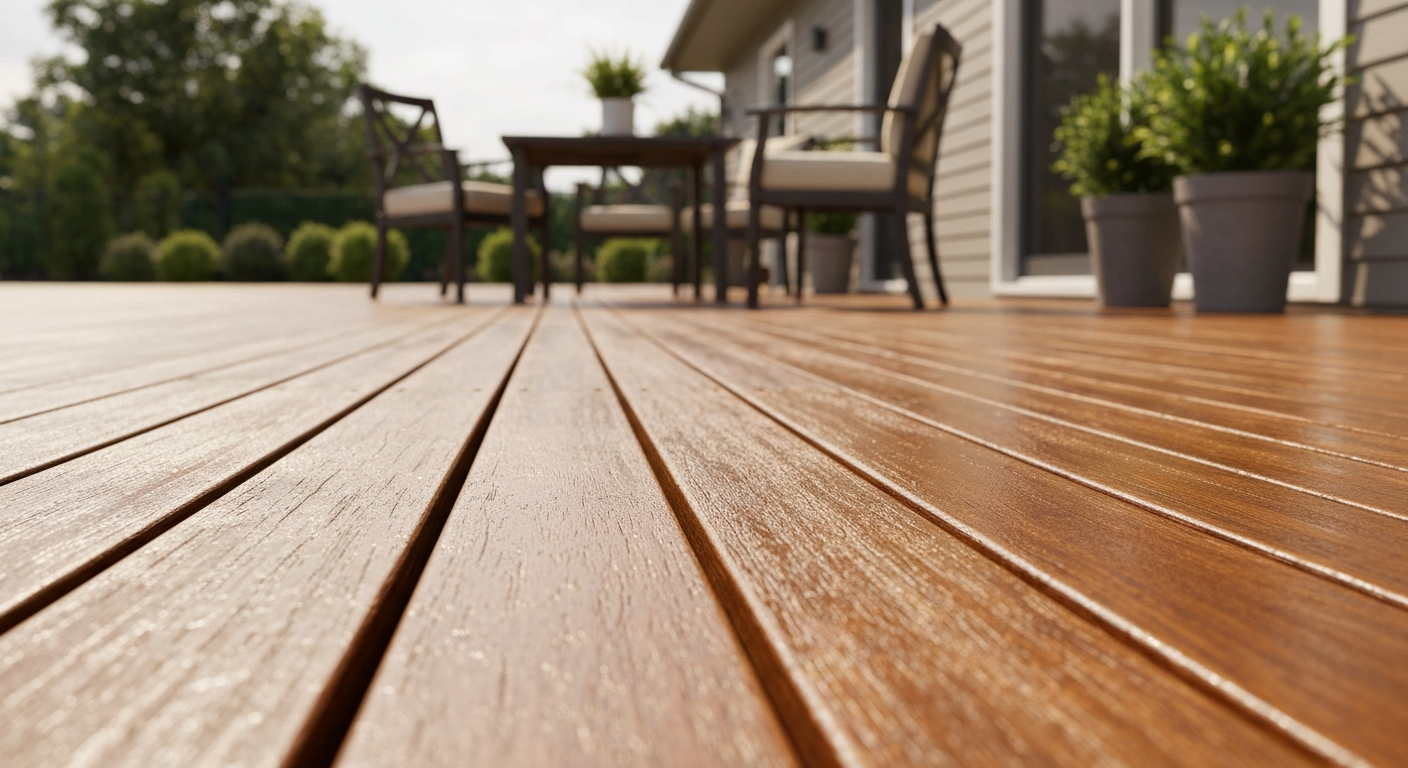
Best Wood Patio Stain: Choosing Durable, Low-VOC Finishes
Compare and choose the best wood patio stain: durability, finish, climate tips, prep, and top product picks.